
Reviewed · MOUNT FUJI TOURS
Mt Fuji Hakone/Enoshima Tour:Optional Ropeway/Lake Ashi Boat
One day, three very different Japans. This long outing links Mt. Fuji, volcanic Hakone, and seaside Enoshima in a single trip from Tokyo. I like the way the route combines big scenery with simple local pleasures, especially the Lake Ashi cruise and the chance to taste Owakudani’s famous black eggs.
I also like the cultural finish at Enoshima Shrine and Benzaiten Nakamise Street, where the day shifts from mountain views to shrines, seafood stalls, sweets, and souvenirs. The main drawback is the schedule: ten to eleven hours on the road can feel tiring, and heavy traffic or poor weather may shorten your time at the stops.
In This Review
- Key details before you book
- Why this day trip works
- Meeting in Tokyo and settling into the coach
- Hakone Shrine and the red torii by Lake Ashi
- The Hakone sightseeing cruise
- The ropeway above Hakone’s volcanic ground
- Owakudani and the seven-year black egg tradition
- Enoshima Island, shrines, and Benzaiten Nakamise Street
- About the extra Kamakura reference
- Guides, languages, and how much explanation to expect
- Traffic, timing, and the real cost of a long day
- Who should choose this tour?
- Should you book it?
- FAQ
- How long does the Mt Fuji, Hakone, and Enoshima tour last?
- Where does the tour meet?
- Is Mt. Fuji guaranteed to be visible?
- Which languages are available?
- Are food and drinks included?
- Is the boat cruise included?
- Is the tour suitable for wheelchair users?
- What happens if the group has fewer than 13 people?
Key details before you book
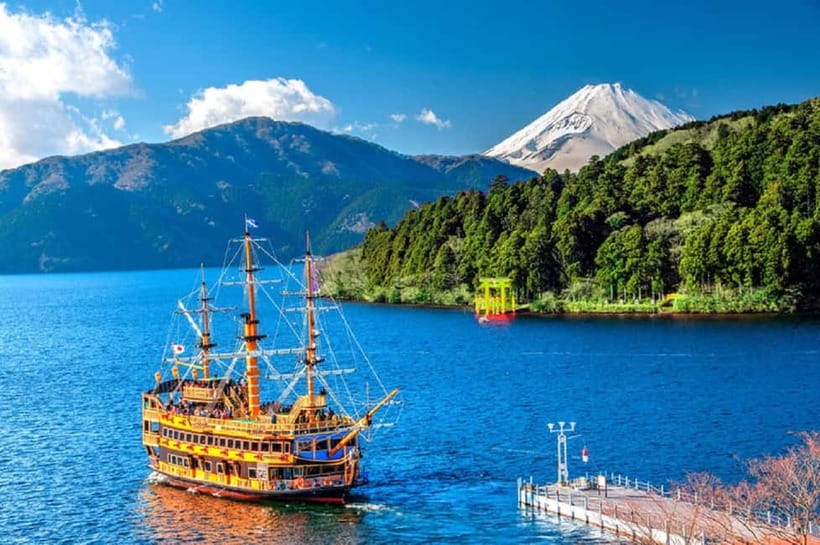
- Lake Ashi by sightseeing boat: A 30-minute cruise crosses a volcanic lake with views toward Mt. Fuji and Hakone Shrine’s red torii gate.
- Ropeway over Owakudani: The 30-minute cable car ride gives you an aerial view of steaming volcanic ground, Lake Ashi, and the surrounding mountains.
- Black eggs at Owakudani: These eggs are boiled in hot spring water and are traditionally said to add seven years to your life.
- Two hours on Enoshima Island: You have time for Enoshima Shrine, Benzaiten Nakamise Street, snacks, and browsing.
- Multilingual support: Guides speak English, Japanese, and Chinese. Wanting and Laila have both received especially warm praise for being helpful and attentive.
- A shared coach from Tokyo: Transport, air conditioning, the driver, guide, fuel, parking, and taxes are included, but food, drinks, and personal spending are not.
Why this day trip works
Tokyo is packed with shrines, shops, towers, and trains. Getting out to Mt. Fuji country gives you a useful change of pace, and this tour fits several major sights into one day without asking you to plan separate train connections, buses, boats, and cable cars.
The route also has good variety. Hakone gives you mountain and lake scenery, Owakudani adds volcanic drama, and Enoshima brings shrines and coastal-town character. You are not spending the whole day looking at similar sights.
The price is $53 per person, which is attractive for a full-day outing with transport and a multilingual guide. The value is strongest if you want to see Hakone and Enoshima but do not want to manage the connections yourself. It is less appealing if you prefer slow meals, long walks, or the freedom to stay at one place when the weather is perfect.
The tour has an average rating of 4.3 from 49 ratings. That fits the experience well: the sightseeing plan is appealing and the better guide experiences add a lot, but the organization at the meeting point and the amount of commentary can vary.
A few more options to weigh up in Mount Fuji
- Mt. Fuji Instagram-Worthy Spots Day Tour: Ladder Town, Oshino Hakkai, Lake Kawaguchi, Lawson Convenience Store (Departing from Tokyo Station or Shinjuku Station)
★ 4.8 · 35,467 reviews - 【Mount Fuji Magnificent Scenery Exploration Day Tour】Arakurayama Sengen Park & Kawaguchiko Oishi Park & Oshino Hakkai & INS Famous Lawson & Hikawa Clock Shop (Departing from Tokyo)
★ 4.9 · 12,075 reviews - Mount Fuji & Hakone – Lake Ashi Torii Gate, Hakone Shrine, Hakone Pirate Ship, Hakone Ropeway, Owakudani, Lake Yamanaka & Oshino Hakkai Day Trip: Sea, Land, and Air Panoramic Tour from Tokyo
★ 4.8 · 7,989 reviews
Meeting in Tokyo and settling into the coach
There are two possible starting locations, with STAND T at Tokyo Mode Gakuen listed as one of them. Your exact meeting point depends on the option you reserve, so check the final instructions carefully.
Arrive at least 15 minutes early. This matters more than usual because several tour groups gather in the same area, often using similar flags. One person had trouble identifying the correct guide among more than 20 groups, and the guide’s flag was being held down rather than waved. In plain terms, do not arrive at the last second and expect the correct coach to find you.
You receive an email the evening before with the guide and driver’s contact information. Save those details before leaving your hotel. If something goes wrong, that message may be your quickest way to sort it out.
The outward coach ride takes about two and a half hours. That is a serious chunk of the day, but it is the trade-off for reaching several destinations without changing trains. Bring water, wear comfortable clothes, and carry a small amount of cash. Food and drinks are not provided, and some places may not accept cards.
Food cannot be eaten in the vehicle, and smoking is not allowed. The coach has air conditioning, though one account described uncomfortable temperature changes and a driver who appeared unwell. That is not something you can plan around, but it is sensible to bring a light layer rather than relying on one fixed temperature.
Hakone Shrine and the red torii by Lake Ashi
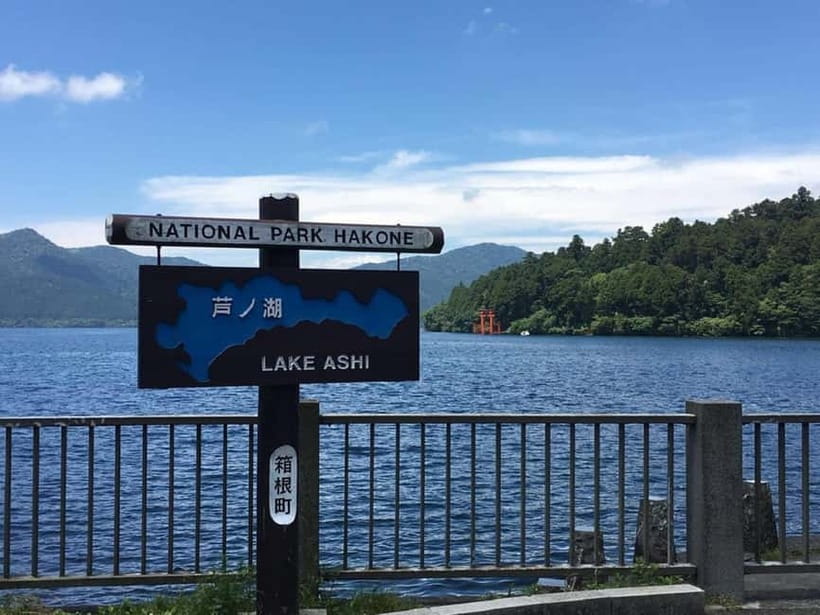
The first scenic stop is Hakone Shrine, with about 20 minutes for sightseeing and photographs. The most famous view is the vermilion torii standing at the edge of Lake Ashi. When the water is calm, the gate seems to float on the lake, with forested hills behind it and Mt. Fuji sometimes visible beyond.
This is a photo stop, not an extended shrine visit. Twenty minutes is enough to see the principal view and take pictures, but it is not enough for a leisurely exploration of the full shrine grounds. If the torii gate is your priority, move promptly when the group arrives.
Lake Ashi is a volcanic lake formed around 3,000 years ago. That age is not just a fact for a guide to recite. It helps explain why the lake feels so different from Tokyo’s urban waterways. The setting is quiet, broad, and framed by mountains, with the red gate providing the visual focus.
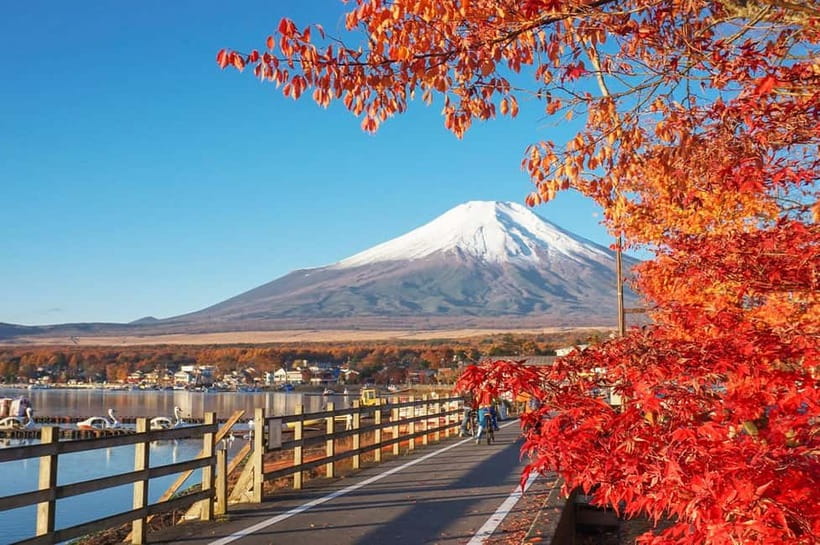
Mt. Fuji views depend entirely on weather. Clouds can cover the mountain even on a clear-looking day, so do not judge the whole tour by whether you get the classic cone. The lake, shrine, and volcanic scenery still offer plenty to see, but you should keep expectations sensible.
The Hakone sightseeing cruise
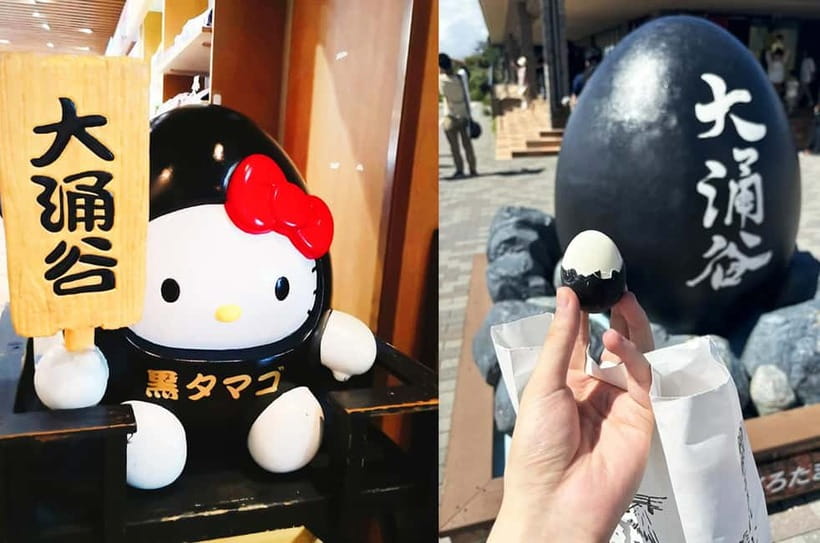
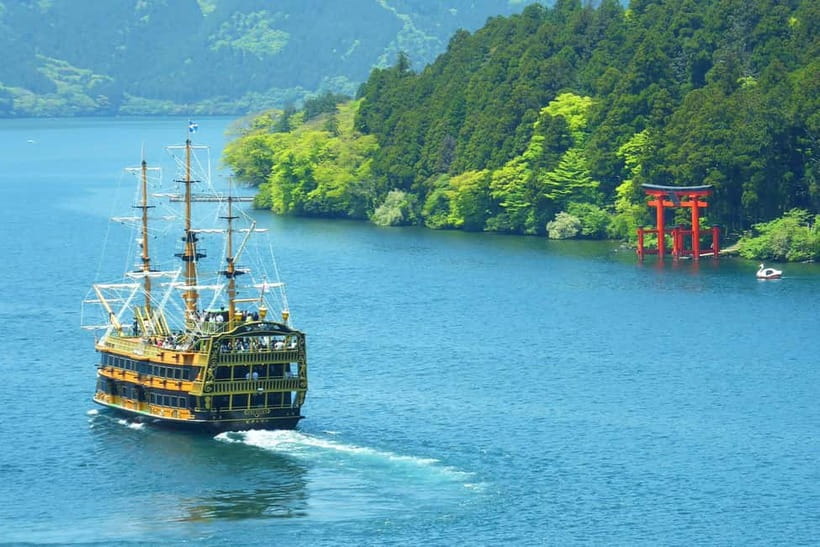
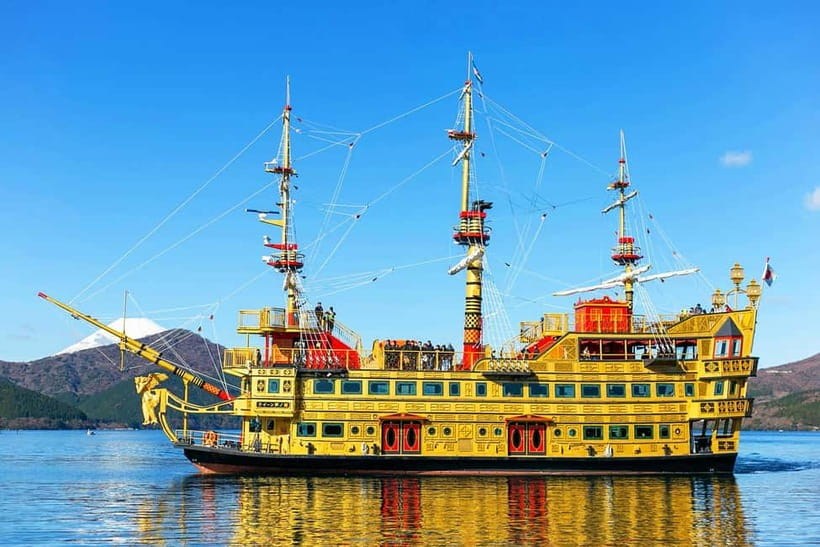
The 30-minute Hakone sightseeing cruise is designed as a themed voyage on Lake Ashi. The ship has a pirate-ship style, which gives the ride a playful storybook feel rather than the mood of a plain ferry.
You can enjoy the crisp air and wide lake views from the open deck. The route gives you another angle on the surrounding mountains and may offer a fresh view of Mt. Fuji if the clouds shift. The red torii and forested shoreline also look different from the water than they do from the road.
I like this part because it breaks up the coach time. You are moving, but not rushing. The boat gives you a chance to take photographs, feel the air, and simply watch the lake pass by.
The short duration is both a strength and a limitation. Thirty minutes is enough for a scenic ride, but not a full lake outing. If you are hoping for a quiet afternoon on the water, this will feel brief. If you want a memorable scenic link between Hakone stops, it fits the day nicely.
A completely different kind of day out:
- Mount Fuji Day Trip: Includes Kawaguchiko Tenjozan Park Ropeway Ticket & Arakurayama Sengen Park & Nichikawa Clock Shop & Lawson Convenience Store & Oishi Park (Departing from Tokyo)
★ 4.8 · 4,041 reviews - Mount Fuji Six Scenic Spots One-Day Tour: Arakurayama Sengen Park, Hikawa Clock Shop, Oshino Hakkai, Lake Kawaguchiko, Lawson Convenience Store, Lake Yamanakako Swan Feeding (Departing from Tokyo/Shinjuku)
★ 4.9 · 3,880 reviews - Fuji-Q Highland Ticket
★ 4.6 · 3,474 reviews - Tokyo: Mt. Fuji 5th Station & Hakone Cruise 1-Day Bus Tour
★ 4.2 · 2,381 reviews
The ropeway above Hakone’s volcanic ground
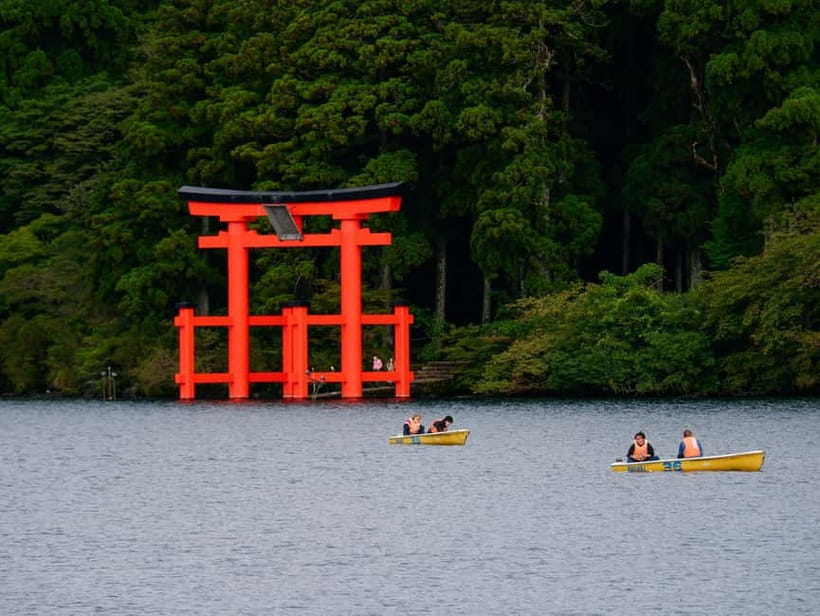
The Hakone Ropeway takes about 30 minutes and is one of the day’s most visual experiences. As the cable car rises, you look down on rugged volcanic ground and across toward Lake Ashi. On a clear day, Mt. Fuji may appear beyond the valley.
The most dramatic section is between Owakudani and Ubako, where steam vents and sulfurous ground show that this is an active volcanic area. The view is not polished or gentle. It is rough, smoky, and a useful reminder that Japan’s mountain scenery is shaped by forces beneath the surface.
The ropeway is also a practical way to see a large area without hiking it. You get a broad view in a short time, which suits this packed schedule. Keep your camera ready, but also look away from the glass now and then. The changing view is the point.
The ride depends on operating conditions, and bad weather can affect the plan. The supplied information warns that weather, traffic, or holiday congestion can lead to changes, cancellations, or less time at attractions. If the ropeway is important to you, check the weather forecast before booking and keep your evening free.
Owakudani and the seven-year black egg tradition
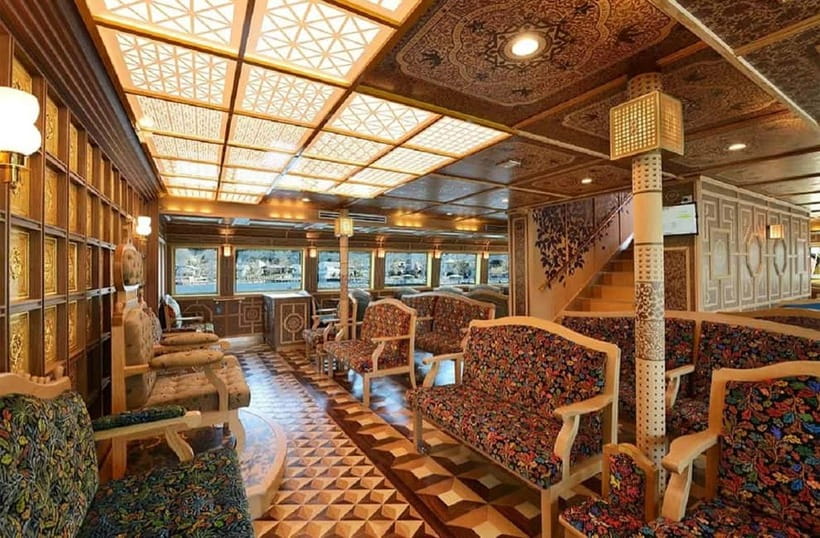
Owakudani is a volcanic valley known for sulfur vents, hot springs, steam, and mineral smells. You have about 40 minutes here, enough for photographs, a look at the steaming ground, and time to try the famous black eggs.
The shells turn black because the eggs are cooked in the hot spring water. Local tradition says eating one adds seven years to your life. It is a small food stop, but it gives the visit a distinctly Japanese touch: scenery, geology, folklore, and a snack all in one.
You should not expect a long walk through the valley. This is a compact sightseeing stop within a larger route, so use the time carefully. See the volcanic views first, then buy an egg or other snack if you want one. Food is at your own expense.
Owakudani can be an intense stop for anyone sensitive to sulfur smells or steam. It is also not the best place for sandals or uncomfortable shoes. The tour specifically recommends comfortable footwear, and that advice applies throughout the day.
Enoshima Island, shrines, and Benzaiten Nakamise Street
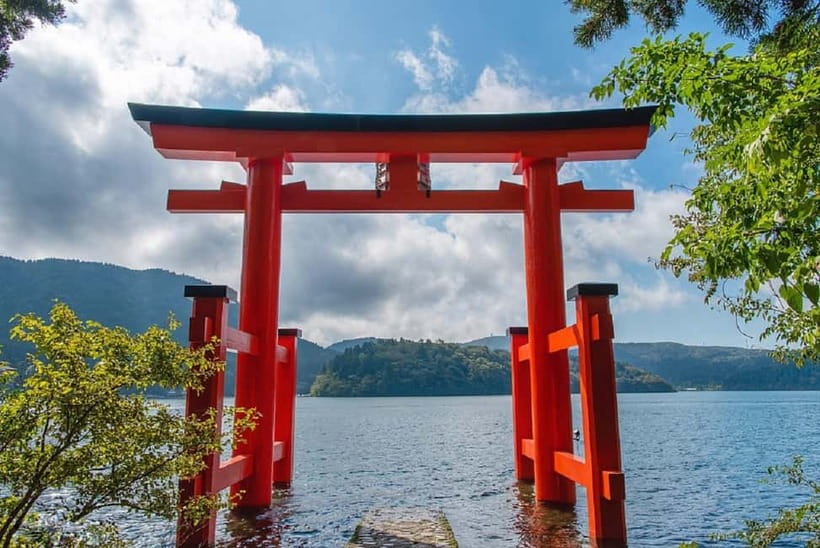
The final major destination is Enoshima Island, where you have roughly two hours. This is a good change after the mountain portion of the tour. Instead of wide volcanic views, you get a compact island setting with shrines, food stalls, souvenirs, and old legends.
Crossing the bridge brings you to Benzaiten Nakamise Street. The street leads toward the shrine area and is lined with seafood stalls, snack shops, and traditional souvenirs. You might find grilled clams, sweet treats, and other local foods, but remember that food and drinks are not included.
Enoshima Shrine’s Hetsunomiya is dedicated to one of three sister goddesses associated with fortune. The shrine complex has more than 1,500 years of history, and its red halls, lanterns, and legends give the island a strong spiritual character.
Two hours is enough to get a taste of Enoshima, but not to explore every corner at a leisurely pace. The route includes sightseeing at the shrine and free time on the shopping street. I would decide in advance what matters most: shrine buildings, snacks, shopping, or simply walking. Trying to do everything can make the stop feel rushed.
The island is a particularly good part of the tour for people who enjoy a mixture of culture and ordinary local life. It is not only a monument. You see the place through its food, small shops, religious traditions, and the steady flow of people crossing the island.
About the extra Kamakura reference
The description also mentions Kamakura’s Komachi Street, a historic shopping area with craft shops, tea houses, and local foods. However, the detailed day plan identifies Enoshima Island as the main two-hour stop and does not clearly give a separate Kamakura visit or duration.
If Komachi Street is important to you, confirm the exact route before booking. Do not assume you will receive a full Kamakura stop simply because it appears in the general description. This is one of the details worth checking with the operator.
Guides, languages, and how much explanation to expect
Guiding is available in English, Japanese, and Chinese. That makes the tour workable for a mixed international group, though multilingual commentary naturally takes time.
Wanting received especially strong praise for being helpful, kind, and able to communicate across several languages. One difficult situation involved a person missing the bus, and Wanting went out of her way to help that person get home safely. Laila was also described as attentive and friendly during a successful day that included the shrine, cruise, ropeway, and island.
You should still keep your expectations about commentary realistic. If the group has fewer than 13 people, the guide also drives the vehicle. In that case, the guide gives simple explanations and does not enter attractions with the group. One account described the day as having little explanation, with the driver mainly dropping people at each sight.
That means the tour is best for someone who wants transport and a route more than a full guided history lesson. If you need detailed interpretation at every shrine and scenic point, ask about the group size and guide arrangement before you pay.
Traffic, timing, and the real cost of a long day
The return journey is split into coach segments totaling about four hours in the listed schedule, while the full outing lasts ten to eleven hours. Traffic from Tokyo, weather, and holiday crowds can change the balance of the day.
You may return later than planned. The operator warns that delays can lead to altered timings, shorter visits, itinerary changes, or cancellations. Do not schedule a flight, theater performance, or important dinner immediately after the tour.
At $53, the tour offers good basic value for a full day of transportation and several major sights. You are paying for convenience, not privacy or flexibility. The vehicle, air conditioning, driver, guide, taxes, fuel, and parking are included, while meals, drinks, and personal purchases are not.
The attraction fees are not clearly itemized in the supplied details, so confirm exactly what is covered by your selected option, especially if the booking describes the cruise or ropeway as optional. That small check can prevent an unpleasant surprise.
Who should choose this tour?
I would choose this outing if I had only a few days in Tokyo and wanted to see Mt. Fuji country, Hakone, and Enoshima without building a complicated independent route. It suits first-time visitors, families with older children who can handle a long day, and anyone who values seeing several headline sights in one trip.
It is also a good choice if you like variety. The day includes a lake, a shrine, a themed boat, a cable car, a volcanic valley, local snacks, and an island shopping street.
I would think twice if you are pregnant, use a wheelchair, dislike coaches, or need a slow and flexible schedule. The activity is not suitable for pregnant women or wheelchair users, and the road time is substantial.
You should also reconsider it if Mt. Fuji is your only goal. Visibility is never guaranteed, and a cloudy day can remove the mountain view that many people most want. The tour still has Hakone and Enoshima, but the experience is stronger when you enjoy those places in their own right.
Should you book it?
Book it if you want a high-value sampler of Hakone and Enoshima with transport handled for you. The cruise, ropeway, Owakudani, and Enoshima Shrine create a varied day, and guides such as Wanting and Laila can make the shared format feel welcoming.
Skip it if you want long visits, detailed guiding at every stop, or a reliable return time. Arrive early, check the weather, save the evening for delays, carry cash and water, and confirm the meeting point and optional inclusions. With those conditions in mind, this is a practical way to pack some of Japan’s best mountain, lake, volcanic, and shrine scenery into one demanding but rewarding day.
FAQ
How long does the Mt Fuji, Hakone, and Enoshima tour last?
The tour lasts approximately 10 to 11 hours, including transportation from Tokyo and the return journey.
Where does the tour meet?
There are two possible starting locations, depending on the option booked. STAND T at Tokyo Mode Gakuen is listed as one meeting point. Check your booking details and arrive at least 15 minutes early.
Is Mt. Fuji guaranteed to be visible?
No. Visibility depends entirely on the weather, so the mountain cannot be guaranteed. Check the forecast before booking.
Which languages are available?
The live guide service is available in English, Japanese, and Chinese.
Are food and drinks included?
No. Food, drinks, and personal expenses are not included. Bring some cash because certain locations may not accept credit cards.
Is the boat cruise included?
The route includes a Hakone sightseeing cruise in the detailed schedule, but the supplied information also describes the ropeway and boat as optional in the tour title. Confirm the inclusions for your selected booking option before paying.
Is the tour suitable for wheelchair users?
No. The activity is listed as unsuitable for wheelchair users.
What happens if the group has fewer than 13 people?
The guide may also drive the vehicle and provide simple commentary. In that situation, the guide does not enter the attractions with the group.
Just added in Mount Fuji
- Mount Fuji Six Scenic Spots One-Day Tour: Arakurayama Sengen Park, Hikawa Clock Shop, Oshino Hakkai, Lake Kawaguchiko, Lawson Convenience Store, Lake Yamanakako Swan Feeding (Departing from Tokyo/Shinjuku)★ 4.9 · 3,880 reviews
- Mount Fuji Day Trip: Includes Kawaguchiko Tenjozan Park Ropeway Ticket & Arakurayama Sengen Park & Nichikawa Clock Shop & Lawson Convenience Store & Oishi Park (Departing from Tokyo)★ 4.8 · 4,041 reviews
- Mount Fuji & Hakone – Lake Ashi Torii Gate, Hakone Shrine, Hakone Pirate Ship, Hakone Ropeway, Owakudani, Lake Yamanaka & Oshino Hakkai Day Trip: Sea, Land, and Air Panoramic Tour from Tokyo★ 4.8 · 7,989 reviews
- 【Mount Fuji Magnificent Scenery Exploration Day Tour】Arakurayama Sengen Park & Kawaguchiko Oishi Park & Oshino Hakkai & INS Famous Lawson & Hikawa Clock Shop (Departing from Tokyo)★ 4.9 · 12,075 reviews
- Mount Fuji Full-Day Small Group driver-guide tour (with Pick-up option)★ 4.8 · 715 reviews
- Fuji-Q Highland Ticket★ 4.6 · 3,474 reviews
- Mt. Fuji Instagram-Worthy Spots Day Tour: Ladder Town, Oshino Hakkai, Lake Kawaguchi, Lawson Convenience Store (Departing from Tokyo Station or Shinjuku Station)★ 4.8 · 35,467 reviews
- Private Fuji Full-day Car Tour with Hotel Pickup -Local Guide★ 5.0 · 12 reviews
Mount Fuji Tours, compared.

Mt. Fuji 5th Station & Hakone Cruise 1-Day Bus Tour
Read our review →
Mount Fuji Full-Day Small Group driver-guide tour (with Pick-up option)
Read our review →Browse the lists this tour appears in