
Reviewed · KANAZAWA TOURS
From Kanazawa: Shirakawa-go, Gokayama and Wood Carving Art
Three very different sides of rural Japan meet here. This full-day trip links Inami’s master woodcarvers, Gokayama’s quiet thatched village, and the famous gassho houses of Shirakawa-go in one well-planned route. I especially like the small-group feel and the chance to make traditional Japanese paper, not just photograph old buildings. I also like that the guide-led walks are balanced with free time. The main drawback is simple: at $180 per person, this is a costly day out, and a small van can feel tight when the group is full.
The tour is best for you if you want context as well as scenery. Guides such as Daniel, Mike, Garrett, Lee, and Mohammed have been praised for clear explanations, humor, local advice, and considerate service. You should also know that lunch is not included, food choices can be limited, and the most popular stop, Shirakawa-go, may be crowded.
In This Review
- Key points to know before booking
- Why this day trip works from Kanazawa
- Inami: a town where the carvings are part of the street
- Zuisenji Temple and the woodcarving tradition
- Gokayama and Ai-no-kura: the quieter village stop
- Lunch is the one part you need to plan
- Shirakawa-go: the famous final act
- The matcha stop and what to confirm
- A guide can make or break a culture-heavy day
- Timing, weather, and comfort
- Is $180 good value?
- Who should book this experience?
- Final verdict: book it for the route, not just the postcard
- FAQ
- Where does the tour start?
- What time does the tour start?
- When does the tour return to Kanazawa?
- Can I finish the tour in Takayama?
- Is lunch included?
- Is the paper-making workshop included?
- Is entrance to Zuisenji Temple included?
- Is the tour conducted in English?
- How long do you spend in Shirakawa-go?
- Can I cancel the booking?
Key points to know before booking
- Inami is more than a quick photo stop: Its main street leads toward Zuisenji Temple and displays carved cats, animals, gates, and shopfront details created by local artisans.
- Zuisenji Temple is the first major surprise: This enormous temple was rebuilt after a 1735 fire with the help of a celebrated Kyoto woodcarver.
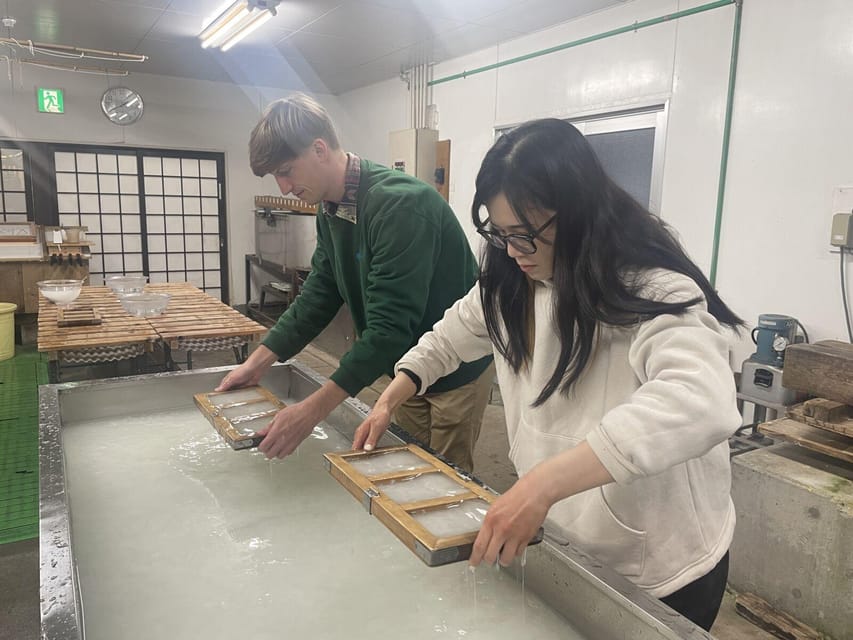
- Gokayama gives you hands-on culture: You make washi paper using traditional methods, then explore Ai-no-kura, one of the best-preserved villages in the area.
- Shirakawa-go is the famous finale: You get a guided walk, entry to a thatched farmhouse, and free time to explore for about two hours.
- The day mixes quiet villages with a busy landmark: Inami and Ai-no-kura can feel peaceful, while Shirakawa-go draws many more people.
- Bring food and dress for the season: Lunch is not supplied, and snow, rain, or bitter cold can change how much you enjoy the outdoor portions.
Why this day trip works from Kanazawa
Kanazawa is an excellent base for seeing the mountain villages of the Hokuriku region, but reaching three separate rural areas by public transport takes planning. This tour handles the long connections by bus or minibus, leaving you free to look out at the mountains and plains instead of checking departure boards.
You meet at Kanazawa Station near the Information Center by the Shinkansen Ticket Gates. The bus departs from the Kanazawa Port side of the station. The normal start time is 9:00 a.m., changing to 8:30 a.m. from June 1. You return to Kanazawa around 6:00 to 6:30 p.m., traffic permitting.
That makes for a long day, but the timing is sensible. The outbound ride takes about an hour, and the return ride is a little over an hour. Between those longer stretches, the itinerary gives you three distinct stops rather than repeating the same kind of village three times.
The transport has received especially strong marks, with 90 percent of ratings giving it a perfect score. Several people appreciated the warm vehicle after visiting in snow, rain, or cold weather. A small group can make the day feel personal, though one person found a full van claustrophobic. If personal space matters greatly to you, ask about the expected group size before booking.
A few more options to weigh up in Kanazawa
- World Heritage Shirakawa-go and Experience Tours from Kanazawa
★ 5.0 · 4,049 reviews - Kanazawa: Kenrokuen Tea Ceremony Experience
★ 4.8 · 1,139 reviews - Kanazawa Half Day Tour (Private Guide)
★ 5.0 · 361 reviews
Inami: a town where the carvings are part of the street
Inami is the most unusual first stop because the town itself acts as a gallery. More than 100 professional traditional woodcarvers work in the area, and carved details appear on or above shops along the main street.
Look carefully as you walk. The town association says there are 32 carved cats placed around Inami, but individual shops have added more. Finding them turns a formal cultural visit into a small treasure hunt, and it gives children or less museum-minded companions something fun to do.
The carvings are not limited to cats. You may see dragons, lions, elephants, floral patterns, and other figures worked into gates, buildings, and shopfronts. The quality is high, but the town is not arranged like a large craft market. Some shops may be closed, and the selection of small souvenirs can be limited.
That point matters if you hope to buy a large number of inexpensive gifts. Inami is better for seeing the craft in its home setting and appreciating the skill involved. You might find a chance to buy a special piece, but you should not expect every workshop to operate as a tourist shop.
Zuisenji Temple and the woodcarving tradition
At the end of Inami’s main street, Zuisenji Temple arrives with a sense of scale. Its tall walls can make you feel as if you are approaching a castle rather than a Buddhist temple.
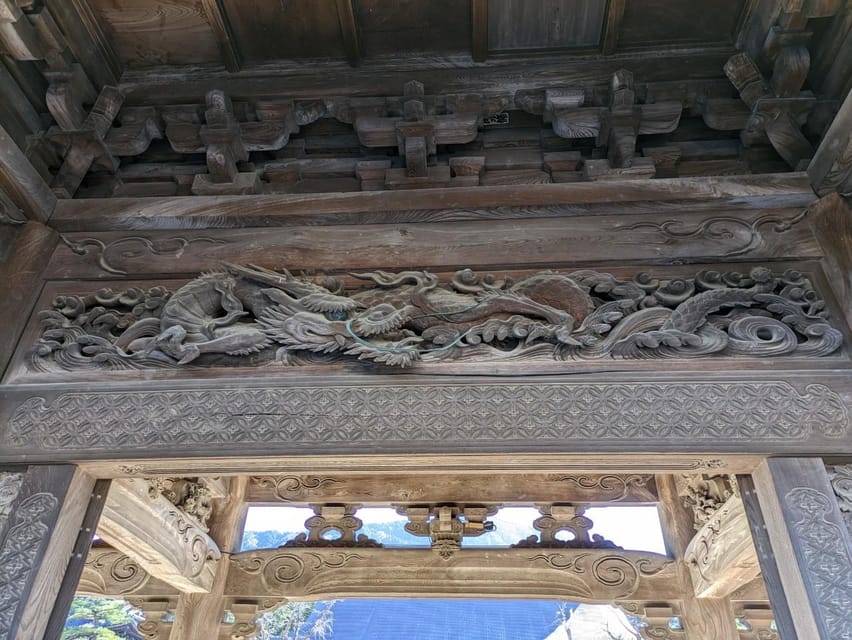
The temple was first built in the 1300s and burned in 1735. During the rebuilding, a famous woodcarver from Kyoto was brought in, and the result is the elaborate decoration seen today. The entry fee is included, so you can focus on the gates, beams, and carved figures without another payment.
This is where the Inami visit gains real weight. You are not simply looking at decorative objects in shops. You are seeing how the local craft tradition connects to a major religious building. The carved dragons, lions, elephants, and patterned surfaces reward slow looking, especially if your guide points out details that you might otherwise miss.
The visit lasts about an hour, including the town walk and temple. That is enough time for a good introduction, but not enough for an unhurried inspection of every shop. I recommend staying close during the guided portion, then using any free minutes for cat spotting and photographs.
Gokayama and Ai-no-kura: the quieter village stop
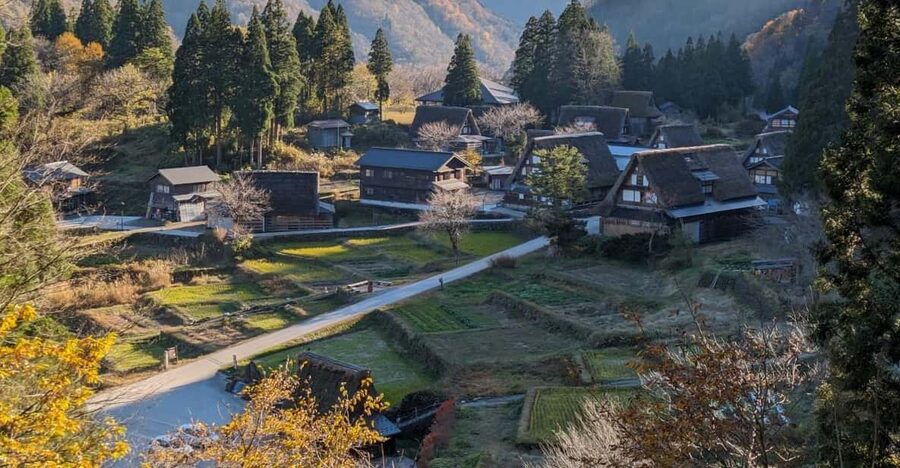
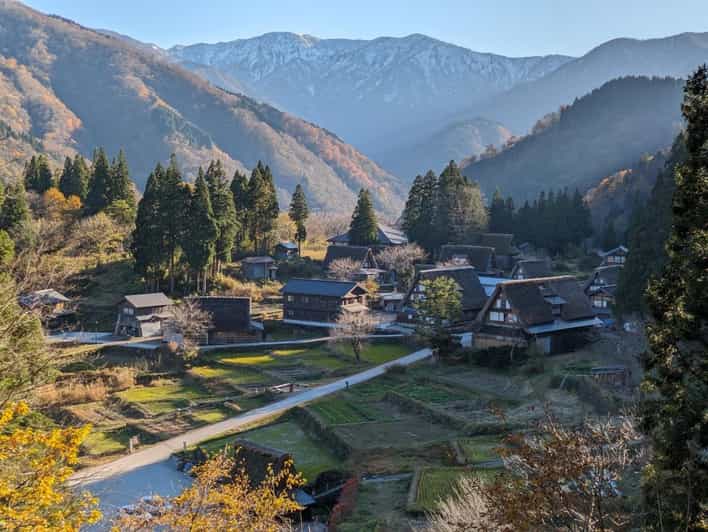
After Inami, the bus travels for about 35 minutes toward Gokayama. This is one of the two areas included within the UNESCO World Heritage site connected with the traditional gassho-style villages.
Ai-no-kura is one of the best-preserved villages in the region. Its setting feels more removed from city life than Shirakawa-go, and that difference is one of the strongest reasons to choose this trip instead of a simple direct excursion to the famous village.
The settlements in this mountain region once supported the wider economy through farming, sake production, paper making, and even gunpowder manufacture. The traditional houses are therefore more than pretty roofs. They reflect how communities adapted to a remote setting and used local skills to make a living.
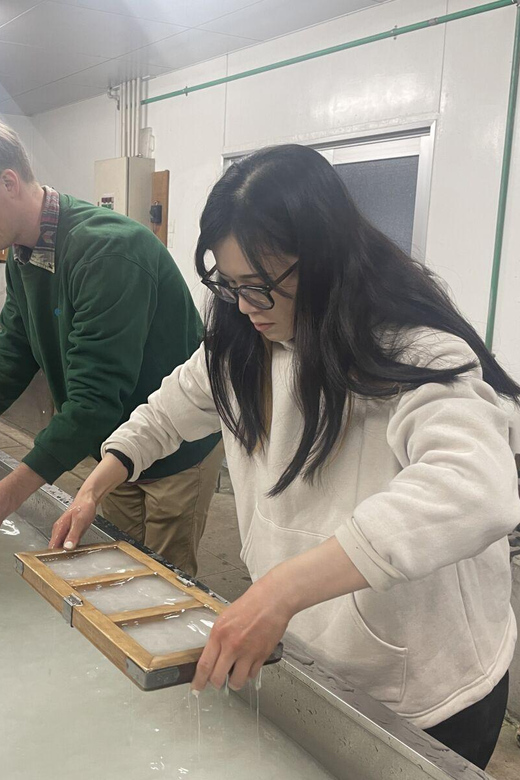
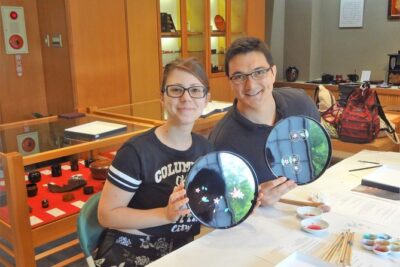
You get a guided visit here, plus time for a paper-making workshop. The activity uses traditional Japanese methods and gives you a handmade souvenir to take home. Several people described it as one of the most enjoyable parts of the day because it changes your role from observer to participant.
The workshop is also useful for families and mixed-age groups. You do not need to be an art expert to enjoy making paper, and the finished item carries more meaning than a shop-bought trinket. The experience is not available from December 27 through January 3, so check your date carefully.
A completely different kind of day out:
- Kanazawa Full Day Tour (Private Guide)
★ 5.0 · 323 reviews - [One-day bus tour departing from Kanazawa Station] Shirakawa-go and Gokayama – Two World Heritage Villages Enjoyable Bus Tour
★ 5.0 · 253 reviews - 1 Day Private Charter Tour to Shirakawa-go & Takayama
★ 4.5 · 253 reviews - World Heritage Shirakawa-go Perfect Guided Tour from Kanazawa
★ 5.0 · 220 reviews
Lunch is the one part you need to plan
Lunch is not included, and the schedule usually allows time to eat in Ainokura. Depending on conditions, lunch may instead take place in Inami. The exact arrangement can change, so you should bring your own meal if you have firm dietary needs or do not want to spend time searching for food.
Food access is limited in these rural stops. Some people enjoyed udon, soba, or tempura in the area, but you should not count on a wide range of choices. A packed lunch and a few snacks are sensible, especially if you are traveling with children or have a restricted diet.
There is a tradeoff here. Buying lunch locally can add another small cultural moment, but it may reduce your time to explore Ai-no-kura. One person felt that lunch left too little time in the village and would have preferred another 15 minutes. If the village matters most to you, eat efficiently and keep your walking time.
Shirakawa-go: the famous final act
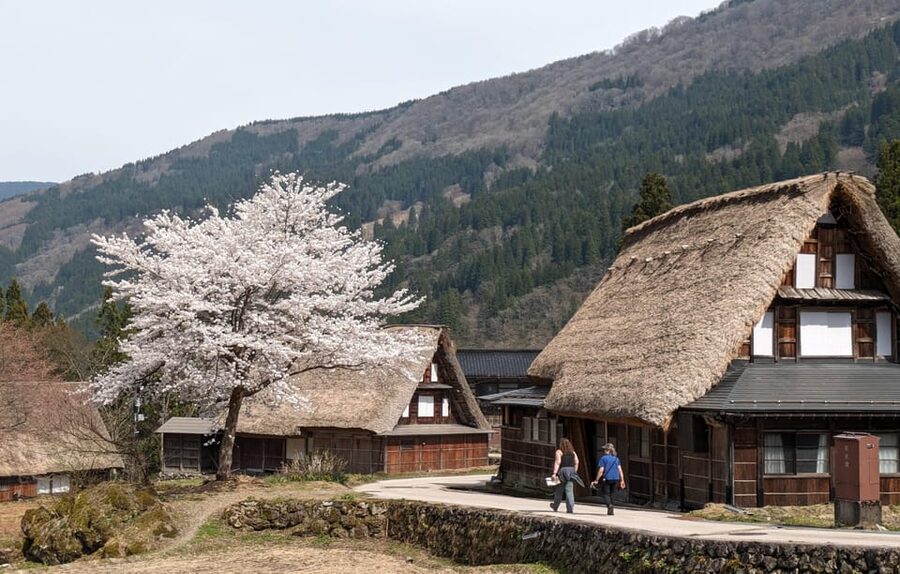
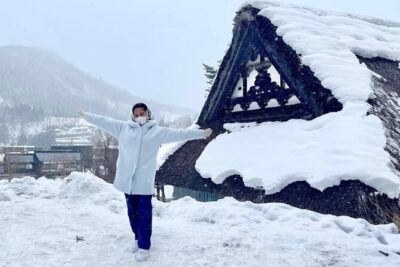
The final major stop comes after roughly 40 minutes on the road. Shirakawa-go is the best-known village on the route, famous for its steeply pitched gassho farmhouses and carefully preserved townscape.
You begin on the main street with a guided tour of the historic village. The group also enters one of the traditional thatched houses, which helps you understand the buildings from the inside rather than treating them as outdoor scenery. After the guided portion, you have free time for about two hours.
That free time is important. You can take photographs, look for local sweets such as pudding, browse souvenirs, visit a rice-related museum or attraction, and walk at your own pace. The village also offers chances for a short hike and views over the houses, though the time available depends on your pace and the day’s conditions.
Shirakawa-go is usually the busiest part of the tour. It is beautiful, but the popularity brings crowds, particularly around the best-known streets and viewpoints. Compared with Ai-no-kura, it can feel less quiet and less personal.
I would not treat that as a flaw. Shirakawa-go has earned its fame, and the houses are remarkable. Just set your expectations correctly: you are visiting a major sight, not a forgotten mountain hamlet. The contrast with the earlier stops makes the day stronger because you see both the quieter side of the region and its headline attraction.
The matcha stop and what to confirm
The experience description also highlights a matcha visit at Shima, a heritage site with classic architecture. This is presented as part of the cultural offering, but the detailed stop-by-stop schedule supplied for the day lists Inami, Gokayama, and Shirakawa-go without giving a separate duration or precise placement for Shima.
Because activities are subject to availability, confirm whether the matcha experience is included on your chosen date and option. Do not assume it will receive the same amount of time as the three main stops. The paper-making activity has a specific holiday exception, while the matcha visit is described more generally.
A guide can make or break a culture-heavy day
The route is worthwhile on its own, but the guide gives it shape. Daniel has been praised for his history and cultural explanations, patience, and help when someone left a phone behind. Mike has been singled out for storytelling, humor, local knowledge, and a gentle way of giving people space. Garrett has also been valued for explaining East Asian history and offering useful suggestions for the rest of a Kanazawa stay.
Other named guides include Lee and Mohammed. The exact guide is not guaranteed, but the repeated praise for the guiding team points to a consistent strength. You get explanations about the villages, answers to questions about Japanese life, and help understanding why the crafts and buildings matter.
I particularly like the balance between guided and independent time. You are not left to guess what you are seeing, but you also are not marched from photo stop to photo stop. That balance suits you if you want useful background without constant narration.
Timing, weather, and comfort
Expect a full day from morning until early evening. There are several bus rides, including the one-hour journey from Kanazawa, the 35-minute transfer to Gokayama, the 40-minute ride to Shirakawa-go, and the approximately 80-minute return to Kanazawa.
The bus is a practical advantage in bad weather. Snow and rain have not prevented people from enjoying the route, and returning to a warm vehicle can feel especially welcome in winter. At the same time, you will spend a meaningful part of the day seated, so this is not a relaxed stroll around one town.
Wear shoes suited to uneven village streets and bring layers. The information provided does not specify accessibility details, so ask the operator if you have mobility concerns. Outdoor walking, temple grounds, and village paths are central parts of the day.
If you want to end in Takayama, the available drop-off options include Takayama Station as well as Kanazawa Station. Confirm the exact meeting and drop-off arrangement when booking, since the meeting point can vary by option.
Is $180 good value?
At $180, this is not the cheapest way to see Shirakawa-go. The value comes from the number of elements packed into one day: transportation between remote sites, an English-speaking guide, entry to Zuisenji Temple, guided visits in Inami and Shirakawa-go, and the Japanese paper-making fee.
You also avoid arranging several separate bus connections, which can be difficult when popular routes sell out. One person booked this experience after regular Shirakawa-go bus tickets were unavailable and ended up enjoying Ai-no-kura even more than the famous village.
I think the price is fair if you value convenience, interpretation, and variety. It is less attractive if your only goal is to see Shirakawa-go and you are happy to arrange transport yourself. The single negative rating called the tour overpriced and found a full van uncomfortable, so the cost and vehicle size are the two issues to weigh honestly.
Free cancellation up to 24 hours before departure and reserve-now, pay-later booking make the commitment easier, but the listed activities remain subject to availability. Check the date-specific details before you rely on the matcha or paper-making portions.
Who should book this experience?
I would recommend it to couples, solo visitors, families, and small groups who want a rural side of Japan without renting a car. It works particularly well for first-time visitors to Kanazawa who want to understand how mountain communities lived, worked, and preserved their crafts.
It is also a good fit for photographers, architecture fans, craft lovers, and anyone who prefers a mix of famous sights and quieter places. The paper workshop adds a tactile moment, while Inami supplies a rare look at a working woodcarving tradition.
You may want another plan if you dislike long bus rides, need a large amount of personal space, require a guaranteed lunch arrangement, or want to spend the entire day at Shirakawa-go. The route is active and varied, not slow and leisurely.
Final verdict: book it for the route, not just the postcard
I would book this tour if I were staying in Kanazawa and wanted a well-supported day in the Hokuriku mountains. Shirakawa-go is the draw, but Inami and Ai-no-kura may become your favorite stops because they offer quieter streets, local craft, and more room to pay attention.
The strongest reasons to go are the woodcarving tradition, Zuisenji’s extraordinary details, the paper-making workshop, and the guides’ personal care. Bring lunch or snacks, prepare for changing weather, and accept that Shirakawa-go will be busier than the earlier villages. If that sounds like a good trade, $180 buys a full and unusually varied day.
FAQ
Where does the tour start?
The tour starts at Kanazawa Station. The guide meets you near the Information Center by the Shinkansen Ticket Gates, and the bus leaves from the Kanazawa Port side bus terminal.
What time does the tour start?
The standard start time is 9:00 a.m. From June 1, the start time changes to 8:30 a.m.
When does the tour return to Kanazawa?
The expected return is between 6:00 and 6:30 p.m., depending on traffic.
Can I finish the tour in Takayama?
Takayama Station is listed as an available drop-off location, along with Kanazawa Station. The exact option depends on the booking selected.
Is lunch included?
No. Lunch is not included, and you are advised to bring your own if you have specific preferences or want to avoid limited food choices.
Is the paper-making workshop included?
Yes. The Japanese paper-making experience fee is included, subject to availability. The workshop does not operate from December 27 through January 3.
Is entrance to Zuisenji Temple included?
Yes. The entry fee for Zuisenji Temple is included in the tour price.
Is the tour conducted in English?
Yes. The tour has a live English-speaking guide.
How long do you spend in Shirakawa-go?
The Shirakawa-go portion lasts about two hours and includes a guided visit, free time, and entry to a traditional thatched-roof house.
Can I cancel the booking?
You can cancel up to 24 hours in advance for a full refund. The reserve-now, pay-later option lets you hold a place without paying immediately.
Just added in Kanazawa
- Taste of Kanazawa (Food tasting in Omicho Market & Higashi Chaya)★ 5.0 · 58 reviews
- Kanazawa: Sushi & Japanese Cooking Class at a Historic School★ 5.0 · 66 reviews
- Shirakawago & Kanazawa from Kanazawa★ 5.0 · 51 reviews
- Takayama and Shirakawago/Photoshoot by professional photographer★ 5.0 · 67 reviews
- Private Tour of Shirakawago from Kanazawa (Half Day)★ 5.0 · 24 reviews
- Kanazawa private 1 day/Photoshoot by professional photographer★ 5.0 · 33 reviews
- Private Tour of Shirakawago and Gokayama from Kanazawa★ 5.0 · 50 reviews
- Kanazawa private half day/Photoshoot by professional photographer★ 5.0 · 38 reviews
Kanazawa Tours, compared.
World Heritage Shirakawa-go and Experience Tours from Kanazawa
Read our review →
1 Day Private Charter Tour to Shirakawa-go & Takayama
Read our review →![[One-day bus tour departing from Kanazawa Station] Shirakawa-go and Gokayama – Two World Heritage Villages Enjoyable Bus Tour](https://media.japanvisits.com/wp-content/uploads/one-day-bus-tour-departing-from-kanazawa-station-shirakawa-go-and-gokayama-two-world-heritage-villages-enjoyable-bus-tour-400x267.jpg)
[One-day bus tour departing from Kanazawa Station] Shirakawa-go and Gokayama – Two World Heritage Villages Enjoyable Bus Tour
Read our review →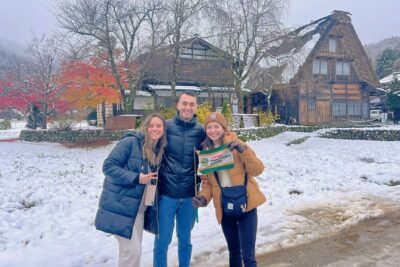
World Heritage Shirakawa-go Perfect Guided Tour from Kanazawa
Read our review →
Kanazawa Night Tour with Local Meal and Drinks
Read our review →Browse the lists this tour appears in