
Reviewed · DAY TRIPS
From Nagoya: Gujo, Hida Takayama, and Shirakawa-go Day Tour
Three old towns, one long Japanese day. This $61 bus tour gives you a practical way to reach Gujo Hachiman, Hida Takayama, and Shirakawa-go without renting a car or piecing together several regional buses. I like the mix of quiet waterways, traditional shops, local food, and famous thatched farmhouses. I also like the freedom to follow the guide or wander on your own.
The tradeoff is time. Gujo Hachiman gets about one hour, Takayama two hours, and Shirakawa-go about 90 minutes, with roughly six and a half hours spent on the road. Guides such as Wang, Cici, Moe, Kiki, and Sirius have earned warm praise for clear directions and personal service, but a multilingual group can make spoken explanations harder to follow.
In This Review
- Five things to know before you book
- Why this day trip works from Nagoya
- Gujo Hachiman: waterways and Edo-period streets
- Hida Takayama: the day’s best food stop
- Shirakawa-go: thatched roofs and mountain views
- What the guiding is really like
- The coach, timing, and comfort
- Is $61 good value?
- Who should choose this tour?
- My recommendation
- FAQ
- Where does the tour meet in Nagoya?
- How long is the tour?
- How much time is spent at each destination?
- What languages are available?
- Is transportation included?
- Are entrance fees included?
- Can I cancel the booking?
Five things to know before you book
- Gujo Hachiman is the briefest stop: Its Edo-period streets and open waterways are lovely, but you will need to choose your priorities quickly.
- Takayama is the best stop for food and shopping: Two hours gives you time to sample local treats and browse Hida crafts, though lunch may feel rushed.
- Shirakawa-go is the visual high point: The UNESCO-listed gassho-zukuri houses and mountain setting are the main reason many people choose this tour.
- The bus solves a real transport problem: Reaching all three places independently can cost more and requires careful planning.
- This is a large-group day: It works well for efficient sightseeing, not for slow walks, long meals, or detailed historical guiding.
- Winter requires extra preparation: Snow makes Shirakawa-go especially striking, but conditions can be much colder than Nagoya.
Why this day trip works from Nagoya
Nagoya is an excellent base for central Japan, but some of the region’s most appealing old towns are not simple city excursions. Gujo Hachiman, Takayama, and Shirakawa-go sit in Gifu Prefecture, among mountain roads and rural communities. A car would give you flexibility, but driving adds cost, navigation, parking, and weather concerns.
This tour handles the long-distance travel by coach. You meet at 8:20 in front of the Nishi Koban police box at Nagoya Station’s Taiko Exit, then return to the same area after an 11-hour day. The guide carries a blue Wonder Tours flag, which matters because Nagoya Station is large and construction has made the meeting area confusing for some people.
The route includes about 90 minutes to Gujo Hachiman, another 90 minutes to Takayama, one hour to Shirakawa-go, and about two and a half hours back to Nagoya. That is a lot of sitting, but it is also the price of seeing three very different places in one day.
I see this as a sightseeing sampler rather than a restful country escape. You get a useful first look at the region, then you can decide if one of these towns deserves a longer return visit.
More Day Trips in Nagoya:
- Shirakawa-go & Takayama Old Town Day Tour (Optional Hida Beef Lunch)
★ 4.6 · 3,936 reviews - Hida Takayama & Shirakawa-go Gassho Village Day Trip (Departing from Nagoya, optional observatory tour included)
★ 4.7 · 2,837 reviews - Hiking the Historic Nakasendo Trail [1 Day Tour from Nagoya]
★ 5.0 · 104 reviews
Gujo Hachiman: waterways and Edo-period streets
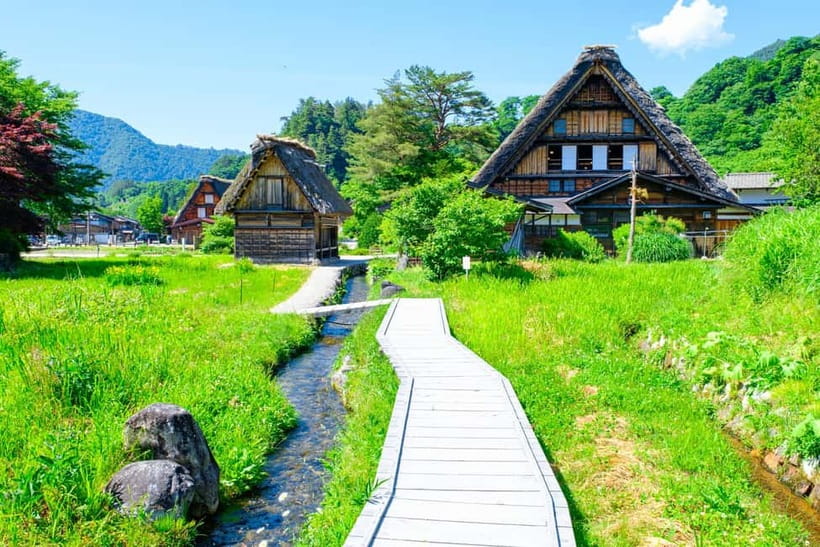
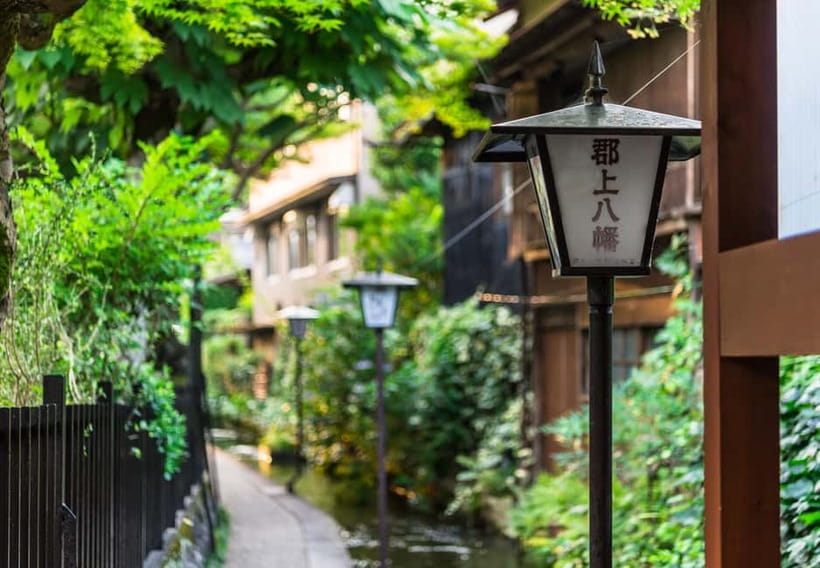
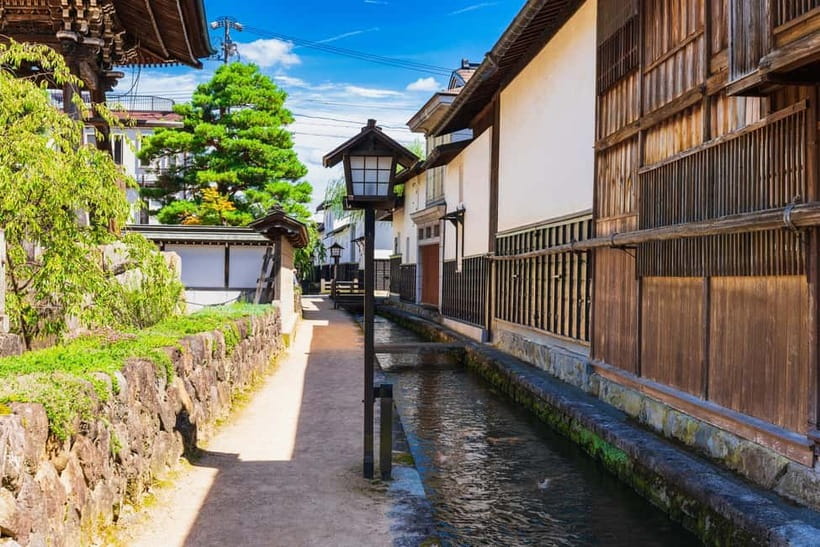
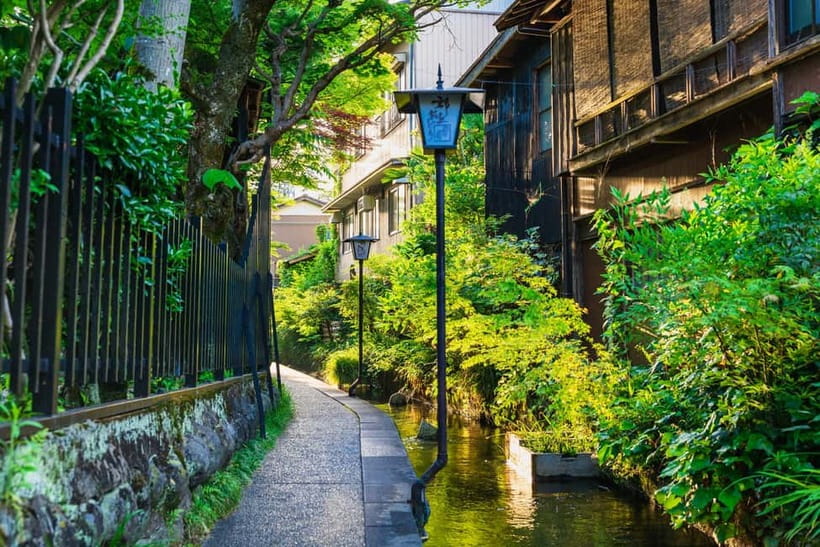
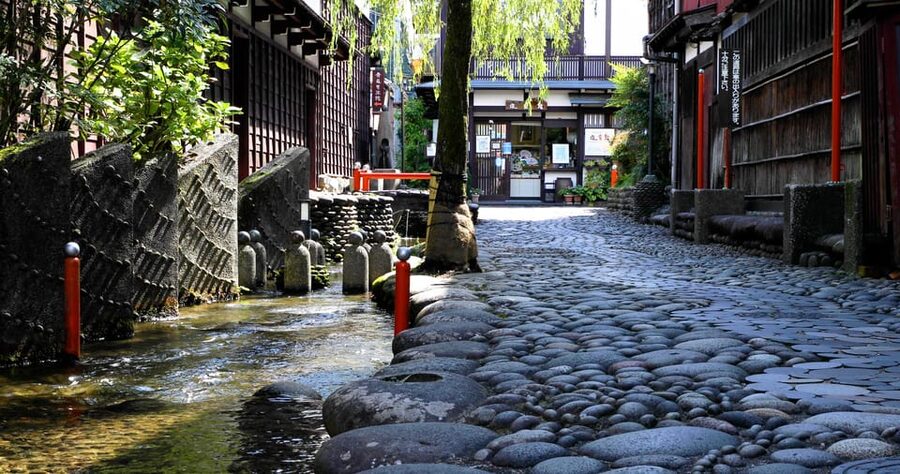
Gujo Hachiman is the first stop, and its character is different from the other two. This riverside town is known for channels of clear water running beside old homes, shops, and narrow streets. The town has kept much of its Edo-period appearance, and rows of traditional houses are recognized by the Japanese government as an important historic group.
With only about an hour, you need to make a choice. You can focus on the old streets and waterways, or spend time heading toward the castle. One practical estimate from the tour experience puts the walk to the castle at about 15 minutes uphill, followed by 15 minutes back down. That leaves little time to explore the town itself.
For me, the town is the better use of such a short stop. Walk beside the water, look up at the wooden facades, and notice how the channels pass directly under or beside the buildings. It is a small detail, but it gives Gujo Hachiman its own feel.
The downside is that this stop can feel hurried. If Gujo Hachiman is your main reason for booking, this schedule will probably disappoint. If you see it as a quick introduction before the larger highlights, the hour is useful.
Hida Takayama: the day’s best food stop
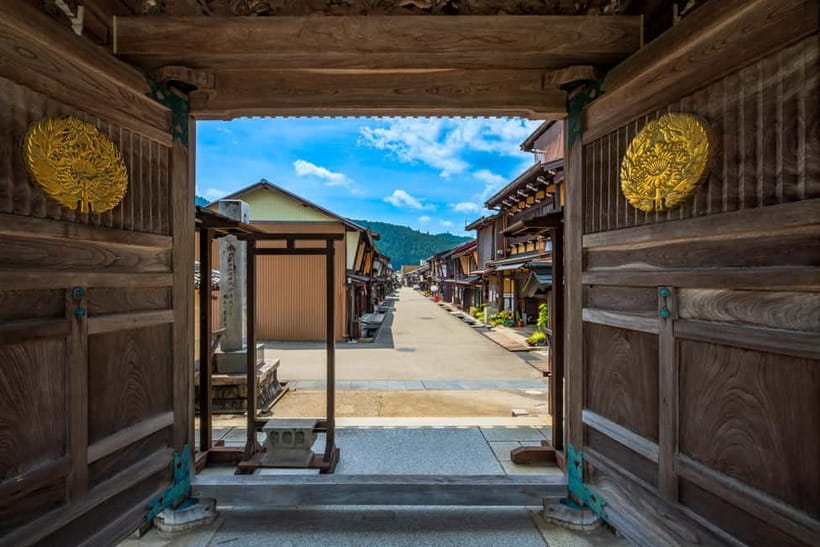
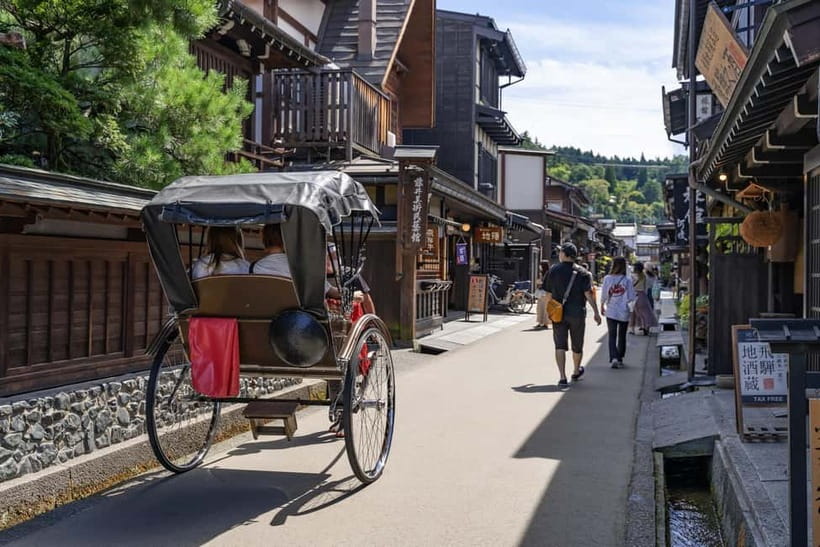
After another 90-minute ride, you reach Hida Takayama, an old castle town with some of the most appealing streets on the route. The historic center is lined with dark wooden homes, small food shops, candy stores, craft sellers, and boutiques featuring Hida handiwork.
This is where I would plan to eat. The local food is frequently praised, and the two-hour stop gives you enough time to sample something, browse the shops, and walk the old lanes. You should not expect a long, unhurried meal followed by detailed museum visits. The clock keeps moving.
Your guide may offer suggestions for restaurants and shops, which is especially useful when you have limited time. Wang, Cici, Moe, and other guides were praised for giving clear recommendations and helping people plan their free time. The best approach is to listen to the briefing, choose one food goal, and avoid wandering too far from the meeting point.
Takayama is also the easiest place to split up from the group. You can join a short guided walk or explore independently. I like that arrangement because some people want background information, while others would rather spend the whole stop looking at snacks and handmade goods.
Take care with your watch. A few extra minutes in a shop can become a serious problem when the coach is waiting. The tour depends on everyone returning on time, and the schedule has little spare room.
Shirakawa-go: thatched roofs and mountain views
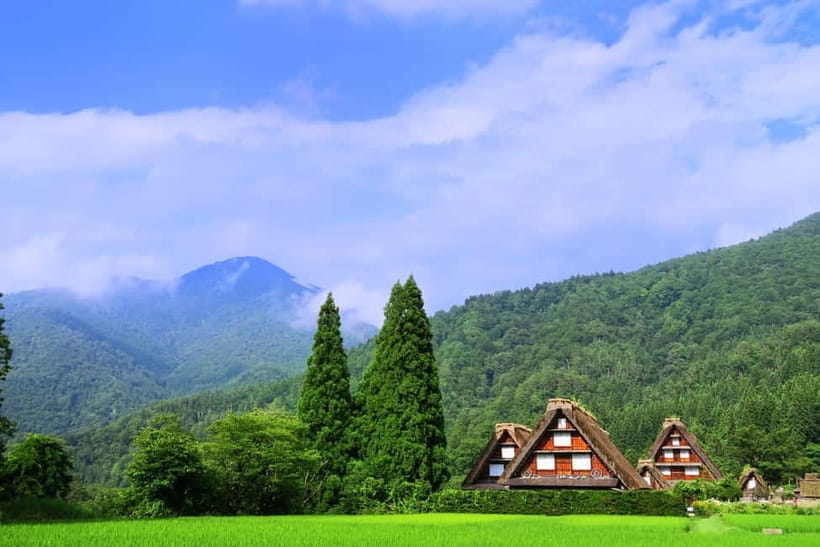
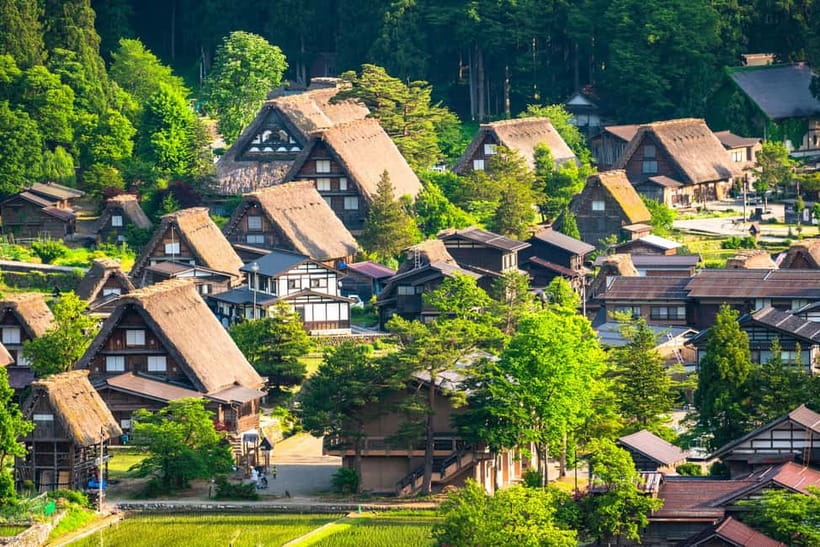
The final stop is Shirakawa-go, the best-known destination on this route. The village is part of the UNESCO World Heritage site associated with Shirakawa-go and Gokayama Gassho-zukuri. Its large farmhouses have steep, thatched roofs designed for heavy snow, creating one of Japan’s most recognizable rural scenes.
The houses vary in size, and their roofs give the village a shape unlike the old streets of Takayama or Gujo. With mountain views around the settlement, this is the stop where you will want your camera ready. In winter, snow can make the scene especially striking, but it can also bring cold temperatures. One person was surprised to find it around 3 degrees Celsius, so check the forecast and dress for a colder place than Nagoya.
You have about 90 minutes here. That is enough to walk through the village, see the main streets, take photographs, and perhaps enter a traditional house if you choose. It is not enough for a slow visit to every site.
Entry to some houses costs extra, generally around 300 to 400 yen per house. That charge is not included in the $61 tour price, so keep some yen available. I consider one paid house visit worthwhile if you want to understand how these remarkable buildings are arranged inside, but you may prefer to spend the whole stop outdoors.
Food requires planning. Some restaurants in the village close around 3:30 or 4:00 p.m., and the timing of the tour may mean that hot food is no longer available when you arrive. If lunch matters to you, eat in Takayama and treat Shirakawa-go mainly as a sightseeing stop.
Traffic can also affect this part of the day. Delays around Shirakawa-go have been reported, and the return to Nagoya already takes about two and a half hours. The guide will give you a firm bus departure time, so do not count on adding extra time at the village.
A few more options to weigh up in Nagoya
- LEGOLAND® Japan Ticket
★ 4.7 · 11,787 reviews - Port of Nagoya Public Aquarium Ticket
★ 4.8 · 4,343 reviews - Ghibli Park Ticket in Aichi
★ 4.4 · 2,205 reviews - Nagoya Castle Ticket
★ 4.6 · 326 reviews
What the guiding is really like
The tour includes English and Japanese guiding, and some guides also speak Chinese. This is helpful for a mixed group, but it affects the pace and sound quality. A guide may explain the same point in several languages, leaving less time for each language and making the walk feel brisk.
Guides including Wang, Kiki, Cici, Sirius, Moe, and Lilly received strong praise for kindness, practical suggestions, and clear meeting instructions. Wang was especially praised for speaking English, Japanese, and Mandarin while managing a group of more than 50 people. That is useful support on a tightly timed day.
Still, you should not book this expecting a private guide or long historical talks at every building. The experience is partly guided sightseeing and partly organized transport. You receive background on each destination, then choose how to use your free time.
Sound can be an issue. One person found the bus microphone echoing, while another said it was difficult to follow English explanations. If hearing every detail matters to you, sit close to the front when possible and read about the stops before departure. The tour works best when you treat the guide’s comments as helpful context rather than your only source of information.
The coach, timing, and comfort
The coach is the practical heart of the tour. It removes the need to make several separate reservations, and the long rides give you a chance to rest between walks. The bus was described as comfortable, with a USB-A charger available on at least one coach. Drivers were repeatedly praised for safe, friendly driving.
Still, this is an 11-hour outing. You spend about six and a half hours traveling, including the return to Nagoya. If long bus rides leave you stiff or restless, this may feel demanding. Bring water, snacks, and anything that helps you stay comfortable.
The schedule is carefully controlled. That is good when roads are clear, since you can fit three destinations into one day. It also means a traffic jam, a slow lunch, or a missed meeting time can affect the whole route.
The starting point deserves attention. At the Taiko Exit, find the taxi terminal outside the station, walk about 20 meters, and look for the police box on the right. The blue flag identifies the guide. Because station construction can change the appearance of the area, allow enough time to get oriented.
Is $61 good value?
At $61 per person, this is a strong value if your goal is to see all three places in one day. The coach covers long rural distances, and the price includes transportation plus an English and Japanese-speaking guide. Independent travel may offer more time in each destination, but getting between all three by public transport can cost more and demands careful coordination.
The low price does come with limits. Meals, drinks, and optional entry fees are not included. You also pay with flexibility: the group moves on a fixed timetable, and you cannot simply stay longer in Shirakawa-go because the snow is beautiful or remain in Takayama when you find a shop you love.
I would compare the tour with the cost and effort of separate train and bus tickets before booking. If you have only one free day from Nagoya, the value is excellent. If you have two or three days, staying overnight in Takayama or near Shirakawa-go would give you a calmer experience.
The booking terms are friendly for uncertain plans. You can reserve now and pay later, and cancellation is free up to 24 hours before departure for a full refund.
Who should choose this tour?
I would recommend it to a first-time visitor who wants to see rural Japan without driving. It is also a good choice if Shirakawa-go is high on your list but direct transport arrangements seem confusing.
You will probably enjoy it if you:
- Like historic buildings, local food, and traditional villages
- Want several destinations rather than a slow day in one town
- Are comfortable with a large group and a fixed schedule
- Prefer a coach to arranging regional transport yourself
- Want some guided information but also free time to wander
I would hesitate if you want long meals, quiet photography, or detailed visits inside historic buildings. Gujo Hachiman is especially short, and Shirakawa-go may feel too brief if you want to explore every lane.
The tour is also less ideal for anyone who dislikes early starts and long rides. The route is efficient, but it is not leisurely.
My recommendation
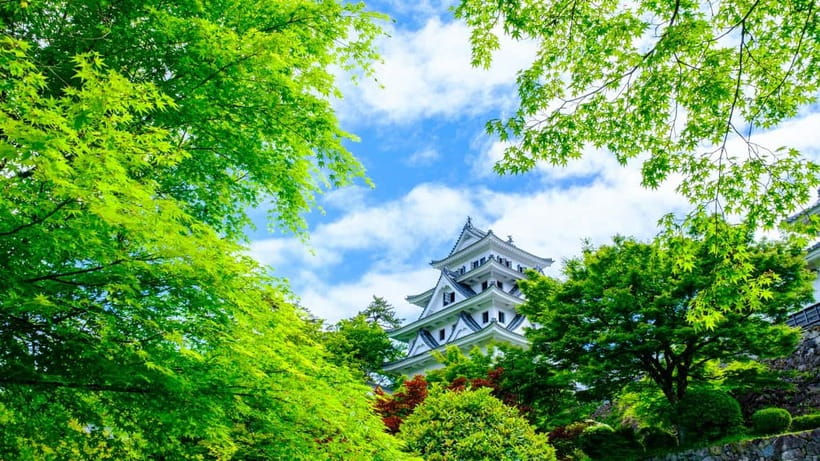
I would book this tour when time is limited and you want a broad look at Gifu Prefecture from Nagoya. Takayama and Shirakawa-go are the strongest reasons to go, while Gujo Hachiman adds a smaller, quieter town with waterways and Edo-period homes.
Go in with realistic expectations: this is a well-organized introduction, not three full day visits. Eat properly in Takayama, save extra yen for house admissions, dress warmly for Shirakawa-go in winter, and return to the bus early. If that sounds like a fair bargain for $61, this is one of the simpler ways to reach Japan’s historic mountain villages.
FAQ
Where does the tour meet in Nagoya?
Meet at 8:20 in front of the Nishi Koban police box at the Taiko Exit of Nagoya Station. The guide holds a blue Wonder Tours flag.
How long is the tour?
The full experience lasts 11 hours, including the return to Nagoya.
How much time is spent at each destination?
The tour allows about one hour in Gujo Hachiman, two hours in Hida Takayama, and 90 minutes in Shirakawa-go.
What languages are available?
The tour includes English and Japanese guiding. Some guides also speak Chinese, depending on the group and guide assigned.
Is transportation included?
Yes. Transportation by bus is included in the tour price.
Are entrance fees included?
Some house visits in Shirakawa-go require an additional payment. Individual entry fees mentioned for houses are about 300 to 400 yen each.
Can I cancel the booking?
You can cancel up to 24 hours in advance for a full refund. The tour also offers a reserve-now, pay-later option.
Just added in Nagoya
- Hida Takayama & Shirakawa-go Gassho Village Day Trip (Departing from Nagoya, optional observatory tour included)★ 4.7 · 2,837 reviews
- Shirakawa-go & Takayama Old Town Day Tour (Optional Hida Beef Lunch)★ 4.6 · 3,936 reviews
- Nagoya Castle Ticket★ 4.6 · 326 reviews
- Port of Nagoya Public Aquarium Ticket★ 4.8 · 4,343 reviews
- LEGOLAND® Japan Ticket★ 4.7 · 11,787 reviews
- Ghibli Park Ticket in Aichi★ 4.4 · 2,205 reviews
- Nagoya Endoji Food and Cultural Tour★ 5.0 · 12 reviews
- Sumo Tournament Experience in Nagoya★ 5.0 · 12 reviews
Day Trips, compared.
![[Kyoto & Nara Day Tour] Sagano Scenic Railway & Nara Park & Fushimi Inari Taisha Thousand Torii Gates & Togetsukyo Bridge & Bamboo Grove & Kimono Forest (Departing from Osaka)](https://media.japanvisits.com/wp-content/uploads/kyoto-nara-day-tour-sagano-scenic-railway-nara-park-fushimi-inari-taisha-thousand-torii-gates-togetsukyo-bridge-bamboo-grove-kimono-forest-departing-from-osaka-k110001-400x257.jpg)
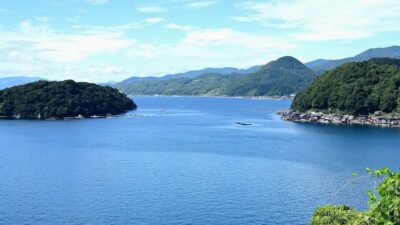
Kyoto Amanohashidate & Ine Funaya & Ine Bay Scenic Day Trip (Departing from Osaka or Kyoto)
Read our review →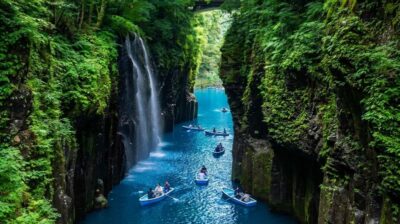
Kyushu: Mount Aso, Kusasenri & Takachiho Gorge Day Tour (Optional Takachiho Boat Ride Experience)
Read our review →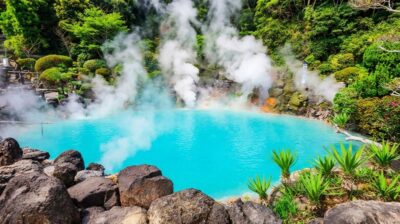
Kyushu One-Day Tour: Yufuin no Mori Train & Yufuin Town & Nyoirin-ji Temple & Dazaifu & Hell Hot Springs (Departing from Fukuoka)
Read our review →
Browse the lists this tour appears in