
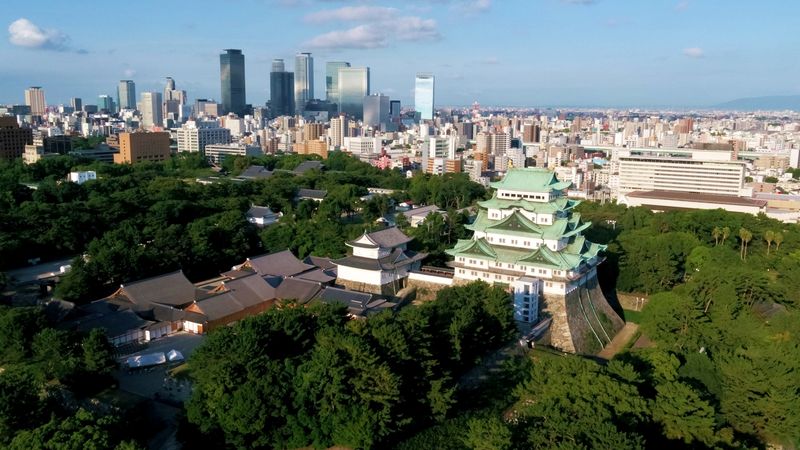
Reviewed · CASTLES AND HISTORIC SITES
Nagoya Castle Ticket
Nagoya Castle’s most rewarding interior visit is not the famous main keep. It is Honmaru Palace, a painstakingly reconstructed residence with painted screens, detailed woodwork, and rooms that show how lavish a samurai-era seat of power could be. The keep makes a fine landmark from outside, but it has been closed to visitors during renovation.
I like two things about this visit: the palace gives you plenty to notice at close range, and the grounds let you see the castle from several angles without committing to a long, guided tour. A QR ticket can also make entry quicker than buying at the booth, especially when a line forms.
The main consideration is the keep’s closure. If climbing a castle tower is your main reason for coming, confirm its status before you pay. The visit still has substance, but the palace and grounds are doing the heavy lifting.
In This Review
- At a glance
- Start at the gates, then get your bearings
- See the golden shachi and the keep from outside
- Give Honmaru Palace the time it deserves
- Walk the grounds for changing views
- Make room for Kinshachi Yokocho
- Decide if the ticket is good value
- Choose your route and timing carefully
- Who should make this stop?
- FAQ
- Is Nagoya Castle’s main keep open to visitors?
- What are the opening hours?
- How do I get to Nagoya Castle by metro?
- Are children admitted free?
- Can I use my ticket on a different day?
- Can I get a refund if I cancel?
At a glance
- The Honmaru Palace is the main interior attraction: Take your time with its painted rooms and intricate details.
- The keep is closed for renovation: You can admire its exterior, but access inside has not been available.
- QR entry is straightforward: Have your ticket ready to scan at the entrance.
- Allow about two to three hours: That gives you time for the palace, grounds, and a pause for food.
- The castle is easy to reach by metro: Shiyakusho Station on the Meijo Line is about a five-minute walk from Exit 7.
- Check the fee and access details before booking: Admission prices and the paid-area boundaries may change.
Start at the gates, then get your bearings
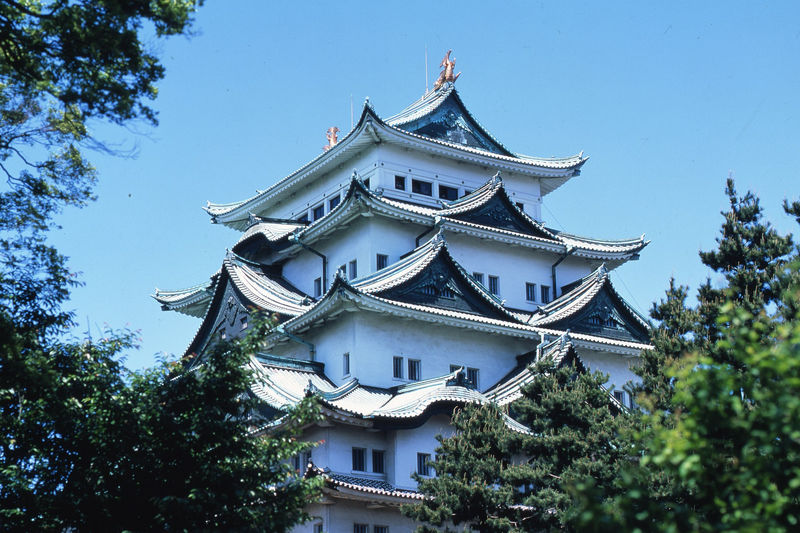
Nagoya Castle stands at 1-1 Honmaru in central Nagoya, in Aichi Prefecture. It was built by Tokugawa Ieyasu in 1615, and its broad grounds still make clear that this was planned as a fortress as well as a seat of power. Give yourself a moment at the entrance to orient yourself before heading toward the palace.
Your ticket covers admission to the attractions within the paid area. It does not include transport or personal expenses, and this is a self-guided visit rather than a tour with a guide. Signs in English are available at many points, so you can get useful context as you move through the site, though a little background reading can help you appreciate what you are seeing.
The castle was once designated Japan’s first National Treasure among castle structures. Its original buildings were destroyed during the war, but the site remains a National Special Historic Site, and reconstructed features help you picture its earlier form.
More Castles and Historic Sites in Nagoya:
- Nagoya Samurai & Toyota Tour guided by a friendly local
★ 5.0 · 24 reviews - From Nagoya: Inuyama Castle, Ena Gorge, Magome, Tsumago Tour
★ 4.4 · 18 reviews - Osaka Castle Ticket
★ 4.7 · 12,450 reviews
See the golden shachi and the keep from outside
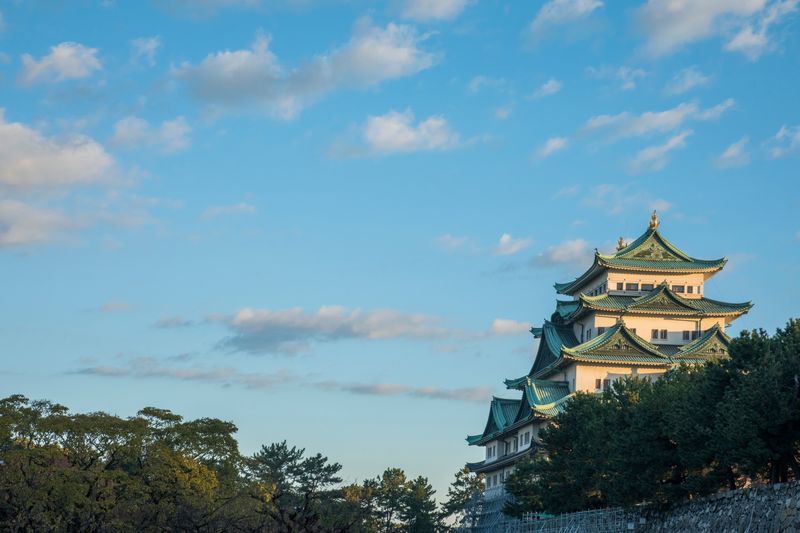
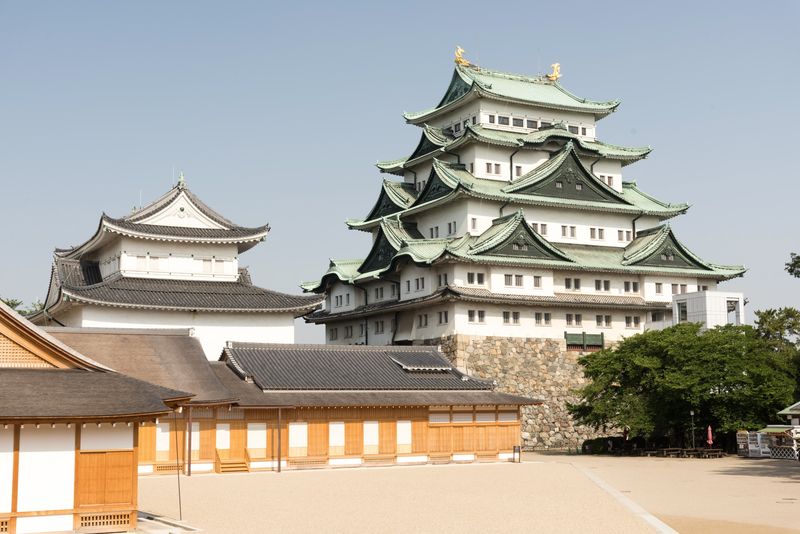
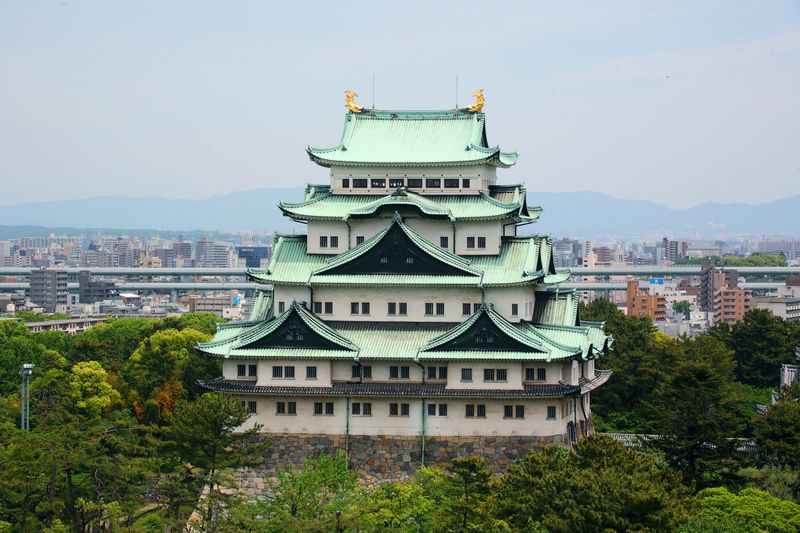
The castle’s familiar silhouette is crowned by golden shachi, mythical fish-like figures that became one of Nagoya Castle’s signature details. Take in the keep from the grounds and look for the contrast between its imposing scale and the fine gold ornaments above. It once had the largest total floor area of any castle keep, a reminder that this was no modest lookout tower.
But plan around the closure, not around the possibility of going inside. The main keep has been inaccessible during renovation, with the supplied information pointing to works continuing until 2032. That date may change, so check the official Nagoya Castle website for current access details before setting out.
This limitation matters most if you are comparing Nagoya with castles where the tower interior is open. Here, the exterior is a strong part of the visit, but it cannot replace an interior tour. If you have limited time and only want to climb a keep, you may prefer to wait until access resumes.
Give Honmaru Palace the time it deserves
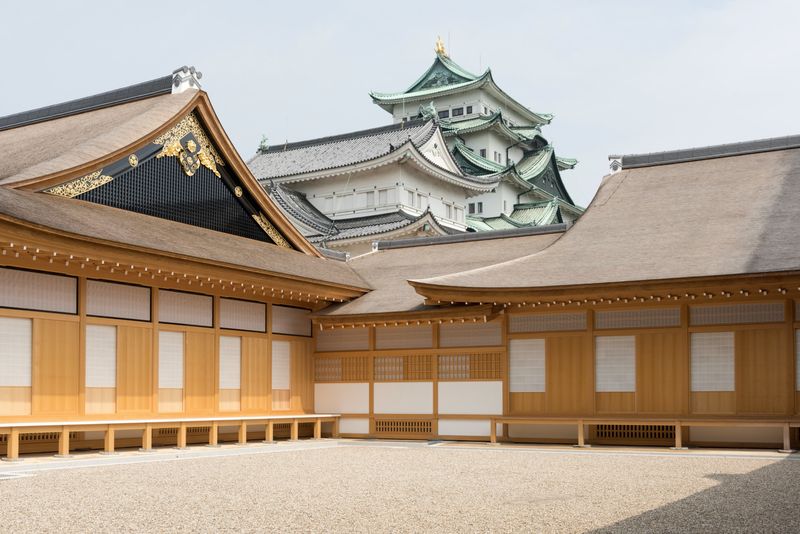
Honmaru Palace is the visit’s strongest reason to enter. It was the lavish residence associated with the castle, and the reconstruction gives you a close look at painted screens, decorative patterns, timber, and carefully finished rooms. The details reward a slower pace more than a quick walk-through.
I would not treat the palace as a consolation prize for the closed keep. It tells a different story: one of ceremony, rank, and refined domestic space rather than defense. The scent of wood and the room-by-room decoration can make the experience feel quite different from standing outside beneath a stone tower.
Pause to look closely at the paintings and the joins in the woodwork. There is more to notice than the first striking room, and the palace is worth lingering in even if you are not usually a devoted architecture fan. English signs help with orientation, though they cannot explain every visual detail.
The palace is a good fit for anyone curious about traditional Japanese design, craft, or samurai-era life. If you are traveling with children, it may help to set a simple goal, such as spotting the most elaborate room or the finest painted screen, rather than expecting them to study every label.
Walk the grounds for changing views
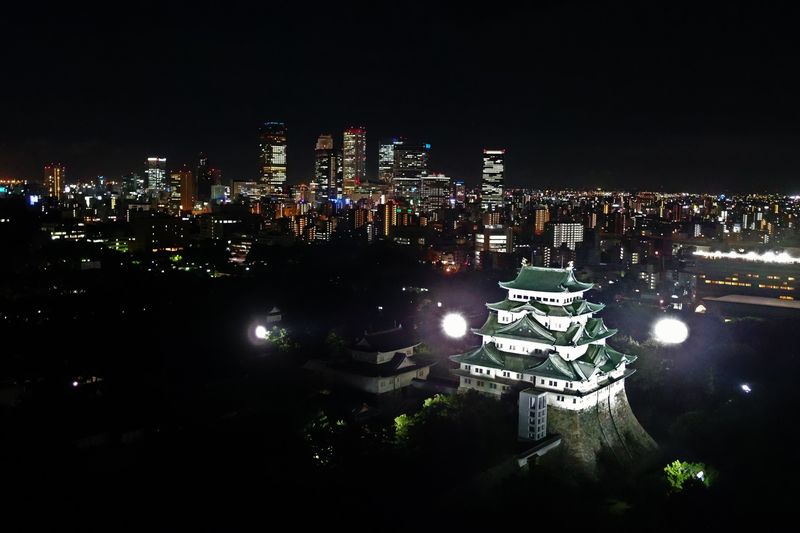
The grounds give the visit breathing room. You can stroll between the palace and views of the keep, taking in the scale of the complex and the way its buildings sit within the defensive layout. The castle’s ironclad defenses were part of its original purpose, and the open setting helps you understand that it was built to command space, not just look impressive in photographs.
The grounds are also a practical buffer between indoor stops. On a pleasant day, a slow circuit makes the visit feel less like a museum appointment and more like time spent in a historic part of the city. In hot weather, though, the open areas can feel tiring; bring water and avoid assuming that a short visit will be comfortable under a strong sun.
Allow two to three hours if you want to see the palace, take a walk, and have time for a break. You can move faster if you focus on the main sights, but rushing through the palace would miss much of what makes the ticket worthwhile. The right pace depends on your interest in architecture and how much time you want outdoors.
More Entry Tickets in Nagoya:
- LEGOLAND® Japan Ticket
★ 4.7 · 11,787 reviews - Port of Nagoya Public Aquarium Ticket
★ 4.8 · 4,343 reviews - Ghibli Park Ticket in Aichi
★ 4.4 · 2,205 reviews - Tokyo Disney Resort – Tokyo Disneyland & Tokyo DisneySea Park Tickets
★ 4.8 · 99,488 reviews
Make room for Kinshachi Yokocho
Kinshachi Yokocho, the food area near the castle, is a useful stop before or after your walk. It gives you a chance to sit down and try local food without needing to leave the area and plan another meal across town. Food is not included in the admission ticket, so treat it as an optional extra.
This stop can also make the day easier if the weather is unpleasant or your feet need a rest. The castle grounds are substantial enough that a meal break can feel well earned. Just keep your expectations sensible: the ticket is for admission, not a meal or a guided experience.
Events can add a different mood to the grounds. A summer Obon celebration has been held there, with dancing alongside local participants, but festival dates and hours are not part of the standard ticket promise. Check official event details if you are planning around a special occasion.
Decide if the ticket is good value
The ticket is listed from $6.35, while the supplied fee information gives an adult admission price of 500 yen before a planned revision to 1,000 yen from October 1, 2026. Prices can change, so compare the current official rate with the amount shown when you book. The value depends less on the modest entry fee than on whether the palace and grounds match your interests.
If the keep is closed, the ticket still buys access to the palace and the paid grounds, not the tower interior. For someone who enjoys historic buildings and a relaxed walk, that can be a fair deal. If you are coming only to enter the keep, the value drops sharply until it reopens.
Online booking is most useful for convenience. You receive a QR code and can scan it at the entrance, which may save time when ticket-booth lines are long. Some people prefer a physical souvenir ticket, which you can buy at the ticket window; annual passes and various discounts must also be purchased there.
The ticket’s stated voucher validity is 90 days from booking confirmation and expires at 16:00 on the final day. The additional ticket information also describes validity as three months from purchase, so check the terms attached to your own booking and do not leave the visit to the last minute. The ticket is nonrefundable, so confirm your plans before paying.
Junior high school students and younger children are free. If your group wants an annual pass or a qualifying discount, buy at the ticket window rather than assuming the online ticket covers that option.
Choose your route and timing carefully
By metro, take the Meijo Line to Shiyakusho Station and walk about five minutes from Exit 7. By bus, take City Bus Sakae 13 from Sakae toward Yasui-cho Nishi and get off at Nagoya-jo Seimon-mae, the castle’s main gate. Transport is not included with admission, so factor it into your day separately.
The stated regular opening hours are 9:00 a.m. to 4:30 p.m., with last entry at 4:00 p.m. The grounds’ paid-area boundaries and operating hours can change, and special events may affect the schedule. Check the official website close to your visit rather than relying on a saved plan made weeks earlier.
The castle is closed December 29 through 31 and January 1. Free admission days are scheduled for October 17 and 18, 2026, in conjunction with the Nagoya Festival; check the festival’s official site for details. The ticket information notes that free days may fall within its validity period, so compare dates before purchasing.
Summer heat can shorten your visit, while rain calls for a little extra care with umbrellas and wet bags around the indoor palace. The attraction is open daily during its stated season, but special hours can differ, and current renovation access is the detail most likely to affect your decision.
Who should make this stop?
Nagoya Castle suits you if you like Japanese architecture, historic sites, or a walk that combines outdoor space with an ornate interior. The palace gives the visit an appealing focus, and the QR option keeps the entry process simple. It can also work well as a flexible stop in a day around central Nagoya.
It is less compelling if your main goal is to explore a castle tower from the inside. With the keep closed, the experience is built around the palace, grounds, and exterior views instead. Families may appreciate the free admission for junior high school students and younger children, though the walk and summer heat are worth considering.
I would book once I had checked two things: the keep’s current status and the price on the day I plan to visit. If both suit you, this is an easy, worthwhile way to spend a couple of hours. If you need the keep interior to make the trip worthwhile, wait for confirmed reopening news.
FAQ
Is Nagoya Castle’s main keep open to visitors?
The supplied information and visit details indicate that the main keep is closed for renovation, with work reported to continue until 2032. Check the official Nagoya Castle website for the latest access status before your visit.
What are the opening hours?
The stated hours are 9:00 a.m. to 4:30 p.m., with last entry at 4:00 p.m. Hours and the boundaries of the paid area may change, so confirm them on the official website.
How do I get to Nagoya Castle by metro?
Take the Meijo Line to Shiyakusho Station. The castle is about a five-minute walk from Exit 7.
Are children admitted free?
Junior high school students and younger are free. The supplied information does not specify other age-based admission rules.
Can I use my ticket on a different day?
The voucher is described as valid for 90 days from booking confirmation, expiring at 4:00 p.m. on its final day. Check the terms on your booking, since the ticket information also describes validity as three months from purchase.
Can I get a refund if I cancel?
No. The ticket is nonrefundable, and cancellations are not permitted.
Just added in Nagoya
- Hida Takayama & Shirakawa-go Gassho Village Day Trip (Departing from Nagoya, optional observatory tour included)★ 4.7 · 2,837 reviews
- Shirakawa-go & Takayama Old Town Day Tour (Optional Hida Beef Lunch)★ 4.6 · 3,936 reviews
- Port of Nagoya Public Aquarium Ticket★ 4.8 · 4,343 reviews
- LEGOLAND® Japan Ticket★ 4.7 · 11,787 reviews
- Ghibli Park Ticket in Aichi★ 4.4 · 2,205 reviews
- Nagoya Endoji Food and Cultural Tour★ 5.0 · 12 reviews
- Sumo Tournament Experience in Nagoya★ 5.0 · 12 reviews
- Walking Small-Group Nagoya City Tour★ 5.0 · 13 reviews
Castles and Historic Sites, compared.

Imperial Palace and Shogun Historical Walking Tour
Read our review →
Tokyo Castle & Imperial PalaceーShogun Walking Tour
Read our review →
Nijo-jo Castle and Ninomaru Palace Guided Tour
Read our review →
Samurai Ninja Museum Guided tour and Experience
Read our review →Browse the lists this tour appears in