
Reviewed · SUMO EXPERIENCES
Sumo Tournament Experience in Nagoya
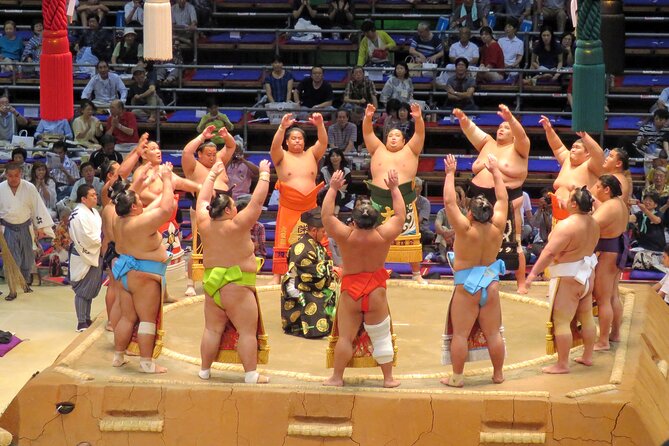
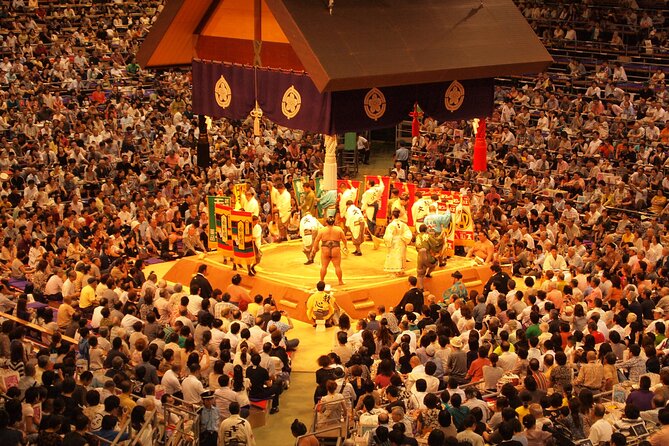
Sumo turns a sports match into a living ritual. The Nagoya Sumo Tournament Experience gives you a guided afternoon at the city’s only annual grand tournament, held each July at the Aichi Prefectural Gymnasium. You watch real basho action while an English-speaking sumo expert explains the rules, rankings, gestures, and old customs that can be easy to miss from the stands.
I like the chance to see famous wrestlers arrive and greet fans before the matches. I also like the audio headset, which lets you follow the guide without losing the sound and tension of the arena. The main drawback is the fixed schedule and strict booking policy: the experience lasts about four to five hours, requires at least 15 people to operate, and cannot normally be refunded after booking.
I’d recommend this for anyone curious about Japanese culture, not just devoted sumo followers. Families can enjoy it, too. Children aged 9 and 11 had a great time on one tour, and guides such as Kazou and Yoko have earned special praise for their warmth, explanations, and help around the venue.
In This Review
- Key points to know before booking
- Why Nagoya is a special place for sumo
- Meeting at 2:00 pm and getting oriented
- Meeting the wrestlers before the matches
- Watching the basho from reserved chair seats
- Understanding the rituals between bouts
- Finding food inside the gymnasium
- The museum and possible waiting time
- Is the $228.62 price good value?
- Who will enjoy this experience most?
- Booking advice for a July tournament
- My verdict: should you book it?
- FAQ
- When does the Nagoya Sumo Tournament take place?
- How long does the sumo experience last?
- What time does the tour begin?
- Where is the experience held?
- What type of seats are included?
- Is an English-speaking guide included?
- Is food included?
- What is the chanko dinner option?
- Can the tour be canceled or refunded?
Key points to know before booking
- Nagoya’s sumo tournament happens only once a year: The official July basho runs for 15 days, with both the opening and closing days on Sundays.
- You get more than a seat: A local sumo expert explains rituals, wrestlers, rankings, and match details in English.
- The group is usually intimate enough for questions: Expect about 15 to 20 people, with a maximum of 24 for the main experience.
- Wrestler arrivals are part of the excitement: You may cheer for and greet well-known wrestlers as they enter the stadium.
- Chanko hot pot is an optional finish: Add dinner to try the hearty stew associated with sumo training stables.
- Book early and arrive early: Three months ahead is ideal, and you should reach the meeting point at least 10 minutes before the 2:00 pm start.
Why Nagoya is a special place for sumo
Japan holds six official grand sumo tournaments each year. Tokyo hosts three, while Osaka, Nagoya, and Fukuoka each get one. Nagoya’s basho takes place in July, making it the only annual chance to see top-level sumo in this city.
That timing matters. If your Japan trip falls outside July, this exact experience is not available. You could still visit sumo-related places elsewhere, but you would not be watching an official 15-day tournament with the top wrestlers competing for ranking and prestige.
Sumo is often introduced as Japan’s national sport, but it is also treated as a modern Japanese martial art. Its customs reach back many centuries. The ring, the movements, the clothing, the hierarchy, and the life of the wrestlers all follow tight rules.
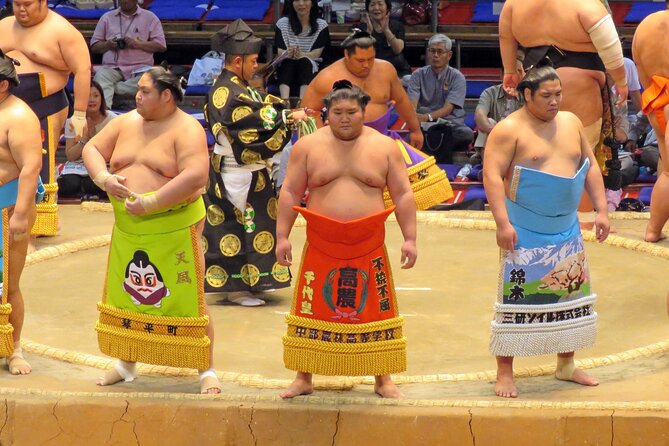
A guide helps you see the meaning behind the action. When a wrestler throws salt into the ring, for example, it is not casual theater. Salt is used for purification. Without some context, you might simply see a wrestler scattering salt before a bout. With an expert beside you, the gesture becomes part of a larger religious and cultural tradition.
More Sumo Experiences in Nagoya:
- Nagoya: Grand Sumo Tournament Tour
★ 4.8 · 44 reviews - Tokyo: Sumo Show Experience with Chicken Hot Pot and a Photo
★ 4.8 · 6,678 reviews - Tokyo: Sumo Live Show with Photo in Shinjuku
★ 5.0 · 3,438 reviews
Meeting at 2:00 pm and getting oriented
The experience begins at 2:00 pm, with the exact meeting point sent to you by email at least one week before the tour date. The location is near public transportation, but hotel pick-up is not included, so you need to make your own way there.
Arrive at least 10 minutes early. This is a join-in group experience, and the guide may not be able to wait for late arrivals. If you miss the group, the tour proceeds without you and no refund is provided.
Once the group comes together, your guide sets the stage for the afternoon. You receive sumo information, a pamphlet, a banzuke-hyo, and an audio headset. The banzuke-hyo is the official table of rankings, so it gives you a useful way to follow the wrestlers and understand who is rising, who is falling, and who carries the highest rank.
This opening explanation is especially useful if you know little about sumo. The sport can seem simple at first glance: two wrestlers push, pull, or throw each other until one touches the ground or steps outside the ring. The ranking system, pre-match rituals, stable system, and match structure add much more detail.
Meeting the wrestlers before the matches
One of the most memorable parts of the afternoon comes before you settle into your seat. The group has a chance to cheer for and greet famous sumo wrestlers as they enter the stadium for the day’s big matches.
This is not the same as a private audience or guaranteed one-on-one meeting. Still, being near the entrance and taking part in the welcome gives the day a personal charge. You are not simply arriving after the main event has begun. You are seeing the wrestlers enter the arena as public figures preparing for a serious contest.
The guides help you know who you are seeing and what to watch for. That matters because the wrestlers’ names and ranks can be hard to remember, especially when you are new to the sport. Kazou, one of the guides, has been praised for explaining the tournament and its wrestlers clearly. He also took photographs of the group and the action, a thoughtful extra for a day when you may be busy watching the ring.
Yoko has also received warm praise for her passion and clear explanations. Her approach worked well for a family with children aged 9 and 11, who enjoyed the event from start to finish. That makes this a sound choice for families looking for something more distinctive than another museum or shopping stop.
Watching the basho from reserved chair seats
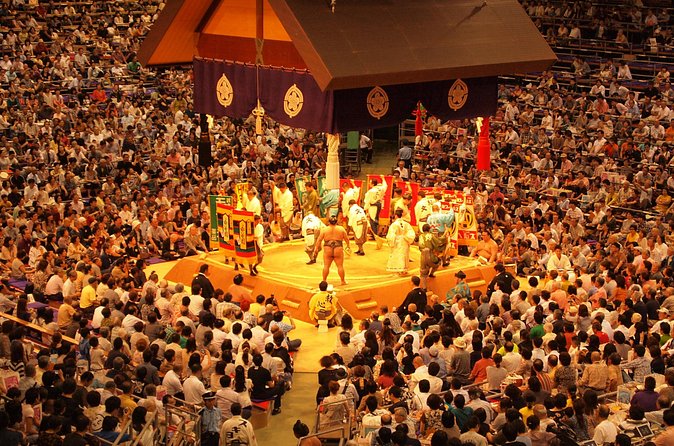
The main portion of the experience takes place inside the Aichi Prefectural Gymnasium. The tour lasts about four hours at the official tournament, though you should allow four to five hours overall.
Seat details depend on the option you choose. The tour information refers to A-class reserved seats, S-class or A-class seats for some private options, and B or C-class chair seating in the general description. The standard premium-seat join-in option places the group on the second floor in A-class chair seats, with up to 20 people sitting in the same area as the English-speaking guide.
Because the seat categories vary, check the exact package at checkout. This is one of the most important practical points. A-class seating generally gives you a strong view, while higher-priced options may offer a different position. The experience is not built around floor-level seating, so you should choose based on your budget and your desire for added proximity.
Chair seats are a real advantage for many people. You avoid sitting on the floor, and you have a defined place for the long session. Your guide remains close enough to explain the matches through the audio headset, so you can listen without needing to stand beside the guide or miss the action.
The headset also helps in a crowded arena. Sumo has plenty of bursts of noise, especially when the wrestlers enter, face off, and collide. You can keep your eyes on the ring while listening to explanations about technique, history, and the wrestlers competing that day.
A few more options to weigh up in Nagoya
- LEGOLAND® Japan Ticket
★ 4.7 · 11,787 reviews - Port of Nagoya Public Aquarium Ticket
★ 4.8 · 4,343 reviews - Shirakawa-go & Takayama Old Town Day Tour (Optional Hida Beef Lunch)
★ 4.6 · 3,936 reviews - Hida Takayama & Shirakawa-go Gassho Village Day Trip (Departing from Nagoya, optional observatory tour included)
★ 4.7 · 2,837 reviews
Understanding the rituals between bouts
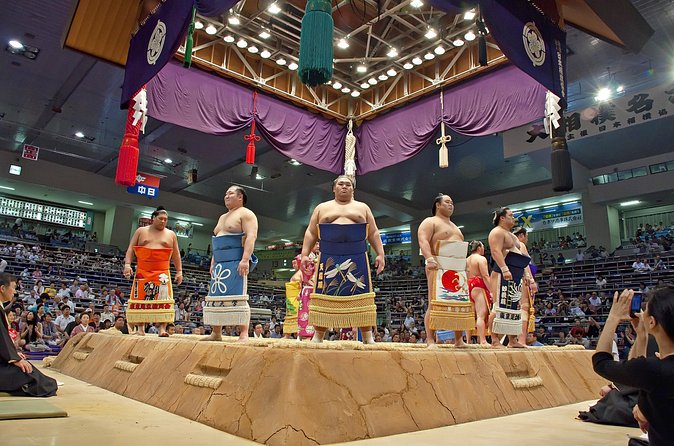
A sumo match may be short, but the time around it carries much of the sport’s character. Wrestlers perform formal movements before fighting. Salt purification, ring preparation, and other gestures reflect the strict traditions that govern sumo.
Your guide explains these details as they happen. That makes the experience more than a sequence of quick bouts. You begin to notice the rhythm of the tournament and the difference between what is ceremonial, what is tactical, and what reflects a wrestler’s rank.
The banzuke-hyo gives you a useful reference as the afternoon unfolds. Keep it handy. If you have never followed sumo, the rankings can otherwise feel like a blur of names and titles.
You also learn about the wrestlers’ lives outside the arena. Many live in communal heya, or sumo training stables. Their meals, clothing, and daily routines are closely controlled. This background gives the competition more weight. You are not watching athletes who simply arrive for a match and return to ordinary private lives. Sumo shapes almost every part of their day.
Finding food inside the gymnasium
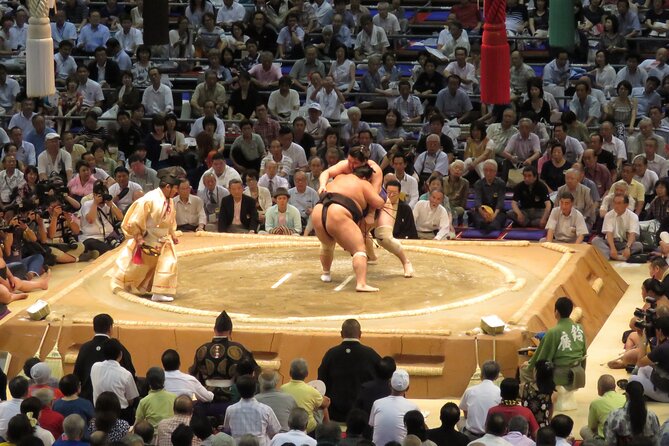
No outside food or drinks are allowed in the arena. You can buy food from vendors inside the venue, so you do not need to go hungry during the tournament.
Meals and drinks are not included in the standard experience. This is worth planning for because the afternoon is long enough for you to want a snack or a drink. Arena food is convenient, but the choices and prices are not specified, so bring a payment method that works in Japan and budget separately from the tour price.
The optional dinner gives the day a stronger cultural finish. You can add a meal at a local chanko hot pot restaurant and try the stew associated with sumo wrestlers.
Chanko nabe usually uses chicken stock along with vegetables, and it is served as a hot pot. The dish is practical as well as comforting: a large amount can be cooked at once, making it suitable for hungry wrestlers and communal meals. Chanko originated in the Ryogoku area, Tokyo’s traditional sumo district, but it is now closely associated with sumo culture throughout Japan.
Drinks are not included with the dinner. If you want a vegetarian meal, request it at least one week in advance in the special requirements field. Traditional chanko broth commonly contains pork or chicken, and the restaurant may substitute a vegetarian broth. Once the request is accepted, changes cannot be made during the final week before the tour.
The museum and possible waiting time
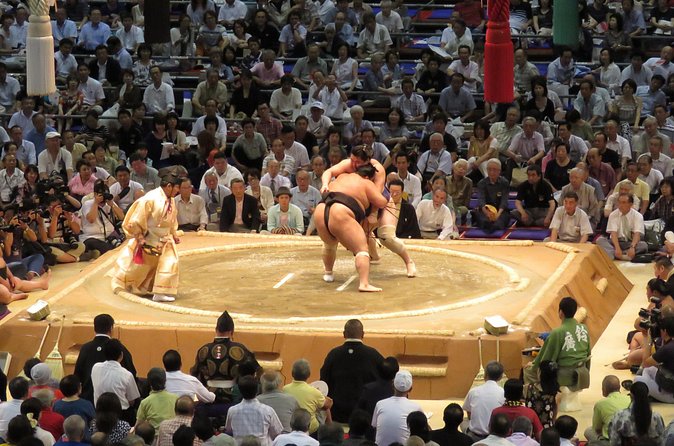
The tour may include time around the Sumo Museum, but the group may not move through it together if the area is crowded. In that case, the guide may ask you to visit on your own.
That is a sensible arrangement for a group of up to 24 people. A museum can become difficult to navigate when everyone gathers around the same display, so you may need to be flexible. The museum should be treated as an extra part of the day rather than the main reason to book.
You may also wait before being seated. The group must wait for all sumo matches to finish before entering the seating area, so the start of the formal arena portion may not feel perfectly immediate. This is a small inconvenience, but it is worth knowing if you have evening plans.
The best approach is to leave space in your schedule. The tour is advertised as four hours, with an approximate total duration of four to five hours. Do not schedule a tight dinner reservation, train connection, or evening show immediately afterward.
Is the $228.62 price good value?
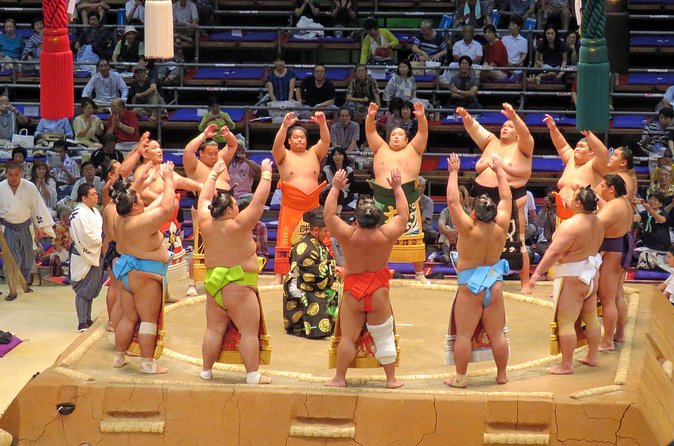
At $228.62 per person, this is not a cheap afternoon. You are paying for a tournament ticket, a reserved chair seat, an English-speaking sumo expert, audio equipment, printed information, the banzuke-hyo, and the service involved in securing a ticket during a limited annual event.
The value depends on what you would otherwise do. If you already understand sumo and only want the lowest-priced available seat, you may prefer to arrange your own ticket. If you are new to the sport, the guide can save you from spending the afternoon trying to work out the rankings, rituals, and match details by yourself.
The July tournament is also a time-sensitive event. Nagoya hosts the official basho only once each year, and group tickets are released by the Sumo Association about four to seven weeks before the date. If tickets cannot be obtained, you should be notified within four weeks and offered another date or a full refund.
Group discounts are available, which can improve the value for families or larger parties. The exact discount is not specified, so check the booking details before assuming the final price.
Who will enjoy this experience most?
I would choose this tour if you want a clear introduction to sumo without giving up the excitement of a live tournament. It suits first-time visitors, dedicated sumo fans, families, and anyone interested in Japanese customs.
It is particularly helpful for:
- People who want English explanations during the matches
- Families with older children who can follow a four-hour sports and culture experience
- Visitors who want help identifying famous wrestlers
- Anyone who wants reserved chair seating rather than an uncertain general admission arrangement
- Visitors interested in trying chanko hot pot after the tournament
It may be less suitable if you dislike group schedules or want total independence. The group can reach 24 people, and a minimum of 15 is needed for the experience to operate. If fewer than 15 people book, the tour may be canceled and you will be offered another date or a full refund.
Booking advice for a July tournament
Book about three months before your travel date if you can. One month ahead is the minimum recommended planning window, especially if you want the optional dinner or need a vegetarian request.
The experience is non-refundable and cannot normally be changed after booking. The operator begins arranging guides, tickets, and restaurant reservations after receiving your booking, so cancellation can result in the full amount being retained.
The ticket situation adds another reason to plan carefully. Group tickets are released only four to seven weeks before the tour date. Even an early booking does not guarantee that the requested ticket supply will be available. If the operator cannot obtain tickets, you will be offered another date or a full refund.
Check your email for the final meeting details at least one week before the tour. Bring your confirmation, arrive early, and keep your afternoon open. These simple steps make the day much easier.
My verdict: should you book it?
Book this experience if July brings you to Nagoya and you want to understand sumo while watching the real tournament unfold. The best parts are the expert commentary, the chance to see wrestlers arrive, the reserved chair seating, and the added cultural context that turns a quick match into a meaningful event.
I especially like that the guides bring personality to the afternoon. Kazou has helped visitors follow the wrestlers and captured photos, while Yoko has connected well with families and shared her enthusiasm in a way children could enjoy.
Skip it if you only want a bargain ticket, cannot commit to a fixed group schedule, or need a flexible cancellation policy. For everyone else, this is a well-organized way to experience one of Japan’s most unusual sporting traditions, with enough explanation to make the action understandable and enough live energy to keep the day exciting.
FAQ
When does the Nagoya Sumo Tournament take place?
The official Nagoya tournament takes place in July. It is held once a year and lasts 15 days, with the opening and closing dates falling on Sundays.
How long does the sumo experience last?
The experience lasts about four hours, with an approximate total duration of four to five hours.
What time does the tour begin?
The listed start time is 2:00 pm. You should arrive at the meeting point at least 10 minutes early.
Where is the experience held?
The tournament portion takes place at the Aichi Prefectural Gymnasium in Nagoya. The final meeting point details are sent by email at least one week before the tour date.
What type of seats are included?
The standard premium-seat join-in option uses second-floor A-class chair seats. Other options refer to A-class or S-class reserved seats, while the general description also mentions B or C-class seating. Check the exact seating category when booking.
Is an English-speaking guide included?
Yes. An English-speaking local sumo expert accompanies the group and explains sumo culture, rituals, rankings, wrestlers, and match details. An audio headset is also included.
Is food included?
Food and drinks are not included unless you add the dinner option. Food can be purchased from vendors inside the arena, but outside food and drinks are not allowed.
What is the chanko dinner option?
Chanko is a Japanese hot pot commonly made with chicken stock and vegetables. It is associated with the meals eaten by sumo wrestlers. Drinks are not included with the dinner.
Can the tour be canceled or refunded?
The experience is normally non-refundable and cannot be changed after booking. If the minimum group size is not reached, or if group tickets cannot be obtained, you will be offered another date or a full refund.
Just added in Nagoya
- Hida Takayama & Shirakawa-go Gassho Village Day Trip (Departing from Nagoya, optional observatory tour included)★ 4.7 · 2,837 reviews
- Shirakawa-go & Takayama Old Town Day Tour (Optional Hida Beef Lunch)★ 4.6 · 3,936 reviews
- Nagoya Castle Ticket★ 4.6 · 326 reviews
- Port of Nagoya Public Aquarium Ticket★ 4.8 · 4,343 reviews
- LEGOLAND® Japan Ticket★ 4.7 · 11,787 reviews
- Ghibli Park Ticket in Aichi★ 4.4 · 2,205 reviews
- Nagoya Endoji Food and Cultural Tour★ 5.0 · 12 reviews
- Walking Small-Group Nagoya City Tour★ 5.0 · 13 reviews
Sumo Experiences, compared.
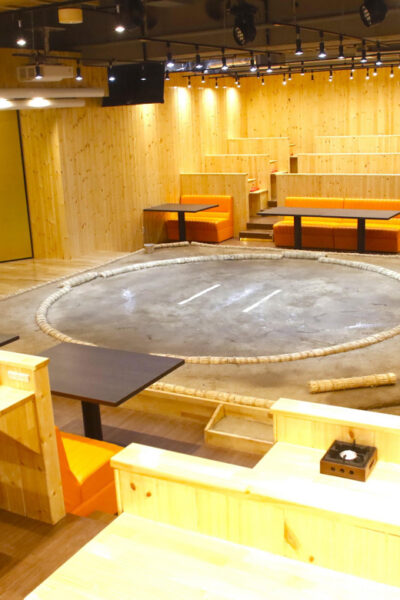
Sumo Show Experience with Chicken Hot Pot and a Photo
Read our review →
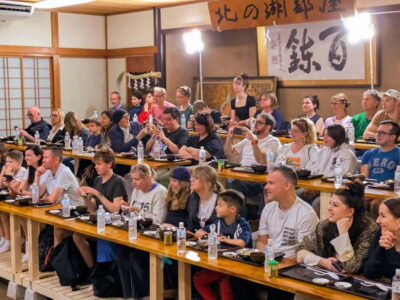
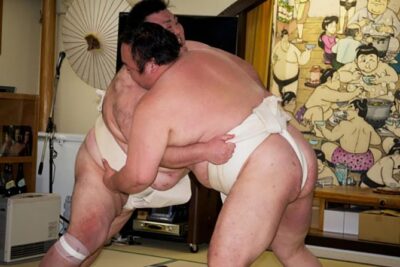
Tokyo Shinjuku Sumo Show & Experience with Photo
Read our review →
Asakusa Sumo Club Sumo Show Admission with Chankonabe in Tokyo
Read our review →
Tokyo Ginza Sumo Experience: Performance vs Pure Practice
Read our review →Browse the lists this tour appears in