
Reviewed · SUMO EXPERIENCES
Nagoya: Grand Sumo Tournament Tour
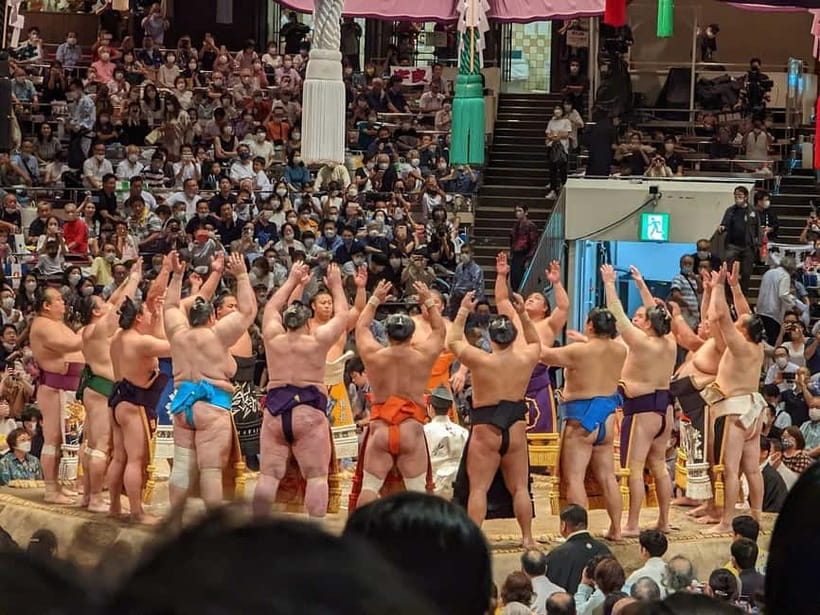
Sumo makes more sense with a guide. This Nagoya experience combines three hours of top-division bouts with live English commentary, wrestler profiles, and a cheering towel that gives you someone to support. I especially like the earphone system, which lets you hear the guide during the action, and the Nagoya Castle walk, which adds history to a day otherwise centered on sport. The main drawback is price: at $225 per person, it costs much more than simply buying a seat and entering the arena on your own.
You meet at Nagoyajo Station, near Nagoya Castle, and finish back at the same meeting point. The tour is aimed at first-time sumo spectators, though serious fans should also enjoy the profiles, match context, and close look at tournament customs. Guides such as Keiko, Yummi, Mari, Yuki, and Sunny Yoko have earned particular praise for their energy and clear explanations.
In This Review
- Key points at a glance
- Why this Nagoya sumo outing works for first-timers
- Getting from Osaka or Kyoto to Nagoya
- Nagoya Castle: a useful historical opening
- Why the 3 p.m. start makes sense
- The earphone system changes the viewing experience
- Your wrestler profile pamphlet and cheering towel
- What your seat includes
- The small-group format and guide quality
- Who should book this experience?
- Practical details before you go
- Should you book the Nagoya sumo tour?
- FAQ
- Where does the Nagoya Grand Sumo Tournament Tour begin?
- Where does the tour end?
- How long do I watch the sumo tournament?
- Is the Nagoya Castle visit included?
- What type of seats are included?
- Is hotel pickup included?
- Is the tour available in English?
- What materials do I receive?
- How will I hear the guide during the matches?
- How close is Nagoya to Osaka and Kyoto?
- What should I bring?
- Can I cancel for a full refund?
- Can I reserve now and pay later?
Key points at a glance
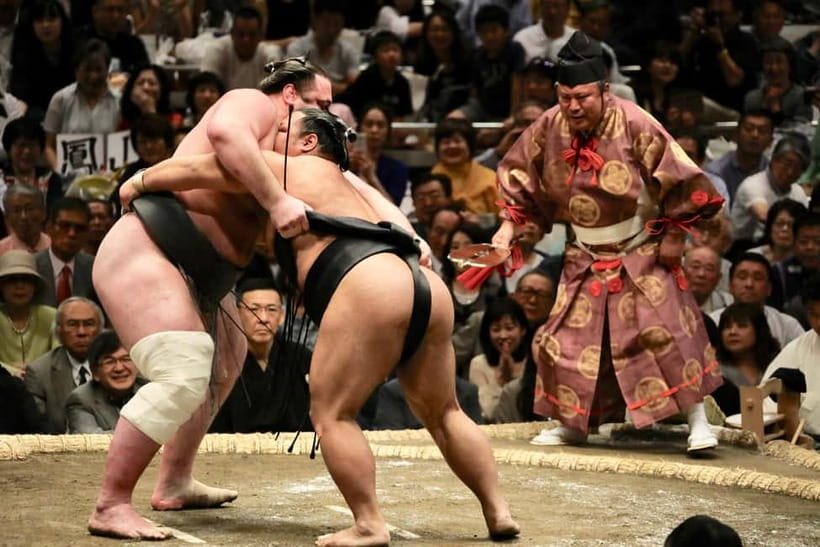
- Top-division sumo from 3 p.m.: You watch the most important bouts for about three hours, rather than sitting through the full day and risking fatigue before the major matches.
- Live English commentary: An earphone guide system keeps the guide’s explanations clear while the wrestlers compete.
- A wrestler to cheer: Your special towel gives you a particular wrestler to support and makes the crowd experience more personal.
- English wrestler profiles: The pamphlet includes photos and profiles, helping you identify the competitors as the tournament unfolds.
- Nagoya Castle context: The optional walking tour covers Tokugawa power, fortress design, construction methods, and the ornate Honmaru Palace.
- Convenient from Osaka and Kyoto: Nagoya is about 50 minutes from Osaka and 34 minutes from Kyoto by train, making this practical during a wider Kansai trip.
Why this Nagoya sumo outing works for first-timers
A sumo tournament can look simple at first: two large men face each other, then one is pushed or thrown out of the ring. The real event has more layers. Wrestlers enter by rank, rituals take time, the crowd reacts to familiar names, and small gestures carry meaning.
That is where this tour earns its keep. Your guide explains the rules and traditions as they happen, not only in a speech before the match. You can look at the English pamphlet, find the wrestlers’ photos, and follow along while listening through your headset.
I like this approach because it turns a formal Japanese sporting event into something you can follow from the first bout. You are not left guessing which wrestler matters, why a ritual takes place, or what the audience is waiting for.
The guides also seem to bring genuine enthusiasm. Keiko was praised for her energy, while Yummi, Mari, Yuki, and Sunny Yoko were singled out for warmth and strong explanations. One guide even helped a late-arriving group after they got lost, which tells you something useful about the personal nature of a small-group outing.
More Sumo Experiences in Nagoya:
- Sumo Tournament Experience in Nagoya
★ 5.0 · 12 reviews - Tokyo: Sumo Show Experience with Chicken Hot Pot and a Photo
★ 4.8 · 6,678 reviews - Tokyo: Sumo Live Show with Photo in Shinjuku
★ 5.0 · 3,438 reviews
Getting from Osaka or Kyoto to Nagoya
Nagoya works well as a day trip from the Kansai area. The tour information gives a travel time of about 50 minutes from Osaka and 34 minutes from Kyoto by train. That short journey makes the event a sensible addition to an Osaka or Kyoto itinerary, especially during the Nagoya grand tournament.
You are responsible for reaching the meeting point yourself. The start is at Meijo Line Nagoyajo Station, M07, Exit 7, on the ground level. Look for the guide holding a recognizable signboard.
Take the meeting point seriously. Nagoya has several train lines and stations, and station names can be confusing if you are rushing. Allow enough time to find the Meijo Line platform and Exit 7. The tour does not include hotel pickup or drop-off.
At the end, you return to the same meeting point. That is helpful if you want to continue exploring Nagoya, return to your hotel, or catch a train back toward Osaka or Kyoto.
Nagoya Castle: a useful historical opening
The optional castle walking tour gives the day more shape. Nagoya Castle was built in the early 17th century by the Tokugawa clan, the family that ruled Japan for nearly three centuries. Modern Nagoya grew into one of Japan’s largest cities, but its political beginning was tied to this castle.
The guide explains why the castle was built and how the Tokugawa family dealt with feudal lords who had once opposed them. This is more useful than simply hearing dates. The castle becomes a lesson in how power was secured after years of conflict.
You also learn about the castle’s construction methods and defensive purpose. The discussion covers its role as a fortress and its design as a military stronghold. If you have visited Japanese castles before, this context can help you compare Nagoya’s layout and purpose with other famous examples.
The most visually rewarding part is the Honmaru Palace. It features valuable hinoki cypress, decorative metal fittings, and detailed artwork on walls, ceilings, and sliding doors. The palace is not just a shell or a photo stop. Its materials and decoration show how the ruling class used architecture to express authority and refinement.
The castle walk is optional, so you should confirm how much of it you want to join when planning your day. If you prefer to focus only on sumo, you can treat the castle as an extra rather than the main reason to book.
Wear comfortable shoes. You will be walking around the castle area before settling into your arena seat, and formal footwear is a poor match for a day that combines a historic site with a sporting event.
Why the 3 p.m. start makes sense
The tour focuses on the top division for about three hours from 3 p.m. That timing is one of its smartest choices.
A full tournament day begins much earlier, with lower-ranked wrestlers competing before the better-known names appear. Watching everything can sound appealing, but the pace may wear you down. By the time the top division begins, you could be tired, hungry, or ready to leave.
This tour saves your attention for the bouts most visitors want to see. You arrive for the final stretch, when the matches carry more rank and public interest. You also have a clear window of action instead of an open-ended day in the arena.
The tradeoff is simple: you do not experience the complete tournament schedule. If you are a dedicated sumo follower who wants to see every rank, this shorter format may feel incomplete. For a first visit, though, three focused hours is a sensible balance.
A few more options to weigh up in Nagoya
- LEGOLAND® Japan Ticket
★ 4.7 · 11,787 reviews - Port of Nagoya Public Aquarium Ticket
★ 4.8 · 4,343 reviews - Shirakawa-go & Takayama Old Town Day Tour (Optional Hida Beef Lunch)
★ 4.6 · 3,936 reviews - Hida Takayama & Shirakawa-go Gassho Village Day Trip (Departing from Nagoya, optional observatory tour included)
★ 4.7 · 2,837 reviews
The earphone system changes the viewing experience
The guide uses an earphone system for real-time commentary. This matters because the guide may not be standing directly beside you at every moment, particularly in a small arena group where people need to see the action.
You listen to explanations while watching the bout, rather than waiting for a pause afterward. The guide can point out a wrestler’s background, explain a ritual, or clarify what happened in a fast match before the next contest begins.
I see this as one of the tour’s strongest practical features. Without it, you might miss comments whenever the crowd gets loud or your attention shifts to the ring. With it, you can keep your eyes on the dohyo and still follow the explanation.
The system also lets the experience remain social without forcing the whole group into a tight huddle. You can watch your seat, hear the guide, and then join the group’s reaction when a favored wrestler appears.
Your wrestler profile pamphlet and cheering towel
Each participant receives a pamphlet with photographs and English profiles of the wrestlers. This is especially helpful because Japanese names can be difficult to match with faces during a fast-moving event.
The guide uses the pamphlet while the bouts continue. You can place a face, rank, or short biography with the wrestler entering the ring. That simple reference sheet makes the tournament easier to follow and gives you something useful to keep.
You also receive a sumo booklet explaining the sport more broadly. It covers the basic world of sumo and can help you understand what you are seeing beyond a single afternoon.
The cheering towel adds a playful touch. The guide assigns or introduces a particular wrestler, then shows you when and how to raise the towel. Instead of watching every bout as a stranger, you have a clear person to support.
That small bit of participation changes the mood. You begin noticing when your wrestler is approaching, and the group gets a shared reason to react. It is not a substitute for understanding sumo, but paired with the live commentary, it makes the event easier to enjoy.
What your seat includes
The package includes a Chair S or Chair A seat. These are arena seating categories, not ringside floor cushions, so your view and comfort will depend on the assigned section.
The key value is that the seat is arranged as part of a guided experience. You are not only paying for entry. You are also paying for the guide’s explanations, the earphone equipment, wrestler materials, and the organized group atmosphere.
Still, the price deserves a clear look. At $225 per person, this is an expensive half-day activity. One direct piece of feedback questioned the large markup compared with attending the event independently. That concern is fair, especially if you already understand sumo, speak Japanese, and feel comfortable arranging your own seat.
The price makes more sense if you value interpretation and convenience. First-time spectators may have trouble identifying wrestlers, following rank, or understanding why the ceremony matters. The guide removes much of that uncertainty and helps you get more from the three hours you are actually watching.
Think of it as a specialist introduction, not a cheap ticketing service. If you only want to sit in an arena and watch the bouts, look at other options. If you want the sport explained as it happens, the added cost has a clearer purpose.
The small-group format and guide quality
The small-group setup should suit you if you prefer questions and conversation over a large coach tour. Sumo has many rules and customs, and a smaller group gives you a better chance to ask about something you do not understand.
The strongest praise has gone to the guides themselves. Keiko was described as energetic and deeply enthusiastic about sumo. Yuki was praised for both the Nagoya Castle walk and her understanding of the wrestlers and teams. Mari was noted for encouraging the group to support the tournament and even her favorites.
That enthusiasm matters, but it can cut both ways. A guide who loves sumo may encourage you to take sides and cheer loudly. Most people will find that fun, but visitors looking for a quiet, detached sporting experience may prefer to attend independently.
The English language service is a clear advantage for anyone who cannot follow Japanese commentary. The tour is conducted in English, and the supplied material is written to help you keep track of the competitors.
Who should book this experience?
I would recommend it most strongly for a first sumo tournament, especially if you are visiting Japan for a short time and want the afternoon to count.
It suits you if:
- You want live explanations in English.
- You are curious about Japanese customs but do not know the rules of sumo.
- You like having a particular wrestler to cheer.
- You want Nagoya Castle included as a historical companion to the tournament.
- You are staying in Osaka or Kyoto and want a manageable day trip.
- You prefer a planned small-group experience to handling the arena alone.
It is less suitable if you already follow professional sumo closely, want to watch every match of the day, or are mainly seeking the lowest possible price. The $225 cost is hardest to justify when you do not need translation, instruction, or help with the event’s structure.
Practical details before you go
Bring comfortable shoes for the castle walk and station connections. Hotel pickup and drop-off are not included, so plan your own route to Meijo Line Nagoyajo Station.
You can reserve now and pay later, which helps if your route is still taking shape. Cancellation is available up to 24 hours in advance for a full refund, giving you some flexibility around train plans and weather.
The activity begins and ends at the same meeting point. That makes the return trip simpler, but you should still check the timing of your train home rather than assuming you can make an immediate departure after the final bout.
Should you book the Nagoya sumo tour?
Book it if you want sumo to make sense, not merely to watch it. The real-time English commentary, wrestler pamphlet, sumo booklet, and cheering towel give a first-time spectator a clear way into an unfamiliar sport.
The optional Nagoya Castle walk adds a second layer, connecting the tournament day with the Tokugawa history and architecture of the city. The main question is value. At $225, you pay a premium for guidance and structure, so independent-minded sumo fans may prefer to arrange their own visit.
For most first-time visitors, I think the added explanation is the point. You leave with more than memories of two wrestlers colliding. You understand the rituals, recognize some of the competitors, and know why the crowd is cheering.
FAQ
Where does the Nagoya Grand Sumo Tournament Tour begin?
It begins at Meijo Line Nagoyajo Station, M07, Exit 7, on the ground level. The guide will be holding a recognizable signboard.
Where does the tour end?
The tour ends back at the meeting point near Meijo Line Nagoyajo Station.
How long do I watch the sumo tournament?
You watch the top-division bouts for about three hours, beginning at 3 p.m.
Is the Nagoya Castle visit included?
The Nagoya Castle walking tour is listed as optional. The tour includes historical explanations about the castle and its architecture when you take part.
What type of seats are included?
The package includes either a Chair S or Chair A seat at the sumo tournament.
Is hotel pickup included?
No. You must make your own way to the meeting point, and hotel drop-off is not included.
Is the tour available in English?
Yes. The tour language is English, and the guide provides real-time English commentary.
What materials do I receive?
You receive a pamphlet with photos and English profiles of the wrestlers, a sumo booklet, and a cheering towel for a particular wrestler.
How will I hear the guide during the matches?
The guide uses an earphone guide system so you can hear the live commentary clearly while watching from your seat.
How close is Nagoya to Osaka and Kyoto?
Nagoya is about 50 minutes from Osaka and about 34 minutes from Kyoto by train.
What should I bring?
Bring comfortable shoes, especially if you plan to join the Nagoya Castle walking tour.
Can I cancel for a full refund?
Yes. You can cancel up to 24 hours in advance for a full refund.
Can I reserve now and pay later?
Yes. The tour allows you to reserve your place and pay nothing at the time of booking.
Just added in Nagoya
- Hida Takayama & Shirakawa-go Gassho Village Day Trip (Departing from Nagoya, optional observatory tour included)★ 4.7 · 2,837 reviews
- Shirakawa-go & Takayama Old Town Day Tour (Optional Hida Beef Lunch)★ 4.6 · 3,936 reviews
- Nagoya Castle Ticket★ 4.6 · 326 reviews
- Port of Nagoya Public Aquarium Ticket★ 4.8 · 4,343 reviews
- LEGOLAND® Japan Ticket★ 4.7 · 11,787 reviews
- Ghibli Park Ticket in Aichi★ 4.4 · 2,205 reviews
- Nagoya Endoji Food and Cultural Tour★ 5.0 · 12 reviews
- Walking Small-Group Nagoya City Tour★ 5.0 · 13 reviews
Sumo Experiences, compared.
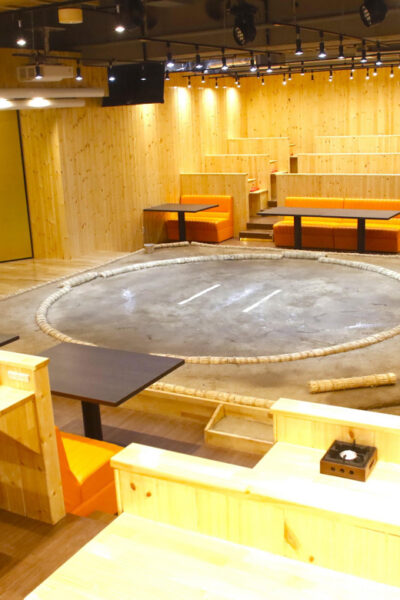
Sumo Show Experience with Chicken Hot Pot and a Photo
Read our review →
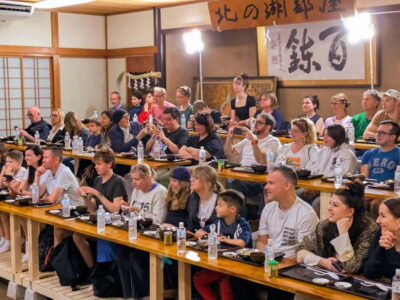
Tokyo Shinjuku Sumo Show & Experience with Photo
Read our review →
Asakusa Sumo Club Sumo Show Admission with Chankonabe in Tokyo
Read our review →
Tokyo Ginza Sumo Experience: Performance vs Pure Practice
Read our review →Browse the lists this tour appears in