
Reviewed · SUMO EXPERIENCES
Tokyo: Sumo Show and Dining Experience
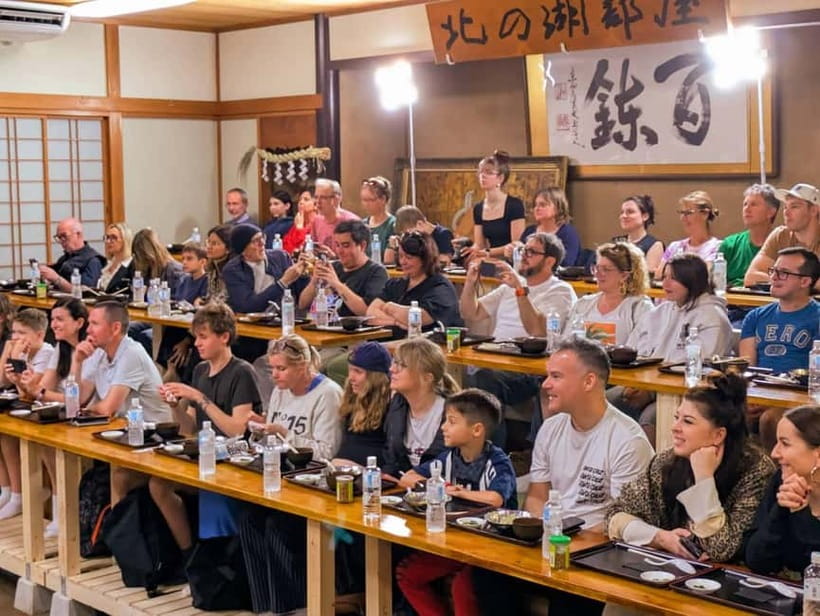
Sumo is best understood up close. Tokyo Sumo Room brings former sumo wrestlers, a lively English-speaking host, and Japanese food together in Kiyosumi-Shirakawa, giving you more than a staged performance. I love the small-room setting, where you can see the wrestlers clearly, and I like the chance to step into the ring for a playful match. Check the meal option carefully, though, since the 3:00 PM show has no meal plan and some dinner bookings may require a separate selection.
This is a friendly, lighthearted introduction to a serious Japanese sport. You learn the rules and traditions, watch demonstrations, eat food inspired by chankonabe, and may get to test your strength against a retired rikishi. The show is accessible to families, solo visitors, and first-time sumo fans, but it is entertainment and instruction rather than a full professional tournament.
In This Review
- Key points at a glance
- Arriving in Kiyosumi-Shirakawa
- The opening lesson makes sumo easier to follow
- Demonstrations show the work behind the sport
- The ring is where the evening gets personal
- Chankonabe gives the meal a clear purpose
- How the $79 price measures up
- Who will enjoy Tokyo Sumo Room most
- Practical details that can shape your visit
- My final verdict on the sumo show
- FAQ
- Where is Tokyo Sumo Room located?
- How long does the sumo experience last?
- How much does the experience cost?
- Is food included with every show?
- What type of food is served?
- Are vegetarian options available?
- Can I participate in the sumo activities?
- Is the activity offered in English?
- Is Tokyo Sumo Room wheelchair accessible?
Key points at a glance
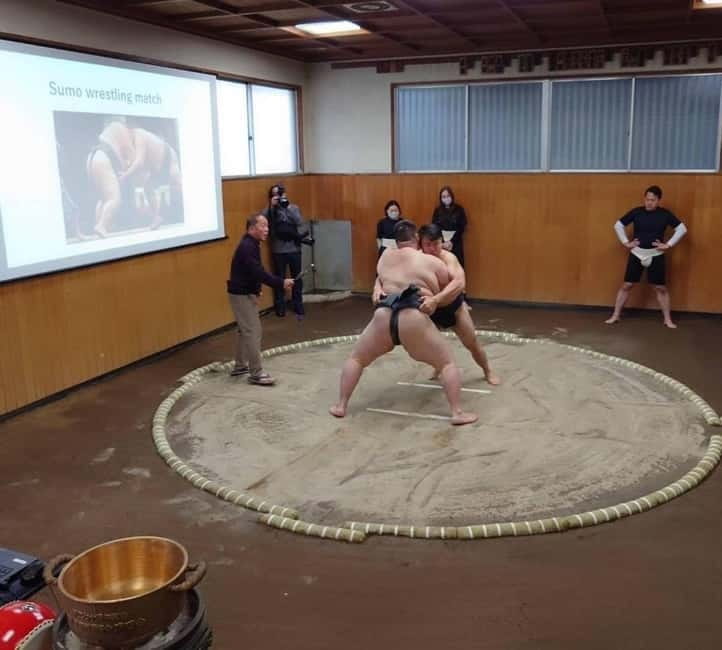
- Former wrestlers run the experience: Tokyo Sumo Room is operated by former Makuuchi wrestler Tokitsumi, with retired rikishi leading the demonstrations and audience activities.
- Audience participation is a major feature: You may practice sumo movements and challenge a wrestler in the ring, with the staff helping keep it fun and safe.
- The English presentation is clear and humorous: The host explains sumo rules, history, training, and customs in an approachable way.
- The meal connects directly to sumo culture: The menu includes Japanese dishes inspired by chankonabe, the hearty hot pot traditionally eaten by wrestlers.
- Show times affect the food: Meal options are available with the 11:00 AM and 7:00 PM shows, while no meal plan is available at 3:00 PM.
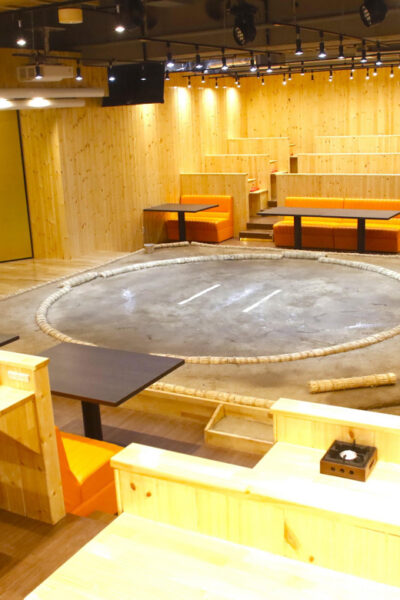
- The compact venue keeps you close to the action: Groups may be small, although the room can hold more than 20 people.
Arriving in Kiyosumi-Shirakawa
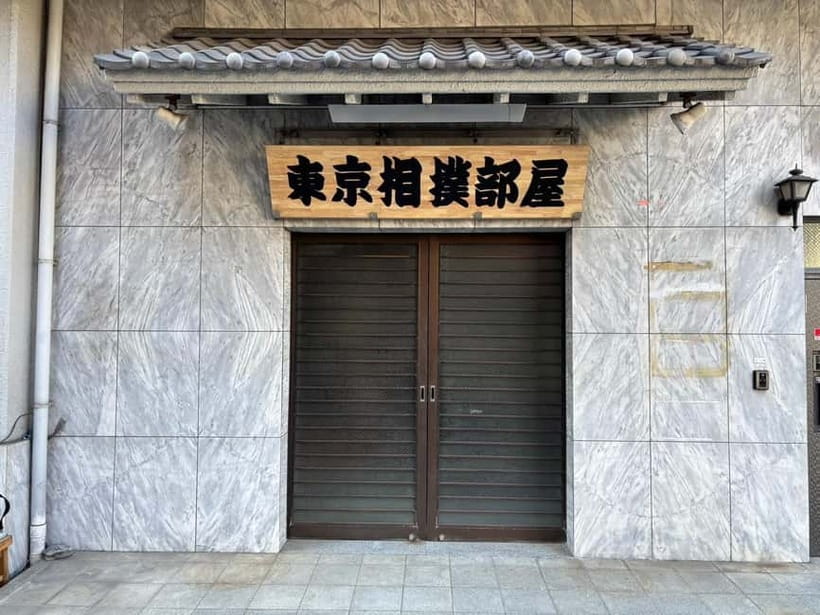
Tokyo Sumo Room is in Kiyosumi-Shirakawa, a district that is easy to reach by public transport. The area gives this experience a more local feel than a large sightseeing theater, although you should allow time to find the venue and arrive ready for a fairly active program.
The setting is important. You are not sitting far away in a stadium while a match happens below. The room brings the action close, so you can watch the wrestlers’ footwork, balance, and strength without needing a large venue or special seating.
The experience lasts about 90 minutes to two hours. That range likely reflects the selected session and how much audience interaction takes place. I would not schedule a tight dinner reservation immediately afterward, especially if you plan to participate in the wrestling activities.
Wear comfortable shoes. You may spend part of the session moving around or stepping into the ring, and casual footwear is more practical than anything delicate or difficult to remove. Bring a camera, too. One particularly useful touch is that the staff may help record your turn with the wrestlers, making the participation easier to share with family and friends.
More Sumo Experiences in Tokyo
- Tokyo: Sumo Show Experience with Chicken Hot Pot and a Photo
★ 4.8 · 6,678 reviews - Tokyo: Sumo Live Show with Photo in Shinjuku
★ 5.0 · 3,438 reviews - the SUMO show
★ 5.0 · 1,960 reviews
The opening lesson makes sumo easier to follow
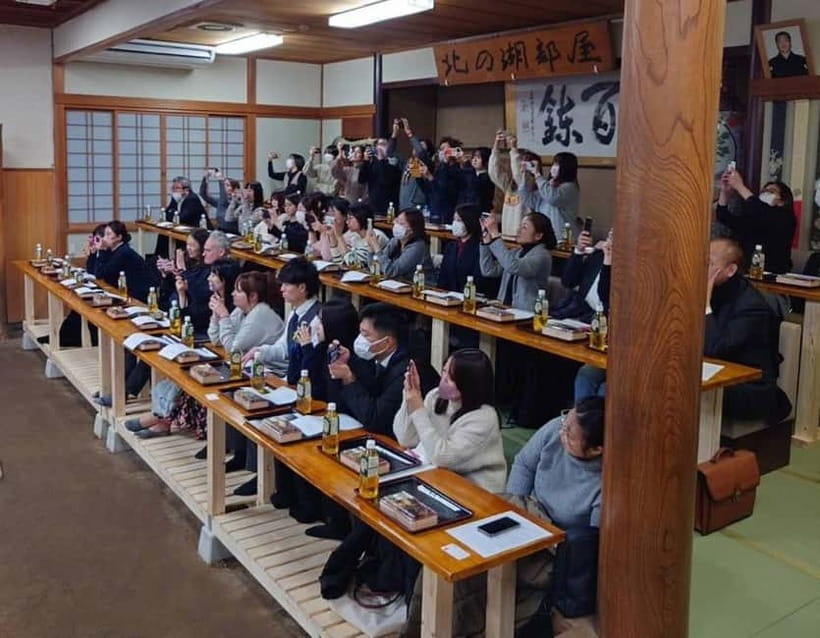
The show begins with an introduction to the sport. The English-speaking host explains sumo’s history, basic rules, and traditional elements before the demonstrations begin.
That short lesson matters. Without it, sumo can look like two large athletes pushing until one loses balance. With some context, you start noticing the opening ritual, the position of the feet, the controlled force, and the way a wrestler uses timing rather than simple weight.
The presentation is described as both informative and funny. That balance suits the experience. Sumo has formal customs and a long tradition, but the evening is not presented as a stern lecture. The host keeps the mood relaxed, answers questions, and helps people understand what they are seeing.
This is one of the strongest parts of the program for first-time fans. You do not need to know the difference between a rikishi, a stable, a mawashi, and a Makuuchi wrestler before arriving. The explanations give you enough background to appreciate the physical display that follows.
Demonstrations show the work behind the sport
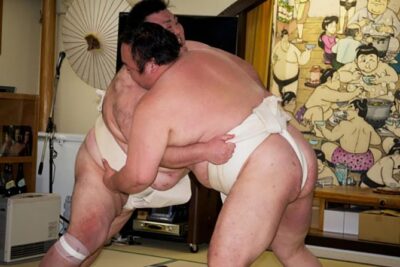
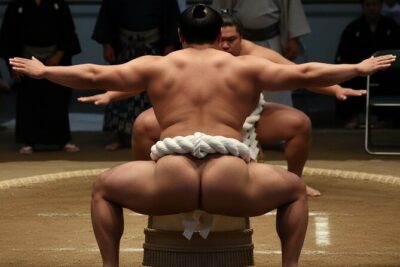
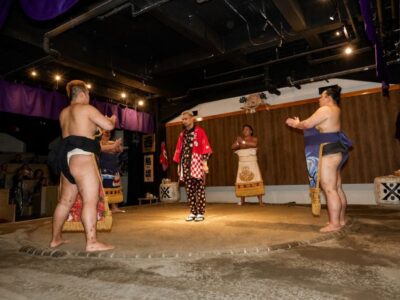
The former wrestlers demonstrate sumo exercises, practice movements, and short competitions. The point is not only to show who can push whom out of the ring. You also see how much balance, conditioning, and technique the sport requires.
Several parts of the presentation focus on the wrestlers’ training and physical preparation. That helps correct a common mistake: assuming sumo is only about size. The demonstrations show why these athletes are respected for strength, control, and discipline.
The number of wrestlers can vary. Some sessions feature two former sumo wrestlers, while others may include three. That can change the feel of the show, but the central format remains the same: explanation, demonstration, competition, and interaction.
The matches are short and made for an audience. If you want a formal tournament with full ceremonial detail and many bouts, attend professional sumo during one of Tokyo’s tournament seasons instead. If you want a clear, close-up introduction in a small setting, this format makes more sense.
The ring is where the evening gets personal
The audience participation is the feature that turns this from a standard cultural presentation into something more memorable. You may be invited to learn a few movements, practice with the wrestlers, and take part in a simulated match.
You do not need to be athletic. The tone is playful, and the wrestlers guide the activity. The staff also encourages people who are willing to volunteer, so you can choose to watch rather than participate.
Still, I would encourage you to try it if you feel comfortable. The wrestlers are much stronger than they look, and the contrast between your effort and their controlled resistance makes the lesson immediate. You quickly understand how difficult it would be to move a trained rikishi even a short distance.
The atmosphere is especially good for families. Children can watch the demonstrations, learn a few facts, and see a parent or older sibling enter the ring. A family of five can share the same activity, while a solo visitor can still take part without feeling out of place.
You may also see a guest wear a mawashi for the activity. The program keeps the tone respectful and humorous, but you should expect a physical, public moment rather than a quiet cultural lecture. If being the center of attention sounds uncomfortable, sit back and enjoy watching other participants.
A completely different kind of day out:
- Tokyo Disney Resort – Tokyo Disneyland & Tokyo DisneySea Park Tickets
★ 4.8 · 99,488 reviews - SHIBUYA SKY Ticket
★ 4.7 · 46,509 reviews - JR Whole Japan Rail Pass
★ 4.8 · 29,150 reviews - Mt Fuji and Hakone 1-Day Bus Tour Return by Bullet Train
★ 5.0 · 26,383 reviews
Chankonabe gives the meal a clear purpose
The dining side of the experience is not an unrelated restaurant meal placed beside the show. The food connects to sumo through chankonabe, the filling hot pot traditionally associated with wrestlers.
The meal is meant to be hearty and satisfying. The dishes are Japanese and designed to fit the sumo theme, with seasonal items and hot pot-style food forming the main appeal. Several people particularly enjoyed the chanko soup, and some were offered additional servings.
The food is served while the presentation continues, so you can listen to the history and watch the entertainment without losing a separate block of time for dinner. That makes the evening efficient, especially if you have only a few nights in Tokyo.
Do not assume that every booking includes food. The 11:00 AM and 7:00 PM shows have meal options, while the 3:00 PM show does not offer a meal plan. Even at a dinner show, check the exact option you select, since the wording can be confusing and one booking may refer to a show with dinner without actually including the meal.
Vegetarian food is available when requested. It can also be adjusted on the day, but asking ahead is the safer choice. The provided information does not specify a full allergy menu, so anyone with serious dietary restrictions should confirm directly before booking.
Drinks and personal purchases are not included. Sake can be ordered with the meal, giving you a traditional pairing, but plan to pay separately for anything beyond the included food.
How the $79 price measures up
At $79 per person, this is not the cheapest way to spend two hours in Tokyo. You could watch sumo-related footage for free or visit a neighborhood restaurant for less. The value comes from combining several elements that would otherwise take separate planning.
Your price can cover the live performance, English instruction, audience activities, and Japanese cuisine when you choose a meal-inclusive session. You are also supporting an experience operated by people with direct sumo backgrounds, including Tokitsumi, a former Makuuchi wrestler.
That connection gives the event more substance than a generic themed dinner. You are hearing explanations from people tied to the sport and seeing former wrestlers demonstrate movements they understand firsthand. The tone remains commercial entertainment, but it is rooted in actual sumo experience.
For a family, the price adds up quickly. The event makes the most sense if several people in your group will enjoy the food and participation, not just watch a short demonstration. For a solo visitor, the value depends on your interest in Japanese culture and your willingness to join the activities.
I consider it a fair price for a compact cultural evening, particularly with the meal included. I would not pay the same amount for the 3:00 PM show without food unless that time worked much better for your schedule.
Who will enjoy Tokyo Sumo Room most
I would recommend this experience to first-time sumo fans who want an easy introduction without needing to understand tournament schedules or Japanese terminology. The English explanations remove much of the guesswork.
Families are another strong match. Children can see the wrestlers close up, learn the basics, and laugh when a relative tries to push a former rikishi. The program also works for multigenerational groups because participation is optional.
Solo visitors should not worry about coming alone. The small setting and welcoming staff make it possible to enjoy the show without a large party. One solo participant received warm treatment and still had a full experience after a companion canceled.
The show also suits visitors who want something more active than a museum and less demanding than a full-day excursion. You stay in one venue, eat during the program, and finish within about two hours.
It may not suit you if you want a serious professional bout, a silent traditional ceremony, or a long formal lesson. The humor, audience interaction, and staged competitions are central to the format.
Practical details that can shape your visit
Book ahead because the room has limited space and popular sessions can fill. A small group of eight can feel intimate, while a fuller session of more than 20 people will naturally feel less personal.
Choose your time with care. The 11:00 AM session works well if you want an early cultural activity and lunch. The 7:00 PM session combines the show with dinner and fits neatly into an evening plan. The 3:00 PM session suits an afternoon schedule, but it does not include a meal plan.
Transportation is not included, so you will need to reach Kiyosumi-Shirakawa independently. Public transport makes the district accessible, but allow a little extra time to locate the venue.
The activity is wheelchair accessible. Smoking is not allowed, including indoors. Comfortable shoes and a camera are the only specific items requested.
Cancellation is flexible up to 24 hours before the scheduled start for a full refund. A reserve-now, pay-later option is also available, which helps if your Tokyo plans are still changing.
My final verdict on the sumo show
I would book Tokyo Sumo Room if you want an approachable, funny, hands-on look at sumo rather than a formal tournament. The English explanations, close seating, and friendly former wrestlers make the sport easier to understand, while the chance to challenge a rikishi gives the evening a story you will remember.
Choose a meal-inclusive 11:00 AM or 7:00 PM option if food matters to you, and confirm exactly what your package includes. Skip the participation only if you truly dislike being singled out. Otherwise, step into the ring, push with all your strength, and accept that the wrestler will probably barely move.
FAQ
Where is Tokyo Sumo Room located?
Tokyo Sumo Room is located in Kiyosumi-Shirakawa in Tokyo, on Honshu, Japan. The area is accessible by public transport.
How long does the sumo experience last?
The experience lasts approximately 90 minutes to two hours. The exact length can depend on the selected session and program.
How much does the experience cost?
The listed price is $79 per person.
Is food included with every show?
No. Japanese cuisine is available with meal options for the 11:00 AM and 7:00 PM shows. The 3:00 PM show does not offer a meal plan, so check your selected option carefully.
What type of food is served?
The menu features Japanese cuisine, including hearty dishes inspired by chankonabe, the hot pot traditionally associated with sumo wrestlers. Sake and other personal purchases are not included.
Are vegetarian options available?
Yes. Vegetarian options can be requested in advance and may also be modified on the day of the visit.
Can I participate in the sumo activities?
Authentic sumo training and audience participation are available as optional parts of the experience. You may have the chance to practice movements and challenge a former sumo wrestler in the ring.
Is the activity offered in English?
Yes. The instructor and presentation are in English.
Is Tokyo Sumo Room wheelchair accessible?
Yes. The venue is wheelchair accessible. Smoking is not allowed, including indoors.
More Dinner Experiences in Tokyo
- Tokyo Dinner Cruise & Tradition Show & Drinks & Tokyo Tower
★ 4.7 · 315 reviews - Authentic Geisha Performance with Dinner in Tokyo
★ 4.5 · 101 reviews - Tokyo: Traditional Japanese Performing Arts Show and Dinner
★ 4.5 · 99 reviews - Tokyo: Traditional Geisha Experience Show & Japanese Dinner
★ 4.2 · 59 reviews
More Dining Experiences in Tokyo
- Tokyo Bar Hopping Tour in Shinjuku (All-You-Can-Drink + Dinner)
★ 5.0 · 3,587 reviews - Sumida River: Japanese Traditional Yakatabune Dinner Cruise
★ 4.6 · 779 reviews - Tokyo Bay Yakatabune Dinner/Day Cruise with Japan Show and Drinks
★ 4.5 · 473 reviews - Tokyo: Shinjuku Bar Hopping with All-You-Can-Drink & Dinner
★ 4.9 · 440 reviews
Just added in Tokyo
- A One-of-a-Kind Sushi Experience in a Special Place of Japan★ 5.0 · 15 reviews
- Tokyo Cute Bento Cooking Class – Make a Kawaii Character Lunchbox★ 5.0 · 126 reviews
- Japanese Home Cooking Class & Walk in Todoroki Temple Tokyo★ 5.0 · 88 reviews
- Japan Tokyo Tower Observatory Deck E-Ticket★ 4.0 · 34 reviews
- Catch a Baseball Game in Tokyo with a Local – Tickets Included★ 5.0 · 24 reviews
- JDM Experience with Fast&Furious RX-7 (English speaking Driver)★ 5.0 · 57 reviews
- Tokyo Private Day Tour by Car with English speaking Driver Guide★ 4.0 · 29 reviews
- Japan Classic 10 Day – One Life Adventures★ 5.0 · 129 reviews
Sumo Experiences, compared.
Sumo Show Experience with Chicken Hot Pot and a Photo
Read our review →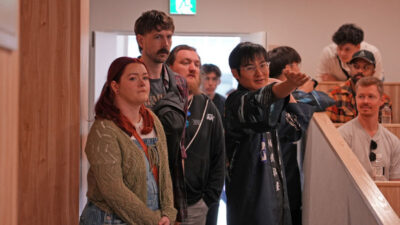
Tokyo Shinjuku Sumo Show & Experience with Photo
Read our review →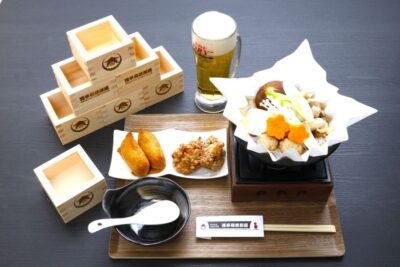
Asakusa Sumo Club Sumo Show Admission with Chankonabe in Tokyo
Read our review →
Tokyo Ginza Sumo Experience: Performance vs Pure Practice
Read our review →
Browse the lists this tour appears in