
Reviewed · WALKING TOURS
Yanaka District: Historical Walking Tour in Tokyo’s Old Town
Tokyo has an older heartbeat. This 210-minute walk leads you through Yanaka’s preserved neighborhood streets, Nezu Shrine, a 1940s-era local market, and Yanaka Ginza. I like the quiet residential lanes and the chance to see daily life beyond Shibuya and Shinjuku. I also like the small-group format, capped at seven people, which gives guides such as Hina, Yoko, Kenji, and Masae room to answer questions. The main drawback is simple: you walk a lot, and the route is not suited to people with mobility impairments or anyone using a wheelchair or stroller.
The lucky cat painting session gives the afternoon a welcome change of pace. You sit with a drink and sweet treat, paint your own Maneki neko, and get a hands-on souvenir rather than another quick photo. Food tastings are included, but you should bring cash for extra snacks because many older shops do not take cards.
In This Review
- Key points at a glance
- Why Yanaka feels unlike modern Tokyo
- Meeting your guide outside Nezu Station
- Nezu Shrine and the meaning of the Torii gates
- Hebimichi and the old residential lanes
- A one-hour break to paint a Maneki neko
- Yanaka District and the market built for local life
- Yanaka Ginza and the best time to shop
- What the small group adds
- Is $79 a fair price?
- Who should book this walk?
- FAQ
- Where does the Yanaka walking tour begin?
- How long does the tour last?
- How large is the tour group?
- What is included in the price?
- Should I bring cash?
- Is the tour suitable for wheelchair users or people with limited mobility?
- Should you book the Yanaka tour?
Key points at a glance
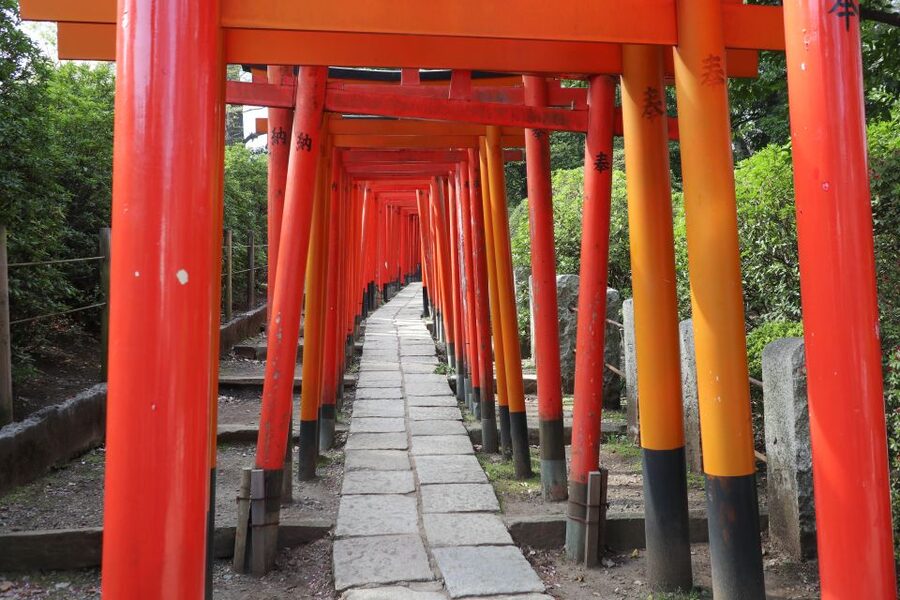
- Nezu Shrine’s red Torii gates: Learn about Shinto customs while visiting one of Tokyo’s most photogenic religious sites.
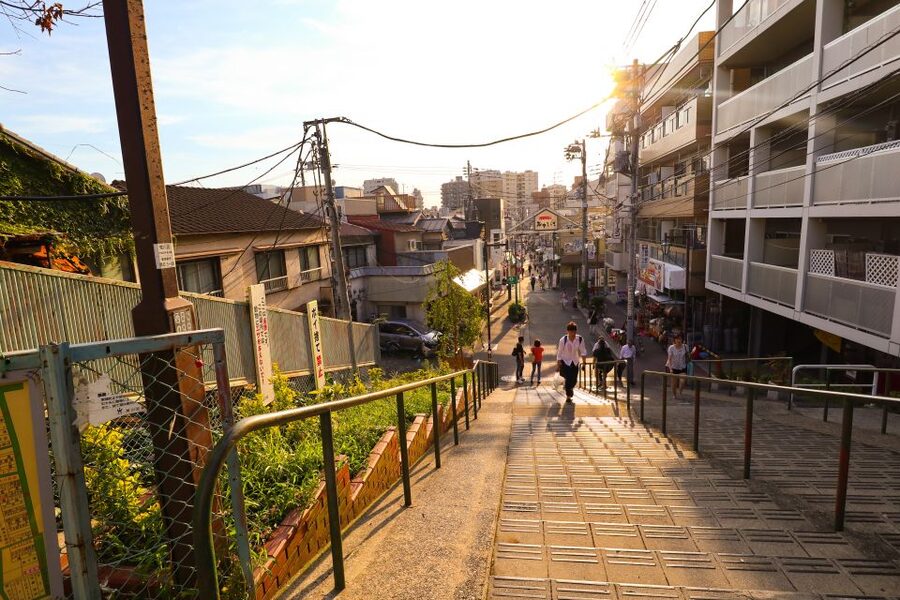
- Yanaka’s narrow lanes: Walk through a part of central Tokyo that survived World War II attacks and major earthquakes.
- A 1940s local market: See where residents shop, then try small portions of local foods and sweets.
- A one-hour craft break: Paint a Japanese beckoning cat in an old house café with a drink and sweet included.
- A group of no more than seven: Ask questions freely and get personal help with photos, food, and cultural details.
- A useful souvenir stop: Yanaka Ginza is a good place to buy handcrafted items and snacks with help from your guide.
Why Yanaka feels unlike modern Tokyo
Tokyo can seem built from towers, flashing signs, packed crossings, and huge train stations. Yanaka offers another picture. Its streets are quieter, its buildings lower, and its pace closer to an old neighborhood than a world capital.
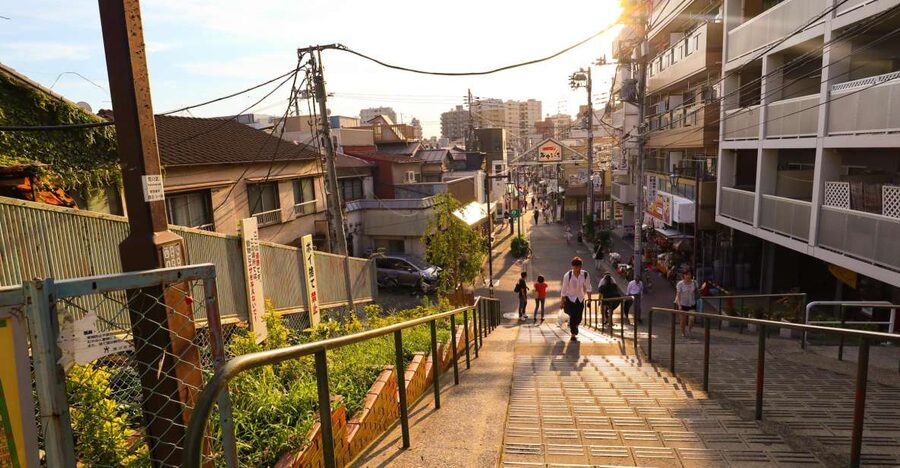
The district survived the attacks of World War II and endured Tokyo’s major earthquakes. That survival left parts of the area with an older character, including narrow lanes, small shops, temples, cemeteries, and homes tucked close together. You do not simply look at history here. You walk through streets where people still shop, live, eat, and go about ordinary business.
That is the strongest reason to book this tour. A guide can explain what you are seeing while you move between the famous places and the less obvious corners. The route is not built around grand monuments alone. It gives you a view of how an older Tokyo neighborhood works.
You should not expect a museum-style presentation at every turn. The appeal is the mix of short explanations, local food, residential streets, and informal conversation. Several guides have been praised for answering broad questions about Japanese history, religion, shopping, and everyday customs. Hina, in particular, helped one solo participant with wider Japan travel tips, while Kenji was praised for his humor and personal approach.
More Walking Tours in Tokyo
- Tokyo Tsukiji Fish Market Food and Culture Walking Tour
★ 5.0 · 3,184 reviews - Tokyo: Imperial Palace and Shogun Historical Walking Tour
★ 5.0 · 2,251 reviews - Tokyo: Shinjuku Local Bar and Izakaya Guided Walking Tour
★ 4.9 · 1,794 reviews
Meeting your guide outside Nezu Station
The tour begins outside Tokyo Metro Nezu Station Exit 1. After coming up the stairs, look for a guide holding a red or orange Magical Trip sign. The meeting point is directly in front of the exit.
Arrive early. This is a walking tour with a small group, so a late arrival can be especially disruptive. The stated policy is strict: if you miss the group, you cannot join later, reschedule, or receive a refund. That matters in Tokyo, where even a simple train transfer can take longer than expected.
Wear comfortable shoes and light, practical clothing. The route includes uneven or less accessible areas, and the total walking time is substantial. Summer in Japan can reach 40°C, while winter temperatures can drop as low as minus 5°C. You will appreciate water, sun protection, and weather-appropriate clothing.
Nezu Shrine and the meaning of the Torii gates
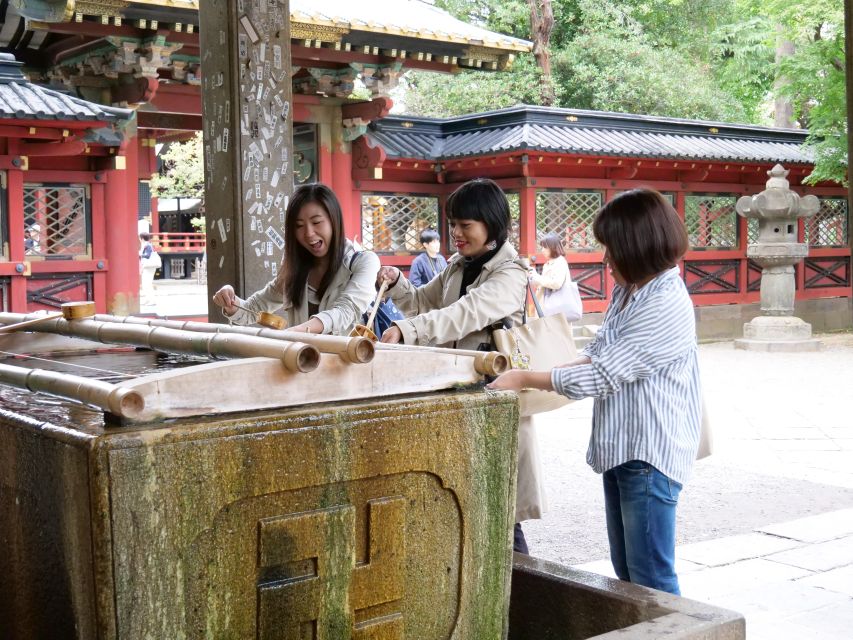
The first main stop is Nezu Shrine, with about 20 minutes set aside for the visit. Its red Torii gates make an immediate visual impression, and the passage through them is one of the best photo moments of the afternoon.
The guide also explains Shinto, Japan’s traditional religion. This is more useful than simply hearing the shrine’s age or taking pictures. You learn how Japanese religious customs differ from the Western idea of a single religious identity, and how shrines fit into ordinary community life.
Twenty minutes is enough for an introduction and photographs, but it is not a full shrine visit. If you want a long, quiet look at every building, ritual feature, or garden area, you may wish to return on your own. As part of a broader walking route, though, this short stop works well. One guide, Masae, was especially praised for explaining the shrine’s history clearly, while another visitor found Hina’s explanations helpful at later shrines too.
Use this first stop to ask questions. The guides are not just there to point out the gates. They can explain what you are seeing and help you understand customs that may otherwise seem mysterious.
Hebimichi and the old residential lanes
From Nezu Shrine, the walk continues through Hebimichi and nearby residential areas. The itinerary allows about 45 minutes here, making this the part of the tour where Yanaka’s character comes into focus.
You will pass narrow streets, local shops, stalls, and homes. The route is not about one major sight. It is about noticing details: the compact streets, older architecture, quiet corners, and small businesses that are easy to miss when you rush between Tokyo’s major districts.
This section also gives the guide room to tell stories about the area and its people. Several guides have been praised for showing places that participants would not have found alone. That is valuable in Yanaka because the pleasure comes from the connections between the stops. A small shop means more when you understand the neighborhood around it.
One participant who cares deeply about historical architecture wanted more detail about how the area looked in earlier decades. That is a useful note for history fans. The guides provide context, but the amount of architectural detail may depend on the guide and on your questions. If old buildings are your main interest, say so at the start.
The streets are generally calm, but calm does not mean effortless. You need to keep walking and remain alert around narrow passages. This is a poor match for anyone who needs a fully step-free route.
A completely different kind of day out:
- Tokyo Disney Resort – Tokyo Disneyland & Tokyo DisneySea Park Tickets
★ 4.8 · 99,488 reviews - SHIBUYA SKY Ticket
★ 4.7 · 46,509 reviews - JR Whole Japan Rail Pass
★ 4.8 · 29,150 reviews - Mt Fuji and Hakone 1-Day Bus Tour Return by Bullet Train
★ 5.0 · 26,383 reviews
A one-hour break to paint a Maneki neko
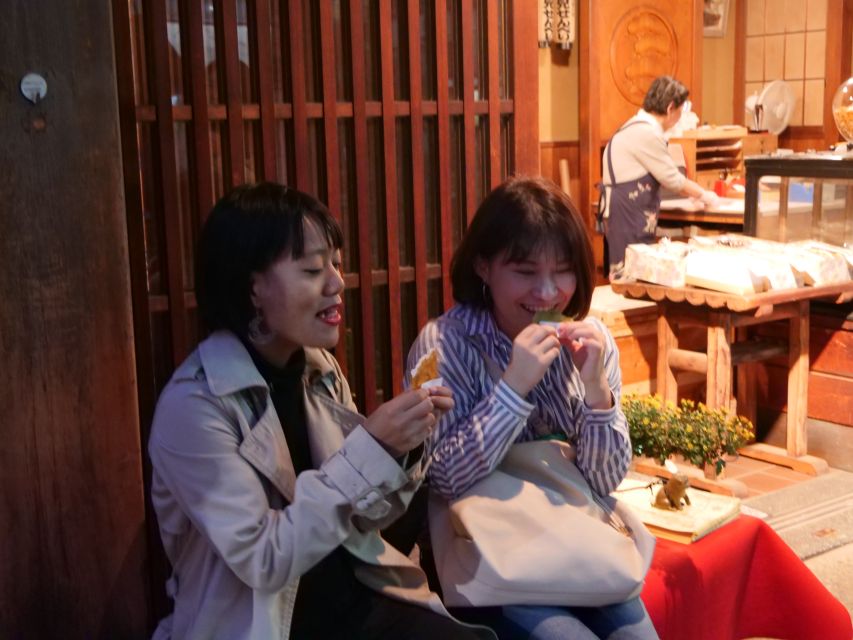
The local café stop lasts about 75 minutes, including the painting activity. It is the tour’s most unusual feature and one of its best design choices.
You receive one drink and a sweet treat, then paint a lucky cat statue, known in Japan as a Maneki neko. These cat figures are associated with welcome and good fortune, and painting one lets you engage with a familiar Japanese symbol in a personal way.
The café break matters because Yanaka is best seen at walking speed, but walking for several hours can wear you down. Sitting for an hour gives your feet a rest and changes the mood. Instead of listening to another explanation while standing, you make something with your hands and talk with the guide and the rest of the group.
This is also a good part of the tour for solo visitors. One participant described feeling comfortable asking questions during an especially personal tour, and another called the painting session a relaxing break after several days of walking around Tokyo. Families can enjoy it too, although young children may need help with the craft.
The activity is not an advanced art class. You are painting a small souvenir in a relaxed café setting. Your final cat may be charming, slightly lopsided, or both. That is part of the fun.
Food and drink restrictions need attention. The café drink and sweet are included, but the operator cannot guarantee allergy-free food or accommodate every dietary restriction. The food comes from outside kitchens, and substitutions may not always be possible. If you have serious allergies, ask before booking and carry any items you need.
Yanaka District and the market built for local life
The longer Yanaka portion takes you through more neighborhood streets and into the area’s local shopping culture. The market dates back to the 1940s and offers a look at the practical side of the district.
This is not a polished food hall designed only for sightseeing. You may see shops selling deli foods, sweets, snacks, and everyday items. The guide helps you understand what is being sold and how to approach foods that may be unfamiliar.
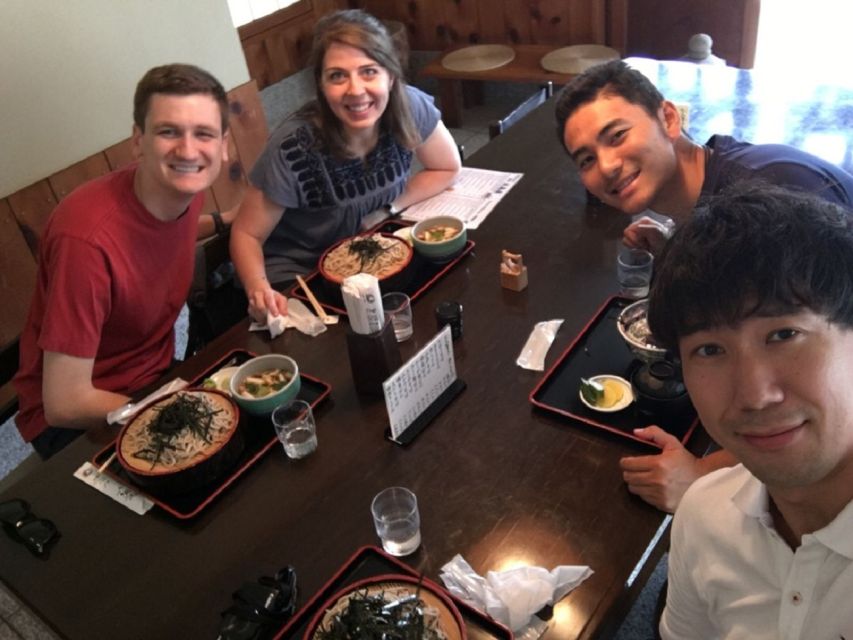
Small tastings are included, but they are samples rather than a full meal. If you have a large appetite, budget for extra purchases. Bring cash, since many old shops accept only Japanese currency. This is also the place to buy food gifts, though you will want to check how well each item travels before filling your bag.
The market section is where the tour feels most connected to present-day Yanaka. The district may look old-fashioned, but it is not a preserved stage set. People still use these shops. You get to watch a working neighborhood rather than simply admire one.
The route can also include temples, a cemetery, and other quiet corners. One participant particularly enjoyed seeing the cemetery alongside the shrine and residential streets. These places help explain the area’s connection between religion, memory, and daily life, though visitors should behave respectfully and follow the guide’s advice.
Yanaka Ginza and the best time to shop
The walk ends by taking in Yanaka Ginza, a nostalgic shopping street that represents the flavors and small-scale commerce of Old Tokyo. The guide can point out local sweets, deli foods, and handmade goods, then help you decide what is worth buying.
I would save some souvenir shopping for this part of the afternoon. One participant specifically advised waiting for the tour before shopping, since the guide can help identify authentic, locally made items and explain what is being sold. That help can save you from buying the first souvenir that looks Japanese in a crowded tourist district.
The itinerary then returns to Nezu Station. The stated stop times add up to more than the advertised 210-minute duration, so treat each timing as approximate rather than a promise of exact minutes at every location. The actual pace may change with group size, questions, food stops, and the day’s conditions.
What the small group adds
The group limit is seven people, and that makes a real difference. You can hear the guide in narrow streets, ask questions without holding up a busload of people, and get help with food or photos.
Guide quality is important on a walking tour, and the named guides in the feedback receive strong praise. Ramesh was appreciated for explaining three different parts of the area. Mark made the tour work well for a family group. Yoko was praised for adapting to cultural interests, while Inok was described as friendly and flexible.
No two guides will tell the route in exactly the same way. That can be a benefit. One guide may focus on shrine customs, another on architecture, and another on food or local shopping. If you have a special interest, mention it early so the conversation can follow your questions.
The tour is conducted in English. The small size helps, but the amount of conversation still depends on the group. If everyone is curious and engaged, the afternoon can feel like a guided neighborhood conversation rather than a formal lecture.
Is $79 a fair price?
At $79 per person, the tour is not the cheapest way to walk around Yanaka. You can visit the streets, shrine, and shopping areas without paying for a guide. The value comes from the combination of interpretation, small tastings, a café drink and sweet, the lucky cat craft, tour photos, and local assistance.
The painting session is the clearest included extra. You are not paying only for directions. You get a structured activity that would be harder to arrange by yourself, plus a souvenir you make during the trip.
The guide also adds value at the market. If you cannot read Japanese, choosing unfamiliar foods and understanding local shops can be difficult. A guide who explains the products and answers questions makes the experience less intimidating.
I would consider the price fair for a first visit to Tokyo, especially if you want cultural context and prefer a small group. It is less convincing for repeat visitors who already know Yanaka, speak Japanese, and are happy to explore at their own pace.
Who should book this walk?
I would recommend it to you if you want a quieter side of Tokyo, enjoy local food, like history in manageable portions, or want a hands-on cultural activity. It is also a strong choice for solo visitors who want company without joining a large tour.
Families can enjoy the mix of walking, snacks, stories, and craft work. Older children and adults will probably get the most from the shrine explanations and market visits.
You should think twice if you dislike walking, need step-free access, have severe food allergies, or want a fast list of Tokyo’s major landmarks. This is a neighborhood tour, not a greatest-hits tour. Its reward comes from slower observation and conversation.
Book at least a day ahead if your schedule is tight, since cancellation is free until 24 hours before the start time and the small group can fill. Most important, arrive at Nezu Station Exit 1 on time with cash and good shoes.
FAQ
Where does the Yanaka walking tour begin?
It begins outside Tokyo Metro Nezu Station Exit 1. After taking the stairs to street level, look for a guide holding a red or orange Magical Trip sign.
How long does the tour last?
The advertised duration is 210 minutes. The listed stop times are approximate and may vary with the group, questions, food stops, and conditions.
How large is the tour group?
The tour is limited to seven participants and includes a live English-speaking guide.
What is included in the price?
The price includes the walking tour, local guide, one drink and sweet treat at a café, the lucky cat painting activity, local snack and sweet samples, and tour photos.
Should I bring cash?
Yes. Cash is recommended because many older shops in Yanaka do not accept credit cards. Additional food and drinks are available to buy but are not included.
Is the tour suitable for wheelchair users or people with limited mobility?
No. Parts of the route are not accessible by wheelchair or stroller, and the experience is not suitable for people with mobility impairments.
Should you book the Yanaka tour?
Book it if you want Tokyo to feel less like a collection of famous districts and more like a place where people actually live. The combination of Nezu Shrine, quiet lanes, local food, Yanaka Ginza, and the Maneki neko craft gives you a full afternoon without the rush of a large sightseeing group.
Skip it if your priority is maximum independence, a short walk, or a fully accessible route. For everyone else, $79 buys useful local guidance, a personal souvenir, and a look at an older Tokyo that is easy to miss on your own.
Just added in Tokyo
- Very popular in Harajuku♡Animal petting zoo★ 4.6 · 39 reviews
- Yokohama Port: Private Customizable Tour with Transfer★ 5.0 · 19 reviews
- Wagyu & Sake 8 Course Tasting Dinner in Shinjuku★ 4.9 · 20 reviews
- Warner Bros. Studio Tour Tokyo – The Making of Harry Potter★ 4.8 · 181 reviews
- Tokyo: Classic Tsukiji Food Tour★ 4.9 · 78 reviews
- Tokyo: Tsukiji Fish Market Tour with 6 Stops & Seafood Lunch★ 4.5 · 165 reviews
- TOKYO Ultimate Samurai Armor Photo Experience!★ 5.0 · 16 reviews
- Tokyo Wagyu & Sake Pairing Tasting Experience with Local Flavors★ 5.0 · 108 reviews
Walking Tours, compared.
Kyoto Geisha Walking Tour: Gion District & Hidden Gems
Read our review →
Tokyo Tsukiji Fish Market Food and Culture Walking Tour
Read our review →
Gion Magical Night Walking Tour with Geisha Trivia
Read our review →
Imperial Palace and Shogun Historical Walking Tour
Read our review →
Gion Geisha District Walking Tour – Stories of Geisha
Read our review →
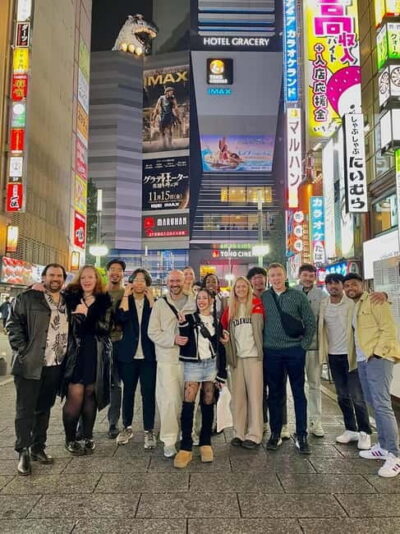
Shinjuku Local Bar and Izakaya Guided Walking Tour
Read our review →
Browse the lists this tour appears in