

Reviewed · CASTLES AND HISTORIC SITES
Tokyo: Imperial Palace and Shogun Walking Tour
Power still lingers behind the stone walls. This two-hour walk through Tokyo’s Imperial Palace East Gardens connects quiet ponds and clipped gardens with the former Edo Castle, once the center of Tokugawa shogun rule. I especially like the Ninomaru Garden and the chance to see koi gliding through its ponds, and I like how guides connect old power struggles with modern Tokyo.
The tour costs $16 per person, a very fair price for an English-speaking guide and two hours of focused sightseeing. The main consideration is pace: you cover several important spots in a short time, so this is better for orientation and context than for a slow, private garden visit.
The current rating is 4.9 from 935 bookings, and the praise is remarkably consistent. Guides such as Tony, Blake, Jim Allen, Embla, Miguel, Thomas, Dylan, and Mayumi are repeatedly described as friendly, clear, and easy to talk with. Tony, in particular, is praised for linking Japanese history to Tokyo’s present-day street plan and daily life.
In This Review
- Key details that make this walk worthwhile
- Meeting at Wadakura Fountain Park
- Ote-Mon Gate: the right doorway into Edo Castle
- Tokyo Imperial Palace: history beside a working institution
- Hyakunin Bansho Guardhouse and the business of control
- Fujimi-yagura: a surviving view into the castle era
- The East Gardens: ruins with breathing room
- The castle tower base and the meaning of massive stone
- Ninomaru Garden and koi ponds
- What the guides add for $16
- Timing, pace, and accessibility
- Who should book this Imperial Palace walk?
- Should you book the Tokyo Imperial Palace and Shogun Walking Tour?
- FAQ
- How long does the Imperial Palace and Shogun Walking Tour last?
- How much does the tour cost?
- What language is the tour offered in?
- Where does the tour begin?
- What are the meeting point coordinates?
- Does the tour visit the Imperial Palace East Gardens?
- Will I see the former Edo Castle?
- Does the tour include Ninomaru Garden?
- Is the tour wheelchair accessible?
- Can I cancel for a refund?
- Can I reserve without paying immediately?
Key details that make this walk worthwhile

- Ninomaru Garden gives the tour its quiet heart: Seasonal planting, ponds, and koi offer a peaceful change from central Tokyo’s busy streets.
- The former Edo Castle grounds make history physical: Gates, moats, guardhouses, and stone foundations show how power was protected.
- The castle tower base puts scale into perspective: You see the massive foundation rather than only hearing about the lost structure.
- Guides turn old stones into human stories: Samurai, shoguns, the imperial household, and Japan’s move from feudal rule to modern government all enter the discussion.
- The $16 price favors first-time visitors: You receive a guided introduction without paying for a longer or more elaborate excursion.
- The meeting point is easy to identify: Meet in front of Starbucks at Kokyo Gaien Wadakura Fountain Park, near 35.6830391, 139.7614181.
Meeting at Wadakura Fountain Park
The walk begins in front of Starbucks Coffee at Kokyo Gaien Wadakura Fountain Park. This is a useful starting point because the palace area is large, and having a clear meeting place removes some of the guesswork from your first visit.
Give yourself time to find the café and guide. Tokyo’s central districts can feel simple on a map but confusing on foot, especially when broad avenues, palace walls, and park paths meet. The published coordinates are 35.6830391, 139.7614181, so keep them handy if your phone map sends you toward the wrong side of the park.
Your guide speaks English, and the group then walks toward the East Gardens. The tour returns to the same Starbucks location at the end, which is helpful if you plan to continue sightseeing from there.
More Castles and Historic Sites in Tokyo
- Tokyo: Imperial Palace and Shogun Historical Walking Tour
★ 5.0 · 2,251 reviews - Tokyo Castle & Imperial PalaceーShogun Walking Tour
★ 4.7 · 1,068 reviews - Tokyo: Samurai Ninja Museum Guided tour and Experience
★ 4.6 · 1,010 reviews
Ote-Mon Gate: the right doorway into Edo Castle
The first substantial stop is Ote-Mon Gate, with about 10 minutes devoted to a guided look. This is more than a grand entrance for photographs. It introduces the defensive thinking behind the entire site.
The East Gardens occupy ground that once belonged to Edo Castle, the seat of the Tokugawa shogunate. As you approach through the gate, pay attention to the scale of the stonework and the way the entrances control movement. The tour’s theme becomes clear here: this was not simply a residence. It was a protected center of political power.
A guide adds the missing layer. Without explanation, you may see an impressive gate and move on. With context, the walls and entrances begin to show how access, rank, and security shaped life around the shogun’s headquarters.
Tokyo Imperial Palace: history beside a working institution
The next stop is the Tokyo Imperial Palace, covered in roughly 15 minutes. The tour focuses on the palace grounds and their place in Japan’s shift from shogun rule to the imperial era.
Do not expect a long interior palace visit from this experience. The description centers on the East Gardens, gates, ruins, moats, and outdoor grounds. That is both a strength and a limitation. You get a clear sense of the site’s historical importance, but this is not the tour to choose if your main goal is entering palace buildings.
The best guides use this point to connect separate periods of Japanese history. Tony has been praised for explaining how the former political center relates to Tokyo’s modern city structure. Jim Allen is also praised for bringing in unusual facts about the shogun dynasty while keeping the discussion approachable.
That kind of explanation matters. Japan’s political story can feel like a string of unfamiliar names and dates. A good guide gives you a sequence: the shoguns held power from Edo Castle, the area later became part of the imperial setting, and today the gardens preserve visible traces of those changes.
Hyakunin Bansho Guardhouse and the business of control
The Hyakunin Bansho Guardhouse receives about 10 minutes. It is one of the stops that rewards attention rather than a quick photograph.
A guardhouse makes the former castle feel practical. The site was organized around watching entrances, controlling visitors, and protecting the people who held power. Your guide explains the samurai world behind these functions, helping you picture the castle not as a decorative park but as a tightly managed political center.
This is also where a guide’s storytelling makes a real difference. The strongest comments about the tour praise clear explanations, good pacing, and the ability to answer questions without turning the walk into a lecture. Blake is often praised for being patient, interactive, and imaginative in the way he brings the gardens and old structures to life.
The stop is short, so you will not get an exhaustive study of the guardhouse. Think of it as one piece in a larger explanation of castle life.
More Walking Tours in Tokyo
- Tokyo Tsukiji Fish Market Food and Culture Walking Tour
★ 5.0 · 3,184 reviews - Tokyo: Shinjuku Local Bar and Izakaya Guided Walking Tour
★ 4.9 · 1,794 reviews - Tokyo: Tsukiji Fish Market Food and Walking tour
★ 5.0 · 1,724 reviews - Tokyo: Asakusa Walking Tour with Sensoji Temple Visit
★ 4.8 · 1,583 reviews
Fujimi-yagura: a surviving view into the castle era
The route then reaches Fujimi-yagura for about 15 minutes of guided sightseeing. The name refers to a castle tower structure, and here the emphasis is on what remains visible from the former complex.
This is a good pause for understanding how the old castle was built into the surrounding grounds. Towers, stone walls, moats, and controlled gates worked together. The walk does not ask you to imagine a fantasy castle floating in isolation. It shows how defensive features occupied real ground and shaped movement through the compound.
You may find the view more rewarding after the guide has already explained Ote-Mon Gate and the guardhouse. Each stop adds another part of the same system. The drawback is that the tour moves on after about 15 minutes, so photography and listening compete for your attention.
The East Gardens: ruins with breathing room
The Imperial Palace East Gardens receive around 30 minutes, making them one of the central parts of the walk. This is where the old castle foundations and the present-day gardens sit most clearly together.
I like this portion because it avoids treating history as something locked in a museum. You walk among stone foundations, open spaces, landscaped paths, and remnants of castle defenses. The setting is calm, yet the subject is power, conflict, rank, and political change.
The East Gardens also provide a welcome change of rhythm. The gates and guardhouse explain control, while the gardens give you room to pause and notice the site’s quieter side. One guide, Sneha, was praised for allowing a short break during the walk, with time to sit and buy a drink from a vending machine. That small pause can matter, especially if you have been sightseeing all day.
Weather is worth considering. The tour runs outdoors, and the group continues despite changing conditions. One family specifically appreciated a guide who loaned an umbrella, while another praised Thomas for keeping the group engaged in poor weather. Do not count on borrowed rain gear, though. Bring protection suited to the forecast.
The castle tower base and the meaning of massive stone

One of the most useful historical moments comes at the remains of the castle tower base. The tower itself is no longer there, but the foundation lets you judge the scale of what once occupied the site.
This is where the tour’s promise to decode the stone walls pays off. Large blocks are not merely attractive background for palace photographs. They show labor, engineering, defense, and status. The foundation also gives you a fixed point for understanding how much of Edo Castle has disappeared and how much still shapes the grounds.
I would pay close attention here if you have limited knowledge of Japanese history. The guide can explain why the castle mattered and how the Tokugawa shogunate used it as a seat of power. The physical remains help the story stick in your mind long after the tour ends.
Ninomaru Garden and koi ponds

The final major stop is Ninomaru Garden, with about 30 minutes for a guided visit. For many people, this will be the most pleasant part of the tour.
The garden brings together seasonal beauty, carefully arranged plantings, tranquil ponds, and koi. The fish move through the water while the guide discusses a site tied to samurai and shogun authority. That contrast is the charm: a place built around political power now feels gentle and reflective.
The koi ponds are especially good for slowing down. You can look for a few minutes without needing a grand viewpoint or complicated explanation. The garden gives the tour a human pace after the heavier discussion of gates, walls, and military protection.
Seasonal changes will affect what you see. The garden is described as having seasonal beauty, but no fixed bloom or foliage display is guaranteed on every date. I would treat the garden as a pleasant setting rather than book the tour around one particular plant or color.
What the guides add for $16
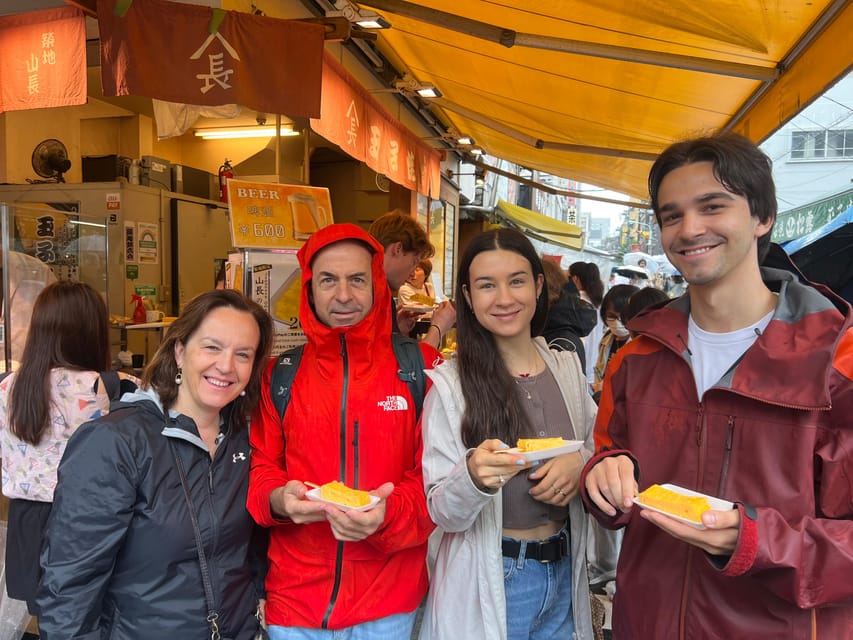
At $16, the guide is the entire value of the experience. The gardens themselves offer a peaceful walk, but you can miss the significance of a foundation, guardhouse, or wall without someone explaining what you are seeing.
The guide team appears to vary by departure. Tony receives especially strong praise for being organized, warm, and able to answer broad questions about Japanese culture and present-day life. Blake is repeatedly described as friendly, patient, funny, and good at keeping the pace comfortable. Jim Allen is praised for his passion, personal attention, and ability to keep teenagers interested.
Other praised guides include Embla, Miguel, Thomas, Dylan, Mayumi, Lasse, Izzy, Manny, Michi, and Sneha. The consistent point is not one scripted personality. It is that the guides explain clearly, answer questions, and often offer suggestions for food or other things to do in Tokyo.
That last detail makes the tour useful early in your trip. Tony has given suggestions for nearby food and weekend activities, while other guides have offered ideas for places beyond Tokyo. Those recommendations are not part of the formal sightseeing route, but they can help you shape the rest of your visit.
Timing, pace, and accessibility
The full experience lasts two hours and follows a compact route that returns to the starting café. The schedule gives about 10 minutes at Ote-Mon Gate, 15 minutes around the palace, 10 minutes at Hyakunin Bansho, 15 minutes at Fujimi-yagura, and 30 minutes each in the East Gardens and Ninomaru Garden.
That is a sensible balance for a first introduction. You see the major historical features without giving up half a day. The tradeoff is that each location receives a set amount of time, so you may want to return later if you prefer long photography stops or unhurried garden wandering.
The activity is listed as wheelchair accessible. Since this is an outdoor walking tour through palace grounds, you should still confirm current conditions and route details when booking if you have specific mobility needs. The available information confirms accessibility, but it does not provide further detail about every path or surface.
Free cancellation is available up to 24 hours before the tour for a full refund, and you can reserve now and pay later. That flexibility is useful in Tokyo, where weather and changing plans can affect an outdoor day.
Who should book this Imperial Palace walk?
I would recommend it most strongly to first-time visitors, history lovers, and anyone who wants a clear introduction to Tokyo’s political past. It also suits families, since guides such as Jim have kept teenagers interested, and the koi ponds give younger visitors something concrete to watch.
It works well for a group with mixed interests. One person can enjoy gardens, another can focus on samurai history, and a third can ask about modern Japanese life. The guide’s role is to connect those interests rather than force everyone into a narrow history lesson.
Business groups and larger parties can also use it as an easy shared activity. The route is short, central, and structured, with enough conversation to make it more meaningful than simply walking through a park.
I would hesitate only if you want an intimate private tour, extensive palace access, or a slow garden photography session. The tour is guided, timed, and focused on outdoor historical features. You will see a lot in two hours, but you will not linger everywhere.
Should you book the Tokyo Imperial Palace and Shogun Walking Tour?
Yes, I would book it if you want context for the Imperial Palace and do not want to puzzle out the ruins on your own. At $16, the price is easy to justify, especially when the guide explains how Edo Castle, the Tokugawa shogunate, the imperial household, and modern Tokyo fit together.
Book it early in your Tokyo stay if possible. The walk can give you a useful framework for the city, plus practical suggestions for food and later sightseeing. Choose another option only if you need a private pace, interior palace access, or a longer garden visit.
FAQ
How long does the Imperial Palace and Shogun Walking Tour last?
The tour lasts two hours.
How much does the tour cost?
The listed price is $16 per person.
What language is the tour offered in?
The tour is conducted in English with a live English-speaking guide.
Where does the tour begin?
The meeting point is in front of Starbucks Coffee at Kokyo Gaien Wadakura Fountain Park.
What are the meeting point coordinates?
The coordinates are 35.6830391, 139.7614181.
Does the tour visit the Imperial Palace East Gardens?
Yes. The guided walk includes the Imperial Palace East Gardens and Ninomaru Garden.
Will I see the former Edo Castle?
Yes. The gardens occupy the former Edo Castle site, and the walk includes castle gates, stone foundations, moats, guardhouses, Fujimi-yagura, and the castle tower base.
Does the tour include Ninomaru Garden?
Yes. The itinerary allows about 30 minutes for Ninomaru Garden.
Is the tour wheelchair accessible?
Yes, the activity is listed as wheelchair accessible.
Can I cancel for a refund?
You can cancel up to 24 hours in advance for a full refund.
Can I reserve without paying immediately?
Yes. The reserve now and pay later option allows you to hold a place without paying at the time of booking.
Just added in Tokyo
- Ramen and Gyoza Cooking Class in Tokyo★ 5.0 · 21 reviews
- Ramen Tasting – Mini Bowl Ramen Tour★ 5.0 · 127 reviews
- Japanese Katsu Curry Cooking Class–near YANAKA, Tokyo!★ 5.0 · 18 reviews
- REAL, All-Inclusive Tokyo Food and Drink Adventure (leave the tourists behind)★ 5.0 · 25 reviews
- Ramen Making from Scratch with Tokyo Mom(Vegan Option Available)★ 5.0 · 39 reviews
- Professional Cosplay Photography Experience with English Guide★ 5.0 · 16 reviews
- Get Unique Insights into Tokyo – Private Tour with local Guide★ 5.0 · 195 reviews
- Haneda Airport: One Way Private Transfer to Tokyo|Yokohama Hotels★ 4.0 · 28 reviews
Castles and Historic Sites, compared.
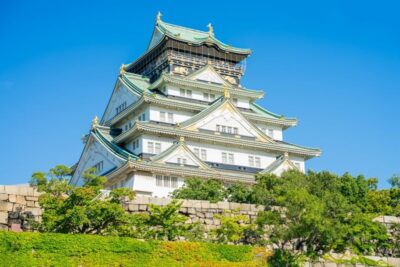

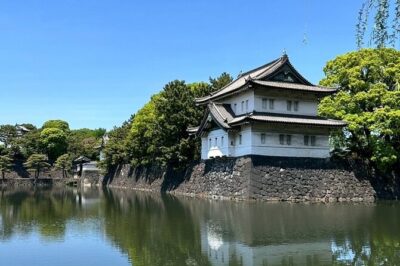
Imperial Palace and Shogun Historical Walking Tour
Read our review →
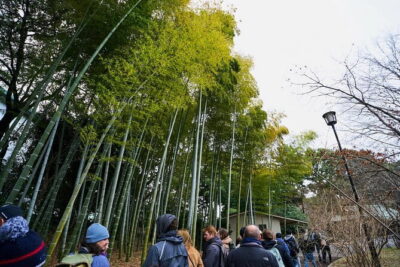
Tokyo Castle & Imperial PalaceーShogun Walking Tour
Read our review →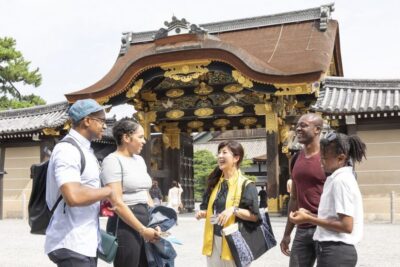
Nijo-jo Castle and Ninomaru Palace Guided Tour
Read our review →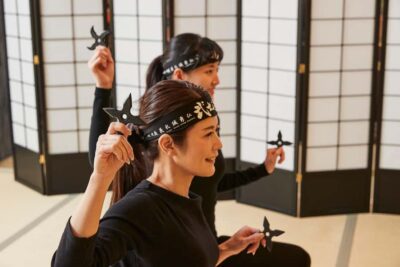
Samurai Ninja Museum Guided tour and Experience
Read our review →Browse the lists this tour appears in