
Reviewed · WALKING TOURS
Yanaka Walking Tour: Historic and Traditional District of Tokyo
Tokyo has a quieter side. This 3.5-hour walk through Yanaka trades neon and towers for temples, old homes, cemetery lanes, and local shops. I like the way the tour connects everyday neighborhood life with Edo and Meiji-era stories, and I like that guides such as Charlotte, Michiko, Kiyo, and Mana adjust the pace and answer questions. The main drawback is simple: you walk a lot, and up to 40 minutes in Yanaka Cemetery may feel long if cemeteries are not your interest.
This is a strong first-day activity because it gives you a gentle introduction to Japanese customs, Buddhist temples, Shinto shrines, local sweets, and Tokyo’s older neighborhoods. At $72.96 per person, it is not a bargain-basement walk, but the small group, English-speaking guide, local interpretation, and four or more hours of possible neighborhood discoveries make the price reasonable for many visitors.
In This Review
- Key points to know before you book
- Why Yanaka makes such a good Tokyo break
- Meeting at Nippori Station
- First impressions of Yanaka’s old streets
- Tennoji Temple and its bronze Buddha
- Yanaka Cemetery: important, peaceful, and not for everyone
- Optional tea, local exhibits, and afternoon art
- Nezu Shrine and Tokyo’s religious traditions
- Yanaka Ginza, snacks, and the best finish
- The guides make the difference
- Physical effort, weather, and group size
- Is $72.96 a fair price?
- Who should book this Yanaka walk?
- FAQ
- How long does the Yanaka Walking Tour last?
- Where does the tour begin?
- Where does the tour finish?
- What departure times are available?
- How many people can join the tour?
- Is the tea ceremony included?
- Are food and drinks included?
- Is hotel pickup included?
- Can I cancel for a full refund?
- Should you book it?
Key points to know before you book
- Yanaka Cemetery takes about 40 minutes: Expect a serious look at one of Tokyo’s largest historic burial grounds, not just a quick pass.
- The group is kept small: The stated maximum is eight people, although the booking information also mentions a maximum of ten per booking.
- The guides are the heart of the experience: Charlotte, Michiko, Kiyo, Kaori, Mana, and others are praised for clear English, local insight, patience, and flexible pacing.
- The afternoon route has extra art stops: SCAI The Bathhouse and Edokoro Alan West are listed for afternoon departures.
- Tea ceremony and museums are optional: The tea ceremony costs ¥1,000, while food and drinks are not included.
- Wear proper walking shoes: The route covers streets, temple grounds, cemetery paths, shopping lanes, and shrine approaches.
Why Yanaka makes such a good Tokyo break
Yanaka feels different because it escaped much of the high-rise makeover that reshaped other parts of Tokyo. The streets are lower, the pace is calmer, and temples appear between ordinary homes and small businesses. This is not an open-air museum. People live and work here, which gives the walk its value.
The district also lets you see how several parts of Japanese life sit close together. Buddhist temples, Shinto shrines, family homes, small galleries, food shops, graves, and neighborhood cafés all share the same compact area. A guide helps explain the difference between Buddhist and Shinto sites, along with the customs and courtesies that can be easy to miss when you explore alone.
I would especially consider this tour during your first day or two in Tokyo. Several people found it a helpful introduction after arriving in Japan, and one guide even helped explain trains and stations. Just remember that jet lag plus a long walk can be a rough pairing. If you arrive exhausted, choose the slower morning or afternoon pace and tell the guide what you need.
More Walking Tours in Tokyo
- Tokyo Tsukiji Fish Market Food and Culture Walking Tour
★ 5.0 · 3,184 reviews - Tokyo: Imperial Palace and Shogun Historical Walking Tour
★ 5.0 · 2,251 reviews - Tokyo: Shinjuku Local Bar and Izakaya Guided Walking Tour
★ 4.9 · 1,794 reviews
Meeting at Nippori Station
The tour begins at Nippori Station, at 2 Chome-19 Nishinippori in Arakawa City. This is a practical starting point because the station is near public transportation, and the route ends back at the same meeting point.
You should arrive ready to walk from the start. Hotel pickup and drop-off are not included, though they may be available for an extra fee. Tell the operator your preferred starting time when booking. The listed departures are 9:00 a.m. and 2:00 p.m.
The morning and afternoon versions are not identical. The afternoon tour includes SCAI The Bathhouse and Edokoro Alan West, while some other stops may be optional or adjusted according to timing. Ask about the exact route if one particular gallery, shrine, or museum matters to you.
First impressions of Yanaka’s old streets
The opening portion introduces Yanaka and its older neighborhood character. You will walk through streets that give you a break from Tokyo’s larger commercial districts, with temples, traditional buildings, and signs of daily life close at hand.
This part is less about checking off a major landmark and more about learning how the district fits together. A guide can point out details that would otherwise pass unnoticed, including older architecture, local customs, and places tied to Tokyo’s past.
The walk has a relaxed feel, but it is not a short orientation stroll. The full tour lasts about three and a half hours, and guides have sometimes added stops when time and group interest allowed. That flexibility is useful if you like asking questions or stopping for a small purchase. It also means the exact flow can vary.
Tennoji Temple and its bronze Buddha
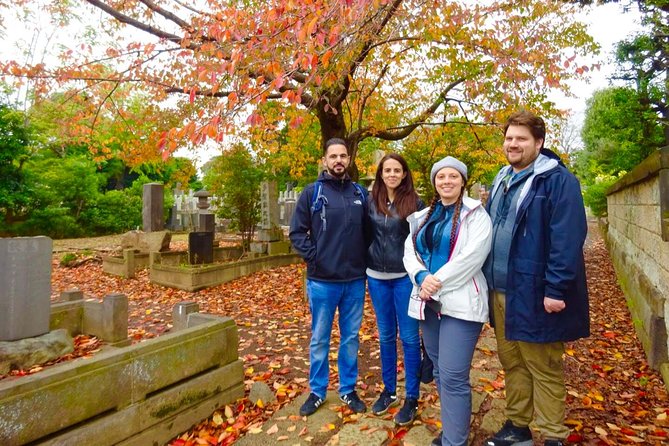
Tennoji Temple sits beside Yanaka Cemetery and dates to 1274. You enter through an old wooden gate into a pleasant garden, where a bronze Buddhist statue is one of the main points of interest.
The stop lasts about 20 minutes and works well as an early lesson in Buddhist temple spaces. Your guide can provide the setting and explain what you are seeing, rather than leaving you to guess at the meaning of the gate, grounds, or statue.
Do not expect a major temple complex visit on the scale of Tokyo’s most famous religious sites. The appeal here is the calm setting and the connection to the cemetery next door. The two stops make more sense together than they would separately.
A completely different kind of day out:
- Tokyo Disney Resort – Tokyo Disneyland & Tokyo DisneySea Park Tickets
★ 4.8 · 99,488 reviews - SHIBUYA SKY Ticket
★ 4.7 · 46,509 reviews - JR Whole Japan Rail Pass
★ 4.8 · 29,150 reviews - Mt Fuji and Hakone 1-Day Bus Tour Return by Bullet Train
★ 5.0 · 26,383 reviews
Yanaka Cemetery: important, peaceful, and not for everyone
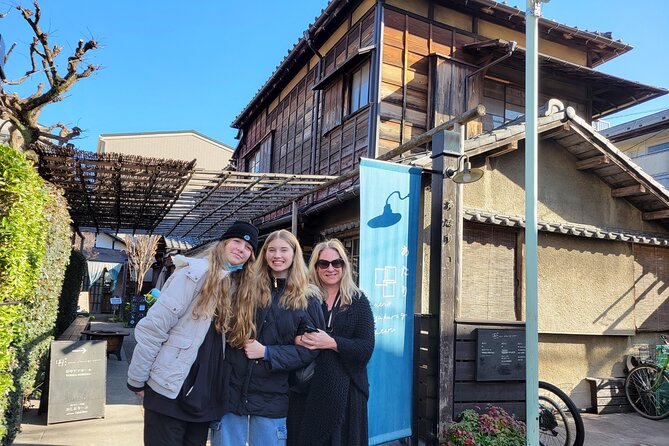
Yanaka Cemetery covers about 100,000 square meters and contains more than 7,000 graves. The cemetery is more than a quick scenic shortcut. The planned time is about 40 minutes, making it one of the longest stops on the route.
This is where the tour takes you beyond the usual Tokyo highlights. The cemetery offers a way to think about family, religion, public memory, and the way sacred spaces fit into a dense city. The area also connects with the story of the last shogun, whose family grave site is associated with Yanaka.
I would not skip the cemetery automatically. It is one of the most distinctive parts of the walk, and it gives the tour a sense of place that another temple visit might not provide. Still, one person found the cemetery portion too long, so consider your interests before booking. If you prefer markets, food, or museums, this may be the point where the pace feels slow.
Optional tea, local exhibits, and afternoon art
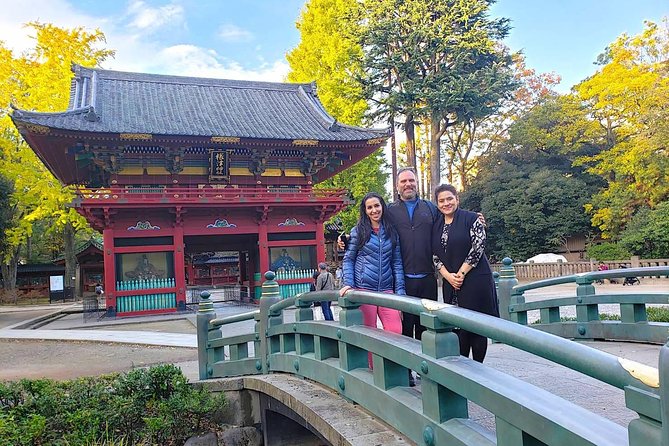
Gallery Okubo offers an optional tea ceremony on tatami mats. The price is ¥1,000 and is not included in the tour fee. This can be a useful add-on if you want a more hands-on look at Japanese tea customs, but you should budget for it separately.
The Shitamachi Customs Museum and Exhibit Hall is another optional stop. It focuses on the culture of Tokyo’s old downtown area, with objects that were actually used in daily life. The listed visit lasts about 20 minutes and may appeal more to you than another religious site if you want practical social history.
Afternoon tours add SCAI The Bathhouse, a contemporary art gallery housed in an old public bath. The building’s former use matters as much as the art. It gives you a glimpse of how an older neighborhood structure can serve a new purpose without losing its local character.
The afternoon route also includes Edokoro Alan West, a traditional Japanese woodblock print studio in a former auto body garage. The studio is described as the only operating traditional studio of its kind in the area. This is a particularly interesting stop because it links an old craft with a very ordinary working building.
The schedule allows only about 10 to 20 minutes at these locations. Think of them as brief windows into Yanaka, not long museum visits. One person suggested replacing a shrine stop with a museum, so you may want to ask the guide about the day’s balance if art and exhibits are high on your list.
Nezu Shrine and Tokyo’s religious traditions

The route also reaches one of Japan’s oldest shrines, identified in the tour details and personal accounts as Nezu Shrine. It is set among large trees, azalea shrubs, ponds, paths, and colorful wooden structures.
This is a good place to clarify the difference between Shinto and Buddhism. Guides have explained temple and shrine etiquette, local customs, and the small rules that can make a first visit feel less awkward. That cultural explanation is one of the tour’s strongest benefits.
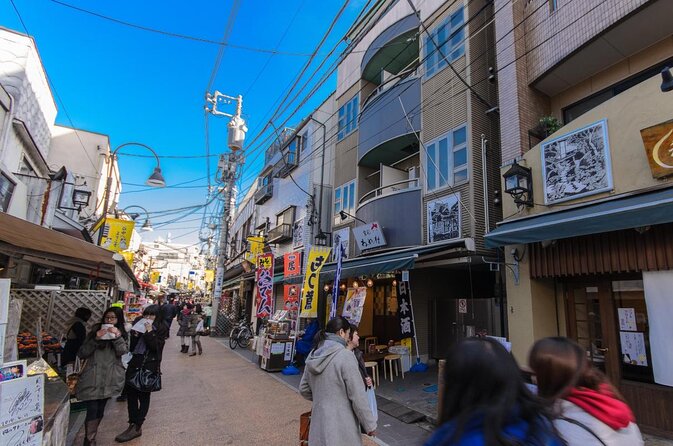
The shrine is also visually different from the quieter cemetery and temple grounds. Seasonal azaleas and spring cherry blossoms can add color, though the timing of flowers depends on the season. The stop may feel familiar if you have already visited several major shrines in Tokyo, but the guide’s interpretation can keep it from becoming another quick photo stop.
Yanaka Ginza, snacks, and the best finish
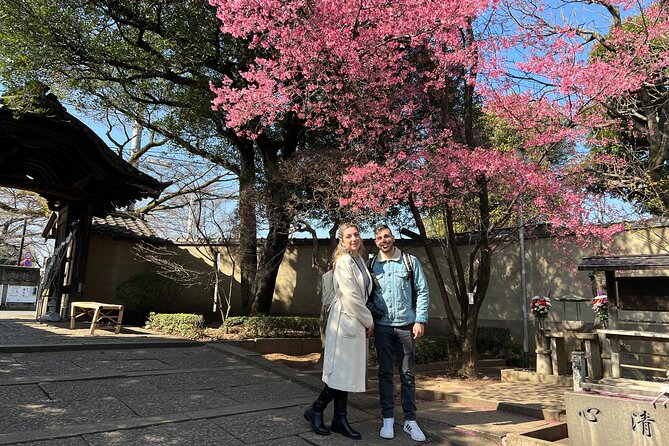
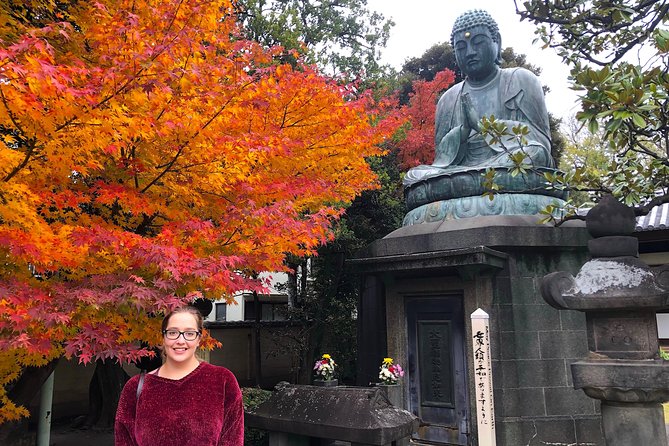
The final major stop is Yanaka Ginza Shopping Street, a local shopping lane with a preserved Shitamachi atmosphere. The planned time is about 30 minutes, and this is where you can shift from history to everyday life.
You can browse small shops and try local snacks, though food and drinks are not included. Several tour accounts describe sweets, rice cakes, bakeries, liquor shops, and cafés as memorable parts of the experience. One route ended with a matcha milk at a café, and another included a trendy café in a former bathhouse.
You should carry some Japanese yen if you want to buy snacks or join the optional tea ceremony. The tour price covers the guide, taxes, fees, and participant photos, but not meals, drinks, or optional purchases.
Yanaka Ginza is a better finish than a grand monument would be. You end by seeing how the district functions now, after spending time with its temples, graves, art, and old buildings. It gives the walk a useful balance: history without turning the entire afternoon into a lecture.
The guides make the difference
The tour’s strongest feature is its human side. Charlotte is praised for clear English, safety awareness, and a strong grasp of local history. Michiko is described as warm and engaging, with a talent for keeping a tired first-day group interested.
Kiyo, Mutsuko, Kaori, Mana, Muchan, Satsuki, Fumiko, Masa, Toshi, Ken, and others also receive strong praise. The common thread is not a fixed performance. It is the ability to explain, listen, answer questions, and adjust the pace.
Mana, for example, helped interpret information inside older Yanaka buildings that would have been difficult to access or understand alone. Kaori adjusted walking speed, allowed time for refreshments, and made room for questions. Muchan prepared cooling spray and bug spray on a very hot day, paused in air-conditioned places, and took photos so the whole group could appear together.
These details matter because Yanaka is not a place where a guide simply points at one famous building and moves on. Much of the value lies in context and conversation. If you have a question about Japanese religion, local food, architecture, politics, or the last shogun, this is the kind of walk where asking can improve the experience.
Physical effort, weather, and group size
You need a moderate level of fitness. The route lasts about three and a half hours and includes substantial walking through streets, temple grounds, cemetery paths, and shopping areas. Wear comfortable shoes, and prepare for heat, humidity, rain, or wind depending on the season.
A rainy day does not automatically ruin the experience. One person found the walk memorable despite rain, while another had a poor experience during high winds and heavy rain and was unable to change dates. The operator’s policy is important here: cancel at least 24 hours before the start for a full refund. Changes or cancellations inside 24 hours are not accepted for a refund.
The listed group limit needs a little attention. The details say a maximum of eight travelers, while another line says a maximum of ten people per booking. I would confirm the expected group size before paying, especially if a small-group feel is important to you.
The tour can also be extended for ¥3,000 per group, per hour, payable in cash. That could help if your group wants more shopping, photos, or questions, but it is an extra cost and depends on guide availability.
Is $72.96 a fair price?
At $72.96 per person, this is a paid walking tour rather than a simple neighborhood stroll. The value comes from the guide’s time, English explanations, small-group format, photos, and the range of stops packed into one half-day.
You are not paying for a major admission ticket. Most listed stops are free, and the tea ceremony, food, and drinks cost extra. If you are happy to wander and research Yanaka on your own, you can spend less.
I think the price makes better sense for a first visit, a short stay, or anyone who wants help understanding what they see. It is also useful for people who enjoy local neighborhoods but do not want to plan a route through several temples, a large cemetery, a shrine, galleries, and a shopping street.
Group discounts are listed, but no discount amount is provided. Check the current price for your party before booking.
Who should book this Yanaka walk?
You are a good match if you want a slower side of Tokyo, enjoy local history, like asking questions, and do not mind walking for several hours. It suits first-time visitors particularly well, as the tour introduces customs, religious sites, food, transport, and neighborhood life in one outing.
It also suits repeat visitors who have already seen Shibuya, Shinjuku, Asakusa, and the major city sights. Yanaka offers a different rhythm and a closer look at ordinary streets.
I would think twice if you dislike cemeteries, need frequent seated breaks, want a food-focused tour, or prefer long indoor museum visits. The route includes optional exhibits and galleries, but its core is walking outdoors.
FAQ
How long does the Yanaka Walking Tour last?
The tour lasts approximately 3 hours and 30 minutes.
Where does the tour begin?
It begins at Nippori Station, at 2 Chome-19 Nishinippori, Arakawa City, Tokyo 116-0013, Japan.
Where does the tour finish?
The activity ends back at the meeting point.
What departure times are available?
The listed starting times are 9:00 a.m. and 2:00 p.m. You should provide your preferred starting time when booking.
How many people can join the tour?
The activity information lists a maximum of eight travelers. It also mentions a maximum of ten people per booking, so confirm the current group limit before booking.
Is the tea ceremony included?
No. The optional tea ceremony at Gallery Okubo costs ¥1,000 and is not included in the tour price.
Are food and drinks included?
No. Food and drinks are not included. You may buy local snacks and drinks during the walk.
Is hotel pickup included?
No. Hotel pickup and drop-off are not included, though they may be available for an additional fee.
Can I cancel for a full refund?
Yes. You can cancel at least 24 hours before the experience start time for a full refund. Cancellations or changes made less than 24 hours before the start are not accepted for a refund.
Should you book it?
I would book this tour if you want Tokyo explained through a neighborhood rather than a checklist of famous sights. The best parts are the thoughtful guides, Yanaka Cemetery, the contrast between Tennoji Temple and Nezu Shrine, and the final wander through Yanaka Ginza.
Go in with the right expectations. This is a walking lesson in old Tokyo, not a museum tour or a food crawl. Wear good shoes, allow for weather, bring cash for snacks and optional tea, and confirm the exact afternoon route. If you can do that, Yanaka offers one of Tokyo’s most rewarding breaks from the city’s louder side.
Just added in Tokyo
- A One-of-a-Kind Sushi Experience in a Special Place of Japan★ 5.0 · 15 reviews
- Tokyo Cute Bento Cooking Class – Make a Kawaii Character Lunchbox★ 5.0 · 126 reviews
- Japanese Home Cooking Class & Walk in Todoroki Temple Tokyo★ 5.0 · 88 reviews
- Japan Tokyo Tower Observatory Deck E-Ticket★ 4.0 · 34 reviews
- Catch a Baseball Game in Tokyo with a Local – Tickets Included★ 5.0 · 24 reviews
- JDM Experience with Fast&Furious RX-7 (English speaking Driver)★ 5.0 · 57 reviews
- Tokyo Private Day Tour by Car with English speaking Driver Guide★ 4.0 · 29 reviews
- Japan Classic 10 Day – One Life Adventures★ 5.0 · 129 reviews
Walking Tours, compared.
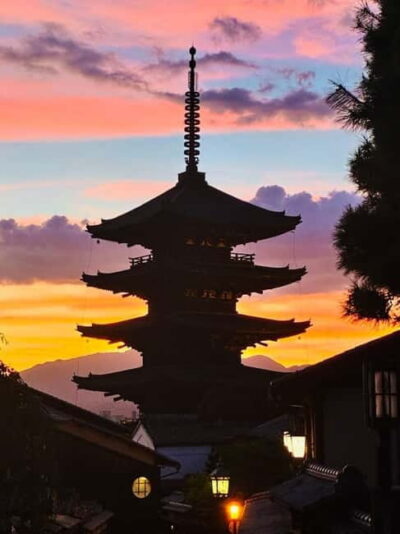
Kyoto Geisha Walking Tour: Gion District & Hidden Gems
Read our review →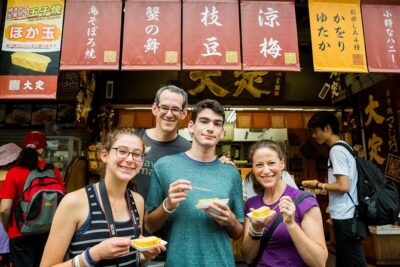
Tokyo Tsukiji Fish Market Food and Culture Walking Tour
Read our review →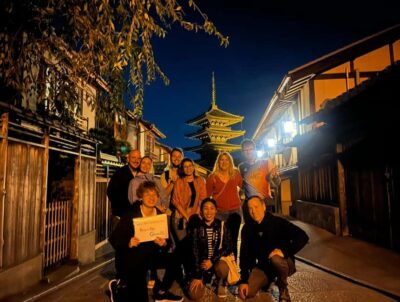
Gion Magical Night Walking Tour with Geisha Trivia
Read our review →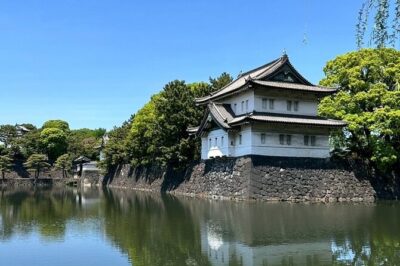
Imperial Palace and Shogun Historical Walking Tour
Read our review →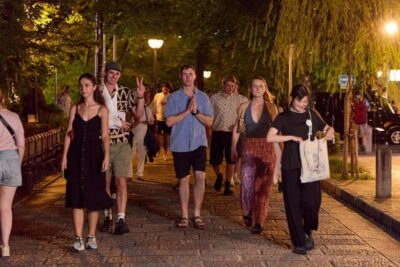
Gion Geisha District Walking Tour – Stories of Geisha
Read our review →

Shinjuku Local Bar and Izakaya Guided Walking Tour
Read our review →
Browse the lists this tour appears in