
Reviewed · CASTLES AND HISTORIC SITES
Tokyo: Imperial Palace and Shogun Historical Walking Tour
Tokyo’s past is hiding in plain sight. This two-hour walking tour turns the Imperial Palace East Gardens into a readable story about shoguns, emperors, castle walls, gardens, and modern Japan. For $22 per person, you get a guide, a small group capped at 15 people, and access to the East Gardens, where you can see the former grounds of Edo Castle.
I especially like the personal scale of the tour and the way guides connect stone gates and garden details to Japan’s political past. Guides such as Jim, Tony, Miguel, Izzy, and Aya have been praised for making the subject friendly and easy to follow. The main drawback is that the experience depends heavily on your guide. One guide may give a lively history lesson, while another may repeat points or offer less detail.
The tour begins at Starbucks Coffee in Kokyo Gaien Wadakura Fountain Park and ends at the same spot. You’ll walk for about two hours, including roughly 90 minutes in the East Gardens, so expect slopes, uneven ground, and plenty of standing. The gardens are free to visit on your own, but this tour can be worthwhile if you want the stones, gates, and ruins explained instead of simply photographed.
In This Review
- Key points to know before booking
- Why these palace grounds matter
- Meeting at Wadakura Fountain Park
- Walking through Edo Castle’s stone defenses
- Standing on the old castle keep foundation
- Ninomaru Garden and the quieter side of Edo
- What the guides add to the walk
- Group size, pace, and physical effort
- Is $22 a fair price?
- Who should book this walk?
- Should you book the Imperial Palace walking tour?
- FAQ
- How long does the Imperial Palace and Shogun Historical Walking Tour last?
- How much does the tour cost?
- Where does the tour begin?
- Where does the tour end?
- Is admission to the East Gardens included?
- How large is the group?
- Is the tour suitable for most people?
- Can I cancel for a full refund?
Key points to know before booking
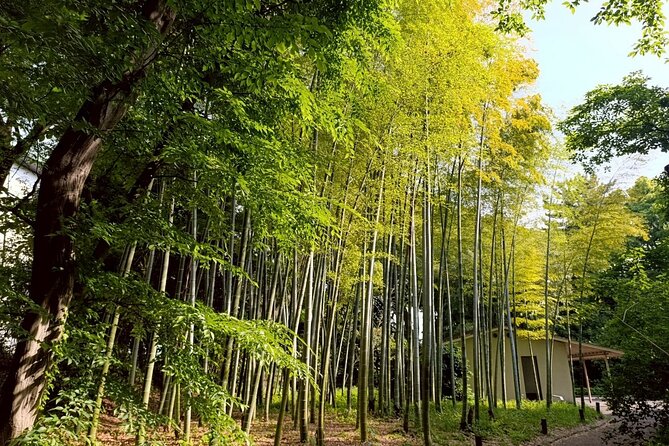
- Edo Castle’s keep foundation is the historical centerpiece: You can stand on the base of the former castle keep and picture the power once concentrated here.
- Ninomaru Garden adds a peaceful counterpoint: Ponds and seasonal flowers show the refined side of Edo-period design.
- The group is limited to 15 people: That gives you a better chance to ask questions than on a large coach tour.
- The guide makes or breaks the experience: Jim, Tony, Miguel, Izzy, Lasse, Michi, and others have received strong praise for clear storytelling.
- You will walk on slopes: The tour is relaxed, but it is not a sit-down palace visit.
- The $22 fee pays for context, not entry: The East Gardens can be visited free, so the value comes from the explanation and company of a guide.
Why these palace grounds matter

The Imperial Palace is not simply a royal residence surrounded by lawns. The East Gardens occupy part of the old Edo Castle grounds, linking present-day imperial Japan with the Tokugawa shogunate that ruled from the 1600s until the nineteenth century.
That makes this a useful first look at Tokyo. The stones and gates give you a physical sense of authority, defense, and rank. The garden paths then show a quieter side of the same world, one shaped by careful design, seasonal beauty, and formal taste.
I like this combination because it avoids treating Japanese history as a list of dates. You are looking at the remains of a castle, then moving through a garden that reflects the culture of the people who lived and governed here. A good guide helps those pieces fit together.
The tour also covers the imperial family, the shogunate, the Edo period, and changes that came with Japan’s opening to the Western world. Some guides bring in modern Japanese culture as well, which can help you understand the city beyond the usual sights.
More Castles and Historic Sites in Tokyo
- Tokyo Castle & Imperial PalaceーShogun Walking Tour
★ 4.7 · 1,068 reviews - Tokyo: Samurai Ninja Museum Guided tour and Experience
★ 4.6 · 1,010 reviews - Tokyo: Imperial Palace Japanese History Walking Tour
★ 4.9 · 987 reviews
Meeting at Wadakura Fountain Park
The meeting point is Starbucks Coffee at Kokyo Gaien Wadakura Fountain Park, 3-1 Kōkyogaien, Chiyoda City. The location is near public transportation, and the activity returns to this same meeting point at the end.
I would plan to arrive early. One poor experience involved a participant reaching the assigned meeting place before the start, only to find that the group had left after a change in meeting arrangements. Communication then became difficult, and the group reached the palace grounds late enough that some sites had closed.
That appears to be an exception rather than the normal pattern, but it gives you a useful rule: confirm the meeting details carefully and stay near the exact Starbucks location. Keep your phone available in case the operator sends an update. Since the group leaves together, being at the right place matters more than arriving merely somewhere in the surrounding park.
The activity uses a mobile ticket, which keeps the booking simple. Confirmation is provided at booking, and free cancellation is available until 24 hours before the start time. Changes or cancellations inside that 24-hour window are not accepted for a refund.
Walking through Edo Castle’s stone defenses
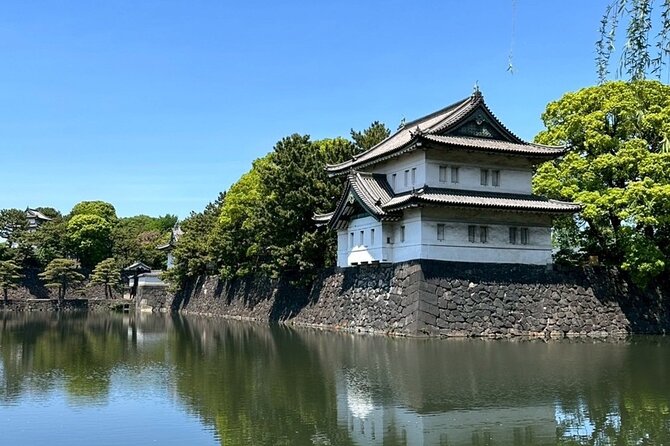
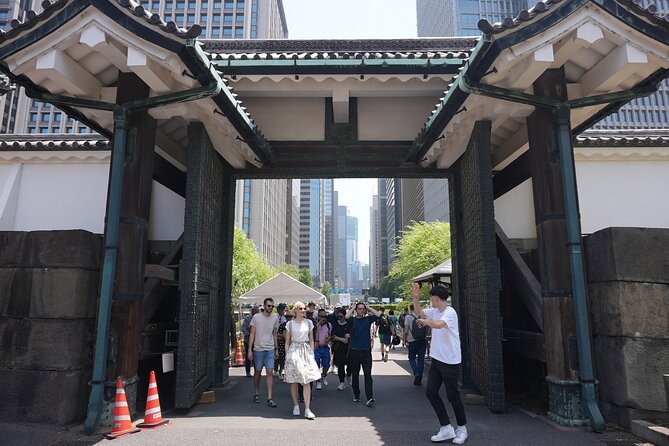
The first part of the walk brings you through large stone gates and past the remains of Edo Castle. These are not decorative replicas. They are physical traces of the castle complex that once controlled political life in Japan.
Your guide explains how the gates, walls, and foundations worked together. The stonework gives you an idea of the scale and seriousness of the former stronghold, even though the main castle buildings are gone.
This is where a walking tour earns its fee. A bus could take you around the palace district, but it could not bring you up close to the walls or pause beside a gate while someone explains its purpose. You move at a slower pace, with time to look at construction details and ask questions.
The quality of explanation can vary. Jim has been praised for answering questions patiently and for bringing a long view of Japanese history to the walk. Tony has been singled out for keeping the group together and explaining the importance of the castle grounds. Another account found the guide friendly and clear but wished for more historical background at the beginning.
That difference is worth keeping in mind. If you want a tightly scripted academic lecture, this may feel informal. If you want a human guide to help you make sense of what you are seeing, the format works well.
Standing on the old castle keep foundation
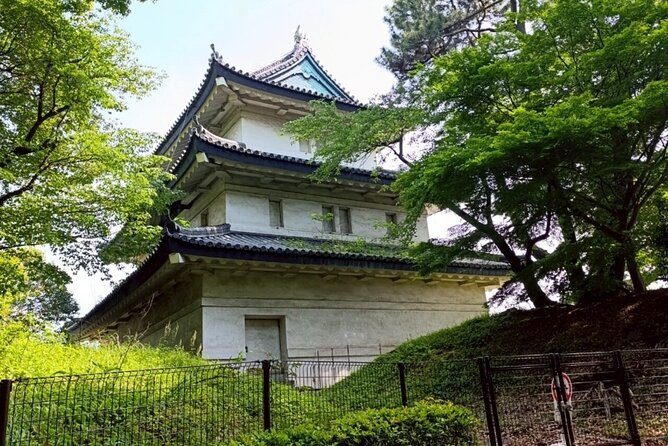
The foundation of Edo Castle’s former keep is one of the most memorable stops. You stand on the base of a structure that represented military and political strength during the shogun era.
There is no towering keep waiting for a dramatic interior visit. Instead, the power of the site comes from imagination and explanation. Your guide fills in the missing structure and places the stone platform within the larger story of feudal lords, samurai authority, and the Tokugawa government.
This stop rewards a little patience. It is easy to glance at an old foundation and move on. A guide can help you notice its size, position, and relationship to the surrounding grounds. Several guides have used stories, legends, and cultural details to make the remains more memorable.
The stop may also feel slow if your guide spends too long on one subject. One person found the explanations repetitive, with long pauses at certain points. If you prefer constant movement, that could test your attention. If you enjoy history and questions, the extra time may be welcome.
More Walking Tours in Tokyo
- Tokyo Tsukiji Fish Market Food and Culture Walking Tour
★ 5.0 · 3,184 reviews - Tokyo: Shinjuku Local Bar and Izakaya Guided Walking Tour
★ 4.9 · 1,794 reviews - Tokyo: Tsukiji Fish Market Food and Walking tour
★ 5.0 · 1,724 reviews - Tokyo: Asakusa Walking Tour with Sensoji Temple Visit
★ 4.8 · 1,583 reviews
Ninomaru Garden and the quieter side of Edo
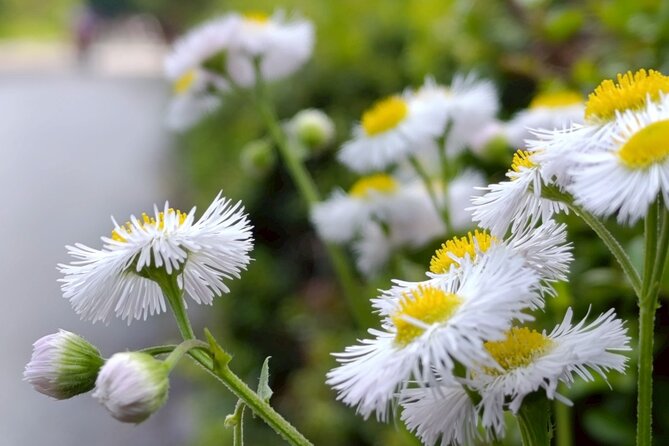
Ninomaru Garden changes the mood. After the heavy stone gates and castle foundations, you enter a more peaceful setting with ponds and seasonal flowers.
The garden reflects Edo-period taste, where natural forms were arranged with care rather than left entirely wild. Your guide may connect the ponds, planting, and quiet paths to Japanese aesthetics and court culture.
This is a good place to slow down and take photographs, though the tour still follows a schedule. The garden is beautiful on its own, but the explanation helps you see it as more than a pleasant green space in central Tokyo.
I particularly like this contrast between military power and controlled beauty. The castle remains show how authority was protected. Ninomaru shows how refinement and ceremony shaped elite life. Together, they create a fuller picture of the former castle grounds.
Seasonal flowers mean the visual experience can change during the year. The supplied information does not promise a specific bloom period, so do not book this expecting one particular flower. Think of the garden as an ever-changing part of the walk, not a guaranteed seasonal display.
What the guides add to the walk
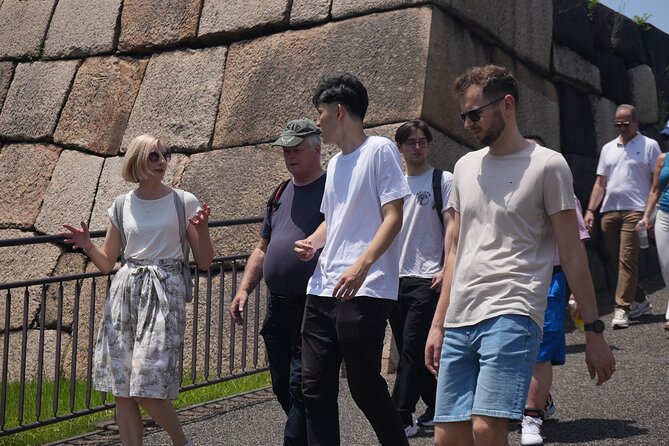
The strongest part of this experience is the guide’s storytelling. Jim is repeatedly praised for making Japanese history engaging, answering questions, and connecting the palace to modern Japanese culture. Tony is described as friendly, patient, and strong on the Edo Castle grounds, the shogunate, the emperor, and the imperial family.
Miguel has been praised for history, fun facts, and present-day Tokyo insights. Lasse brings visible enthusiasm for Japan’s past, while Michi has been described as an excellent storyteller. Izzy has also received praise for being informative and enjoyable.
Aya appears in a comment about Senso-ji Temple, so that particular praise may refer to a different Tokyo experience rather than this palace walk. It is best not to assume every guide name mentioned in connection with Tokyo activities leads this exact route.
The mix of guide backgrounds can be a strength. One guide was described as an Australian who offered a thoughtful view of Japanese history and local facilities. Another had lived in Japan for 41 years and brought an outside perspective shaped by long residence.
Still, the guide lottery is real. One person felt the leader was inexperienced and relied on a supervising guide for answers. That complaint is important because the tour is built around commentary. The gardens are free, and the ruins remain in place whether you join a guide or not. Your satisfaction will depend on how clearly and accurately the person leading you tells the story.
Group size, pace, and physical effort
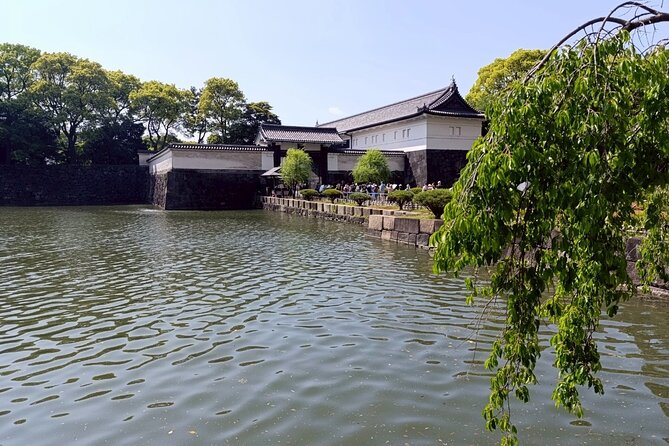
The group can include up to 15 people. That is small enough to feel more personal than a large sightseeing group, but it is not a private tour. You should expect to share questions, photographs, and viewing spots with other people.
The pace is described as easy by several participants, but this is still a walking activity. The route includes slopes, and you will spend time standing at gates, walls, the castle foundation, and garden viewpoints.
I would choose comfortable walking shoes and avoid treating this as a quick photo stop. The walk lasts about two hours, with approximately 90 minutes specifically allocated to the East Gardens. Weather can affect how pleasant that feels, although no weather-specific arrangements are provided.
A guide who waits for the whole group can make the experience feel calm and orderly. Tony was praised for checking that everyone was together before moving on. That matters around gates, paths, and slopes, where a small group can spread out quickly.
The tour suits most people, and the information says most participants can take part. It does not promise a fully step-free route or describe special accessibility arrangements, so contact the provider if you have mobility concerns.
Is $22 a fair price?
At $22 per person, this is a low-cost guided introduction to one of Tokyo’s most important historical areas. The East Gardens themselves are free, so the price is not paying for an expensive admission ticket. You are paying for a person to explain what you are seeing and to organize the route.
That is good value if you are new to Japanese history, short on research time, or likely to walk past castle ruins without understanding them. The guide can also answer practical questions about Tokyo and modern Japanese customs, depending on who leads your group.
The value is less clear if you already know the history well or prefer to explore silently at your own speed. You may find the fixed pace restrictive, particularly if the guide spends a long time at one stop.
For me, the strongest case for booking is the price. A two-hour small-group orientation at $22 is an inexpensive way to get your bearings in Tokyo’s political center. The weakest case is the uneven guide quality, because the experience has little added value if the commentary is thin or poorly organized.
Who should book this walk?
I would recommend it to first-time visitors who want a clear introduction to Tokyo and Japan. It works especially well early in a visit, when you are still learning the difference between the emperor’s role, the shogun’s authority, and the Edo period.
It can also work near the end of your stay. By then, you may have seen temples, modern districts, and museums, and the palace grounds can help connect those impressions to a wider story.
Families with older children may appreciate the castle remains and legends, provided everyone is comfortable walking and listening. History fans should enjoy the chance to ask questions directly, though those looking for specialist-level detail may want a longer or more focused historical program.
I would hesitate to book it if you want to enter grand palace rooms or see the imperial family. This is a walk through the East Gardens and former Edo Castle grounds, not a tour of private imperial interiors.
Should you book the Imperial Palace walking tour?
Book this tour if you want the Imperial Palace East Gardens to make sense. The free gardens offer stone walls, gates, ponds, flowers, and castle foundations, but a good guide turns those separate sights into a story about shoguns, emperors, samurai power, and modern Tokyo.
At $22, the risk is modest. Just remember that you are buying interpretation rather than admission, and that the guide will shape the experience. Arrive early at the Starbucks meeting point, confirm the location, prepare for slopes, and keep your expectations focused on history and gardens rather than palace interiors.
If you get a guide in the mold of Jim, Tony, Miguel, Lasse, Michi, or Izzy, you may leave with a far better sense of how Tokyo’s past still sits beneath its present-day streets.
FAQ
How long does the Imperial Palace and Shogun Historical Walking Tour last?
The tour lasts approximately two hours. About 90 minutes are allocated to the Imperial Palace East Gardens and Edo Castle ruins.
How much does the tour cost?
The listed price is $22 per person.
Where does the tour begin?
The meeting point is Starbucks Coffee at Kokyo Gaien Wadakura Fountain Park, 3-1 Kōkyogaien, Chiyoda City, Tokyo 100-0002, Japan.
Where does the tour end?
The activity ends back at the meeting point.
Is admission to the East Gardens included?
Admission to the East Gardens is included in the activity. The gardens can also be visited free of charge without this tour.
How large is the group?
The maximum group size is 15 travelers.
Is the tour suitable for most people?
The activity information says most travelers can participate. The walk includes slopes, so you should consider your comfort with walking and standing.
Can I cancel for a full refund?
Yes. You can cancel at least 24 hours before the experience start time for a full refund. Cancellations or changes made less than 24 hours before the start time are not accepted for a refund.
Just added in Tokyo
- MT. FUJI/ Private Tour delivered and guided by a top-tier driver★ 5.0 · 27 reviews
- Mt fuji & Hakone customizable day tour w/ English speaking driver★ 5.0 · 45 reviews
- Fuji Speedway Self Drive & Mt. Fuji Private Tour pickup & dropoff★ 5.0 · 14 reviews
- Mt.Fuji Trekking 1 Day Tour up to the summit★ 5.0 · 14 reviews
- Seasonal Mt. Fuji Scenic Views, Fruit Picking and Ropeway Ride!★ 4.5 · 35 reviews
- Customisable Mt.Fuji Private Day Trip, English Speaking Driver★ 5.0 · 22 reviews
- Private Mt Fuji Tour from Tokyo: Scenic BBQ and Hidden Gems★ 5.0 · 146 reviews
- Private Mount Fuji Tour in Luxury Vehicle with English Guide★ 4.5 · 39 reviews
Castles and Historic Sites, compared.

Tokyo Castle & Imperial PalaceーShogun Walking Tour
Read our review →
Nijo-jo Castle and Ninomaru Palace Guided Tour
Read our review →
Samurai Ninja Museum Guided tour and Experience
Read our review →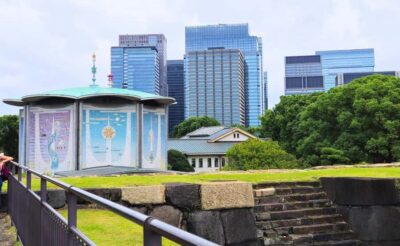
Browse the lists this tour appears in