
Reviewed · CASTLES AND HISTORIC SITES
Kyoto Samurai Experience
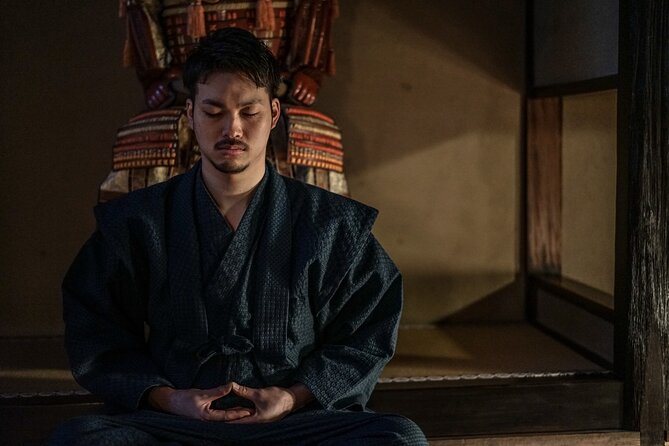
History feels sharper in a sword house. The Kyoto Samurai Experience combines a visit to a traditional samurai home with hands-on sword training and a calm Zen meditation session. I like the chance to wear traditional clothing and learn from a real martial arts instructor rather than simply watch a staged show. The setting, staff care, and clear explanations also earn high marks. One point to consider: at $119.38 per person, this is not a cheap activity, and a larger group may mean less individual attention.
You can choose a morning or afternoon departure, making this easy to fit around Kyoto sightseeing. I especially like the thoughtful mix of history, Bushido philosophy, meditation, and practical movement. Still, you should arrive ready for an athletic activity, and comfortable clothing and suitable footwear matter more here than they do on a standard museum visit.
In This Review
- Key points at a glance
- Entering a Kyoto samurai house
- Putting on traditional clothing
- Learning Bushido before touching the sword
- Practicing swordsmanship in a small group
- A quiet change of pace with Zen meditation
- What the $119.38 price really buys
- Morning or afternoon: choosing the better fit
- Who should book this Kyoto activity?
- Booking, cancellation, and small details
- Should you book the Kyoto Samurai Experience?
- FAQ
- Where does the Kyoto Samurai Experience begin?
- Where does the activity end?
- How long does the experience last?
- How much does it cost?
- Is mobile ticketing available?
- Can I choose a morning or afternoon session?
- What will I do during the session?
- How large is the group?
- Can I cancel for a refund?
Key points at a glance
- A preserved samurai house: The historic building gives the lesson a setting with far more character than a modern studio.
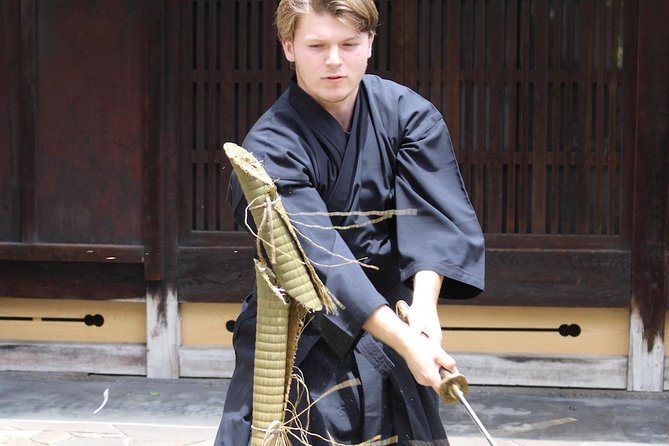
- Kimono and sword practice: You change into traditional clothing, learn basic sword movements, and handle a martial arts sword under instruction.
- Bushido and Zen: The session connects physical technique with the samurai idea of the Way of the Warrior and includes meditation.
- Small-group format: The maximum group size is 14 people, though a full session may feel less personal than a smaller class.
- Morning or afternoon choice: Two departure periods make it easier to place this between temples, meals, and other Kyoto plans.
- Practical comfort matters: The activity lasts about 1 hour 45 minutes and can involve standing and movement, so dress for comfort.
Entering a Kyoto samurai house
The meeting point is Kyoto Samurai Experience, at Waraku111, Inabachō, Nakagyo Ward, Kyoto 604-8803. The activity begins and ends at this same location, and the site is near public transportation. You will need to make your own way there, so leave time to find the building and arrive ready for the scheduled start.
The house is not just a backdrop for photographs. Its age and traditional character help explain why samurai life is tied to discipline, space, clothing, and ceremony. The building gives the opening history lesson a physical setting, allowing you to notice the atmosphere around you rather than hearing a lecture in an ordinary room.
The staff welcome you and explain how the session will run. That simple introduction matters because the activity moves through several different parts: clothing, history, sword work, and meditation. You are not left guessing what comes next.
The setting may also be the main reason to accept the location’s slight inconvenience. One review described the house as somewhat out of the way, but still worth the extra travel. If your Kyoto plans already center on Nakagyo Ward, the meeting point should fit more naturally into your day. If you are coming from the far side of the city, check your route before booking.
More Castles and Historic Sites in Kyoto
- Kyoto: Nijo-jo Castle and Ninomaru Palace Guided Tour
★ 4.7 · 1,020 reviews - Kyoto: Kendo and Samurai Experience with Uniform and Gear
★ 4.9 · 815 reviews - Kyoto: Nijo Castle, Kiyomizu & Fushimi Inari Guided Tour
★ 4.7 · 700 reviews
Putting on traditional clothing
One of the first memorable parts is changing into a traditional kimono. This is more than a costume photograph. Clothing affected how people moved, sat, worked, and presented themselves, so wearing it adds a physical element to the introduction to samurai culture.
The experience provides a chance to see how the clothing feels before you begin the sword exercises. You may find that the outfit makes the session feel more ceremonial, while also reminding you to move with care. The activity is not a quick photo stop followed by a performance. You take part in the lesson.
The photographs are another practical bonus. Staff have taken photos for participants and shared them quickly, giving you a record of the day without requiring someone in your party to miss part of the class. Still, keep your expectations sensible. The main value is the instruction and setting, not a formal professional photo shoot.
Wear clothing that is easy to change out of and footwear appropriate for movement. The supplied guidance calls for comfortable clothes and suitable shoes for an athletic activity. Minors must be accompanied by an adult.
Learning Bushido before touching the sword
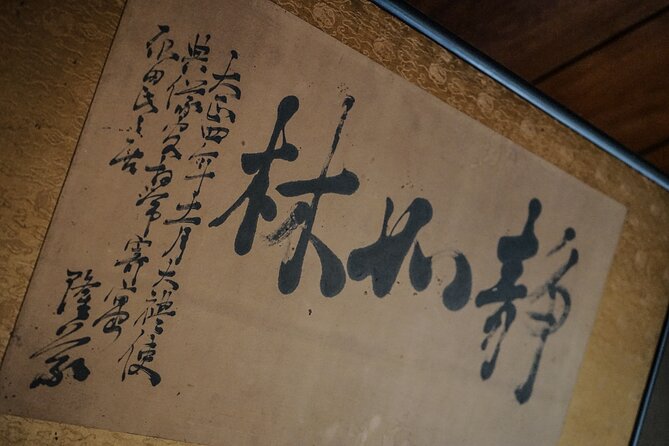
Before the physical work begins, the instructor explains samurai customs, sword use, and Bushido, the Way of the Warrior. This philosophical side helps keep the session from becoming a simple sword-fighting lesson.
The best part of the teaching is the link between technique and conduct. Samurai culture is often reduced to armor, battles, and dramatic swordplay. Here, the lesson also considers discipline, focus, and the controlled mindset behind the movements.
The instructors are described as trained martial artists and sword masters, with clear explanations and a patient teaching style. English-speaking staff and translators help make the session accessible to international participants. The exact balance of English and translation may vary by class, but the available information indicates that language support is part of the operation.
This is a good point to adjust your expectations. You are learning basic swordsmanship, not completing a martial arts course. The instructor’s job is to make the principles understandable and keep the activity safe. You will get an introduction to technique, posture, and handling rather than years of training in one afternoon.
Practicing swordsmanship in a small group
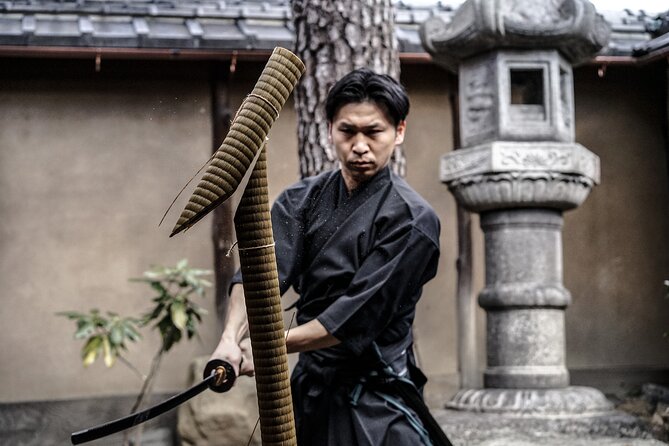
The sword work is the central attraction. You learn how to handle a martial arts training sword and practice basic movements under close direction. Some sessions have also included the chance to handle a katana and make a proper strike or cut, but you should not assume every booking will contain exactly the same demonstration or exercise.
This hands-on element gives the activity its value. Watching an expert perform a polished sword routine can be impressive, but trying the movement yourself makes you notice balance, timing, and concentration in a way a show cannot. The class is carefully guided, so the emphasis is on control rather than wild swinging.
The maximum group size is 14 people. That is small enough to feel more personal than a large theater-style program, and it lets the instructor see participants attempt the movements. However, 14 is not an intimate private lesson. If the session is full, you may spend some time watching others take their turn.
That limitation appears important when weighing the price. One highly negative account complained that the activity felt less personal and less like the images used to promote it, possibly because the class was crowded. I would treat that as a real consideration, not an argument to dismiss the whole activity. If individual coaching is your top priority, ask about the expected group size before booking or choose a less busy departure if the provider can advise you.
The physical demands appear moderate, but you should still be comfortable standing and moving. The official guidance asks for a moderate level of physical fitness. Hot or cold weather can also affect comfort, especially if part of the session takes place outdoors. Staff have provided water, hot tea, hand warmers, wet cloths, and electrolyte candies in difficult weather, which shows useful attention to comfort, but good clothing remains your responsibility.
A completely different kind of day out:
- PERFECT KYOTO 1-Day Bus Tour
★ 5.0 · 13,518 reviews - [Kyoto & Nara Day Tour] Sagano Scenic Railway & Nara Park & Fushimi Inari Taisha Thousand Torii Gates & Togetsukyo Bridge & Bamboo Grove & Kimono Forest (Departing from Osaka)
★ 4.9 · 10,942 reviews - Kyoto: Fushimi Inari, Kinkakuji, Bamboo Grove 1 Day Bus Tour
★ 4.8 · 4,316 reviews - Kyoto: Tea Ceremony in a Traditional Tea House in Kiyomizu
★ 4.9 · 3,519 reviews
A quiet change of pace with Zen meditation
After the sword exercises, the session turns toward Zen meditation. This change of pace is one of the strongest features of the program. Sword practice asks you to focus outward on movement and instruction. Meditation brings that focus inward.
You do not need prior meditation experience. The session is presented as part of the cultural lesson, not as a test of spiritual commitment. I like this balance because it gives the activity a quieter finish and places swordsmanship within a wider idea of discipline.
Tea and a sweet have also been included in the experience, along with occasional traditional music. These elements may vary, so I would regard them as welcome additions rather than guaranteed headline features. The core program is the house, clothing, samurai instruction, sword practice, and meditation.
The meditation also helps the 1-hour-45-minute schedule feel well judged. There is enough time to move beyond a quick demonstration, but not so much that the activity takes over your entire day. You can still plan a temple visit, meal, or evening reservation around it.
What the $119.38 price really buys
At $119.38 per person, this belongs in the special-activity part of a Kyoto budget. You are paying for more than entry to a building. The price covers a guided cultural lesson, access to a historic house, traditional clothing, instruction in swordsmanship, and a meditation period.
The value is strongest if you want participation rather than another sightseeing stop. Kyoto has many temples and shrines where you observe quietly. This activity gives you a chance to learn through movement, clothing, and conversation. For families, couples, and friends, that shared physical experience can become one of the easier memories to talk about after the trip.
Families appear to be a good match, especially with older children who can follow instructions and remain attentive. Adults can enjoy it too, and the activity does not depend on being an expert in Japanese history or martial arts. It also suits first-time visitors who want a guided introduction without committing to a full-day cultural course.
The price is harder to justify if you mainly want a dramatic performance or a short photograph with a sword. You may feel disappointed if you expect constant action, elaborate stage effects, or a private master class. The session is educational and participatory, with quiet moments included.
Morning or afternoon: choosing the better fit
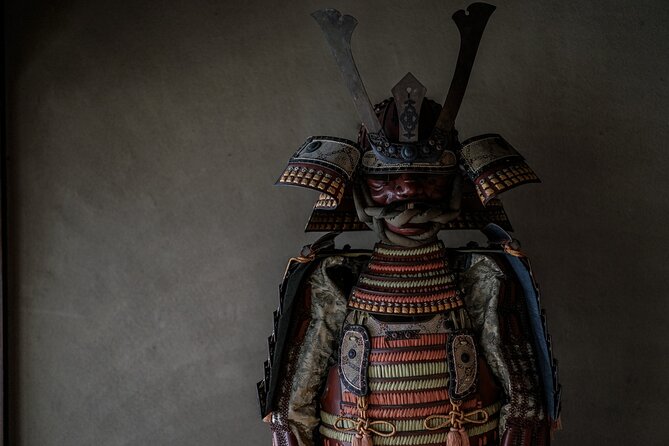
The choice of morning or afternoon departure is useful in Kyoto, where sightseeing days fill quickly. A morning class can leave the rest of the day open for temples, shopping, or a meal in another part of the city. An afternoon session can work well after a slower morning or before an evening reservation.
Think about your energy level. Sword practice is a physical activity, so a heavy meal immediately beforehand may not be ideal. At the same time, do not arrive hungry or under-hydrated, particularly during Kyoto’s hotter months.
Weather may affect the feel of the experience if your session includes an outdoor portion. Cold-weather staff have supplied hot tea and hand warmers, while hot-weather care has included water and cooling items. Even so, check the forecast and dress sensibly.
The total duration is approximately 1 hour 45 minutes. Allow extra time for transportation to the meeting point, changing clothes, and getting back to your next plan. The activity ends where it begins, so you will not be dropped at a nearby temple or station.
Who should book this Kyoto activity?
I would recommend it most strongly to:
- Families seeking an activity that adults and children can share
- Couples wanting something more active than temple visits
- Friends interested in Japanese martial arts and traditional culture
- First-time Kyoto visitors who want guided context
- People who enjoy learning by doing rather than only listening
- Anyone who values a historic setting and a slower cultural finish
You should think twice if you have difficulty standing or moving, since a moderate level of fitness is requested. If accessibility is important for your party, contact the provider before booking. The available details do not give enough information to promise that every need can be met.
You may also want another activity if your main goal is an extended history lecture, advanced sword training, or a completely private lesson. The maximum group size is 14, and the level of personal attention may depend on how full your departure is.
Booking, cancellation, and small details
Mobile ticketing keeps the booking simple, and confirmation is provided at the time of booking. Free cancellation is available if you cancel at least 24 hours before the scheduled start time. Changes or cancellations inside that 24-hour window are not accepted for a refund, and cut-off times follow local Kyoto time.
Rescheduling may be possible when space remains, but it is not allowed within 24 hours of the session. Since the tour ends at the same meeting point, plan your onward transportation yourself.
The provider is Kyoto Samurai Experience. The activity has a maximum of 14 participants, and minors need an accompanying adult. If you have accessibility questions, send the provider a message before reserving.
Should you book the Kyoto Samurai Experience?
For most people interested in Japanese culture, I think this is a strong choice, provided you understand what you are buying. Its best qualities are the traditional house, genuine sword instruction, clear cultural context, kimono experience, and Zen meditation. The staff’s care with weather, translation, and photographs adds practical value.
The activity is not perfect for every budget or every expectation. A full group may limit one-to-one coaching, the meeting point may take extra effort to reach, and the $119.38 price is high for a session under two hours. Still, if you want to do more than look at Kyoto’s past, this gives you a focused and memorable way to take part in it.
I would book it for a family, couple, or small group of friends who enjoy hands-on activities and are willing to pay for a carefully guided cultural session. I would skip it only if you want a low-cost show, advanced martial arts training, or a completely private experience.
FAQ
Where does the Kyoto Samurai Experience begin?
It begins at Kyoto Samurai Experience, Waraku111, Inabachō, Nakagyo Ward, Kyoto, 604-8803, Japan.
Where does the activity end?
The activity ends back at the same meeting point where it begins.
How long does the experience last?
The session lasts approximately 1 hour 45 minutes.
How much does it cost?
The listed price is $119.38 per person.
Is mobile ticketing available?
Yes. The experience includes a mobile ticket.
Can I choose a morning or afternoon session?
Yes. Morning and afternoon departure times are available.
What will I do during the session?
You will learn about samurai culture and Bushido, change into a traditional kimono, practice basic swordsmanship with a martial arts training sword, and take part in Zen meditation.
How large is the group?
The activity has a maximum of 14 participants.
Can I cancel for a refund?
Yes, you can receive a full refund if you cancel at least 24 hours before the scheduled start time. Cancellations or changes made less than 24 hours before the start are not accepted for a refund.
Just added in Kyoto
- The “Golden Route” and Ancient Japan by DIAMIR Erlebnisreisen – 14-Day Tour★ 2.0 · 2 reviews
- Japan: Castles & Cuisine by G Adventures – 6-Day Kyoto to Osaka Tour★ 4.5 · 4 reviews
- Cycle Japan by Explore! – 13-Day Kyoto to Tokyo Tour★ 4.7 · 12 reviews
- Cycle Japan by Intrepid Travel – 11-Day Kyoto to Tokyo Tour★ 4.8 · 2 reviews
- Classic Japan by Intrepid Travel – 11-Day Kyoto to Tokyo Tour★ 4.4 · 14 reviews
- Ancient & Modern Japan 14-Day Tour by Exodus Adventure Travels★ 4.4 · 40 reviews
- 5 Day Cultural Adventure of Kyoto, Nara & Osaka by Tourist Journey★ 2.5 · 2 reviews
- 12 Days Kinosaki Onsen Escape: A Journey Through Japan’s Timeless Towns by UME Travel★ 4.8 · 5 reviews
Castles and Historic Sites, compared.
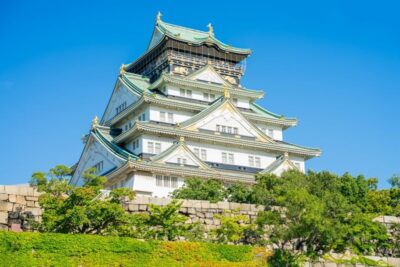

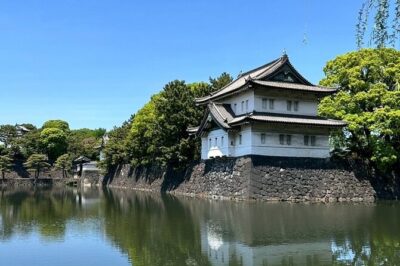
Imperial Palace and Shogun Historical Walking Tour
Read our review →
Tokyo Castle & Imperial PalaceーShogun Walking Tour
Read our review →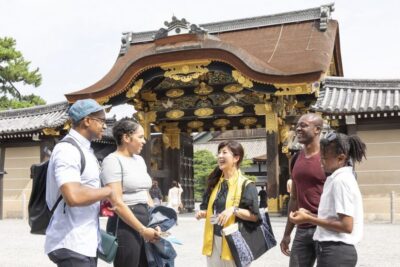
Nijo-jo Castle and Ninomaru Palace Guided Tour
Read our review →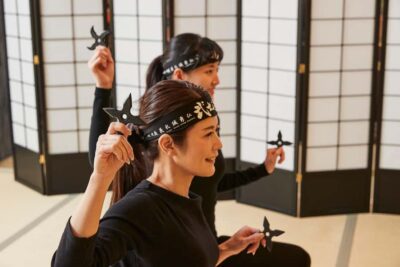
Samurai Ninja Museum Guided tour and Experience
Read our review →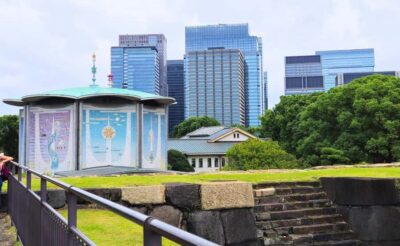
Browse the lists this tour appears in