
Reviewed · TEA CEREMONIES
Uji Tea Ceremony and UNESCO Heritage Walking Tour
Uji makes Kyoto’s tea story feel real. This three-hour walk brings together Byodoin Temple, a UNESCO World Heritage Site, and a traditional tea ceremony at Taihoan, then links them with shrines, bridges, and local green tea. I like the clear mix of major sights and quieter cultural stops. I also like that the group is capped at nine people, which gives the guide room to answer questions.
The main caution is the tea ceremony itself. The schedule allows about 40 minutes, while the included details describe 30 minutes, and one participant found it quite short. If tea is your main reason for coming to Uji, you may want a longer ceremony elsewhere. For a compact introduction to Uji’s temples, tea culture, and riverside setting, though, this is a well-priced choice at $70.
In This Review
- Key points to know before booking
- Why Uji works so well for a half-day outing
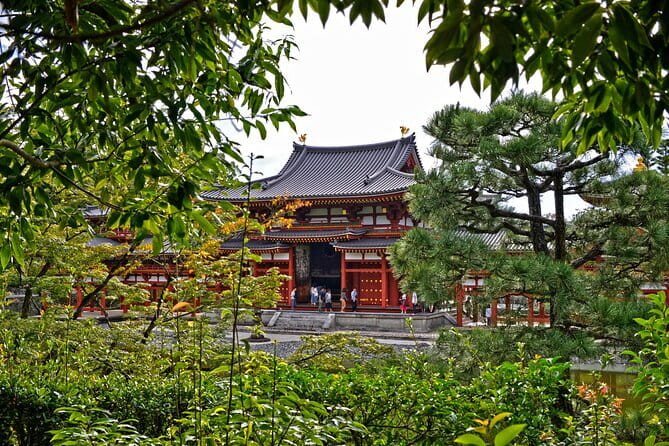
- Byodoin Temple and the Phoenix Hall
- Taihoan and a short Japanese tea ceremony
- Suspension bridges and Uji’s riverside views
- Uji Shrine and Ujigami Shrine
- Ending at Uji Bridge with tea and local treats
- What the $70 price includes
- Guides, pacing, and group comfort
- Who should book this Uji walk
- Should you book the Uji Tea Ceremony and UNESCO Heritage Walking Tour?
- FAQ
- Where does the tour start?
- Where does the tour end?
- How long does the tour last?
- Is admission to Byodoin Temple included?
- Is the tea ceremony included?
- How many people can join the tour?
Key points to know before booking
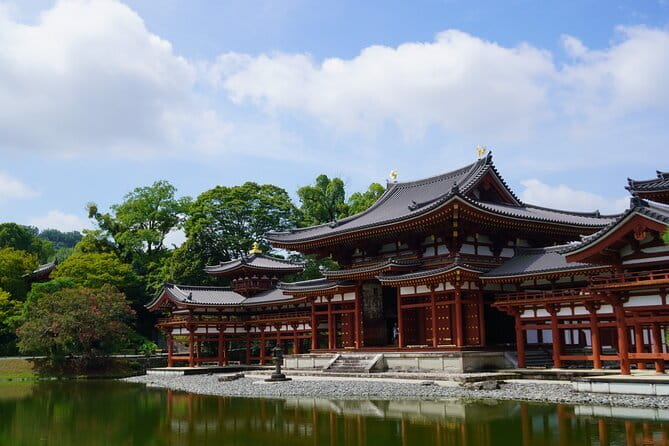
- Byodoin’s Phoenix Hall is the tour’s major sight: You get about an hour at one of Uji’s most important historic sites, with admission included.
- The tea lesson takes place at Taihoan: You learn the basic art of preparing and serving Japanese tea in Uji, the birthplace of Japan’s green tea tradition.
- The route is more than a temple visit: Uji Shrine, Ujigami Shrine, Uji Bridge, and two suspension bridges give the walk a useful sense of place.
- Small groups make the history easier to follow: The maximum is nine people, and guides such as Naoki, Katsuhiko, Maru, and Nobumasa Myake have been praised for clear explanations and friendly company.
- Plan around a 9:45 a.m. start: The tour begins at Uji Station and ends at Uji Bridge, leaving you in a good area for tea shops and local food.
- The value is strongest for first-time visitors: Admission, an English-speaking guide, and the tea experience are bundled into the price.
Why Uji works so well for a half-day outing
Uji sits close enough to Kyoto for an easy side trip, yet it feels less crowded and more focused than the city’s busiest sightseeing districts. The town is closely tied to green tea, and that connection appears everywhere, from tea shops to sweets and drinks made with matcha.
This tour gives you a useful introduction without asking you to spend a full day on one subject. You see a major temple, learn how tea is prepared, walk beside the Uji River, and visit two old shrines. I like that balance. You are not simply moved from one famous building to another.
The walking also gives the day a natural shape. You begin at Uji Station, travel through the area around Byodoin and Taihoan, cross scenic bridges, then finish near Uji Bridge. The route covers several stops, but the listed walking portions are short enough for most people who can manage an ordinary urban walk.
Your start time is 9:45 a.m. That is early enough to make good use of the day, but not so early that reaching Uji from Kyoto becomes a major ordeal. You will need to arrange your own transport to the station, since hotel pickup and drop-off are not included.
More Tea Ceremonies in Kyoto
- Kyoto: Tea Ceremony in a Traditional Tea House in Kiyomizu
★ 4.9 · 3,519 reviews - Kyoto: Tea Ceremony Ju-An at Jotokuji Temple
★ 4.9 · 3,207 reviews - Kyoto: 45-Minute Tea Ceremony Lesson Experience
★ 4.3 · 2,378 reviews
Byodoin Temple and the Phoenix Hall
The first major stop is Byodoin Temple, where you spend about an hour. Admission is included, so you do not need to budget separately for the main entrance fee.
The temple is famous for Phoenix Hall, an elegant building with more than 1,000 years of history. Its image is familiar to anyone who has seen the 10-yen coin, but seeing the actual building beside its reflecting pond gives the design much more presence. The setting is one reason this stop deserves a full hour rather than a quick photo break.
I would pay close attention to the guide here. The building is beautiful on its own, but the explanation gives the site meaning. Guests have praised guides for explaining the importance of the temple and the surrounding area in a way that made the sights easier to appreciate. Nobumasa Myake was singled out for his clear account of the temple and its past.
The Byodoin Museum is also a highlight for some participants. It adds useful detail to what you see outdoors, especially if you want to understand the art, objects, and religious setting connected with the temple. The tour information does not specify how long you spend in each part of the temple complex, so your guide will likely adjust the pace according to the group.
This is the busiest and most structured part of the experience. If you have already spent a lot of time at Byodoin, the one-hour visit may feel less essential. For a first visit to Uji, it is the right anchor for the morning.
Taihoan and a short Japanese tea ceremony

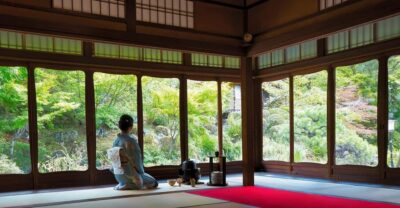
After Byodoin, you go to Taihoan for a traditional Japanese tea ceremony. The listed stop lasts about 40 minutes, while the included feature describes 30 minutes of tea ceremony time. That difference is worth noting before you book.
The strength of this part is its setting and subject. Uji is widely associated with green tea, so learning the formal steps here feels more relevant than adding a tea ceremony randomly to a Kyoto itinerary. You are introduced to the preparation and serving of tea, rather than simply being handed a cup of matcha in a shop.
The ceremony also helps explain why Japanese tea is about more than taste. The movements, tools, order, and care given to the cup all matter. An English-speaking guide can help you understand what is happening, which is especially useful if this is your first formal tea experience.
Still, keep your expectations in check. One participant felt the ceremony was very short, and that is a fair concern when the tour description gives tea such a central role. I would think of this as an introduction, not a long, quiet ceremony with time for every detail.
Families may find the short format useful. A child who might struggle with a longer formal ceremony gets a clear look at the tradition without having to sit through an extended session. One family specifically appreciated how well the tour timing worked with children, and a daughter particularly enjoyed the tea ceremony.
Afterward, you will have a better idea of what to look for if you want to visit a dedicated tea house later. Guides have also offered suggestions for matcha places to visit after the tour, which is handy if you want to continue the subject on your own.
Suspension bridges and Uji’s riverside views
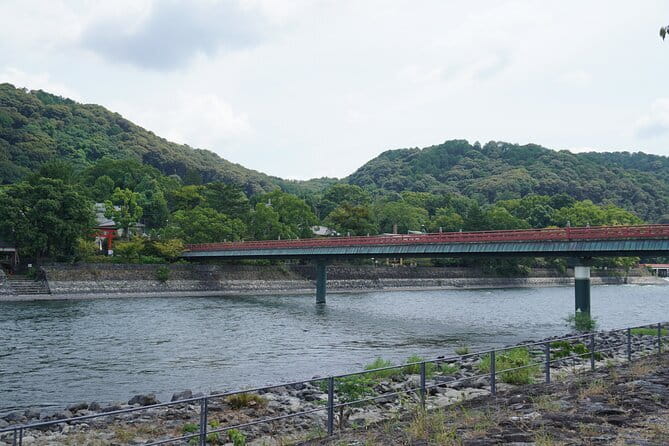
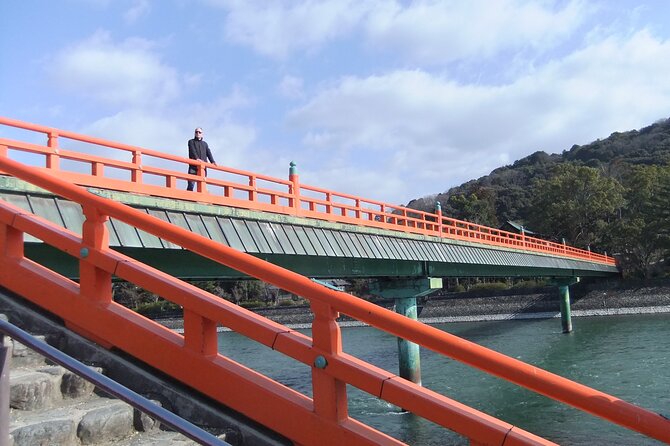
The next part shifts from formal culture to scenery. The route includes Tachibara and Asagiri Suspension Bridges, with about 15 minutes set aside for the stop listed as Asagiri Bridge.
This is a short pause, not a long nature walk. You get time to look across the water, take photographs, and see how the river shapes Uji’s setting. The bridges add variety after the temple and tea ceremony, and the views help connect the town’s cultural sites with its physical surroundings.
The tour information does not promise a long crossing or a detailed outdoor excursion, so I would not book this for hiking. Think of it as a pleasant scenic link between the main attractions. In autumn, the views can be especially appealing, and one family found the fall colors and quieter areas memorable.
The bridges may also be one of the more relaxed parts of the morning. You are not expected to absorb a long lecture at every stop. A good guide can use this time to point out features of the river and the town while allowing the group to enjoy the view.
More Walking Tours in Kyoto
- Kyoto Geisha Walking Tour: Gion District & Hidden Gems
★ 4.7 · 3,273 reviews - Kyoto: Gion Magical Night Walking Tour with Geisha Trivia
★ 4.9 · 2,393 reviews - Kyoto: Gion Geisha District Walking Tour – Stories of Geisha
★ 4.7 · 2,187 reviews - Night Walk in Gion: Kyoto’s Geisha District
★ 4.5 · 2,003 reviews
Uji Shrine and Ujigami Shrine
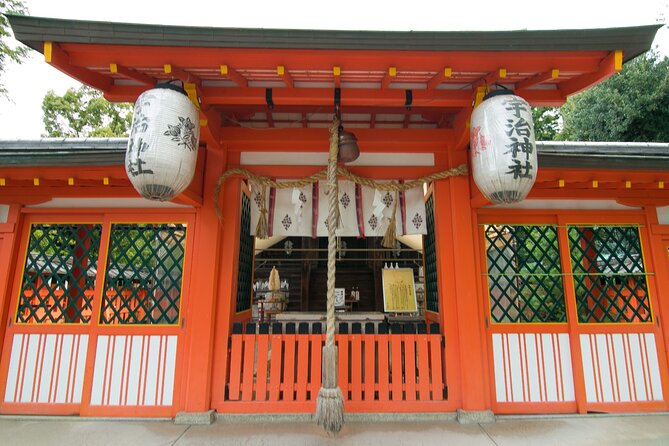
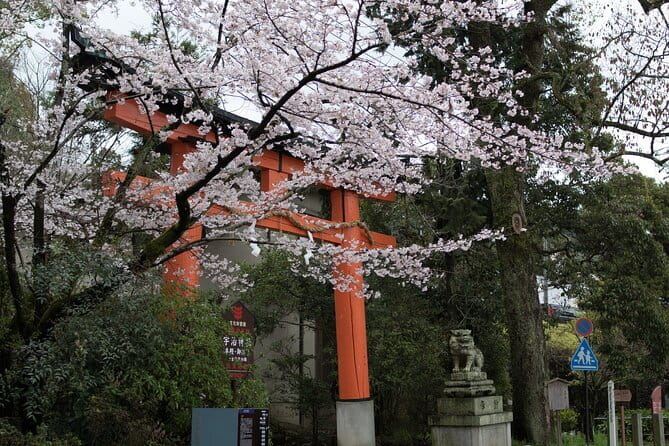
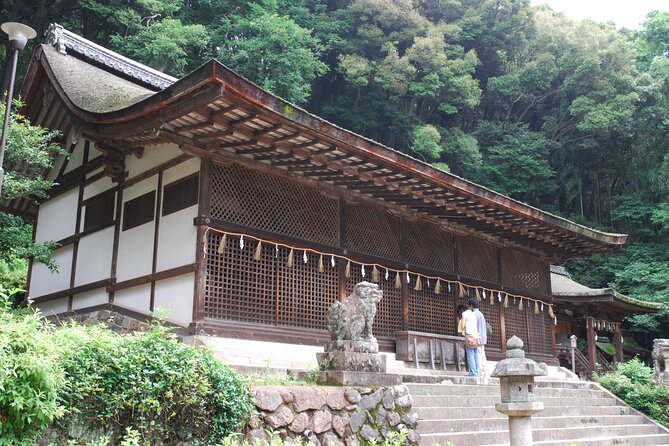
The route then reaches Uji Shrine and Ujigami Shrine, with about 20 minutes allocated to these historic sacred sites. They offer a different experience from Byodoin.
Byodoin is the grand visual centerpiece. These shrines are quieter and more closely tied to local religious practice. You can expect a calmer atmosphere, traditional architecture, and time to consider how Shinto places differ from Buddhist temples.
The two shrines also make the walking tour feel more complete. You are not only seeing the site most likely to appear in guidebooks. You are learning how several types of sacred places fit into Uji’s identity.
Twenty minutes is enough for an introduction, but not for a detailed study of every building or custom. If you want to examine shrine architecture at length, you may wish to return later. The tour is designed to give you context and orientation, not to provide an academic treatment of each site.
This is another point where the guide matters. Maru was praised for making Uji’s tea and town history interesting, while other guides were described as funny, kind, and easy to talk with. Those qualities are useful at a shrine, where a short explanation can help you notice details you might otherwise pass without understanding.
Ending at Uji Bridge with tea and local treats

The tour ends at Uji Bridge, with roughly 45 minutes devoted to the area and its food culture. This is a smart finish because you are left near the town’s shops and tea-related businesses rather than sent back to the station.
The final section gives you time to taste Uji green tea and local delicacies. The exact items are not specified, so you should not expect a fixed menu. Instead, think of this as a chance to sample the flavors Uji is best known for and ask your guide where to continue.
The end point is particularly useful for anyone who wants to stay in Uji after the tour. You can use the suggestions from the guide to find a matcha shop, buy tea, or seek out a local sweet. Naoki, for example, offered several good ideas for matcha places after the walk.
There is also practical value in finishing here. You can choose your next step based on your energy and interests. If you have had enough sightseeing, you can enjoy a tea break. If you want more, you are already in the right part of town to explore independently.
What the $70 price includes
At $70 per person, the tour is not the cheapest way to walk around Uji. You could visit the streets, bridges, and shrines independently at little cost. The price makes more sense when you add the included Byodoin admission, the tea ceremony, and three hours of English-language guidance.
I see the value in the guide more than in the transportation. You are paying for explanations that connect the temple, tea, shrines, and town into one story. Several guides, including Katsuhiko and Naoki, have been praised for keeping a good pace while covering a lot of information.
The small group limit also helps. With no more than nine people, you are less likely to feel like part of a large procession. You can ask questions, hear the guide, and keep the walk moving without long delays.
There are limits. Personal expenses are not included, and there is no hotel pickup or drop-off. The tea ceremony may feel brief if you expected a long formal session. If you are comfortable exploring Uji alone and do not need background information, the price may be harder to justify.
For first-time visitors staying in or around Kyoto, I think the package is reasonable. You get an organized route, an important admission ticket, a cultural activity, and practical advice for the rest of your day.
Guides, pacing, and group comfort
The guide is central to the quality of this experience. The named guides include Naoki, Katsuhiko, Maru, and Nobumasa Myake. The strongest praise is consistent: friendly personalities, clear explanations, good communication, and a pace that covers a lot without feeling rushed.
Katsuhiko was noted for prompt communication before the tour and for working well with a group that included children. That matters if you are arranging a family outing and want reassurance that the morning will not become a race between stops.
The tour also seems suited to people who enjoy asking questions. Uji has plenty of details that are easy to miss, including the difference between shrine and temple customs and the reason tea has such a strong place in the town’s identity. A good guide turns those details into useful travel knowledge you can apply during the rest of your Japan trip.
The rating is 4.9 from 20 reviews, with 100 percent recommending the experience. That is a strong signal, though the sample is not huge. The one recurring concern in the supplied feedback is the short tea ceremony, so I would keep that point in mind rather than treating the high score as a promise of perfection.
Who should book this Uji walk
I would recommend this tour if you want a structured first visit to Uji and prefer learning the background as you go. It suits couples, families, and small groups who want several types of experience in one morning.
It is also a good choice if you are staying near Kyoto and want to see another town without planning every detail yourself. The combination of Byodoin, tea, shrines, bridges, and food gives you a rounded introduction to Uji.
You may want something else if your priority is a long tea ceremony, extensive museum time, or a full-day walk. The schedule moves through several stops, and some visits are brief. Independent explorers may prefer to spend an entire afternoon at Byodoin or browse tea shops at their own speed.
Wear comfortable shoes. The experience is a walking tour with several outdoor sections, and weather matters. Most people can participate, but the activity requires good weather. If poor weather cancels it, you are offered another date or a full refund.
Booking is flexible if your plans change early. You can cancel up to 24 hours before the start time for a full refund. Changes or cancellations inside that window are not accepted.
Should you book the Uji Tea Ceremony and UNESCO Heritage Walking Tour?
Book it if you want an efficient, friendly introduction to Uji with real cultural context. Byodoin admission and the small group size help support the $70 cost, while the tea ceremony gives the morning a clear connection to the town’s identity.
Just do not book it expecting the tea ceremony to fill most of the three hours. The strongest version of this tour is a balanced Uji overview, led by a guide who explains what you are seeing and points you toward good matcha stops afterward. For that purpose, it earns a recommendation.
FAQ
Where does the tour start?
The tour starts at Uji Station in Uji, Kyoto. The listed start time is 9:45 a.m.
Where does the tour end?
The experience ends at Uji Bridge in Uji. This leaves you near the area associated with local tea and food.
How long does the tour last?
The tour lasts approximately three hours.
Is admission to Byodoin Temple included?
Yes. Entrance to Byodoin Temple is included in the tour price.
Is the tea ceremony included?
Yes. The tour includes a tea ceremony at Taihoan. The schedule allows about 40 minutes, while the included details describe 30 minutes of tea ceremony time.
How many people can join the tour?
The maximum group size is nine people. An English-speaking guide leads the experience.
Just added in Kyoto
- Uji: UNESCO Heritage & Tea Ceremony Walking Tour★ 4.6 · 54 reviews
- Uji: Green Tea Tour with Byodoin and Koshoji Temple Visits★ 4.8 · 72 reviews
- Traditional Tea Ceremony Experience in Kyoto★ 4.3 · 64 reviews
- Uji and Wazuka Matcha Farm Half Day Private Guided Tour★ 5.0 · 21 reviews
- Uji: Private immersion into Kyoto’s tea and reglious culture★ 5.0 · 17 reviews
- Kyoto tea town for matcha lovers★ 5.0 · 16 reviews
- Kyoto Matcha Green Tea Tour★ 4.5 · 23 reviews
- Slow Cycling Tour at Uji’s Matcha Green Tea Fields and Heritage★ 5.0 · 25 reviews
Tea Ceremonies, compared.
Tea Ceremony in a Traditional Tea House in Kiyomizu
Read our review →
World Heritage Kyoto & Nara Uji Authentic Matcha Experience
Read our review →

Browse the lists this tour appears in