
Reviewed · TEMPLES AND SHRINES
Uji: Green Tea Tour with Byodoin and Koshoji Temple Visits
Tea tells Uji’s story. This four-hour tour pairs top-grade Gyokuro tasting with Byodoin, Koshoji, and Ujigami Shrine, giving you far more context than a quick temple stop. I like the calm river walks and the way the guide connects tea with samurai, Buddhism, and Shinto practice. The main drawback is physical: stairs, slopes, and a steady walking route make this a poor fit if you have mobility, back, or heart problems.
I also like that Uji is only about 30 minutes from central Kyoto by local train, yet feels less crowded than the city’s famous temple lanes. Guides such as Bryan, Damian, David, Ferdinand, and Kevin have been praised for clear explanations, flexible pacing, and practical help, including getting guests onto the correct return train.
In This Review
- Key points at a glance
- Why Uji makes a better tea trip than a quick Kyoto detour
- Starting at the tea house that has served Uji since 1160
- Learning why Gyokuro tastes so different
- Walking the Uji River toward the old pilgrimage route
- Ujigami Shrine, spring water, and Shinto practice
- Byodoin and the quiet power of Phoenix Hall
- Finishing at Koshoji among the mountain slopes
- What the guides add to the experience
- Is $111 a fair price for four hours?
- Practical fit, walking demands, and weather
- Who should book this Uji tea tour?
- Should you book it?
- FAQ
- How long does the Uji green tea tour last?
- Where does the tour begin?
- Where does the tour end?
- Which temples are included?
- Is tea tasting included?
- What languages are available?
- Is this a private tour?
- Is the tour suitable for people with limited mobility?
- What happens if it rains?
Key points at a glance
- Gyokuro tea tasting: Learn how Japan’s highest-grade green tea is brewed, how each infusion changes, and how to eat the softened leaves with ponzu sauce.
- 1160 tea-house visit: See the oldest tea house still operating and hear how a samurai vassal began a family business now spanning 24 generations.
- Ujigami Shrine and spring water: Walk into the wooded hills to a World Heritage shrine and its stone grotto, where natural spring water is linked to Uji’s tea tradition.
- Byodoin’s Phoenix Hall: Visit one of Japan’s most famous temples, with admission to its excellent modern museum included.
- Koshoji in the mountains: End among trees and slopes at a temple that offers a quieter, more reflective finish.
- Small-group flexibility: Choose a private or small-group format, with English or Spanish guiding available.
Why Uji makes a better tea trip than a quick Kyoto detour
Uji is an easy side trip, but it does not feel like a spare afternoon filled with leftover sights. The town sits between Kyoto and Nara and is known across Japan for green tea, especially matcha and Gyokuro.
From Keihan Uji Station, you can reach the river, tea shops, shrines, and temples on foot. That matters because the tour does not spend its short four-hour window shuttling you between distant attractions. You walk through the town, cross the river, follow old pilgrimage routes, and climb toward quieter religious sites.
I like the balance here. You get famous architecture at Byodoin, but also smaller details that are easy to miss alone: the source of spring water used by tea houses, the rituals at a Shinto shrine, and the practical skill behind brewing Gyokuro.
Uji also gives you a break from Kyoto’s most heavily visited paths. It is not empty, especially around Byodoin’s approach, but the mountain route to Koshoji and the area around Ujigami Shrine offer a calmer rhythm.
More Temples and Shrines in Kyoto
- [Kyoto & Nara Day Tour] Sagano Scenic Railway & Nara Park & Fushimi Inari Taisha Thousand Torii Gates & Togetsukyo Bridge & Bamboo Grove & Kimono Forest (Departing from Osaka)
★ 4.9 · 10,942 reviews - Kyoto: Fushimi Inari, Kinkakuji, Bamboo Grove 1 Day Bus Tour
★ 4.8 · 4,316 reviews - Kyoto: Tea Ceremony in a Traditional Tea House in Kiyomizu
★ 4.9 · 3,519 reviews
Starting at the tea house that has served Uji since 1160
The tour begins at the only exit of Keihan Uji Station. An escalator reaches ground level, so meeting your guide should be straightforward, though you should still allow enough time to find the station exit before the scheduled start.
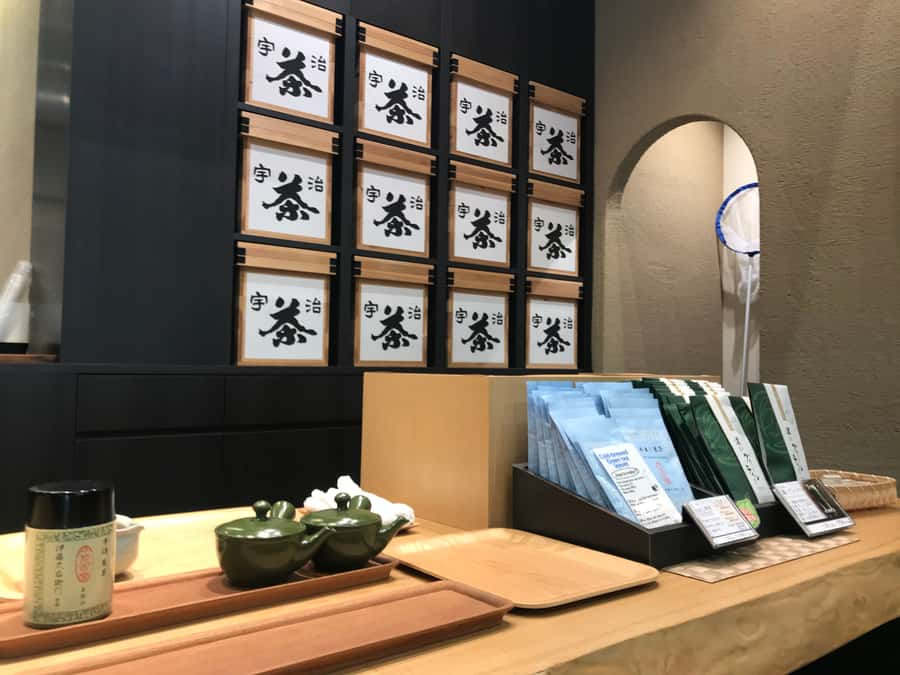
The first major stop is a tea house operating since 1160. That date is not just a nice number for a signboard. It places the business deep in Japan’s medieval period, when tea, religious practice, and warrior power were becoming closely connected.
Your guide explains how one vassal of a famous samurai became the head of a tea family that has continued for 24 generations. This is the sort of detail that gives Uji’s tea culture a human shape. You are not simply told that the town produces good tea. You see how family, patronage, trade, and tradition kept the business alive.
The stop should appeal to you if you enjoy food history and local stories more than formal ceremonies. It is also a useful introduction to the idea that Japanese tea is not one single flavor or product. Growing conditions, processing, storage, water, and brewing technique all matter.
Learning why Gyokuro tastes so different
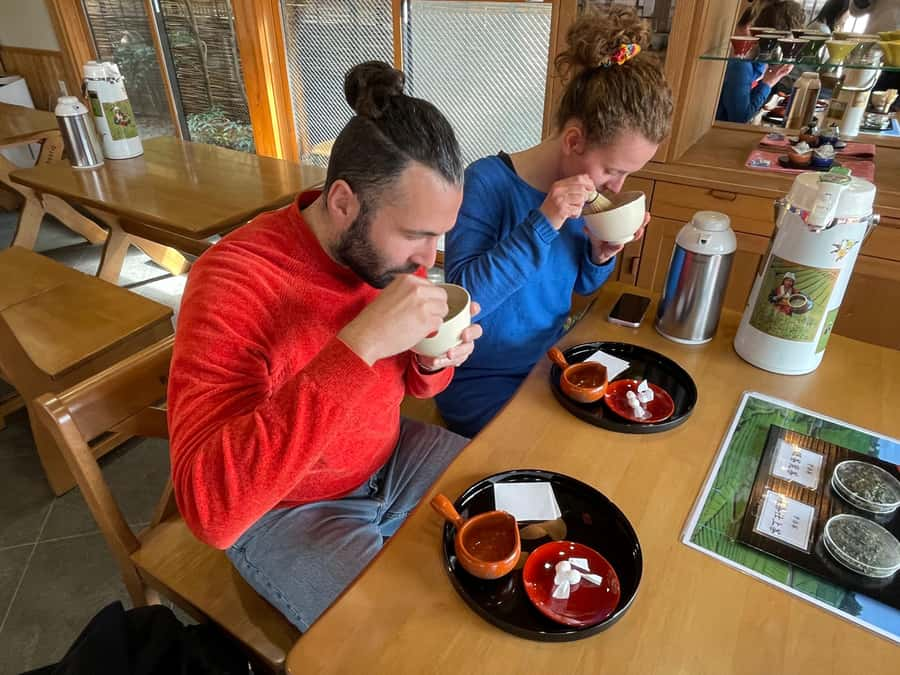
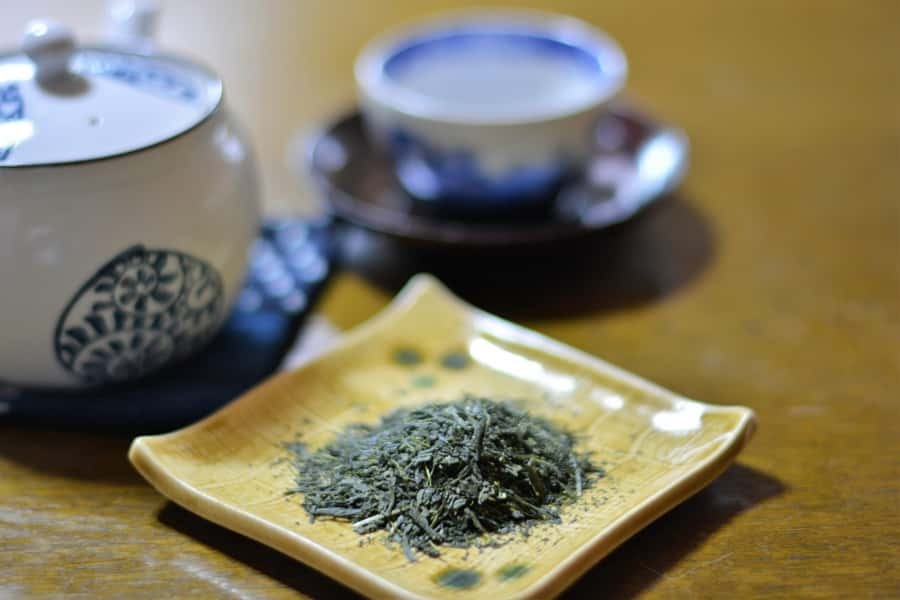
The tea experience is the heart of the tour. You taste high-grade local green tea, including Gyokuro, and learn how it is grown, prepared, and brewed.
Gyokuro is prized for its rounded flavor and careful production. The tour focuses on how brewing changes the drink, so you are not merely handed a cup and told to admire it. You see how the same leaves can produce different flavor profiles as you move through several cups.
That hands-on element is valuable. Tea can seem mysterious when it is presented only as an expensive souvenir. Here, you get a practical sense of why a premium tea costs more and why water temperature and timing affect the result.
One of the most unusual details comes at the end. Instead of discarding the softened leaves, you mix them with ponzu sauce and eat them. It is a small touch, but it turns the tasting into a lesson in using the whole ingredient.
The experience is not described as a full formal tea ceremony, so set your expectations accordingly. Think of it as a guided tasting and brewing lesson with cultural background. If you want a quiet, traditional tea setting, this should satisfy. If you want a long ceremonial performance, this tour may feel more practical than theatrical.
The tea stop has earned especially strong praise from people who had never tried Gyokuro before. Bryan, David, and other guides have been singled out for making the brewing process easy to follow and for explaining the cultural meaning behind the drink.
Walking the Uji River toward the old pilgrimage route
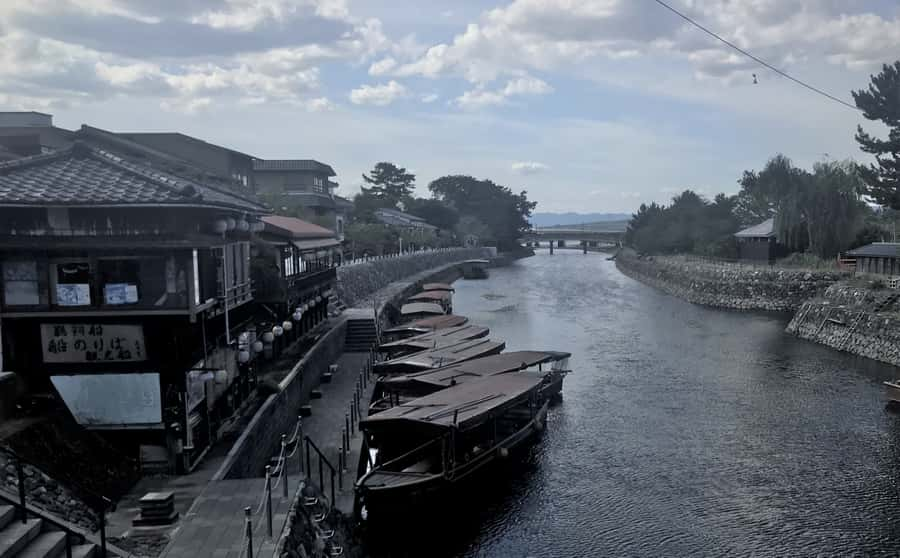
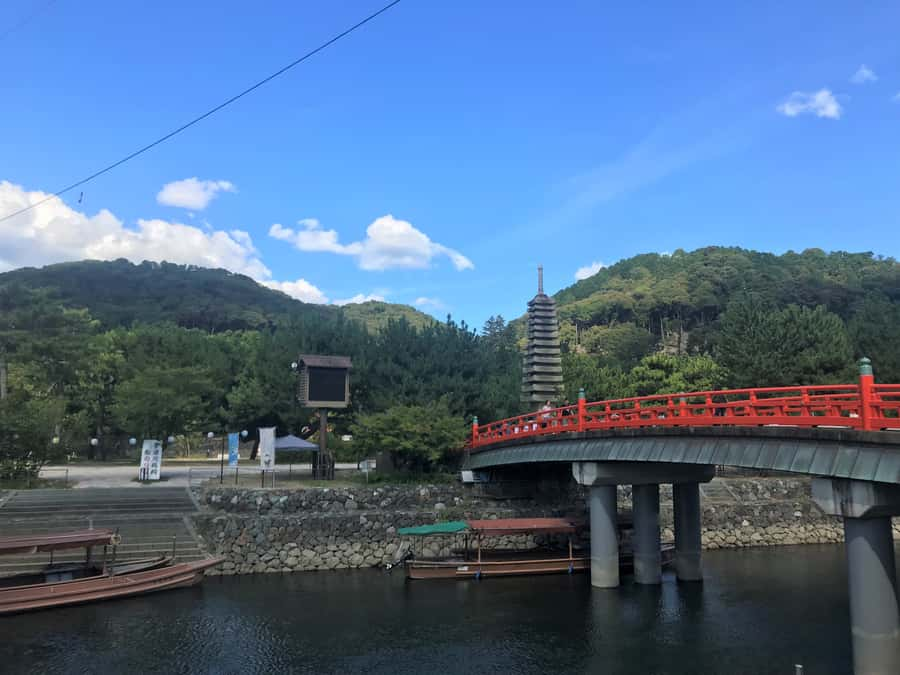
After tea, the tour moves through Uji’s natural setting and along the river. The water and surrounding mountains help explain why this town has long appealed to religious pilgrims, artists, tea producers, and visitors from Kyoto.
I like this part because it gives your feet and your mind a change of pace. You are not moving from one enclosed building to another. You have open views, the sound of water, and a chance to see Uji as a place where daily life and sacred sites sit close together.
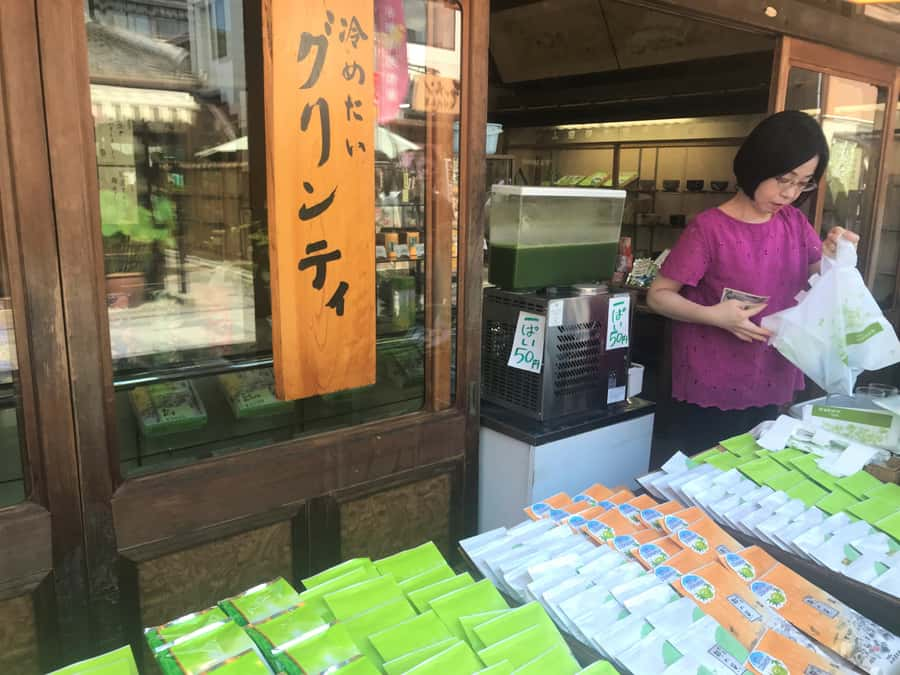
You then cross the river toward the route leading to Byodoin. Tea shops line this approach, some tracing their roots back to the medieval period. The street offers places to browse for matcha products, sweets, meals, and souvenirs.
The approach can feel much busier than the wooded shrine route, especially near Byodoin. That contrast is useful rather than annoying. It shows you both sides of Uji: the polished destination known to every guidebook and the quieter paths where the town’s religious character is easier to feel.
A completely different kind of day out:
- PERFECT KYOTO 1-Day Bus Tour
★ 5.0 · 13,518 reviews - Kyoto: Gion Make Your Own Chopsticks with Engraving Option
★ 5.0 · 3,465 reviews - Kyoto Nara Day Trip │ Kiyomizu-dera Temple + Fushimi Inari-taisha Shrine + Nara Park (Departing from Osaka/Kyoto)
★ 4.7 · 3,408 reviews - Kyoto Geisha Walking Tour: Gion District & Hidden Gems
★ 4.7 · 3,273 reviews
Ujigami Shrine, spring water, and Shinto practice
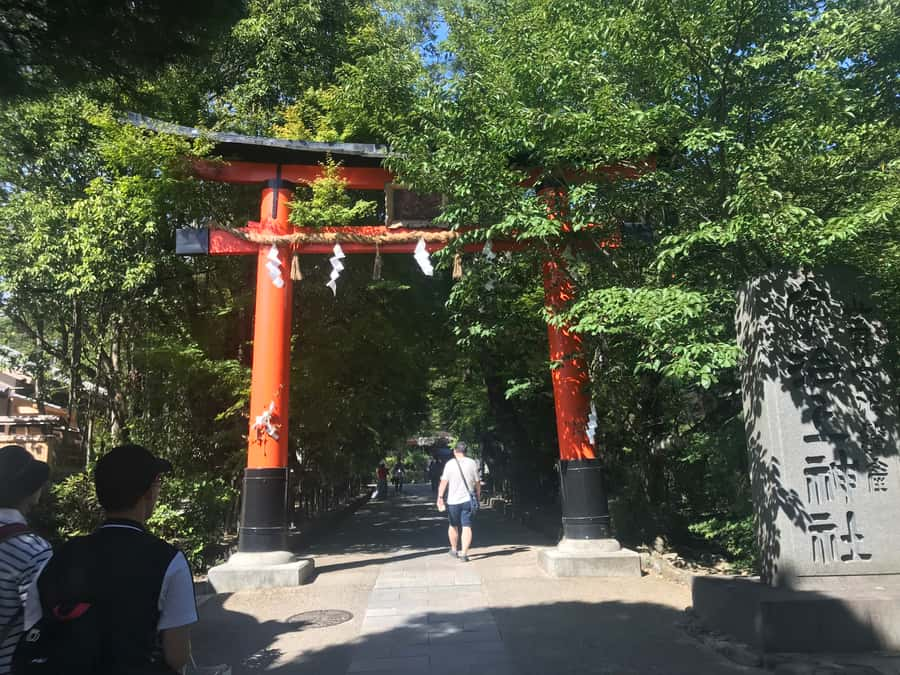
The route also takes you into the mountain greenery to Ujigami Shrine. The shrine is associated with Uji’s guardian deities and is recognized as a UNESCO World Heritage Site.
The setting matters. Surrounded by trees and away from the main tea-shopping street, Ujigami feels connected to the natural world. Your guide can explain the differences between Shinto and Buddhist practice, including how to behave respectfully at each kind of site.
A particularly unusual feature is the stone grotto containing natural spring water. It is described as the last remaining natural spring source in Uji, and tea houses still collect water there for brewing.
You can purify yourself with the water inside the grotto. This gives the shrine visit a physical action rather than leaving it as a lesson delivered from a distance. Guides such as Damian and Bryan have been praised for explaining blessings and shrine customs clearly, which can help you feel less uncertain at later temples in Japan.
There are stairs and uneven sections on the route. The wooded setting is one of the tour’s best features, but it also means you should wear comfortable shoes and avoid booking if walking on slopes is difficult.
Byodoin and the quiet power of Phoenix Hall

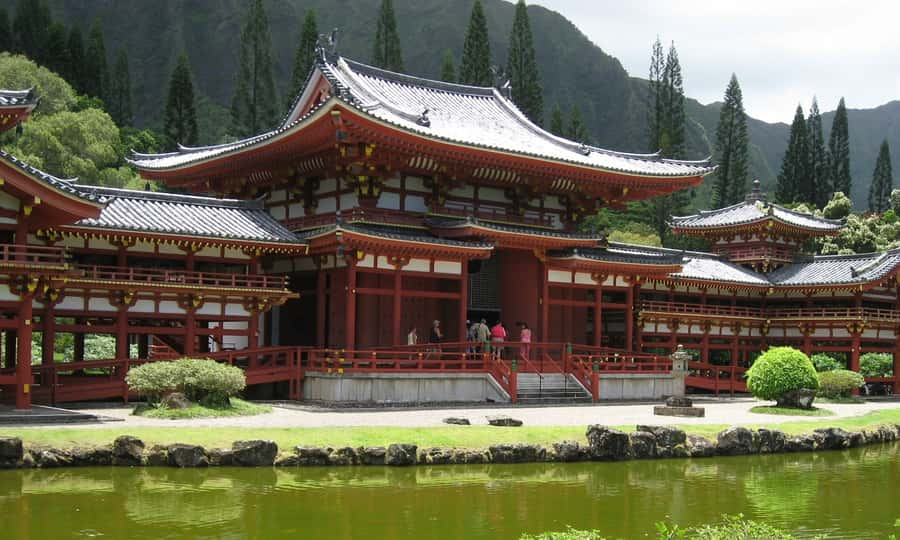
Byodoin is the tour’s major architectural prize. Admission is included, and the complex gives you both the famous temple exterior and access to a modern museum displaying Buddhist objects and historical material.
The Phoenix Hall is the image most people associate with Uji. It sits across the water in a carefully composed setting, and its name comes from the phoenix figures on the roof. The building is tied to the Heian period, from 794 to 1185, when aristocratic culture and Buddhist ideas shaped much of Kyoto and its surrounding towns.
A guide adds value here because the hall can otherwise become a quick photo stop. You learn how religion, political power, samurai connections, and tea culture meet in Uji. The building is beautiful, but the story behind its patrons and symbols is what gives the visit weight.
The museum is a strong part of the admission. It provides close views of Buddhist sculpture and objects that you cannot study easily from outside the temple buildings. Several guides have also adjusted the pace here, allowing more time for quiet viewing when the group wanted it.
Byodoin is the one place on this route where you should expect more people. Go early if your scheduled start allows it, since one group described reaching the temple almost alone. Still, the tour’s value does not depend on having the site to yourself. It comes from understanding what you are seeing.
Finishing at Koshoji among the mountain slopes
Koshoji gives the tour a different ending. Rather than finishing among shops and restaurant signs, you go back into nature to a temple that hugs the mountainside.
The setting invites a slower final hour. After the visual drama of Phoenix Hall and the focused tasting, Koshoji gives you room to notice trees, stone paths, and the shape of the hillside.
I would not book this tour expecting a long meditation session. The schedule is only four hours, and the route includes several stops. But Koshoji supplies a welcome Zen tone and helps the day finish quietly rather than with a rush back into central Kyoto.
The temple also reinforces the tour’s main idea: Uji’s tea culture cannot be separated neatly from religion, nature, and old routes through the region. You are seeing different pieces of one local story.
What the guides add to the experience
The guide can make or break a history-and-culture tour, and the strongest reports point to a high level of care. Damian has been praised for flexibility and for explaining Shinto and Buddhist customs in a clear way. Ferdinand has been valued for connecting Uji with wider Japanese culture and for making the experience feel thoughtful rather than hurried.
Bryan appears especially strong for storytelling, tea instruction, and practical explanations of shrine etiquette. David has been praised for detailed information about the tea, temples, and sites, while Kevin has helped with return-train directions.
Lito has been remembered as warm and personable, with helpful recommendations and a talent for taking photographs. Mardi has adapted a route to suit a group’s wish for a more relaxed meal and extra time by the river.
These details suggest that a private or small-group booking is worth considering if you want to ask many questions or adjust the pace. A small group also makes it easier to hear explanations at shrines and during the tea lesson.
The tour is offered in English or Spanish. The published rating is 4.8 from 72 reviews, which supports the idea that the guide service is a major part of the purchase, not just an add-on to temple admission.
Is $111 a fair price for four hours?

At $111 per person, this is not the cheapest way to see Uji. You can reach the town by local train and visit public areas independently for much less.
The price becomes easier to justify if you want the Gyokuro tasting, both temple admissions, and a guide who can explain religious customs and historical links as you walk. Byodoin and Koshoji admissions are included, as is the tea experience, so you are not paying the tour fee and then adding the main featured activities separately.
I see the strongest value for a first visit to Uji. You get orientation, cultural context, and a route that joins the town’s major sights with quieter corners. If you are already comfortable navigating Japanese temples and tea shops, an independent visit may offer better financial value.
Food and drink outside the tea experience are not included. Leave room in your budget for lunch, matcha sweets, or a meal along the tea-shop street if you want to extend the outing.
Practical fit, walking demands, and weather
Plan on four hours of walking, stairs, slopes, temple paths, and outdoor sections. Comfortable shoes are essential.
The tour runs rain or shine. That can make the river and mountain portions especially atmospheric, but you should dress for the forecast and accept that the experience is not built around indoor shelter.
This is not suitable for people with limited mobility, back problems, mobility impairments, or heart problems. The route is active enough that you should not treat it as a gentle station-to-station sightseeing walk.
The tour ends back at the Keihan Uji Station meeting point. That makes it simple to continue around Uji afterward or return by train, and a guide can help if you are unsure about the correct train.
Free cancellation is available up to 24 hours before the tour for a full refund. You can also reserve now and pay later, which helps if your Kyoto schedule is still changing.
Who should book this Uji tea tour?
I would recommend it to you if you want more than a photograph of Phoenix Hall. Tea lovers will get the most from the Gyokuro lesson, while first-time visitors to Japan will appreciate the explanations of Shinto and Buddhist etiquette.
It also suits families and couples who prefer a guided side trip to Kyoto’s packed central sights. The route combines history, nature, architecture, and food in a compact half-day.
You may want to skip it if you dislike walking, prefer to set your own pace, or have already studied Uji’s temples and tea traditions. The four-hour schedule is focused, not leisurely in every section, and the physical route is a real consideration.
Should you book it?
Book this tour if you want Uji to make sense as a living tea town rather than a collection of famous buildings. The best reasons are the Gyokuro tasting, the old tea-house story, the spring-water grotto, and the guides’ ability to explain customs without making you feel foolish for asking basic questions.
I would choose a private or small-group option if your budget allows and you care about adjusting the pace. Otherwise, the standard experience still offers strong value for a first visit, especially with temple admissions and tea included.
FAQ
How long does the Uji green tea tour last?
The tour lasts four hours. Starting times vary, so you need to check availability when booking.
Where does the tour begin?
It begins at the only exit of Keihan Uji Station. An escalator goes all the way up to ground level.
Where does the tour end?
The activity ends back at the meeting point at Keihan Uji Station.
Which temples are included?
The tour includes Byodoin Temple and Koshoji Temple. Admission fees for both are included.
Is tea tasting included?
Yes. The tour includes a Japanese Gyokuro green tea experience and a tea tasting.
What languages are available?
Live guiding is available in English and Spanish.
Is this a private tour?
Private and small-group formats are available.
Is the tour suitable for people with limited mobility?
No. The route includes stairs and is not recommended for people with mobility impairments, back problems, or heart problems.
What happens if it rains?
The tour operates rain or shine. You should bring comfortable shoes and dress appropriately for outdoor walking.
Just added in Kyoto
- Uji: UNESCO Heritage & Tea Ceremony Walking Tour★ 4.6 · 54 reviews
- Traditional Tea Ceremony Experience in Kyoto★ 4.3 · 64 reviews
- Uji and Wazuka Matcha Farm Half Day Private Guided Tour★ 5.0 · 21 reviews
- Uji: Private immersion into Kyoto’s tea and reglious culture★ 5.0 · 17 reviews
- Kyoto tea town for matcha lovers★ 5.0 · 16 reviews
- Uji Tea Ceremony and UNESCO Heritage Walking Tour★ 5.0 · 20 reviews
- Slow Cycling Tour at Uji’s Matcha Green Tea Fields and Heritage★ 5.0 · 25 reviews
- Kyoto Matcha Green Tea Tour★ 4.5 · 23 reviews
Temples and Shrines, compared.
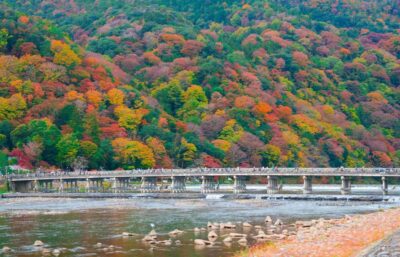
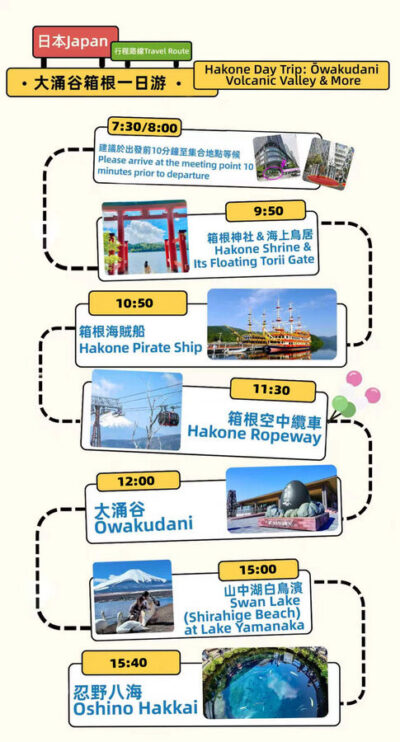
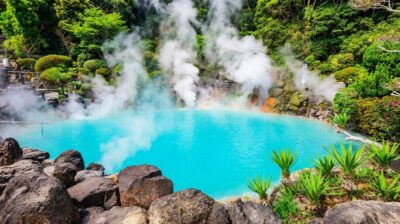
Kyushu One-Day Tour: Yufuin no Mori Train & Yufuin Town & Nyoirin-ji Temple & Dazaifu & Hell Hot Springs (Departing from Fukuoka)
Read our review →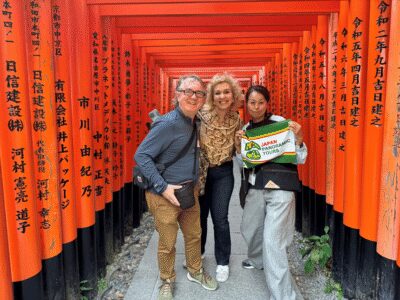
Fushimi Inari, Kinkakuji, Bamboo Grove 1 Day Bus Tour
Read our review →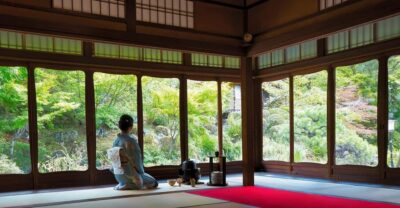
Tea Ceremony in a Traditional Tea House in Kiyomizu
Read our review →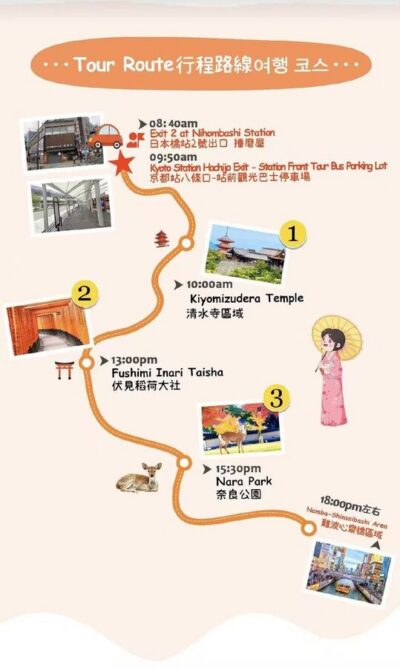
Kyoto Nara Day Trip │ Kiyomizu-dera Temple + Fushimi Inari-taisha Shrine + Nara Park (Departing from Osaka/Kyoto)
Read our review →
Browse the lists this tour appears in