
Reviewed · TEA CEREMONIES
Kyoto: Tea Ceremony in a Traditional Tea House in Kiyomizu
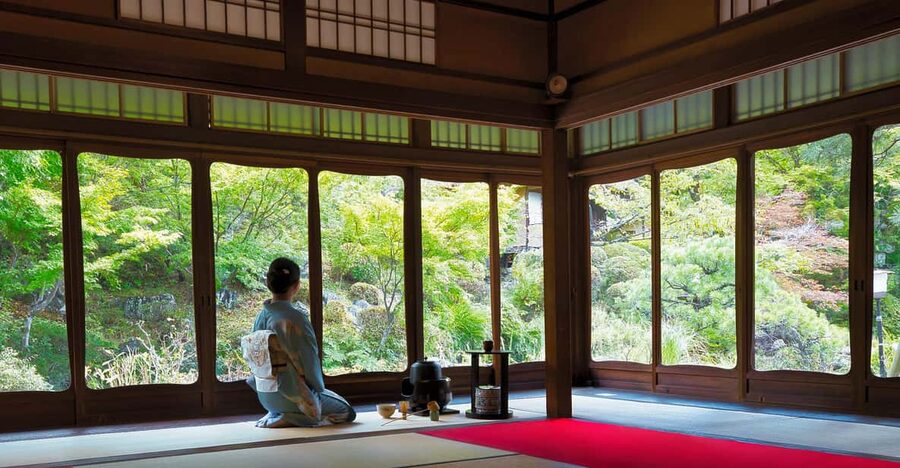
Step into calm Kyoto. This 45-minute tea ceremony at Sakaguchian offers a graceful break from the busy streets around Kiyomizu-Dera, with a traditional tea house, a carefully tended garden, and a clear English explanation of the ritual. I especially like the chance to watch a tea master prepare matcha before making your own, and I like that you receive two cups of tea, a Japanese sweet, and a group photo for $49. The main drawback is time: 45 minutes gives you a polished introduction, but not a long study of Japan’s complex tea traditions.
The setting does much of the work. Sakaguchian sits just off Sannenzaka, one of Kyoto’s most crowded sightseeing lanes, yet the garden view and quiet tea room create a sharp change of mood. You will need to leave large bags behind, and children must be at least seven years old, so this suits people looking for a focused cultural experience rather than a casual drop-in.
In This Review
- Key details before you book
- Why this tea house feels special in Kiyomizu
- Finding Sakaguchian on foot
- The opening introduction and 500 years of tradition
- Watching the tea master prepare matcha
- Making your own bowl of matcha
- The garden view and the photo
- Is $49 a fair price?
- Who will enjoy this most?
- Timing, manners, and useful planning advice
- The main strengths and limitations
- Should you book the Sakaguchian tea ceremony?
- FAQ
- Where does the tea ceremony take place?
- How long does the experience last?
- Is the instruction available in English?
- What is included in the price?
- Do I make my own matcha?
- Is kimono rental included?
- Can children join the ceremony?
- Are large bags allowed?
Key details before you book
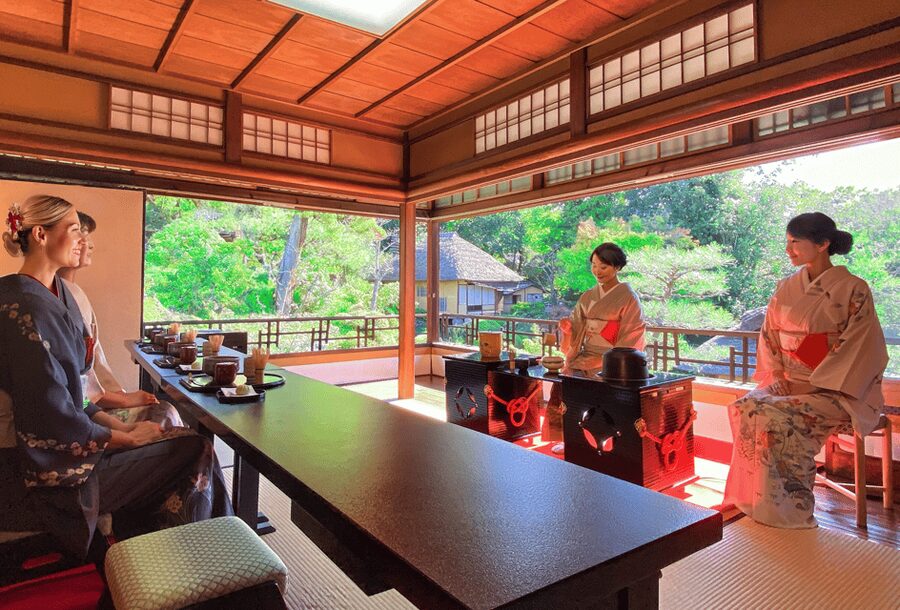
- The garden is designed by Ogawa Jihei VII: The tea house sits in a garden linked to one of Japan’s noted landscape artists, giving the ceremony a setting far more special than a plain indoor demonstration.
- You make your own matcha: This is not only a performance. After watching the tea master, you prepare your own bowl and learn the basic method for producing a smooth cup.
- The ceremony takes place near Kiyomizu-Dera: You can fit it neatly into a visit to the temple and the historic lanes of Higashiyama.
- The instruction is in English: The host explains the ceremony, its meaning, and the steps for preparing matcha in a way that is easy to follow.
- You receive two cups of matcha: One is prepared for you during the ceremony, and the other comes from your own attempt, along with a traditional sweet.
- Small groups help the atmosphere: Group sizes reported in the experience information include eight to ten people, which is large enough to keep the price reasonable but small enough to see the demonstration.
Why this tea house feels special in Kiyomizu
Kiyomizu is one of Kyoto’s most popular sightseeing districts. Sannenzaka slopes toward Kiyomizu-Dera Temple, with old wooden buildings, souvenir shops, sweets, cafés, and plenty of foot traffic. That makes the location convenient, but it also means the street can feel noisy and packed.
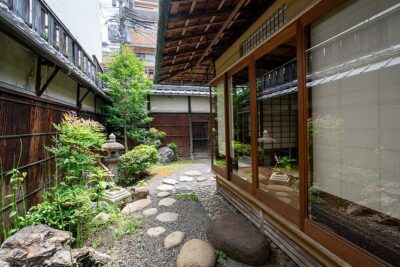
Sakaguchian gives you a useful contrast. You enter through a large gate near Sannenzaka, then continue toward a white gate and the tea house. From the entrance, you can already see the garden. Once inside, the street fades into the background and the tone becomes quiet and formal.
I like this change of pace. You do not have to travel across Kyoto to find a calm tea room. You can pair the ceremony with Kiyomizu-Dera, Kodai-Ji, or a walk through Higashiyama. The ceremony becomes a small pause in the middle of a sightseeing day, not a separate expedition.
The garden is a major part of the appeal. It was created by Ogawa Jihei VII, a well-known Japanese garden designer, and the tea room looks out onto the greenery. The garden view is not just decoration. In tea culture, the setting helps prepare your mind for the ceremony. Here, that idea works well because the peaceful view makes a strong counterpoint to the crowded lane outside.
More Tea Ceremonies in Kyoto
- Kyoto: Tea Ceremony Ju-An at Jotokuji Temple
★ 4.9 · 3,207 reviews - Kyoto: 45-Minute Tea Ceremony Lesson Experience
★ 4.3 · 2,378 reviews - Kyoto: Table-Style Tea Ceremony at a Kyo-Machiya
★ 4.9 · 1,211 reviews
Finding Sakaguchian on foot
The directions require a little care. Go down Sanneizaka near Kiyomizu-Dera Temple for about 50 meters, then look for a large gate on the right. You should be able to see the Japanese garden from the gate.
After entering, walk straight for about 10 meters and pass through the white gate on your left. That leads you to Sakaguchian. A long lane with lanterns is another useful visual clue.
This is not a place where you should arrive while staring only at your phone. Sannenzaka has many shops and entrances, and the tea house is set back from the main path. Give yourself extra time to find the gate, especially if the area is crowded.
By taxi, tell the driver you are heading toward Kodai-Ji Temple and get out at the intersection of Sannenzaka and Ishin-no-michi. The Japanese address is Kyoto-shi Higashiyama-ku Kiyomizu 3-334. Large bags are not allowed, so carry only what you need for the short session.
The opening introduction and 500 years of tradition
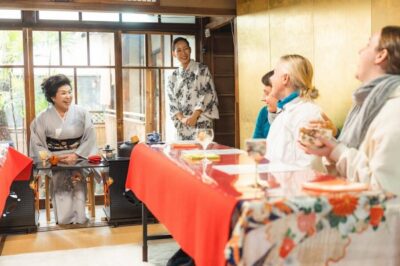
The experience begins with a welcome from the English-speaking host. May is specifically praised for her warm manner and clear explanations, and her role is important. A tea ceremony can seem mysterious if you do not understand the gestures, the objects, or the quiet pauses.
You receive a short introduction to the ceremony and its approximately 500-year history. The explanation also covers the building and the meaning behind the ritual. This gives you enough background to watch with interest instead of wondering why each movement takes so long.
The introduction is brief, which fits the 45-minute format. If you want a full academic history of Japanese tea, this will feel too short. If you want a clear doorway into the tradition before trying it yourself, the amount is about right.
A useful feature is the English instruction. You do not need prior knowledge of Japanese customs, and the host can answer questions after the demonstration. Several comments describe the guide as friendly, entertaining, and easy to understand. That matters because the ceremony is formal, but the explanation keeps it approachable.
Watching the tea master prepare matcha
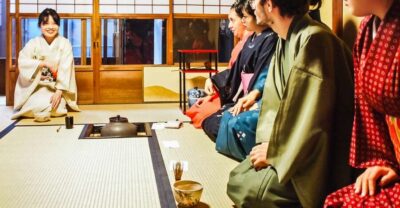
The tea master then performs the ceremony. This is the most visually striking part, with controlled movements and a formal pace. You watch the preparation closely before taking part yourself.
The demonstration helps you notice details that would otherwise pass quickly. The handling of the bowl, the whisk, and the tea is deliberate. The ceremony is not simply a way to make a drink. It is a practiced sequence built around attention, respect, and calm.
The tea master’s skill is part of the value. One particularly useful feature is the chance to ask questions afterward. You can enjoy the performance as a beautiful cultural display, then connect it to the practical lesson that follows.
The quiet is worth respecting. One person who enjoyed the experience offered a sensible reminder: do not walk around while the ceremony is taking place. Stay seated, watch carefully, and let the performance unfold. This is a small room and a formal ritual, so good manners improve the experience for everyone.
More Temples and Shrines in Kyoto
- [Kyoto & Nara Day Tour] Sagano Scenic Railway & Nara Park & Fushimi Inari Taisha Thousand Torii Gates & Togetsukyo Bridge & Bamboo Grove & Kimono Forest (Departing from Osaka)
★ 4.9 · 10,942 reviews - Kyoto: Fushimi Inari, Kinkakuji, Bamboo Grove 1 Day Bus Tour
★ 4.8 · 4,316 reviews - Kyoto Nara Day Trip │ Kiyomizu-dera Temple + Fushimi Inari-taisha Shrine + Nara Park (Departing from Osaka/Kyoto)
★ 4.7 · 3,408 reviews - Fushimi Inari Hidden Hiking Tour (Private Option Available)
★ 5.0 · 1,750 reviews
Making your own bowl of matcha
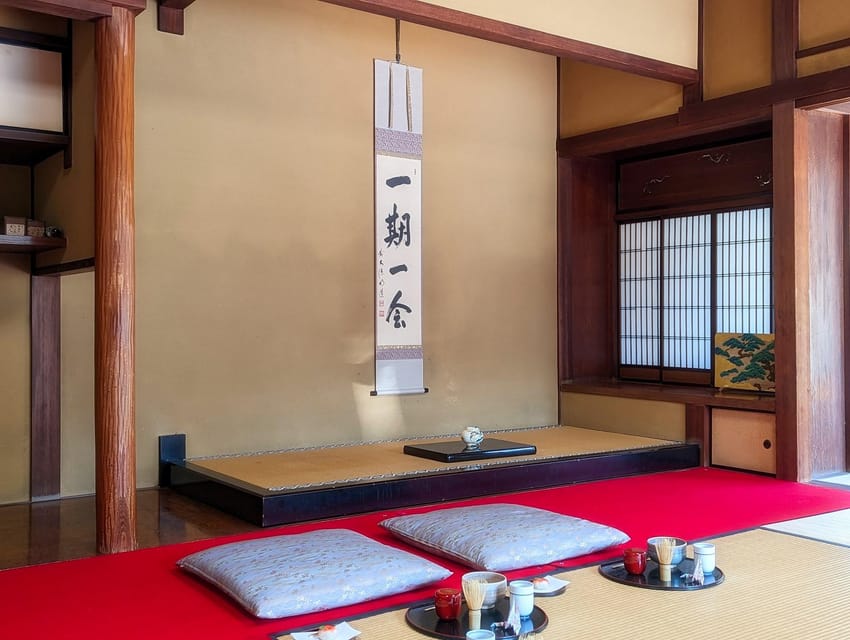
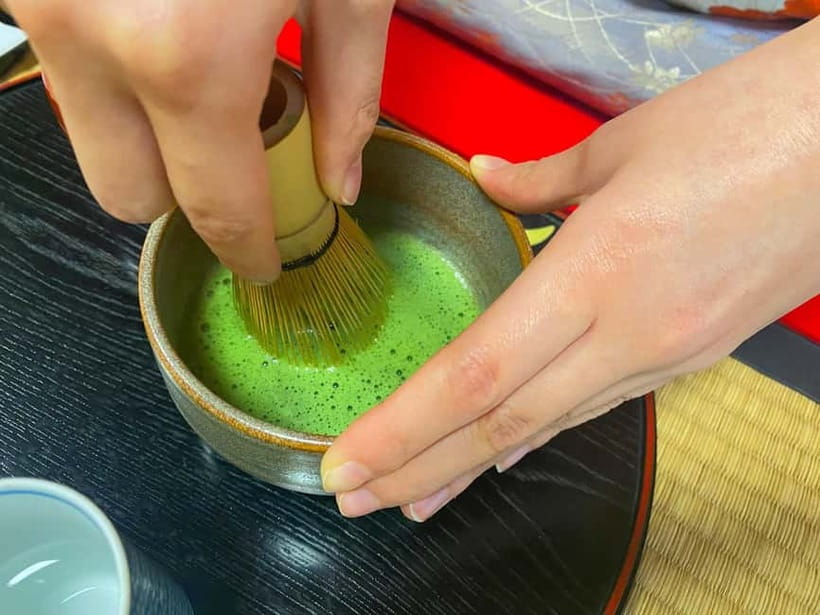
After the demonstration, you get to prepare your own matcha. This changes the activity from a show into a hands-on lesson.
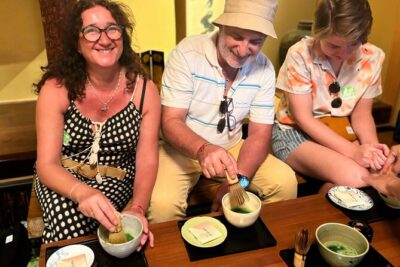
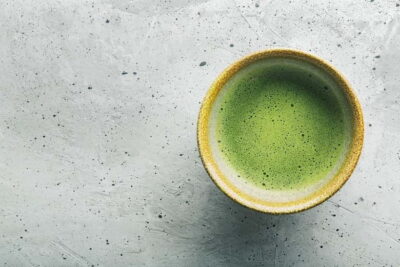
You learn the basic technique for brewing a good bowl and then whisk the tea yourself. The instruction is designed for beginners, so you do not need experience with matcha. The goal is not to perform every movement perfectly. It is to understand how the drink is made and to appreciate the effort behind the bowl placed in front of you.
The practical lesson is also a nice antidote to the idea that tea ceremony is untouchable or overly solemn. You are invited to participate, and the atmosphere remains friendly. The guides explain each step and offer tips for making a smoother cup.
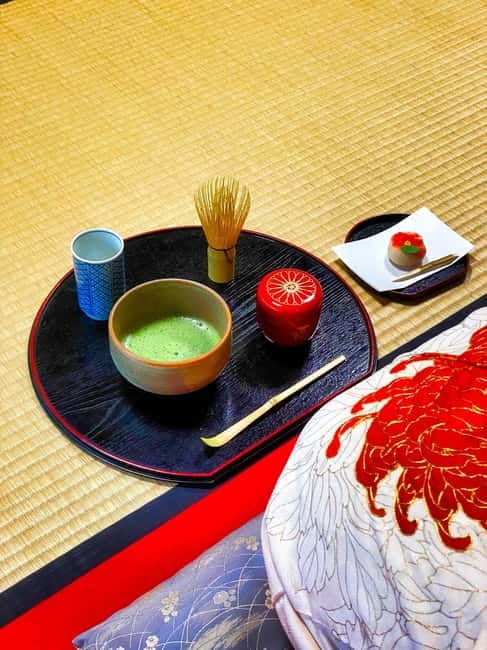
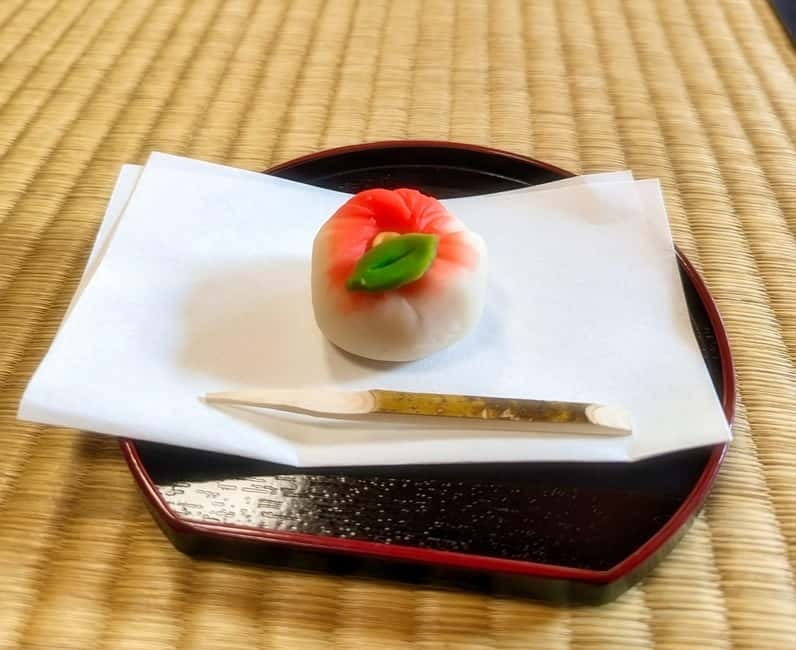
Matcha can be bitter, especially if you are used to sweetened tea drinks. Here, the tea is served with a customary Japanese sweet, which balances the flavor. The sweet is a small item, but it helps you understand how the ceremony traditionally treats tea as part of a carefully considered combination.
You receive two cups of matcha in total. The first is prepared as part of the ceremony, and the second is the one you make. That makes the $49 price easier to assess, since you are paying for a demonstration, instruction, food and drink, the setting, and a keepsake photo rather than only for a cup of tea.
The garden view and the photo
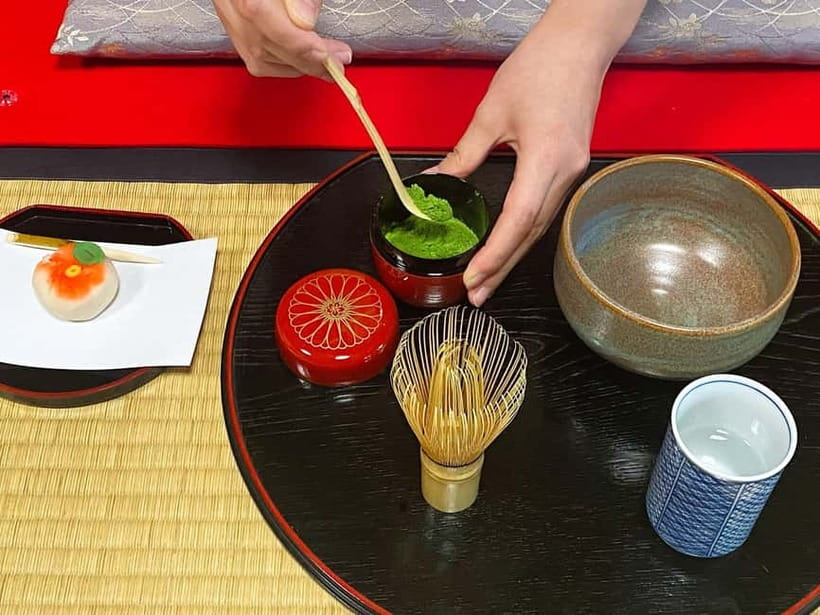
The garden is visible during the tea ceremony, so you are not rushing outside for a separate garden tour. The view gives the room a sense of depth and helps create the calm mood that people value most about this activity.
The experience ends with a group photo using the garden as a backdrop. This is a simple but useful touch. You leave with a record of the occasion rather than relying only on memory or hurried phone pictures.
The photo is not a professional portrait session, and you should not book this expecting extensive photography. It is a small memento of the tea house, your group, and the garden. The tea master or host can also help with pictures, according to the experience details.
Is $49 a fair price?
At $49 per person, this is not the cheapest way to drink matcha in Kyoto. You can find tea and sweets elsewhere for much less. The price makes more sense if you want a guided cultural activity in a traditional setting.
You are paying for several parts at once:
- A 45-minute tea ceremony
- A formal demonstration by a tea master
- English-language instruction
- Two cups of matcha
- A traditional Japanese sweet
- Access to the tea house and garden setting
- A group photo
I see this as a fair mid-range price for a first tea ceremony, especially because you participate rather than only watch. The setting near Kiyomizu-Dera also saves time and transport costs if the area is already on your schedule.
Still, the experience is short. If you are mainly interested in drinking excellent tea, this may feel expensive. If you care about Japanese customs, presentation, and learning a skill you can try again at home, the price is easier to justify.
Who will enjoy this most?
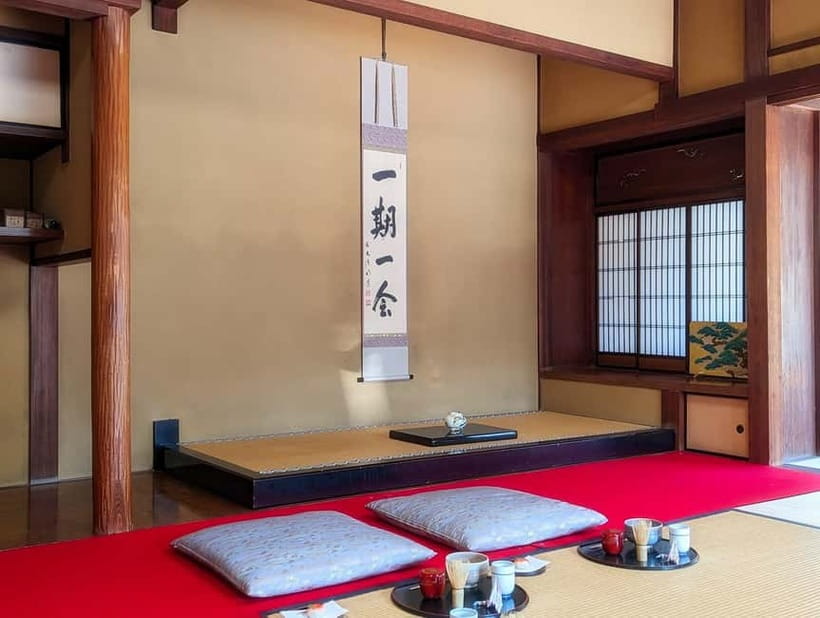
This works particularly well for first-time visitors to Japan who want an accessible introduction to an important tradition. The English explanations remove much of the uncertainty, and the hands-on preparation keeps the session active.
Couples will find it a pleasant shared activity, especially if you want something quieter than another temple or shopping stop. It also suits families with children aged seven and older. Children may enjoy whisking their own tea, while teenagers can appreciate the visual setting and the short length.
The activity is also a good choice for people who like history, design, gardens, or food culture. You get a little of each without committing half a day.
It may be less suitable if you dislike sitting quietly, have no interest in ritual, or want to wear a kimono. Kimono rental is not included. That is not necessarily a weakness. Several people valued the fact that the session felt more natural without costumes, but anyone hoping for a full dress-up package should plan separately.
Timing, manners, and useful planning advice
The ceremony lasts 45 minutes, although you should allow extra time to find the entrance. Starting times vary, so check availability when booking.
Plan it around nearby sightseeing rather than treating it as a distant appointment. A visit to Kiyomizu-Dera before or after the ceremony makes practical sense, but remember that Sannenzaka can be crowded and slow to walk through.
The activity operates rain or shine. That is helpful on a wet Kyoto day because the garden and tea house still provide a quiet indoor plan. You should arrive prepared for the weather during the walk from the street.
Leave large luggage elsewhere. A suitcase or bulky backpack will not be allowed, and the tea room is not the place for excess belongings.
During the ceremony, remain seated and avoid moving around. Turn your phone to silent, watch the tea master, and save casual photos for the end. A little attention and restraint will make the ritual feel far more meaningful.
Free cancellation is available up to 24 hours before the start time for a full refund. You can also reserve and pay later, which helps if your Kyoto schedule is still changing.
The main strengths and limitations
The strongest feature is the setting. A beautiful garden in a traditional tea house gives the ceremony an atmosphere that a modern classroom could not match.
The second strength is the balance between watching and doing. You see a polished performance, then prepare your own matcha. That combination makes the tradition easier to remember.
The English-speaking host is another advantage. Clear explanations make a formal ritual less intimidating, and a lively guide can keep the short session engaging. May has been singled out for her warm welcome and strong English, while the tea master receives praise for graceful movements and patient instruction.
The limitation is depth. The introduction covers the ceremony’s history and meaning, but you will not become an expert in 45 minutes. Some people would prefer more time devoted to history, while others will appreciate the concise format.
The other consideration is cost. At $49, this is a special-occasion activity, not a casual tea stop. I would book it when you want a memorable cultural experience, not simply a snack.
Should you book the Sakaguchian tea ceremony?
I would book this if you want a calm, well-organized introduction to Japanese tea culture in one of Kyoto’s most scenic areas. The garden, skilled tea master, English guidance, hands-on matcha lesson, sweet, and photo make it more substantial than a simple demonstration.
It is especially good for a first visit, a couple’s outing, or a family with children aged seven and up. Book it as a pause between Kiyomizu-Dera and the surrounding streets, and arrive early enough to find the gate without stress.
Skip it if you want a long, highly technical study of tea ceremony, a kimono rental, or a low-cost cup of matcha. For everyone else, the 45-minute format hits a useful balance: short enough for a busy Kyoto schedule, yet thoughtful enough to leave you with a real sense of the tradition.
FAQ
Where does the tea ceremony take place?
It takes place at Sakaguchian, a traditional tea house in Sannenzaka near Kiyomizu-Dera Temple in Kyoto.
How long does the experience last?
The tea ceremony lasts 45 minutes.
Is the instruction available in English?
Yes. The instructor and host provide the experience in English.
What is included in the price?
The experience includes the tea ceremony, two cups of matcha, traditional Japanese sweets, and a photo.
Do I make my own matcha?
Yes. You first watch a tea master demonstrate the preparation, then learn how to brew your own matcha.
Is kimono rental included?
No. Kimono rental is not included.
Can children join the ceremony?
Children must be at least seven years old to take part.
Are large bags allowed?
No. Luggage and large bags are not allowed during the activity.
Just added in Kyoto
- The “Golden Route” and Ancient Japan by DIAMIR Erlebnisreisen – 14-Day Tour★ 2.0 · 2 reviews
- Japan: Castles & Cuisine by G Adventures – 6-Day Kyoto to Osaka Tour★ 4.5 · 4 reviews
- Cycle Japan by Explore! – 13-Day Kyoto to Tokyo Tour★ 4.7 · 12 reviews
- Cycle Japan by Intrepid Travel – 11-Day Kyoto to Tokyo Tour★ 4.8 · 2 reviews
- Classic Japan by Intrepid Travel – 11-Day Kyoto to Tokyo Tour★ 4.4 · 14 reviews
- Ancient & Modern Japan 14-Day Tour by Exodus Adventure Travels★ 4.4 · 40 reviews
- 5 Day Cultural Adventure of Kyoto, Nara & Osaka by Tourist Journey★ 2.5 · 2 reviews
- 12 Days Kinosaki Onsen Escape: A Journey Through Japan’s Timeless Towns by UME Travel★ 4.8 · 5 reviews
Tea Ceremonies, compared.
World Heritage Kyoto & Nara Uji Authentic Matcha Experience
Read our review →

Arashiyama Bamboo Forest, Monkeys, Matcha & Temple Tour
Read our review →Browse the lists this tour appears in