
Reviewed · TEA CEREMONIES
Kyoto tea town for matcha lovers
Matcha tastes better where it is made. This five-hour walking tour takes you through Uji, Kyoto’s famous tea town, with visits to shrines, old tea shops, tea fields, a matcha-making workshop, lunch, and a traditional tea ceremony. I especially like the small group limit of seven and the chance to meet local tea merchants rather than simply photograph shopfronts. I also like that guide Terumi is praised for adjusting the pace, answering questions, taking pictures, and helping with translation.
The main drawback is the price: $157.65 per person is a serious spend for a half-day outing. You should also expect plenty of walking, and June can be hot. Still, for someone who wants to understand how matcha fits into Japanese food and culture, this offers far more than a quick tasting.
In This Review
- Key points at a glance
- Why Uji is the right place for a matcha tour
- Starting at Uji Shrine
- Tasting matcha at Tsuen Main Branch
- From tea shops to tea production
- Grinding your own matcha with a stone mill
- Lunch built around tea dishes
- Learning the rules of a Japanese tea ceremony
- Terumi’s role in shaping the day
- Walking, weather, and the five-hour schedule
- Is $157.65 a fair price?
- Who should book this Uji experience?
- Booking details worth knowing
- Should you book the Kyoto tea town tour?
- FAQ
- Where does the tour begin?
- What time does the experience start?
- Where does the tour end?
- How long does the tour last?
- How many people can join?
- What is the price?
- Does the tour include Uji Shrine?
- Will I visit an old tea shop?
- Does the experience include a tea ceremony?
- Can I cancel for a full refund?
Key points at a glance
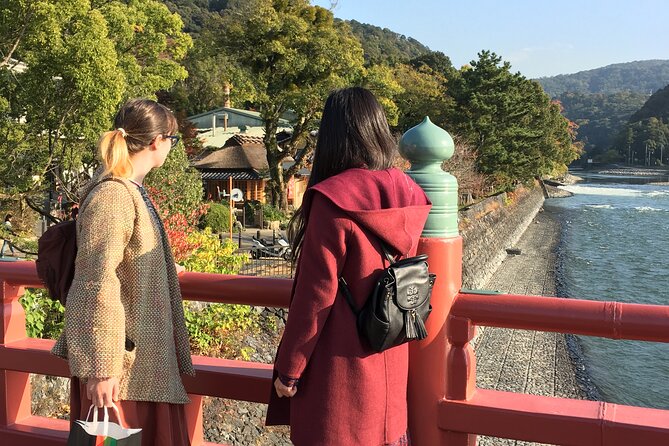
- An intimate group of up to seven: The small size should make it easier to ask questions and move through Uji at a comfortable pace.
- An 850-year-old tea shop: Tsuen Main Branch, founded more than 850 years ago, is one of the tour’s most distinctive stops.
- Hands-on matcha preparation: You may grind tea with a traditional stone mill before preparing your own matcha.
- Lunch with tea dishes: The midday meal treats tea as an ingredient, not just a drink.
- A traditional tea ceremony: The day ends with a formal cultural experience in a traditional tea house.
- A guide who adds personal care: Terumi is praised for her patience, local knowledge, thoughtful planning, and willingness to help with extra shopping or translation.
Why Uji is the right place for a matcha tour
Uji sits south of Kyoto and is closely linked with Japanese green tea. The town is known for tea shops, tea sweets, tea production, shrines, and the Byodo-in area, although this particular experience focuses on Uji Shrine and other local sights rather than promising a full tour of every major attraction.
That mix is what makes the outing appealing. You are not spending five hours in a classroom hearing abstract facts about matcha. You are walking through the town where tea is sold, prepared, served, and woven into daily life. One moment may focus on a shrine or local landmark, and the next may involve a tea snack or a conversation with a shopkeeper.
I like this kind of travel because it gives a place more texture. Uji is not treated only as a backdrop for photographs. You get a look at the religious side of town, the commercial tea streets, the production process, and the formal customs of tea service.
The tour begins at 9:30 a.m. at Uji Station and returns to the same meeting point. Its five to five-and-a-half-hour length leaves enough time for several activities without taking your entire day in Kyoto.
More Tea Ceremonies in Kyoto
- Kyoto: Tea Ceremony in a Traditional Tea House in Kiyomizu
★ 4.9 · 3,519 reviews - Kyoto: Tea Ceremony Ju-An at Jotokuji Temple
★ 4.9 · 3,207 reviews - Kyoto: 45-Minute Tea Ceremony Lesson Experience
★ 4.3 · 2,378 reviews
Starting at Uji Shrine
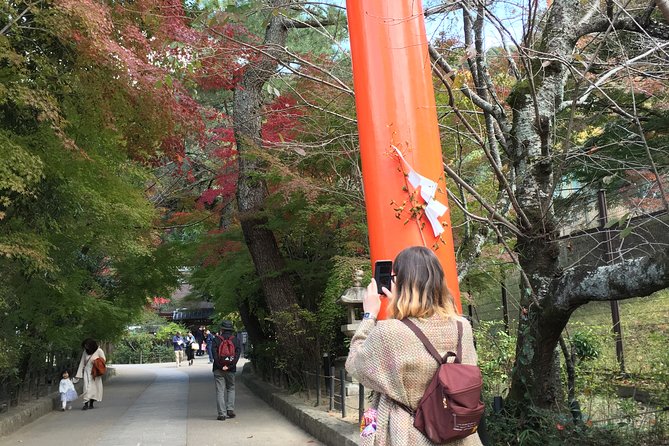
The first listed stop is Uji Shrine, with about 20 minutes set aside and no admission charge. The shrine is connected with Uji’s local identity and gives you an early introduction to the town beyond its tea shops.
A short stop can be useful here. You have time to look around and hear the guide explain the setting, but you are not spending the first part of the morning on a long formal lecture. The tour’s wider focus includes the origins of tea, tea culture, Japanese shrines, and the special character of Uji.
I would pay attention to the explanations at this point, even if you have visited Japanese shrines before. The value is not simply seeing another wooden gate or worship hall. It is understanding how Uji’s religious sites fit alongside the tea trade and the town’s older traditions.
The schedule lists 20 minutes at Uji Shrine, so you should not expect a detailed shrine study. If your main interest is architecture or religious history, this will feel like an introduction rather than a complete visit.
Tasting matcha at Tsuen Main Branch
Next comes Tsuen Main Branch, one of Uji’s oldest tea shops, with more than 850 years of history behind it. The visit is scheduled for around 10 minutes and includes a taste of matcha rice cake skewers made with matcha powder.
This is a small stop, but it captures one of Uji’s pleasures: tea is not limited to a cup. Matcha appears in sweets, snacks, noodles, desserts, and other foods throughout the town. A matcha rice cake skewer gives you a quick, approachable taste before the more serious tea activities later in the morning.
The short timing also matters. You are not being asked to spend half an hour browsing one shop before moving on. Instead, you get a focused introduction to one of Uji’s historic tea businesses, a sample, and context from your guide.
If you love strong green tea flavor, you will probably enjoy this stop. If you prefer very mild sweets, matcha’s grassy, slightly bitter taste may be more assertive than expected. That is part of the point. A good guide can explain how the powder is used and why Uji has built such a strong reputation around it.
From tea shops to tea production
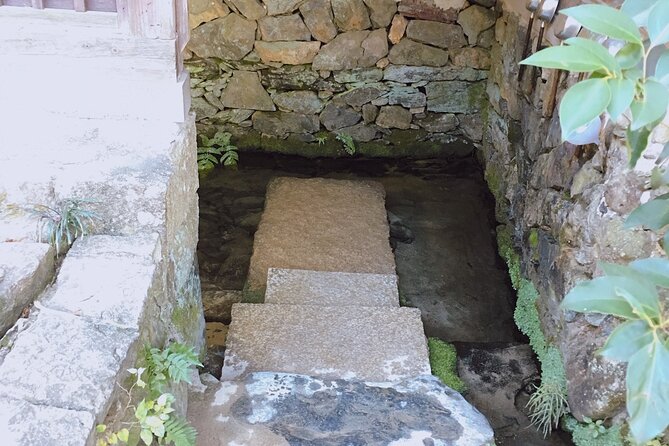
The experience goes beyond retail. The schedule and activity details include visits to tea fields and an old tea farm in Uji, while several tour participants describe learning about different stages of tea production.
The exact order of these visits can vary, so you should think of the tour as a guided look at Uji’s tea culture rather than a fixed museum route. You may see where tea is grown, learn how the leaves become usable tea, and compare different kinds of tea along the way.
This part gives the tour its strongest educational value. A packet of matcha in a Kyoto shop can seem simple. Once you learn about growing, processing, grinding, and preparing tea, the price and flavor differences become easier to understand.
You also get contact with local businesses and people involved in tea. That human element matters. It gives you a chance to ask the practical questions that a standard sightseeing walk often skips, such as how tea is prepared, how matcha differs from other green teas, and how tea is used in Japanese cooking.
A completely different kind of day out:
- PERFECT KYOTO 1-Day Bus Tour
★ 5.0 · 13,518 reviews - [Kyoto & Nara Day Tour] Sagano Scenic Railway & Nara Park & Fushimi Inari Taisha Thousand Torii Gates & Togetsukyo Bridge & Bamboo Grove & Kimono Forest (Departing from Osaka)
★ 4.9 · 10,942 reviews - Kyoto: Fushimi Inari, Kinkakuji, Bamboo Grove 1 Day Bus Tour
★ 4.8 · 4,316 reviews - Kyoto: Gion Make Your Own Chopsticks with Engraving Option
★ 5.0 · 3,465 reviews
Grinding your own matcha with a stone mill

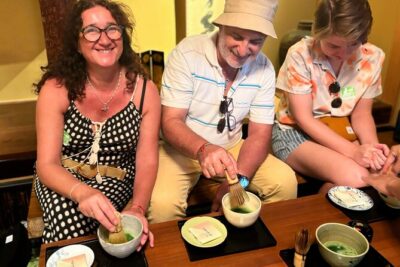
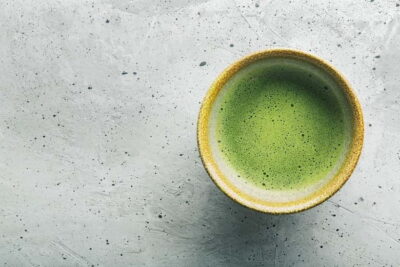
One of the most memorable activities is the hands-on matcha workshop. You may grind tea yourself using a traditional stone mill before preparing your own matcha.
This is not a quick demonstration where you watch someone else do the work. You get to handle the process. Grinding takes patience, and that slow pace helps you understand why finely powdered matcha has long been treated with care.
I like this activity because it changes the way you taste the final drink. You are not just handed a bowl and told that matcha is important. You have taken part in one stage of its preparation, so the flavor has a little more meaning.
The workshop is also a good fit for families. One family review describes the combination of matcha making, tea farms, local shops, and the tea ceremony as a highlight for the whole group. Children may need help with the equipment, but the activity gives them something concrete to do instead of asking them to listen quietly during a long walk.
Lunch built around tea dishes
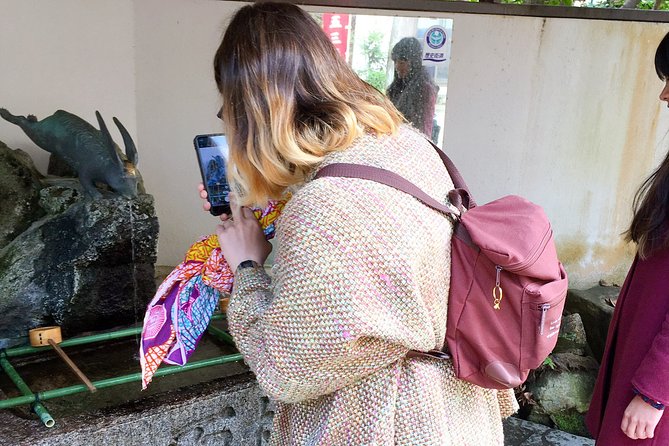
Lunch takes place at a famous tea house, where you stop for tea dishes. The available details do not provide a fixed menu, so you should not book this expecting a specific meal or a choice of particular courses.
What makes the lunch worthwhile is the idea behind it. Tea is treated as a cooking ingredient and part of a meal, not just a hot drink served at the end. This helps connect matcha with the wider food culture of Uji.
For people who already enjoy matcha desserts, lunch adds another layer. You can see how tea works in savory or prepared dishes rather than only in sweets. For food-focused visitors, this may be one of the best reasons to choose the experience.
The price includes more than a meal, of course, but lunch contributes to the value. You do not have to spend the middle of the tour searching for food or leave the route to find a suitable tea house. The meal is built into the day and supports the theme.
Learning the rules of a Japanese tea ceremony
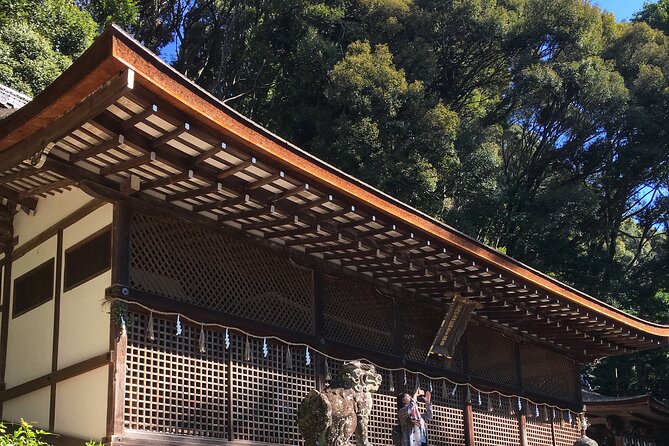
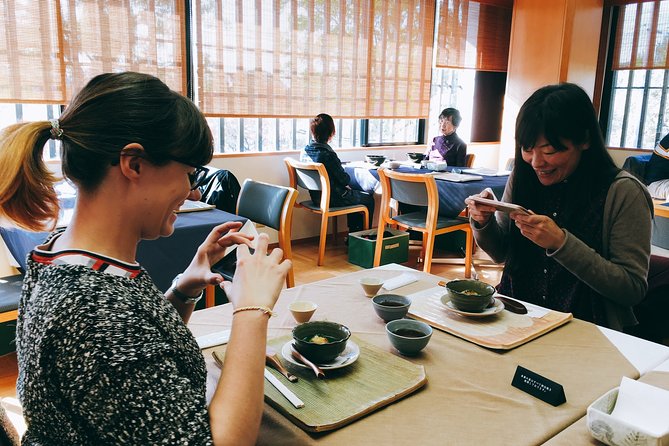
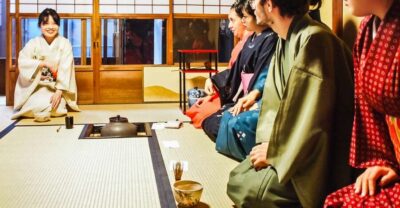
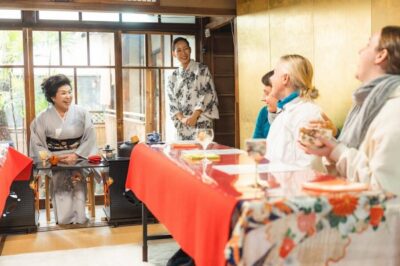
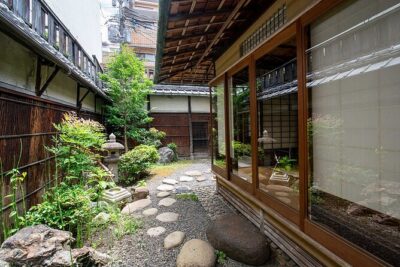
After lunch, the tour includes an authentic Japanese tea ceremony at a traditional tea house. This is more formal than ordering a matcha drink at a modern café.
A tea ceremony can be easy to misunderstand. It is not simply about drinking powdered tea. The movements, utensils, setting, hospitality, and attention to each step all matter. Your guide can help explain what you are seeing so that the quiet moments do not feel confusing or overly stiff.
Several experiences also include a chance to prepare matcha yourself, followed by a more formal ceremony. That contrast is useful. First, you learn by doing. Then, you watch a practiced presentation in a traditional setting.
I would treat this as a cultural lesson rather than a performance designed only for photographs. The ceremony may feel slow if you want constant activity, but that pace is part of the experience. It gives you a chance to notice details that are easy to miss when you are rushing from one attraction to the next.
Terumi’s role in shaping the day
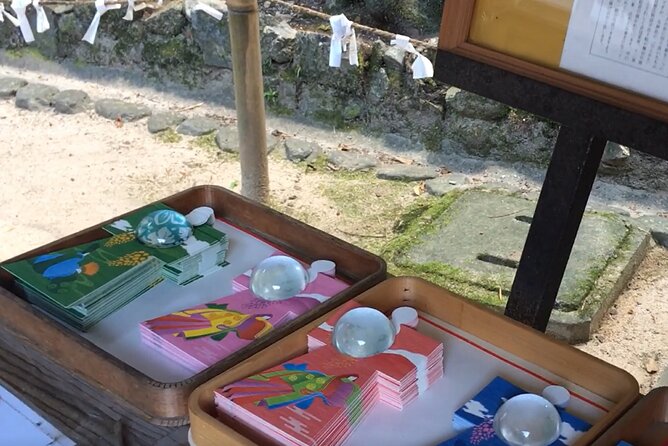
The guide can make or break a small walking tour, and Terumi receives especially warm praise. She is described as patient, friendly, thoughtful, and willing to answer questions. She also adjusts the pace to the group and takes pictures along the route.
That personal approach seems to be one of the strongest reasons the experience earns such high marks. You are not simply following a script. Terumi’s role includes explaining tea, temples, pottery, Japanese culture, and local businesses, while also helping bridge communication with merchants.
One particularly useful detail is that she accompanied a participant back to a tea shop after the tour to help with translation. That is not something you should assume is included every time, but it shows the kind of personal assistance associated with this guide.
A small group makes that support more realistic. With no more than seven people, you should have a better chance to ask questions and receive individual attention than on a large coach tour.
Walking, weather, and the five-hour schedule
This is a walking experience, not a bus tour with brief stops. The physical requirement is listed as moderate, so you should be comfortable being on your feet for several hours and moving between shrines, shops, tea-related sites, and tea houses.
The tour lasts approximately five to five-and-a-half hours. That is long enough to feel substantial, but short enough to combine with another Kyoto activity if you still have energy afterward.
Weather deserves attention. The experience requires good weather, and a June visit was described as hot for walking. Wear comfortable shoes, bring water, and consider a hat or other sun protection on warm days. The tour begins in the morning, which helps avoid the worst afternoon heat, but you should still prepare for outdoor time.
Because the route includes food and tea tastings, you may want to avoid arriving overly full. The experience is not a strict food tour, but sampling is one of its pleasures.
Is $157.65 a fair price?
At $157.65 per person, this is not a cheap way to see Uji. You could visit the town independently, enter free or low-cost sites, buy matcha sweets, and order tea for far less.
The comparison is not quite fair, though. The fee covers a planned half-day with a guide, tea tastings, a tea-focused meal, hands-on matcha preparation, access to a traditional tea ceremony, and help understanding local customs. It also removes the work of finding the right shops and figuring out how the different parts connect.
I think the cost makes sense if you care deeply about matcha, Japanese food, or cultural context. It is also a good choice for a family or small group that wants a guided day with varied activities.
The value is weaker if you only want to taste matcha or take a short walk through Uji. You can do those things independently. The real purchase here is access, explanation, structure, and personal guidance.
Who should book this Uji experience?
I would recommend it most strongly to:
- Matcha fans who want more than packaged sweets
- Food lovers curious about tea in cooking
- First-time visitors who want a guided introduction to Uji
- Families looking for hands-on cultural activities
- People who enjoy small groups and plenty of questions
- Visitors interested in shrines, tea farms, pottery, and Japanese customs
You may want to skip it if your priority is a fast sightseeing circuit, a low-cost outing, or a strenuous hike. You should also think twice if you dislike tea’s bitter or grassy flavor, since matcha is central to nearly every part of the day.
Booking details worth knowing
The meeting point is Uji Station in Uji, Kyoto Prefecture, and the experience ends back at the same place. It is near public transportation, which makes the start and finish fairly practical for a day trip from Kyoto.
Confirmation is provided when you book. Free cancellation is available up to 24 hours before the 9:30 a.m. start time. Changes or cancellations inside that 24-hour window are not accepted for a refund.
The experience may be canceled if the weather is poor or if the minimum number of participants is not reached. In those cases, you are offered another date or experience, or a full refund. Since it is often booked about 61 days ahead, reserve early if your Kyoto dates are fixed.
Should you book the Kyoto tea town tour?
Book it if matcha is a real interest, not just a souvenir flavor. The strongest parts are the old tea shop, the tea production visits, grinding your own powder, tea dishes at lunch, and the formal ceremony at a traditional tea house.
The price is high for five hours, and the walking can be tiring in warm weather. But the small group and Terumi’s attentive guiding give the day a personal feel that is hard to reproduce on your own.
If you want to understand why Uji matters to Japanese tea culture, this is a strong choice. If you only want a bowl of matcha and a few photos, save your money and explore independently.
FAQ
Where does the tour begin?
The tour begins at Uji Station in Uji, Japan. The listed address is Japan, 611-0021, Kyoto, Uji, Uji Umonji 17.
What time does the experience start?
The start time is 9:30 a.m.
Where does the tour end?
The experience ends back at the meeting point at Uji Station.
How long does the tour last?
It lasts approximately five to five-and-a-half hours.
How many people can join?
The maximum group size is seven travelers.
What is the price?
The listed price is $157.65 per person.
Does the tour include Uji Shrine?
Yes. Uji Shrine is included as a stop, with about 20 minutes scheduled there and no admission charge.
Will I visit an old tea shop?
Yes. The tour visits Tsuen Main Branch, a tea shop that is more than 850 years old, where you can taste matcha rice cake skewers.
Does the experience include a tea ceremony?
Yes. After lunch, you attend an authentic Japanese tea ceremony at a traditional tea house.
Can I cancel for a full refund?
Yes. You can cancel at least 24 hours before the experience start time for a full refund. Cancellations or changes made less than 24 hours before the start are not accepted for a refund.
Just added in Kyoto
- Uji: UNESCO Heritage & Tea Ceremony Walking Tour★ 4.6 · 54 reviews
- Uji: Green Tea Tour with Byodoin and Koshoji Temple Visits★ 4.8 · 72 reviews
- Traditional Tea Ceremony Experience in Kyoto★ 4.3 · 64 reviews
- Uji and Wazuka Matcha Farm Half Day Private Guided Tour★ 5.0 · 21 reviews
- Uji: Private immersion into Kyoto’s tea and reglious culture★ 5.0 · 17 reviews
- Uji Tea Ceremony and UNESCO Heritage Walking Tour★ 5.0 · 20 reviews
- Slow Cycling Tour at Uji’s Matcha Green Tea Fields and Heritage★ 5.0 · 25 reviews
- Kyoto Matcha Green Tea Tour★ 4.5 · 23 reviews
Tea Ceremonies, compared.
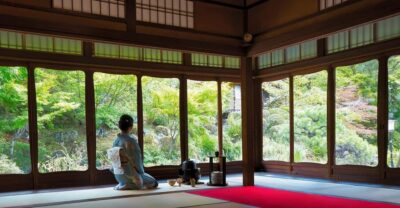
Tea Ceremony in a Traditional Tea House in Kiyomizu
Read our review →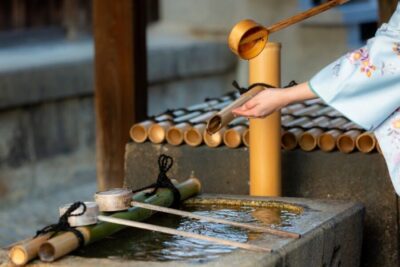
World Heritage Kyoto & Nara Uji Authentic Matcha Experience
Read our review →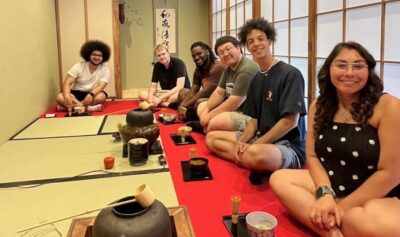
Browse the lists this tour appears in