
Reviewed · TEA CEREMONIES
Uji: UNESCO Heritage & Tea Ceremony Walking Tour
Uji rewards slow walking. This three-hour tour brings together the city’s best-known sights, from Byodoin Temple to the riverside bridges, while a local guide explains the customs behind them. I especially like the small group size of nine or fewer and the chance to take part in a tea ceremony at Taihoan, rather than simply viewing tea culture from outside.
I also like the way the tour joins Buddhist and Shinto sites with ordinary Uji treats and matcha shops. Guides such as Yuko, Katsu, Katsuhiko, and Nobumasa Miyake have been praised for clear English and thoughtful explanations. The main drawback is the pace: three hours is enough for highlights, but not for a relaxed, unhurried visit to every stop. You will also walk outdoors, cross bridges, and manage temple paths, so comfortable shoes matter.
In This Review
- Key points to know before booking
- Why Uji makes a smart half-day from Kyoto
- Byodoin Temple, Uji’s five-yen masterpiece
- Taihoan tea ceremony, with translation and participation
- Tachibara and Asagiri bridges, a change of pace
- Uji Shrine and Ujigami Shrine, two different windows on belief
- Matcha, mochi, and the final walk to Uji Bridge
- The guide can make or break the three hours
- Who should book this Uji experience?
- Final verdict: a well-priced cultural introduction to Uji
- FAQ
- How long does the Uji tour last?
- Where does the tour begin?
- Where does the tour finish?
- Is Byodoin Temple admission included?
- Is the tea ceremony included?
- What language is used during the tea ceremony?
- Can I take photos during the tea ceremony?
- What should I bring?
Key points to know before booking
- Byodoin Temple in 50 minutes: See Uji’s signature UNESCO World Heritage site with entrance included.
- Tea ceremony at Taihoan: The ceremony is held in Japanese, with your English-speaking guide translating and explaining each step.
- Nine-person maximum: A small group makes questions and conversation easier than on a large coach tour.
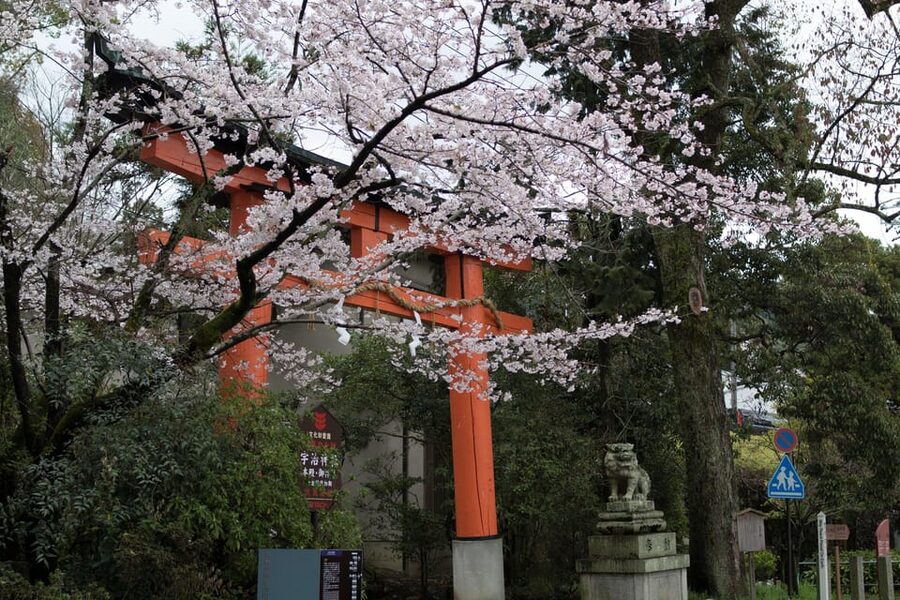
- Two historic shrines: Uji Shrine and Ujigami Shrine add Shinto context after the temple visit.
- Riverside walking: The Tachibara and Asagiri suspension bridges provide attractive views, but they also mean more walking.
- Finish near Uji Bridge: End close to local snacks and green tea, with time to continue exploring on your own.
Why Uji makes a smart half-day from Kyoto
Uji is well suited to a short cultural outing. It has a famous temple, old shrines, a strong tea tradition, and an easy-to-follow walking route. You get more than a single monument, but you do not have to spend a full day managing transport between scattered sights.
The tour starts at the south exit of JR Uji Station. Your guide will wear a TripGuru shirt or hold a TripGuru sign, which is useful at a busy station. Arrive at least 10 minutes early. That small buffer matters, especially if you are coming from Kyoto or another nearby city and morning traffic affects your plans.
I like the starting point because it keeps the meeting arrangement simple. There is no hotel pickup, so you must reach Uji on your own, but the station meeting avoids a long series of hotel stops. Once the group gathers, the route continues on foot.
The price is $66 per person. That is not the cheapest way to see Uji, since you could visit some sights independently, but the fee includes an English-speaking guide, Byodoin admission, and a tea ceremony. The value depends on how much you want cultural explanation. If you are happy to read signs and navigate alone, the price may feel high. If you want the temple customs, shrine traditions, and tea etiquette explained in plain English, the cost is more reasonable.
More Tea Ceremonies in Kyoto
- Kyoto: Tea Ceremony in a Traditional Tea House in Kiyomizu
★ 4.9 · 3,519 reviews - Kyoto: Tea Ceremony Ju-An at Jotokuji Temple
★ 4.9 · 3,207 reviews - Kyoto: 45-Minute Tea Ceremony Lesson Experience
★ 4.3 · 2,378 reviews
Byodoin Temple, Uji’s five-yen masterpiece
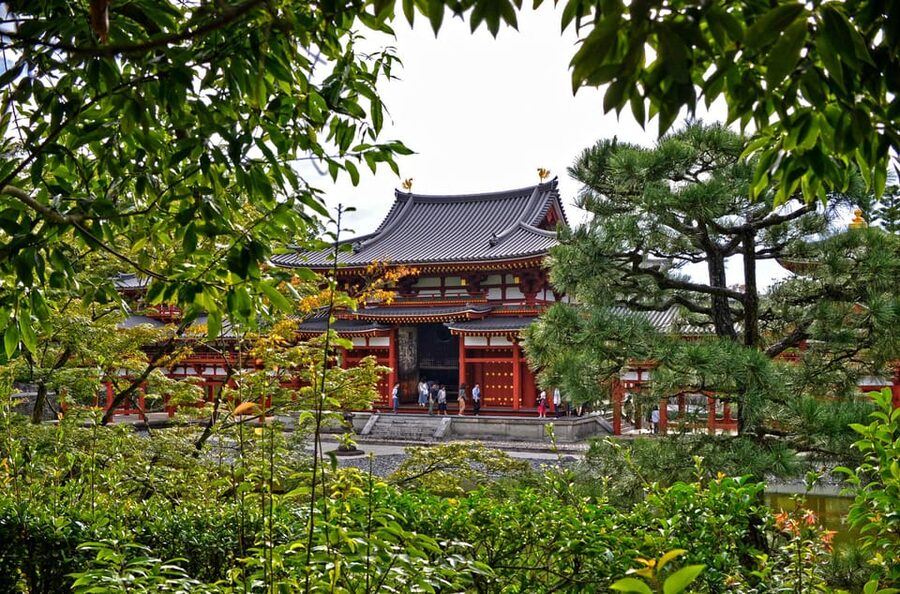
The first major stop is Byodoin Temple, with about 50 minutes for a guided visit. This is the visual centerpiece of the tour and the reason many people first put Uji on their Japan plans.
Byodoin is famous for the Phoenix Hall, whose image appears on the Japanese 10-yen coin. The site is also recognized as a UNESCO World Heritage Site. Your guide can help connect the building, religious tradition, and national symbolism, rather than leaving you to admire the architecture without context.
Fifty minutes is a useful amount of time for a first visit. You should have enough room to see the main grounds and listen to an explanation without turning the stop into a rushed photo break. At the same time, this is not an extended architectural study. If you want every museum display or a slower look at the grounds, you may wish you had more time.
The temple is a strong early stop because it gives the rest of the walk a frame. After seeing a major Buddhist site, you can better understand why the later Shinto shrines feel different. Good guides make those contrasts clear without turning the walk into a lecture.
Bring your camera for the temple grounds, but remember that photography and video are prohibited during the tea ceremony later. Keep those two settings separate: Byodoin is a place for careful looking and photographs, while Taihoan asks you to put the camera away and pay attention.
Taihoan tea ceremony, with translation and participation
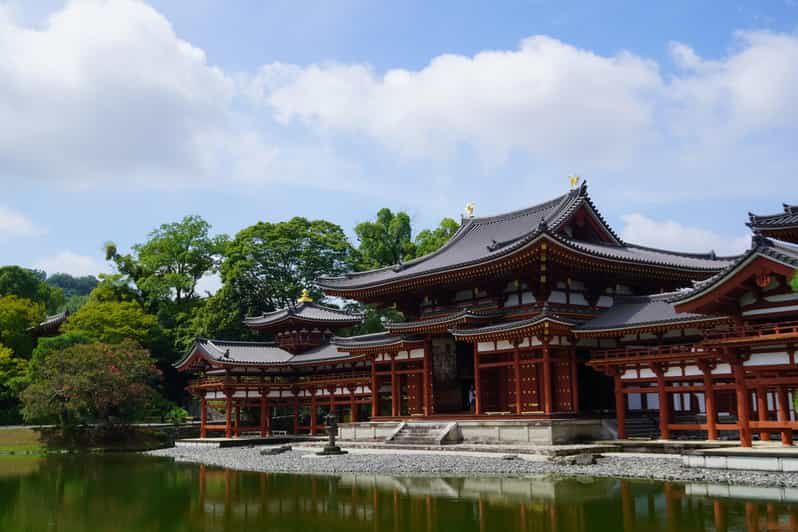
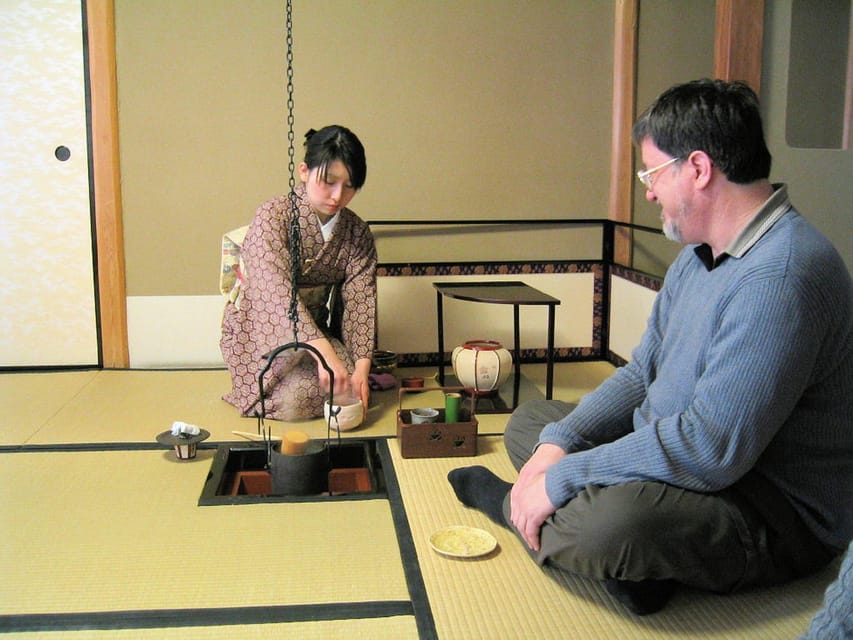
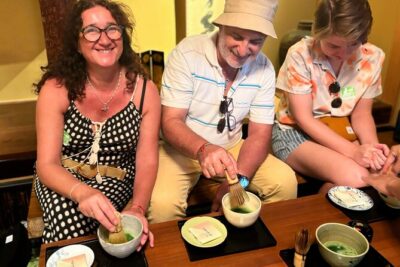
The tea ceremony is scheduled for roughly 40 minutes, with 30 minutes of tea ceremony included in the booking details. This is one point where the timing may feel slightly unclear, but you can expect a substantial, focused introduction rather than a quick cup of tea.
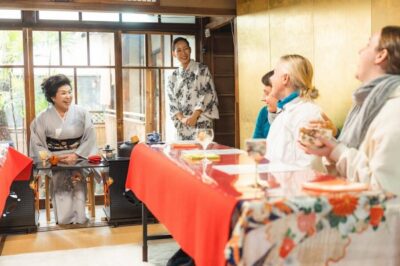
The ceremony is conducted in Japanese only. Your guide translates and explains what is happening, which is important because the value lies in the movements, manners, and meaning, not just in drinking matcha. You receive instructions on how to behave, and you may get the chance to try the process yourself.
That guided translation is a real advantage. Japanese tea etiquette can seem mysterious if you do not know where to look, how to receive the bowl, or why each action is done in a particular order. The guide’s explanation lets you concentrate on the ceremony without worrying that you are making a serious mistake.
The atmosphere is formal, but you do not need to arrive as a tea expert. One particularly useful detail from the experience is that the host is forgiving and welcoming when a movement does not go perfectly. That makes this a good first tea ceremony for someone who wants cultural contact without the pressure of performing flawlessly.
Do not take photos or video during the ceremony. This rule is clearly stated and should be respected. Bring cash if you want to buy personal treats later, since snacks and shopping are not included.
Tachibara and Asagiri bridges, a change of pace
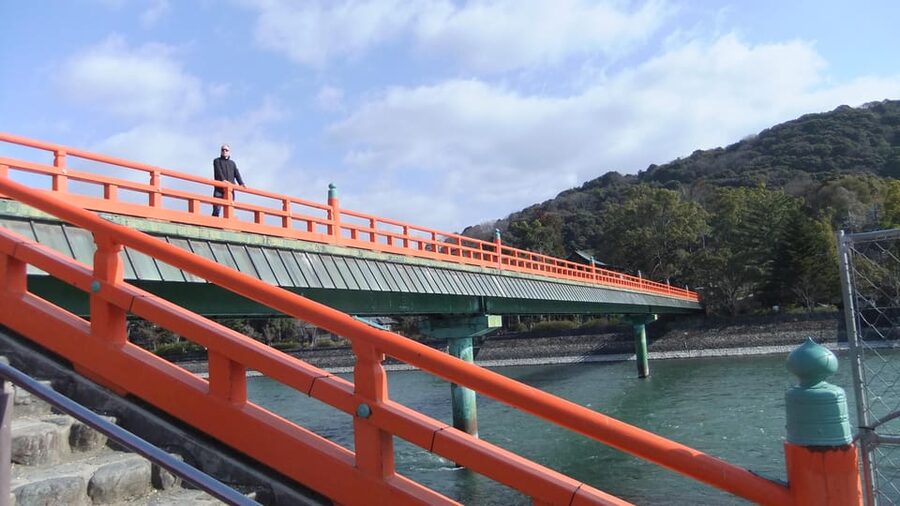
After the tea ceremony, the route includes a short walk of about 10 minutes and crosses the Tachibara and Asagiri suspension bridges. These crossings give the tour a welcome change of pace after the temple and formal tea setting.
The bridges offer views of the Uji River and surrounding scenery. This is where the tour feels less like a checklist of famous buildings and more like a walk through the city itself. Pause when the guide allows, take photographs, and notice how the river shapes Uji’s identity.
The bridge section is also a practical reason to wear supportive shoes. The tour lasts three hours, and the route includes several outdoor stops. People with mobility impairments may find the pace and walking difficult. The experience is also listed as unsuitable for pregnant women and people with heart or respiratory problems.
That restriction is worth taking seriously. This is not a seated sightseeing tour. You move between sights, spend time outdoors, and cross suspension bridges. If you need frequent rest breaks or have concerns about walking, an independent plan with fewer fixed stops may work better.
More Walking Tours in Kyoto
- Kyoto Geisha Walking Tour: Gion District & Hidden Gems
★ 4.7 · 3,273 reviews - Kyoto: Gion Magical Night Walking Tour with Geisha Trivia
★ 4.9 · 2,393 reviews - Kyoto: Gion Geisha District Walking Tour – Stories of Geisha
★ 4.7 · 2,187 reviews - Night Walk in Gion: Kyoto’s Geisha District
★ 4.5 · 2,003 reviews
Uji Shrine and Ujigami Shrine, two different windows on belief
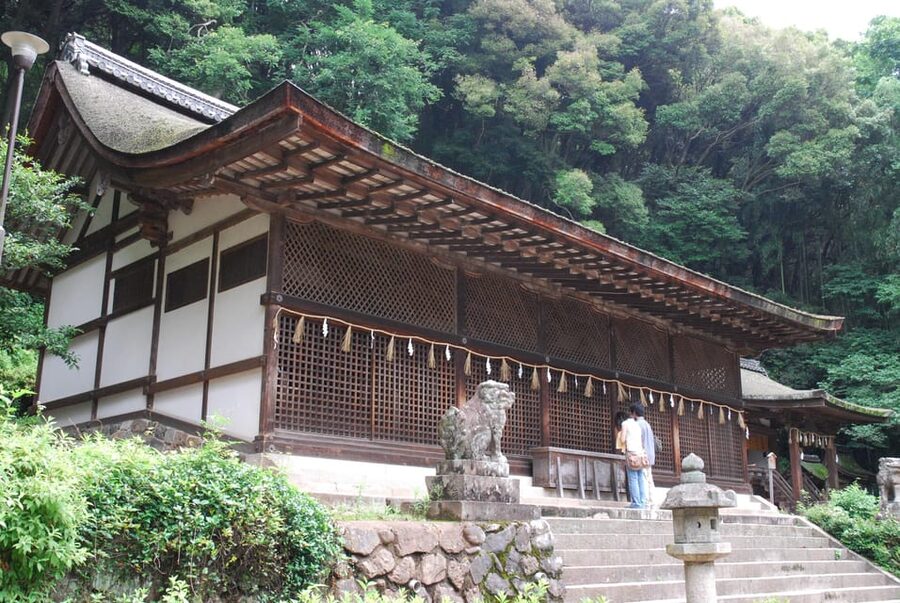
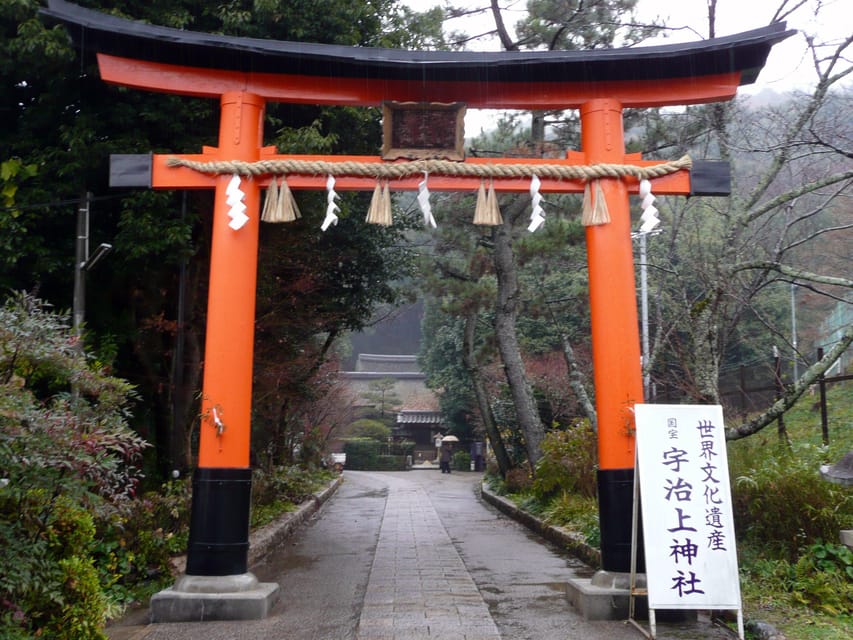
The tour then visits Uji Shrine for about 20 minutes and Ujigami Shrine for another 20 minutes. Both are important cultural stops, but they are not simply two versions of the same place.
This is where a good guide adds real value. Japanese religious sites can be confusing at first because Buddhist temples and Shinto shrines may appear close together, yet their customs, structures, and roles differ. Guides such as Yuko and Katsuhiko have been praised for making Shinto and Buddhist traditions understandable to people who are new to Japan.
At Uji Shrine, you can ask questions while the earlier temple visit is still fresh. Ujigami Shrine then adds another layer to the city’s religious story. The exact depth of the explanation may vary by guide and group, but the scheduled time gives each shrine more than a quick photo stop.
I would not book this tour only for the shrines if you have already spent weeks visiting religious sites across Japan. In that case, the tea ceremony and Byodoin may be the stronger reasons to come. But if you want a compact introduction to Japanese religious traditions, the combination works well.
Matcha, mochi, and the final walk to Uji Bridge
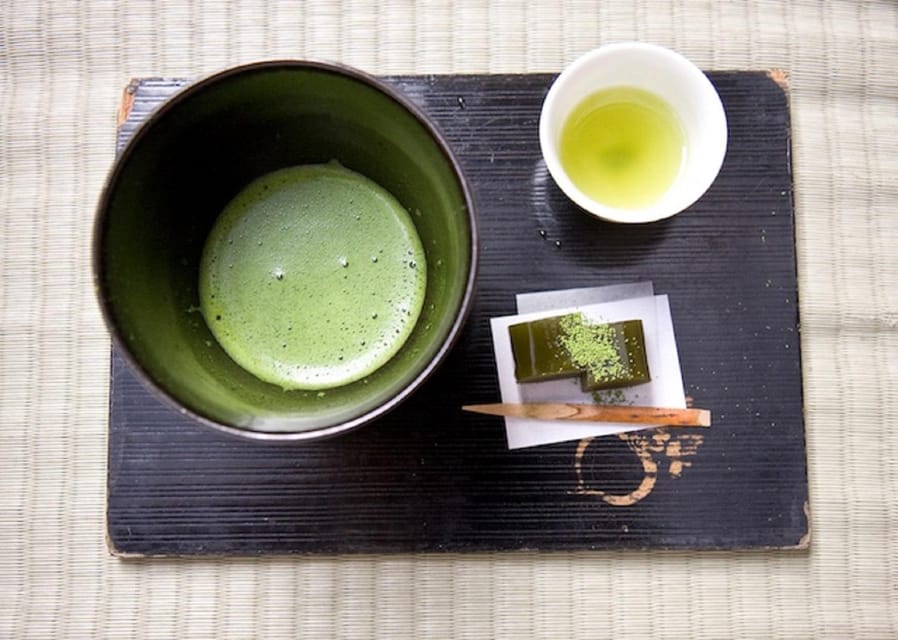
The last part of the route allows about 40 minutes for local snacks and green tea, ending at Uji Bridge. This is a smart finish. You see Uji’s ceremonial side first, then get time to enjoy the everyday pleasure that made the city famous: tea and sweets.
Uji is closely linked with green tea, and the tour helps you experience that connection through tastings and local culinary treats. Matcha can be bitter, sweet, creamy, or intensely grassy depending on how it is served. The same is true of tea-flavored sweets, so this is a good moment to compare rather than assume every green item tastes alike.
Several guides have also offered recommendations for matcha shops, restaurants, and mochi shops. That sort of advice can be more useful than another short lecture, especially if you plan to stay in Uji after the tour. The tour ends at Uji Bridge, not back at the station, so you can continue eating, shopping, or walking from there.
Personal expenses are not included. Carry cash, as requested by the operator, if you want to buy snacks or drinks. The final stop is not a full meal, so plan lunch or dinner separately if your schedule requires it.
The guide can make or break the three hours
The strongest part of this experience is the guiding. The published English-language format is supported by repeated praise for guides including Yuko, Katsu, Katsuhiko, and Nobumasa Miyake. Their strengths are described in consistent terms: clear English, patience, cultural knowledge, humor, and a willingness to answer questions.
That matters because the tour covers several subjects in a short time. You move from Buddhist architecture to tea etiquette, then to Shinto shrines and local food. Without explanation, those stops could feel disconnected. A good guide turns them into a story about Uji’s religious life, tea culture, and daily customs.
The small group limit of nine is another plus. You are more likely to hear the guide near a temple gate or shrine entrance, and asking a question does not hold up dozens of people. It also makes the walk feel more personal.
Still, a small group is not a guarantee of a private tour. The exact guide, group makeup, and amount of conversation can vary. The schedule is fairly full, so do not expect long periods of independent exploration at each site.
Who should book this Uji experience?
I would recommend this tour to first-time visitors who want a clear introduction to Uji in one morning or afternoon. It suits you especially well if you care about the meaning behind Japanese temples and shrines, but do not want to research every custom before arriving.
It is also a good choice if the tea ceremony is a priority. You receive explanations in English, learn how to take part, and get a more respectful introduction than a simple tea tasting. The ceremony is conducted in Japanese, so translation from the guide is essential and included in the format.
Food-minded visitors should appreciate the final snack stop and the advice about matcha and mochi shops. The tour also works for solo visitors who prefer company for the walk, provided they are comfortable joining a small group.
I would think twice if you want a slow, photographic day. Fifty minutes at Byodoin and 20 minutes at each shrine give you an overview, not unlimited time. I would also choose another plan if walking, bridges, or outdoor activity are difficult for you.
The cancellation policy is friendly: you can cancel up to 24 hours in advance for a full refund, and you can reserve now while paying later. Starting times vary, so check availability before building the rest of your day around it.
Final verdict: a well-priced cultural introduction to Uji
At $66, this is a fair buy for a three-hour guided visit that includes Byodoin admission and a tea ceremony. You are paying for structure, translation, local context, and the convenience of connecting major sights without planning the route yourself.
The tour’s best moments are the tea ceremony, the explanations of Buddhist and Shinto traditions, and the small-group access to a friendly English-speaking guide. The main compromises are a fixed pace, no hotel pickup, extra costs for personal food purchases, and a fair amount of walking.
Book it if you want Uji explained as a living tea town rather than treated as a single temple stop. Skip it if you prefer complete independence or need a low-effort sightseeing day. For most visitors with three hours to spare, this is a thoughtful way to meet Uji, finish near the river, and leave with more than a bag of matcha.
FAQ
How long does the Uji tour last?
The tour lasts three hours.
Where does the tour begin?
It begins at JR Uji Station, at the south exit.
Where does the tour finish?
The tour finishes at Uji Bridge.
Is Byodoin Temple admission included?
Yes. Entrance to Byodoin Temple is included.
Is the tea ceremony included?
Yes. The booking includes a 30-minute tea ceremony, with the tea ceremony portion scheduled for about 40 minutes in the tour timing.
What language is used during the tea ceremony?
The tea ceremony is conducted in Japanese. Your English-speaking guide translates and explains it to you.
Can I take photos during the tea ceremony?
No. Photo and video recording are prohibited during the tea ceremony.
What should I bring?
Bring comfortable shoes, a camera for the sightseeing portions, and cash for personal expenses such as local snacks or purchases.
Just added in Kyoto
- Uji: Green Tea Tour with Byodoin and Koshoji Temple Visits★ 4.8 · 72 reviews
- Traditional Tea Ceremony Experience in Kyoto★ 4.3 · 64 reviews
- Uji and Wazuka Matcha Farm Half Day Private Guided Tour★ 5.0 · 21 reviews
- Uji: Private immersion into Kyoto’s tea and reglious culture★ 5.0 · 17 reviews
- Kyoto tea town for matcha lovers★ 5.0 · 16 reviews
- Uji Tea Ceremony and UNESCO Heritage Walking Tour★ 5.0 · 20 reviews
- Slow Cycling Tour at Uji’s Matcha Green Tea Fields and Heritage★ 5.0 · 25 reviews
- Kyoto Matcha Green Tea Tour★ 4.5 · 23 reviews
Tea Ceremonies, compared.
Tea Ceremony in a Traditional Tea House in Kiyomizu
Read our review →
World Heritage Kyoto & Nara Uji Authentic Matcha Experience
Read our review →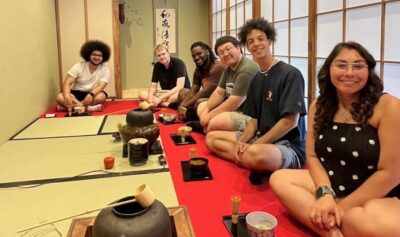

Browse the lists this tour appears in