
Reviewed · TEA CEREMONIES
Matcha Grinding Experience and Walking Tour in Uji Kyoto
Turn tea leaves into your afternoon ritual. This four-hour outing takes you from Kyoto to Uji, Japan’s best-known tea region, with a stone-mill matcha workshop and a visit to Byodo-in Temple. I especially like the hands-on lesson, since you make the powder yourself, and the small group limit of six, which should keep the walk personal. The one concern is the price, $130.46 per person, which is a serious spend for a half-day tour.
The itinerary also has a nice balance of famous sights and local tea culture. Guide Vincent has earned warm praise for explaining the temples, shrines, and workshop clearly, and some departures have operated as private tours when no other guests booked. You must meet at Kyoto Station at 9:30 a.m., arrange your own way there, use WhatsApp for guide contact, and wear a mask during the matcha class.
In This Review
- Key points at a glance
- Why Uji makes a smart tea day from Kyoto
- Starting at Kyoto Station at 9:30 a.m.
- Byodo-in Temple and the 10-yen coin connection
- Uji Shrine and the walking route
- Grinding your own matcha at Fukujuen Ujicha Kobo
- What the guides add to the experience
- Is $130.46 good value?
- Practical details to settle before booking
- Who should book this Uji experience?
- Should you book it?
- FAQ
- How long does the Matcha Grinding Experience and Walking Tour last?
- What time does the tour begin?
- Where is the meeting point?
- Is hotel pickup included?
- What is included in the tour price?
- Do I need to wear a mask?
Key points at a glance
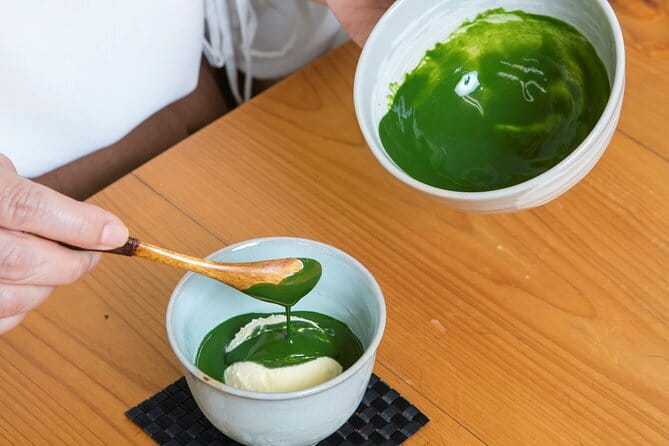
- Fresh matcha from a traditional stone mill: You grind tea leaves into powder, then prepare and drink the tea you made.
- Byodo-in on the 10-yen coin: The temple visit gives you a direct look at one of Japan’s most recognizable buildings.
- A compact Uji walking route: Byodo-in, Uji Shrine, and Fukujuen Ujicha Kobo create a focused introduction to the town.
- A small group of up to six: This is a better setup for questions and conversation than a large coach tour.
- A sweet finish: Your matcha comes with Japanese snacks or matcha ice cream.
- Flexible cancellation: Cancel at least 24 hours before the 9:30 a.m. start for a full refund.
Why Uji makes a smart tea day from Kyoto
Uji gives you a different side of Kyoto. Instead of spending another morning moving between major city temples, you head to a place closely linked with high-quality Japanese green tea. The tour uses that setting well, pairing historic sites with a practical lesson about the drink itself.
I like this combination because the tea is not treated as a quick tasting. You handle the leaves, work the stone mill, prepare the powder, and drink the result. That simple process gives you a better sense of the care behind matcha than ordering a green tea dessert at a café.
The walking portion also keeps the day grounded. You are not just being driven between photo stops. The listed route includes Byodo-in Temple, Uji Shrine, and Fukujuen Ujicha Kobo, with explanations about Uji tea and the area’s past along the way.
At four hours, the experience is long enough to feel substantial without taking your whole day. You can still plan another Kyoto activity afterward, though the exact pace will depend on the guide, group, and time spent at the workshop.
More Tea Ceremonies in Kyoto
- Kyoto: Tea Ceremony in a Traditional Tea House in Kiyomizu
★ 4.9 · 3,519 reviews - Kyoto: Tea Ceremony Ju-An at Jotokuji Temple
★ 4.9 · 3,207 reviews - Kyoto: 45-Minute Tea Ceremony Lesson Experience
★ 4.3 · 2,378 reviews
Starting at Kyoto Station at 9:30 a.m.
The meeting point is Shinshindo at the Central Exit area of JR Kyoto Station, inside the bus ticket center at 902 Higashishiokoji-cho. That is a practical location for a morning start, since Kyoto Station is easy to identify and close to public transportation.
You should arrive early enough to find the Central Exit and the bus ticket center without rushing. The tour does not include hotel pickup, so this first meeting is your responsibility. A mobile ticket is provided, and confirmation is sent within 48 hours of booking, subject to availability.
Keep WhatsApp available before the tour. The guide uses it for contact, so checking your messages before leaving your hotel is a sensible step. This matters most if you are unfamiliar with Kyoto Station or need help locating the exact meeting point.
The tour ends back at the original meeting point. That makes the start and finish easy to plan, but it also means you should not schedule a distant reservation immediately after the tour. Give yourself some breathing room for the return.
Byodo-in Temple and the 10-yen coin connection
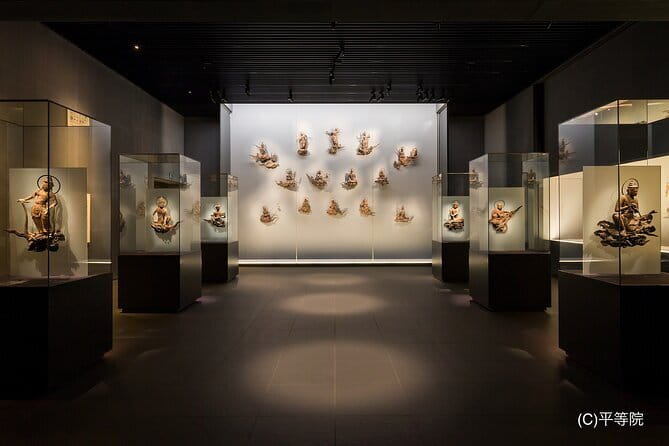
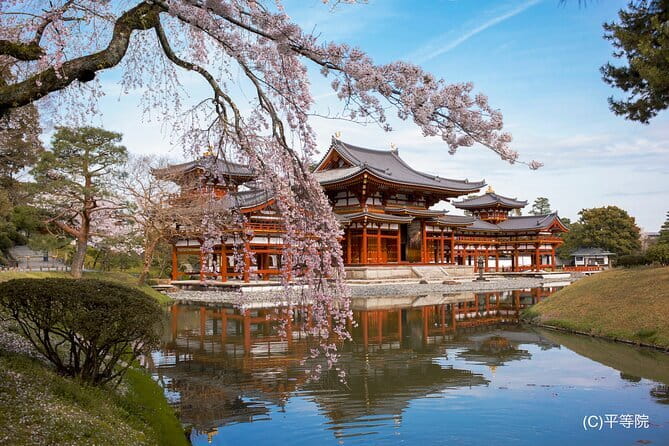
Byodo-in is the visual anchor of the morning. The temple is a UNESCO World Heritage Site and is famous for appearing on Japan’s 10-yen coin. Seeing the actual building after handling the coin gives the visit a pleasant sense of recognition, especially if you have already used Japanese currency during your trip.
The temple is included in the tour price, so you do not need to arrange that admission separately. The value here is not only the ticket. A guide can point out what you are looking at and connect the temple to Uji’s wider cultural role.
Expect this stop to appeal most to people who enjoy architecture, religious sites, and Japanese history. If you prefer a long, quiet temple visit with plenty of time for independent photography, the group schedule may feel more structured than going alone.
The tour description does not promise every area of the temple complex or a specific amount of free time. I would treat Byodo-in as a guided highlight rather than an open-ended temple morning. You get context and admission, then continue with the tea-focused part of the route.
That balance is useful. Byodo-in gives the day a major cultural sight, while the workshop keeps the experience from becoming another temple checklist.
Uji Shrine and the walking route
Uji Shrine is the second listed stop. Its inclusion adds variety after Byodo-in, giving you another religious site rather than repeating the same kind of attraction. The route lets you see Uji through both its temple and shrine traditions.
The walk between stops is part of the point. You get time to notice the town at street level and hear the guide explain what you are seeing. Vincent has been praised for showing several temples and shrines and for making the explanations easy to follow, which is especially helpful if you do not already know the difference between Japan’s major religious traditions.
A walking tour is also more dependent on your comfort than a seated activity. Wear shoes you can walk in and dress for the weather. The supplied details do not give a distance or accessibility rating, so anyone with mobility concerns should ask the provider before booking.
The small group limit helps here. With no more than six people, it should be easier to hear the guide and pause for questions. One departure became private, allowing the group to go with the flow. That can happen, but you should not book expecting a private tour every time.
More Walking Tours in Kyoto
- Kyoto Geisha Walking Tour: Gion District & Hidden Gems
★ 4.7 · 3,273 reviews - Kyoto: Gion Magical Night Walking Tour with Geisha Trivia
★ 4.9 · 2,393 reviews - Kyoto: Gion Geisha District Walking Tour – Stories of Geisha
★ 4.7 · 2,187 reviews - Night Walk in Gion: Kyoto’s Geisha District
★ 4.5 · 2,003 reviews
Grinding your own matcha at Fukujuen Ujicha Kobo

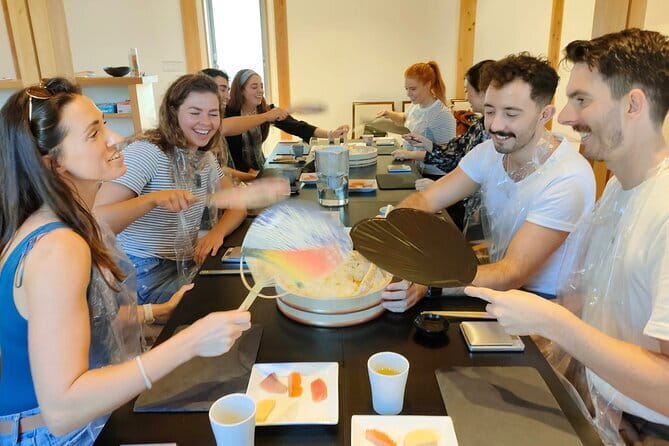
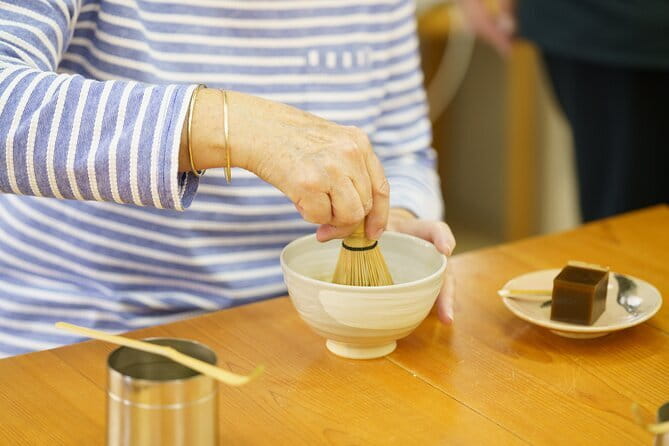
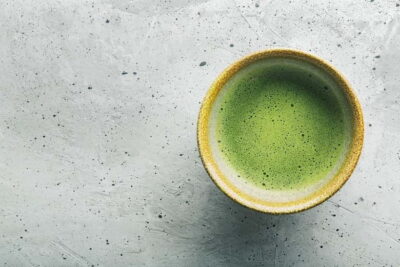
The workshop at Fukujuen Ujicha Kobo is the most distinctive part of the day. You use a traditional stone mill to grind tea leaves into matcha powder, then drink the tea you have prepared. This is a hands-on activity, not simply a demonstration.
The process gives you a better feel for matcha’s texture and preparation. You can see that the powder does not appear by magic in a café bowl. The work is slow and physical enough to make the final cup feel earned, even if your main job is turning the mill.
The workshop also gives the guide a natural opening to explain why Uji is associated with high-quality green tea. That context is important. You are not only sampling a popular Japanese flavor; you are learning why this particular place has such a strong connection to it.
You should wear a mask during the matcha-making class. That is a stated requirement, so pack one rather than assuming you can find one at the venue. The tour includes the class, which makes the $130.46 price easier to assess if you specifically want instruction and a cultural activity rather than sightseeing alone.
After making the tea, you receive Japanese snacks or matcha ice cream. The choice gives the ending a light, enjoyable touch. Matcha ice cream may be the obvious pick for dedicated fans, while Japanese sweets offer a more traditional pairing. The exact choice is yours from the options provided.
What the guides add to the experience
The strongest feedback centers on Vincent. He is described as friendly and clear, with a gift for explaining both what you see and why it matters. That kind of guiding is valuable in Uji, where a short walk can include religious buildings, tea customs, and local history that are easy to miss on your own.
The praise is also specific to the tour’s flexibility. One outing became private, and the group could adjust the pace. Another account highlights the guide’s ability to explain the matcha-making process while discussing the area. Those details suggest a tour built around conversation rather than a memorized speech delivered at fixed points.
Still, a guide-led experience always varies by departure. The maximum group is six, but the number of people booked on your date is not guaranteed. If you value questions, personal attention, and a little room to adjust the pace, this format is a strong fit.
If you prefer complete independence, you may find the fixed meeting time and guided route limiting. The appeal lies in having someone connect the sights and tea culture for you.
Is $130.46 good value?

At $130.46 per person, this is not a budget way to see Uji. You are paying for more than entry to a temple and a cup of tea. The price includes Byodo-in admission, the matcha-making class, a snack or ice cream, and an English-guided walking tour.
The key question is what you want from your day. If you would otherwise visit Byodo-in independently, stop for tea, and look for a workshop, the bundled format may save planning effort and provide better context. The small group size also gives the price more weight than a basic group excursion.
The value is weaker if you only want a quick taste of matcha or a short look at Byodo-in. You could spend less by visiting sites independently, but you would give up the structured lesson, guide explanations, and arranged tea activity.
I see this as a specialist experience. Matcha fans, first-time visitors to Uji, and people who like learning by doing will get the most from it. If temples are your main interest and tea is secondary, compare the price with a simple independent visit before committing.
The perfect score from 26 ratings and a 100 percent recommendation record are encouraging, particularly because the praise focuses on the guide and the workshop rather than only on the scenery. That said, good feedback cannot remove the basic price issue. Book it because the tea lesson matters to you, not just because Uji is on your itinerary.
Practical details to settle before booking
The tour lasts about four hours and begins at 9:30 a.m. It ends at the same Kyoto Station meeting point, so plan your day around that return rather than treating it as a one-way trip to Uji.
The tour is near public transportation, but hotel pickup is not included. You need to reach Shinshindo at Kyoto Station yourself. A mobile ticket is available, and confirmation arrives within 48 hours if space is available.
The provider requires WhatsApp for easy communication with the guide. Make sure you can use it before the morning of the tour. You also need to wear a mask during the matcha workshop.
Free cancellation is available until 24 hours before the start time. After that point, the fee is not refunded and changes are not accepted. The experience also requires a minimum number of participants. If the provider cancels because that minimum is not reached, you will be offered another date or experience, or receive a full refund.
Who should book this Uji experience?
I would recommend it to you if you want three things in one morning: a major Uji temple, a small-group walk, and a real matcha activity. It is especially well suited to anyone who wants more than a postcard view and would enjoy learning the basic story behind Uji tea.
Families and couples may appreciate the short duration and sweet treat. Tea enthusiasts will get the clearest benefit from grinding their own powder. Solo visitors may also value the guide’s company and the chance to ask questions in a group of no more than six.
I would hesitate if you dislike guided schedules, cannot comfortably manage a walking route, or are mainly searching for the cheapest way to see Byodo-in. The tour has a clear focus, and that focus is tea culture, not a broad survey of every major Uji attraction.
Should you book it?
Book this tour if fresh matcha, Byodo-in Temple, and personal guidance sound better than spending a morning piecing Uji together alone. The strongest reasons are the stone-mill workshop, the compact group, and Vincent’s praised explanations of the temples and tea customs.
Skip it if the $130.46 price feels too high for a four-hour outing or if you would rather choose your own stops and timing. For the right person, this is a memorable way to understand Uji through both its famous temple and the drink that made the town famous.
FAQ
How long does the Matcha Grinding Experience and Walking Tour last?
The tour lasts approximately four hours.
What time does the tour begin?
It starts at 9:30 a.m.
Where is the meeting point?
The meeting point is Shinshindo at the Central Exit of JR Kyoto Station, inside the bus ticket center at 902 Higashishiokoji-cho, Shimogyo Ward, Kyoto.
Is hotel pickup included?
No. Hotel pickup is not included, so you must make your own way to the Kyoto Station meeting point.
What is included in the tour price?
The price includes admission to Byodo-in Temple, the matcha-making class, and Japanese snacks or matcha ice cream.
Do I need to wear a mask?
Yes. A mask is required during the matcha-making workshop. WhatsApp should also be available so the guide can contact you before the tour.
Just added in Kyoto
- The “Golden Route” and Ancient Japan by DIAMIR Erlebnisreisen – 14-Day Tour★ 2.0 · 2 reviews
- Japan: Castles & Cuisine by G Adventures – 6-Day Kyoto to Osaka Tour★ 4.5 · 4 reviews
- Cycle Japan by Explore! – 13-Day Kyoto to Tokyo Tour★ 4.7 · 12 reviews
- Cycle Japan by Intrepid Travel – 11-Day Kyoto to Tokyo Tour★ 4.8 · 2 reviews
- Classic Japan by Intrepid Travel – 11-Day Kyoto to Tokyo Tour★ 4.4 · 14 reviews
- Ancient & Modern Japan 14-Day Tour by Exodus Adventure Travels★ 4.4 · 40 reviews
- 5 Day Cultural Adventure of Kyoto, Nara & Osaka by Tourist Journey★ 2.5 · 2 reviews
- 12 Days Kinosaki Onsen Escape: A Journey Through Japan’s Timeless Towns by UME Travel★ 4.8 · 5 reviews
Tea Ceremonies, compared.
Tea Ceremony in a Traditional Tea House in Kiyomizu
Read our review →
World Heritage Kyoto & Nara Uji Authentic Matcha Experience
Read our review →
Browse the lists this tour appears in