Reviewed · KYOTO TOURS
Uji: Private immersion into Kyoto’s tea and reglious culture
Uji rewards a slower morning. This private four-hour outing links premium gyokuro tea, Zen Buddhism, Shinto worship, and the famous Byodo-in Temple in a small group of no more than eight. I especially like the careful tea tasting at Takumi-no Yakata and the calm walk through Uji Park, where the river still explains much of the town’s past. The main drawback is the number of stairs, so this is not an effortless sightseeing stroll.
The tour is also shaped by its guide. Ferdi, Damian, Kevin, Mika, David, and Lito have each led guests through Uji, with praise for their friendly approach, clear explanations, and ability to adjust the pace. Bring cash for purchases or meals, and meet at the Keihan Uji Station Information Centre at 9 a.m.
In This Review
- Key points to know before you book
- Why Uji makes a smart break from central Kyoto
- Starting with gyokuro at Takumi-no Yakata
- Ujigami Shrine and the spring beneath Uji
- Koshoji Temple and the Zen connection to tea
- Byodo-in, the Phoenix Hall, and the 10 yen coin
- Walking Byodo-in Omotesando through Uji’s tea trade
- Uji Park, cormorant fishing, and the river
- What the private format adds
- Is $162.41 a fair price?
- Who will enjoy this Uji morning most?
- FAQ
- How long does the Uji tea and culture tour last?
- Where does the tour start?
- What is included in the tour price?
- Is food included beyond the tea tasting?
- How large is the tour group?
- Is the tour suitable for people who have trouble with stairs?
- Should you book this Uji tour?
Key points to know before you book
- Gyokuro is the morning’s centerpiece: You learn how Japan’s highest-grade green tea is brewed, then taste it with a Japanese sweet.
- Byodo-in includes the museum: Your admission covers both the temple grounds and the museum, giving the famous Phoenix Hall more context.
- Uji connects tea and religion: Ujigami Shrine, Koshoji Temple, and Byodo-in show how Shinto and Buddhism shaped local customs.
- The group is capped at eight: That makes questions and pacing easier than on a large bus tour.
- The route includes stairs: A moderate level of fitness is recommended, though the operator says the route can be modified if needed.
- The price reflects access and guidance: At $162.41 per person, this is best value for visitors who want interpretation, admissions, and a focused private experience rather than a cheap walk.
Why Uji makes a smart break from central Kyoto
Uji sits close enough to Kyoto for a convenient outing, yet it feels removed from the city’s busiest sightseeing lanes. The town is tied to tea, temples, shrines, and the Uji River, so the tour gives you several sides of Japanese culture in one compact area.
I like that the schedule does not treat tea as a quick souvenir stop. You begin with the drink itself, then connect it to Buddhism, pilgrimage routes, local trade, and spiritual practice. That order helps you notice more as the morning continues.
The tour lasts about four hours and returns to the starting point. Since it begins at 9 a.m., you get an early start before the day has fully gathered speed. The exact pace depends on your guide and group, but the listed stops allow roughly 30 to 45 minutes each, with walking between them.
A few more options to weigh up in Kyoto
- PERFECT KYOTO 1-Day Bus Tour
★ 5.0 · 13,518 reviews - [Kyoto & Nara Day Tour] Sagano Scenic Railway & Nara Park & Fushimi Inari Taisha Thousand Torii Gates & Togetsukyo Bridge & Bamboo Grove & Kimono Forest (Departing from Osaka)
★ 4.9 · 10,942 reviews - Kyoto: Fushimi Inari, Kinkakuji, Bamboo Grove 1 Day Bus Tour
★ 4.8 · 4,316 reviews
Starting with gyokuro at Takumi-no Yakata
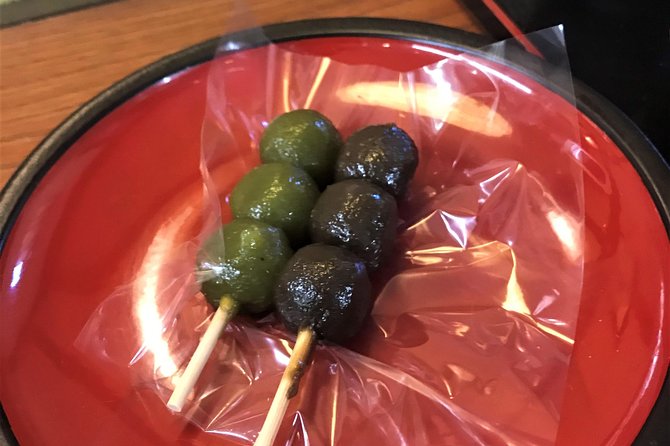
The first stop is Takumi-no Yakata, a 12th-century teahouse, where you take part in a gyokuro tasting. Gyokuro is considered the highest grade of Japanese green tea, and it is prepared more slowly and carefully than the everyday tea many visitors already know.
The process is part of the lesson. The leaves are steamed in increasingly warm water, allowing you to notice how temperature changes the drink. This is not simply a cup handed across a counter. You learn the customs of tea preparation and get a Japanese sweet alongside the tasting.
That opening works well because it gives the rest of the tour a clear subject. After tasting gyokuro, the tea shops on Byodo-in Omotesando mean more, and the link between tea and religious life becomes easier to follow.
The tasting lasts about 30 minutes. If you normally drink green tea quickly, prepare to slow down. The point is to pay attention to brewing, aroma, texture, and the ritual around the cup. Food and drink beyond this tea experience are not included, so plan to pay separately for lunch or other refreshments.
Ujigami Shrine and the spring beneath Uji
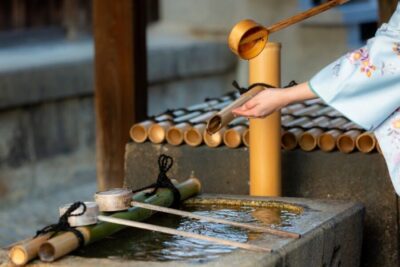
Next comes Ujigami Shrine, described as the oldest original shrine in Japan and recognized as a UNESCO World Heritage site. Its setting offers a quieter spiritual counterpoint to the more famous temple later in the morning.
One unusual detail here is the natural spring water that bubbles up from underground. It is described as the last of Uji’s underground spring water, and local tea shops collect it. That detail turns a simple visit into a lesson about why water matters so much to tea production.
You will have about 30 minutes at the shrine. Listen closely to the guide’s explanation of Shinto customs and the site’s place in Uji. The value of a small shrine visit is often in the details you would otherwise pass without noticing, such as the relationship between water, worship, and local work.
The route contains stairs, and the tour provider asks for a moderate level of physical fitness. If stairs create a problem, contact the operator in advance so the route can be adjusted.
Koshoji Temple and the Zen connection to tea
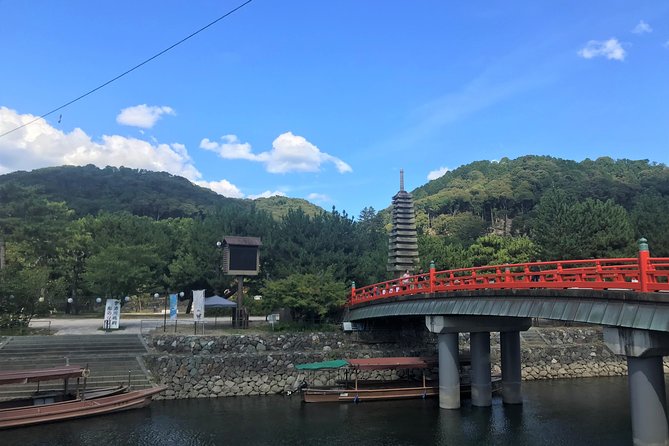
Koshoji Temple is identified as the oldest Soto Zen temple in Kyoto. The stop lasts about 30 minutes and gives the tour its clearest link between tea and Buddhism.
Zen Buddhism came to Japan from China and helped pioneer the Japanese tea ceremony. That connection is worth understanding because tea culture is not only about farming, flavor, or elegant tableware. It also developed alongside ideas of attention, discipline, simplicity, and quiet practice.
I like this stop because it prevents the tea tasting from feeling isolated. You first experience the drink, then see how spiritual traditions helped shape the customs around it. Your guide can also explain how Japanese spirituality developed through both Shinto and Buddhist traditions, rather than presenting either one as a complete explanation of the country’s religious life.
Koshoji also adds variety to the morning. After the concentrated tasting and shrine visit, the temple provides a different kind of pause. Still, the schedule is not designed for long private reflection at every site. If you prefer extensive time at one temple, a self-guided visit may feel less rushed.
A completely different kind of day out:
- Kyoto: Tea Ceremony in a Traditional Tea House in Kiyomizu
★ 4.9 · 3,519 reviews - Kyoto: Gion Make Your Own Chopsticks with Engraving Option
★ 5.0 · 3,465 reviews - Kyoto Nara Day Trip │ Kiyomizu-dera Temple + Fushimi Inari-taisha Shrine + Nara Park (Departing from Osaka/Kyoto)
★ 4.7 · 3,408 reviews - Kyoto Geisha Walking Tour: Gion District & Hidden Gems
★ 4.7 · 3,273 reviews
Byodo-in, the Phoenix Hall, and the 10 yen coin
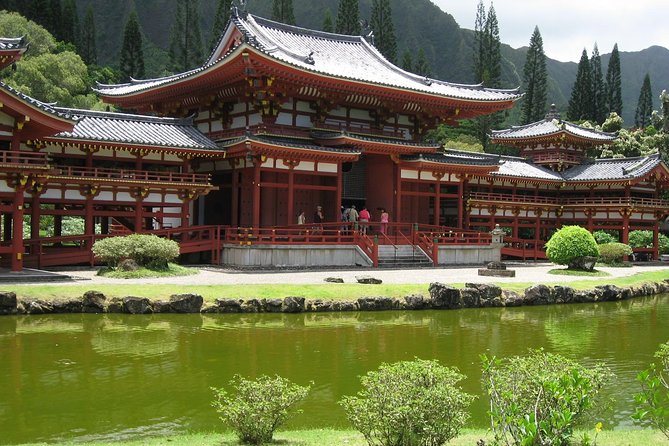
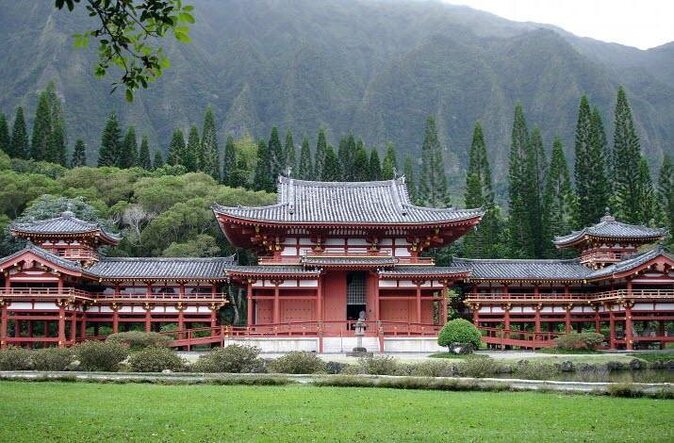
Byodo-in is the tour’s grandest stop. The temple dates to the Heian period, and its main hall sits beside a man-made lake. The building is also the image shown on Japan’s 10 yen coin, a detail that gives you an easy visual reference before you arrive.
Your admission includes the temple grounds and the Byodo-in museum. That matters. The museum adds objects and background that help explain what you are seeing outside, rather than leaving you with only a short photo stop.
You have about 45 minutes here. The temple’s position by the water makes it especially photogenic, but the guide’s explanations are what give the visit weight. Ask about the hall, the lake, the Buddhist setting, and the relationship between the architecture and the surrounding grounds.
Timing can affect the feel of this stop. Kevin has been praised for getting a group into Byodo-in ahead of the crowds, though no particular entry advantage should be treated as guaranteed. Still, the 9 a.m. start is useful if you want to reach the temple before the busiest part of the day.
This is also the point where the tour earns part of its price. Admission is included, as is the museum, and you are not left to decode a major cultural site alone. If Byodo-in is already your only priority, you could visit independently for less. But the guided context, combined with the tea and other sites, makes the package more worthwhile.
Walking Byodo-in Omotesando through Uji’s tea trade

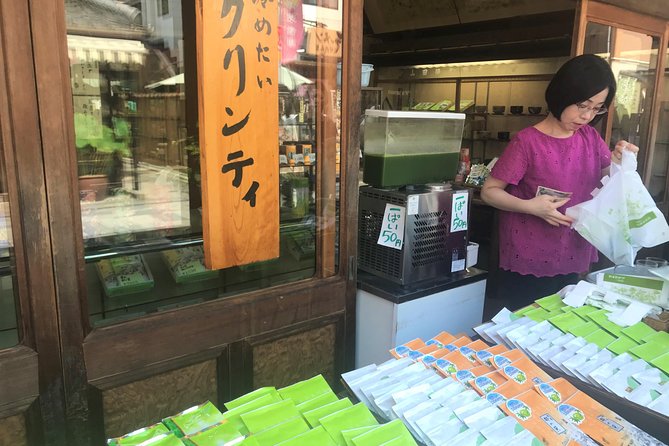
The historic street leading to Byodo-in is called Byodo-in Omotesando. It is lined with tea shops, some said to go back to medieval times, and the walk gives you a more everyday view of Uji’s tea identity.
You have about 45 minutes here. Smell the fresh tea, look at the different products, and note the range of tea produced in the area. This is a good place to buy something, but remember the practical tip: carry cash. One guide also helped arrange an excellent local lunch for a group, although lunch is not part of the tour and should not be expected as an included service.
The street is more commercial than the shrine or temple stops. That is not a flaw, but it changes the mood. You move from sacred spaces into shops and food businesses, where the focus shifts from worship to buying and tasting.
For me, that contrast improves the morning. You see how tea functions as both a cultural practice and a local industry. A guide can help you understand the difference between what is produced locally, what is ceremonial, and what is meant for ordinary drinking.
Uji Park, cormorant fishing, and the river
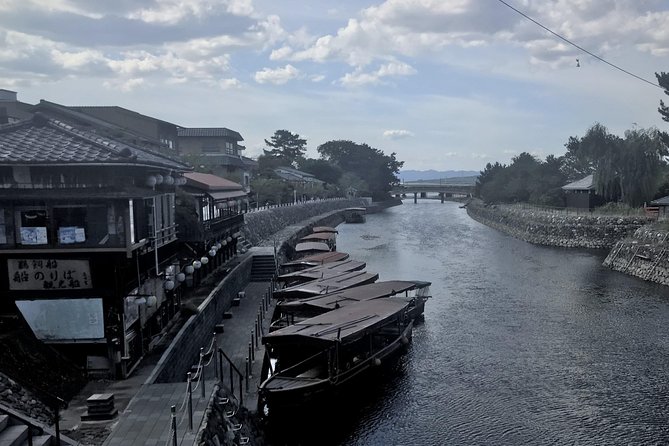
The final listed stop is Prefectural Uji Park, an island in the middle of the river. You spend about 30 minutes walking through this pleasant outdoor setting and learning about cormorant fishing, an old practice using birds to catch fish.
The river also provides the broader story. Though shallow now, it once carried trade between the capitals of Kyoto and Nara. Tea, sake, and goods from across Japan and other parts of Asia moved along this waterway.
That context helps tie the whole tour together. Uji is not simply a collection of famous buildings. Its water supported transport, its springs supported tea, and its riverbank supported settlement and commerce. The park gives you space to absorb that before returning to the station area.
This portion is likely to feel relaxing after the stairs and indoor visits. It is not a major sightseeing monument, so anyone looking for nonstop famous sights may find it modest. I think that is precisely its strength. You get a little breathing room and a better sense of Uji as a town.
What the private format adds
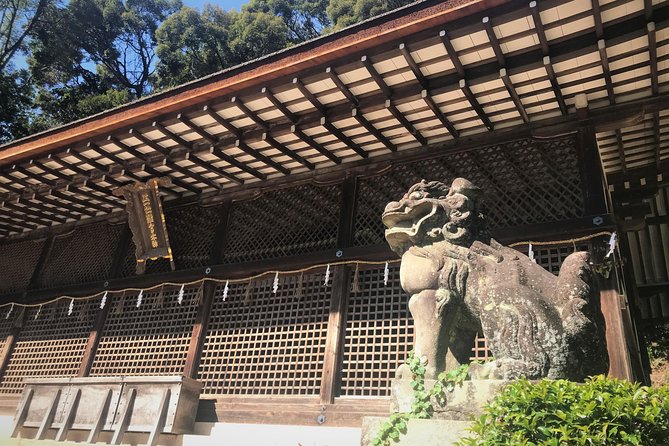
The group maximum is eight people. That is small enough for direct conversation, questions, and some flexibility. Several guides, including Ferdi, Damian, Kevin, Mika, David, and Lito, have been praised for being friendly, clear, and attentive.
The best guide-led moments come when a fact answers something you are already looking at. The 10 yen coin connection at Byodo-in is a good example. So is the explanation of how tea preparation relates to Zen, or why spring water matters to Uji’s tea shops.
The experience is private, but private does not necessarily mean every minute is custom-built. The route has a firm shape, and you still visit six principal stops within four hours. Its advantage is a small setting and personal interpretation, not unlimited freedom to replace the itinerary.
Is $162.41 a fair price?
At $162.41 per person, this is not a bargain walking tour. The cost makes more sense when you count what is included: a private guide, admission to the temples, admission to the Byodo-in museum, and the gyokuro experience with a Japanese sweet.
You are paying for a connected story as much as for entry tickets. A separate visit to Byodo-in might cost less, but it would not automatically explain the relationship between tea, Zen, Shinto, water, and trade. If you value that kind of context, the price is reasonable.
The value improves for a small group that wants a calm, efficient morning. It is less attractive if you already know Uji well, do not want a guide, or plan to spend all day at only one site. Group discounts may also make the per-person cost more appealing for larger eligible parties.
The tour is commonly booked about 38 days ahead, so reserve early if your Kyoto dates are fixed. Free cancellation is available up to 24 hours before the start time. Changes or cancellations inside that window are not accepted for a refund.
Who will enjoy this Uji morning most?
I would recommend it to first-time visitors who want more than temple photographs. It suits anyone interested in tea preparation, Japanese spirituality, architecture, or the quieter side of Kyoto.
It is also a good fit for couples, families with older children, and small groups who want to ask questions without joining a large coach tour. Tea drinkers will get the most from the opening tasting, while history-minded visitors will appreciate Byodo-in and the river trade story.
You should think twice if stairs are difficult, if you want a slow full-day schedule, or if you prefer to explore without a fixed route. The itinerary is active, with multiple stops and walking, even though the overall mood is calm.
Guide quality matters greatly here. The named guides have drawn praise for communication and warmth, including Kevin’s advance contact and David’s ability to explain the complexities of Japanese tea drinking in both English and Japanese. The exact guide is not specified in advance, so consider that part of the booking uncertainty.
FAQ
How long does the Uji tea and culture tour last?
The experience lasts approximately four hours and begins at 9 a.m. It ends back at the meeting point.
Where does the tour start?
Meet at the Keihan Uji Station Information Centre, located at the Keihan Uji Building, 1st floor, 713 Otsukata, Uji, Kyoto 611-0021.
What is included in the tour price?
The price includes admission to the temples and the museum at Byodo-in, plus the gyokuro tea house experience with a Japanese sweet.
Is food included beyond the tea tasting?
No. Food and drink outside the included tea experience are not covered.
How large is the tour group?
The activity has a maximum of eight participants.
Is the tour suitable for people who have trouble with stairs?
The itinerary includes many stairs and calls for a moderate level of physical fitness. If stairs are a problem, you can contact the operator to request suitable modifications.
Should you book this Uji tour?
Book it if you want Uji explained, not simply photographed. The combination of gyokuro preparation, Ujigami Shrine, Koshoji Temple, Byodo-in, the tea-lined approach street, and Uji Park gives you a well-shaped morning with real variety.
I especially like the way the tour connects ordinary details to larger ideas: spring water to tea, Zen to ceremony, and the river to trade between Kyoto and Nara. At $162.41, you should be comfortable paying for guidance and included admissions, but for a small group seeking a peaceful cultural break from Kyoto, the price can be justified.
Bring cash, wear comfortable shoes, allow for stairs, and arrive ready to slow down over one carefully prepared cup of tea.
Just added in Kyoto
- Uji: UNESCO Heritage & Tea Ceremony Walking Tour★ 4.6 · 54 reviews
- Uji: Green Tea Tour with Byodoin and Koshoji Temple Visits★ 4.8 · 72 reviews
- Traditional Tea Ceremony Experience in Kyoto★ 4.3 · 64 reviews
- Uji and Wazuka Matcha Farm Half Day Private Guided Tour★ 5.0 · 21 reviews
- Kyoto tea town for matcha lovers★ 5.0 · 16 reviews
- Uji Tea Ceremony and UNESCO Heritage Walking Tour★ 5.0 · 20 reviews
- Slow Cycling Tour at Uji’s Matcha Green Tea Fields and Heritage★ 5.0 · 25 reviews
- Kyoto Matcha Green Tea Tour★ 4.5 · 23 reviews
Kyoto Tours, compared.
Fushimi Inari, Kinkakuji, Bamboo Grove 1 Day Bus Tour
Read our review →
Tea Ceremony in a Traditional Tea House in Kiyomizu
Read our review →
Gion Make Your Own Chopsticks with Engraving Option
Read our review →
Kyoto Nara Day Trip │ Kiyomizu-dera Temple + Fushimi Inari-taisha Shrine + Nara Park (Departing from Osaka/Kyoto)
Read our review →
Kyoto Geisha Walking Tour: Gion District & Hidden Gems
Read our review →