
Reviewed · ONSEN AND WELLNESS
Osaka: Nara and Uji Day Trip with Deer Park and Hot Spring
Deer, temples, matcha, and hot springs make a full day. I like this tour because it combines Nara’s famous deer and Great Buddha with Uji’s food culture and literary links. I also like the relaxing finish at Genji no Yu, especially after a day of walking. The main drawback is time: with Nara and Uji packed into one day, some stops can feel brisk, and admission fees are extra.
The trip works well for first-time visitors who want to see several major sights without managing train connections. Guides such as Etta, Lucia, Liao, Ethan, and Nick Lee have earned praise for clear explanations, humor, organization, and practical food tips. Still, you need comfortable shoes, an early start, and a willingness to keep moving.
In This Review
- Four things to know before booking
- Why this day trip works from Osaka
- Feeding deer in Nara Park
- Todai-ji and the Great Buddha
- Kasuga Taisha and its lanterns
- Uji’s matcha streets and riverside character
- Byodo-in or the Tale of Genji Museum
- Relaxing at Genji no Yu hot spring
- The guides can shape the whole day
- Timing, comfort, and extra costs
- Who should book this tour?
- Should you book the Nara and Uji day trip?
- FAQ
- Where does the tour leave from?
- How long is the tour?
- What languages are supported?
- Are admission fees included?
- Can I enter the hot spring if I have a tattoo?
- Do I wear a swimsuit in the hot spring?
Four things to know before booking
- The deer are eager, not merely decorative: You receive a complimentary pack of deer crackers, but groups of deer may crowd around once they see food.
- Nara combines two major sights in one walk: Todai-ji and Kasuga Taisha are reached from the Nara Park area, with the parking area some distance from the scenic spots.
- Uji is more than a temple stop: Its streets are lined with matcha ice cream, cakes, souvenirs, and even matcha-colored soba noodles.
- The hot spring is a real Japanese bathing experience: Genji no Yu has three indoor baths and one outdoor bath, but bathing is done without clothing.
- The schedule favors variety over depth: You see a lot in 10 hours, though you will not have unlimited time at every temple or shopping street.
- The tour is multilingual and shared: Explanations are offered in English, Japanese, and Traditional Chinese, often with a mixed international group.
Why this day trip works from Osaka
At $57 per person, this is a useful price for a long day that includes round-trip transport, a driver, a guide, parking fees, taxes, and air conditioning. You are paying for convenience as much as sightseeing. Nara and Uji are both reachable by public transportation, but fitting the two together requires planning, transfers, and close attention to the clock.
The bus ride takes about 70 minutes on the way to Nara and about 80 minutes returning to Osaka. That transport time is not glamorous, but it saves you from changing trains and finding your way through unfamiliar stations. Several guides have also used the drive to explain the places ahead, which makes the ride more useful.
This is a shared group tour, not a private outing. If fewer than 13 people join, the guide may also drive, and explanations may be more basic. The vehicle seats are described as compact, a point worth considering if you prefer extra room on longer drives.
The meeting point is Harimaya Building at 1-chome-3-11 Nipponbashi, in the Namba and Shinsaibashi area. Departure is at 8:40 a.m., and you should arrive at least 15 minutes early. Look for the guide holding a yellow flag. Late arrivals and no-shows are not refunded, so this is not a morning for a casual coffee stop before meeting the group.
More Day Trips in Nara:
- Nara Half Day Trip Walking Tour (Private Option Available)
★ 5.0 · 937 reviews - Mt. Fuji Instagram-Worthy Spots Day Tour: Ladder Town, Oshino Hakkai, Lake Kawaguchi, Lawson Convenience Store (Departing from Tokyo Station or Shinjuku Station)
★ 4.8 · 35,467 reviews - 【Mount Fuji Magnificent Scenery Exploration Day Tour】Arakurayama Sengen Park & Kawaguchiko Oishi Park & Oshino Hakkai & INS Famous Lawson & Hikawa Clock Shop (Departing from Tokyo)
★ 4.9 · 12,075 reviews
Feeding deer in Nara Park
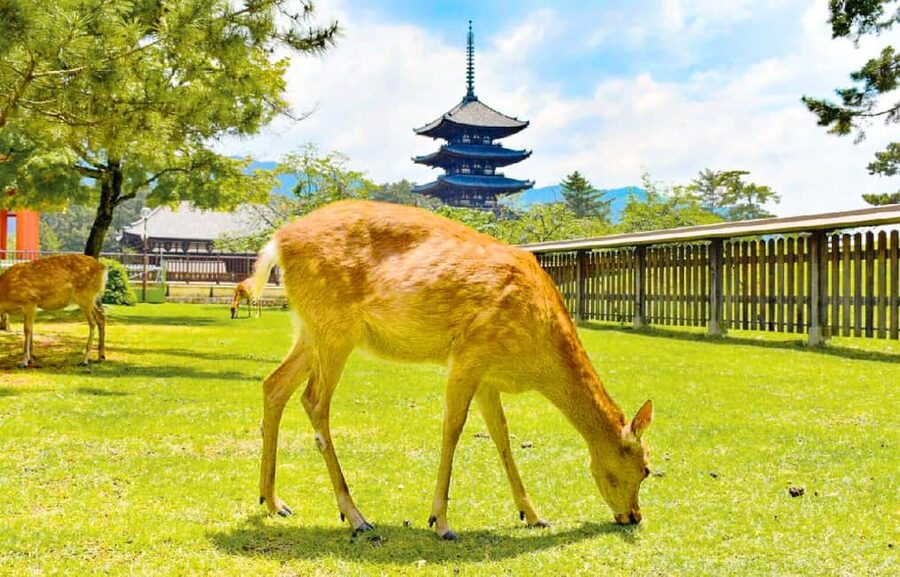
Nara Park is the emotional high point for many people. The park spreads around the base of Wakakusa Mountain and includes several of Nara’s most important sights. In the maple forest, you receive deer crackers and begin the odd but memorable task of feeding wild deer that are accustomed to people.
The deer are famously friendly, but friendly does not mean passive. Once they spot crackers in your hand, they may approach quickly and in groups. Keep the crackers under control, feed carefully, and pay attention to the guide’s instructions. It is wise not to wave food around when you are surrounded.
The feeding session is part of a two-hour Nara Park visit that also includes sightseeing at Todai-ji and Kasuga Taisha. That gives you enough time to enjoy the deer and see the key monuments, but you should not expect a slow morning wandering every path in the park.
The setting adds to the experience. This is not a small animal enclosure or a staged encounter. You are walking through a large urban park where deer appear among trees, paths, and historic buildings. The deer are the obvious attraction, but the park’s appeal comes from the way nature and major religious sites share the same space.
Bring shoes that can handle walking. The parking lot is not right beside every sight, and the route between the bus and the monuments can take time. In warm weather, the combination of walking and waiting outdoors can also make the later hot spring feel especially welcome.
Todai-ji and the Great Buddha
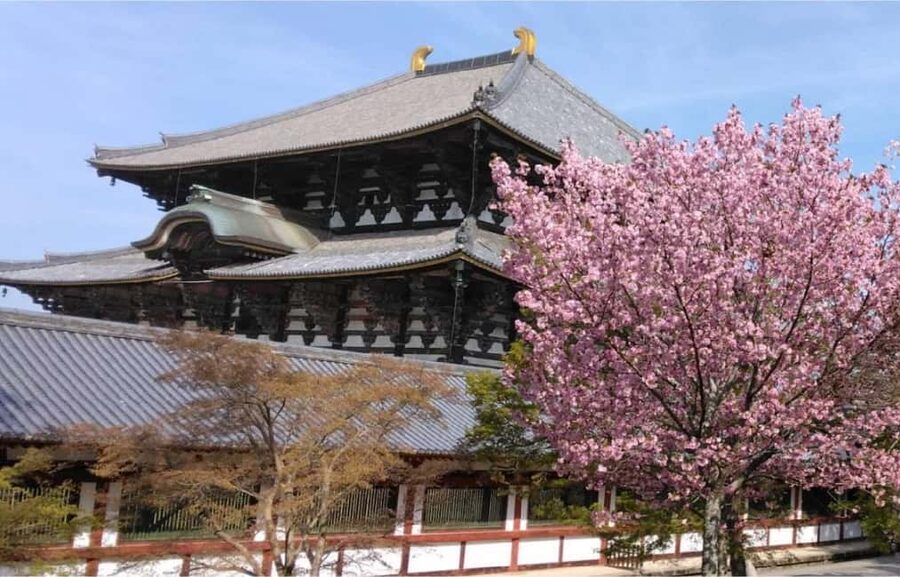
Todai-ji gives the Nara visit its grand center. The temple is home to the Great Buddha of Nara, one of Japan’s best-known Buddhist images and a major reason people make the trip from Osaka.
The scale is the point. After the lighter, playful mood of the deer park, Todai-ji shifts the day toward architecture, religion, and ceremony. You enter a place designed to make you look upward and slow down, even if the tour schedule encourages you to keep an eye on the meeting time.
Admission to Todai-ji is not included, so carry money for the entry fee. The same applies to Byodo-in Temple and the onsen later in the day. Because the tour includes several paid options, your final cost will be higher than the advertised $57 if you enter every attraction and buy food.
You may wish you had more time here. A stop at Todai-ji can easily expand if you want to study the Great Buddha, take photos, and absorb the building’s size. The tour is designed to give you the main experience rather than an unhurried temple visit.
Kasuga Taisha and its lanterns
Kasuga Taisha offers a different mood from Todai-ji. It is a Shinto shrine known for its thousands of bronze and stone lanterns, and its details reward a slower pace.
The lanterns give the shrine a strong visual identity. They line the approach and help create the quiet, layered feeling that makes Kasuga Taisha different from a single large temple hall. The visit also helps you see that Nara is not only about the deer or one famous Buddha. It is a major religious center with several traditions sharing the same parkland.
You will probably visit Kasuga Taisha as part of the larger Nara Park route rather than as a separate, extended excursion. That is efficient, but it also means you should listen carefully when the guide explains where to meet again. With a group, a few minutes spent browsing can become a rushed walk back to the bus.
Guides are an important part of this section. Etta was repeatedly praised for her energy, clear English, humor, and useful directions, while Watson was noted for keeping a large group organized and helping people reach the matcha street. The quality of the day can depend on how clearly the guide sets meeting times, especially at spread-out sites such as Nara Park.
More Onsen and Wellness in Nara:
- Solaniwa Onsen Ticket in Osaka
★ 4.7 · 4,554 reviews - Kyushu One-Day Tour: Yufuin no Mori Train & Yufuin Town & Nyoirin-ji Temple & Dazaifu & Hell Hot Springs (Departing from Fukuoka)
★ 4.9 · 4,474 reviews - Senkyaku Banrai Toyosu Manyo Club Onsen Experience in Tokyo
★ 4.7 · 1,690 reviews - From Osaka: Himeji Castle, Arima Onsen & Mt. Rokko Day Tour
★ 4.6 · 339 reviews
Uji’s matcha streets and riverside character

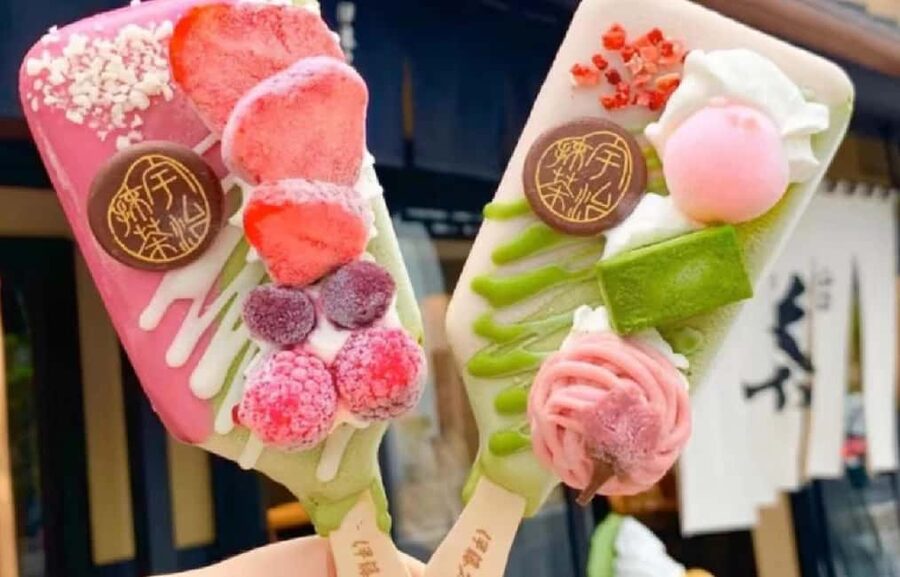
After Nara, the tour moves to Uji for about 90 minutes of sightseeing. Uji is widely associated with matcha, and the streets around the main sightseeing area are filled with matcha ice cream, cakes, drinks, souvenirs, and noodles colored with green tea.
This is the most casual portion of the day. Instead of moving from one large religious complex to another, you can browse, snack, and sample local flavors. Vegetarian soba and matcha ice cream were singled out as good choices, so this is a useful place to plan your food break.
Meals and drinks are not included. That gives you freedom to choose what appeals to you, but it also means you should budget for lunch or snacks. If you have a strong interest in Japanese tea culture or want to buy matcha products, Uji may feel too short. The 90-minute window is enough for a taste, not a serious shopping expedition.
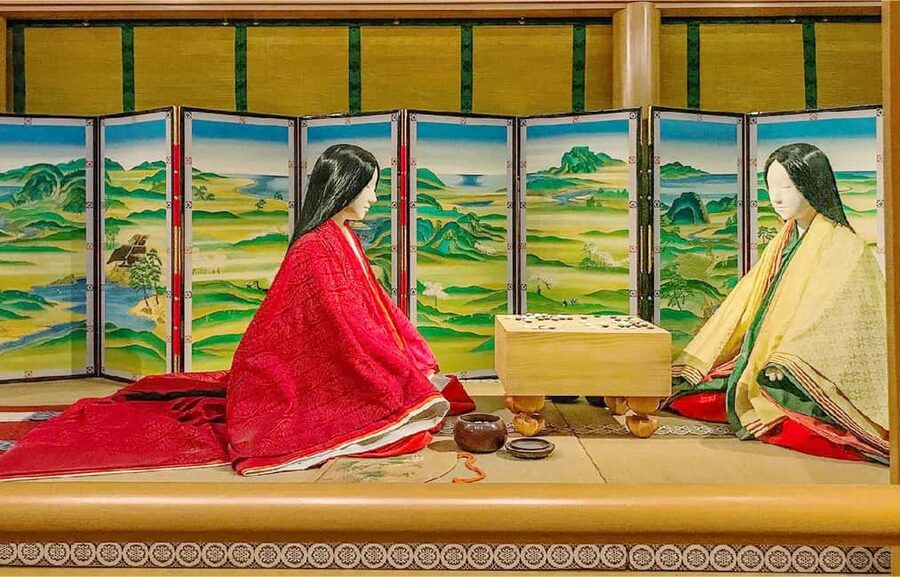
Uji also has a literary connection. The final ten chapters of The Tale of Genji, the classic Japanese novel, are set in the area. That link gives the town another layer beyond its food shops and temple views. You can choose between Byodo-in Omotesando and Byodo-in Temple, or the Tale of Genji Museum, depending on how the schedule is handled.
Byodo-in or the Tale of Genji Museum
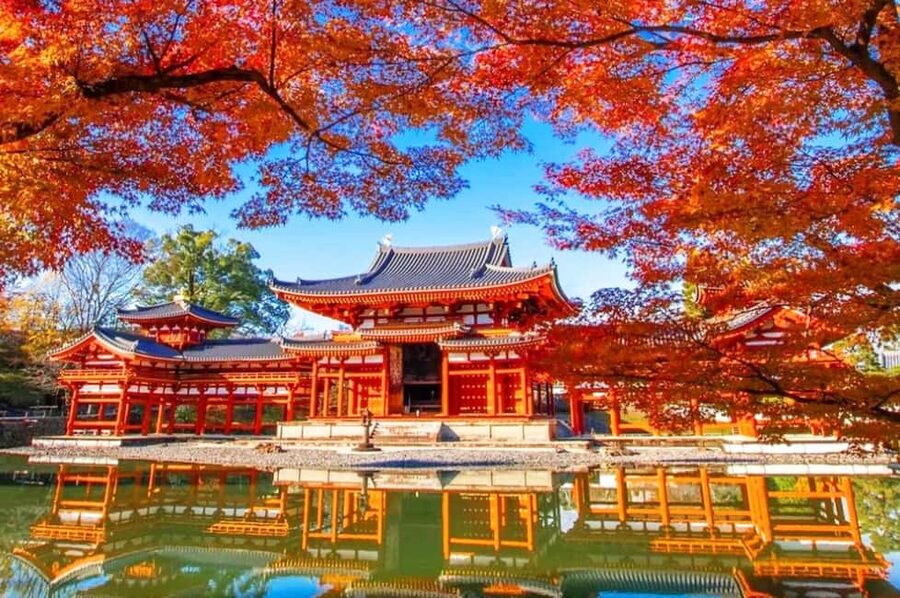
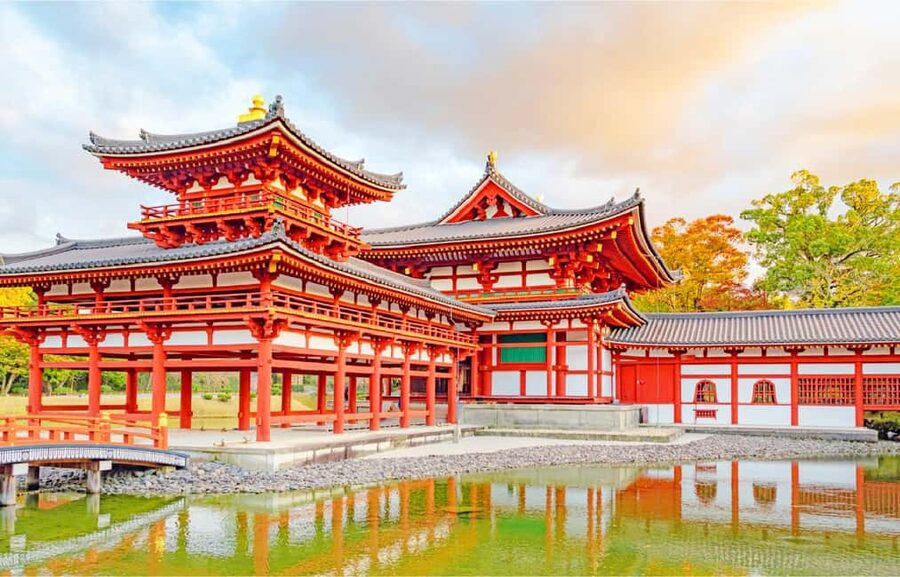
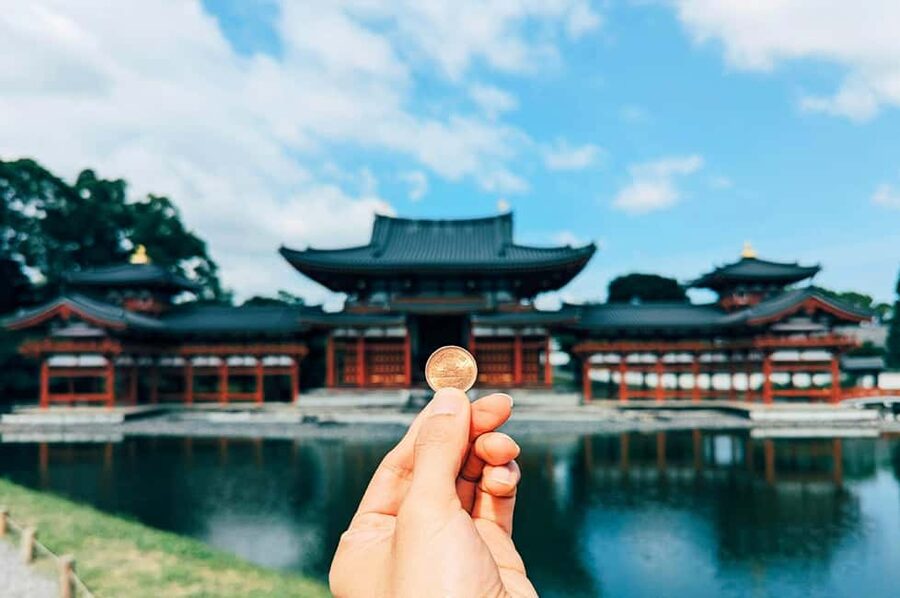
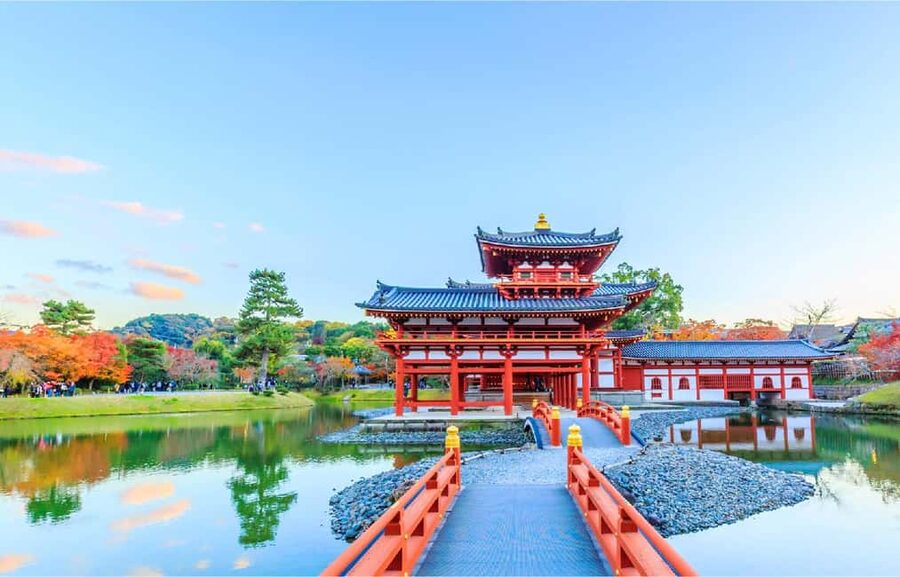
Byodo-in Temple is a Heian-era masterpiece built around a pond garden. Its setting makes it one of Uji’s most rewarding stops, especially if you enjoy architecture, gardens, and careful views across water.
Admission is extra, and the temple visit competes with time for food and shopping. If your priority is seeing a major historic building, Byodo-in is the natural choice. You will need to keep moving, though, because the tour has to leave Uji in time for the hot spring.
The Tale of Genji Museum offers a different kind of visit. It uses multimedia, high-definition visuals, and displays to explain the story and appeal of The Tale of Genji. This choice suits you if you enjoy literature, Japanese culture, or indoor exhibits more than another temple.
The supplied schedule names both Byodo-in Temple and the museum, while the description presents them as choices. Confirm the day’s exact arrangement with the guide. Do not assume you can spend unlimited time at both. The tour’s strength is giving you a sample of Uji’s culture, while its weakness is that serious temple fans or literature enthusiasts may want a separate Uji day.
Relaxing at Genji no Yu hot spring
Genji no Yu is the final major stop, with about one hour set aside for the bath. The facility is described as Uji’s only natural hot spring, with water drawn from 1,111 meters underground. It has three indoor baths and one outdoor bath, and its traditional architecture is intended to create a quiet Japanese setting.
This ending makes practical sense. Nara and Uji involve walking, standing, temple visits, and outdoor time. A hot bath gives you a chance to rest before the drive back to Osaka. Several people found the onsen a relaxing finish, and one first-time bather described it as particularly calming.
You need to understand the rules before you commit to this part. Japanese hot springs are entered without clothing, and tattoos may prevent entry. One person with tattoos could not use the baths, which caused disappointment even though Nara and Uji were still worthwhile.
If the onsen is a major reason you are booking, check your eligibility before paying. Also remember that the onsen admission is not included. The one-hour stop provides a pleasant reset, but people who want extended bathing, additional services, or a slower spa visit may find it brief.
The guides can shape the whole day
The strongest pattern in the feedback is praise for the guides’ friendliness, humor, and organization. Ethan was appreciated for useful suggestions in each location, Jessica for her explanations and local recommendations, and Liao for clear communication. Etta received especially warm praise for her energy, multilingual explanations, WhatsApp tips, and ability to keep the group moving.
Those details matter on a shared tour. You are not simply paying to be driven around. You need someone to explain meeting points, warn you about the deer, point out food streets, and make sure the group gets back to the bus. A guide who sends location information by WhatsApp can make free time much easier to use.
The experience is not guaranteed to be identical every day. The guide may change, the group may be large, and the level of commentary can be more basic if the guide is also driving. Still, the overall rating of 4.4 from 302 ratings, along with the repeated praise for multiple guides, suggests that the service is generally dependable.
The multilingual format is both useful and limiting. English, Japanese, and Traditional Chinese are supported, but explanations take time when repeated in several languages. If you want long, detailed commentary in only English, a private guide would suit you better.
Timing, comfort, and extra costs
The tour lasts about 10 hours, including the bus journeys. That is a full day, so plan to be tired by the return to Osaka. Do not schedule a flight, long-distance train, or important evening reservation too tightly after the tour because traffic and weather can alter the schedule.
The itinerary offers a good balance between guided touring and independent time. You get help at the major sights, then some freedom to explore Uji’s food streets and choose what interests you. The tradeoff is that you must watch the clock and return to the meeting point on time.
Your extra spending may include:
- Admission to Todai-ji
- Admission to Byodo-in Temple, if you choose it
- Admission to the Tale of Genji Museum, if included as your selected option
- Admission to Genji no Yu
- Meals, drinks, matcha treats, and souvenirs
The $57 price is strongest if you value transportation and want all the main planning handled. It is less attractive if you plan to visit only Nara, want hours at one temple, or would rather set your own pace by train.
Who should book this tour?
I would choose this day trip if you are staying in Osaka and want a broad first look at Nara and Uji. It suits families and first-time visitors who want the deer, Great Buddha, lanterns, matcha treats, and an onsen without arranging several separate outings.
It also suits you if you like a busy day with changing scenery. The tour moves from animals to Buddhist architecture, then Shinto details, tea-flavored food, literature, and hot springs. That variety is its main appeal.
I would hesitate if your main goal is deep temple study, extensive shopping, or a long spa session. The schedule is efficient but not leisurely. Rain can also reduce the pleasure of Uji’s outdoor streets, as one person found, although the indoor sights and hot spring still give the day some flexibility.
Arrive 15 minutes early, wear comfortable shoes, keep deer crackers under control, and check the tattoo rules before booking the onsen portion. Those small preparations will make the day easier.
Should you book the Nara and Uji day trip?
Book it if you want maximum variety with minimum transport planning. For $57, the bus, guide, parking, and long-distance movement between Osaka, Nara, and Uji offer solid value, especially for a first visit.
Skip it if you prefer slow travel. A self-guided Nara day gives you more time for Todai-ji and Kasuga Taisha, while a separate Uji visit lets you linger over Byodo-in, matcha shops, or the Tale of Genji Museum. For everyone else, this is a well-priced, energetic day that finishes in exactly the right place: a warm Japanese bath.
FAQ
Where does the tour leave from?
The meeting point is Harimaya Building at 1-chome-3-11 Nipponbashi, Chuo Ward, Osaka, in the Namba and Shinsaibashi area. Departure is at 8:40 a.m., and you should arrive at least 15 minutes early. The guide holds a yellow flag.
How long is the tour?
The complete experience lasts about 10 hours. The bus ride takes around 70 minutes to Nara and about 80 minutes back to Osaka, though traffic and weather may change the schedule.
What languages are supported?
Live explanations are available in English, Japanese, and Traditional Chinese. This is a shared group tour with participants from different countries.
Are admission fees included?
No. Admission to Todai-ji, Byodo-in Temple or the Tale of Genji Museum, and Genji no Yu is not included. Meals and drinks are also separate.
Can I enter the hot spring if I have a tattoo?
The tour information warns that people with tattoos may not be allowed to enter the onsen. Check the facility’s current rules before booking if the hot spring is important to you.
Do I wear a swimsuit in the hot spring?
No. The bathing experience is Japanese-style, and clothing is not allowed when bathing in the hot springs.
Just added in Nara
- Hammer a Pattern on Your Ring Workshop★ 5.0 · 57 reviews
- All must-sees in 3 hours – Nara Park Classic Tour! From JR Nara!★ 5.0 · 108 reviews
- Nara Private Tour: Flexible Pickup from Kyoto, Osaka, or Nara★ 5.0 · 17 reviews
- Private Nara Tour and Sake Tasting (Departing from Kyoto/Nara)★ 5.0 · 40 reviews
- Nara Highlight Walking Tour with Furoshiki Experience with Lunch★ 5.0 · 73 reviews
- Nara Sake Tasting Tour at Local Brewerie(tasting fee included)★ 5.0 · 12 reviews
- Nara World Heritage PRIVATE TOUR★ 4.5 · 15 reviews
- Nara – Highlights Bike Tour★ 4.5 · 89 reviews
Onsen and Wellness, compared.
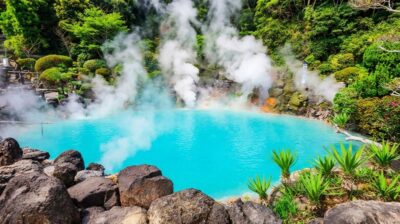
Kyushu One-Day Tour: Yufuin no Mori Train & Yufuin Town & Nyoirin-ji Temple & Dazaifu & Hell Hot Springs (Departing from Fukuoka)
Read our review →
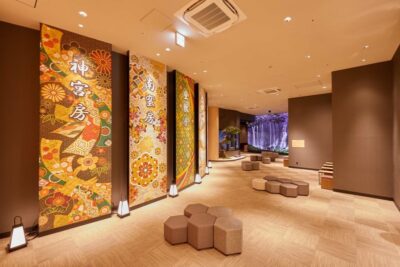
Senkyaku Banrai Toyosu Manyo Club Onsen Experience in Tokyo
Read our review →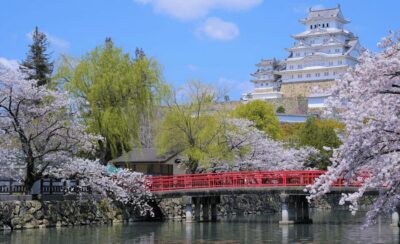
Himeji Castle, Arima Onsen & Mt. Rokko Day Tour
Read our review →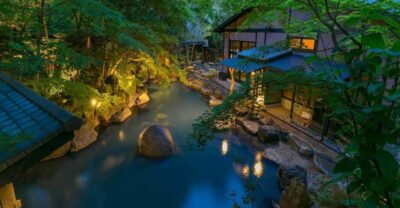
Private Tour to Fuji/Hakone – Onsen, Art, Nature
Read our review →Mt. Fuji, Hakone Private Tour from Tokyo – Onsen, Arts and Nature
Read our review →
Browse the lists this tour appears in