
Reviewed · NARA TOURS
Nara Private Tour: Flexible Pickup from Kyoto, Osaka, or Nara
Nara rewards a slower look. This private tour lets you shape a four to eight-hour outing around three or four places, with local guides who can explain the city’s temples, shrines, deer, and old neighborhoods. I like the freedom to choose between famous sights such as Todai-ji and Kasuga Taisha or less obvious stops such as Heijo Palace Site Historical Park and Yakushi-ji Temple. I also like the chance to meet guides such as Toshi, Kiyoto, and Chiko, who have been praised for warmth, patience, and flexibility.
The main drawback is cost. At $131.38 per person, the tour can be good value for a private experience, but entrance fees, meals, transport, and optional private vehicles are extra. If you want to see many distant sites in one day, walking and public transport may also limit how much you can fit in.
In This Review
- Key points to know before booking
- Why this private format works well in Nara
- Starting at JR Nara Station
- Nara Park: deer, open space, and the city’s main sights
- Todai-ji and the Great Buddha
- Kasuga Grand Shrine and its lantern-lined approach
- Naramachi: old merchant streets and a slower pace
- Shosoin, Heijo Palace, and Yakushi-ji
- Horyu-ji: a major site that needs a longer day
- What the guides add to the day
- Is $131.38 a fair price?
- Who should book this Nara tour?
- FAQ
- How long does the Nara private tour last?
- Where does the tour begin?
- Where does the tour end?
- Can I be picked up in Kyoto, Osaka, or Nara?
- How many places can I choose?
- Is this a private tour?
- Are entrance fees included?
- Are meals and drinks included?
- Is transport included?
- What should I wear?
Key points to know before booking
- Choose three or four sights: You can build the day around Nara Park, Todai-ji, Kasuga Grand Shrine, Naramachi, or other listed sites.
- Meet at JR Nara Station: The tour begins and ends at Sanjohonmachi, making the station a clear and practical base.
- Expect a personal guide: The experience is private, so only your own group takes part.
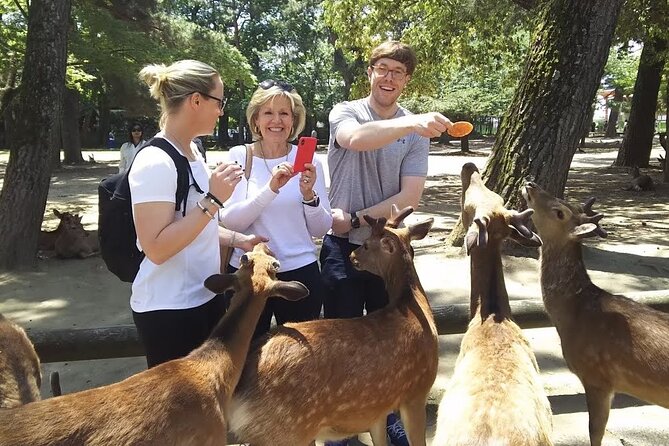
- Deer are part of the day: Nara Park and Kasuga Taisha offer close encounters with the city’s famous free-roaming deer.
- Some sights cost extra: Entrance fees for you and your guide, meals, drinks, transport, and optional private transport are not included.
- Guides earn strong praise: Toshi, Kiyoto, and Chiko are noted for cultural insight, friendliness, patience, and adapting the day as it unfolds.
Why this private format works well in Nara
Nara is easy to underestimate. The central sights sit among broad parkland, wooded paths, old streets, and temple grounds. A fixed group tour can rush you from one landmark to the next. This private option gives you more say in the pace and the mix of places.
You are asked to choose three or four must-see stops from the available list. That is important. The tour is not designed to cover every attraction in Nara in one sweep. Instead, you can build a day that fits your interests, energy, and available time.
I would choose Todai-ji and Kasuga Taisha for a first visit, then add Naramachi or Isuien Garden if available through your chosen plan. If court history interests you more than deer and temples, Heijo Palace Site Historical Park makes a useful addition. For a longer day, Horyu-ji Temple offers a major historical site, but its two-hour visit can make the rest of the schedule tight.
The private setting also helps if your group has mixed interests. One person may want architecture, another may want gardens, and someone else may simply want time with the deer. A good guide can help you balance those wishes better than a standard large-group itinerary.
More Private Tours in Nara:
- Nara 6hr Private Tour with Government-Licensed Guide
★ 5.0 · 219 reviews - Nara: Private Tour with Private Guide
★ 4.8 · 66 reviews - Nara: Private Walking Tour with a Local
★ 4.3 · 36 reviews
Starting at JR Nara Station
The meeting point is JR Nara Station at 1 Sanjohonmachi. The activity ends back at the same meeting point, which keeps the day simple and gives you a firm place to return to.
Pickup is offered from Kyoto, Osaka, or Nara, but the supplied details identify JR Nara Station as the start and end point. If you are staying outside Nara, confirm the exact pickup arrangement before booking. The optional private vehicle carries an additional fee, while public transport fares are also not included.
The tour lasts approximately four to eight hours. That wide range reflects the custom format. A shorter outing can focus on central Nara Park and its main monuments. A longer day can reach Heijo Palace, Yakushi-ji, or Horyu-ji, though you should not expect to see every listed attraction properly in one half-day.
Wear comfortable walking shoes. A moderate amount of walking is part of the experience, and the tour operates rain or shine. Nara’s outdoor paths, temple grounds, and shrine approaches are a major part of its appeal, so weather can shape your enjoyment.
Nara Park: deer, open space, and the city’s main sights
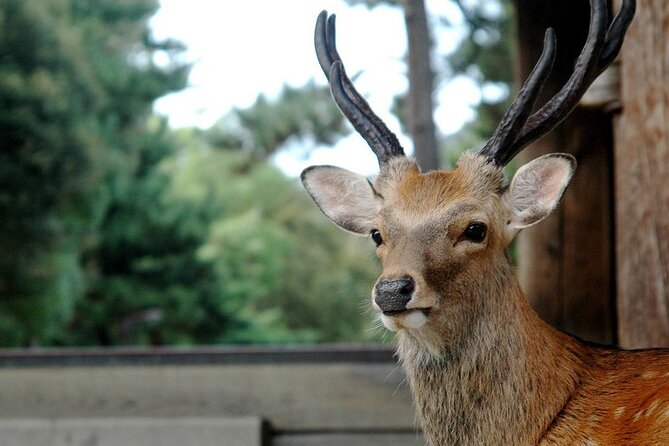
Nara Park is the natural center of the tour. The park is known for free-roaming deer, and you can interact with them as you walk through the grounds. These animals are treated as messengers of the gods, which gives the deer more than novelty value in the local culture.
The park is also close to Todai-ji and Kasuga Taisha, so it works well as the anchor for a first visit. The listed stop allows only 15 minutes, but the actual time you need depends on how the day is arranged. Fifteen minutes is enough for a quick introduction and a look at the deer. It is not much time if you want relaxed photographs, a temple visit, and a proper walk through the park.
Use common sense around the animals. The tour information describes them as friendly, and the personal accounts include encounters with playful deer and young deer. Still, they are living animals, not tame props. Keep your attention on the path and follow your guide’s advice.
Todai-ji and the Great Buddha
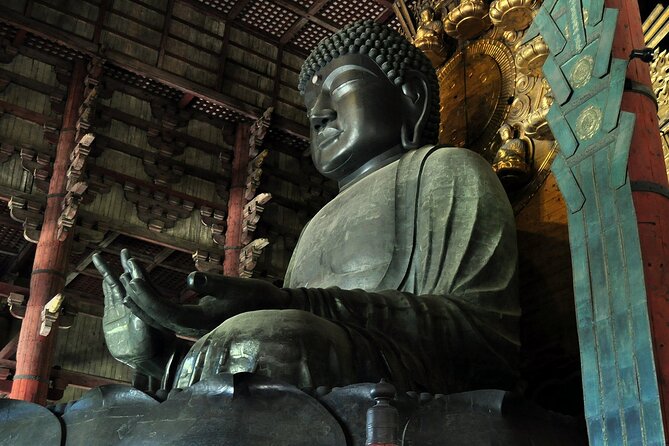
Todai-ji is the major architectural stop. Its Daibutsuden, or Great Buddha Hall, is one of the largest wooden buildings in the world and houses the Great Buddha, known as the Daibutsu.
The planned visit lasts about 90 minutes. That is a sensible amount of time for the hall, the statue, and an explanation of the temple’s role in Nara. The scale is the first thing you notice, but a guide adds useful context by explaining how the building, image, and religious purpose fit together.
The supplied details list admission as free for this stop, while the general exclusions say entrance fees for you and your guide are not included. That is an important point to clarify before the day begins. Entrance arrangements can depend on the exact program, so ask which fees apply to your selected stops.
Todai-ji is the best choice for first-time visitors who want one unmistakable symbol of Nara. If you choose only a few stops, I would give this temple priority.
A few more options to weigh up in Nara
- World Heritage Kyoto & Nara Uji Authentic Matcha Experience
★ 5.0 · 1,573 reviews - Nara Half Day Trip Walking Tour (Private Option Available)
★ 5.0 · 937 reviews - Nara Early Morning Tour (Kyoto or Osaka Departure Available)
★ 5.0 · 676 reviews - Osaka: Nara and Uji Day Trip with Deer Park and Hot Spring
★ 4.4 · 302 reviews
Kasuga Grand Shrine and its lantern-lined approach
Kasuga Grand Shrine provides a different mood from Todai-ji. Its vermilion buildings, stone lanterns, bronze lanterns, and forest setting create a quieter, more ceremonial experience.
The visit is scheduled for about 90 minutes. That gives you time to appreciate the approach and the shrine grounds rather than simply checking off the main building. The deer here are linked with the shrine as messengers of the gods, so the animal encounters feel connected to the place rather than added on for entertainment.
The shrine’s lanterns are one of its most distinctive features. Their repeated shapes guide your eye along the paths and help explain why this stop feels so atmospheric. The surrounding ancient forest also makes Kasuga a good choice if you want a break from large buildings and busy central sights.
Admission is not included. Since the tour price does not cover entrance fees for you or your guide, budget for this separately. You can also ask your guide how much time is best spent inside the paid areas.
Naramachi: old merchant streets and a slower pace
The old town area, Naramachi, is filled with traditional wooden townhouses called machiya. It offers boutique shops, cafés, and a chance to see a more everyday side of Nara’s past as a merchant town.
I like this as a counterweight to the large temple compounds. Todai-ji gives you monumental scale. Naramachi gives you narrow streets, wooden façades, and small details that are easier to miss without someone pointing them out.
The supplied timing does not specify a fixed duration for this stop, which is actually useful in a private tour. You might spend a short time walking through the lanes or give it a longer stretch if cafés and local shops appeal to you. It is also a good choice for anyone who wants a gentler portion of the day after several temple grounds.
Do not expect Naramachi to feel like a single grand attraction. Its value comes from wandering and noticing how the streets, houses, shops, and cafés fit together.
Shosoin, Heijo Palace, and Yakushi-ji
The less familiar stops are where this tour can become more personal.
Shosoin is a historical treasure house connected with imperial artifacts from the Nara period. Its collection includes silk textiles, musical instruments, and objects showing Silk Road influences. The listed visit is only 15 minutes, so treat it as a brief historical stop rather than a full museum visit. It suits you if objects and cultural exchange interest you, but it may feel too short if you want extensive viewing time.
Heijo Palace Site Historical Park marks the former imperial palace of Japan’s first permanent capital. Reconstructions of the Audience Hall and other structures help you picture court life in ancient Nara. The planned visit lasts about 90 minutes, giving this stop more room to breathe.
Heijo Palace is a good choice if you want political and royal history rather than only religious sites. It is also a useful way to understand Nara as a capital city, not just a place of temples and deer. Admission is not included.
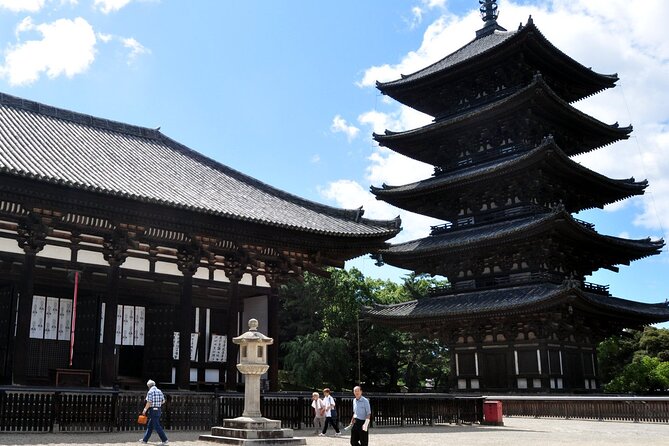
Yakushi-ji Temple offers another change of pace. It is known for twin pagodas, refined architecture, and its connection to Yakushi Nyorai, the Buddha of healing. The listed visit lasts 30 minutes, so this is best treated as a compact architectural and spiritual stop.
Horyu-ji: a major site that needs a longer day
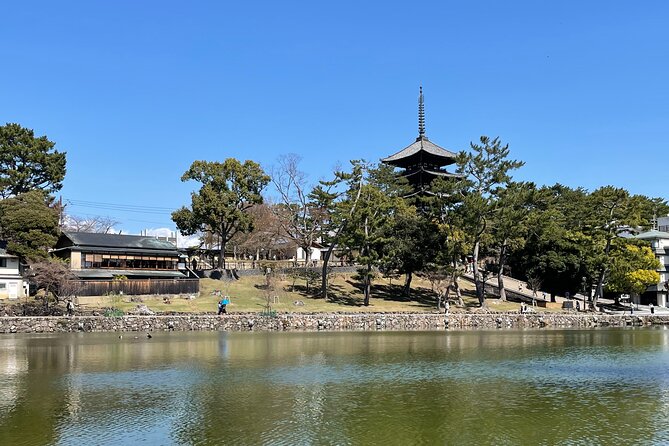
Horyu-ji Temple is a UNESCO World Heritage site and home to the world’s oldest wooden buildings. The complex includes a five-story pagoda and a Main Hall, with foundations linked to Prince Shotoku.
The suggested visit lasts two hours, making Horyu-ji the most time-demanding stop on the list. That is not a criticism. It simply means you should not add Horyu-ji casually to a short itinerary that already includes Todai-ji and Kasuga Taisha.
Choose Horyu-ji if early Buddhist architecture and very old wooden structures are your main interests. If your priority is deer, the Great Buddha, and Nara’s central atmosphere, spend your limited time closer to JR Nara Station.
Admission is extra, and transport fares are not included. Ask about the route and timing before committing, especially if you are also considering Heijo Palace or Yakushi-ji.
What the guides add to the day
The strongest part of this experience is the guide relationship. Toshi has been praised for sharing personal knowledge of Nara and Japanese culture, including during a New Year’s visit. Kiyoto is noted for adapting the plan as needs changed, while Chiko is described as friendly, patient, and skilled at fitting a lot into a day.
That flexibility matters in Nara. A guide can help you decide when a temple deserves more time, when to move on, and how to combine outdoor stops with indoor or sheltered areas. The best version of this tour is not simply a walk between famous buildings. It is a conversation that gives meaning to what you are seeing.
There is one caution. One account found the guide friendly but not especially informative and wished the tour included another place. That is a fair reminder to state your interests clearly at the start. Ask for more historical explanation if that is what you want, and agree on your three or four priorities before setting off.
Is $131.38 a fair price?
The price is $131.38 per person. For a private tour with a professional local guide, that can be reasonable, especially for a small group that values a custom plan and personal attention.
The price becomes less attractive if you are traveling alone or as a pair and only want a simple walk around Nara Park. You will also need to add entrance fees, meals and drinks for you and the guide, public transport fares, and any private vehicle fee.
For a family or small group, group discounts may improve the value. The main benefit is not the number of sights. It is the ability to shape the day and ask questions without waiting for a large group to catch up.
Who should book this Nara tour?
I would recommend it to first-time visitors who want help organizing Nara, families who need a flexible pace, and small groups with different interests. It also suits you if you want to combine the main sights with Naramachi, Heijo Palace, Yakushi-ji, or another less central stop.
It is less suitable if you want a completely self-guided day, dislike walking, or expect all admissions and transport to be bundled into one price. It may also disappoint if you try to squeeze every listed site into four hours.
Book this tour if you value a private, adjustable day and want a guide who can connect Nara’s deer, temples, shrines, and court history. For the best balance, choose Todai-ji, Kasuga Grand Shrine, Nara Park, and Naramachi for a first visit. Add Horyu-ji or Heijo Palace only when you have enough time and are prepared for extra costs.
FAQ
How long does the Nara private tour last?
The tour lasts approximately four to eight hours, depending on the places you choose and how the day is arranged.
Where does the tour begin?
The listed meeting point is JR Nara Station at 1 Sanjohonmachi, Nara, 630-8122, Japan.
Where does the tour end?
The activity ends back at the meeting point at JR Nara Station.
Can I be picked up in Kyoto, Osaka, or Nara?
Pickup is offered from Kyoto, Osaka, or Nara. The listed meeting point is JR Nara Station, so confirm the exact pickup details when booking.
How many places can I choose?
You should choose three to four must-see spots from the available options.
Is this a private tour?
Yes. Only your own group participates in the activity.
Are entrance fees included?
No. Entrance fees and admission fees for you and the guide are not included. The itinerary separately lists some stops as free and others as requiring admission.
Are meals and drinks included?
No. Meals and drinks for you and the guide are not included.
Is transport included?
Public transportation fares for you and the guide are not included. Private transportation is optional and carries an additional fee.
What should I wear?
Wear comfortable walking shoes. A moderate amount of walking is included, and the tour operates rain or shine.
Just added in Nara
- Hammer a Pattern on Your Ring Workshop★ 5.0 · 57 reviews
- All must-sees in 3 hours – Nara Park Classic Tour! From JR Nara!★ 5.0 · 108 reviews
- Private Nara Tour and Sake Tasting (Departing from Kyoto/Nara)★ 5.0 · 40 reviews
- Nara Highlight Walking Tour with Furoshiki Experience with Lunch★ 5.0 · 73 reviews
- Nara Sake Tasting Tour at Local Brewerie(tasting fee included)★ 5.0 · 12 reviews
- Nara World Heritage PRIVATE TOUR★ 4.5 · 15 reviews
- Nara – Highlights Bike Tour★ 4.5 · 89 reviews
- Sushi Making Experience Luxury Course in Nara★ 5.0 · 36 reviews
Nara Tours, compared.
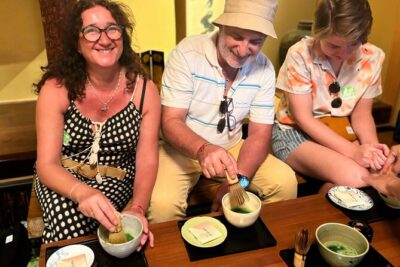
World Heritage Kyoto & Nara Uji Authentic Matcha Experience
Read our review →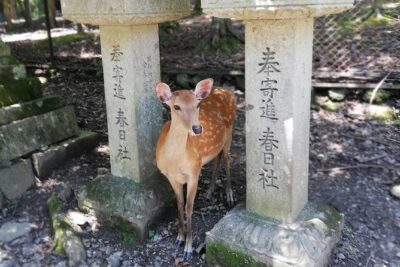
Nara Half Day Trip Walking Tour (Private Option Available)
Read our review →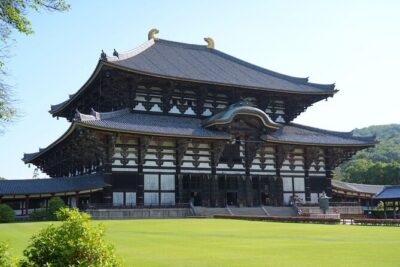
Nara Early Morning Tour (Kyoto or Osaka Departure Available)
Read our review →
Nara and Uji Day Trip with Deer Park and Hot Spring
Read our review →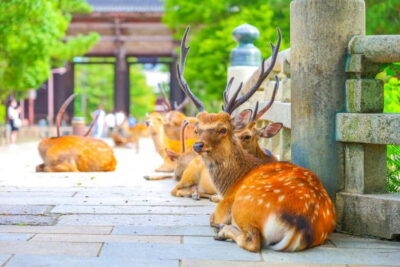
Kyoto/Osaka: Kinkakuji, Bamboo Forest, and Nara Deer Park
Read our review →
Nara 6hr Private Tour with Government-Licensed Guide
Read our review →
E-Bike Nara Highlights – Todaiji, Knives, Deer, Shrine
Read our review →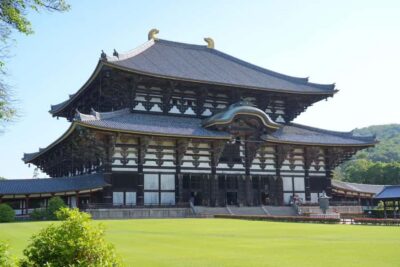
Nara Early Bird Tour (Kyoto Departure Option Available)
Read our review →Browse the lists this tour appears in