
Reviewed · NARA TOURS
Nara Early Bird Tour (Kyoto Departure Option Available)
Nara rewards early risers. This morning tour takes you from Kyoto to Nara before the afternoon crowds arrive, visiting Kofuku-ji Temple, Todaiji Temple, Nara Park, and Kasuga Grand Shrine while the city is still calm. I like the early timing and the small group size of up to 12 people. Both make it easier to hear your guide, take photos, and enjoy the deer without being swept along in a crowd.
I also like the practical shape of the tour. The Kyoto departure finishes before noon, leaving you free to continue exploring Nara, return to Kyoto, or head to Osaka. The main drawback is the early meeting time and the amount of walking. You must arrive 10 minutes early, and late arrivals are not accepted or refunded.
In This Review
- Key points at a glance
- Why the early start matters in Nara
- Meeting at Kyoto Station and riding to Nara
- Kofuku-ji Temple gives you the first history lesson
- Nara Park and the famous deer
- Todaiji Temple and the giant Buddha
- Kasuga Grand Shrine and a quieter walk
- The guides make the short format work
- What the tour does not include
- Walking, age limits, and who should book
- Is $88 good value?
- Should you book the Nara Early Bird Tour?
- FAQ
- How early do I need to arrive?
- Where does the Kyoto departure meet?
- How long does the Kyoto Station Departure Option last?
- Is transportation from Kyoto to Nara included?
- Is Todaiji Temple admission included?
- Is the tour suitable for wheelchair users or people with limited mobility?
Key points at a glance
- Nara before the crowds: The early start is the main reason to book, with several visitors noting how quickly the park and temples filled up later in the morning.
- Four major Nara sights: The route covers Kofuku-ji Temple, Todaiji Temple, Nara Park, and Kasuga Grand Shrine.
- A small English-speaking group: With a maximum of 12 people, the walk feels easier to follow than a large coach outing.
- Kyoto to Nara by public train: The Kyoto departure includes transportation to Nara, with the ride taking about one hour.
- Friendly, energetic guides: Guides including Kota, Futaba, Natsuho, Genki, Rowan, Shuma, and Kotaro receive repeated praise for clear English, local tips, and warm conversation.
- A half-day that leaves room for more: The Kyoto option ends back at Kyoto Station before noon, while the Nara station option is shorter.
Why the early start matters in Nara
Nara is famous for its free-roaming deer, historic temples, and broad parkland. It is also a very popular stop from Kyoto and Osaka. By afternoon, the main paths can become crowded, making temple views harder to enjoy and deer photos harder to frame.
This tour is built around avoiding that problem. You meet early at Kyoto Station, travel to Nara by public train, and begin seeing the main sights before the busiest part of the day. That timing is not a minor detail. It is the heart of the experience.
One guide, Kai, was especially praised for the timing: the park was nearly empty at first, then became ridiculously crowded by the time the group left. That gives you a useful picture of what the early start buys you. You will still see other people, but you have a better chance of enjoying quiet paths, open temple approaches, and cleaner photos.
The price is $88 per person. That is not the cheapest way to reach Nara, since you could arrange public transportation yourself. But the fee includes an English-speaking guide and the Kyoto to Nara train fare, and the route helps you use a short morning well. If you value explanation, local advice, and not having to work out the order of the sights yourself, the price is fair.
A few more options to weigh up in Nara
- World Heritage Kyoto & Nara Uji Authentic Matcha Experience
★ 5.0 · 1,573 reviews - Nara Half Day Trip Walking Tour (Private Option Available)
★ 5.0 · 937 reviews - Nara Early Morning Tour (Kyoto or Osaka Departure Available)
★ 5.0 · 676 reviews
Meeting at Kyoto Station and riding to Nara
The Kyoto departure meets at the Central Ticket Gate on the ground floor of Kyoto Station. Look for the northern side of the station, with Kyoto Tower visible outside. The meeting point is next to Hotel Granvia.
Arrive at least 10 minutes before the scheduled start. This is important because the group uses a public train and the tour cannot wait for late arrivals. There is no refund for missing the departure, so allow extra time if Kyoto Station is unfamiliar to you.
The train ride to Nara takes around one hour. Transportation from Kyoto to Nara is included, but your return transportation is not. The tour ends back at the Kyoto meeting point for those taking the Kyoto Station Departure Option, yet the supplied information also notes that transportation back to Kyoto is not included for people treating the tour as a one-day Nara visit. Read the departure choice carefully when booking so you know where your own tour ends.
The Kyoto option lasts about four hours in total. The Kintetsu Nara Station Meet-up option lasts three hours and skips the Kyoto to Nara train portion. That shorter choice may suit you if you are already staying in Nara or can reach the station on your own.
Kofuku-ji Temple gives you the first history lesson
Kofuku-ji Temple is one of the first major stops listed for the Nara route. It gives the morning a strong cultural start before the walk moves deeper into Nara Park.
Your guide explains the temple and its place in Nara’s religious and political past. The best part of a guided visit here is not simply seeing a pagoda or temple structure. It is having someone explain what you are looking at, how Buddhist and Shinto traditions appear around Nara, and why these sites matter to the city.
The guides are a major strength throughout the morning. Kota is praised for explaining Nara and Japan in general, while Futaba is described as friendly, energetic, and clear. Several guides also helped with questions about the rest of a Japan itinerary, which is useful when Nara is only one stop in a busy trip.
The route is not designed for lingering at every building. It is a highlights walk, so you should expect the guide to keep the group moving. If you want a slow architectural study or a long private visit inside each temple, you may prefer exploring independently after the tour.
Nara Park and the famous deer
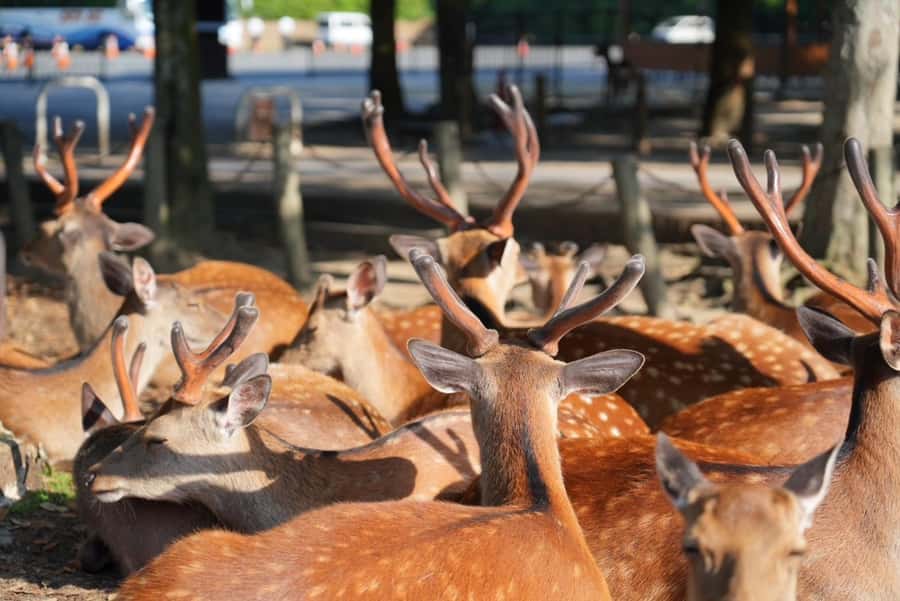
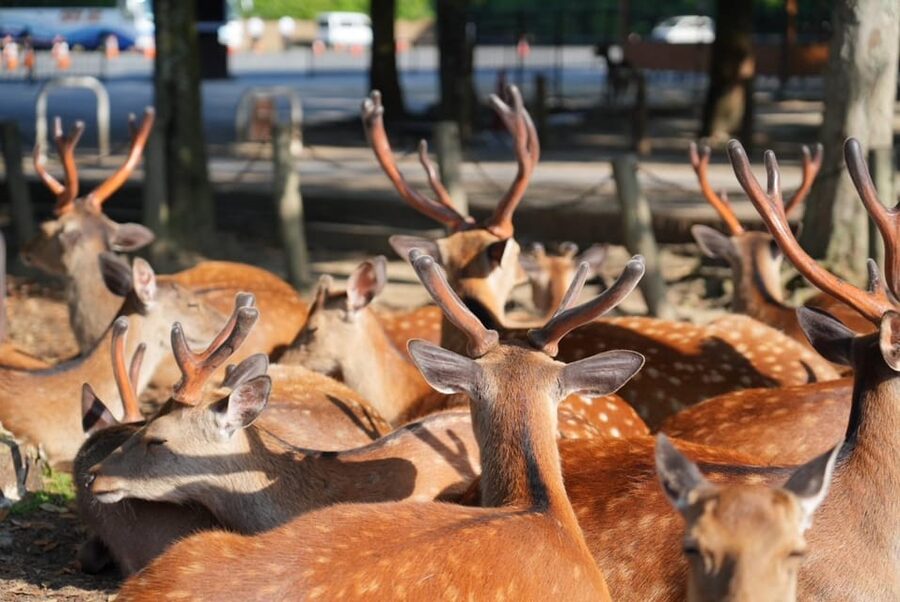
Nara Park is the most playful part of the morning. Deer roam freely through the park and around the temple grounds, creating scenes that are unusual even by Japan’s high standards.
You can buy special crackers and feed the deer. One small detail adds to the fun: the deer may bow before eating. Families especially praised this part, and one guide was commended for keeping a five-year-old interested during the walk.
The deer are still wild animals, so you should treat the encounter with care. Keep the crackers under control, follow your guide’s instructions, and do not assume every animal wants to be touched. The experience is best when you watch the deer’s behavior rather than treating them like tame pets.
The early hour helps here, too. With fewer people around, you have more room to approach the deer calmly and take photos without a wall of phones behind you. By late morning, the paths can feel much more crowded.
The park also gives the tour a welcome change of pace. After temple explanations, you walk among trees and open spaces, with deer appearing beside the path. It is a simple pleasure, but it helps make Nara feel like more than a collection of historic buildings.
A completely different kind of day out:
- Osaka: Nara and Uji Day Trip with Deer Park and Hot Spring
★ 4.4 · 302 reviews - Kyoto/Osaka: Kinkakuji, Bamboo Forest, and Nara Deer Park
★ 4.4 · 265 reviews - Nara 6hr Private Tour with Government-Licensed Guide
★ 5.0 · 219 reviews - E-Bike Nara Highlights – Todaiji, Knives, Deer, Shrine
★ 4.8 · 186 reviews
Todaiji Temple and the giant Buddha
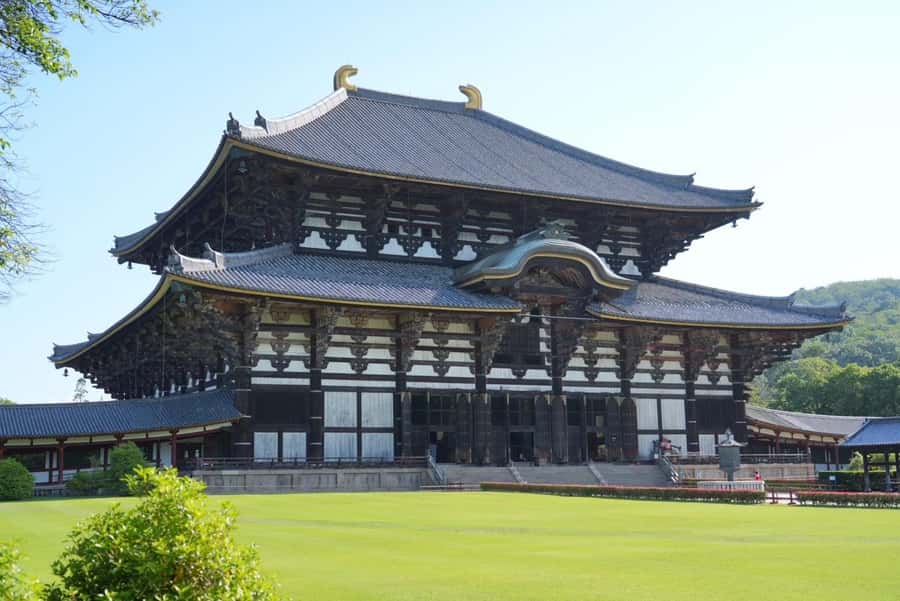
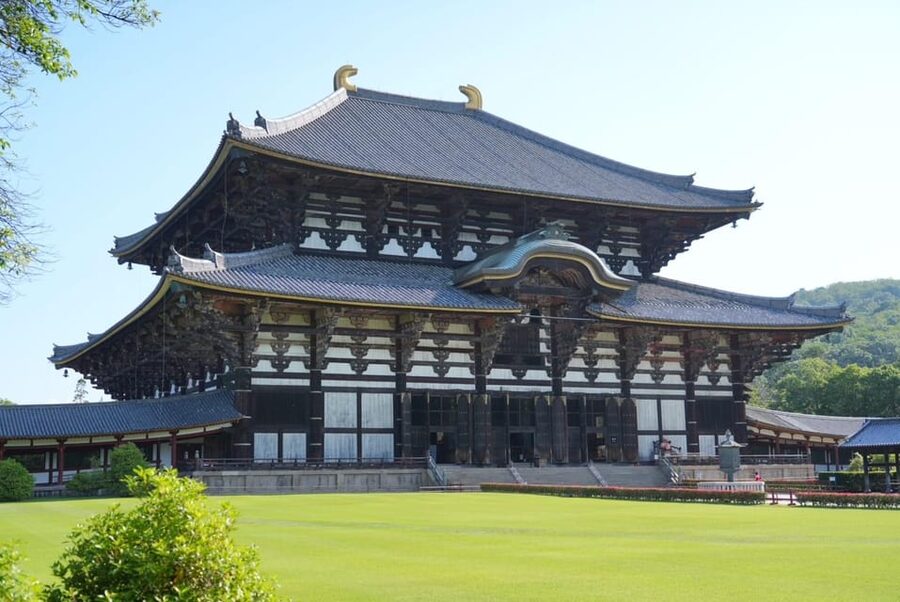
Todaiji Temple is the major architectural highlight. The great wooden temple hall and its enormous Buddha image give the visit a sense of scale that is difficult to convey in photographs.
Admission to Todaiji is not included. You should budget 800 yen for the temple entrance, in addition to the tour price. This is a small extra cost, but it is worth knowing before you arrive.
Inside, your guide can provide cultural and historical context, then allow time for you to look around. The reviews place strong emphasis on the guides’ explanations at the temples. Genki, Hina, Natsuho, Daizen, and Soichiro are each praised for making the history understandable, answering questions, and keeping the pace comfortable.
One familiar Todaiji feature is the opening in a large wooden pillar, said to match the size of the Buddha’s nostril. A visitor joked about not fitting through it. If that feature is open during your visit, it can add a light moment to an otherwise grand and serious site, though the supplied tour details do not promise access or mention its operating conditions.
Todaiji can become very crowded. That is another reason to start early. The building feels more impressive when you are not pressed shoulder to shoulder with a large afternoon crowd.
Kasuga Grand Shrine and a quieter walk
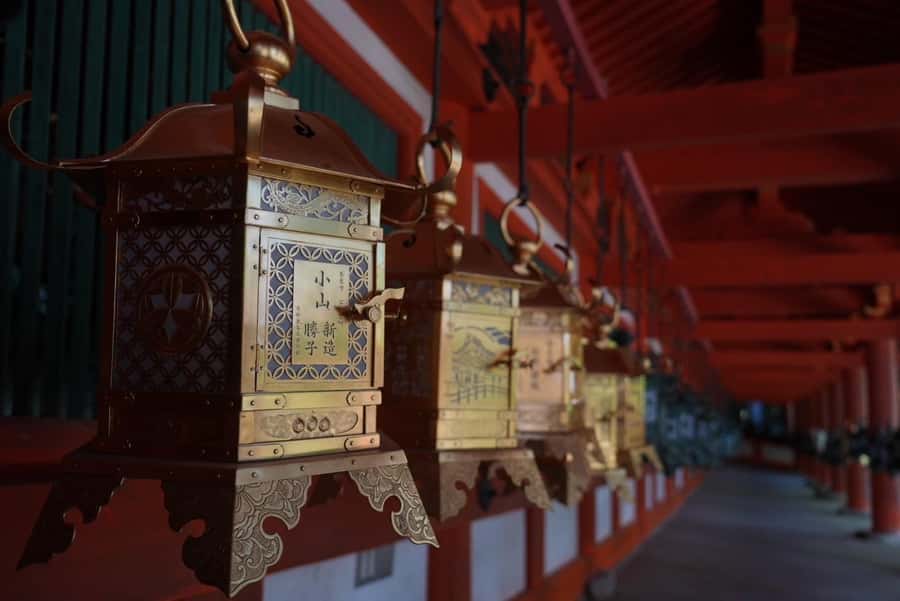
Kasuga Grand Shrine adds a different mood to the route. The approach leads through wooded parts of Nara, where stone lanterns and forest paths create a calmer setting than the busy temple areas.
This is where comfortable shoes matter. The tour involves a substantial amount of walking, and the route includes temple grounds, park paths, and shrine approaches. You should not expect a vehicle to carry you between each sight.
The wooded walk also helps explain why Nara is more than a deer stop. Rosa Alicia Malacara praised the paths and less obvious corners of the city, pointing out that Nara offers much more than animal encounters. That is a useful way to approach the tour. The deer are an easy hook, but the temples, shrines, trees, and quiet transitions between them form the real experience.
Kasuga Grand Shrine is a good place to slow down and notice details. Your guide may point out religious customs, architectural elements, or the meaning of objects along the route. Since the exact amount of time at each stop can vary, you should think of this as an introduction rather than a complete visit to every part of the shrine complex.
The guides make the short format work
The strongest repeated praise goes to the guides. They are described as friendly, patient, well-organized, and easy to talk to. Several have excellent English and explain both Nara’s sites and wider Japanese culture.
Kota receives repeated praise for his historical background, food suggestions, and ability to keep a young child engaged. Futaba is praised for her energy and clear explanations. Natsuho is remembered for helping a group reach its next destination after the tour. Kotaro, a Nara local, is praised for local insight and detailed answers. Daizen is described as patient and generous with recommendations.
You may not be able to request a particular guide, so book this tour for the format and route rather than expecting a specific person. Still, the pattern is encouraging. The guides appear to do more than recite facts. They answer questions, suggest restaurants and mochi shops, and offer tips for the rest of a Kyoto or Osaka visit.
That personal help is part of the value. A short morning can otherwise feel rushed. A good guide turns the walk into a conversation and helps you understand why the sites matter.
What the tour does not include
The main route is clear: Kofuku-ji Temple, Todaiji Temple, Nara Park, and Kasuga Grand Shrine. Food and drinks are not included, and you should plan to eat after the tour.
The supplied highlights also refer to Fushimi-Inari Shrine, Kinkakuji, and Arashiyama. These are Kyoto-area sights, not part of the four-site Nara route described in the detailed tour information. Do not assume the morning includes all of them. If those places are important to your plans, treat them as separate Kyoto visits.
The tour also does not include your return transportation if you stay in Nara after the guided portion. That can be a benefit if you want to eat lunch, visit another temple, or continue toward Osaka. It just means you must arrange and pay for that onward journey yourself.
Many people will like this flexibility. The guided part gives you a useful introduction, then you can choose your next move. If you want a fully managed day with transportation throughout, this is not that kind of tour.
Walking, age limits, and who should book
You need comfortable shoes and enough stamina for a walking route through temple grounds, park paths, and shrine areas. Baby strollers are not allowed, and the experience is not suitable for wheelchair users or people recovering from recent surgery.
The tour is also listed as unsuitable for people over 70. That is a firm planning point, especially if you are booking for a mixed-age group. The route may feel easy to an active walker, but the early start and several hours on foot can be tiring.
I would recommend this experience most strongly to:
- First-time visitors who want Nara’s main sights in one morning
- People staying in Kyoto who want a simple train-based excursion
- Families who want to see the deer with a guide
- Photographers who care about avoiding the busiest hours
- Anyone who wants free time afterward for Nara, Osaka, or Kyoto
I would be more cautious if you prefer sleeping late, dislike group walks, need a slow pace, or want long unstructured visits inside the temples.
Is $88 good value?
At $88, the tour makes sense if you want guidance and efficient use of time. The included train fare removes one small planning task, while the guide gives you context and local advice that you would not get from simply walking around Nara alone.
The group limit of 12 is also helpful. It is small enough for questions and personal attention, but not a private tour. The experience remains a shared walk, and the group’s pace may not match yours at every moment.
You should also add the 800 yen Todaiji admission fee and any food, drinks, or return transportation. Even with those extras, the tour can be good value for a short Kyoto itinerary because it finishes before noon and leaves the rest of your day open.
The best value comes from the early timing. If you arrive later and spend the afternoon dealing with crowds, you may save on a guide but lose time and comfort. For many people, the quieter first hours are worth paying for.
Should you book the Nara Early Bird Tour?
Book it if you want a well-organized introduction to Nara, care about beating the crowds, and like learning from a friendly English-speaking guide. The route covers the essential sights, the deer are a memorable bonus, and the early finish gives you room to shape the rest of your day.
I would not book it if you want a private experience, cannot manage several hours of walking, or plan to visit Nara at a slow, unhurried pace. In that case, independent exploration may suit you better.
For most active visitors based in Kyoto, this is a smart half-day choice. Set two alarms, wear good shoes, arrive early at the Central Ticket Gate, and keep your afternoon free for one more Japanese adventure.
FAQ
How early do I need to arrive?
You should be at the meeting spot 10 minutes before the scheduled start. Late arrivals cannot be accepted, and no refund is provided for missing the departure.
Where does the Kyoto departure meet?
The group meets at Kyoto Station’s Central Ticket Gate on the northern side of the station. Kyoto Tower is visible outside, and the meeting point is next to Hotel Granvia.
How long does the Kyoto Station Departure Option last?
The Kyoto Station Departure Option lasts about four hours, including the public train ride to Nara. The train journey takes around one hour.
Is transportation from Kyoto to Nara included?
Yes. The transportation fee from Kyoto to Nara is included for people choosing the Kyoto Station Departure Option.
Is Todaiji Temple admission included?
No. Todaiji admission costs 800 yen and must be paid separately. Food and drinks are also not included.
Is the tour suitable for wheelchair users or people with limited mobility?
No. The tour is not suitable for wheelchair users, people with recent surgeries, or people over 70 years. Baby strollers are also not allowed.
Just added in Nara
- Hammer a Pattern on Your Ring Workshop★ 5.0 · 57 reviews
- All must-sees in 3 hours – Nara Park Classic Tour! From JR Nara!★ 5.0 · 108 reviews
- Nara Private Tour: Flexible Pickup from Kyoto, Osaka, or Nara★ 5.0 · 17 reviews
- Private Nara Tour and Sake Tasting (Departing from Kyoto/Nara)★ 5.0 · 40 reviews
- Nara World Heritage PRIVATE TOUR★ 4.5 · 15 reviews
- Nara Highlight Walking Tour with Furoshiki Experience with Lunch★ 5.0 · 73 reviews
- Nara Sake Tasting Tour at Local Brewerie(tasting fee included)★ 5.0 · 12 reviews
- Nara – Highlights Bike Tour★ 4.5 · 89 reviews
Nara Tours, compared.
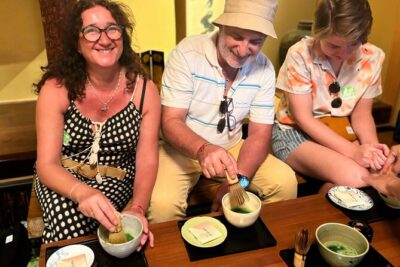
World Heritage Kyoto & Nara Uji Authentic Matcha Experience
Read our review →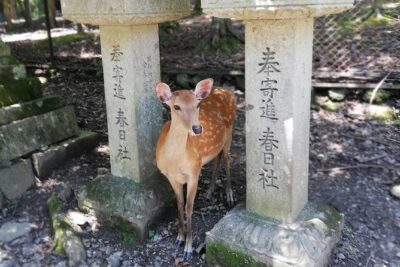
Nara Half Day Trip Walking Tour (Private Option Available)
Read our review →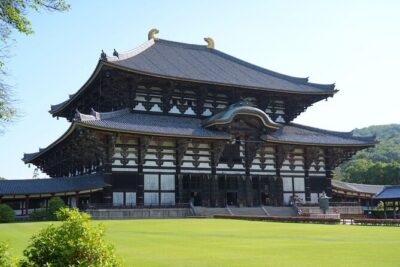
Nara Early Morning Tour (Kyoto or Osaka Departure Available)
Read our review →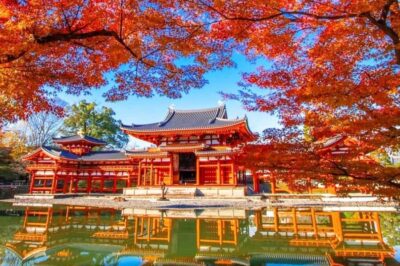
Nara and Uji Day Trip with Deer Park and Hot Spring
Read our review →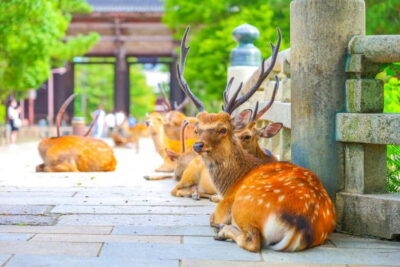
Kyoto/Osaka: Kinkakuji, Bamboo Forest, and Nara Deer Park
Read our review →
Nara 6hr Private Tour with Government-Licensed Guide
Read our review →
E-Bike Nara Highlights – Todaiji, Knives, Deer, Shrine
Read our review →
Nara:Authentic Tea Ceremony(Max 5 ppl) -Master Matcha Making
Read our review →Browse the lists this tour appears in