
Reviewed · TEA CEREMONIES
Nara:Authentic Tea Ceremony(Max 5 ppl) -Master Matcha Making
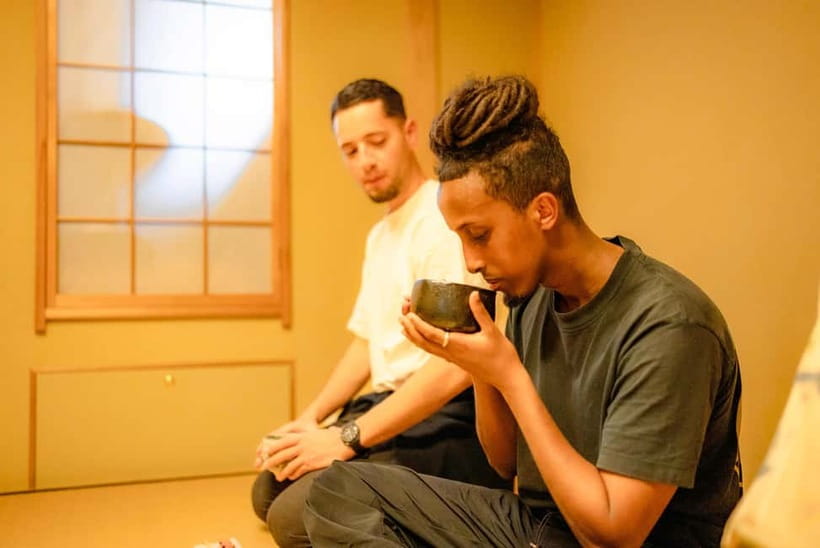
Slow down, whisk carefully, and taste Nara. This one-hour tea experience takes place in a 120-year-old Japanese farmhouse, where a tea master explains the customs, tools, and meaning behind tea ceremony before guiding you through your own bowl of matcha. I especially like the quiet traditional setting and the chance to compare single-origin matcha from Nara rather than simply watching someone prepare it.
I also like the personal teaching. The master prepares tea for you, then watches your technique and offers practical advice as you whisk your own. The main consideration is time: one hour gives you a focused introduction, not a full study of tea ceremony, and the formal elements may feel slow if you only want a quick matcha tasting.
In This Review
- Key details before you book
- Entering the old farmhouse in Nara
- Tea ceremony basics before you touch the whisk
- Comparing Nara matcha by taste
- Whisking your own bowl of matcha
- Wagashi and the final tasting
- Hosts who add local advice
- How much value do you get for $46?
- Who will enjoy this one-hour class?
- Booking tips for a smoother visit
- Should you book the Nara tea ceremony?
- FAQ
- How long does the tea ceremony experience last?
- How much does the experience cost?
- Is the tea ceremony taught in English?
- How many people can join?
- Is matcha preparation included?
- What food is included?
Key details before you book
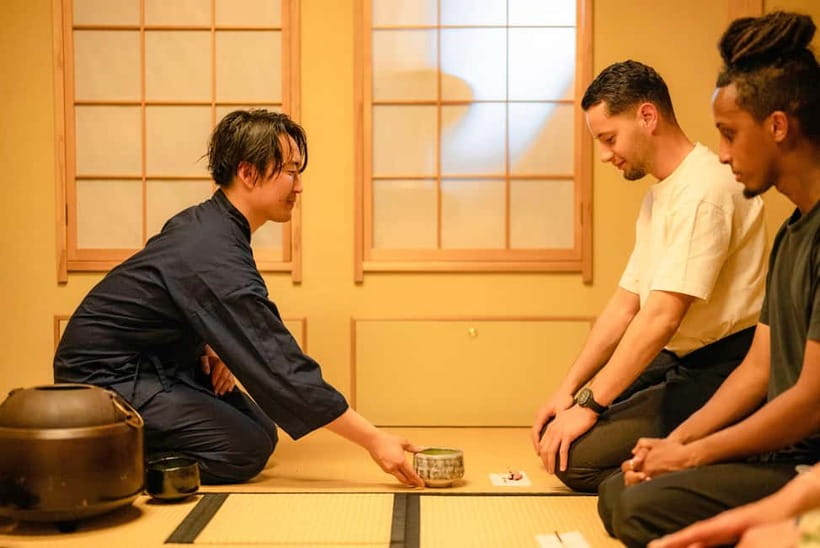
- A 120-year-old farmhouse: The setting gives the hour a sense of place that a modern café cannot match.
- Hands-on matcha preparation: You do not just observe. You whisk your own tea and receive feedback.
- Single-origin Nara matcha: Tasting different teas helps you notice how flavor can change from one tea to another.
- Seasonal wagashi: Traditional Japanese sweets are served with the tea and balance matcha’s flavor.
- Small group format: The experience is listed for a maximum of five people in its title, while the activity details state a limit of six. Check the confirmed group size when booking.
- Local advice included: Hosts such as Mike, Kurabi, Hasumi, and Tate have offered suggestions for restaurants, sake shops, cafés, matcha purchases, and Nara sights.
Entering the old farmhouse in Nara
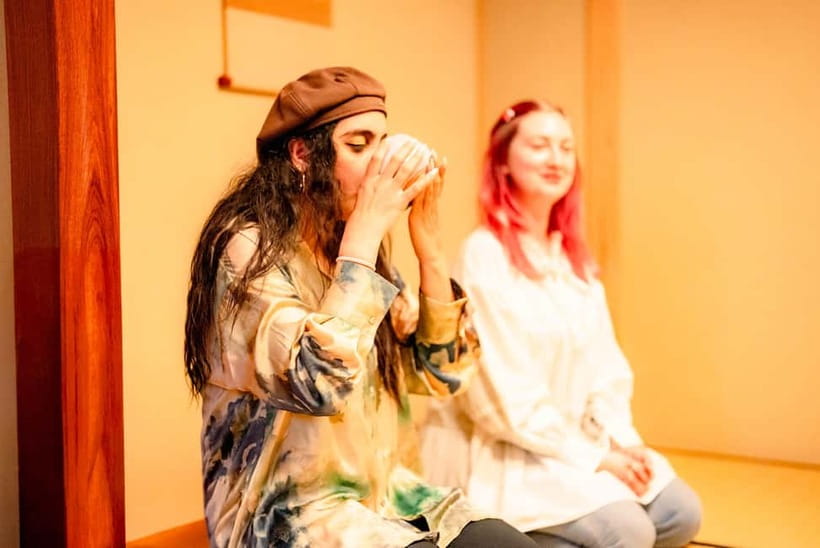
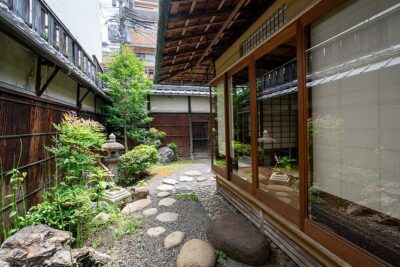
The setting does much of the work here. You step into a traditional Japanese farmhouse that is about 120 years old, a detail that changes the mood before the tea even appears. The house provides a calm, intimate room for learning, with a sense of age and daily life that feels more personal than a staged cultural demonstration.
Several people who took the experience also described the approach through older parts of Nara as part of the pleasure. One person walked about ten minutes from the meeting point to the guesthouse with the host. That detail matters because finding the meeting point may require a little attention, and one participant needed help locating the host in a blue kimono. The host called through WhatsApp, then escorted the participant onward.
You should allow a little extra time to find the meeting point and keep your phone available. Once you connect with the host, the walk itself can become a pleasant transition from sightseeing into a slower hour.
The farmhouse also appears to serve as a guesthouse. That does not mean you receive an overnight stay, but it helps explain the quiet, home-like feel described by participants. If you prefer polished hotel rooms and formal performance spaces, the simplicity may feel modest. If you want a more personal look at Japanese life, it is a strong part of the experience.
More Tea Ceremonies in Nara:
- World Heritage Kyoto & Nara Uji Authentic Matcha Experience
★ 5.0 · 1,573 reviews - Nara:5 Type of Tea Tasting & Mindful Tea Ceremony
★ 5.0 · 28 reviews - Nara:Tea Tasting&Private Tea Ceremony -Master Matcha Making-
★ 5.0 · 19 reviews
Tea ceremony basics before you touch the whisk
The session begins with an explanation of tea ceremony customs, history, etiquette, and equipment. This introduction gives meaning to the movements instead of presenting them as a string of rules you must copy without understanding.
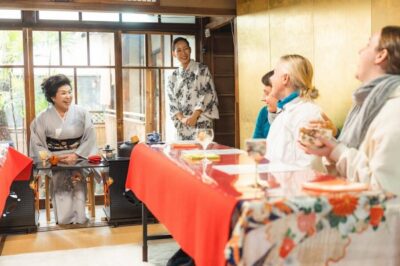
The host explains the traditional utensils and the purpose behind the ceremony. You learn how the tea is prepared and served, and you can ask questions as the session moves along. The teaching style appears friendly rather than stern. Declan from Australia described a host who taught the formalities while still keeping the mood light, and that balance is useful for first-time participants.
You do not need prior knowledge of Japanese tea. This is designed as an introduction, so you can ask basic questions about the tools, the sequence, or the reason for a particular gesture. The explanations also connect tea to Japanese culture and philosophy, which gives the ritual more depth than a simple drink-making class.
I would not expect a full formal tea ceremony in the strictest sense. The emphasis is split between learning, tasting, and practice. That is good news for most visitors, since you get context without having to sit silently through a long performance.
Comparing Nara matcha by taste
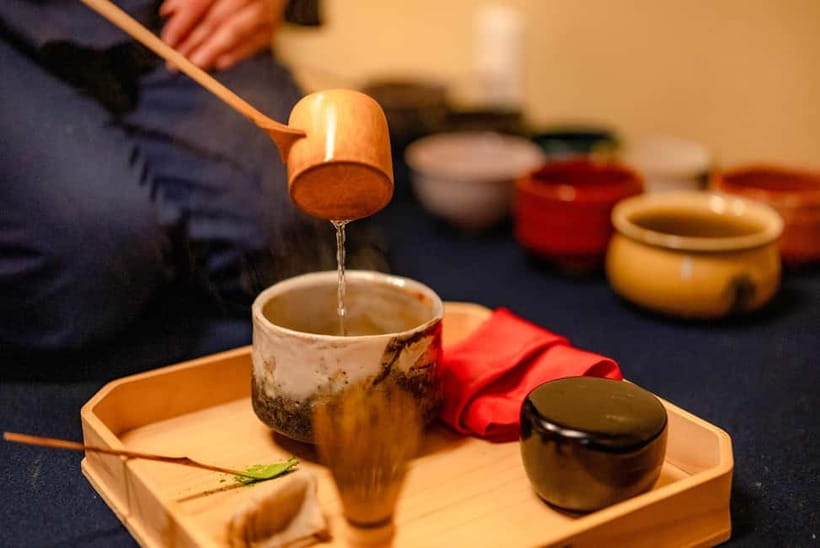
A particularly good feature is the chance to taste and compare single-origin matcha from Nara. Rather than treating matcha as one uniform flavor, the session lets you notice differences and decide which style you prefer.
The supplied details do not promise a fixed number of teas, so the exact tasting lineup may vary. One participant described tasting several teas as well as freshly prepared matcha. Another received an extra recommendation from Uji. You should treat those additions as dependent on the host and the session rather than guaranteed parts of every booking.
This tasting is valuable because matcha can be unfamiliar at first. You may notice differences in aroma, bitterness, smoothness, or aftertaste, but the host can help you put those impressions into words. It also gives you better judgment if you plan to buy tea later in Nara or Kyoto.
The experience is not only for tea experts. A beginner can simply identify a favorite. A more serious tea drinker can ask about origin and preparation. The format leaves room for both types of interest, though the one-hour length means the tasting remains an introduction rather than a technical tea course.
Whisking your own bowl of matcha
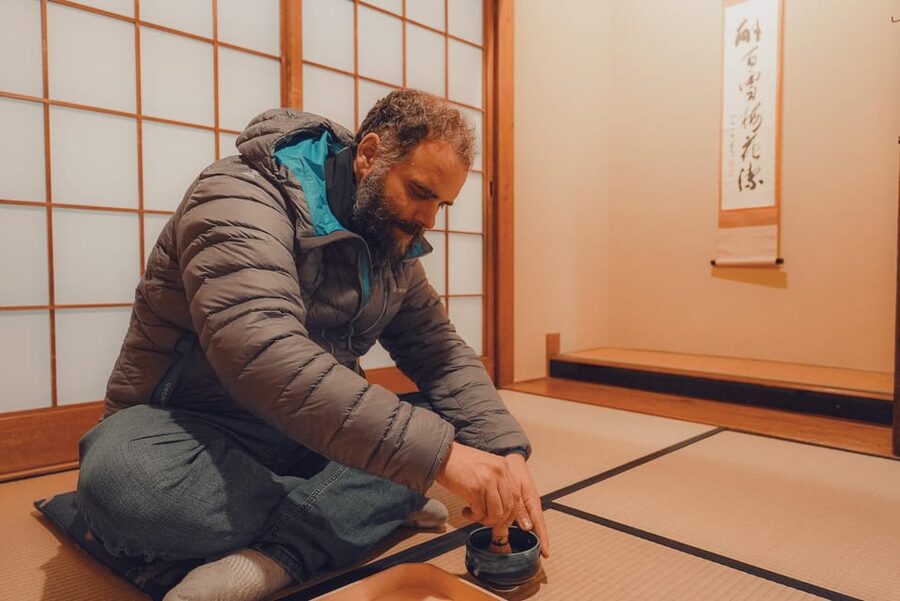
This is the most active part of the hour. After watching the tea master prepare matcha, you pick up the whisk and prepare your own bowl under guidance.
The master shows you the motion and then corrects your technique. One participant received advice on making the tea creamier, while another appreciated learning how to improve the whisking method. This personal feedback is more useful than simply following a printed instruction card because you can adjust your movement immediately.
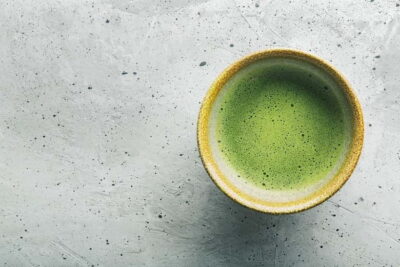
You will likely find that whisking matcha looks easier than it feels. The goal is not just to stir powder into water. The technique affects the texture, and the host helps you understand how to create a smoother drink. You get to taste the result, notice what changed, and try to improve.
That hands-on element makes the class worthwhile for couples, families, and small groups. A family of four described the session as interactive, educational, and fun. A group can share the experience while still getting individual guidance, provided the final group size remains small.
The practice also gives you something to take home beyond a photograph. Once you understand the basic technique, you can prepare matcha again, although you would need your own tea and tools. For many people, that practical skill is a better souvenir than another packaged snack.
A few more options to weigh up in Nara
- Nara Half Day Trip Walking Tour (Private Option Available)
★ 5.0 · 937 reviews - Nara Early Morning Tour (Kyoto or Osaka Departure Available)
★ 5.0 · 676 reviews - Osaka: Nara and Uji Day Trip with Deer Park and Hot Spring
★ 4.4 · 302 reviews - Kyoto/Osaka: Kinkakuji, Bamboo Forest, and Nara Deer Park
★ 4.4 · 265 reviews
Wagashi and the final tasting
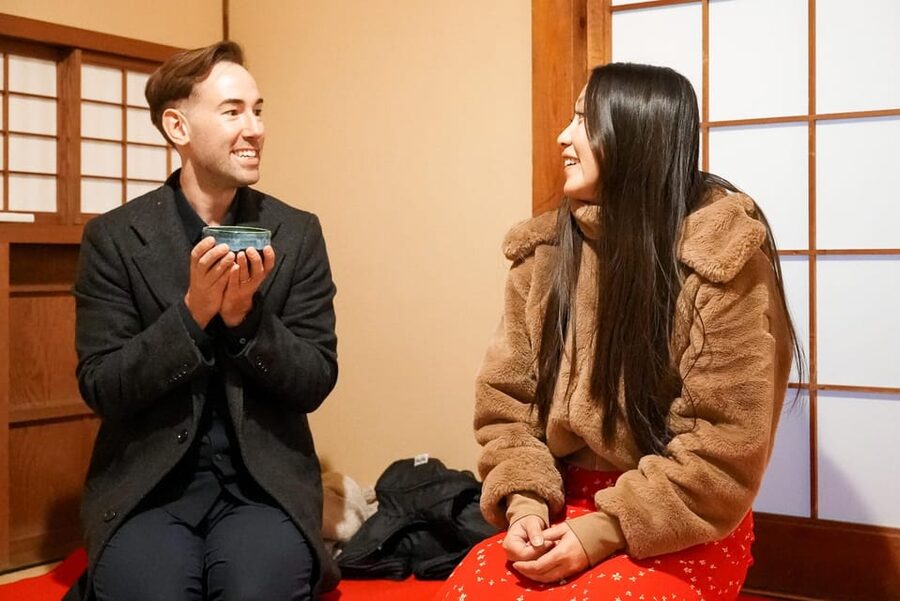
The tea is served with seasonal wagashi, traditional Japanese sweets made to accompany tea. Wagashi often provides a gentle sweetness that balances matcha’s vegetal taste and mild bitterness.
The exact sweet can change with the season, so you should not expect one fixed item. One participant even mentioned tasting a sweet made by the host. That appears to be a personal touch rather than a stated part of every session, but it shows how the final tasting can include more than a standard snack.
The order and pace give you time to enjoy the tea instead of rushing to the next Nara sight. You can focus on the aroma, texture, and flavor of the bowl you prepared. That quiet pause is a central part of the appeal.
If you dislike bitter drinks or sweet bean-based Japanese confections, this may not be your favorite food stop. Still, the host guides you through the pairing, and the experience is about learning as much as eating.
Hosts who add local advice
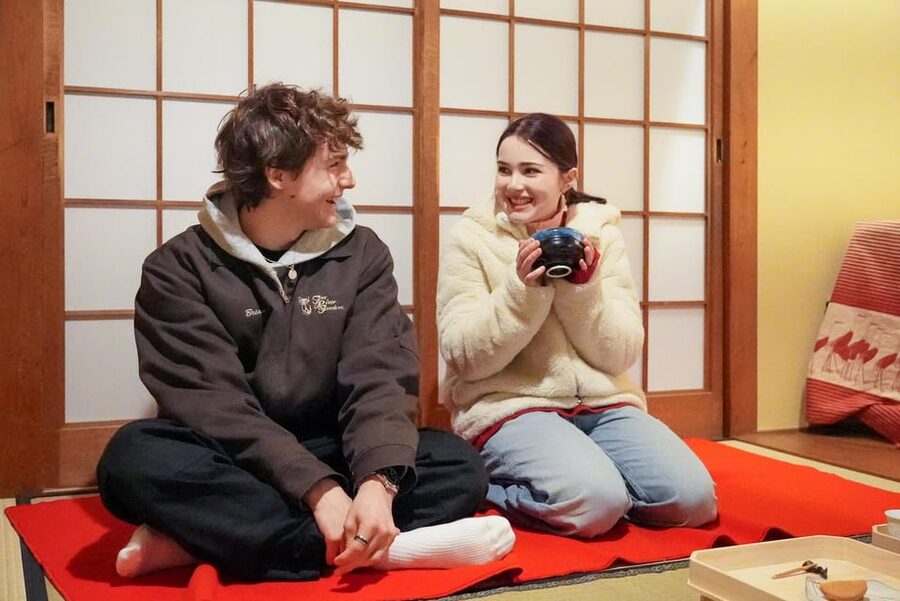
The experience is connected closely to its hosts. Names appearing in the supplied material include Kurabi, Hasumi, Mike, and Tate. The host assigned to your time may vary, but the repeated pattern is clear: instruction is paired with friendly conversation and local suggestions.
Mike received particular praise for his English, tea explanations, and help with questions. He also gave advice on places to eat, buy tea, purchase sake, and visit around Nara and Kyoto. Kurabi helped one participant with restaurant and sake-shop ideas after the ceremony. Another host suggested a ramen restaurant, and one even helped arrange a restaurant reservation.
You should ask for recommendations if you still have time in Nara. The advice is most useful when you give the host a clear request, such as a casual dinner, a yakiniku restaurant, a matcha café, or a place to buy tea. The experience can become a practical starting point for the rest of your day.
This local conversation is not a formal sightseeing tour, so do not expect a guided visit to Nara’s major sights. It is an extra benefit that comes from having an informed local host in front of you. One participant also received help finding the next bus to Nara Park and its deer area, which can be useful if you are moving on immediately afterward.
How much value do you get for $46?
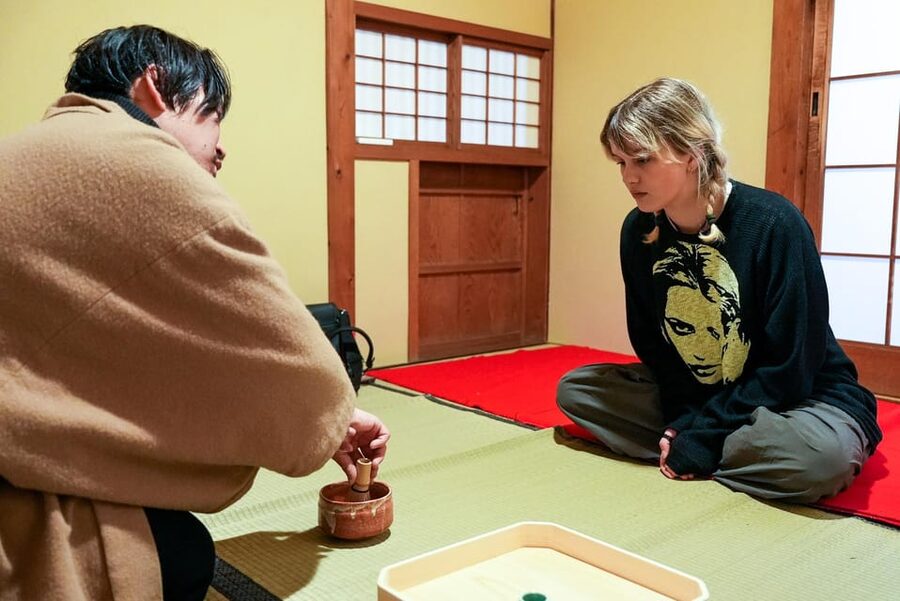
At $46 per person, this is not the cheapest way to drink matcha in Nara. A café can serve you a bowl for much less. The price makes more sense when you count the private instruction, farmhouse setting, tea comparisons, wagashi, and personal practice.
You are paying for access to a teacher and a place with character, not just a beverage. The one-hour format also fits neatly into a sightseeing day. You can schedule it before lunch, after visiting Nara’s temples, or at the start of your stay and use the local suggestions to shape the rest of your visit.
Value depends on what you want. If you only want to sample matcha, spend your money at a café. If you want to understand the etiquette, learn the tools, compare teas, and prepare your own bowl, the price is fair.
The small group size matters here. A large demonstration would make the cost harder to justify because you would receive less personal instruction. The listed capacity is limited, although the supplied information differs slightly between a maximum of five in the title and six in the activity details. I would confirm this point when choosing a date, especially if you are booking for a family or larger party.
Who will enjoy this one-hour class?
I would recommend this experience to first-time visitors who want a gentle introduction to Japanese tea culture. You get enough background to understand what you are seeing, but you are not expected to arrive with formal knowledge.
It also suits:
- Couples looking for a quiet cultural activity
- Families with older children who can follow a short demonstration
- Tea drinkers who want to compare Nara matcha
- Visitors who enjoy learning a practical skill
- People who want restaurant and shopping suggestions from a local host
- Anyone seeking a slower break between Nara’s temples, parks, and streets
The session may be less suitable if you dislike structured etiquette or want a long, elaborate ceremony. It is also not the best choice if you are mainly looking for a meal or a broad walking tour. The focus stays on tea, conversation, and practice.
Because instruction is offered in English and Japanese, English-speaking visitors can ask questions directly. Still, teaching style can differ by host, so the experience may feel slightly different from one date to another.
Booking tips for a smoother visit
The activity lasts one hour, but I would not plan another appointment immediately afterward. Finding the meeting point, walking to the farmhouse, and continuing to your next stop may take additional time.
Free cancellation is available up to 24 hours before the start time for a full refund. You can also reserve now and pay later, which helps if your Nara schedule is still changing. Starting times vary, so check availability for the date you want.
Wear something that allows you to sit and move comfortably. The provided information does not specify a required dress code or seating style, so you should ask the provider if you have concerns about posture or mobility.
Bring questions. Ask which matcha you tasted, where to buy tea, how to repeat the whisking technique at home, or which restaurants are good nearby. The hosts appear willing to share practical local advice, and that conversation may become one of the most useful parts of the hour.
Should you book the Nara tea ceremony?
I would book it if you want more than a quick cup of matcha. The old farmhouse atmosphere, clear explanations, and chance to whisk your own tea create a real cultural activity rather than a photo stop.
The strongest reason to choose it is personal attention. You learn the formal steps, taste tea, receive corrections, enjoy wagashi, and can ask a local host about Nara. At $46, that is a solid deal for a small-group class with a one-hour commitment.
Skip it if your schedule is packed or if you have no interest in tea, etiquette, or hands-on practice. For everyone else, especially first-time visitors, this is a calm and useful way to connect with Nara before returning to the noise of the streets.
FAQ
How long does the tea ceremony experience last?
The experience lasts one hour.
How much does the experience cost?
The listed price is $46 per person.
Is the tea ceremony taught in English?
Yes. Instruction is available in English and Japanese.
How many people can join?
The title states a maximum of five people, while the activity details list a small group limited to six participants. Confirm the exact capacity for your booking.
Is matcha preparation included?
Yes. The tea master prepares and serves matcha, then guides you as you whisk your own tea and gives personalized feedback.
What food is included?
Seasonal wagashi, traditional Japanese sweets, is included with the tea ceremony.
Just added in Nara
- Hammer a Pattern on Your Ring Workshop★ 5.0 · 57 reviews
- All must-sees in 3 hours – Nara Park Classic Tour! From JR Nara!★ 5.0 · 108 reviews
- Nara Private Tour: Flexible Pickup from Kyoto, Osaka, or Nara★ 5.0 · 17 reviews
- Private Nara Tour and Sake Tasting (Departing from Kyoto/Nara)★ 5.0 · 40 reviews
- Nara Highlight Walking Tour with Furoshiki Experience with Lunch★ 5.0 · 73 reviews
- Nara Sake Tasting Tour at Local Brewerie(tasting fee included)★ 5.0 · 12 reviews
- Nara World Heritage PRIVATE TOUR★ 4.5 · 15 reviews
- Nara – Highlights Bike Tour★ 4.5 · 89 reviews
Tea Ceremonies, compared.
Tea Ceremony in a Traditional Tea House in Kiyomizu
Read our review →
World Heritage Kyoto & Nara Uji Authentic Matcha Experience
Read our review →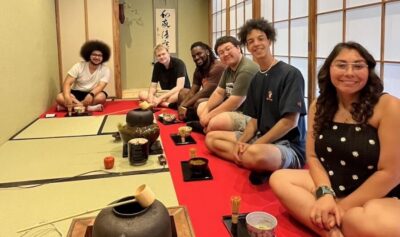
Browse the lists this tour appears in