
Reviewed · TEA CEREMONIES
Nara:Tea Tasting&Private Tea Ceremony -Master Matcha Making-
Tea makes a smart pause in Nara. This 90-minute experience trades temple crowds for a quiet room in a renovated traditional Japanese house, where you taste five teas, talk with local host Mike, and learn to whisk matcha yourself. I especially like the private instruction and the chance to compare cold-brewed and hot teas before choosing a favorite for a pot-brewed serving.
I also like the relaxed, personal tone. Mike is praised for being warm, funny, patient with children, and generous with local suggestions. The main consideration is the price, about $63.06 per person, which is fair for a private session but higher than a simple tea tasting. If you want a quick drink rather than cultural context and hands-on practice, this may feel like more than you need.
In This Review
- Key points at a glance
- A quiet tea room near Naramachi
- Five teas, five different impressions
- Choosing a favorite for pot brewing
- Learning the tools and customs
- Whisking your own matcha
- Wagashi and the final pause
- What the private format is worth
- Who will enjoy this most
- Practical details before you book
- Should you book the Nara tea experience?
- FAQ
- Where does the tea experience begin?
- Where does the activity end?
- How long does the experience last?
- How much does the experience cost?
- Is the activity private?
- How many teas can I taste?
- Can I make my own matcha?
- Are traditional Japanese sweets included?
- Is the meeting point near public transportation?
- Can I cancel for a full refund?
Key points at a glance
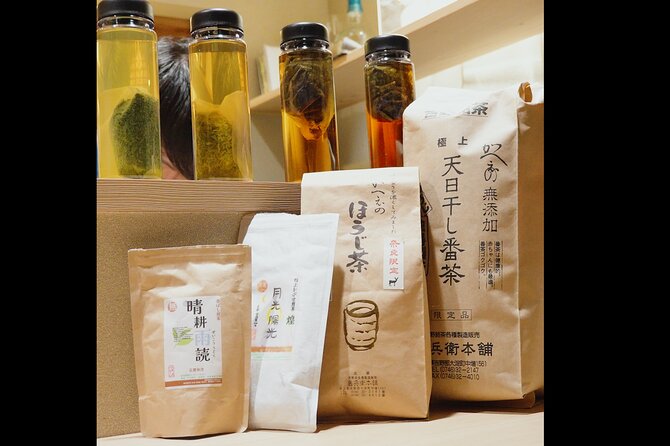
- Five teas from Nara Prefecture: Compare matcha, roasted teas, and other locally sourced varieties selected by the tea master.
- Your own matcha practice: Learn the tools, motions, etiquette, and background before whisking a bowl with personal guidance.
- A traditional house setting: The tea room offers a calm break from Nara sightseeing and busy temple routes.
- Private format: Only your group takes part, so questions and pacing can be tailored to you.
- Seasonal wagashi: Traditional Japanese sweets provide a gentle, well-matched counterpoint to the teas.
- Friendly local help: Mike can offer tea advice and useful ideas about places to visit in Japan.
A quiet tea room near Naramachi
The meeting point is Guesthouse Naramachi30 at 30 Kitakyōbatechō, Nara, 630-8322. From there, the activity returns to the same meeting point after about one hour and 30 minutes.
That detail matters. You are not being rushed between several attractions or put on a large coach. The entire experience stays focused on tea, conversation, and practice. The location is near public transportation, which makes it a practical addition to a day around Naramachi.
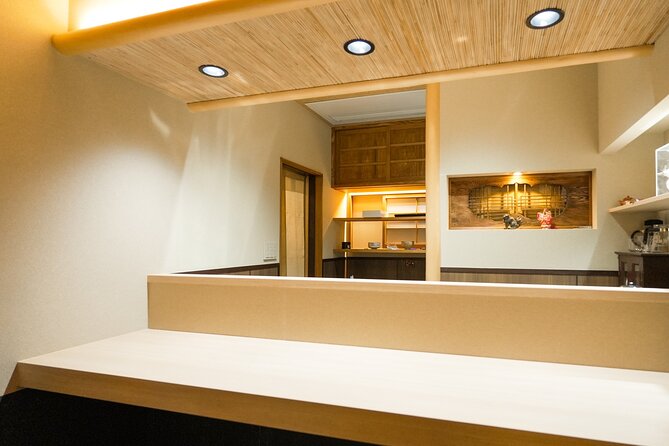
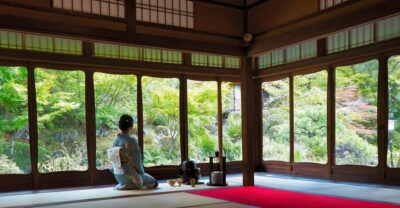
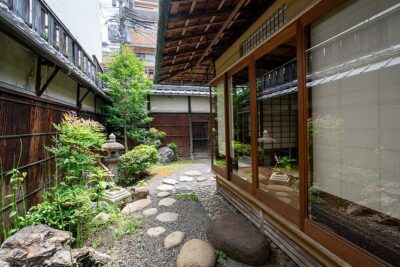
The room itself is in a renovated traditional Japanese house. That setting does much of the work. Instead of treating tea as a quick beverage stop, the experience gives you a place to slow down, sit comfortably, and pay attention to aroma, temperature, texture, and preparation.
You should not expect a formal ceremony lasting several hours. This is a compact introduction, designed to give you both tasting time and practical instruction. That balance suits a first visit to Japan, a family with limited patience for long lectures, or anyone who wants a cultural activity without surrendering half a day.
More Tea Ceremonies in Nara:
- World Heritage Kyoto & Nara Uji Authentic Matcha Experience
★ 5.0 · 1,573 reviews - Nara:Authentic Tea Ceremony(Max 5 ppl) -Master Matcha Making
★ 5.0 · 119 reviews - Nara:5 Type of Tea Tasting & Mindful Tea Ceremony
★ 5.0 · 28 reviews
Five teas, five different impressions
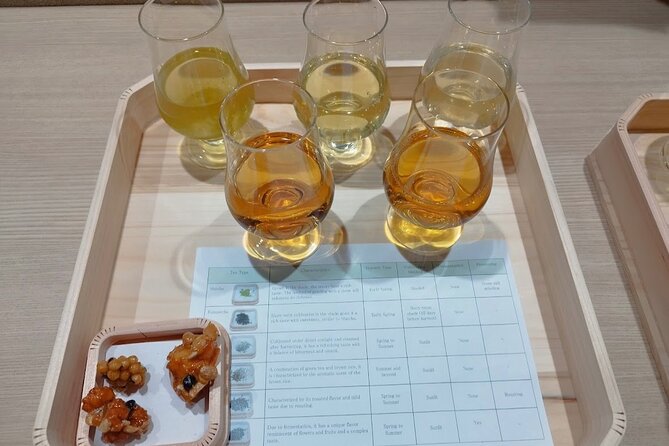
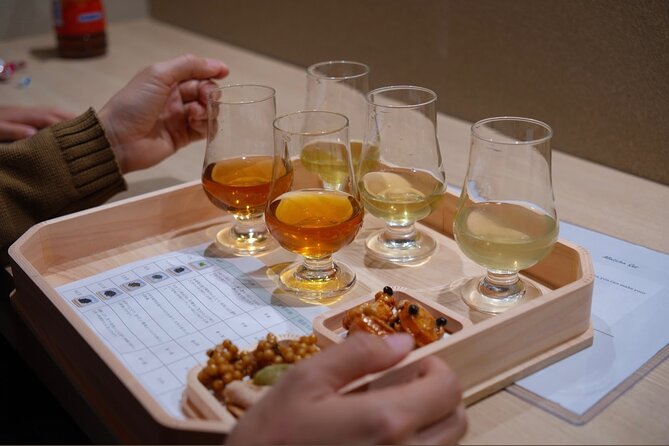
The tasting begins with five Japanese teas sourced in Nara Prefecture and selected by the tea master. The exact lineup can vary, so you should think of this as a guided flight rather than a fixed menu.
You might encounter matcha with a fresh, pronounced aroma, along with mellow roasted teas and other styles that show how broad Japanese tea can be. The point is not simply to identify a favorite. You learn how preparation changes the drink and how teas can differ in scent, body, sweetness, roast, and finish.
One useful feature is the chance to try tea prepared in more than one way. The experience includes both cold-brewed and hot teas, a contrast that can change your view of the same ingredient. Cold brewing can make a tea feel softer and less sharp, while hot water often brings out fuller fragrance and body. The host can explain those differences as you taste.
I like this format because it avoids the common problem of a tea activity that treats every cup as interchangeable. Five samples give you enough range to notice what suits you. You may prefer the clean aroma of matcha, or you may find that a roasted tea is easier to drink and better suited to your routine back home.
The tasting is also useful if you are unsure what to order in Japanese cafés or shops. You can ask about flavor, preparation, and daily use in plain conversation instead of trying to sort through unfamiliar labels on your own.
Choosing a favorite for pot brewing
After the tasting, you choose the tea you like best for a special pot-brewed serving. The tea master then prepares it with care, using repeated pours to bring out its flavor.
This part is small but important. Tasting five teas can be a little scattered if there is no final comparison. Returning to your favorite in a fuller pot helps you understand why it appealed to you. It also gives you a chance to enjoy the tea at a slower pace rather than taking only a small sample.
The pot-brewed serving is not presented as a performance for its own sake. The value is in seeing how water, timing, and pouring affect the cup. You can ask questions as the tea is prepared, and the private format means you do not have to worry about holding up a larger group.
If you already drink Japanese tea, this may be your favorite section. Beginners will find it approachable, since the focus stays on taste and technique rather than specialist terminology. The experience gives you enough information to stay interested without turning tea into a test.
Learning the tools and customs
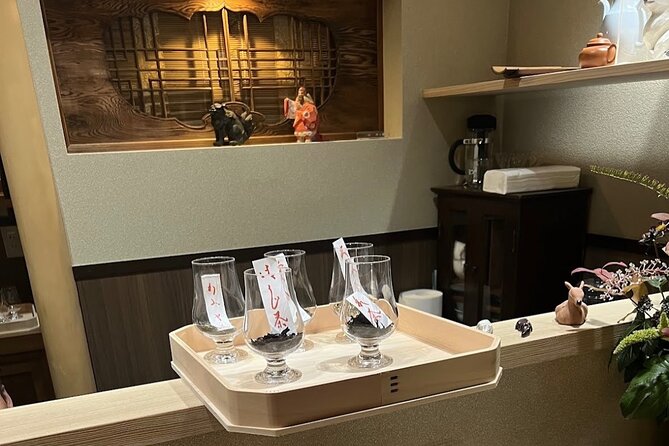
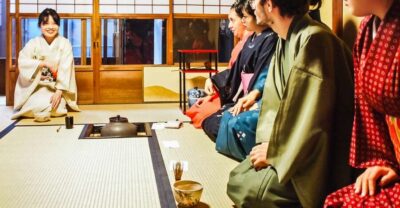
The tea master explains the tradition, etiquette, tools, and background behind the tea service. This adds cultural meaning to what might otherwise be a pleasant but forgettable tasting.
You learn why the equipment matters and how the motions fit together. You also get guidance on basic etiquette, which can help you feel more at ease if you later attend another tea gathering or visit a traditional tea room.
The activity is not limited to silent observation. Questions are welcome, and the private setting makes it easier to ask about details that may seem too small in a larger class. You can ask about the tea you are drinking, the tools in front of you, or how to prepare matcha outside Japan.
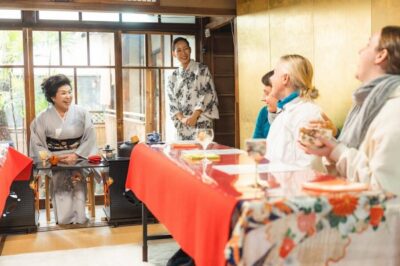
The host’s personality is part of the appeal. Mike is described as kind, funny, and easy to talk with, with a strong interest in making the session personal. Several accounts also point to his practical advice about tea and the surrounding area. That makes this more than a scripted lesson. You get a chance to ask for ideas about what to see and do while you are in Japan.
The tone should suit families, too. Mike has been praised for working well with children and adjusting the experience to the people in the room. Still, children who dislike new flavors or quiet activities may not enjoy every part of the tasting, so consider your group’s interests before booking.
A few more options to weigh up in Nara
- Nara Half Day Trip Walking Tour (Private Option Available)
★ 5.0 · 937 reviews - Nara Early Morning Tour (Kyoto or Osaka Departure Available)
★ 5.0 · 676 reviews - Osaka: Nara and Uji Day Trip with Deer Park and Hot Spring
★ 4.4 · 302 reviews - Kyoto/Osaka: Kinkakuji, Bamboo Forest, and Nara Deer Park
★ 4.4 · 265 reviews
Whisking your own matcha
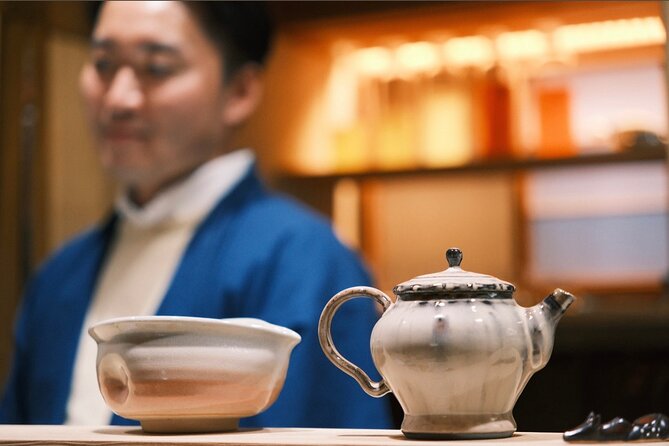
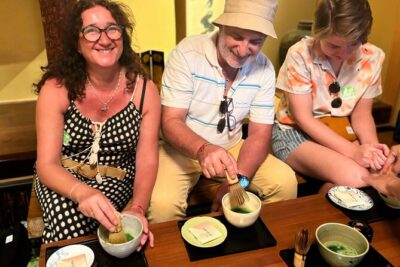
The hands-on matcha section is the heart of the activity. After learning about the tea and its tools, you practice whisking your own bowl under private guidance.
Matcha is not made by steeping leaves and removing them. The powdered tea is mixed directly into water, so the whisking motion affects the final texture. You get to feel that process yourself rather than watching a tea master do everything.
The instruction focuses on the movements, pace, and calm attention associated with matcha preparation. You receive personal feedback as you practice, which is useful because the technique can feel less natural than it looks. A private teacher can correct your motion and explain what to change without making you feel self-conscious.
Do not expect your first bowl to look exactly like a professional tea master’s. That is not the point. You are learning by doing, and the quiet setting gives the activity a meditative quality even when your whisking is a little uneven.
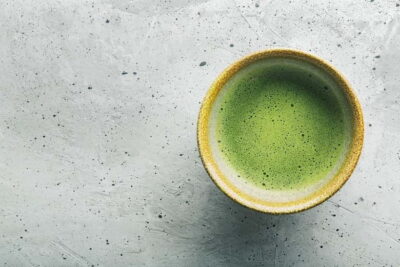
You then drink the matcha you prepared. That creates a satisfying link between the lesson and the result. The flavor may be more intense or grassy than the teas in the earlier flight, and the experience helps explain why matcha is prepared and served with such care.
Wagashi and the final pause
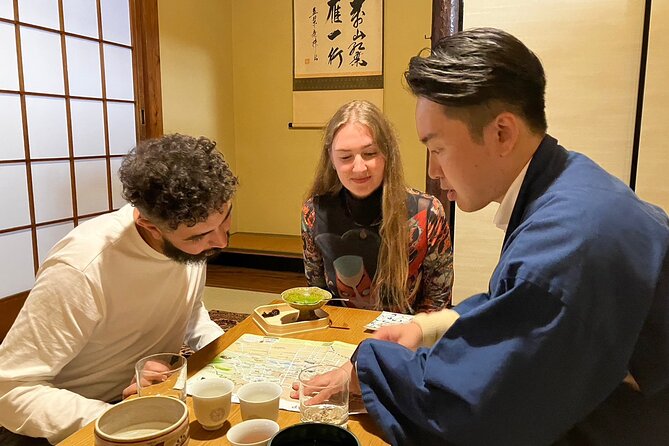
Seasonal wagashi, traditional Japanese sweets, complete the session. These sweets are not just a decorative extra. Their gentle sweetness helps balance tea flavors, especially matcha and roasted varieties.
The wagashi also introduces another part of Japanese food culture. Seasonal sweets often reflect the time of year through shape, color, and ingredients, though the exact sweet served here is not specified. You should expect something selected to accompany the tea rather than a full snack or meal.
This is useful if you have spent the day walking through Nara and need a calm break, but it is not a substitute for lunch. The experience is built around tasting and conversation, so plan separate meals around it.
The final tea and sweet pairing gives the session a natural close. You have tasted a range of teas, prepared one yourself, and had time to talk rather than simply moving on to the next attraction. That slower ending is one reason this works well early in a Japan trip. It can help you get your bearings and give you ideas for how tea fits into daily life.
What the private format is worth
At about $63.06 per person, this is not the cheapest way to drink tea in Nara. You can find a cup of tea for far less. The question is what you are paying for beyond the liquid.
Here, the price covers a private activity, five teas, a pot-brewed serving of your chosen tea, matcha practice with feedback, cultural explanation, seasonal wagashi, and direct conversation with the host. If you value personal teaching and a quieter setting, the cost is easier to justify.
The format is especially strong for couples, families, and small groups who want to ask their own questions. You are not sharing the lesson with strangers, and the host can respond to your pace and interests.
For a solo visitor, the cost may feel steeper because it is charged per person. For someone who only wants to sample Japanese tea, a public café may offer better value. For someone hoping to understand tea customs and learn a skill, this provides much more than a café visit.
The booking pattern also deserves attention. It is typically reserved about 26 days ahead, so you should not assume you can leave it until the last minute, especially if your dates in Nara are fixed. Confirmation is provided when you book, and the mobile ticket makes the reservation simple to carry.
Who will enjoy this most
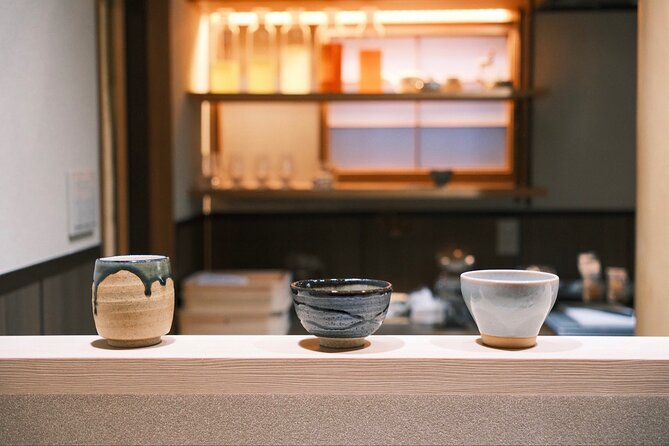
I would recommend this experience to you if you want a personal cultural activity with a clear beginning, middle, and end. It works particularly well for:
- First-time visitors who want an introduction to Japanese tea without a long formal ceremony.
- Couples looking for a calm shared activity.
- Families who benefit from a host who can adjust explanations and work with children.
- Tea drinkers who want to compare several styles and learn preparation methods.
- Visitors staying near Naramachi who want an easy activity close to public transportation.
- Anyone hoping to ask a local host for ideas about places to visit in Japan.
It may be less suitable if you dislike tea, want a large theatrical ceremony, or need a substantial meal. The session is intimate and conversational. That is its strength, but it means the experience depends partly on your willingness to taste, ask questions, and practice.
You should also allow enough mental space for a quiet activity. This is not a fast stop to squeeze between several temples. The appeal comes from slowing down and noticing small differences.
Practical details before you book
The experience lasts approximately one hour and 30 minutes. It begins and ends at Guesthouse Naramachi30, 30 Kitakyōbatechō, Nara, 630-8322, and the location is near public transportation.
Only your group participates, making this a private activity. Confirmation arrives at the time of booking, and the ticket is available on your mobile device.
Free cancellation is available if you cancel at least 24 hours before the local start time. A cancellation or change made less than 24 hours before the start time is not accepted for a refund, so check your plans before reserving.
The experience provider is Tea Lounge Navi Cafe. The information provided does not specify a minimum age, dietary accommodations, wheelchair access, or exact tea lineup. If any of those points matter to you, ask the provider before booking rather than guessing.
Should you book the Nara tea experience?
Book it if you want more than a photo of a tea bowl. The best parts are the five-tea comparison, the one-on-one matcha practice, the calm traditional house, and Mike’s friendly approach. You also get a useful local conversation, which can make the session feel connected to the rest of your Japan trip.
Skip it if your budget is tight or you simply want a quick cup. At $63.06 per person, the value comes from instruction, privacy, and cultural context, not from the amount of tea served.
For most people interested in Japanese customs, I think the private format makes the price reasonable. It gives you a quiet hour and a half in Nara, a new skill to try at home, and a better sense of why tea is treated as a moment of care rather than just a drink.
FAQ
Where does the tea experience begin?
It begins at Guesthouse Naramachi30, located at 30 Kitakyōbatechō, Nara, 630-8322, Japan.
Where does the activity end?
The activity ends back at the meeting point, Guesthouse Naramachi30.
How long does the experience last?
It lasts approximately one hour and 30 minutes.
How much does the experience cost?
The listed price is $63.06 per person.
Is the activity private?
Yes. Only your group participates.
How many teas can I taste?
You can sample five different types of Japanese tea sourced in Nara Prefecture.
Can I make my own matcha?
Yes. You receive instruction from the tea master and whisk your own matcha with personalized feedback.
Are traditional Japanese sweets included?
Yes. Seasonal wagashi are served during the experience.
Is the meeting point near public transportation?
Yes. The meeting point is near public transportation.
Can I cancel for a full refund?
Yes, if you cancel at least 24 hours before the experience start time. Cancellations made less than 24 hours before the start time are not refunded.
Just added in Nara
- Hammer a Pattern on Your Ring Workshop★ 5.0 · 57 reviews
- All must-sees in 3 hours – Nara Park Classic Tour! From JR Nara!★ 5.0 · 108 reviews
- Nara Private Tour: Flexible Pickup from Kyoto, Osaka, or Nara★ 5.0 · 17 reviews
- Private Nara Tour and Sake Tasting (Departing from Kyoto/Nara)★ 5.0 · 40 reviews
- Nara Highlight Walking Tour with Furoshiki Experience with Lunch★ 5.0 · 73 reviews
- Nara Sake Tasting Tour at Local Brewerie(tasting fee included)★ 5.0 · 12 reviews
- Nara World Heritage PRIVATE TOUR★ 4.5 · 15 reviews
- Nara – Highlights Bike Tour★ 4.5 · 89 reviews
Tea Ceremonies, compared.
Tea Ceremony in a Traditional Tea House in Kiyomizu
Read our review →
World Heritage Kyoto & Nara Uji Authentic Matcha Experience
Read our review →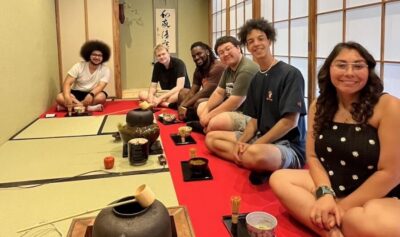
Browse the lists this tour appears in