
Reviewed · TEA CEREMONIES
Nara:5 Type of Tea Tasting & Mindful Tea Ceremony
Tea tastes better in an old wooden house. This 90-minute Nara experience combines five locally sourced teas with a quiet, hands-on matcha lesson in a traditional home. I like the small private setting and the chance to ask a local host for practical ideas about Japan. I also like that you do more than watch: you brew, whisk, taste, and learn.
The main drawback is that the experience may involve sitting on the floor for a long stretch. One recent account described nearly two hours in the house, despite the stated 90-minute duration. That is worth noting if your knees complain before your tea does.
In This Review
- Key points to know before booking
- A quiet start in Nara
- Five Nara teas, five different personalities
- Choosing a favorite for the pot
- Learning the meaning behind the ceremony
- Your turn with the bamboo whisk
- Wagashi brings the flavors together
- What the private format changes
- Is $61 a fair price?
- Timing, comfort, and practical limits
- Who will enjoy this most?
- Should you book this Nara tea ceremony?
- FAQ
- How long does the Nara tea experience last?
- How many types of tea are included?
- Do I get to make my own matcha?
- What food is included?
- Is the activity taught in English?
- Is the experience suitable for children and pregnant women?
Key points to know before booking
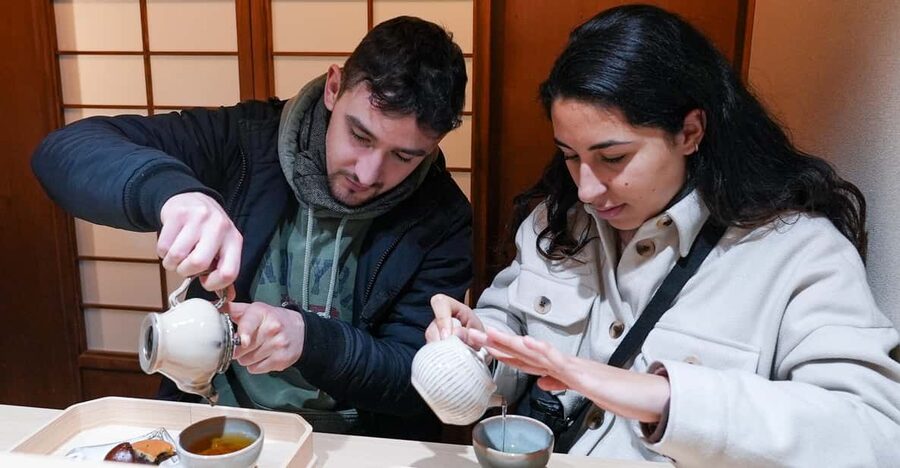
- Five teas, one favorite pot: Taste a flight of Japanese teas, then choose the variety you like best for a carefully prepared pot.
- A 120-year-old wooden home: The setting is a traditional Japanese house with a view of a small garden.
- Private matcha practice: You whisk your own matcha and receive individual guidance from an English-speaking tea master.
- A small-group feel: Host Mike has welcomed groups of only four people, keeping the ceremony personal and calm.
- Seasonal wagashi included: Two traditional Japanese sweets provide a delicate partner for the teas.
- A quiet cultural hour: This is less a quick tasting than a gentle lesson in tea, etiquette, tools, and Japanese customs.
A quiet start in Nara
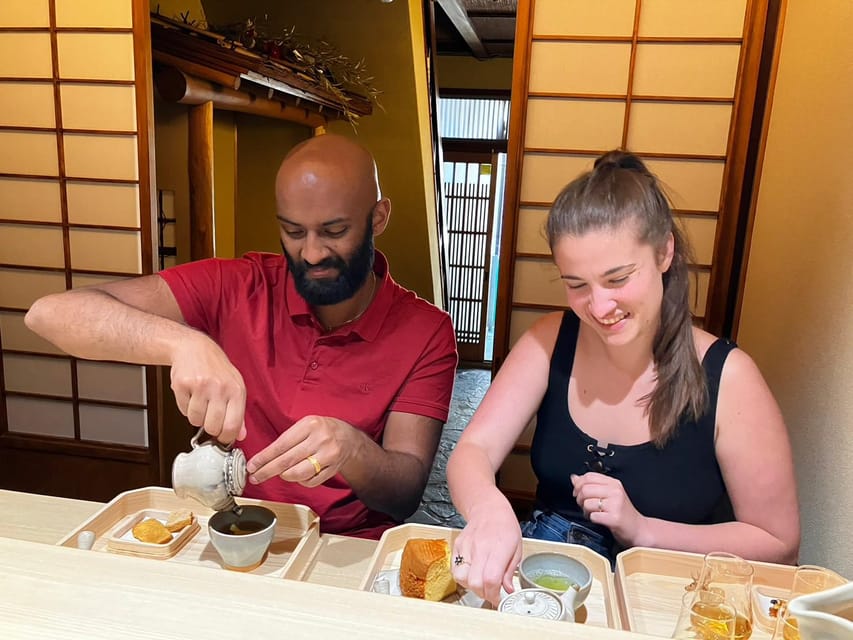
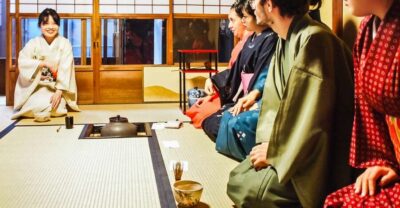
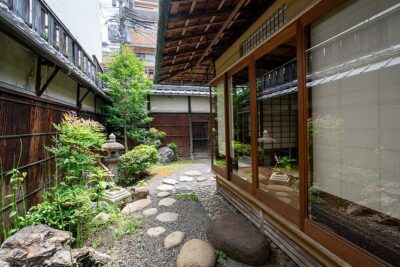
The appeal here begins before the first sip. You enter a renovated traditional Japanese house, described by one participant as roughly 120 to 125 years old, and settle into a room overlooking a small garden. It is a far cry from grabbing a bottled tea at a station kiosk.
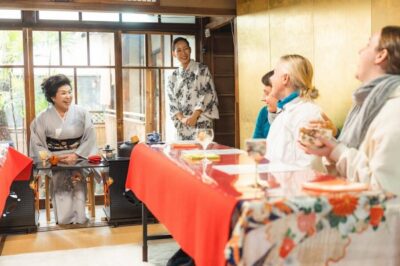
The atmosphere is calm, dignified, and friendly. That combination matters. A formal tea ceremony can feel intimidating if you do not know when to bow, where to place your hands, or how to handle the bowl. Here, the English-speaking instructor explains what is happening and why, so you can pay attention to the meaning rather than worry about making a mistake.
The house itself gives the session much of its character. You are not simply learning about tea in a modern classroom. The wooden structure, garden view, quiet room, and traditional tools provide a setting that makes the lesson feel connected to daily Japanese culture.
Host Mike has received especially warm praise for his welcome and sense of humor. You may also meet another host or learn from someone connected with the tea shop, but the experience is presented as a personal encounter rather than a large demonstration.
More Tea Ceremonies in Nara:
- World Heritage Kyoto & Nara Uji Authentic Matcha Experience
★ 5.0 · 1,573 reviews - Nara:Authentic Tea Ceremony(Max 5 ppl) -Master Matcha Making
★ 5.0 · 119 reviews - Nara:Tea Tasting&Private Tea Ceremony -Master Matcha Making-
★ 5.0 · 19 reviews
Five Nara teas, five different personalities
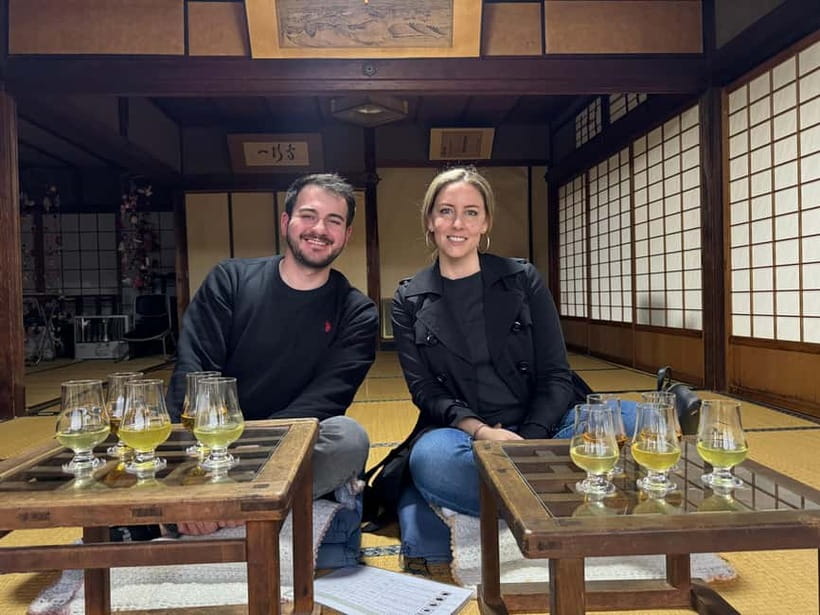
The first main part is a tasting of five Japanese teas selected by the tea master. The exact lineup changes with the season and the master’s choices, so you should not expect a fixed menu. That is a plus for repeat visitors, though anyone hoping for a specific tea should ask ahead.
The tasting lets you compare styles instead of judging one cup in isolation. You might encounter matcha with a pleasing aroma, mellow roasted teas, and other varieties that show different levels of fragrance, bitterness, sweetness, and body. The point is not to memorize technical terms. It is to notice how much Japanese tea can vary from cup to cup.
This part is especially useful if you usually drink coffee or only know green tea from supermarket bottles. One participant who normally prefers coffee found the tea surprisingly delicious. That tells you something about the presentation: the session is designed to make tea approachable, not to test your knowledge.
The tea master guides the tasting, helping you notice what is in the cup. You can ask questions about flavor and preparation, then compare your reactions with the host’s explanation. Since the group is private, you should have a better chance to ask about the things that interest you most.
Choosing a favorite for the pot
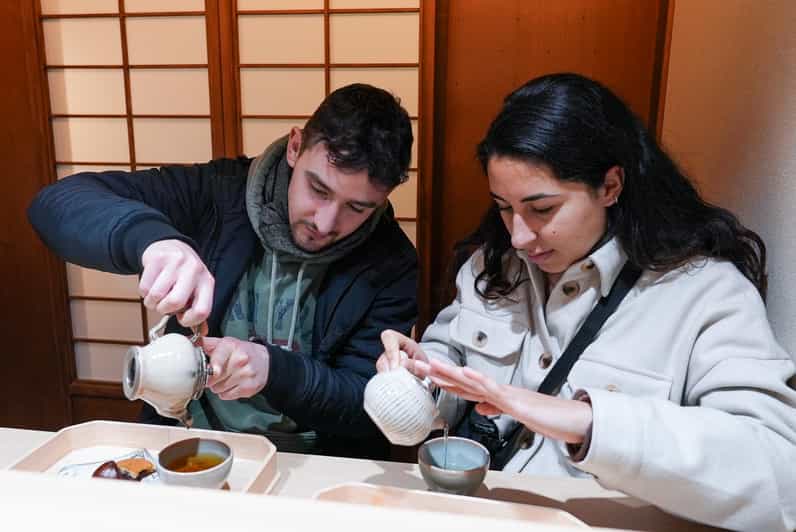
After tasting the five varieties, you choose a favorite for a special pot-brewed serving. This is one of the smartest parts of the experience because it turns the tasting into a personal choice.
A tea that seems too light in a small tasting cup may work beautifully when brewed in a pot. A roasted tea may feel comforting, while matcha offers a more aromatic and distinctive cup. You do not need to know what you like in advance. The flight gives you a basis for deciding.
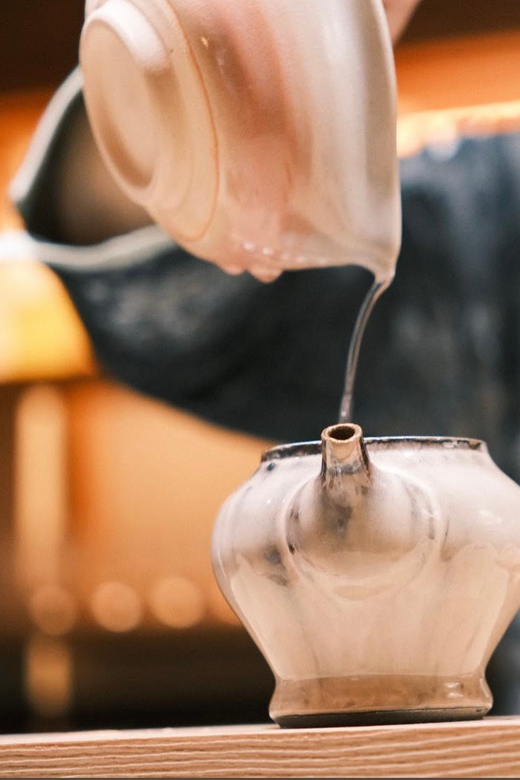
The tea master prepares the selected tea with care, using each pour to bring out its flavor. This is a useful lesson in how preparation affects taste. Japanese tea is not just hot water and leaves. Water, timing, quantity, vessel, and pouring technique all shape the result.
I would pay close attention here if you plan to buy tea in Japan later. You can leave with a better idea of which styles suit you, rather than purchasing a handsome package based only on its label. The tasting also helps you understand why a modest-looking cup can be so carefully made.
Learning the meaning behind the ceremony
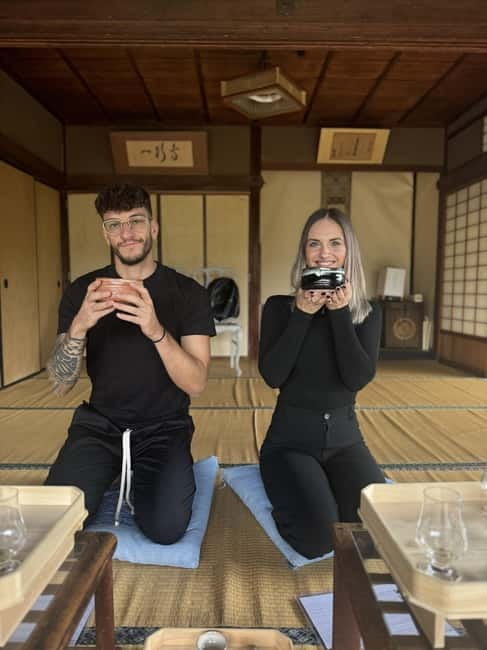
The tea ceremony follows the tasting. The tea master explains the tradition, etiquette, history, and tools before guiding you through the steps. That order works well. First you learn how tea tastes, then you learn why its preparation carries such care.
The ceremony is not presented as a performance for you to watch in silence. You are shown the purpose of the movements and objects, then invited to take part. This makes the ritual easier to understand. A bow, a turn of the bowl, or a measured movement becomes more than a rule. It becomes part of a practice built around attention and respect.
The quiet pace may be the biggest surprise. Nara sightseeing can involve temples, deer, crowds, photographs, and plenty of walking. This experience offers a pause from that schedule. For a short time, you are asked to slow down and focus on the bowl in front of you.
That calm does not mean the session is dull. The hosts explain the symbols and rituals, and you can ask questions along the way. One family found the ceremony personal enough for a son to act as tea master in training and serve his mother. That sort of participation gives the ceremony a warm, memorable side without turning it into a stage show.
A few more options to weigh up in Nara
- Nara Half Day Trip Walking Tour (Private Option Available)
★ 5.0 · 937 reviews - Nara Early Morning Tour (Kyoto or Osaka Departure Available)
★ 5.0 · 676 reviews - Osaka: Nara and Uji Day Trip with Deer Park and Hot Spring
★ 4.4 · 302 reviews - Kyoto/Osaka: Kinkakuji, Bamboo Forest, and Nara Deer Park
★ 4.4 · 265 reviews
Your turn with the bamboo whisk
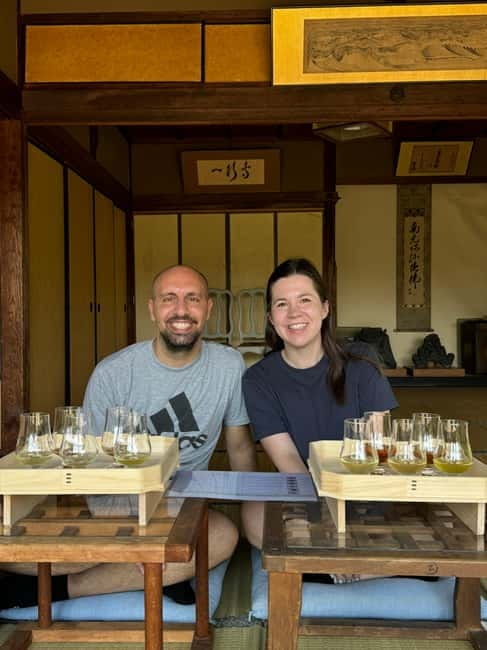
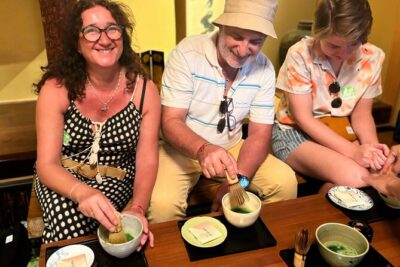
The hands-on matcha practice is the part I would highlight for first-time visitors. Under personal instruction, you whisk your own matcha and receive feedback on the motion. You are not expected to produce a perfect bowl on the first attempt.
Whisking looks simple until you try it. The movement needs to be quick and controlled, and the result depends on how you handle the whisk. The instructor’s guidance helps you understand the process without making it feel like a technical exam.
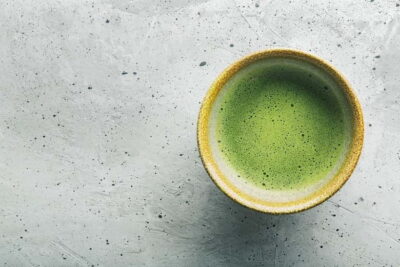
You then taste the matcha you prepared. That small step changes the lesson from demonstration to experience. You notice the aroma, texture, and flavor differently when you have made the drink yourself.
One detail adds a special connection to the tools: a host has explained the craft of making the bamboo whisks used for matcha. If that subject comes up during your session, it gives you another way to see the ceremony, not just as a set of gestures but as a tradition supported by skilled handwork.
The matcha can be an acquired taste. It has a distinct aroma and a fuller, more assertive character than many brewed teas. If you prefer mild drinks, the earlier tasting gives you other choices. If you enjoy trying something unfamiliar, making your own bowl is a satisfying challenge.
Wagashi brings the flavors together
The experience includes two kinds of Japanese sweets, including seasonal wagashi. These delicate confections are not simply dessert at the end. They are chosen to balance the tea and prepare your palate for the next sip.
Wagashi often has a restrained sweetness and an appearance tied to the season. The supplied information does not specify the exact sweets served, so you should expect the selection to vary. That uncertainty is part of the seasonal character, but anyone with food allergies should ask the host before booking.
The sweets help explain why Japanese tea service is so carefully arranged. A small sweet can soften the bitterness of matcha, while a mellow roasted tea may need less contrast. The pairing gives you another way to compare the drinks and understand the thinking behind the ceremony.
What the private format changes
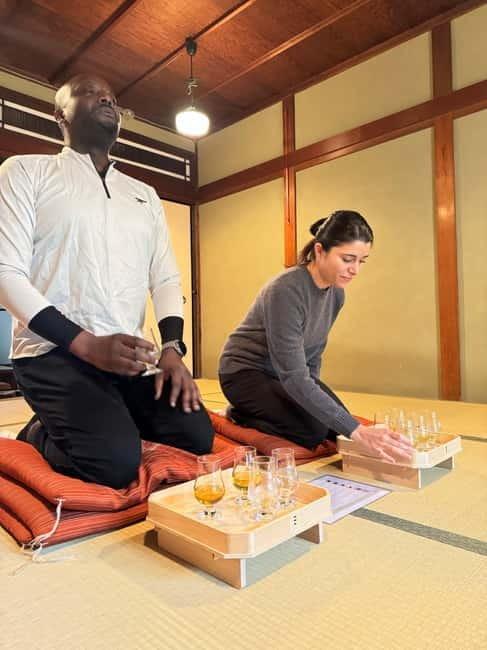
This is a private group experience, not a large public show. That makes a real difference in a tea lesson. You can ask about etiquette, tea production, Nara, or places to visit in Japan without waiting for a tour guide to finish addressing a crowd.
Mike has welcomed only four people in some sessions. That is not advertised as a guaranteed group limit, so do not assume every booking has exactly four participants. Still, the available descriptions point to an intimate format, and the personal instruction is one of the strongest reasons to choose this activity.
The host conversation can be as useful as the tea itself. You may get suggestions for places to visit while in Japan, along with a local perspective that a standard sightseeing route cannot provide. Keep your questions ready. Ask what the host enjoys, what fits your remaining time, or what kind of place suits your interests.
The English instruction is another practical advantage. You can follow the explanation of the ceremony and ask for clarification without relying on a translation app. The tone remains friendly rather than academic.
Is $61 a fair price?
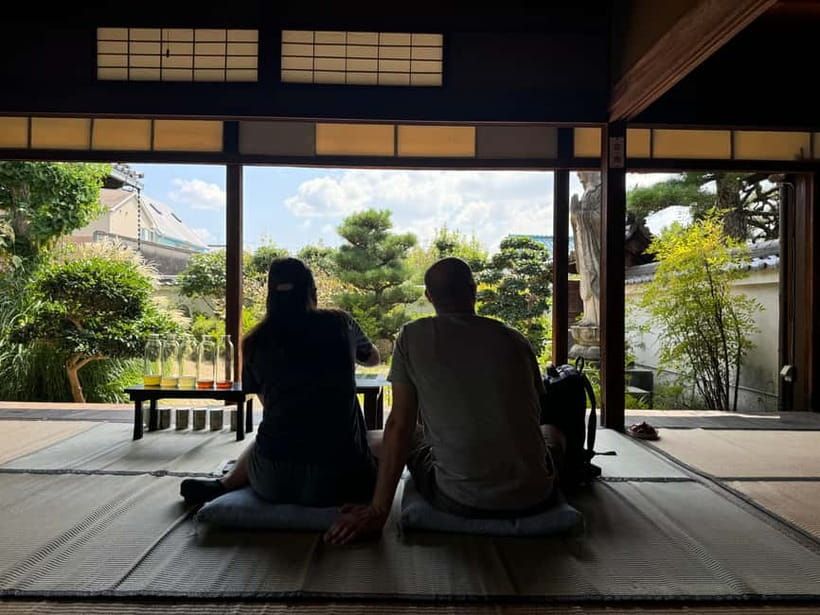
At $61 per person, this is not the cheapest way to drink tea in Nara. You can find a cup of tea for much less. The value comes from the full package: five teas, a favorite pot-brewed serving, matcha instruction, two sweets, a private group setting, an English-speaking tea master, and time in a traditional house.
I think the price is reasonable if you want a cultural activity rather than a snack stop. The one-on-one guidance gives the session more substance than a simple tasting. You are paying for instruction, setting, and access to a host, as well as the tea itself.
The value is strongest for someone who wants to understand Japanese tea. If you only want a quick cup between temple visits, this will feel slow and costly. If you enjoy food traditions, craft, ritual, and conversation, the 90 minutes can be well spent.
The experience also has a personal quality that is difficult to measure in a price comparison. A small family moment, a conversation about bamboo whisks, or finding a tea you later buy elsewhere can make the session useful beyond the day itself.
Timing, comfort, and practical limits
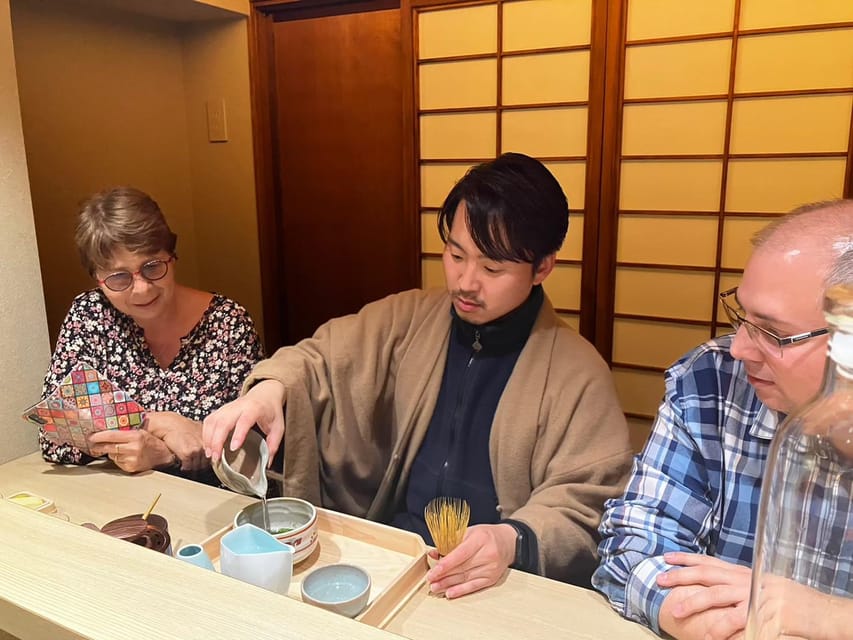
The stated duration is 90 minutes, with starting times based on availability. Plan your day around that full block rather than trying to squeeze the session between two fixed appointments.
There is one timing detail to treat seriously. A recent account described sitting still on the floor for about two hours and advised arriving without a rush. The official duration is shorter, so the exact length may vary, but you should leave extra time before and after.
Floor sitting is the main physical consideration. The experience is listed as wheelchair accessible, but the ceremony may still require sitting on the floor, so contact the provider if you need a particular arrangement. The available information specifically says the activity is not suitable for children under 12 or pregnant women.
Cancellation is flexible: you can cancel up to 24 hours before the start for a full refund. You can also reserve and pay later, which helps if your Nara schedule is still changing.
Who will enjoy this most?
I would recommend this to tea lovers, curious first-time visitors to Japan, couples, small families with older children, and anyone who wants a quiet cultural break. It works especially well for people who prefer personal instruction to a large organized tour.
You do not need prior tea knowledge. In fact, beginners may get the most from the five-tea comparison and matcha practice. Coffee drinkers should not rule it out. The range of styles gives you a chance to find a tea that suits you.
It is less suitable if you dislike floor sitting, need a tightly timed itinerary, or want a fast activity with little explanation. Children under 12 are not accepted, and pregnant women should choose another experience.
The session also rewards patience. You will get more from it if you accept the slow rhythm instead of watching the clock. This is a chance to notice the scent of the tea, the movement of the whisk, the shape of the bowl, and the small pause before drinking.
Should you book this Nara tea ceremony?
Book it if you want more than a photograph of a tea bowl. The old wooden home, garden view, small group, five-tea tasting, and personal matcha practice create a thoughtful introduction to Japanese tea culture.
I would make it a strong choice for a morning or afternoon when you need a break from Nara’s main sights. Just allow extra time, be ready to sit on the floor, and come with questions for Mike or the tea master. At $61, it earns its price through personal attention and genuine participation.
Skip it if you only want a quick drink or cannot sit comfortably for an extended period. For everyone else, this is a calm, well-guided cultural experience with enough hands-on work to make the memory last.
FAQ
How long does the Nara tea experience last?
The stated duration is 90 minutes. One account described spending about two hours at the house, so leave extra time in your schedule.
How many types of tea are included?
You taste five kinds of Japanese tea selected by the tea master. You then choose a favorite for a special pot-brewed serving.
Do I get to make my own matcha?
Yes. The tea master explains the ceremony and guides you as you whisk your own matcha, with personalized feedback.
What food is included?
The experience includes two kinds of Japanese sweets, including seasonal wagashi.
Is the activity taught in English?
Yes. English instruction is provided.
Is the experience suitable for children and pregnant women?
The activity is not suitable for children under 12 or pregnant women. It is listed as wheelchair accessible, but floor sitting may be part of the ceremony, so ask the provider about your specific needs.
Just added in Nara
- Hammer a Pattern on Your Ring Workshop★ 5.0 · 57 reviews
- All must-sees in 3 hours – Nara Park Classic Tour! From JR Nara!★ 5.0 · 108 reviews
- Nara Private Tour: Flexible Pickup from Kyoto, Osaka, or Nara★ 5.0 · 17 reviews
- Private Nara Tour and Sake Tasting (Departing from Kyoto/Nara)★ 5.0 · 40 reviews
- Nara Highlight Walking Tour with Furoshiki Experience with Lunch★ 5.0 · 73 reviews
- Nara Sake Tasting Tour at Local Brewerie(tasting fee included)★ 5.0 · 12 reviews
- Nara World Heritage PRIVATE TOUR★ 4.5 · 15 reviews
- Nara – Highlights Bike Tour★ 4.5 · 89 reviews
Tea Ceremonies, compared.
Tea Ceremony in a Traditional Tea House in Kiyomizu
Read our review →
World Heritage Kyoto & Nara Uji Authentic Matcha Experience
Read our review →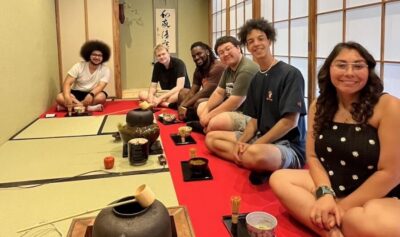
Browse the lists this tour appears in