
Reviewed · TEA CEREMONIES
Kyoto: 45-Minute Tea Ceremony Lesson Experience
Slow tea reveals a different Kyoto.
This 45 minute lesson offers a calm, hands-on introduction to Japanese tea culture near Kinkakuji, the Golden Pavilion. I like that you watch a licensed Urasenke tea master prepare matcha before making your own, and I like that the session explains the meaning behind each movement rather than treating the ceremony as a quick photo opportunity. The main consideration is pace: 45 minutes passes quickly, and the formal rules may feel strict if you want a casual, chatty activity.
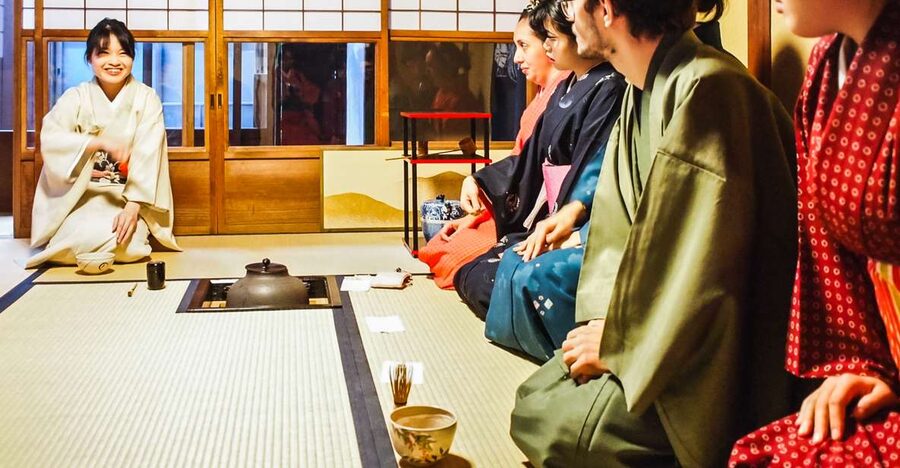
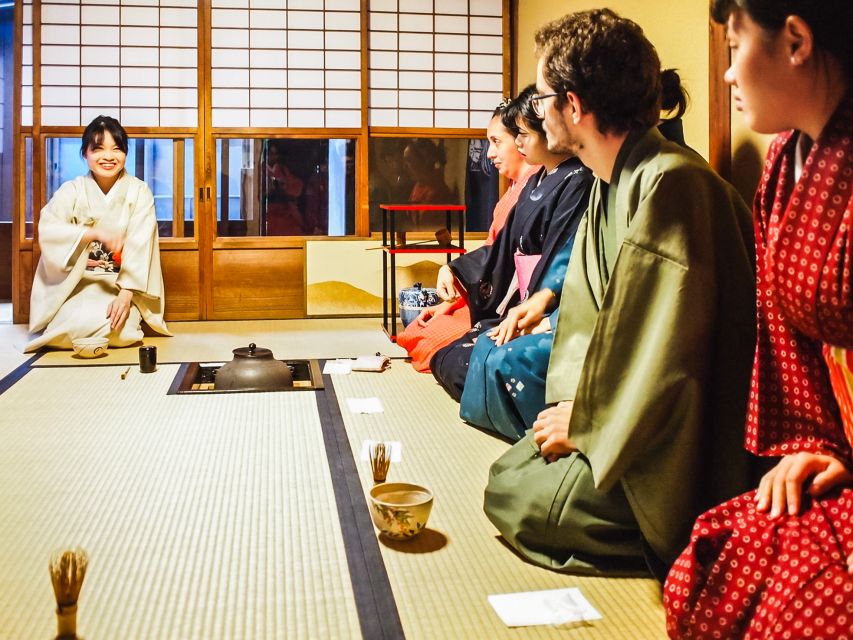
You sit on tatami mats, learn the manners of the thin tea ceremony, taste two kinds of Japanese green tea, and eat traditional sweets. The optional kimono and candlelight versions add atmosphere, though the kimono fitting requires an early arrival and extra payment.
In This Review
- Key points at a glance
- What makes this Kyoto tea lesson worthwhile
- Entering the tea house beside Kinkakuji
- The first lesson: watch the tea master work
- Making matcha yourself
- The meaning behind the movements
- Kimono hire and the photo opportunity
- Choosing private, public, or candlelight
- Is $22 good value for Kyoto?
- Comfort, etiquette, and practical advice
- Who should book this tea ceremony?
- Final booking advice
- FAQ
- How long does the Kyoto tea ceremony lesson last?
- How much does the basic experience cost?
- What is included in the tea ceremony?
- Can I make my own matcha?
- Is the ceremony taught in English?
- Is kimono rental included?
- Where is the meeting point?
- Can I sit on a chair instead of the tatami floor?
- Can I take videos during the ceremony?
Key points at a glance
- Licensed Urasenke instruction: Learn from a tea master trained in Japan’s largest tea ceremony school.
- You make your own matcha: The lesson moves beyond watching, giving you a whisk and a chance to follow the proper method.
- Two teas and Japanese sweets: You can compare flavors and see how preparation affects the drink.
- Near Kinkakuji: The tea house is about a one minute walk from the Kinkakuji-Michi bus stop and the temple gate.
- Three different moods: Choose a private session, a small public class, or a candlelight ceremony after sunset.
- Kimono is optional: Add it when booking, arrive 20 minutes early, and take photos after the ceremony.
What makes this Kyoto tea lesson worthwhile
Kyoto offers plenty of cultural activities, but not all tea ceremonies teach the ceremony itself. This one aims to show you the proper sequence, manners, and purpose of the ritual, much as a Japanese beginner might learn it.
That matters because the tea ceremony is not simply a way to prepare a cup of matcha. The careful gestures, quiet pauses, bows, utensils, sweets, and serving order all have meaning. You are being shown how to pay attention to the host, the tea bowl, the room, and the people sharing the moment.
The activity is led in English and Japanese by a licensed Urasenke tea master. English explanations are described as clear and easy to follow, and the teaching covers both technique and background. You learn how matcha is made, why each action is done, and how different preparation methods can change the flavor.
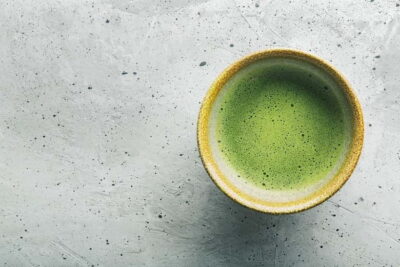
I especially like the balance between watching and doing. First, the tea master demonstrates the preparation. Then you make tea yourself, following the rules and instructions. That gives you a better sense of the precision involved. A frothy bowl of matcha looks simple until you try to create it properly.
The mood is quiet and respectful. Phones and video recording are not allowed, although photos are permitted once the ceremony has finished. For many people, that restriction will be a benefit. You are less likely to spend the whole lesson looking through a screen.
More Tea Ceremonies in Kyoto
- Kyoto: Tea Ceremony in a Traditional Tea House in Kiyomizu
★ 4.9 · 3,519 reviews - Kyoto: Tea Ceremony Ju-An at Jotokuji Temple
★ 4.9 · 3,207 reviews - Kyoto: Table-Style Tea Ceremony at a Kyo-Machiya
★ 4.9 · 1,211 reviews
Entering the tea house beside Kinkakuji
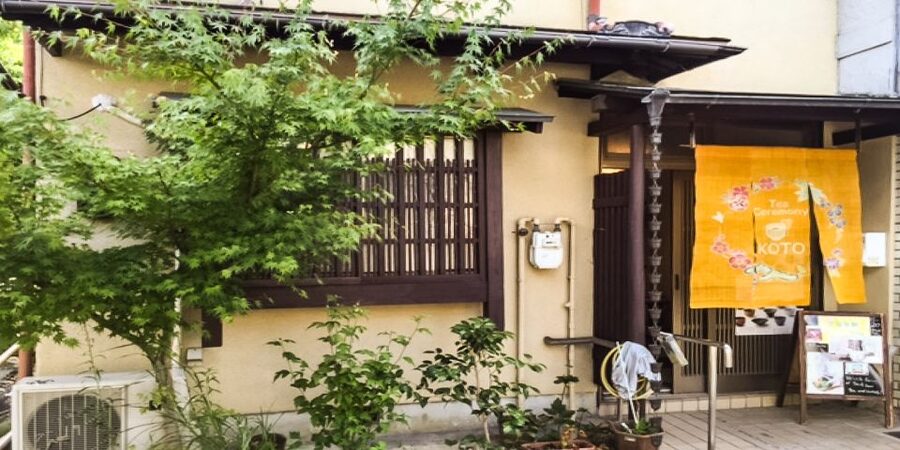
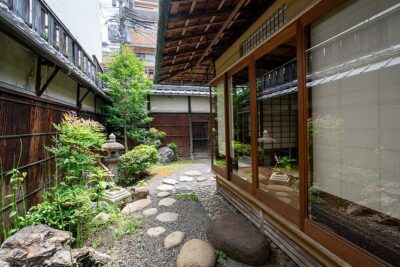
The meeting point is easy to reach if you are already visiting the Golden Pavilion. Look for the building beside the bicycle parking area, near the temple gate, and enter through the sliding door with the orange curtain.
From the Kinkakuji-Michi city bus stop, it is about a one minute walk. You can also reach the location in roughly 10 to 15 minutes by Kyoto city bus 204 or 205 from Kitaoji subway station, or from JR Enmachi.
The setting is useful for a half-day plan. You can visit Kinkakuji first, attend the tea lesson, and continue to another part of northwest Kyoto. Do not plan the schedule too tightly around the ceremony, especially if you are arriving by bus. Kyoto buses can be slow, and being late means you may miss the opening explanation.
If you book the kimono add-on, arrive 20 minutes before the scheduled start. The fitting must be reserved in advance. It is not something the staff can reliably add when you arrive.
The first lesson: watch the tea master work
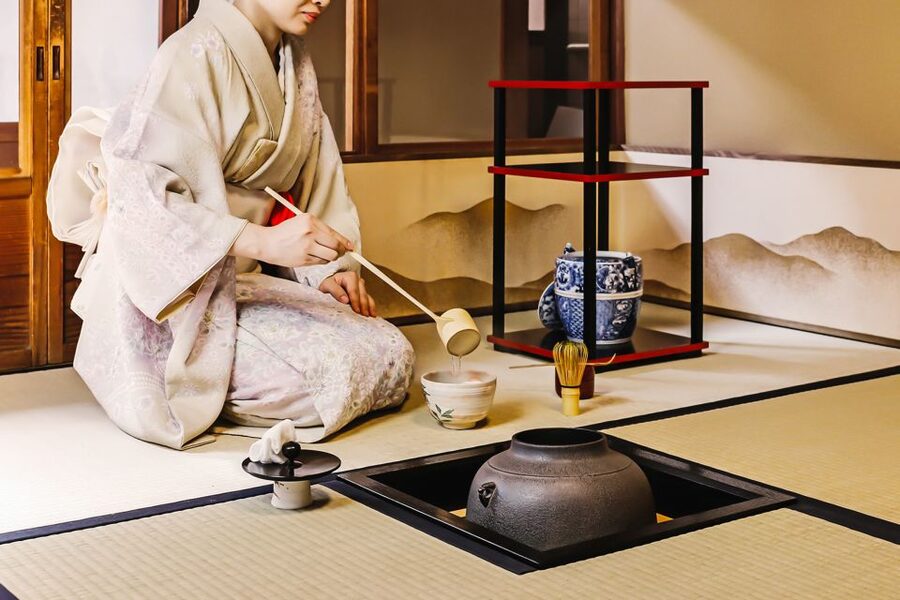
You take your place on a tatami mat and meet the English-speaking instructor. The first stage is observation. The tea master carries out the ceremonial preparation of powdered green tea, showing the controlled rhythm of the process.
This opening demonstration gives you a framework for everything that follows. You see how the bowl, whisk, scoop, and tea are handled before being asked to copy the movements. The point is not speed. It is care and attention.
The instructor also explains the history and spiritual role of tea ceremony. You learn why the ceremony has rules and why small actions matter. This is where the experience feels different from a simplified demonstration made only for photographs.
The teaching can be serious. You should expect to listen closely and follow instructions. This is not the place for loud conversation or constant picture taking. If you approach it as a cultural lesson rather than entertainment, the formal tone makes sense.
Some sessions have been led by an instructor named Joseph, who was described as friendly and helpful. The host can vary by booking, so do not assume a particular teacher will lead your class.
Making matcha yourself
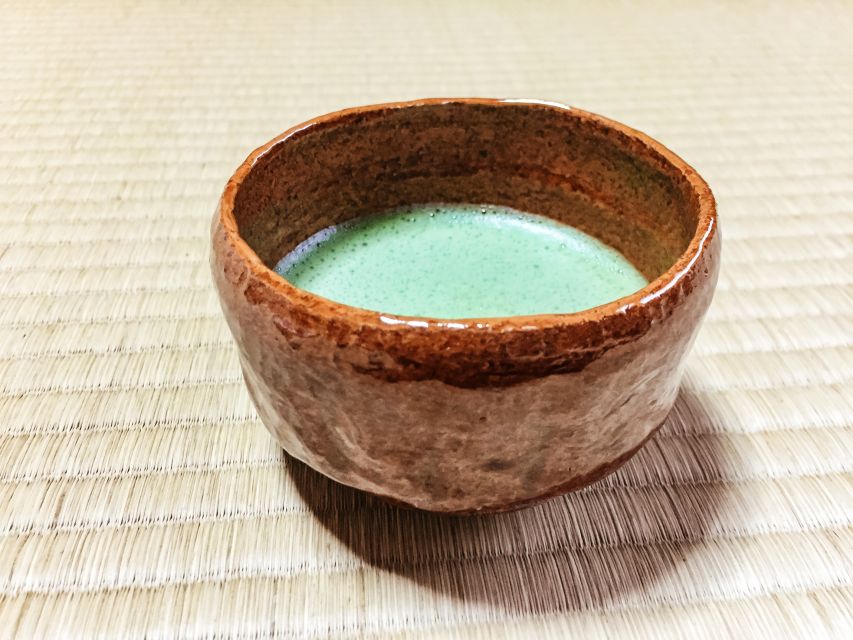
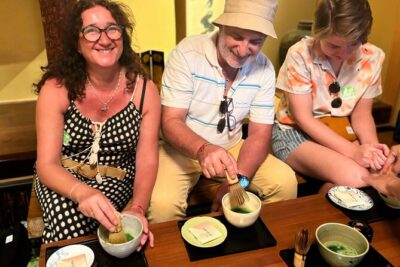
After watching, you prepare your own tea. The instructor shows you how to handle the utensils and whisk the matcha according to the ceremony’s basic rules.
This practical part is the heart of the activity. You are not just told that tea ceremony values precision. You feel it in your own hands. The tea may look foamy and easy to make, but the right motion takes attention.
The lesson also covers how preparation affects taste. That is useful if you have tried matcha in a café and found it too bitter. One participant who normally disliked matcha found the tea here smooth and sweet, while another described the matcha as delicious and frothy.
Two flavors of Japanese green tea are included. This gives you a simple comparison and helps connect the explanation to your palate. You also receive traditional Japanese sweets, which are not only a small treat but part of the tea experience. Their sweetness balances the earthy taste of matcha.
You learn proper manners for drinking the tea as well. The ceremony asks you to notice the bowl and show respect to the person who prepared it. These details may feel unfamiliar at first, but the instructor guides you through them.
A completely different kind of day out:
- PERFECT KYOTO 1-Day Bus Tour
★ 5.0 · 13,518 reviews - [Kyoto & Nara Day Tour] Sagano Scenic Railway & Nara Park & Fushimi Inari Taisha Thousand Torii Gates & Togetsukyo Bridge & Bamboo Grove & Kimono Forest (Departing from Osaka)
★ 4.9 · 10,942 reviews - Kyoto: Fushimi Inari, Kinkakuji, Bamboo Grove 1 Day Bus Tour
★ 4.8 · 4,316 reviews - Kyoto: Gion Make Your Own Chopsticks with Engraving Option
★ 5.0 · 3,465 reviews
The meaning behind the movements
The strongest part of this lesson is the explanation of purpose. Each gesture has a place, and the instructor explains how the sequence creates a respectful exchange between host and participant.
You may learn about the origins of tea ceremony, the role of matcha, the spirit of hospitality, and the relation between the tea, bowl, sweets, and setting. The focus is not just on historical facts. It is on the attitude behind the ceremony.
That makes the experience a good fit if you want to understand Japanese culture through practice. You leave with more than a few photos and a cup of tea. You have learned a set of manners that you can recognize if you encounter tea ceremony elsewhere in Japan.
The quiet setting helps. Several participants described the activity as peaceful, relaxing, and informative. That calm does require cooperation from everyone in the room. If you prefer lively explanations and lots of audience interaction, the ceremony may seem restrained.
The instructor’s manner can also vary. Most descriptions praise the host’s patience, kindness, and clear teaching. A small number found the delivery abrupt at times. That may reflect the formal nature of the lesson, but it is worth knowing that this is not a polished stage show with constant smiles and jokes.
Kimono hire and the photo opportunity
You can add kimono rental when booking. This is not included in the $22 base price, but it can make the occasion feel more special, particularly for couples, families, or anyone marking a first visit to Japan.
The fitting takes place before the ceremony, which is why you must arrive 20 minutes early. The staff helps you put on the kimono correctly. After the ceremony, you can take photographs with the clothing, tea house, kimonos, and woven textiles from Kyoto’s Nishijin district.
The kimono option received especially warm praise from families and parents traveling with children. One family chose the candlelight ceremony with kimono and described the clothing as beautiful and high quality. Another participant said the kimono added a more traditional touch.
Keep your expectations practical. The ceremony remains the main event. The kimono is an add-on for atmosphere and photographs, not a separate sightseeing tour of Nishijin or a full day of dressing up.
Hair setting is not included. If you want a particular hairstyle, arrange it separately before arriving. There is no dress code for the tea lesson itself, so ordinary comfortable clothing is fine if you skip the kimono.
Choosing private, public, or candlelight
The private option gives you and your group an exclusive setting. This is the best choice if you want close attention from the tea master, have children or older relatives, or prefer to ask many questions without worrying about a larger group.
A public ceremony lets you share the lesson with other participants. It is a small-group cultural class and may suit solo visitors or couples who enjoy meeting people. You still learn the same basic ceremony, but the atmosphere is more social.
The candlelight option changes the mood most dramatically. Traditional candlelight creates a darker, quieter setting that recalls old Kyoto after sunset. It can be a memorable choice for a special evening, particularly with kimono hire.
Candlelight does not mean the rules disappear. The ceremony remains formal and quiet. One family found this seriousness helped create the feeling of taking part in a real Japanese tradition. If you want a relaxed party with tea, choose another kind of activity.
Is $22 good value for Kyoto?
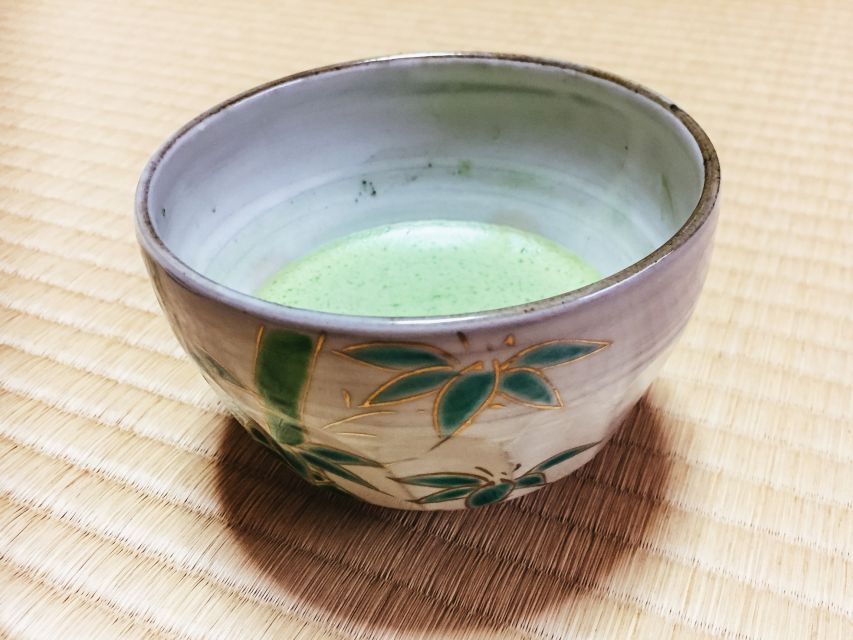
At $22 per person, this is a strong value for a cultural lesson that includes instruction, two kinds of green tea, Japanese sweets, and the chance to prepare matcha yourself.
The price works because the basic experience is focused. You are paying for the tea master’s teaching and the ceremony, not for a long sightseeing program or transportation. There is no hotel pickup, so you must make your own way to the tea house.
I would compare the cost with what you want from the activity. If you only want to wear a kimono and take photos, the add-on may be the part you value most. If you want to understand tea ceremony, the base lesson offers more substance than a quick tourist display.
The 45 minute length is also a strength for a busy Kyoto itinerary. It is long enough to watch, learn, make tea, and eat sweets, but short enough to fit around Kinkakuji and other sights. The tradeoff is that the session can feel rushed, especially during arrival and departure. Plan to be ready before the start time.
Comfort, etiquette, and practical advice
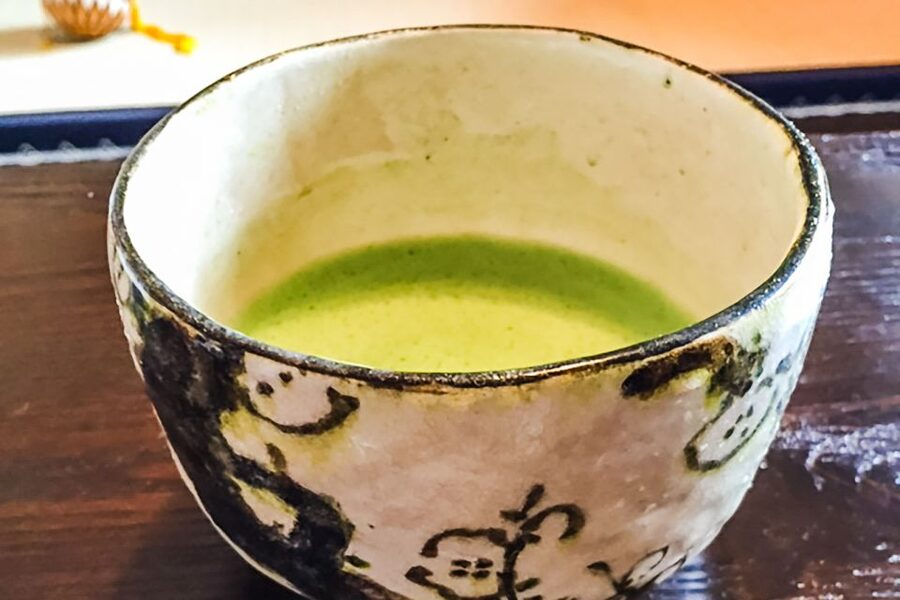
You sit on the floor on tatami mats. If you may have trouble sitting this way, tell the supplier in advance. Chairs can be provided.
Watch the short etiquette videos before you arrive. They explain what not to do during the ceremony and help you avoid misunderstandings. This is particularly useful if you have never taken part in a formal Japanese ritual.
Video recording is not allowed. Photos are allowed after the ceremony, including kimono photographs, but do not expect to record the ritual itself.
Arrive early, even without the kimono option. A late bus can make you miss part of the lesson. Some instructors have allowed late arrivals to join, but you should not depend on that courtesy.
If you need a taxi afterward, plan ahead. The taxi companies may not answer the phone quickly. A large taxi stand is in front of the activity location and usually opens around 5:30 PM.
Free cancellation is available up to 24 hours before the start time, and you can reserve now and pay later. Check the exact starting time when choosing your date, since the lesson runs at set times.
Who should book this tea ceremony?
I would recommend it to first-time visitors who want a clear introduction to Japanese tea ceremony. It also suits anyone who values quiet instruction, cultural context, and a chance to take part rather than simply watch.
Families can choose the private format for more space and personal guidance. Couples may enjoy a private or candlelight session, especially with kimono hire. Solo visitors and small groups who like meeting people can choose the public ceremony.
The activity may not suit you if you dislike floor seating, formal etiquette, or quiet rooms. It is also not ideal if you want a long tea tasting, a meal, or an informal café-style matcha workshop.
Final booking advice
Book this experience if you want the real structure of a thin tea ceremony in a compact 45 minute format. The licensed Urasenke instruction, hands-on tea preparation, sweets, and setting near Kinkakuji give you good value for the price.
Choose the private option for a calmer family or couple experience. Add the kimono if photographs matter to you, and select candlelight when atmosphere is more important than convenience. Skip the add-ons if your main goal is to learn the ceremony itself.
For $22, this is one of Kyoto’s more useful cultural introductions. Just arrive on time, read the etiquette guidance, and treat the ceremony with the quiet respect it asks for.
FAQ
How long does the Kyoto tea ceremony lesson last?
The tea ceremony lesson lasts 45 minutes.
How much does the basic experience cost?
The listed price is $22 per person.
What is included in the tea ceremony?
The experience includes two flavors of Japanese green tea and traditional Japanese sweets.
Can I make my own matcha?
Yes. You first watch the tea master prepare matcha, then make tea yourself while following the ceremony’s instructions and rules.
Is the ceremony taught in English?
Yes. The instructors speak English and Japanese.
Is kimono rental included?
No. Kimono rental is an optional add-on selected during booking. You must arrive 20 minutes early if you reserve it.
Where is the meeting point?
Enter through the sliding door with the orange curtain. The location is about a one minute walk from Kinkakuji-Michi city bus stop and the gate of Kinkakuji Temple.
Can I sit on a chair instead of the tatami floor?
Yes. If sitting on the floor may be difficult, inform the supplier in advance so chairs can be provided.
Can I take videos during the ceremony?
No. Video recording is not allowed. Photos are permitted after the ceremony, including photographs with a rented kimono.
Just added in Kyoto
- The “Golden Route” and Ancient Japan by DIAMIR Erlebnisreisen – 14-Day Tour★ 2.0 · 2 reviews
- Japan: Castles & Cuisine by G Adventures – 6-Day Kyoto to Osaka Tour★ 4.5 · 4 reviews
- Cycle Japan by Explore! – 13-Day Kyoto to Tokyo Tour★ 4.7 · 12 reviews
- Cycle Japan by Intrepid Travel – 11-Day Kyoto to Tokyo Tour★ 4.8 · 2 reviews
- Classic Japan by Intrepid Travel – 11-Day Kyoto to Tokyo Tour★ 4.4 · 14 reviews
- Ancient & Modern Japan 14-Day Tour by Exodus Adventure Travels★ 4.4 · 40 reviews
- 5 Day Cultural Adventure of Kyoto, Nara & Osaka by Tourist Journey★ 2.5 · 2 reviews
- 12 Days Kinosaki Onsen Escape: A Journey Through Japan’s Timeless Towns by UME Travel★ 4.8 · 5 reviews
Tea Ceremonies, compared.
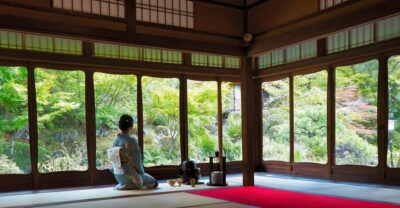
Tea Ceremony in a Traditional Tea House in Kiyomizu
Read our review →
World Heritage Kyoto & Nara Uji Authentic Matcha Experience
Read our review →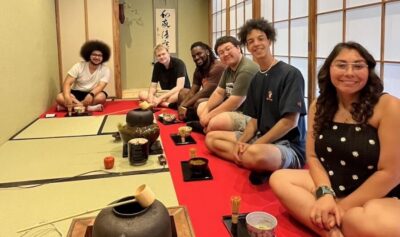

Arashiyama Bamboo Forest, Monkeys, Matcha & Temple Tour
Read our review →Browse the lists this tour appears in