
Reviewed · TEA CEREMONIES
Traditional Tea Ceremony Experience in Kyoto
A little matcha can open Kyoto’s door. This 30-minute session gives you a clear introduction to Japanese tea ceremony customs, with a single-origin matcha tasting and a hands-on look at how the tea is whisked. I also like the practical setup: you sit at a table with a chair, rather than kneeling on the floor.
The price is another strong point. At $7 per person, this is one of Kyoto’s easier cultural activities to fit into a busy day. The tradeoff is its short length and simple presentation. Some sessions offer only basic explanations, and a crowded room can make the guide hard to hear.
In This Review
- Key points to know before booking
- Why this short Kyoto tea ceremony is worth your time
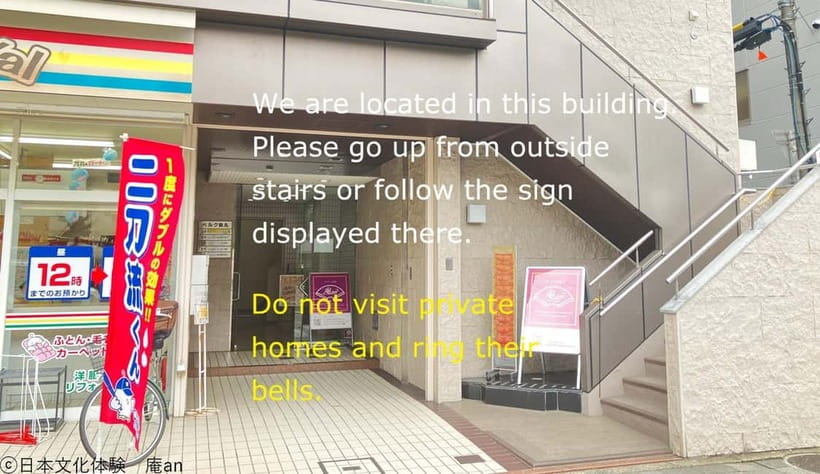
- Arriving near Gojo Station
- What happens during the 30-minute session
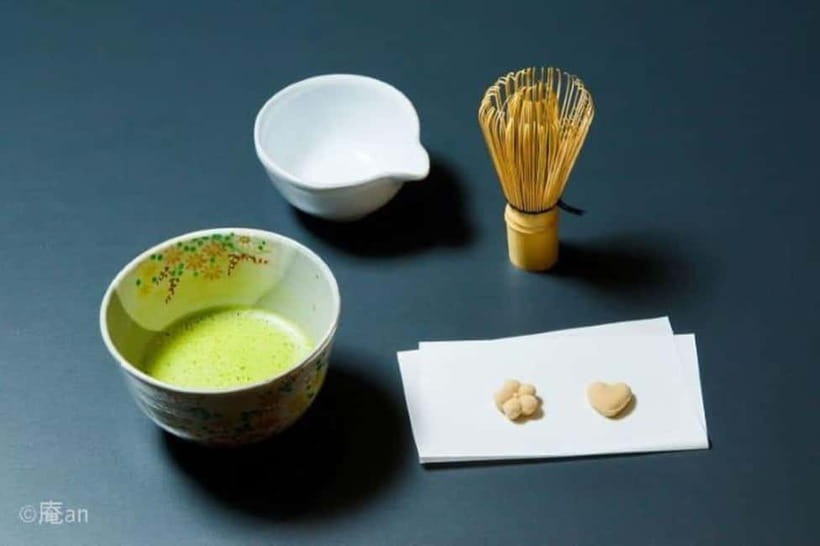
- The matcha tasting and ohigashi pairing
- Table seating makes the ceremony easier
- How much English can you expect?
- The $7 price and what it really buys
- Who will enjoy this experience most?
- Timing, cancellations, and useful planning tips
- Should you book this Kyoto tea ceremony?
- FAQ
- How long does the traditional tea ceremony experience last?
- Where is the meeting point?
- What tea is served?
- Are sweets included?
- Do I need to sit on the floor?
- Is the experience offered in English?
- Is the building wheelchair accessible?
Key points to know before booking
- Matcha is prepared in front of you: You see how hot water and powdered tea become the drink served in the cup.
- Ohigashi comes with the tea: These traditional Japanese dried sweets add a small but useful lesson in how tea and sweets are paired.
- The session lasts about 30 minutes: It works well before sightseeing, dinner, or a train departure.
- Gojo Station is close: The venue is about a one-minute walk from Exit 1 of the Karasuma Line station.
- English help is available when requested: The instructor speaks Japanese, and English translation is provided as much as possible.
- There are stairs: The building has no elevator, so contact the provider in advance if access needs are important.
Why this short Kyoto tea ceremony is worth your time
Kyoto is closely tied to Japanese tea culture, so a tea ceremony here gives your visit a little more meaning than simply ordering matcha at a café. You learn that the drink is part of a set of actions, tools, gestures, and manners. Even a brief session can help you notice details that might otherwise pass you by.
This experience focuses on ote-mae, the Japanese tea ceremony service itself. You are not signing up for a long historical lecture or an elaborate formal performance. Instead, you get a compact introduction that shows how matcha is made and explains some of the basic do’s and don’ts.
I think that format suits many first-time visitors. You can learn the essentials without giving up half a morning. The session also avoids one common concern with tea ceremony programs: uncomfortable floor seating. Here, you use a table and chair.
The current rating is 4.3 out of 5 from 64 ratings. That feels about right for an activity that is affordable, pleasant, and educational, but not always detailed or spacious. The strongest praise centers on the calm mood, the matcha itself, and the simple cultural lesson.
More Tea Ceremonies in Kyoto
- Kyoto: Tea Ceremony in a Traditional Tea House in Kiyomizu
★ 4.9 · 3,519 reviews - Kyoto: Tea Ceremony Ju-An at Jotokuji Temple
★ 4.9 · 3,207 reviews - Kyoto: 45-Minute Tea Ceremony Lesson Experience
★ 4.3 · 2,378 reviews
Arriving near Gojo Station
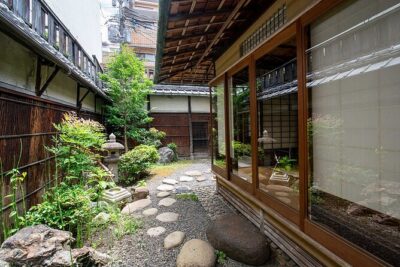
The meeting point is just one minute from Exit 1 of Gojo Station on the Kyoto Subway Karasuma Line. The entrance faces Gojo-dori, the main street, which is useful because you are not hunting for a small doorway down a side lane.
I would allow a few extra minutes to find the entrance and settle in. The activity will not wait for late arrivals, and delays can mean losing part or all of the session. The provider also states that people who are not taking part cannot enter, so you should not plan to send one person inside to hold seats for the rest of your group.
Gojo is a handy base for this kind of stop. You can place the tea session between other Kyoto plans without committing to a long transfer. Since the activity runs from 10:00 to 17:00, check the available starting times before you build your day around it.
The location makes this especially useful on a day when you are already moving through central Kyoto. You can treat it as a short cultural pause rather than a separate major outing.
What happens during the 30-minute session
The experience begins with an introduction to Japanese tea ceremony customs. The instructor explains the meaning behind the actions, the utensils, and the general philosophy of the ceremony. The exact amount of English can vary, so it is sensible to request English support when you book.
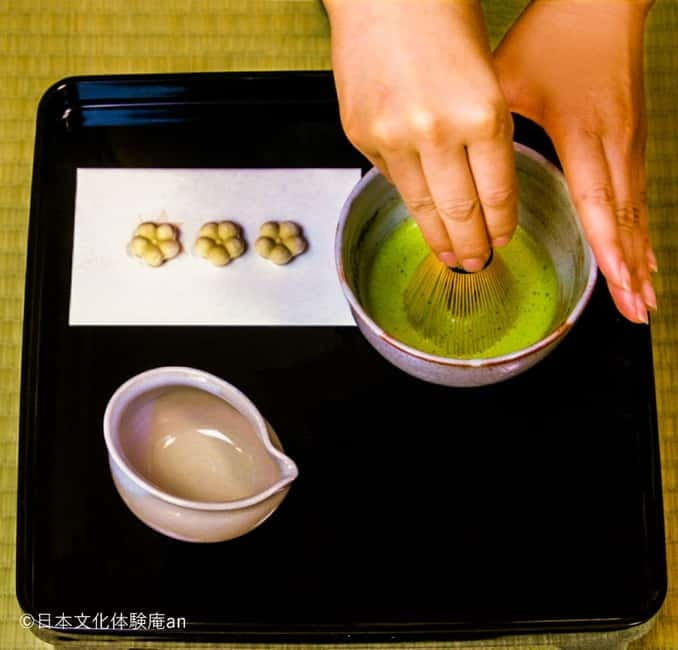
You then see how matcha is prepared. The important point is that this is not only a tasting. You watch the powdered tea meet hot water and become the bright, finely textured drink associated with Kyoto. That simple demonstration helps explain why matcha is whisked rather than brewed like ordinary loose-leaf tea.
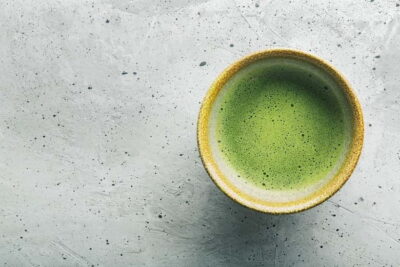
The tea served is single-origin matcha. That detail gives the tasting more character than a generic green tea sample, though you should keep your expectations realistic. This is a short introduction, not a full tasting course comparing several regions or grades.
Ohigashi, a Japanese dried sweet, is served with the tea. The sweet provides a small contrast to matcha’s stronger, grassy taste. It also shows a basic tea ceremony custom: sweets are part of the experience, not just an extra snack placed on the side.
The session also covers manners and simple rules. You learn how to approach the tea, how to pay attention to the serving process, and which actions are considered polite. One particularly positive account described the lesson as covering matcha’s background and the do’s and don’ts, along with a matcha certificate obtained as an optional extra.
At the end, the full activity may feel closer to 25 minutes than 30, depending on the group and the amount of translation. That difference is small, but it matters if you expect a long formal ceremony.
The matcha tasting and ohigashi pairing
Matcha has a forceful flavor. It can be grassy, bitter, creamy, and savory all at once. One strong point of this experience is that the tea is described as rich in flavor, and the sweet served beside it helps soften the sharper notes.
You may find the matcha more intense than the green tea you drink at home. That is part of the lesson. The entire tea leaf is ground into powder, so you consume the leaf rather than only drinking water that has passed over it.
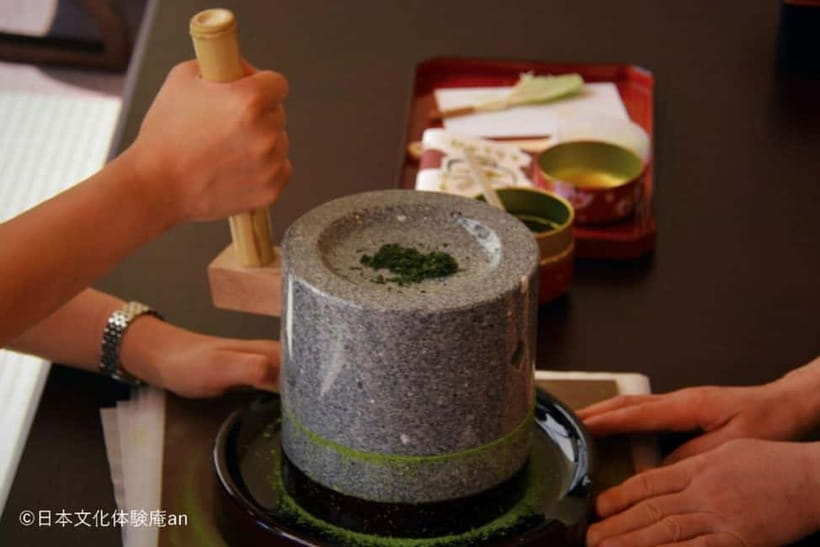
The single-origin detail is worth noting, but I would not mistake it for a specialist tasting. The focus is on preparation and cultural context. If you want a detailed discussion of farming, harvest dates, stone milling, or regional differences, this short session may leave you wanting more.
Still, the tasting works well for a first encounter. You see the tea being made, try it with a traditional sweet, and learn why the combination makes sense. For $7, that is a fair amount of cultural information in a small package.
A completely different kind of day out:
- PERFECT KYOTO 1-Day Bus Tour
★ 5.0 · 13,518 reviews - [Kyoto & Nara Day Tour] Sagano Scenic Railway & Nara Park & Fushimi Inari Taisha Thousand Torii Gates & Togetsukyo Bridge & Bamboo Grove & Kimono Forest (Departing from Osaka)
★ 4.9 · 10,942 reviews - Kyoto: Fushimi Inari, Kinkakuji, Bamboo Grove 1 Day Bus Tour
★ 4.8 · 4,316 reviews - Kyoto: Gion Make Your Own Chopsticks with Engraving Option
★ 5.0 · 3,465 reviews
Table seating makes the ceremony easier
Japanese tea ceremony is often pictured with participants seated on tatami mats. That formal style can be beautiful, but it is not comfortable for everyone. This experience uses tables and chairs, which makes it a practical choice for anyone who prefers not to kneel or sit on the floor.
The seating also removes some pressure for beginners. You can focus on the utensils, the movements, and the taste instead of worrying about how long you can stay in one position.
There is an important access detail, however. The building has no elevator, and you need to use stairs to reach each venue. The activity information also describes the experience as wheelchair accessible, so I would contact the provider before booking to clarify how that applies to your specific needs.
That apparent tension is worth resolving in advance. Do not assume the accessible seating removes every building-access concern. Ask about the exact floor and stair arrangement before you pay.
How much English can you expect?
The instructor is Japanese, and Japanese is the listed language. English translation is offered as much as possible if you request it. I would make that request clearly when reserving, especially if cultural explanation is important to you.
The quality of the session may depend partly on how much translation is needed. One less positive experience included explanations in both English and Korean, leaving about half the activity in each language. That person found the information basic and wished for more about the ceremony’s past, cultural meaning, and when matcha is traditionally served.
That is the key limitation here. You will probably learn how to prepare and drink the tea, but you may not receive a long, polished lecture. The information can be practical rather than academic.
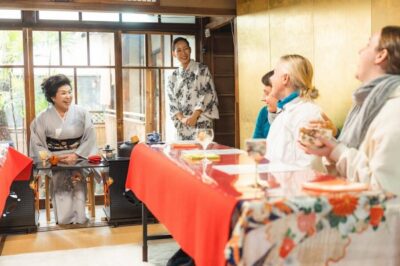
A crowded room can make things harder. One rating described the venue as quite full and the guide as difficult to hear. If you have trouble hearing, try to sit near the instructor and arrive on time so you can choose a better position.
The experience remains useful even with limited language. The preparation steps are visual, and the ceremony’s movements can be understood partly by watching. But you should book this for a short cultural introduction, not for an in-depth English-language seminar.
The $7 price and what it really buys
At $7 per person, the value is easy to see. You receive a set tea ceremony experience, a demonstration of matcha preparation, a serving of single-origin matcha, and ohigashi. You also save the time and expense of traveling to a distant cultural site.
The low price means the activity is accessible to many kinds of visitors. You can add it to your itinerary without making a major financial commitment. It is also a sensible option if you are unsure whether a formal tea ceremony is for you.
The price does not include a completion certificate. That costs 300 Japanese yen. The certificate is optional, based on the available information, and best viewed as a small souvenir rather than a reason to book.
Value depends on your expectations. If you want a quick, friendly lesson and a taste of Kyoto culture, the price is excellent. If you want a quiet private room, extensive translation, or a detailed account of tea ceremony history, you may find the short format too limited.
The activity also has a reserve-now-and-pay-later option. That can help if your Kyoto schedule is still changing, though you should still check the cancellation terms before confirming.
Who will enjoy this experience most?
I would recommend this session to first-time visitors who want one clear introduction to matcha without spending several hours on it. It also suits people who already have a packed Kyoto schedule and need a short activity near public transportation.
Families may find the table seating easier than a floor-based ceremony. Children under two who sit on a parent’s lap are free, according to the activity rules. Older children can take part, but they need their own reservation if they are attending.
This is also a good fit for visitors who enjoy food and drink experiences with a cultural explanation. The combination of matcha, ohigashi, utensils, and manners gives you more than a simple café stop.
I would be more cautious if your main goal is deep historical detail. The presentation may be basic, and the language mix can reduce the time available for English explanation. People who dislike groups or noisy rooms should also keep the crowding concern in mind.
Timing, cancellations, and useful planning tips
Plan to arrive early. The provider will not hold the event for late arrivals, and you cannot count on catching up after the ceremony begins. A few minutes at Gojo Station can save you a rushed walk and a missed session.
Operating hours are 10:00 to 17:00. Reservations received after 17:00 are processed the following day, so do not expect a late-night request to receive an immediate response.
You can cancel up to 24 hours ahead for a full refund. After that point, a cancellation fee applies, and changing the date or time after the fee begins can create another specified charge. The provider will not reimburse your travel costs if you cancel, so avoid booking a time that depends on a tight connection.
Contact the provider ahead of time if you need English support, want to clarify wheelchair access, or have a special reservation question. The information specifically asks people who want to reserve the property to make contact, so direct communication is the safest way to settle unusual needs.
Should you book this Kyoto tea ceremony?
Book it if you want an inexpensive, well-located introduction to matcha, especially if you prefer chair seating and have only 30 minutes available. The single-origin tea, ohigashi sweet, preparation demonstration, and simple etiquette lesson create a pleasant cultural break.
Skip it if you expect a long formal ceremony, extensive historical teaching, or guaranteed full English instruction. The session can be short, the information basic, and the room crowded enough to affect what you hear.
My practical verdict: this is a good-value first taste of Kyoto tea culture. Keep your expectations modest, request English help in advance, arrive early, and confirm the stair access if needed. At $7, it earns its place as a small but worthwhile stop in a busy Kyoto day.
FAQ
How long does the traditional tea ceremony experience last?
The experience lasts 30 minutes. Some sessions may feel closer to 25 minutes, depending on the presentation and translation.
Where is the meeting point?
The venue is about a one-minute walk from Exit 1 of Gojo Station on the Kyoto Subway Karasuma Line. The entrance faces Gojo-dori.
What tea is served?
You receive single-origin matcha, with a demonstration showing how it is prepared.
Are sweets included?
Yes. Ohigashi, traditional Japanese dried sweets, are served with the matcha.
Do I need to sit on the floor?
No. Participants are seated at tables and chairs.
Is the experience offered in English?
The instructor speaks Japanese. English translation is provided as much as possible if you request it.
Is the building wheelchair accessible?
The activity information describes it as wheelchair accessible, but it also states that the building has no elevator and that stairs are needed to reach each venue. Contact the provider before booking to confirm the arrangement for your needs.
Just added in Kyoto
- Uji: UNESCO Heritage & Tea Ceremony Walking Tour★ 4.6 · 54 reviews
- Uji: Green Tea Tour with Byodoin and Koshoji Temple Visits★ 4.8 · 72 reviews
- Uji: Private immersion into Kyoto’s tea and reglious culture★ 5.0 · 17 reviews
- Kyoto tea town for matcha lovers★ 5.0 · 16 reviews
- Uji and Wazuka Matcha Farm Half Day Private Guided Tour★ 5.0 · 21 reviews
- Uji Tea Ceremony and UNESCO Heritage Walking Tour★ 5.0 · 20 reviews
- Slow Cycling Tour at Uji’s Matcha Green Tea Fields and Heritage★ 5.0 · 25 reviews
- Kyoto Matcha Green Tea Tour★ 4.5 · 23 reviews
Tea Ceremonies, compared.
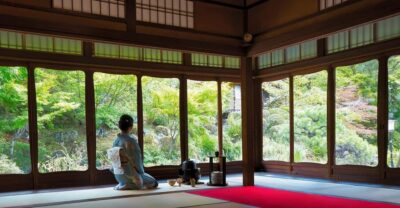
Tea Ceremony in a Traditional Tea House in Kiyomizu
Read our review →
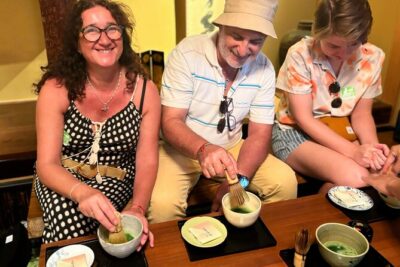
World Heritage Kyoto & Nara Uji Authentic Matcha Experience
Read our review →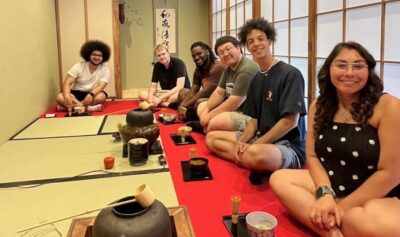
Browse the lists this tour appears in