
Reviewed · TEA CEREMONIES
Kyoto: Tea Ceremony Ju-An at Jotokuji Temple
Matcha turns a temple visit into a lesson. At Jotokuji Temple, you begin with a purification ritual, then enter the Grand Tearoom for a guided chanoyu ceremony with sweets, matcha, and clear English explanations. I like the quiet setting and the fact that you do more than watch: you can prepare your own tea under the tea master’s guidance.
I also like the small group size, limited to 10 people, which leaves room for questions and personal help. Hosts such as Kate and Taka have been praised for making the history and symbolism easy to follow. The main drawback is practical: the tearoom has three steps and requires shoes to be removed, so it is not suitable for wheelchair users.
In This Review
- Key details before you book
- Starting at Jotokuji Temple in Kyoto
- The purification ritual and its meaning
- Entering the Grand Tearoom
- Watching the tea master prepare matcha
- Making and drinking your own matcha
- What makes the temple setting valuable
- Is $29 good value for 70 minutes?
- Who will enjoy this ceremony most?
- Practical tips for a smooth visit
- FAQ
- How long does the Kyoto tea ceremony last?
- Where does the tea ceremony meet?
- Is the activity conducted in English?
- How many people can join the group?
- Is matcha included?
- Can I sit on a chair instead of the floor?
- Is the tearoom wheelchair accessible?
- Should you book Tea Ceremony Ju-An?
Key details before you book
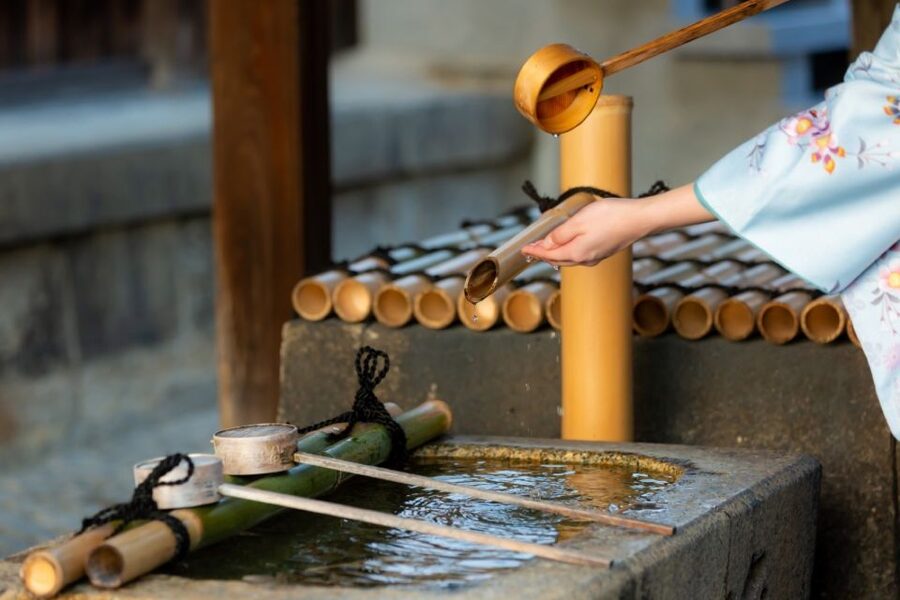
- Purification comes first: You begin by using the temple’s purification fountain before entering the tearoom.
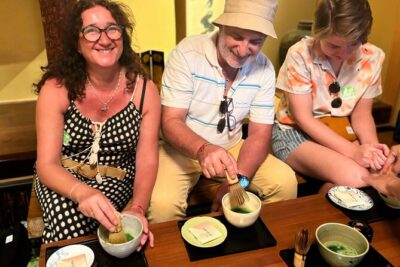
- You participate, not just observe: After the tea master’s demonstration, you can make your own bowl of matcha.
- Jotokuji Temple adds atmosphere: The ceremony takes place in a traditional temple setting, not a modern tourist studio.
- English instruction is included: The guide explains the movements, objects, history, and meaning throughout the session.
- Small groups help: With no more than 10 participants, you can ask questions without holding up a large crowd.
- Plan for floor seating: Traditional seating is used, though stools and seats can be provided for those who need them.
Starting at Jotokuji Temple in Kyoto
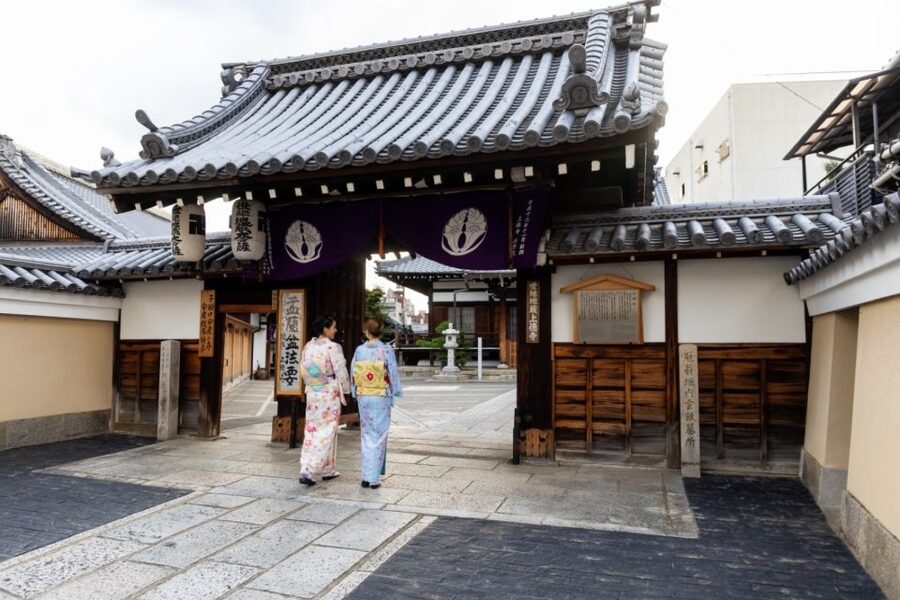
The meeting point is Tea Ceremony Ju-An at Jotokuji Temple, listed at 556 Gojo-sagaru, Tominokoji Dori, in Kyoto’s Shimogyo-ku. Once inside the temple grounds, face the Main Hall and look to your left for the steps leading to the tea room.
The arrival is part of the experience. You enter through the main gates and pass the Grand Tearoom and a parish shop. Your guide waits near red benches, a simple landmark that makes the meeting point easier to find once you are inside.
I would allow a few extra minutes to locate the temple entrance and get oriented. The instructions are clear once you are on site, but the important detail is that the meeting point is inside the temple grounds, not simply on a nearby street.
Before the ceremony begins, you have time to look around. You can admire the temple architecture, pause at the purification fountain, or sit on the red benches when the weather is pleasant. If rain arrives, you can wait beneath the shop’s gable or in the Grand Tearoom.
That short pause matters. Kyoto can feel crowded and fast, especially around its best-known sights. Here, you are given a moment to slow down before the formal ceremony starts. Do not rush straight to the tearoom door. The temple grounds provide the first part of the setting.
More Tea Ceremonies in Kyoto
- Kyoto: Tea Ceremony in a Traditional Tea House in Kiyomizu
★ 4.9 · 3,519 reviews - Kyoto: 45-Minute Tea Ceremony Lesson Experience
★ 4.3 · 2,378 reviews - Kyoto: Table-Style Tea Ceremony at a Kyo-Machiya
★ 4.9 · 1,211 reviews
The purification ritual and its meaning
The tour begins with a traditional purification ritual. For visitors from outside Japan, this may be one of the most useful parts because it shows that the ceremony is not only about drinking tea.
Your guide explains how to approach the purification fountain and what the act represents. The ritual prepares you to enter a sacred space with care. It also gives you a practical introduction to the Japanese habit of using deliberate movements and respectful conduct in religious settings.
You do not need previous knowledge of tea ceremony customs. The guide leads you through each step, so you can take part without worrying about making a mistake. That friendly instruction is important because the ceremony has a formal structure, but the experience is designed for beginners.
I especially like this opening because it gives the matcha a setting and purpose. Without it, the activity could feel like a short demonstration followed by a drink. With it, you begin to understand that the objects, gestures, and order of events all carry meaning.
Entering the Grand Tearoom
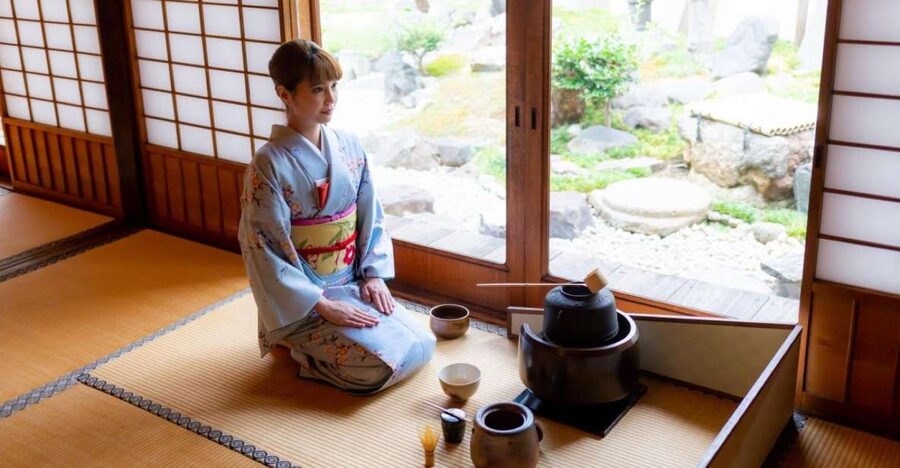
Before entering the Grand Tearoom, you remove your shoes. You then proceed inside with the rest of your group and take your seat.
The room is reached by three steps, so it is not wheelchair accessible even though the wider temple area is accessible. If sitting on the floor in the traditional position is uncomfortable, seats and stools can be provided. It is wise to ask for one at the start rather than wait until you are already settled.
The tearoom itself is a major part of the appeal. You are not in a large hall filled with dozens of people. The small group and traditional room create a quieter mood, allowing you to notice the movements of the tea master and the details of the implements.
Do keep your expectations in check. This is a 70-minute introduction, not a full formal tea gathering lasting several hours. One participant described it as a useful introduction because a complete ceremony can take about four hours. That comparison helps explain the format: you receive the central ideas and take part in key steps, but the experience remains manageable for a busy Kyoto itinerary.
Watching the tea master prepare matcha
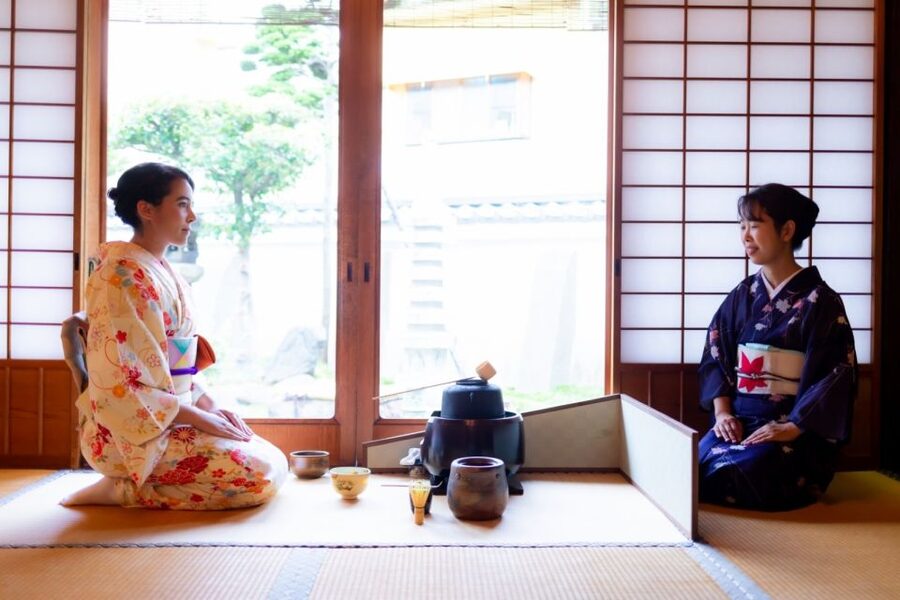
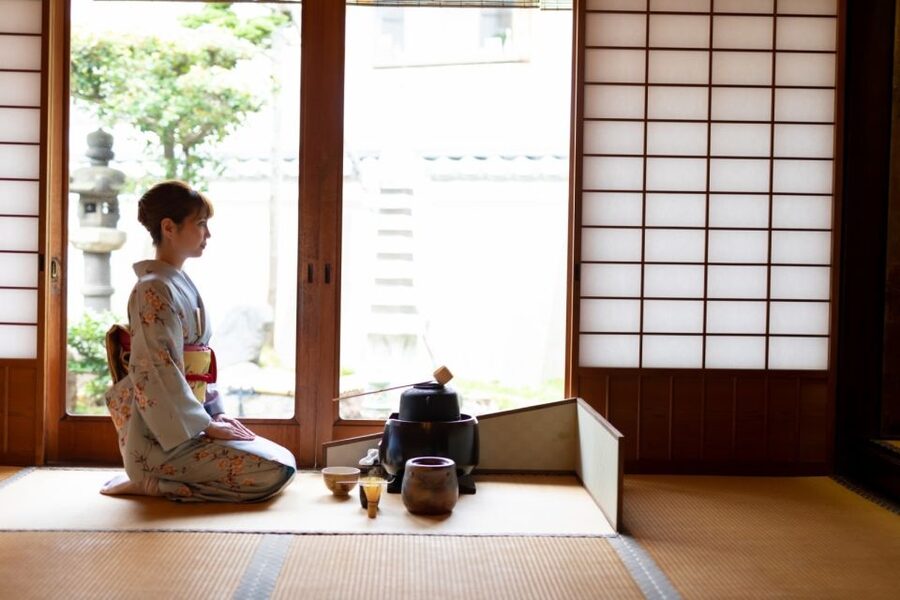
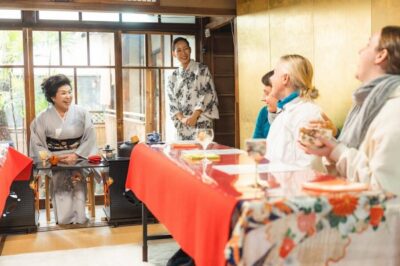
Inside, the tea master demonstrates how matcha is prepared. The guide explains what is happening in English as the tea master handles the bowl, whisk, scoop, and other ceremonial items.
The motions are slow, measured, and purposeful. The preparation is not treated as a quick recipe. You learn why the tea is handled in a particular way and how attention to small actions forms part of the ceremony.
This is where the activity earns its strong reputation. The instruction is not a string of vague cultural comments. It covers the history and purpose of the ritual, the etiquette of drinking matcha, and the reasons behind the sequence of movements.
Hosts have been praised for making the subject approachable without making it feel silly or watered down. Kate, in particular, has received warm attention for clear explanations and an engaging presentation. Other sessions have included Taka and additional tea ceremony hosts, so the exact team may vary.
You should feel free to ask questions. The format leaves time for them, and the guide acts as a bridge between the tea master’s demonstration and your own participation.
More Temples and Shrines in Kyoto
- [Kyoto & Nara Day Tour] Sagano Scenic Railway & Nara Park & Fushimi Inari Taisha Thousand Torii Gates & Togetsukyo Bridge & Bamboo Grove & Kimono Forest (Departing from Osaka)
★ 4.9 · 10,942 reviews - Kyoto: Fushimi Inari, Kinkakuji, Bamboo Grove 1 Day Bus Tour
★ 4.8 · 4,316 reviews - Kyoto Nara Day Trip │ Kiyomizu-dera Temple + Fushimi Inari-taisha Shrine + Nara Park (Departing from Osaka/Kyoto)
★ 4.7 · 3,408 reviews - Fushimi Inari Hidden Hiking Tour (Private Option Available)
★ 5.0 · 1,750 reviews
Making and drinking your own matcha
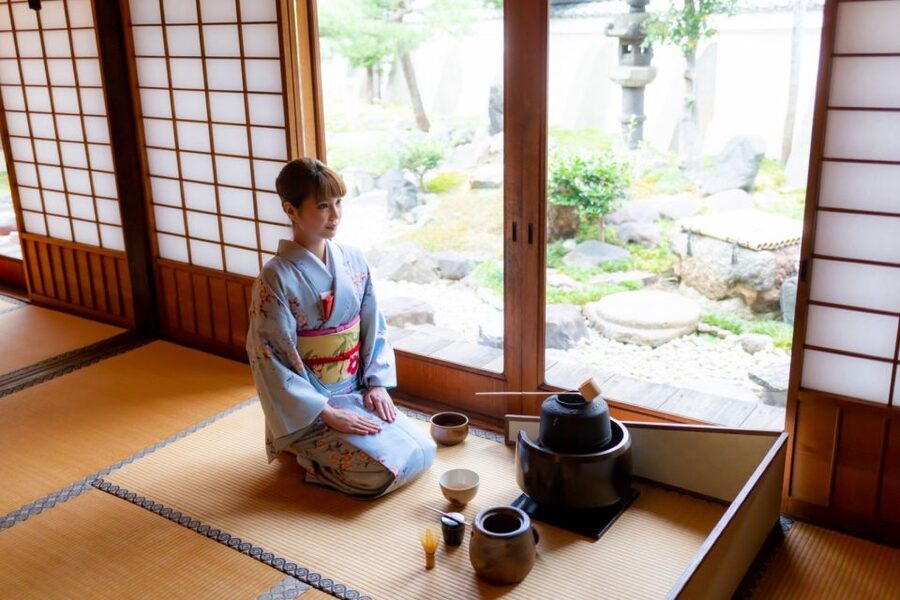
After watching the demonstration, you get the chance to prepare your own tea with guidance. This changes the mood from formal observation to hands-on learning.
You practice the basic preparation using the ceremonial tools, then drink the matcha. The tea master helps you through the process, so you are not left guessing how to whisk or how to hold the bowl.
For many people, this is the most memorable portion. Matcha has a strong, earthy flavor, and making it yourself gives you a better sense of the care involved. The tea is served with sweets, which provide a pleasant contrast to the bitterness of the matcha.
The activity also teaches etiquette. You learn the proper way to drink the tea and why the ceremony places importance on respect, focus, and appreciation. These lessons are presented in a practical way, so you can participate rather than sit nervously and copy everyone else.
I would not book this expecting a large tasting session. The attraction is the ritual and the chance to make tea, not the amount of food or drink. Meals are not included, although sweets are part of the tea experience described by participants.
What makes the temple setting valuable
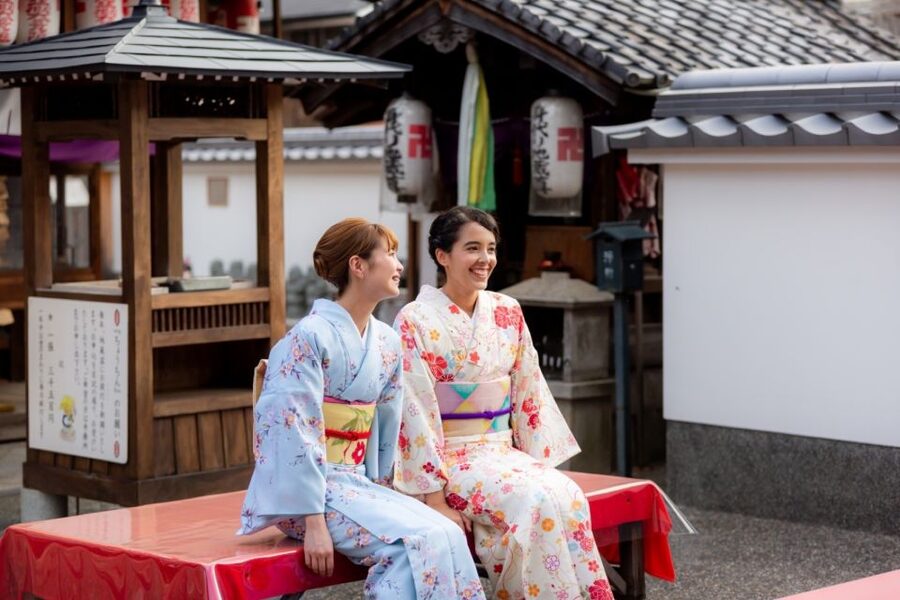
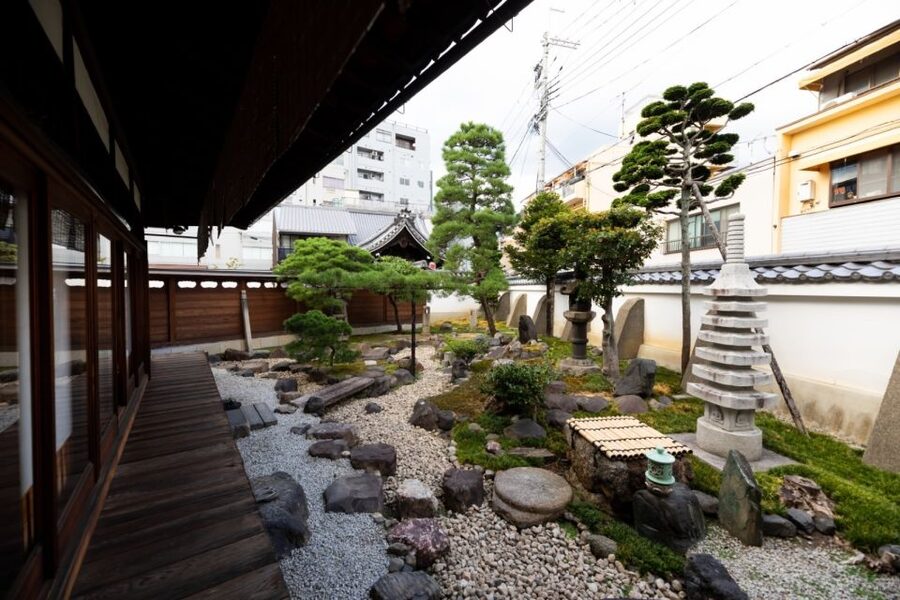
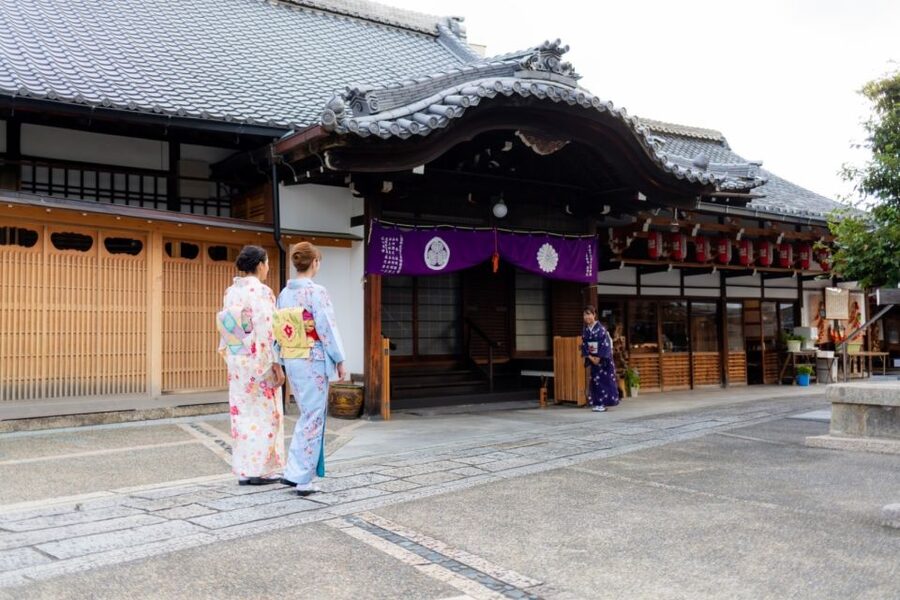
Kyoto has plenty of activities built around matcha, but the temple location gives this one a stronger sense of place. You first see the Main Hall, the gates, the fountain, and the surrounding architecture before entering the tearoom.
That progression helps you understand how tea ceremony connects with Japanese religious and cultural traditions. The temple is not just a backdrop for photographs. You move through it respectfully, complete the purification ritual, and then enter the room prepared for a formal activity.
The mood is another advantage. The session offers a quiet break from busy sightseeing routes. Several people describe leaving with a sense of calm, and that is easy to understand: the ceremony asks you to sit still, watch closely, and pay attention to one bowl of tea.
The setting may matter most if your Kyoto schedule is packed with major temples and crowded streets. This activity is not a grand sightseeing stop with many rooms to explore. Its value comes from the change of pace and the chance to learn through participation.
Is $29 good value for 70 minutes?
At $29 per person, this is reasonably priced for a guided cultural activity in central Kyoto. The fee includes the English-speaking guide and the chanoyu workshop ceremony. You are paying for instruction, the tea master’s demonstration, the chance to prepare matcha, and the temple setting.
I see good value here for first-time visitors. You would have difficulty recreating the full experience on your own because the value lies in the sequence, the explanation, and the tea master’s instruction. The guide also helps you understand details that can be easy to miss if you simply watch a ceremony without context.
The price is less attractive if you only want to drink matcha or take photographs. A short tea tasting elsewhere may meet that need. This activity makes more sense if you want to learn what the gestures mean and try the process yourself.
The small group limit also supports the price. A group of up to 10 is large enough to keep the session lively but small enough for hands-on help. You are not paying for a private ceremony, but you are also unlikely to be lost in a crowd.
Free cancellation up to 24 hours before the start time and the option to reserve now and pay later make it easier to fit into a changing Kyoto plan. Starting times vary, so check availability for your date.
Who will enjoy this ceremony most?
I would recommend Tea Ceremony Ju-An to first-time visitors who want a clear introduction to Japanese culture. You do not need any background in tea ceremony, Japanese religion, or matcha.
It also suits people who prefer a calm activity to another fast-moving sightseeing tour. The 70-minute duration fits neatly into a morning or afternoon, and the temple visit gives the session a sense of occasion without taking half a day.
Families and mixed-age groups may appreciate the patient teaching and the option of stools. Anyone curious about Japanese customs will find plenty to take away, especially if you enjoy asking questions.
This may not be the best match for someone who dislikes sitting on the floor, although seats can be provided. It is also unsuitable for wheelchair users because of the three steps into the tearoom. The temple itself is wheelchair accessible, but the ceremony room is not.
You should also know that the ceremony has a respectful tone. It is warm and welcoming, but it is not a loud entertainment show. If you want a quiet cultural lesson with a real ritual structure, that is a strength. If you want constant movement or a long list of attractions, it may feel restrained.
Practical tips for a smooth visit
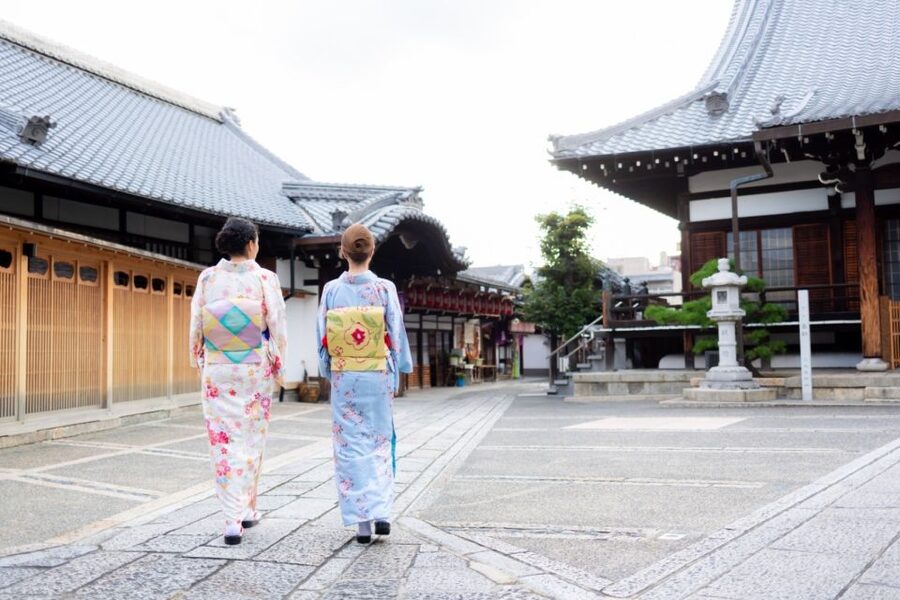
Arrive with enough time to find the main gates and locate the red benches inside the temple. Look for the Main Hall, then the steps to the left leading toward the tea room.
Wear footwear that is easy to remove. You will take off your shoes before entering the Grand Tearoom, and a simple pair of socks will make the transition more comfortable.
Tell the staff if traditional floor seating is difficult for you. Seats and stools are available, but asking early will make the arrangement easier.
Keep the ceremony open in your schedule rather than rushing out immediately afterward. The session is only 70 minutes, but the temple setting and slower pace are part of its value.
If the weather is poor, you can wait under the shop’s gable or in the Grand Tearoom. In fair weather, the red benches offer a pleasant place to pause before the instruction begins.
FAQ
How long does the Kyoto tea ceremony last?
The experience lasts 70 minutes.
Where does the tea ceremony meet?
It meets at Tea Ceremony Ju-An inside Jotokuji Temple, at 556 Gojo-sagaru, Tominokoji Dori, Shimogyo-ku, Kyoto. Face the Main Hall and look to the left for the steps leading to the tearoom.
Is the activity conducted in English?
Yes. The instructor and guide provide English instruction throughout the ceremony.
How many people can join the group?
The group is limited to 10 participants.
Is matcha included?
Yes. You sample matcha during the ceremony and receive guidance on preparing it yourself. Sweets are also served with the tea.
Can I sit on a chair instead of the floor?
Yes. Seats and stools can be provided for people who are not comfortable sitting on the floor in the traditional position.
Is the tearoom wheelchair accessible?
No. The temple is wheelchair accessible, but the tearoom has three steps and is not suitable for wheelchair users.
Should you book Tea Ceremony Ju-An?
Book it if you want more than a cup of matcha. The purification ritual, temple architecture, tea master’s demonstration, and hands-on preparation create a thoughtful introduction to chanoyu in just over an hour.
At $29, it offers strong value for a small-group cultural activity, especially for first-time visitors. I would choose it for a quieter morning, a rainy-day plan, or a break from Kyoto’s crowded sightseeing spots.
Skip it only if you need full wheelchair access, dislike removing your shoes, or want a long and highly formal ceremony. For everyone else, Tea Ceremony Ju-An offers a respectful, practical, and memorable way to understand why Japanese tea ceremony is about far more than drinking tea.
Just added in Kyoto
- The “Golden Route” and Ancient Japan by DIAMIR Erlebnisreisen – 14-Day Tour★ 2.0 · 2 reviews
- Japan: Castles & Cuisine by G Adventures – 6-Day Kyoto to Osaka Tour★ 4.5 · 4 reviews
- Cycle Japan by Explore! – 13-Day Kyoto to Tokyo Tour★ 4.7 · 12 reviews
- Cycle Japan by Intrepid Travel – 11-Day Kyoto to Tokyo Tour★ 4.8 · 2 reviews
- Classic Japan by Intrepid Travel – 11-Day Kyoto to Tokyo Tour★ 4.4 · 14 reviews
- Ancient & Modern Japan 14-Day Tour by Exodus Adventure Travels★ 4.4 · 40 reviews
- 5 Day Cultural Adventure of Kyoto, Nara & Osaka by Tourist Journey★ 2.5 · 2 reviews
- 12 Days Kinosaki Onsen Escape: A Journey Through Japan’s Timeless Towns by UME Travel★ 4.8 · 5 reviews
Tea Ceremonies, compared.
Tea Ceremony in a Traditional Tea House in Kiyomizu
Read our review →
World Heritage Kyoto & Nara Uji Authentic Matcha Experience
Read our review →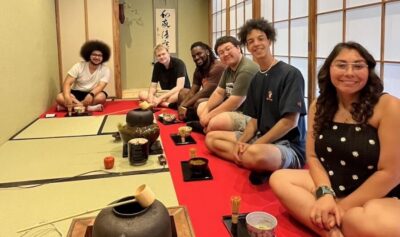

Arashiyama Bamboo Forest, Monkeys, Matcha & Temple Tour
Read our review →Browse the lists this tour appears in