
Reviewed · TEMPLES AND SHRINES
Kyoto Nara Day Trip │ Kiyomizu-dera Temple + Fushimi Inari-taisha Shrine + Nara Park (Departing from Osaka/Kyoto)
Kyoto’s old lanes, Fushimi Inari’s red torii gates and Nara’s free-roaming deer make an ambitious day out, and this tour puts all three within reach without asking you to plan the connections yourself. Guides such as Shine and Oh Seok-bong have been praised for clear explanations, local food tips and lively commentary during the drive.
I like two things here: the bus links far-flung sights that would take more effort to connect by public transport, and the free time at each stop lets you choose your own pace and photo stops. The catch is that this is a highlights sampler, not a slow Kyoto visit, and the return goes to Osaka even if you began in Kyoto.
In This Review
- At a glance: what this day gives you
- A full day, with the hard travel planning taken care of
- Kiyomizu-dera: temple views and old Kyoto lanes
- Lunch: a short pause, not a leisurely meal
- Fushimi Inari: a short walk beneath the torii gates
- Nara Park and Todai-ji: deer, then the Great Buddha
- Guides and transport: the tour’s practical strengths
- Price and value: inexpensive entry to a big day
- Before you book: timing, meeting points and small print
- Should you book this Kyoto and Nara day trip?
- FAQ
- How long is the tour?
- Where does the tour return?
- Are temple admission fees included?
- Is lunch included?
- How much free time is scheduled at each main stop?
- Which languages are available?
- Can I bring luggage?
- Can young children join?
At a glance: what this day gives you
- Kiyomizu-dera and Kyoto’s old lanes: About two hours for the temple area and nearby streets, with admission paid separately.
- Fushimi Inari’s torii corridor: Around 70 minutes to walk the shrine grounds, see the gates and make your own way through.
- Nara Park and Todai-ji: Roughly 90 minutes to encounter the deer and, if you choose, visit the Great Buddha Hall.
- A guide for the road and the stops: Guides including Shine and Oh Seok-bong are praised for clear directions, cultural context and practical recommendations.
- A useful transport shortcut: A shared vehicle connects the sights, with departures from Osaka or Kyoto, but the return is to Osaka.
- A low starting price, with add-ons: Fares start at $44.89, while temple admission, lunch and drinks are extra.
A full day, with the hard travel planning taken care of
This tour is built for people who want a first look at Kyoto and Nara without spending a day solving train routes and transfers. It runs for about nine hours, with a morning departure and a return to Osaka in the early evening. You get a guide and shared transport, while the sightseeing itself is mostly self-guided.
That division matters. A guide can make the ride useful with historical notes and practical advice, but you are not being led through every temple or street as a private group. At each stop, listen carefully to the meeting time and place, then set your own priorities. Some people will spend longer at the temple; others will be drawn to the lanes, shops and picture spots.
The group can include up to 48 people, and vehicle type varies with the number booked. This keeps the price accessible, but it also means you should expect a group-tour rhythm: fixed departure times, shared transport and little flexibility to extend a stop. Guides have to keep everyone moving, especially when the group is large.
More Day Trips in Kyoto
- [Kyoto & Nara Day Tour] Sagano Scenic Railway & Nara Park & Fushimi Inari Taisha Thousand Torii Gates & Togetsukyo Bridge & Bamboo Grove & Kimono Forest (Departing from Osaka)
★ 4.9 · 10,942 reviews - Day Trip to Amanohashidate & Ine no Funaya & Miyama Thatched Village in the Sea of Kyoto (Departure from Osaka or Kyoto)
★ 5.0 · 1,212 reviews - One-Day Tour of Kyoto’s Highlights from Osaka/Kyoto
★ 4.5 · 1,092 reviews
Kiyomizu-dera: temple views and old Kyoto lanes
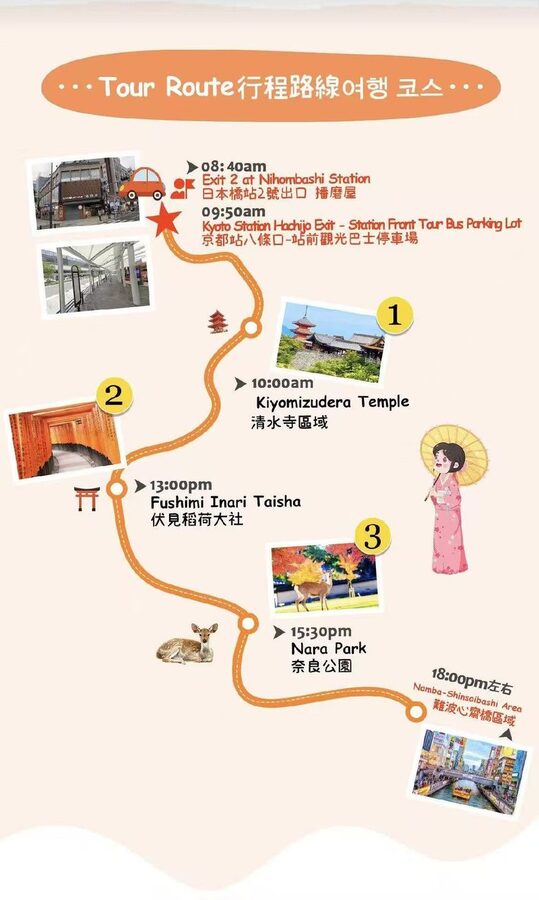
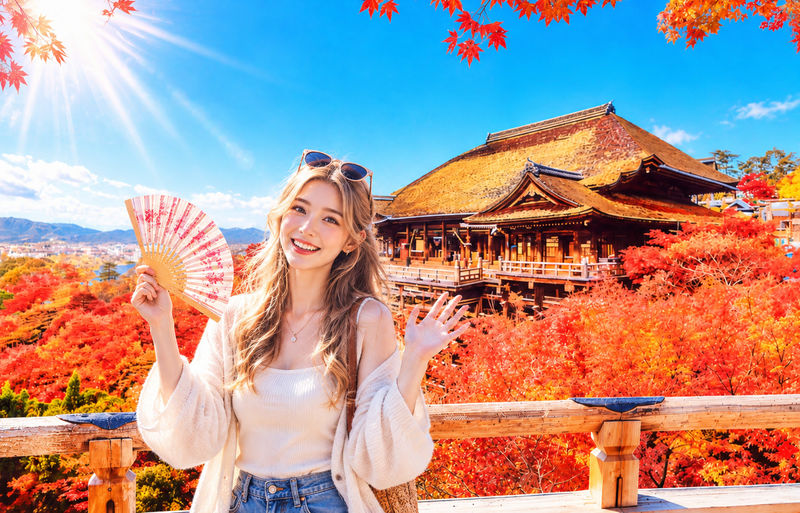
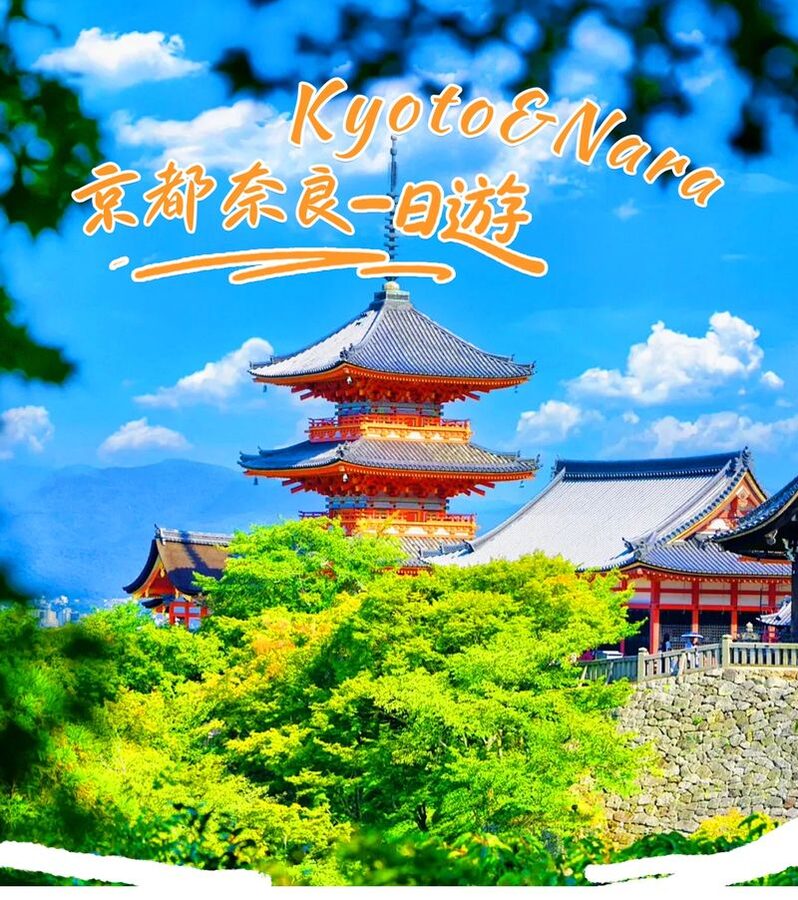
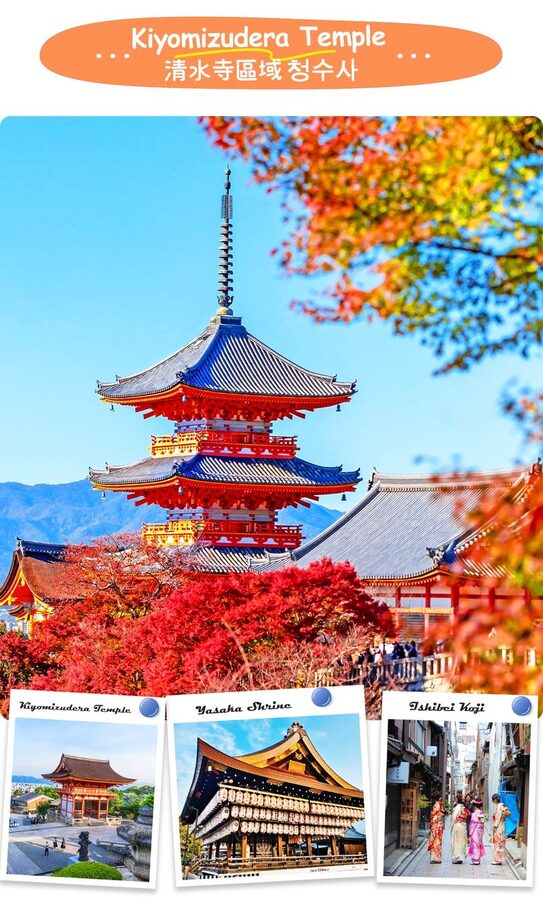
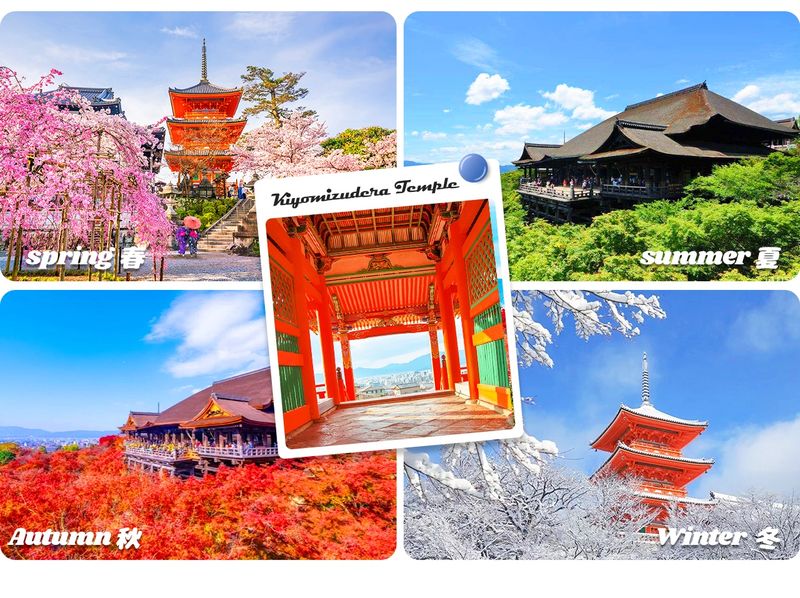
The day’s first major stop is the Kiyomizu-dera area, with about two hours for independent exploring. The temple dates to 778 and is described as one of Kyoto’s oldest. It is also a World Heritage site. Admission is not included: adults pay 500 yen, and elementary and junior high school students pay 200 yen.
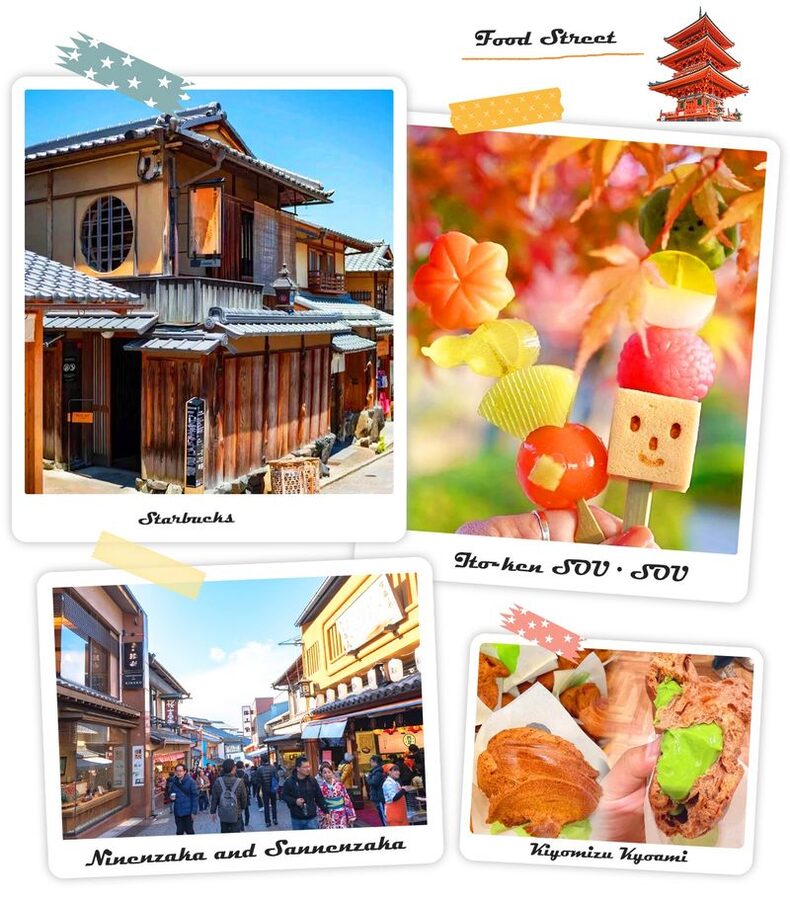
The temple is only part of the appeal. Sannenzaka and Ninenzaka are old streets lined with traditional-style buildings and shops, while quiet Ishibei-koji offers a change of mood from the busier paths. The listed route also includes Gion’s Hanamikoji area and Yasaka Shrine, but the precise use of your free time depends on the day’s arrangements. Do not assume you can linger at every named site. Weather, capacity and traffic can prompt changes, and the advertised stops are not a promise that every side street gets equal time.
I would decide in advance what matters most. If entering Kiyomizu-dera is your priority, go there first and allow time for the walk from the vehicle drop-off. If you would rather browse old lanes or take photos, keep an eye on the clock so the temple does not consume your whole stop. The tour notes that some sites may be skipped in certain conditions.
Yasaka Shrine is another possible point of interest, known here for its heart-shaped ema, the wooden plaques on which people write wishes. Gion’s teahouse district is associated with geisha culture. These are meaningful glimpses of Kyoto, but an hour or two cannot turn this into a detailed neighbourhood visit. Think of it as a well-chosen introduction.
Lunch: a short pause, not a leisurely meal
The planned lunch stop is about 30 minutes, and meals are at your own expense. The guide may suggest restaurants, and some guides have been praised for helping with recommendations or reservations. That can save decision time in a busy day, but any suggested meal is optional, not included.
Half an hour is a tight window if you want to sit down, order and eat at an unhurried pace. You may prefer a quick meal, or to bring a small snack for the day. The tour information says food cannot be eaten in the vehicle in at least one account of the experience, so do not count on using the bus ride as lunch time.
Fushimi Inari: a short walk beneath the torii gates
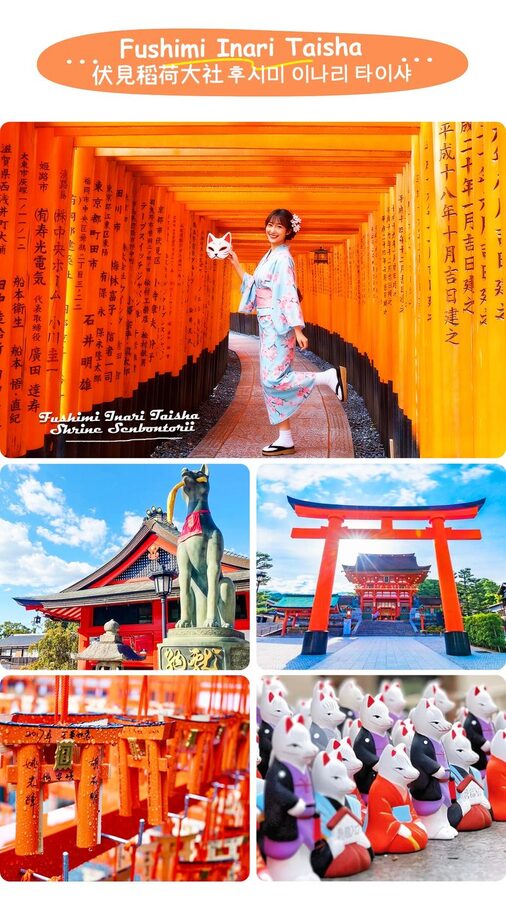
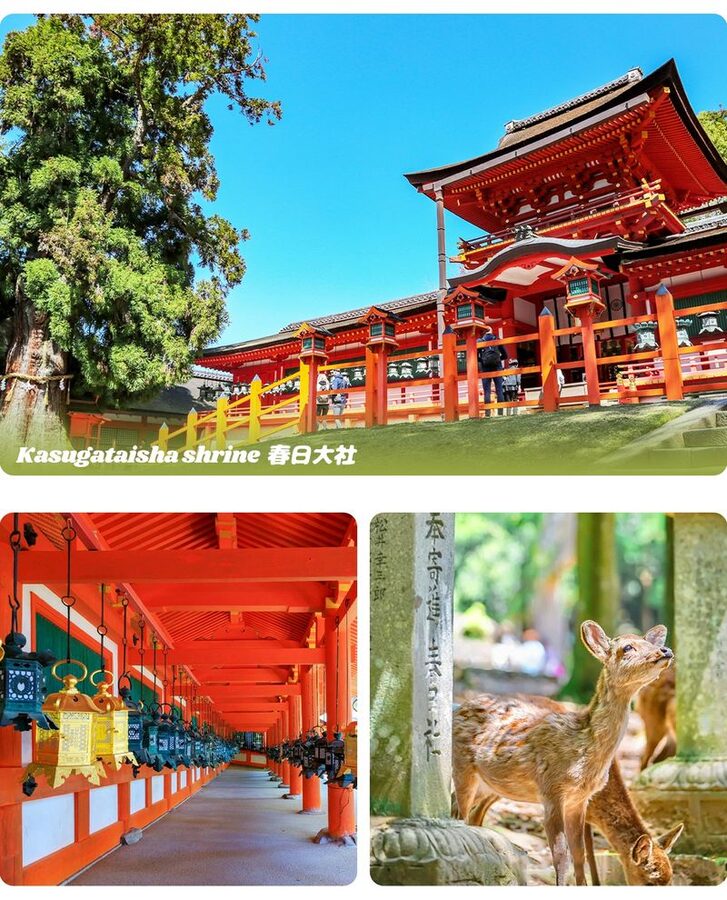
At Fushimi Inari-taisha, you have about 70 minutes. The shrine is famous for its rows of red torii gates, often called Senbon Torii. Walking through them is the defining experience here: the gates form a striking corridor, and the shrine’s fox-shaped ema offer a distinctive place to write a wish.
The time limit calls for a realistic plan. You can see the main shrine area and walk into the gates, but this is not a long hike with hours to spare. If you want a fuller walk, move promptly and turn back in time for the group meeting. The tour’s appeal is that it brings you here without arranging the transfers yourself; its compromise is that you choose between a deeper walk and a more relaxed visit.
The shrine can be crowded, so patience helps when you want a clear photo. Take care not to lose track of time while waiting for a gap in the flow of people. The guide will set the return point and meeting time, and the vehicle cannot wait indefinitely for late arrivals.
More Temples and Shrines in Kyoto
- Kyoto: Fushimi Inari, Kinkakuji, Bamboo Grove 1 Day Bus Tour
★ 4.8 · 4,316 reviews - Kyoto: Tea Ceremony in a Traditional Tea House in Kiyomizu
★ 4.9 · 3,519 reviews - Kyoto: Tea Ceremony Ju-An at Jotokuji Temple
★ 4.9 · 3,207 reviews - Fushimi Inari Hidden Hiking Tour (Private Option Available)
★ 5.0 · 1,750 reviews
Nara Park and Todai-ji: deer, then the Great Buddha
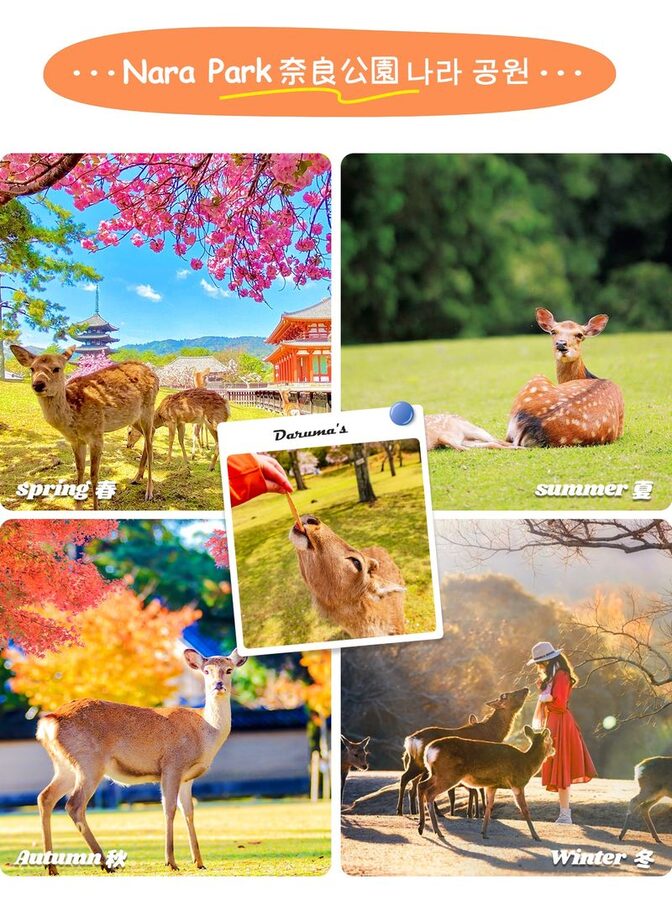
The afternoon brings about 90 minutes in Nara. Nara Park is known for its free-roaming deer, which approach people and may come close when food is around. The close encounters can be funny, but these are animals, not props. Keep your belongings secure and follow the guide’s instructions about feeding and interacting with them.
Todai-ji is the other major draw. The Great Buddha Hall admission costs 800 yen for adults and 400 yen for children. A combined ticket for the Great Buddha Hall and museum costs 1,200 yen for adults and 600 yen for children. Those costs are separate from the tour fare, and you will need to manage your time if you want to enter.
Ninety minutes is enough for a taste of the park and a visit to one main attraction, but it may feel short if you want both a long deer encounter and a thorough temple visit. The park and temple grounds involve walking, so wear comfortable shoes and save some energy for this final stop. Families often find the deer a memorable highlight, while anyone hoping for a deep visit to Todai-ji should consider a separate day in Nara.
Guides and transport: the tour’s practical strengths
The strongest element of a shared day tour is often not a single sight, but the space between them. You avoid working out each connection, and the drive gives the guide time to explain local customs, history and useful details. Shine and Oh Seok-bong are names that appear repeatedly in accounts of the trip, with praise for clear directions, humour, cultural explanations and help finding photo spots or places to eat.
Those individual guides are not guaranteed, of course. The language and guide depend on the package you book. The listed options include Chinese- and English-language meeting-point packages, and Korean-language tours also appear among the available experiences. Check the exact language selection before paying rather than assuming every departure offers the same service.
The transfer itself is shared, and seat allocation is mainly handled on the day. Front-row seats may be offered as an extra, but the guide has discretion over the arrangement. The tour may also use different vehicle types depending on the group size, so you cannot choose a particular vehicle.
Price and value: inexpensive entry to a big day
At a starting price of $44.89, this is an economical way to connect several widely separated sights. The fare includes round-trip transport to and from the meeting arrangement and a guide. It does not include admission to Kiyomizu-dera or Todai-ji, meals, drinks or personal purchases. Add those costs when comparing the tour with making your own way.
The value is strongest if you are based in Osaka, short on time and happy with a brisk overview. A vehicle saves you from planning multiple connections, and the guide can make the travel time more useful. If you prefer to linger, choose your own lunch hour or spend a full afternoon at one shrine, independent travel may suit you better.
There is an important wrinkle for anyone setting out from Kyoto: the return trip does not pass through Kyoto. The listed return point is Osaka’s Kintetsu Nipponbashi area, with an estimated arrival between 17:45 and 18:15. So a Kyoto departure may work for the outbound leg, but you must plan for the Osaka return rather than expect to finish where you started.
Before you book: timing, meeting points and small print
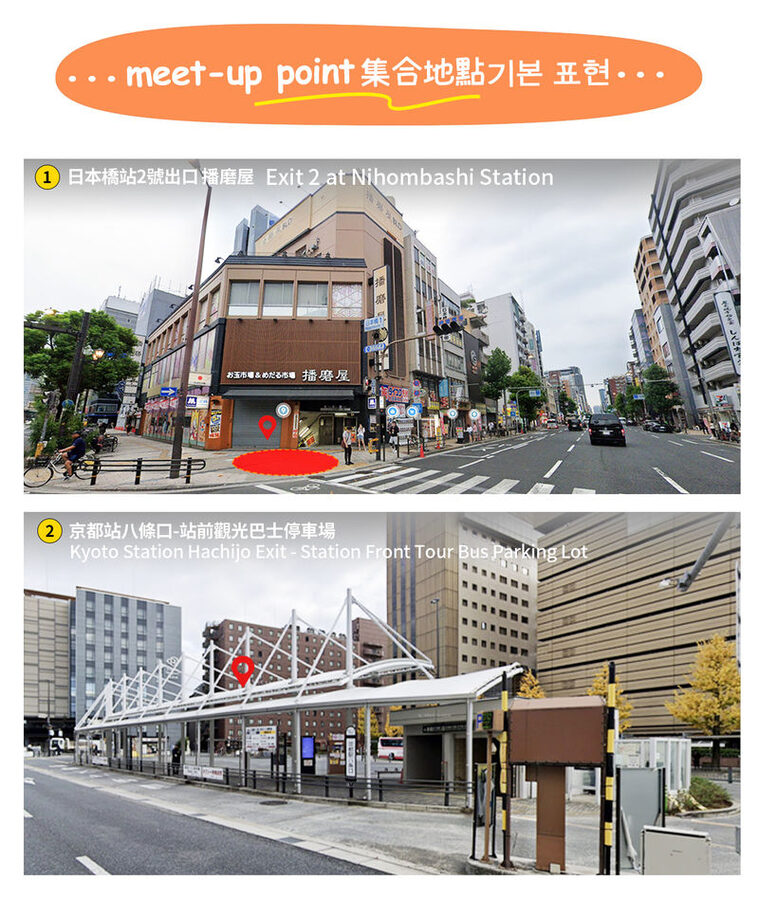
There are meeting points in Osaka and Kyoto. The Osaka departure is listed for 08:40 at Nipponbashi Exit 2, while the Kyoto meeting point is listed for 09:50 near Kyoto Station’s Hachijo Exit. Arrive 10 minutes early, and do not change meeting points at the last moment. The operator sends guide and vehicle details by email the evening before, so check your inbox and spam folder.
Traffic and weather can alter the order or length of stops, and the return time is an estimate. Avoid scheduling another activity for that evening, particularly if you need to make a connection. The tour also does not allow you to leave partway through and rejoin later.
Children aged 3 and older pay the adult rate. Children aged 0 to 2 may join free if they do not need a separate seat. Each person may bring one piece of luggage, but you need to note it when booking. The operator may refuse boarding if unannounced luggage makes the vehicle too crowded.
Should you book this Kyoto and Nara day trip?
Book it if you are staying in Osaka, want to see the headline sights in both Kyoto and Nara, and value direct transport over a flexible schedule. It is also a sensible choice for families or people travelling with older relatives who would rather not manage several transfers alone. A good guide can add useful context, but the experience varies with the language and guide assigned.
Skip it if you want to explore Kyoto at length, hike far into Fushimi Inari, or spend most of a day in Nara. And if you are staying in Kyoto, weigh the Osaka return carefully before booking. This is a convenient sampler with a lot packed into one day, not a slow visit to either city.
FAQ
How long is the tour?
The activity is listed as a nine-hour day, with departure times around 08:40 in Osaka or 09:50 in Kyoto. The return to Osaka is estimated for 17:45 to 18:15, depending on traffic and weather.
Where does the tour return?
The return point is Osaka Kintetsu Nipponbashi. The return trip does not pass through Kyoto, even if you joined at the Kyoto meeting point.
Are temple admission fees included?
No. Kiyomizu-dera admission is 500 yen for adults and 200 yen for elementary and junior high school students. Todai-ji’s Great Buddha Hall costs 800 yen for adults and 400 yen for children.
Is lunch included?
No. Meals and drinks are extra. The tour allows about 30 minutes for lunch, and the guide may recommend places to eat.
How much free time is scheduled at each main stop?
The Kiyomizu-dera area has about two hours, Fushimi Inari about 70 minutes, and Nara about 90 minutes. The schedule can change because of traffic or weather.
Which languages are available?
Language depends on the package you select. Chinese- and English-language meeting-point options are listed, and Korean-language tours also appear among the available packages. Confirm the language for your chosen departure when booking.
Can I bring luggage?
Each person may bring one piece of luggage, but you should note it in your booking request. If you bring luggage without advance notice, boarding may be refused if it makes the vehicle too crowded.
Can young children join?
Children aged 3 and older are charged the adult rate. Children aged 0 to 2 may join free if they do not occupy a separate seat.
Just added in Kyoto
- Kyoto Kimono Rental Experience (Optional Elegant Hairstyle/Japanese Makeup/Photography) (Ookini Kimono Rental Yasaka Shrine Gion Store)★ 4.8 · 1,091 reviews
- Nidec Kyoto Tower Ticket★ 4.6 · 2,454 reviews
- Kyoto Sumo Show with Experience & Photo, 2 Drinks Included★ 5.0 · 941 reviews
- Kyoto Kimono Rental Experience (Optional Exquisite Hair Styling/Japanese Makeup/Photography) (Ookini Kiyomizu-dera Main Store)★ 4.7 · 1,700 reviews
- Kyoto Arashiyama Scenic Train & Hozugawa River Boat Ride Day Trip (From Osaka / Kyoto)★ 4.8 · 604 reviews
- Kyoto Aquarium Admission Ticket★ 4.6 · 771 reviews
- Kyoto: Ring Making Workshop : Vintage Japanese Coin Ring★ 5.0 · 1,900 reviews
- Kyoto: Sumo Experience (with Live Show & Audience Challenge)★ 5.0 · 519 reviews
Temples and Shrines, compared.
![[Kyoto & Nara Day Tour] Sagano Scenic Railway & Nara Park & Fushimi Inari Taisha Thousand Torii Gates & Togetsukyo Bridge & Bamboo Grove & Kimono Forest (Departing from Osaka)](https://media.japanvisits.com/wp-content/uploads/kyoto-nara-day-tour-sagano-scenic-railway-nara-park-fushimi-inari-taisha-thousand-torii-gates-togetsukyo-bridge-bamboo-grove-kimono-forest-departing-from-osaka-k110001-400x257.jpg)
Kyushu One-Day Tour: Yufuin no Mori Train & Yufuin Town & Nyoirin-ji Temple & Dazaifu & Hell Hot Springs (Departing from Fukuoka)
Read our review →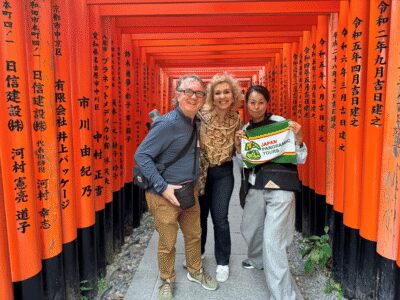
Fushimi Inari, Kinkakuji, Bamboo Grove 1 Day Bus Tour
Read our review →
Tea Ceremony in a Traditional Tea House in Kiyomizu
Read our review →
Meiji Shrine, Asakusa, Skytree Bus Tour and Cruise
Read our review →Browse the lists this tour appears in