
Reviewed · TEMPLES AND SHRINES
Tokyo: Meiji Shrine, Asakusa, Skytree Bus Tour and Cruise
Tokyo rewards a good plan. This 10-hour coach tour links Meiji Shrine, the Imperial Palace, Asakusa, Tokyo Skytree, and Odaiba without making you decode the city’s huge rail map. I like the air-conditioned bus between stops and the range of guides, including Aya, Yui, Sora, Levin, and Tsubasa, who are often praised for clear explanations and good humor.
I also like the mix of old and new: a forest shrine, a traditional temple district, a matcha tasting, an izakaya-style meal, a 350-meter observation deck, and a boat ride beneath Rainbow Bridge. The tradeoff is pace. You may walk more than 11,000 steps, and one long day cannot give every stop the time it deserves. The bus makes Tokyo manageable, but this is a see-the-highlights tour, not a slow neighborhood stroll.
In This Review
- Key things to know before booking
- Why this Tokyo coach tour works for first-time visitors
- Starting in Shinjuku, with Tokyo moving past the windows
- Meiji Shrine, Tokyo’s forested opening
- The Imperial Palace and two possible viewpoints
- Asakusa, matcha, lunch, and free time
- Kappa-Bashi and Tokyo’s everyday visual culture
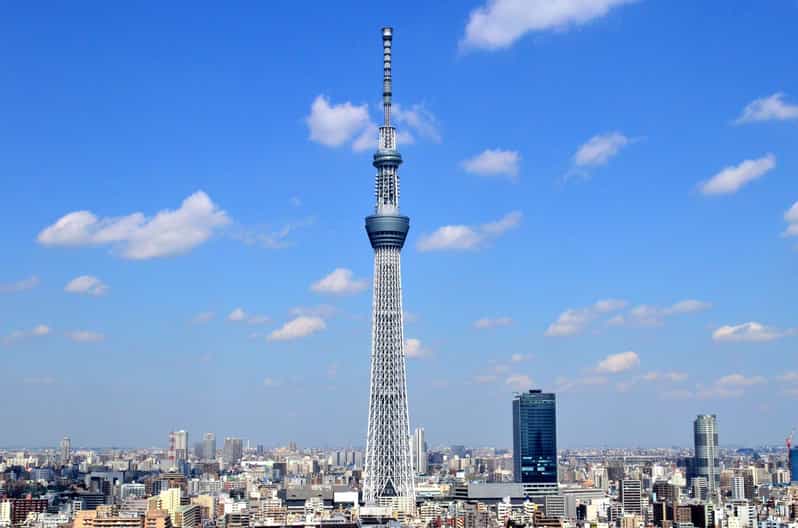
- Tokyo Skytree, the day’s big view
- Odaiba and the Tokyo Bay boat ride
- Price, pace, and what the $122 covers
- Who should book this full-day Tokyo tour?
- Should you book it?
- FAQ
- How long does the Tokyo sightseeing tour last?
- Where does the tour begin?
- Is hotel pickup and drop-off included?
- Is lunch included?
- Can I request a vegetarian or gluten-free meal?
- Is the Tokyo Bay cruise guaranteed?
- Is the tour suitable for someone with limited mobility?
Key things to know before booking
- One day, many sides of Tokyo: The route covers 18 notable places and activities, from Kabukicho and Harajuku to Kappa-Bashi, Asakusa, Skytree, and Odaiba.
- The best feature is the air-conditioned coach: Tokyo traffic can be slow, but the bus gives your feet a break and carries you across town in hot, humid, or rainy weather.
- Asakusa includes more than temple photos: You get a matcha experience, an optional Japanese fried chicken and tofu lunch, Nakamise shopping street, and free time.
- Tokyo Skytree admission is included: You go to the Tembo Deck at 350 meters with skip-the-line entry, a useful saving on a busy day.
- The cruise is not guaranteed: On some days, high tide or technical maintenance cancels the bay ride. The replacement is Hamarikyu Garden or the Fukagawa Edo Museum, with no refund for the change.
- Come ready to walk: Comfortable shoes are essential. The tour is not suitable for people with mobility impairments, and you handle your own luggage, wheelchair, or stroller.
Why this Tokyo coach tour works for first-time visitors
Tokyo can feel like several cities stitched together. One moment you are under tall cedar trees at Meiji Shrine. Later, you are looking across rooftops from Skytree, then watching the city slide past from Tokyo Bay.
That wide reach is the main reason to book this experience. You are not spending a full morning on one district and another afternoon finding your way across town. The coach carries you from western Tokyo to the Imperial Palace, east to Asakusa and Skytree, and finally toward Odaiba before returning to central Tokyo.
The transport matters more than it might on paper. Tokyo’s train system is excellent, but a first visit still involves station signs, long underground walks, transfers, and constant attention to the clock. On this tour, you can sit down between stops and listen to the English guide or use an audio headset in Spanish, French, Italian, German, Portuguese, or Ukrainian.
The tour has earned a 4.7 rating from 1,986 ratings, and the strongest praise goes to the guides. Aya is often noted for organization and care, while Yui, Sora, Levin, Hiro, Lovely, and Tsubasa are praised for making history and local customs easy to follow. Tsubasa, in particular, is known for teaching Japanese words and writing during the day. The guide can make a large group feel looked after, so the quality of the day depends partly on who leads your departure.
More Boat Trips in Tokyo
- Mt Fuji & Hakone Cruise, Drum Show Bullet Train 1 Day from Tokyo
★ 4.0 · 7,413 reviews - Tokyo Mt Fuji 5th St & Hakone Cruise Bus Tour w/Bullet Train
★ 4.4 · 5,024 reviews - Mt Fuji & Hakone Cruise, Drum Show Bus 1 Day from Tokyo
★ 4.0 · 1,287 reviews
Starting in Shinjuku, with Tokyo moving past the windows
The stated starting options include the Love statue in Shinjuku and Matsuya Ginza, with the exact meeting point depending on the option you choose. Check this carefully before setting out because hotel pickup and drop-off are not provided.
From Shinjuku, the coach passes Kabukicho, Tokyo’s famous nightlife district, before heading toward Meiji Shrine. This opening drive gives you a quick look at the contrast between neon entertainment streets and quiet religious grounds.
The bus also passes Harajuku and Omotesando, two areas known for fashion, shopping, and stylish architecture. You will not get a full visit here, but seeing them from the coach helps place the neighborhoods on your mental map. The same is true of the National Diet Building, Japan’s parliament, with its symmetrical 1936 design.
This is one of the tour’s useful details. You see far more than the named stops, but you should not confuse a drive-by view with free time. Bring your camera, listen to the guide, and save the neighborhoods you want to explore later.
Meiji Shrine, Tokyo’s forested opening
Meiji Shrine is one of the day’s most peaceful stops. Dedicated to Emperor Meiji and Empress Shoken, it sits in a large forested area that feels surprisingly removed from central Tokyo.
You have about an hour here. That gives you time to walk through the grounds, view the shrine structures, and learn basic Shinto customs. The approach itself is part of the experience, with a broad path and a sense of quiet that sharply contrasts with nearby Harajuku.
I would pay close attention when the guide explains how to behave at the shrine. Instructions about purification, bowing, and prayer are useful because small rituals can otherwise feel confusing. One particularly helpful guide, Yuty, has been praised for explaining temple and shrine customs clearly, including how to pray.
The main limitation is time. An hour is enough for an introduction, but not for a leisurely wander through every part of the grounds. One practical point came through clearly in the feedback: some people would prefer more time here and less at Skytree. If Meiji Shrine is your top priority, plan to return independently.
The Imperial Palace and two possible viewpoints
The next major stop is the Imperial Palace, on the former site of Edo Castle and still associated with Japan’s imperial family. The tour allows about 30 minutes, so this is a short historical visit rather than a full palace tour.
Depending on the operating plan, you visit either the East Garden or the Niju-bashi Bridge in the Outer Garden. The East Garden offers traditional Japanese garden scenery and a closer sense of the old castle grounds. Niju-bashi gives you a classic palace-area photograph and a look at an important historic structure.
Because the choice can vary, do not book this tour expecting both. The stop is best viewed as a compact introduction to the palace district. The guide’s explanation adds value here, especially for understanding how Edo Castle fits into Tokyo’s development.
More Temples and Shrines in Tokyo
- Tokyo: Asakusa Walking Tour with Sensoji Temple Visit
★ 4.8 · 1,583 reviews - Nikko: Kegon Falls, Lake Chuzenji & Toshogu Temple
★ 4.6 · 1,577 reviews - Tokyo: Nikko Toshogu Shrine and Kegon Waterfall Tour
★ 4.5 · 1,266 reviews - Tokyo Panoramic 1 Day: Meiji Shrine, Asakusa, Odaiba and SKYTREE®
★ 4.5 · 1,222 reviews
Asakusa, matcha, lunch, and free time
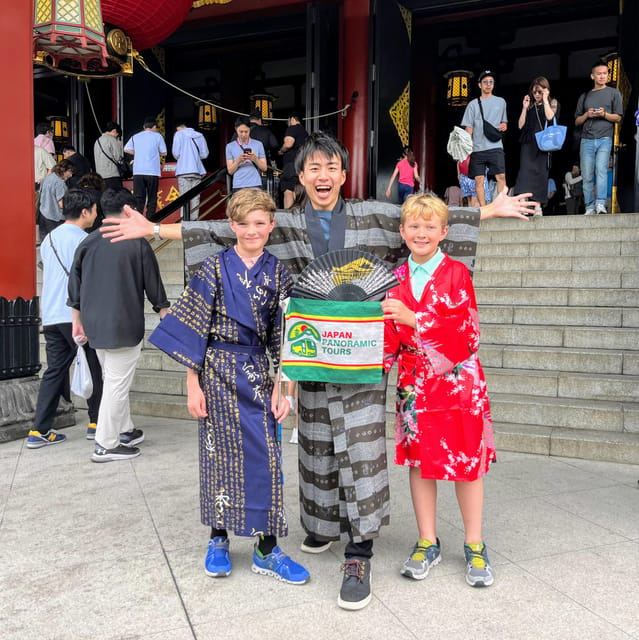
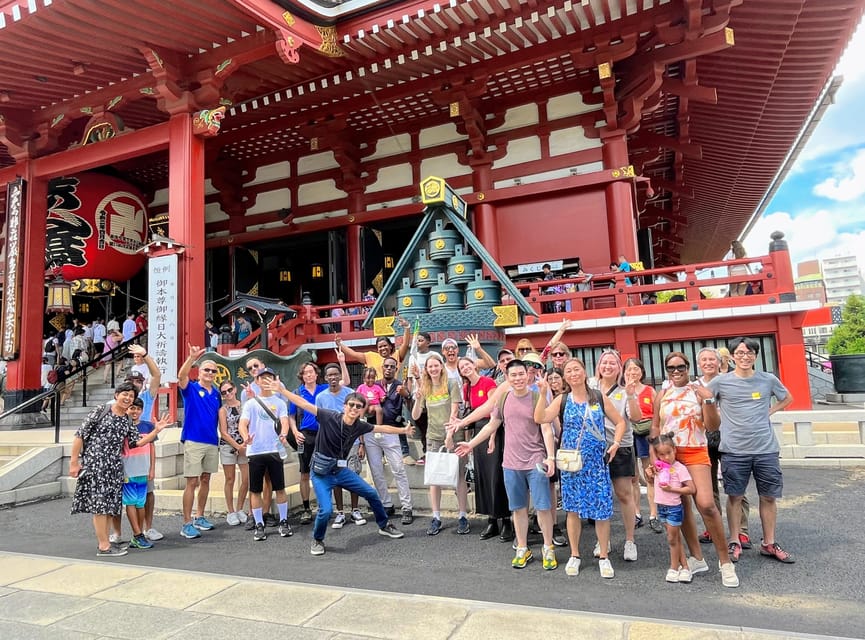
Asakusa is where the day becomes more hands-on. The district centers on Sensoji, Tokyo’s best-known Buddhist temple area, and the approach through Nakamise Avenue gives you shops selling snacks, souvenirs, crafts, and small gifts.
Kaminari-mon Gate is the photo stop you already know from Tokyo postcards: a red gate with a huge lantern. It can be crowded, so listen closely for the meeting instructions and do not wander too far down the shopping street before your free time begins.
The matcha experience is a pleasant cultural pause. The tea uses first-flush leaves from Uji in Kyoto and is described as a less bitter premium matcha. Depending on the selection, you can have matcha drink, matcha gelato, or even matcha beer. The matcha store is closed on May 14, when a matcha souvenir replaces the usual experience.
If you select lunch, the meal is a set menu built around karaage, Japanese fried chicken, and tofu, served with a soft drink. The tofu uses locally produced soybeans and is made at the shop each day. This gives you a more local-style meal than a generic restaurant stop, though one rating specifically found the food disappointing, while several others enjoyed it and called the fried chicken good quality.
The food details matter if you have dietary restrictions. Vegetarian and gluten-free meals must be requested at booking. The gluten-free option includes grilled chicken, rice, and tofu. The main set contains no pork, seafood, nuts, or crustaceans, but the dashi broth contains fish stock. Muslim-friendly, allergy-friendly, and lactose-free meals are not available, so you should book without lunch if the broth or cross-contact could be a problem.
You get about an hour of free time in Asakusa after the tasting and lunch. Use it for Nakamise, Sensoji, photos, small purchases, or a quick snack. This is not enough time for a relaxed district visit, but it is enough to enjoy the main sights without being pushed from one photo stop to the next.
Kappa-Bashi and Tokyo’s everyday visual culture
Between the Imperial Palace and Asakusa, the coach passes Akihabara, Ueno, and Kappa-Bashi market street. These areas reveal parts of Tokyo that do not fit the usual shrine-and-skyscraper picture.
Kappa-Bashi is known for kitchen goods, Japanese dishes, knives, restaurant supplies, and remarkably realistic plastic food displays. You may not stop here, but the drive-by commentary can help you decide if the street deserves a return visit.
Akihabara gives you a glimpse of Tokyo’s electronics, anime, and gaming culture, while Ueno points toward museums, parks, and older shopping streets. Again, these are views from the bus rather than full visits. That distinction is important when you compare this tour with a private walking tour.
Tokyo Skytree, the day’s big view
Tokyo Skytree is the visual high point of the tour. You receive entry to the Tembo Deck at 350 meters, with skip-the-line admission included. The tower is one of the world’s tallest broadcasting structures, and the observation deck gives you a broad view over Tokyo’s tightly packed urban districts.
The visit lasts about 90 minutes and includes time at the Sora-machi shopping mall. The view is the main event, but the mall gives you a chance to browse, use the facilities, or take a short break indoors.
Visibility will shape this stop. On a clear day, the elevated view can be spectacular, while haze, rain, or low cloud may reduce what you see. Even then, the tower offers a strong sense of Tokyo’s size and density.
This is also where the schedule can feel slightly out of balance. Some people would trade part of the Skytree visit for more time at Meiji Shrine. I would book the tour if the tower is high on your list, but I would not choose it solely for the observation deck. You can visit Skytree separately if you prefer a slower day.
Odaiba and the Tokyo Bay boat ride
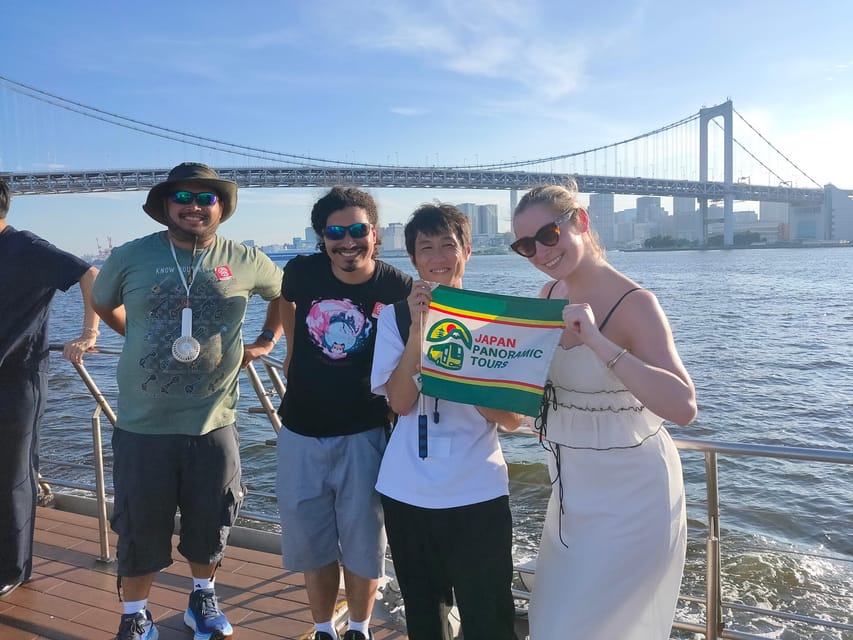
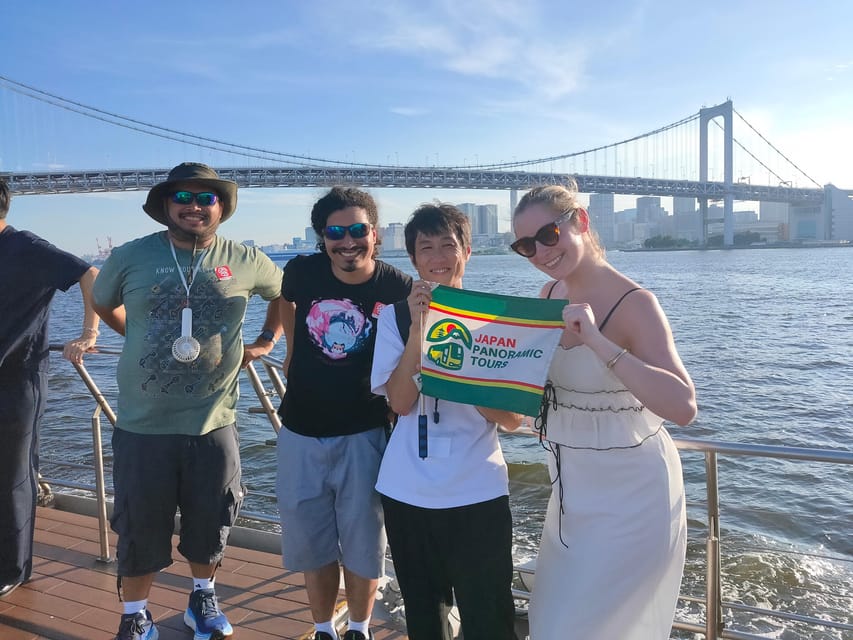
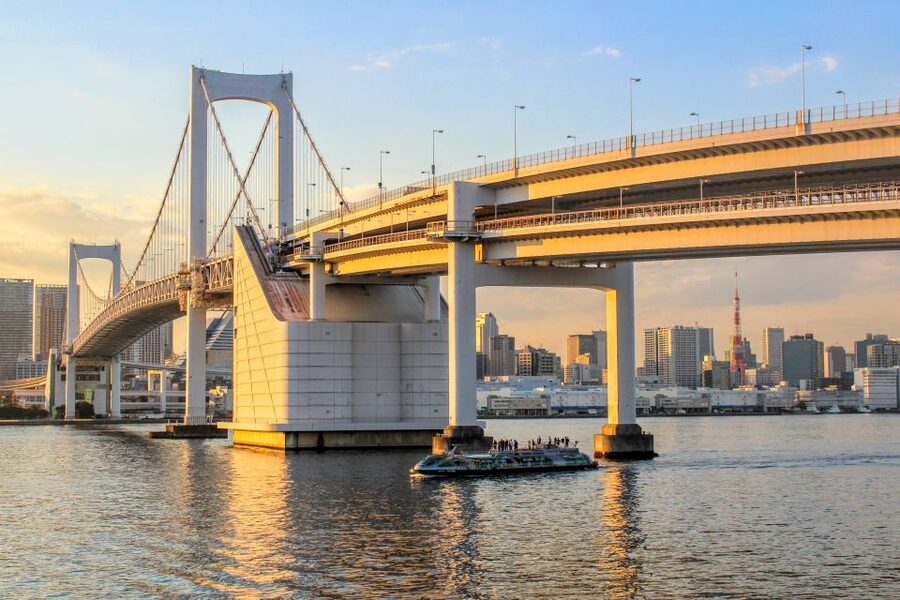
The final planned activity takes you to Odaiba for a short boat cruise, usually around 15 to 20 minutes. The boat passes beneath Rainbow Bridge and gives you a fresh angle on Tokyo’s waterfront towers.
It is a refreshing change after a day of shrines, streets, shops, and observation decks. A late departure can add attractive evening light, and one tour experience was especially pleased with the cruise near sunset.
Still, this is a short ride, not a full harbor excursion. If you are expecting a long sightseeing cruise with extensive commentary, adjust your expectations.
The cruise also carries an important condition. It does not operate on Tuesdays, and high tide or technical maintenance can cancel it on other days. The replacement may be Hamarikyu Garden or the Fukagawa Edo Museum. No refund is given when this change occurs, so consider the boat a bonus rather than the reason to pay for the tour.
Price, pace, and what the $122 covers
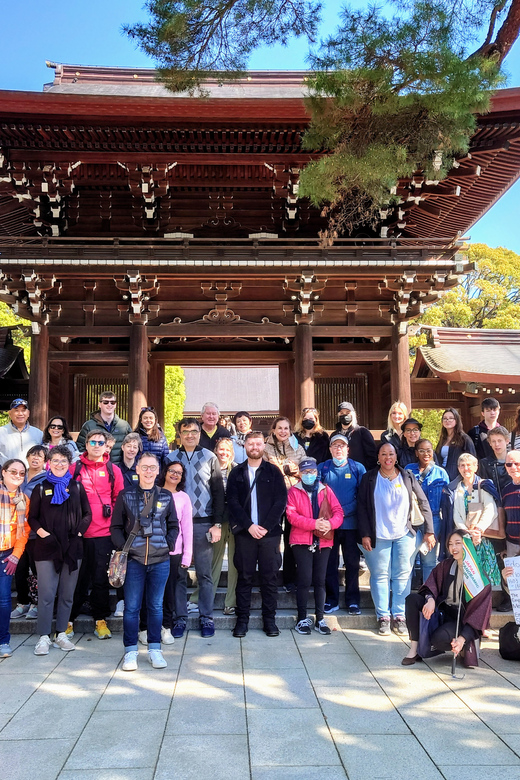
At $122 per person, the tour is not a bargain if you measure it only by the number of minutes spent at each landmark. It becomes better value when you count the coach, guide, Wi-Fi on the bus, Skytree admission, matcha experience, and lunch if selected.
The most expensive individual part to replace would likely be your time and transport. Moving between Meiji Shrine, the palace, Asakusa, Skytree, and Odaiba by yourself is possible, but it requires planning and several train rides. The bus also keeps the group moving through traffic, which is both its strength and its weakness.
You are paying for a packed introduction. This suits a first day in Tokyo, a short stay, or anyone who wants help getting oriented. It is less suitable if you prefer lingering at one shrine, shopping without a deadline, or choosing your own lunch.
The bus has Wi-Fi and air conditioning, a real benefit in Tokyo’s summer heat or on a rainy day. Expect plenty of walking once you leave the vehicle. Wear comfortable shoes, carry water, and keep your belongings easy to manage because you are responsible for loading and unloading luggage, wheelchairs, and strollers yourself.
Who should book this full-day Tokyo tour?
I would recommend it to first-time visitors with only a few days in Tokyo, especially if you want traditional and modern sights in one sweep. Families and older visitors may appreciate the coach breaks, though the amount of walking and the mobility restriction should be taken seriously.
It also suits solo visitors who want a guide, cultural explanations, and a fixed plan. The multilingual audio support helps if English is not your preferred language, though the live guide speaks English and the group experience is built around that shared commentary.
I would skip it if you already know Tokyo well or if your priorities are narrow. A person focused on shrine architecture should spend a full morning around Meiji Shrine. A shopper may prefer a dedicated Asakusa, Harajuku, or Kappa-Bashi outing. A visitor with serious food allergies should leave off the included meal.
Cancellation is free up to 24 hours before departure, and you can reserve now and pay later. The exact starting point changes by booking option, so confirm it before the morning of the tour.
Should you book it?
Book this tour if you want maximum Tokyo coverage with minimum transport planning. The guides are the strongest part of the experience, and names such as Aya, Sora, Yui, Levin, Hiro, Lovely, and Tsubasa repeatedly receive praise for clear explanations, humor, patience, and practical tips.
Go in expecting a brisk day, substantial walking, and short visits rather than deep exploration. Choose the lunch option only if the dashi and set menu work for your diet, and treat the cruise as an enjoyable extra that may be replaced.
For a first look at Tokyo, the $122 price is defensible because it combines transport, guiding, food, matcha, and Skytree entry. For a second or third visit, I would probably spend the money on a smaller neighborhood tour and explore at a slower pace.
FAQ
How long does the Tokyo sightseeing tour last?
The tour lasts about 10 hours. The itinerary order can change because of traffic, weather, or operating conditions.
Where does the tour begin?
Starting options include the Love statue in Shinjuku and Matsuya Ginza. The exact meeting point depends on the option booked, so check your confirmation carefully.
Is hotel pickup and drop-off included?
No. Hotel pickup and drop-off are not included. You must reach the assigned meeting point and leave from the stated finishing point at Tokyo Mode Gakuen.
Is lunch included?
Lunch is included only if you select the lunch option. The set meal includes Japanese fried chicken, tofu, and a soft drink.
Can I request a vegetarian or gluten-free meal?
Yes, but you must state the number of vegetarian or gluten-free meals when booking. The gluten-free meal includes grilled chicken, rice, and tofu. The regular meal uses dashi containing fish broth.
Is the Tokyo Bay cruise guaranteed?
No. The cruise does not operate on Tuesdays and may be replaced by Hamarikyu Garden or the Fukagawa Edo Museum because of high tide or technical maintenance. No refund is provided for this replacement.
Is the tour suitable for someone with limited mobility?
No. The experience is listed as unsuitable for people with mobility impairments. You also need to handle your own luggage, wheelchair, or stroller during loading and unloading.
Just added in Tokyo
- MT. FUJI/ Private Tour delivered and guided by a top-tier driver★ 5.0 · 27 reviews
- Mt fuji & Hakone customizable day tour w/ English speaking driver★ 5.0 · 45 reviews
- Fuji Speedway Self Drive & Mt. Fuji Private Tour pickup & dropoff★ 5.0 · 14 reviews
- Mt.Fuji Trekking 1 Day Tour up to the summit★ 5.0 · 14 reviews
- Seasonal Mt. Fuji Scenic Views, Fruit Picking and Ropeway Ride!★ 4.5 · 35 reviews
- Customisable Mt.Fuji Private Day Trip, English Speaking Driver★ 5.0 · 22 reviews
- Private Mount Fuji Tour in Luxury Vehicle with English Guide★ 4.5 · 39 reviews
- Mt. Fuji Highlight Photo Spots One Day Tour from Tokyo★ 4.5 · 36 reviews
Temples and Shrines, compared.
![[Kyoto & Nara Day Tour] Sagano Scenic Railway & Nara Park & Fushimi Inari Taisha Thousand Torii Gates & Togetsukyo Bridge & Bamboo Grove & Kimono Forest (Departing from Osaka)](https://media.japanvisits.com/wp-content/uploads/kyoto-nara-day-tour-sagano-scenic-railway-nara-park-fushimi-inari-taisha-thousand-torii-gates-togetsukyo-bridge-bamboo-grove-kimono-forest-departing-from-osaka-k110001-400x257.jpg)
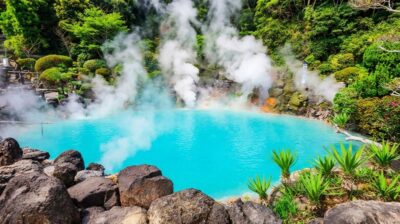
Kyushu One-Day Tour: Yufuin no Mori Train & Yufuin Town & Nyoirin-ji Temple & Dazaifu & Hell Hot Springs (Departing from Fukuoka)
Read our review →
Fushimi Inari, Kinkakuji, Bamboo Grove 1 Day Bus Tour
Read our review →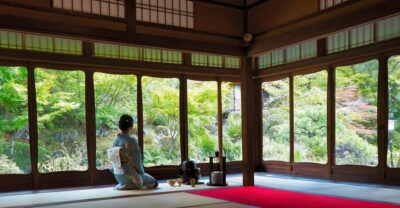
Tea Ceremony in a Traditional Tea House in Kiyomizu
Read our review →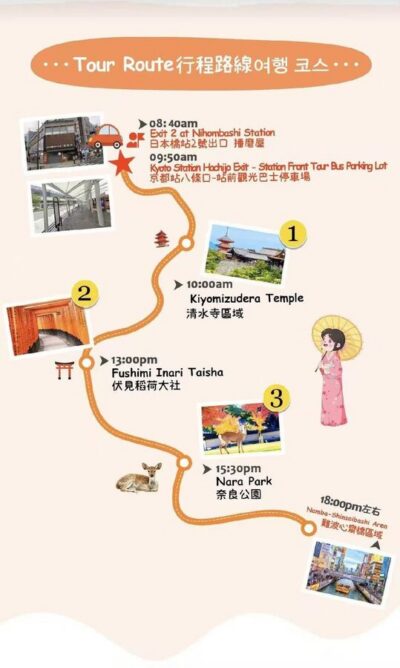
Kyoto Nara Day Trip │ Kiyomizu-dera Temple + Fushimi Inari-taisha Shrine + Nara Park (Departing from Osaka/Kyoto)
Read our review →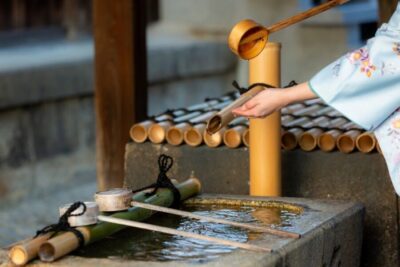
Browse the lists this tour appears in