
Reviewed · TEMPLES AND SHRINES
Tokyo: Nikko Toshogu Shrine and Kegon Waterfall Tour
Nikko packs history and mountain scenery into one long day. I like the way this trip combines Toshogu Shrine with Kegon Falls, giving you both Japan’s grand Edo-era culture and the cool highlands around Lake Chuzenji. I also like the comfortable coach, helpful bilingual guides, and the fact that admission to the shrine is included.
The catch is the road time. You can spend about five and a half hours on the bus, and traffic may stretch the day even longer. The shrine can also feel rushed if crowds are heavy, so this tour works best if you want a broad introduction to Nikko rather than a slow, independent visit.
In This Review
- The five things to know before booking
- Why Nikko makes a strong day trip from Tokyo
- Starting in Tokyo and settling into the coach
- Shinkyo Bridge: a brief but symbolic first stop
- Toshogu Shrine and the world of Tokugawa Ieyasu
- The Iroha Slope: 48 turns before the waterfall
- Kegon Falls: Nikko’s great natural show
- Lake Chuzenji and the cooler side of Nikko
- The return to Tokyo and the real time cost
- Guides, group rhythm, and what the praise means
- Who should book this Nikko day trip?
- Should you book it?
- FAQ
- How long does the Tokyo to Nikko tour last?
- Which stops are included?
- Is lunch included?
- Is admission to Toshogu Shrine included?
- What languages does the guide speak?
- Can I bring large luggage?
The five things to know before booking

- Toshogu Shrine is the cultural centerpiece: You see the ornate burial shrine of Tokugawa Ieyasu, founder of the shogunate that ruled Japan for more than 250 years.
- Kegon Falls is reached by a dramatic mountain road: The Iroha Slope has 48 sharp turns and is a memorable part of the trip, not just a way to reach the waterfall.
- The itinerary changes on October 1, 2025: Visits through September 30 include a Nikko onsen stop; from October 1, the schedule uses Shinkyo Bridge instead.
- The coach ride is long but comfortable: Reports highlight spacious seats, Wi-Fi, and USB charging on some buses, useful comforts on a 10.5-hour day.
- Bring cash and lunch money: Food is not included, and some local payments, including the optional waterfall elevator, do not accept cards.
- Weather matters at the lake and falls: Fog, rain, and mist can reduce the views, while November may be very cold near Lake Chuzenji.
Why Nikko makes a strong day trip from Tokyo
Nikko is in Tochigi Prefecture, north of Tokyo, and the journey takes roughly two and a half hours each way by coach. That sounds like a lot, and it is, but Nikko offers something Tokyo cannot: a powerful mix of sacred buildings, forested mountain roads, waterfalls, and a high-altitude lake in one outing.
I see the appeal for a first visit to Japan. You do not need to work out several train connections, local buses, shrine tickets, and mountain transport. The guide handles the route while you watch the city give way to the countryside.
At $84 per person, the value comes mainly from convenience and the included Toshogu admission. You are paying for transport, a bilingual English or Chinese tour leader, and a full day of sightseeing. It is not the cheapest possible way to reach Nikko, but independent transport can take planning, particularly once you head beyond the shrine toward Kegon Falls.
The tradeoff is flexibility. You follow a fixed schedule, eat near the waterfall area, and have limited time to wander. If your priority is seeing the main sights without transport puzzles, the price is reasonable. If you want quiet temple study, long walks, or a leisurely meal, take the train and arrange your own day.
More Temples and Shrines in Tokyo
- Tokyo: Meiji Shrine, Asakusa, Skytree Bus Tour and Cruise
★ 4.7 · 1,986 reviews - Tokyo: Asakusa Walking Tour with Sensoji Temple Visit
★ 4.8 · 1,583 reviews - Nikko: Kegon Falls, Lake Chuzenji & Toshogu Temple
★ 4.6 · 1,577 reviews
Starting in Tokyo and settling into the coach
There are two possible pickup areas: the Tokyo Yaesu Bus Terminal near 2-chome-2-1 Yaesu, and the ground floor of the Sumitomo Mitsui Bank, Shinjuku Nishiguchi Branch. The exact meeting point depends on the departure selected, so check the schedule carefully before setting out.
The early part of the day is mostly road time. A good guide uses that stretch well, explaining the day’s sights and Japanese history before the group arrives. Anna from Denmark praised the short history lesson before Toshogu because it made the shrine easier to understand, and that is exactly the sort of preparation that adds value to a coach trip.
The bus itself receives unusually warm praise. Several people describe it as clean and comfortable, with generous seating space. Some buses have Wi-Fi and charging ports, though I would treat those as useful extras rather than guaranteed features for every departure.
Bring water, comfortable shoes, and only a small carry-on. Large luggage is not allowed, and only one carry-on bag is permitted. You will also want cash, since cards are not accepted at every stop.
Shinkyo Bridge: a brief but symbolic first stop
From October 1, 2025, the first sightseeing stop is Shinkyo Bridge. The visit lasts about 20 minutes, so think of it as a photo stop and introduction to Nikko, not a long exploration.
The red arched bridge crosses the Daiya River at the entrance to Nikko’s sacred area. Its bright color, traditional shape, and wooded setting make for an attractive first glimpse. You can take photographs, hear why the bridge matters, and get your bearings before entering the shrine district.
Twenty minutes is enough for the bridge itself, but not enough for a broad walk around the surrounding area. Keep your shoes on and stay aware of the meeting time. A late return here can affect the rest of a tightly timed day.
There is also a Buddhist temple beside the Shinto shrine area that is not part of the included visit. If you have already seen Shinkyo Bridge independently, you may wish this tour offered more time at nearby religious sites. Still, the bridge is a useful replacement for the onsen if you want sightseeing rather than bathing.
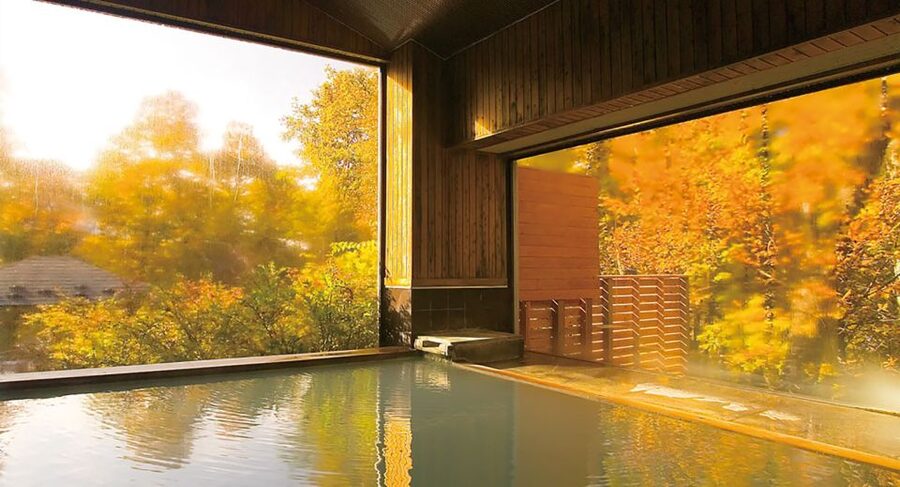
Until September 30, 2025, the tour visits a Nikko onsen instead of Shinkyo Bridge. The change is important when comparing dates. The onsen option offers relaxation, while Shinkyo gives you a short cultural and photographic stop.
Toshogu Shrine and the world of Tokugawa Ieyasu
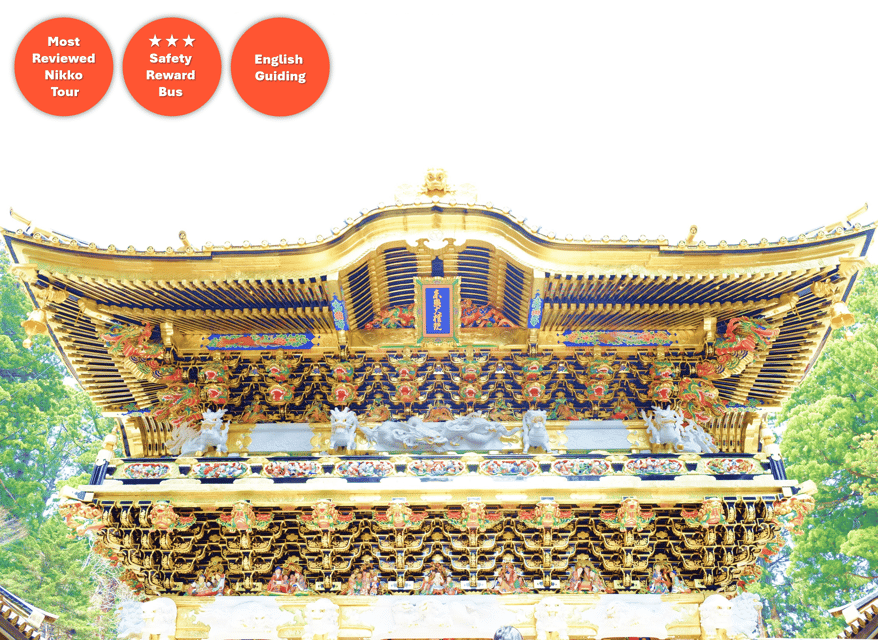
Toshogu is the reason many people make the trip to Nikko. The shrine is the final resting place of Tokugawa Ieyasu, the founder of the Tokugawa Shogunate. His government ruled Japan for more than 250 years, until 1868, during the Edo Period.
The complex is a UNESCO World Heritage site, but the label does not fully prepare you for its visual impact. You see elaborate wooden work, richly decorated gates, layered roofs, carvings, and a careful progression through sacred spaces. The craftsmanship rewards close attention, so do not race through with your camera held permanently at eye level.
Your guide explains the stories and legends attached to the buildings. Guides such as Tina, Jeff, Vicki, Zoe, Annie, Jax, and Sophie have received praise for combining clear explanations with a friendly manner. The guide’s commentary on the bus is especially useful because it gives you a framework before you reach the busiest parts of the shrine.
The planned visit lasts about 75 minutes. That is enough for a strong first look, but it may not satisfy you if you want to inspect every building. One visitor specifically wished for more time inside the shrine, and I think that is the fairest criticism of the schedule.
Crowds can slow movement, and the guide must keep the group together. If Toshogu is your main reason for coming, stay close during the introduction, then use every free minute for the areas that interest you most. Some people also recommend the audio-guided option at the shrine, although its availability and cost are not specified here.
The grounds include stairs, including a climb of roughly 207 steps to reach the inner area mentioned by one visitor. Comfortable shoes are not a minor suggestion. They can make the difference between enjoying the upper section and deciding you have had enough halfway up.
A completely different kind of day out:
- Tokyo Disney Resort – Tokyo Disneyland & Tokyo DisneySea Park Tickets
★ 4.8 · 99,488 reviews - SHIBUYA SKY Ticket
★ 4.7 · 46,509 reviews - JR Whole Japan Rail Pass
★ 4.8 · 29,150 reviews - Mt Fuji and Hakone 1-Day Bus Tour Return by Bullet Train
★ 5.0 · 26,383 reviews
The Iroha Slope: 48 turns before the waterfall
After Toshogu, the coach travels along the Iroha Slope, a winding mountain road with 48 sharp turns. The road is famous for autumn color and is also known to fans of the animation Initial D.
This section lasts about 20 minutes as a pass-by, but it is part of the experience. The road climbs into the mountain area, and the turns give you a sense of how dramatically Nikko changes from the lower shrine district to the highlands around Lake Chuzenji.
The driver matters here. Several comments praise the smooth driving, especially on the hairpin bends. If you suffer from motion sickness, sit where you normally feel most stable, keep water handy, and avoid a heavy meal before the climb. The supplied information does not specify seating arrangements, so you may not be able to choose your exact place.
Autumn is the classic season for the Iroha Slope. In mid-November, one group caught maple leaves and even saw monkeys. That combination of seasonal color and wildlife is not guaranteed, but late autumn gives this road extra appeal.
Kegon Falls: Nikko’s great natural show
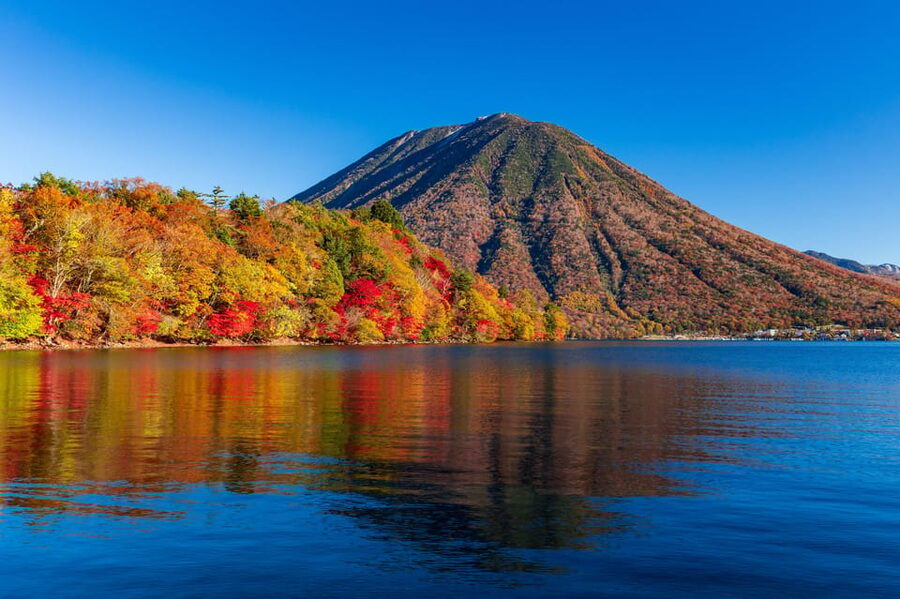
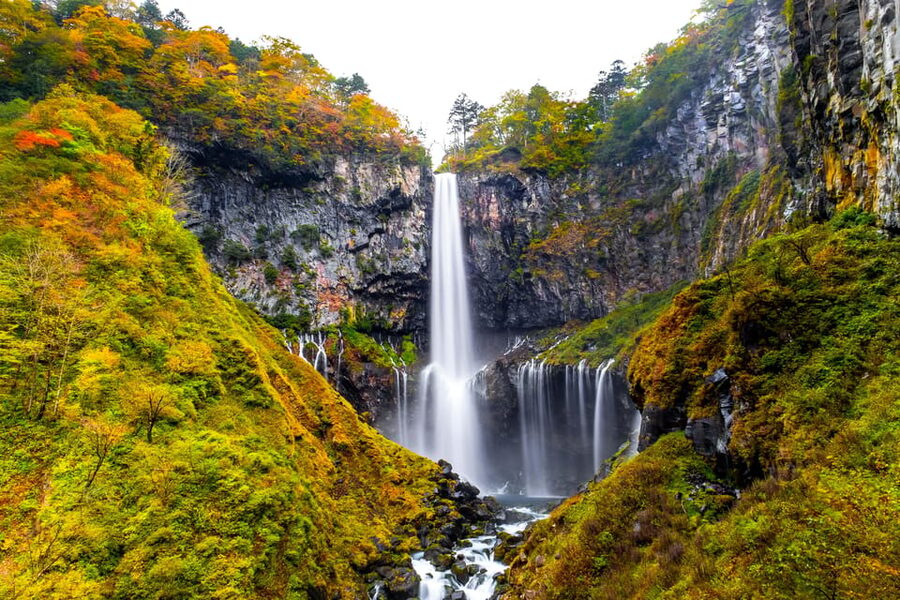
Kegon Falls drops almost 100 meters and is often listed among Japan’s three most beautiful waterfalls, alongside Nachi Falls in Wakayama and Fukuroda Falls in Ibaraki. It is the main nature stop of the day, and you get around 75 minutes for sightseeing and lunch.
The waterfall can be viewed from above, while an elevator offers a closer viewpoint for an additional charge. The elevator is not included, so bring cash if you want that extra perspective. One visitor specifically pointed out that paying for it improves the experience.
The sound and scale of the falls make a sharp contrast with the detailed shrine. You have room here for photographs, food, and a short break. The guide may suggest local restaurants, and Jax was praised for taking the group to an authentic udon restaurant near the waterfall area. Treat that as guide-dependent advice rather than a promised restaurant stop.
Lunch is not included. You can bring food or buy something near Kegon Falls, but do not assume that every vendor takes cards. Cash is the safe choice.
Weather can change the mood completely. On clear days, the waterfall is a powerful photographic subject. Mist and fog can partly hide it, as happened on several visits, and rain may reduce the views around the lake as well. That is not a flaw in the tour, but it is a reason to keep expectations realistic.
Lake Chuzenji and the cooler side of Nikko
The final sightseeing stop is Lake Chuzenji, with about 45 minutes for views, a walk, photographs, and possibly shopping. The lake sits in the mountain area above the shrine, so the air can feel much colder than in Tokyo.
The stop gives you time to slow down after the shrine and waterfall. You might find a café or local snack, and one group salvaged a foggy afternoon with coffee and cake. On a clear day, the lake provides the broad scenic view that balances Toshogu’s close-up detail.
Pack an extra layer in late autumn and winter. A November visit can be cold beside the water, even when Tokyo feels manageable. Mist is also common enough to affect what you see, so this stop works best as a quiet pause rather than a guaranteed panoramic view.
The schedule lists shopping and walking, but it is still a short visit. You will not have time for a long lakeside outing. Use the first few minutes for the main view, then decide if you prefer a drink, photographs, or a short walk.
The return to Tokyo and the real time cost
The return drive takes about three hours, though traffic can change that. A serious traffic jam may force the operator to adjust the itinerary, and delays have occurred without ruining the overall day. Still, you should avoid booking an evening activity in Tokyo that requires a precise arrival time.
The drop-off is at the Tokyo Yaesu Bus Terminal or the Sumitomo Mitsui Bank in Shinjuku Nishiguchi, matching the available pickup areas. Confirm your own departure and return point so you do not wait at the wrong side of the city.
This is a 630-minute experience, or 10.5 hours. With long road sections and several outdoor stops, it is a full day rather than a light excursion. The comfortable coach helps, but you should still arrive rested and accept that the return ride is part of the cost of reaching mountain Nikko.
Guides, group rhythm, and what the praise means
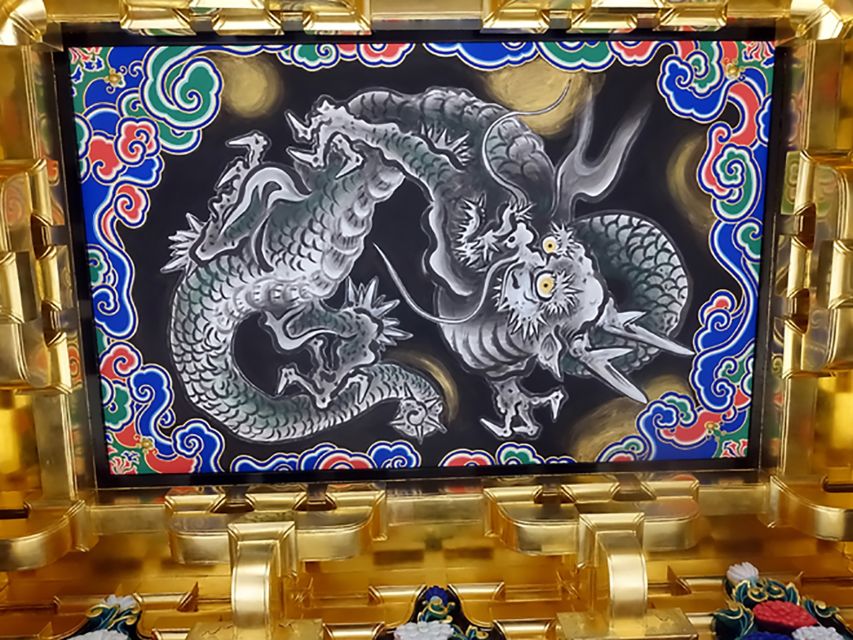
The most consistent strength is the tour leadership. Names that appear across the experience include Tina, Zoe, Jeff, Vicki, Annie, Jax, Sophie, and Sheila. Their praised qualities are clear explanations, friendly help, food suggestions, photo advice, and the ability to speak both English and Chinese during the same outing.
The guide is a tour leader who accompanies the group throughout the day. This is not presented as a private, specialist lecture at every building. You receive explanations on the bus and at the sights, then some free time to explore on your own.
That balance suits me. You get context without being talked at constantly, and you can take photographs or look around during the free periods. The drawback is that your pace is tied to the group, especially at Toshogu.
The overall rating of 4.5 from 1,266 reviews suggests a strong and generally dependable experience, while the detailed comments point to the same pattern: excellent guides, smooth transport, beautiful sights, and occasional limits caused by weather, traffic, or shrine timing.
Who should book this Nikko day trip?
I would choose this tour if you have limited time in Tokyo and want to see Nikko’s major highlights in one day. It is especially useful for first-time visitors, families with accompanied children, and anyone who would rather leave mountain transport and route planning to someone else.
It also suits you if Toshogu is a priority but you want more than a temple visit. The waterfall, lake, winding road, and optional onsen before October 2025 give the day a good range.
I would hesitate if you dislike long bus journeys or need a slow schedule. Independent visitors can spend longer at Toshogu, add nearby Buddhist sites, or choose their own meal and return time. Also think twice if the weather forecast is poor, since fog and rain can limit the waterfall and lake views.
Cancellation is free up to 24 hours before departure, and you can reserve while paying later. If severe weather forces cancellation, notification is sent on or before 2:00 PM the day before. Tattoos are considered taboo in the onsen area, which matters for departures before October 1, 2025.
Should you book it?
Book this trip if you want a well-organized overview of Nikko without wrestling with connections and local transport. The included Toshogu ticket, spacious coach, bilingual guidance, and strong guide feedback make $84 a fair price for a long day outside Tokyo.
Go with modest expectations about free time. You are buying access to several major sights, not an unhurried cultural retreat. Bring cash, lunch money, warm clothing in cooler months, water, and shoes made for stairs.
For most first visits, the combination is convincing: Ieyasu’s lavish shrine, a 100-meter waterfall, a winding mountain road, and Lake Chuzenji before dinner. That is a lot of Japan in one day, provided you are ready for the hours on the road.
FAQ
How long does the Tokyo to Nikko tour last?
The tour lasts 630 minutes, or approximately 10.5 hours. The outbound journey takes about two and a half hours, and the return journey is scheduled for about three hours.
Which stops are included?
The scheduled stops are Shinkyo Bridge from October 1, 2025, Nikko Toshogu Shrine, the Iroha Slope as a pass-by, Kegon Falls, and Lake Chuzenji. Until September 30, 2025, the tour visits a Nikko onsen instead of Shinkyo Bridge.
Is lunch included?
No. Lunch is not included, so bring money or food. Cash is recommended because credit cards are not accepted at all locations.
Is admission to Toshogu Shrine included?
Yes. The Toshogu Shrine entry ticket is included in the tour price.
What languages does the guide speak?
The live tour guide service is available in English and Chinese.
Can I bring large luggage?
No. Large bags and huge luggage are not allowed. You may bring only one carry-on bag, and comfortable shoes, water, and cash are recommended.
Just added in Tokyo
- A One-of-a-Kind Sushi Experience in a Special Place of Japan★ 5.0 · 15 reviews
- Tokyo Cute Bento Cooking Class – Make a Kawaii Character Lunchbox★ 5.0 · 126 reviews
- Japanese Home Cooking Class & Walk in Todoroki Temple Tokyo★ 5.0 · 88 reviews
- Japan Tokyo Tower Observatory Deck E-Ticket★ 4.0 · 34 reviews
- Catch a Baseball Game in Tokyo with a Local – Tickets Included★ 5.0 · 24 reviews
- JDM Experience with Fast&Furious RX-7 (English speaking Driver)★ 5.0 · 57 reviews
- Tokyo Private Day Tour by Car with English speaking Driver Guide★ 4.0 · 29 reviews
- Japan Classic 10 Day – One Life Adventures★ 5.0 · 129 reviews
Temples and Shrines, compared.
![[Kyoto & Nara Day Tour] Sagano Scenic Railway & Nara Park & Fushimi Inari Taisha Thousand Torii Gates & Togetsukyo Bridge & Bamboo Grove & Kimono Forest (Departing from Osaka)](https://media.japanvisits.com/wp-content/uploads/kyoto-nara-day-tour-sagano-scenic-railway-nara-park-fushimi-inari-taisha-thousand-torii-gates-togetsukyo-bridge-bamboo-grove-kimono-forest-departing-from-osaka-k110001-400x257.jpg)
Kyushu One-Day Tour: Yufuin no Mori Train & Yufuin Town & Nyoirin-ji Temple & Dazaifu & Hell Hot Springs (Departing from Fukuoka)
Read our review →
Fushimi Inari, Kinkakuji, Bamboo Grove 1 Day Bus Tour
Read our review →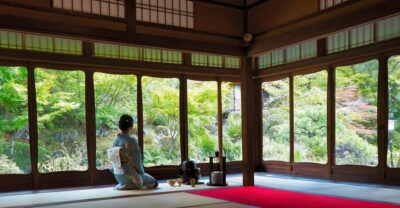
Tea Ceremony in a Traditional Tea House in Kiyomizu
Read our review →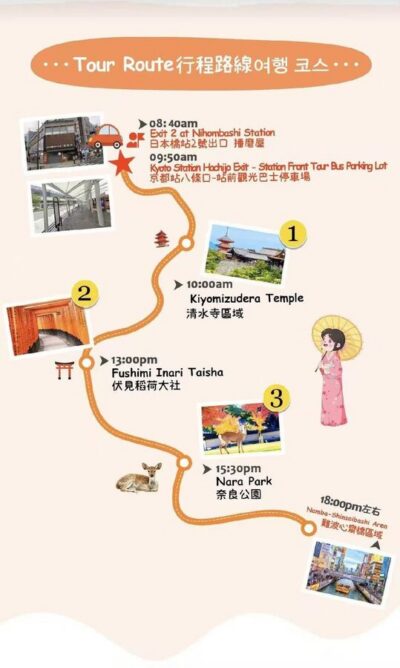
Kyoto Nara Day Trip │ Kiyomizu-dera Temple + Fushimi Inari-taisha Shrine + Nara Park (Departing from Osaka/Kyoto)
Read our review →
Browse the lists this tour appears in