
Reviewed · SAKE TASTINGS
Arashiyama Bamboo, Temple, Monkeys, or Secret Sake Brewery
Kyoto’s famous bamboo is only the beginning. This five-hour walking tour links Arashiyama’s bamboo grove with Okochi Sanso Garden, Tenryuji Temple, the Katsura River, and Iwatayama Monkey Park, giving you a fuller look at the district than a quick photo stop. I like the mix of major sights and quieter corners, and I like that guides such as Karim, Tom, Francis, and Toru add cultural context without turning the morning into a classroom.
The trade-off is simple: this is a real walking tour, not a sightseeing bus with occasional steps. The route lasts about 330 minutes, and the climb to the monkey park takes 15 to 20 minutes on a steep path. Summer heat, rain, and tired legs can change your enjoyment, so comfortable shoes and sensible pacing matter.
In This Review
- Key points to know before booking
- Starting at Saga-Arashiyama Station
- Walking beneath Arashiyama’s bamboo
- A quiet break at Okochi Sanso Garden
- Tenryuji Temple and its koi pond
- Snacks, shopping, and the Kimono Forest
- Climbing to Iwatayama Monkey Park
- Option A or Option B: choose your preferred ending
- How much value do you get for $87?
- Language, weather, and group comfort
- Should you book the Arashiyama walking tour?
- FAQ
- Where does the tour begin?
- How long does the tour last?
- Is lunch included?
- What is included in the price?
- How difficult is the monkey park walk?
- Is the tour available in French, German, or Spanish?
- What happens if it rains?
Key points to know before booking
- The bamboo grove comes early: You reach Arashiyama’s best-known sight near the beginning, before continuing to temples, gardens, and the monkey park.
- Okochi Sanso includes a drink: Your admission covers the private garden and a beverage at the former tea-house rest area.
- Tenryuji adds calm and culture: The Zen temple grounds, pond, and koi offer a quieter counterpoint to the popular shopping streets.
- The monkey park requires effort: The final climb is short but steep, with a rewarding view over Kyoto and the Katsura River.
- You may choose a different ending: Option A continues through the shopping street, Kimono Forest, Togetsukyo Bridge, and Iwatayama. Option B includes a train ride, lunch among local residents, and sake tasting at Tanzan Brewery.
- The guide can shape the day: The strongest part of the experience is often the guide’s storytelling, pacing, food advice, and help with photos.
Starting at Saga-Arashiyama Station
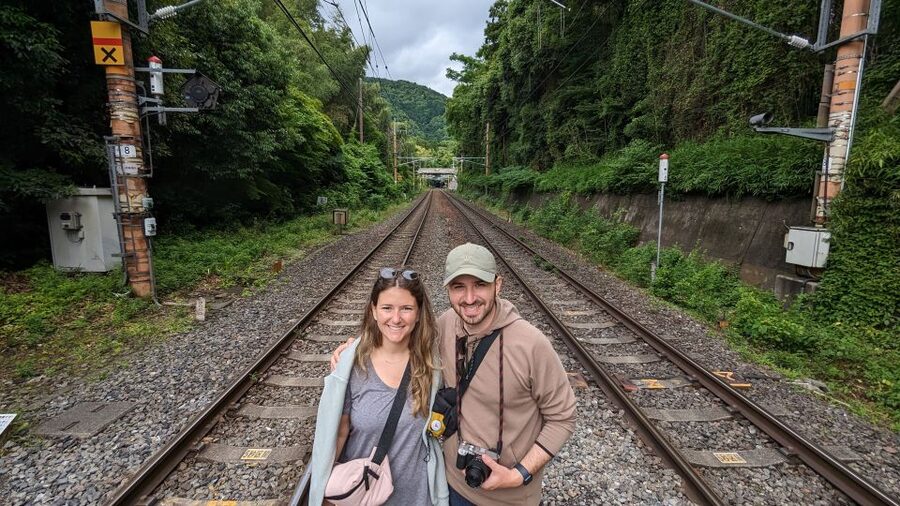
The meeting point is practical. You meet by the map near the vending machines downstairs on the north side of JR Saga-Arashiyama Station. After leaving the train gates, turn right, go downstairs, and look for a guide wearing a red polo shirt or jacket marked JTA, short for Japan Tour Adventure.
Arrive 15 minutes early. This is not the place to cut timing close, since arriving after departure counts as a no-show with no refund. Hotel pickup is not included, so you need to reach the station yourself.
From the station, the tour begins on foot. The first walk takes about 15 minutes, which helps your guide explain the plan and get a feel for the group. The tour is available as a shared experience or private group, though a shared departure requires at least two bookings to operate. Solo bookings can be canceled, moved, or refunded if that minimum is not met.
More Sake Tastings in Kyoto
- 3-Hour Kyoto Insider Sake Brewery Tour with Tastings & Pairings
★ 5.0 · 917 reviews - Kyoto: Insider Sake Brewery Tour with Sake and Food Pairing
★ 5.0 · 704 reviews - Kyoto Sake Brewery & Tasting Walking Tour
★ 5.0 · 623 reviews
Walking beneath Arashiyama’s bamboo
The Arashiyama Bamboo Forest is the visual centerpiece, and the tour gets you there early in the route. You spend about 25 minutes walking and stopping for photographs among tall bamboo stalks that rise overhead and narrow the view to green columns and shifting light.
The stop is not long enough for a slow, solitary wander. That is the price of fitting several major sights into one morning. Still, a guide adds something useful here: instead of simply pointing at bamboo, they can explain how to behave at shrines and temples, help position your camera, and keep the group moving through one of Kyoto’s most visited areas.
The bamboo grove is best understood as one piece of Arashiyama, not the entire district. After a few photographs, you continue to Nonomiya Shrine, only a short walk away. This small shrine provides a helpful change of pace and a chance to learn how to pray at a Japanese shrine. The visit lasts about 15 minutes, enough for a look around and a clear explanation without overloading you with detail.
Several guides receive praise for handling questions and adjusting their style to the group. Tom is often described as funny and engaging, while Francis is noted for clear explanations and easy conversation. Karim is praised for his energy and practical suggestions about places to eat and photograph. The exact guide varies, but the tour’s appeal depends heavily on this personal connection.
A quiet break at Okochi Sanso Garden
Okochi Sanso Garden is one of the best reasons to choose this tour instead of visiting only the bamboo grove. The private garden occupies the grounds of a former actor’s villa and gives you a more composed setting after the crowded forest.
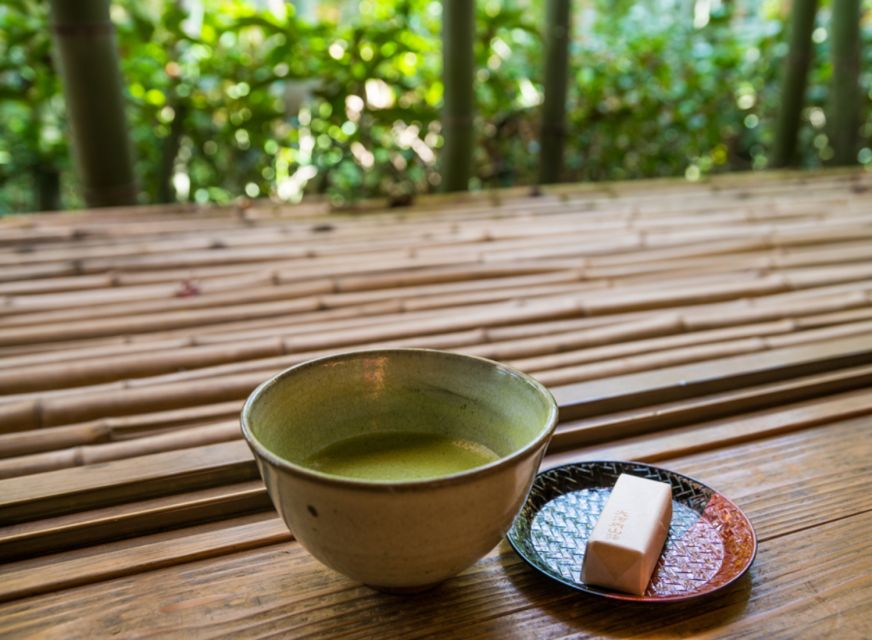
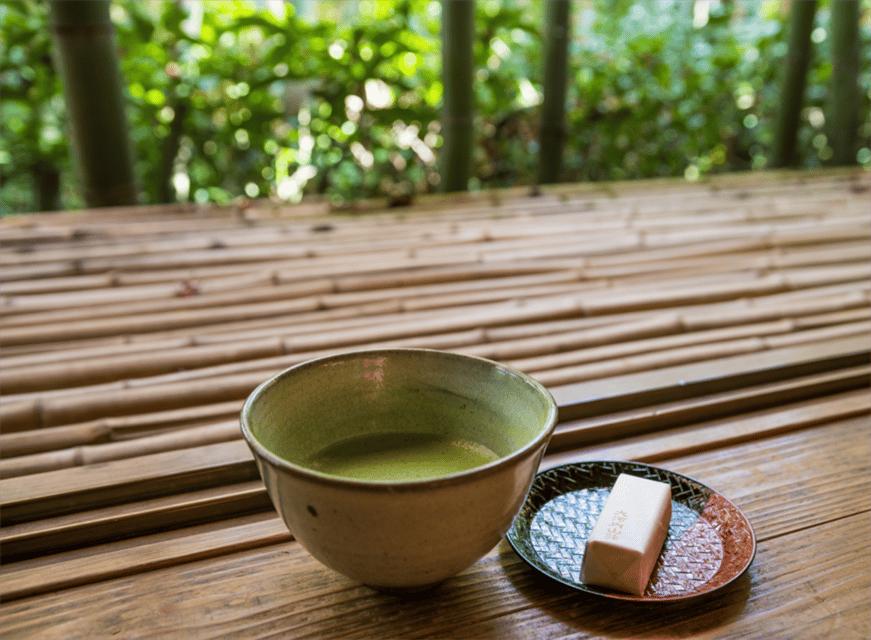
You have about 40 minutes here for walking, views, and free time. Admission is included, as is a beverage at the rest area, a former tea house. The included drink is a small detail, but it matters on a walking route. It gives you a proper pause rather than another rushed stop between photographs.
The garden also changes the rhythm of the day. Bamboo feels dramatic and vertical. Okochi Sanso is slower, with carefully arranged paths and scenic views along the way. Your guide can point out design choices and local customs, while you still have time to enjoy the setting quietly.
You should not expect a long garden meditation. Forty minutes passes quickly, especially if you want photos and a drink. But the admission and built-in rest make this stop a strong part of the tour’s value.
Tenryuji Temple and its koi pond
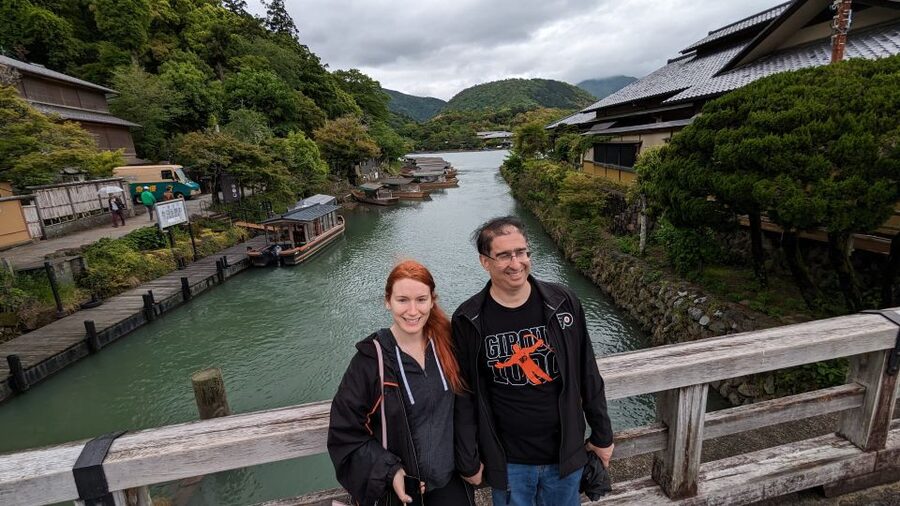
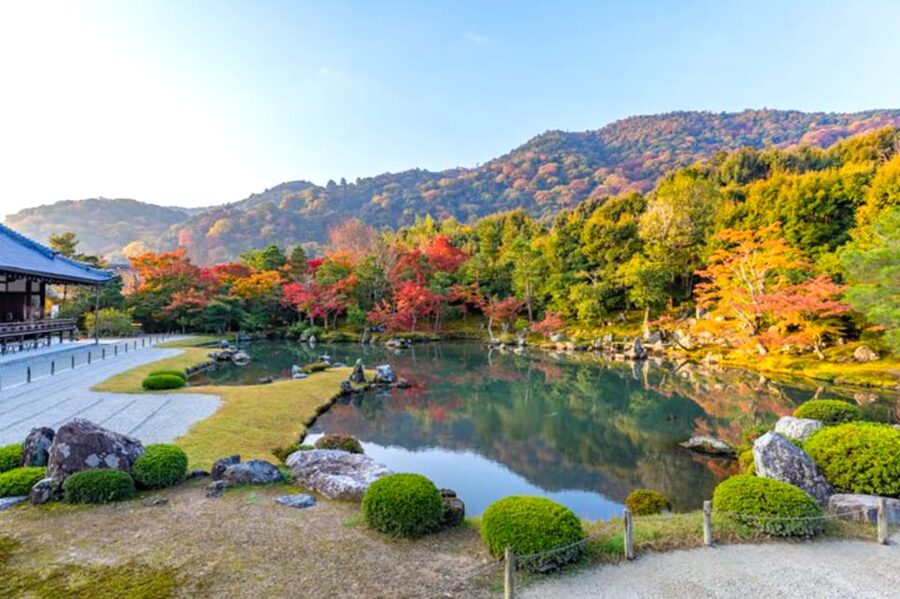
A five-minute walk leads to Tenryuji Temple, one of Arashiyama’s central cultural sights. You spend around 30 minutes exploring the grounds, with time for sightseeing, photographs, and a self-guided look around.
The temple offers a useful contrast to the natural stops. The focus shifts from bamboo and mountain views to Zen Buddhist architecture, gardens, and religious practice. The pond, with its koi fish, is an especially pleasant detail. It gives you something to watch while your guide explains the site’s role in Kyoto’s religious and artistic life.
Because part of the visit is self-guided, you are not required to stay shoulder-to-shoulder with the group every minute. That flexibility helps families and mixed-age groups. Parents can pause, children can look at the pond, and keen photographers can take a little more time.
Tenryuji is also where the tour’s cultural explanations can make a real difference. Guides have explained how to approach shrines and temples, discussed religion and literature, and shared stories connected to Kyoto’s past. The best guides keep these points short and clear, then allow you to look around rather than talking continuously.
More Temples and Shrines in Kyoto
- [Kyoto & Nara Day Tour] Sagano Scenic Railway & Nara Park & Fushimi Inari Taisha Thousand Torii Gates & Togetsukyo Bridge & Bamboo Grove & Kimono Forest (Departing from Osaka)
★ 4.9 · 10,942 reviews - Kyoto: Fushimi Inari, Kinkakuji, Bamboo Grove 1 Day Bus Tour
★ 4.8 · 4,316 reviews - Kyoto: Tea Ceremony in a Traditional Tea House in Kiyomizu
★ 4.9 · 3,519 reviews - Kyoto Nara Day Trip │ Kiyomizu-dera Temple + Fushimi Inari-taisha Shrine + Nara Park (Departing from Osaka/Kyoto)
★ 4.7 · 3,408 reviews
Snacks, shopping, and the Kimono Forest
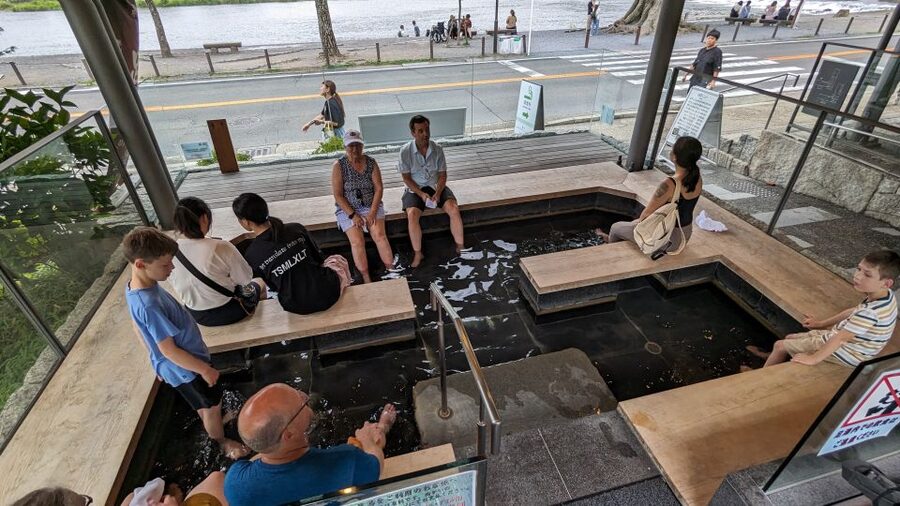
After the temple, the route reaches Arashiyama Shopping Street for about 30 minutes. This is your chance to buy or taste a local snack, browse small shops, and ask your guide for food suggestions.
Lunch is not included, so this stop should not be treated as a full meal. It is better for a snack or a quick taste of regional food. Some guides have suggested coffee, donuts, and other useful food stops, and several have adjusted the break to suit the group. If you have dietary needs, the supplied information does not promise specific arrangements, so ask before ordering.
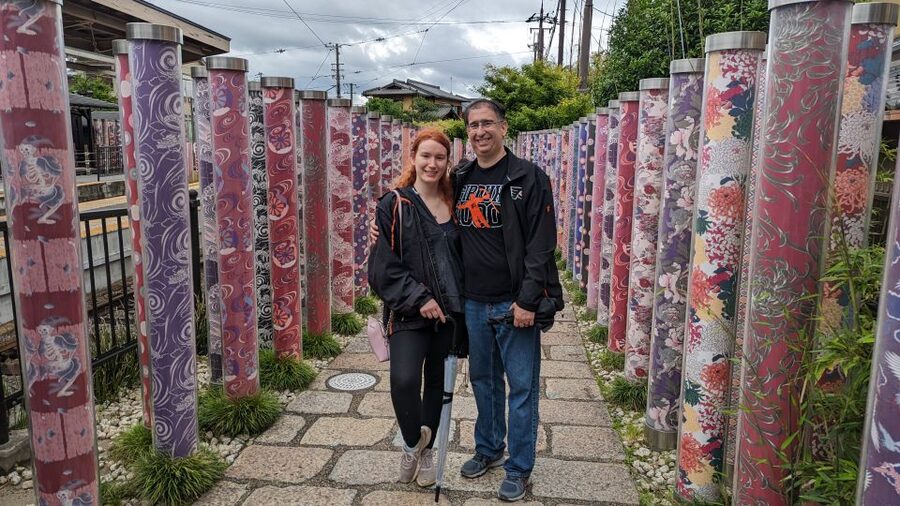
The route then passes the Kimono Forest, a colorful installation of textile-covered pillars near the station area. It makes a bright, quick photo stop and offers a modern contrast to the temple and shrine. Do not expect a large attraction. Ten minutes is enough to see it and take pictures.
Next comes Togetsukyo Bridge, one of Arashiyama’s familiar views over the Katsura River. The stop lasts about five minutes, so you get a brief chance for photographs before heading toward the monkey park. The bridge works well as a transition: after the close spaces of the shops and bamboo grove, the river opens the view.
Climbing to Iwatayama Monkey Park
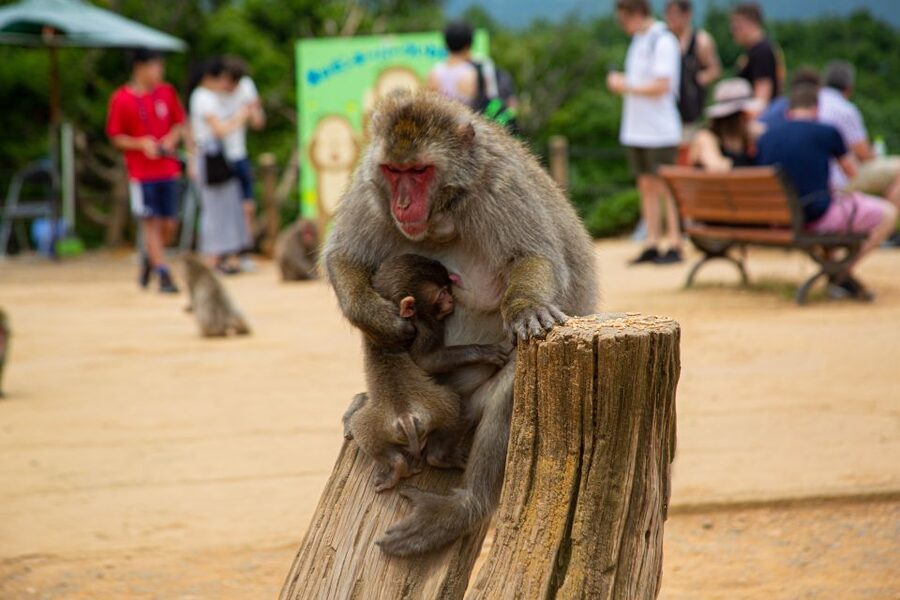
The monkey park is the tour’s most active section. From Togetsukyo Bridge, you walk for about 10 minutes, then begin the uphill route. The access path to the top takes around 15 to 20 minutes and is steep in places.
This is not a flat stroll. I would take the warning seriously if you have mobility problems, poor balance, or limited stamina. The tour includes frequent breaks when needed, and guides have handled very hot days by slowing down, finding shade, and suggesting drink stops. Even so, you need to be in reasonable physical condition.
At the top, you can see Japanese macaques in their habitat and enjoy a broad view over Kyoto and the Katsura River. The combination makes the climb worthwhile. The monkeys are not a guaranteed photo prop on demand, and you should follow park instructions around wildlife, but seeing them in this setting feels more natural than viewing animals behind glass.
The official tour ends at the monkey park. Your guide gives you the ticket and instructions, then you can take your time at the top and leave whenever you wish. The listed drop-off points include Iwatayama Monkey Park and Saga-Arashiyama Station, but the park itself is the formal endpoint. Pay attention to your guide’s explanation so you know how to continue after the visit.
Option A or Option B: choose your preferred ending
The main route described above is Option A. It combines the shopping street, Kimono Forest, Togetsukyo Bridge, and Iwatayama Monkey Park. It is the stronger choice if you want Arashiyama’s signature sights, river views, and macaques in one outing.
Option B changes the final part of the day. You return to the station for a short train ride through the mountains, eat lunch in an area with few tourists, and visit Tanzan Brewery for a sake tasting. Lunch is still not included, but the setting may appeal if you want a more local meal and an introduction to Japanese sake rather than the monkey park.
Confirm the option carefully when booking. The two versions are not interchangeable in feel. Option A is more scenic and active. Option B is more food and drink focused, with a less familiar side of the area. The title mentions a secret sake brewery, but the detailed stop information identifies the brewery as Tanzan Brewery and says sake tasting is included.
How much value do you get for $87?
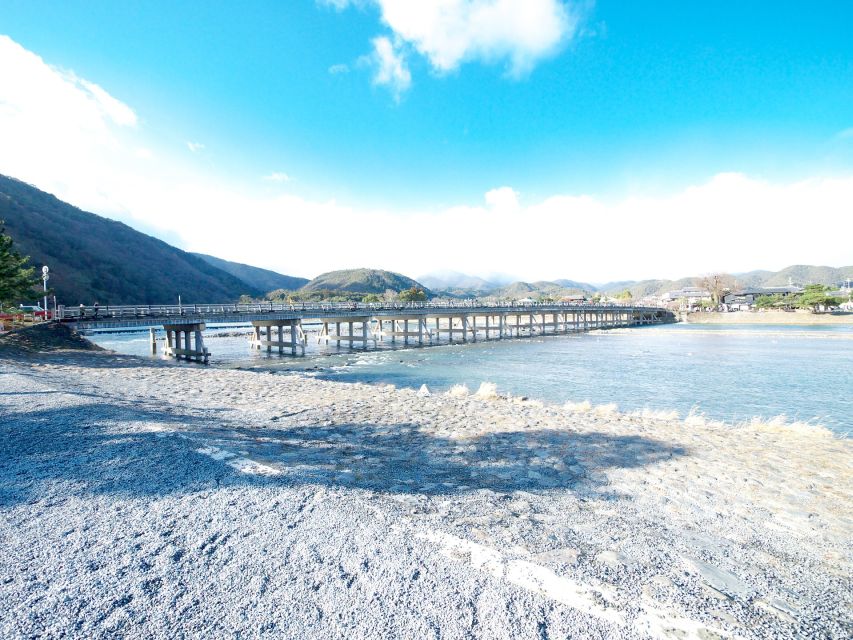
At $87 per person, this is not the cheapest way to see the bamboo grove. You can reach Arashiyama independently and visit some sights on your own. The price makes more sense when you count the included admissions to Okochi Sanso Garden, Tenryuji Temple, and Monkey Park, along with the guide, green tea, and souvenir pictures.
You are also paying for route planning. In five and a half hours, the tour links places that can feel scattered when visited alone. You do not need to work out the order, find the temple entrance, choose a food stop, or decide how to fit the monkey park into the day.
The value rises with a good guide. Tom, Francis, Karim, Toru, Alice, Kevin, and others have been praised for different strengths, including cultural explanations, jokes, photo help, food advice, patience, and keeping a comfortable pace. Alice received particular praise for practical details such as where to buy water and where to find facilities. Those small decisions matter during a long walk.
The price is less attractive if you only want ten minutes in the bamboo grove or if you dislike group schedules. It is also not a full meal tour, since lunch and extra drinks cost more. Think of it as a guided Arashiyama orientation with several entrance tickets, not simply a bamboo photo excursion.
Language, weather, and group comfort

English is the reliable shared-tour language. French, German, and Spanish may be available, but a particular language is not guaranteed. Contact the operator before booking if language support is important to you, even for a private tour.
The tour runs rain or shine. Bring an umbrella or other rain protection in wet weather, and use sun protection during hot months. Reviews describe very hot days, including temperatures near 39 degrees Celsius, as well as heavy rain. Guides have adapted with shade and rest stops, but weather still affects the physical demand.
The usual group can be as large as 12, though some departures are much smaller. Groups of four or five allow more questions and easier pacing. A private booking gives you more control, but the shared tour can still feel personal when numbers are low.
This tour suits active families, first-time Kyoto visitors, couples, and anyone who wants history and local customs explained along the way. It is less suitable for anyone seeking a quiet, unstructured morning or who cannot manage steep paths. Teenagers often have plenty of variety here, from bamboo and temples to snacks and monkeys, but young children may tire in summer heat.
Should you book the Arashiyama walking tour?
I would book this tour if you want to see the famous bamboo grove but also understand how Arashiyama fits together. The private garden, Tenryuji Temple, shrine visit, river bridge, and monkey park give you a much broader morning than a single attraction visit.
Choose Option A for the classic Arashiyama combination and the best high view over Kyoto. Choose Option B if lunch with local residents and sake tasting sound more appealing than macaques and a steep climb.
Before paying, confirm the starting language, the selected option, and the departure status if you are traveling alone. Then bring water, cash, an umbrella or sun protection, and shoes you can trust. If you can handle the walking, the $87 price is reasonable for the number of sights and admissions included, especially with a strong guide.
FAQ
Where does the tour begin?
It begins at Saga-Arashiyama Station. Meet by the map near the vending machines downstairs on the north side of the JR station. The guide wears a red polo shirt or jacket with the JTA company logo.
How long does the tour last?
The experience lasts about five hours, or 330 minutes. The tour officially ends at Iwatayama Monkey Park, where you can remain as long as you need before leaving.
Is lunch included?
No. Lunch is not included. Option B includes a lunch stop in an area with few tourists, but you pay for the meal yourself.
What is included in the price?
The price includes a bilingual local guide, admission to Okochi Sanso Garden, Tenryuji Temple, and Monkey Park, green tea, and souvenir pictures. Additional drinks and souvenirs are not included.
How difficult is the monkey park walk?
The path to the top takes about 15 to 20 minutes and is steep. Comfortable shoes and reasonable physical condition are required. The experience may not suit people with mobility issues.
Is the tour available in French, German, or Spanish?
Some guides speak French, German, or Spanish, but a specific language is not guaranteed on a shared tour. Contact the operator before booking to confirm availability for your date.
What happens if it rains?
The tour runs rain or shine. Bring suitable protection for wet weather, and arrive 15 minutes before departure. Late arrival is treated as a no-show with no refund.
Just added in Kyoto
- The “Golden Route” and Ancient Japan by DIAMIR Erlebnisreisen – 14-Day Tour★ 2.0 · 2 reviews
- Japan: Castles & Cuisine by G Adventures – 6-Day Kyoto to Osaka Tour★ 4.5 · 4 reviews
- Cycle Japan by Explore! – 13-Day Kyoto to Tokyo Tour★ 4.7 · 12 reviews
- Cycle Japan by Intrepid Travel – 11-Day Kyoto to Tokyo Tour★ 4.8 · 2 reviews
- Classic Japan by Intrepid Travel – 11-Day Kyoto to Tokyo Tour★ 4.4 · 14 reviews
- Ancient & Modern Japan 14-Day Tour by Exodus Adventure Travels★ 4.4 · 40 reviews
- 5 Day Cultural Adventure of Kyoto, Nara & Osaka by Tourist Journey★ 2.5 · 2 reviews
- 12 Days Kinosaki Onsen Escape: A Journey Through Japan’s Timeless Towns by UME Travel★ 4.8 · 5 reviews
Sake Tastings, compared.
3-Hour Kyoto Insider Sake Brewery Tour with Tastings & Pairings
Read our review →
Insider Sake Brewery Tour with Sake and Food Pairing
Read our review →
1.5-Hour Kyoto Insider Sake Experience with 7 Tastings & Pairings
Read our review →
Sake Tasting Masterclass in Shinjuku (8+ Varieties with a Pro)
Read our review →
Insider Sake Experience with 7 Tastings and Snacks
Read our review →
Private Tea Ceremony and Sake Tasting in Kyoto Samurai House
Read our review →
Browse the lists this tour appears in