

Reviewed · SAKE TASTINGS
Kyoto: Insider Sake Brewery Tour with Sake and Food Pairing
Kyoto pours its culture into a small cup. This three-hour tour makes sake less mysterious through a brewery visit, side-by-side tasting, and food pairings. I especially like the expert-led comparisons and the practical bottle-reading tips. The main drawback is that the first 90 minutes involve walking and standing, so this is not a relaxed sit-down tasting from the start.
You meet inside the Gekkeikan Okura Sake Museum in Fushimi, Kyoto’s best-known sake-producing district. I also like that the tasting is held in a dedicated room, with more than 10 types selected by a certified sake sommelier. Guides such as Kyoko, Momo, Miyuki, Chika, and Greg have been praised for making technical ideas clear and fun.
At $87 per person, the price is fair if you want to understand what you are drinking rather than simply collect a few samples. It is less suitable for anyone under 20, pregnant people, children, wheelchair users, or anyone arriving by car or bicycle, since alcohol cannot be served in those cases.
In This Review
- Key points at a glance
- Why Fushimi is the right place to learn about sake
- The tasting teaches you what you actually like
- How to read a sake bottle and menu
- Food pairings make the lesson easier to remember
- The dedicated tasting room is a real advantage
- Is $87 a fair price?
- Timing, meeting point, and important limits
- Who should book this sake tour?
- Should you book it?
- FAQ
- Where does the Kyoto sake tour meet?
- How long does the sake experience last?
- How many sake types will I taste?
- Is the tour conducted in English?
- Can people under 20 drink sake on the tour?
- Can I join if I arrive by car or bicycle?
- Are vegetarian and vegan options available?
Key points at a glance

- More than 10 sake styles: Compare dry, crisp, fruity, and full-bodied examples side by side.
- Fushimi brewery setting: Visit the Gekkeikan Okura Sake Museum and learn how water, rice, polishing, and brewing affect flavor.
- Useful ordering skills: Learn how to read sake labels and menu terms before you face a long Japanese drinks list.
- Food pairing practice: Taste traditional otsumami with sake, then notice how the snack changes the drink.
- A practical takeaway: Use the sake cheat sheet and tasting notes to remember which styles suit you.
- A walking-heavy first half: Expect about 1.5 hours of standing and walking before the seated tasting.
Why Fushimi is the right place to learn about sake
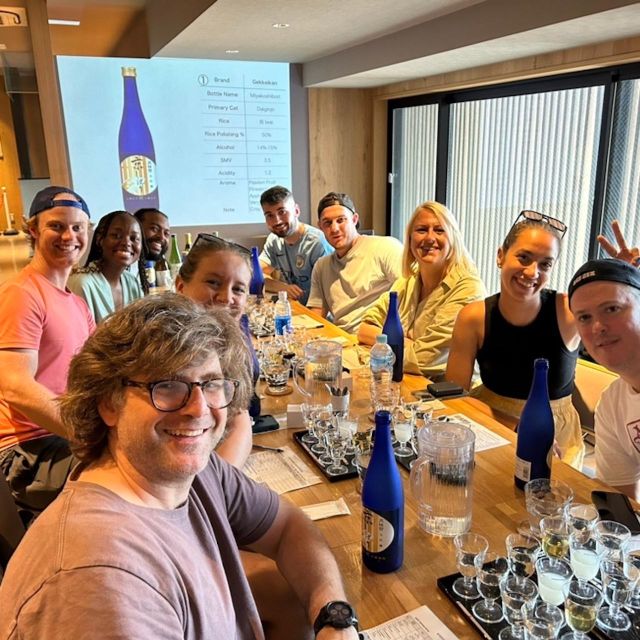
Fushimi is not an arbitrary location for a sake lesson. It is one of Japan’s major sake-producing areas, and the museum gives the experience a real connection to the drink’s origins.
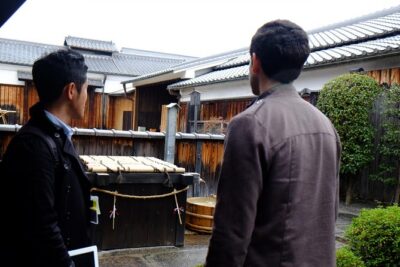
You begin at the Gekkeikan Okura Sake Museum, meeting your English-speaking guide inside the entrance. The museum visit takes about an hour, according to the detailed accounts of the experience, and covers the brewing process along with the story of the Gekkeikan family and brewery.
This is the part that gives the tasting meaning. Instead of hearing a list of polished Japanese terms and forgetting them over dinner, you learn what happens before sake reaches the bottle. The guide explains how rice is prepared, how brewing works, and why the amount of rice polishing affects the final drink.
The polished rice point is especially useful. Sake labels can refer to different grades, and the degree of polishing helps explain why one bottle tastes lighter, cleaner, or more aromatic than another. You do not need to become a sake scholar, but this basic idea helps you make sense of terms such as junmai and ginjo when you see them later.
The museum also adds historical context without turning the tour into a lecture. Guides including Miyuki and Kyoko have been praised for explaining the process in a lively way, with anecdotes and clear examples. That matters because sake production can sound technical if it is presented only as a series of steps.
Plan on being on your feet during this opening section. The first half includes walking and standing for roughly 90 minutes, so wear comfortable shoes and do not schedule it as a recovery activity after a long day of sightseeing.
If the Gekkeikan museum is unexpectedly closed, the visit may move to another historic brewery in Fushimi. The exact substitute is not specified, but the important point is that the brewery portion remains part of the experience.
More Sake Tastings in Kyoto
- 3-Hour Kyoto Insider Sake Brewery Tour with Tastings & Pairings
★ 5.0 · 917 reviews - Arashiyama Bamboo, Temple, Monkeys, or Secret Sake Brewery
★ 4.8 · 886 reviews - Kyoto Sake Brewery & Tasting Walking Tour
★ 5.0 · 623 reviews
The tasting teaches you what you actually like
The best reason to book this experience is the tasting structure. You do not simply receive a flight of sake and a few vague descriptions. You compare styles and learn how to connect flavor with production.
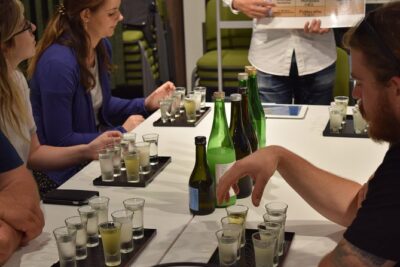
More than 10 sake types are selected by a certified sake sommelier. The selection can include dry and crisp sake, fruity examples, and fuller, richer styles. The point is not to declare one bottle superior to another. It is to help you identify your own preference.
That approach is a relief for beginners. Many people enjoy sake in restaurants but cannot explain what they like. You may know that you prefer something smooth, fruity, dry, or light, but have no idea how to ask for it. Here, the side-by-side format gives you a reference point.
You taste the sake first on its own. Then some of the samples are paired with Japanese otsumami, or traditional small appetizers. That second tasting is important. Food can soften a sharp edge, bring out sweetness, or make an aroma more noticeable. One tasting account specifically praised trying the sake alone and then with food, since the difference became easy to notice.
The guides keep the process approachable. Kyoko has been praised for her patience, humor, and clear teaching style, while Momo and Miyuki have been singled out for their enthusiasm and strong command of the subject. The assigned guide may vary, but the repeated pattern is clear: expect instruction as well as service.
You also receive a tasting note sheet and a small sake cheat sheet. These are not flashy souvenirs, but they are among the most useful parts of the experience. Write down the styles you prefer, then keep the sheet in your wallet or travel notebook. It can help when you are standing in front of a Japanese bottle shop with no English explanation.
How to read a sake bottle and menu
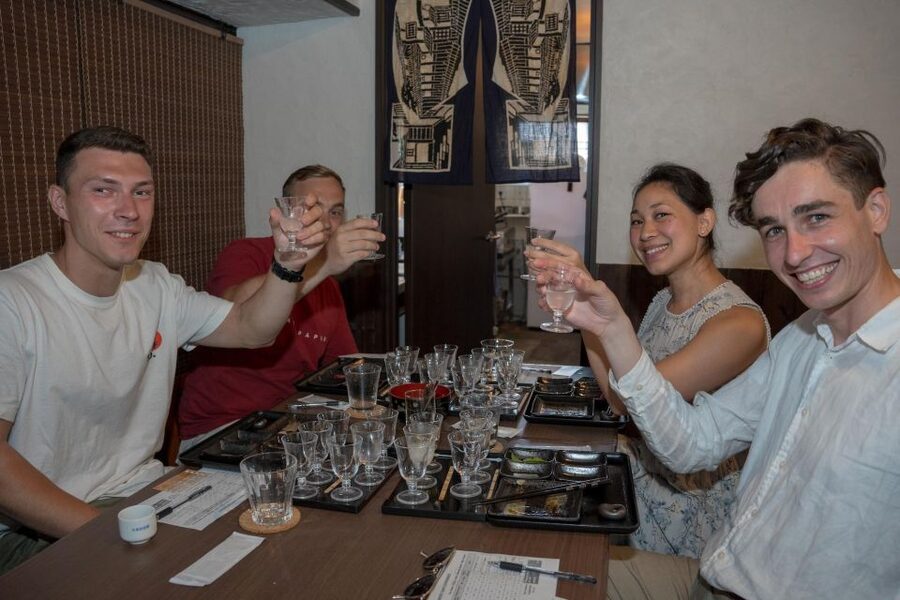
A sake menu can be intimidating because the labels often assume you already understand the categories. This tour gives you a simple way to make better choices.
You learn how to read key information on bottles, including the style, grade, and clues about flavor. The guides explain how rice polishing and other brewing choices influence the result. You also learn which words can point toward a drier, fruitier, lighter, or fuller style.
The practical value appears later in your trip. At dinner, you can tell the server that you prefer a dry style or a fragrant one instead of ordering at random. You can also recognize that two bottles from the same region may taste very different.
The experience uses the term nihonshu as well as sake. That distinction can be useful, since nihonshu specifically refers to Japanese rice alcohol, while sake can be used more broadly in some contexts. You do not need to memorize every term, but learning the local language for the drink gives you greater confidence.
This is also where the experience works for people who already drink sake. You may already know a few bottles you like, yet still benefit from learning why they taste that way. One experienced participant compared the tour favorably with whiskey, gin, wine, and beer tours because of the amount of explanation and the generous tasting format.
Food pairings make the lesson easier to remember
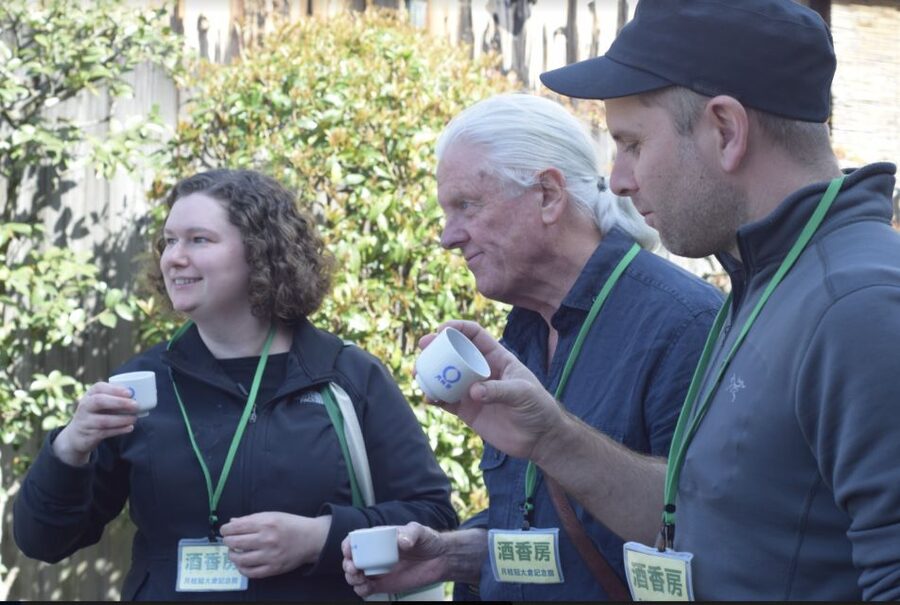
Food pairing is not added as a decorative extra. It is one of the clearest teaching tools in the tour.
You taste traditional otsumami with selected sake and discuss why the match works. The guide may point out how the salt, texture, or flavor of the snack changes what you notice in the drink. You are not only asking if a pairing is delicious. You are learning what to look for.
This is especially handy if you plan to eat sushi during your time in Japan. The tour includes advice on which types of sake tend to work well with sushi, along with guidance on other food combinations. It also covers the basic question of serving temperature, including when sake is better hot or cold.
Temperature is often treated as a matter of personal taste, but it can change the character of a sake. A chilled pour may highlight freshness and aroma, while another style may be more satisfying warm. The guide helps you understand the choice instead of treating hot sake as a default order.
The pairings also break up the tasting. Ten or more samples can be a lot, particularly for someone who does not drink often. Eating along the way helps, but you should still have a proper meal before or after the activity. One useful piece of advice from the experience is to avoid planning anything demanding immediately afterward. You will be consuming a fair amount of alcohol over three hours.
Vegetarian and vegan options are available. Tell the guide about food preferences or allergies at the site. The supplied information does not list the exact snacks, so anyone with a serious allergy should explain the concern clearly before tasting.
A completely different kind of day out:
- PERFECT KYOTO 1-Day Bus Tour
★ 5.0 · 13,518 reviews - [Kyoto & Nara Day Tour] Sagano Scenic Railway & Nara Park & Fushimi Inari Taisha Thousand Torii Gates & Togetsukyo Bridge & Bamboo Grove & Kimono Forest (Departing from Osaka)
★ 4.9 · 10,942 reviews - Kyoto: Fushimi Inari, Kinkakuji, Bamboo Grove 1 Day Bus Tour
★ 4.8 · 4,316 reviews - Kyoto: Tea Ceremony in a Traditional Tea House in Kiyomizu
★ 4.9 · 3,519 reviews
The dedicated tasting room is a real advantage
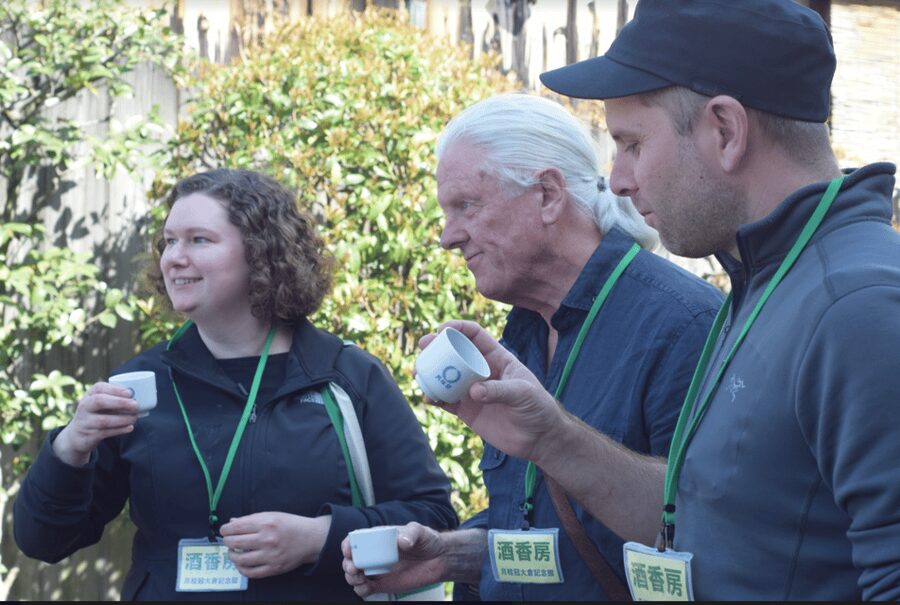
After the museum visit, the group moves to a dedicated tasting room. This change of setting works well. The museum gives you the production story, while the tasting room gives you space to focus on aroma, flavor, and food.
The tasting is described as interactive rather than formal. You can ask questions, compare notes, and use the cheat sheet as you go. The guides have also been praised for using large-format presentation material, which makes it easier for everyone to follow the explanation.
Group chemistry can affect any tasting, and this one is no exception. A friendly group can make the three hours pass quickly, while a quiet group may make it feel more like a class. Several accounts described meeting other sake fans and continuing to drink together afterward, so this can be a social experience as well as an educational one.
The pace appears well balanced. About one-third focuses on sake production and the rest on tasting, according to one detailed description. That is good news if you want to drink, not just stand beside brewing displays. It also means the tour is not ideal if you want a full technical course on fermentation.
Is $87 a fair price?
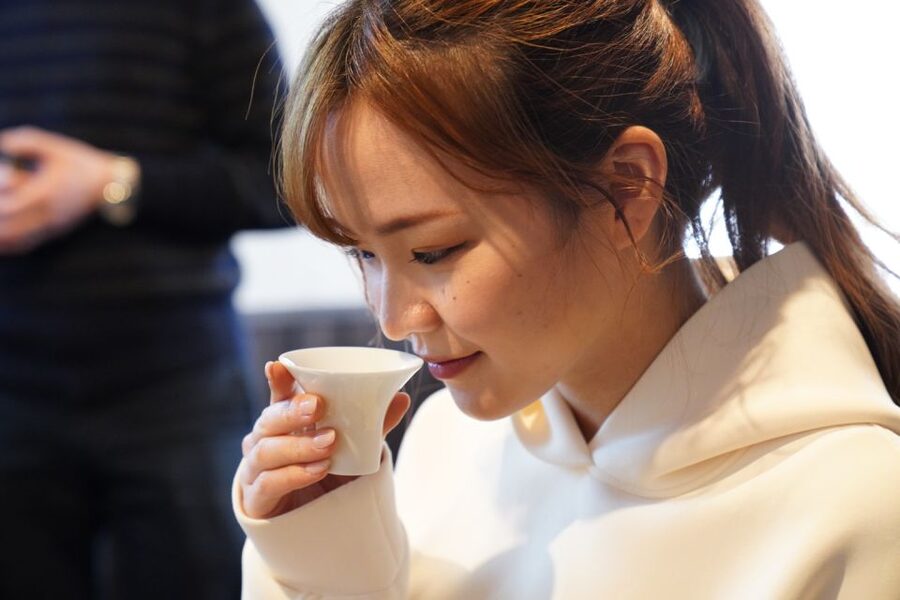
At $87, this is not the cheapest way to taste sake in Kyoto. You could buy a few small pours at a bar for less. But that comparison misses the main value.
Your fee includes the museum entrance, an English-speaking certified sake expert, more than 10 tastings, otsumami, a guided tasting session, and the printed reference materials. You are paying for selection and instruction, not simply liquid in small glasses.
The value is strongest if you are planning several more meals in Japan. Once you understand the main styles and label clues, the knowledge can help you avoid expensive guesses. You may also find a bottle you want to buy during or after the experience. One person left with two bottles, and another bought three, which suggests the tasting can lead to practical shopping decisions.
The price is harder to justify if you do not drink alcohol, already know exactly what you like, or only want a quick introduction. The activity lasts three hours and includes a substantial educational section. It is built for people who want to spend time with the subject.
There is also an important legal point. Japan’s legal drinking age is 20. Anyone under 20 receives non-alcoholic drinks, and people under 19 are listed as unsuitable for the activity. Non-drinkers and children still need reservations, and unreserved people cannot join.
Timing, meeting point, and important limits
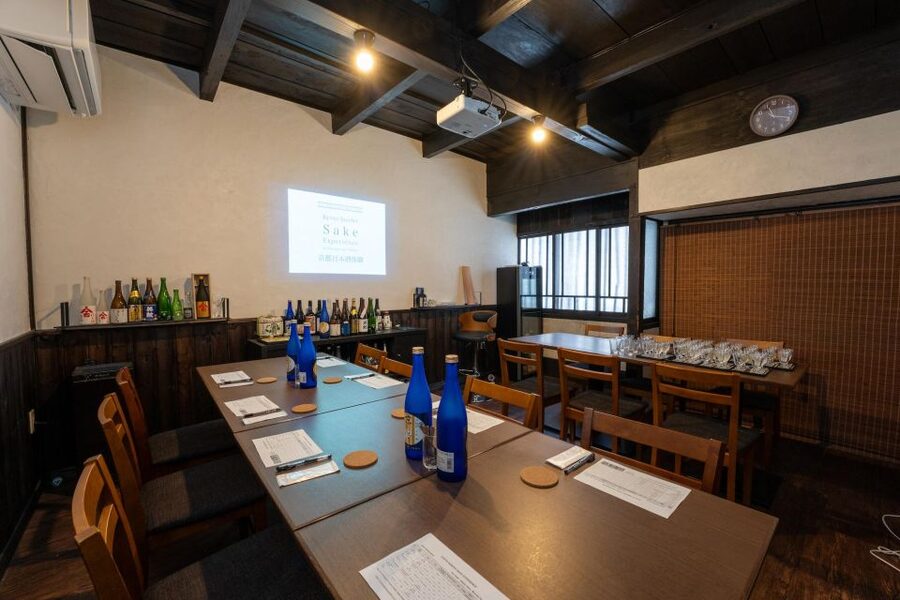
You meet the guide inside the entrance of the Gekkeikan Okura Sake Museum. Use the address 697 Motozaimokuchō, Fushimi Ward, Kyoto, 612-8043, Japan when searching for directions.
Transportation to and from the attractions is not included, and there is no hotel pickup or drop-off. Give yourself enough time to reach Fushimi. If you arrive more than 20 minutes late, the booking is canceled, so this is not a good activity to squeeze between tight plans.
Do not arrive by car or bicycle if you want to take part in the alcohol tasting. For safety and legal reasons, alcohol will not be served to people arriving by either. Non-alcoholic drinks are available, but there is no refund if you cannot participate in the tasting.
Strong fragrances and chewing gum are not allowed. Both rules make sense in a tasting room, where perfume and gum can interfere with aroma and palate. The activity is in English, with a live guide.
Cancellation is flexible only up to a point: you can cancel up to seven days in advance for a full refund. The experience is not recommended for children, pregnant people, wheelchair users, or anyone with a low level of fitness. If you prefer a fully seated activity, a separate Kyoto sake experience with seven tastings and snacks is suggested instead.
Who should book this sake tour?
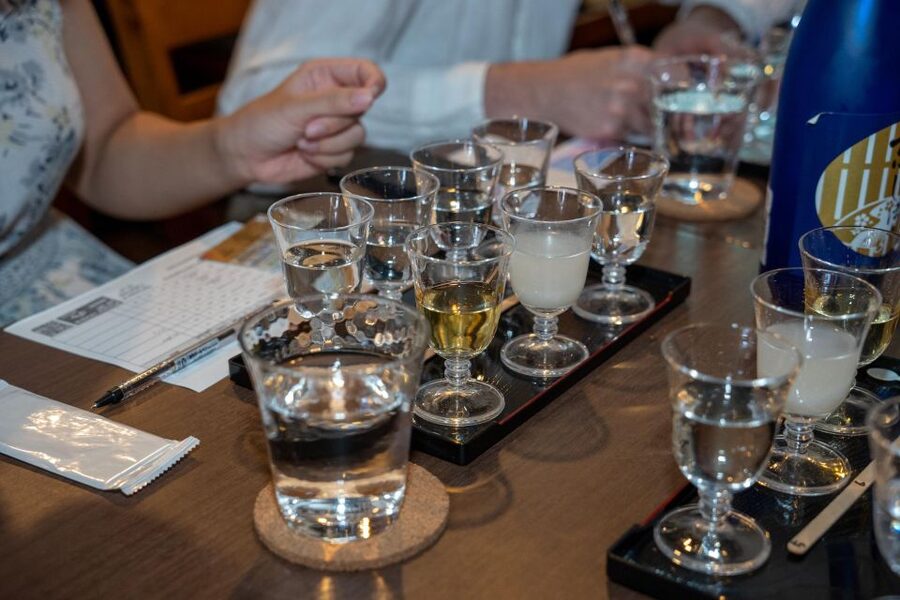
I would book it if you are curious about sake but feel unsure ordering it in Japan. It is also a strong choice for people who enjoy food and drink tours, want cultural context, or plan to buy bottles during their trip.
It works particularly well for beginners because you are not expected to arrive with technical knowledge. The guides explain the basics, then let you discover your own taste. You do not have to like every sample. In fact, finding what you dislike is part of learning what to order.
Sake fans with some experience can also get value from the comparison of polishing levels, grades, serving temperatures, and pairings. The experience is less useful for anyone looking for a quiet, luxury tasting with little instruction or for a short museum visit without alcohol.
Eat something beforehand, wear good shoes, avoid fragrance, and leave room in your schedule afterward. That simple preparation will make the activity more comfortable.
Should you book it?
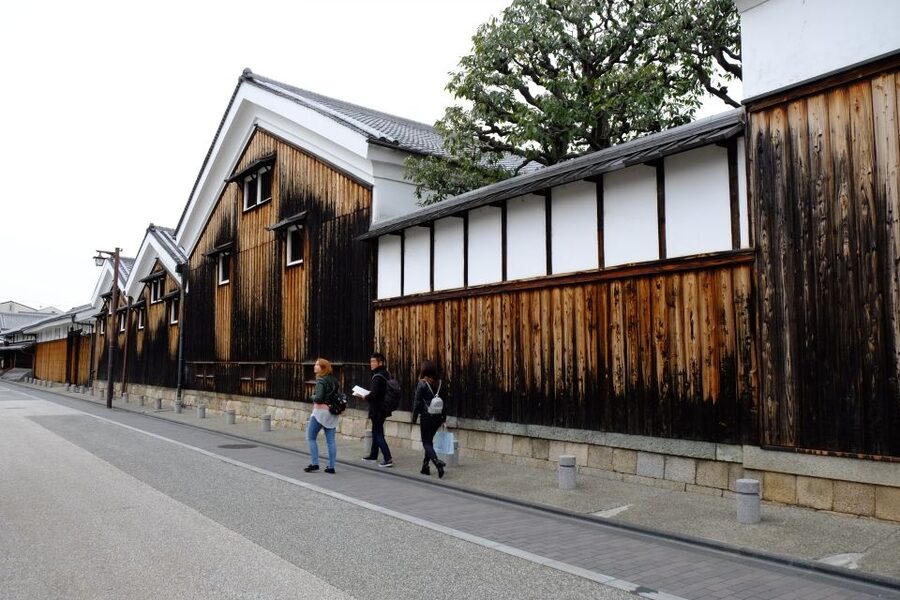
Book this tour if you want sake skills you can use for the rest of your Japan trip. The museum explains how the drink is made, the tasting helps you identify your preferences, and the food pairings show why serving choices matter.
Skip it if you cannot drink, need a wheelchair-accessible activity, or want to remain seated throughout. For everyone else, $87 buys more than a glass-by-glass tasting. It gives you a way to read a label, ask for a style, pair sake with dinner, and order with far less guesswork.
FAQ
Where does the Kyoto sake tour meet?
The meeting point is inside the entrance of the Gekkeikan Okura Sake Museum. The address is 697 Motozaimokuchō, Fushimi Ward, Kyoto, 612-8043, Japan.
How long does the sake experience last?
The experience lasts three hours. Check availability for the specific starting times.
How many sake types will I taste?
You will taste more than 10 types of sake selected by a certified sake sommelier.
Is the tour conducted in English?
Yes. The experience includes a live English-speaking guide.
Can people under 20 drink sake on the tour?
No. Japan’s legal drinking age is 20. People under 20 will receive non-alcoholic drinks only.
Can I join if I arrive by car or bicycle?
You may not take part in the alcohol tasting if you arrive by car or bicycle. Non-alcoholic drinks are available, but there is no refund if you cannot participate in the sake tasting.
Are vegetarian and vegan options available?
Yes. Vegetarian and vegan options are available. Tell the guide at the site about food preferences or allergies.
Just added in Kyoto
- The “Golden Route” and Ancient Japan by DIAMIR Erlebnisreisen – 14-Day Tour★ 2.0 · 2 reviews
- Japan: Castles & Cuisine by G Adventures – 6-Day Kyoto to Osaka Tour★ 4.5 · 4 reviews
- Cycle Japan by Explore! – 13-Day Kyoto to Tokyo Tour★ 4.7 · 12 reviews
- Cycle Japan by Intrepid Travel – 11-Day Kyoto to Tokyo Tour★ 4.8 · 2 reviews
- Classic Japan by Intrepid Travel – 11-Day Kyoto to Tokyo Tour★ 4.4 · 14 reviews
- Ancient & Modern Japan 14-Day Tour by Exodus Adventure Travels★ 4.4 · 40 reviews
- 5 Day Cultural Adventure of Kyoto, Nara & Osaka by Tourist Journey★ 2.5 · 2 reviews
- 12 Days Kinosaki Onsen Escape: A Journey Through Japan’s Timeless Towns by UME Travel★ 4.8 · 5 reviews
Sake Tastings, compared.
3-Hour Kyoto Insider Sake Brewery Tour with Tastings & Pairings
Read our review →
Arashiyama Bamboo, Temple, Monkeys, or Secret Sake Brewery
Read our review →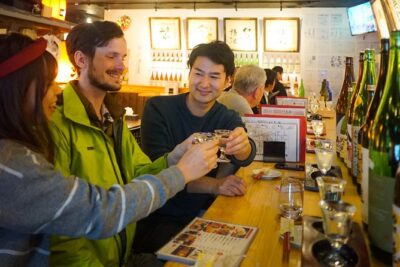
1.5-Hour Kyoto Insider Sake Experience with 7 Tastings & Pairings
Read our review →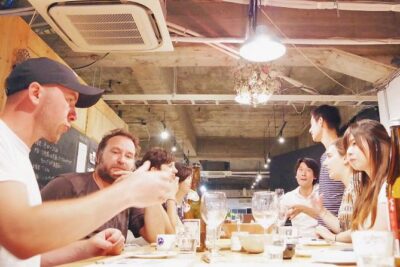
Sake Tasting Masterclass in Shinjuku (8+ Varieties with a Pro)
Read our review →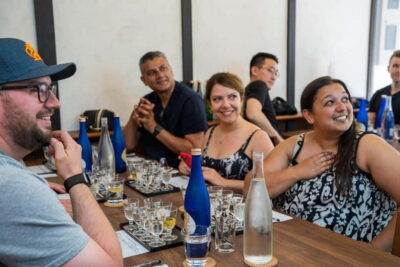
Insider Sake Experience with 7 Tastings and Snacks
Read our review →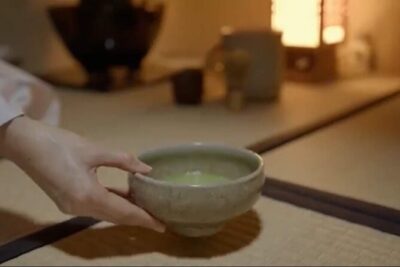
Private Tea Ceremony and Sake Tasting in Kyoto Samurai House
Read our review →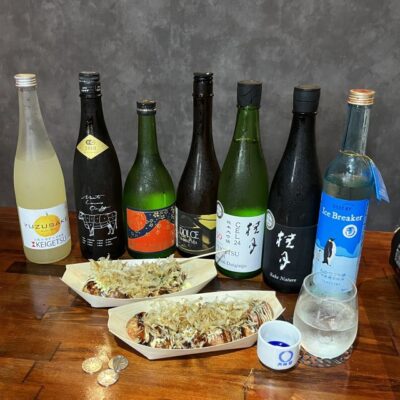
Browse the lists this tour appears in