
Reviewed · SAKE TASTINGS
Osaka Sake Tasting with Takoyaki Cooking
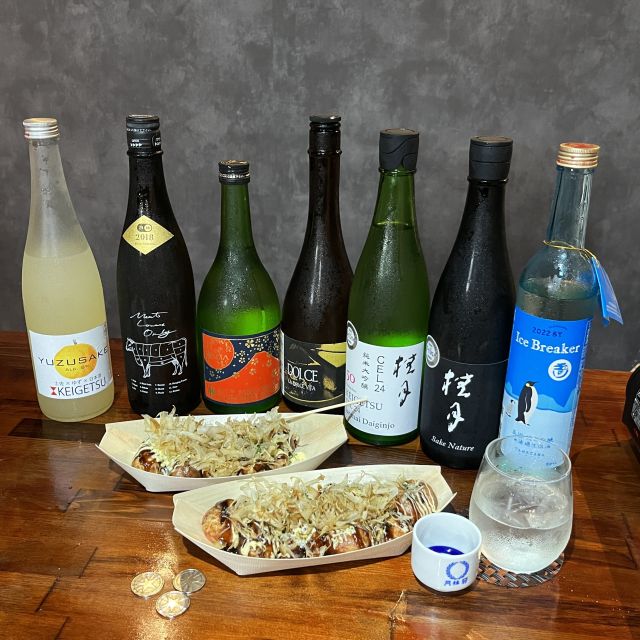
Come hungry, leave better informed. This two-hour Osaka experience combines two local pleasures: making your own takoyaki and tasting Japanese sake with Momo, an English-speaking sake sommelier and former brewer. I especially like the hands-on cooking, since you do not just watch someone turn the octopus balls. You make them yourself, with options such as wagyu beef and cheese. I also like the practical sake guidance, which helps you understand what you are drinking and choose more confidently later in Japan. The one thing to consider is that the tasting can be generous, so this is not just a few polite sips. Pace yourself.
The setting is MOMO to SAKE, on the second floor of a building near Osaka Namba. Groups are limited to six, which gives Momo room to answer questions and adjust the session to your interests. The price is $70 per person. That is not a bargain snack stop, but it is fair value if you want food, several sake samples, instruction, and a personal introduction to Osaka drinking culture in one compact visit.
In This Review
- Key Points Before You Book
- Why Takoyaki and Sake Belong Together
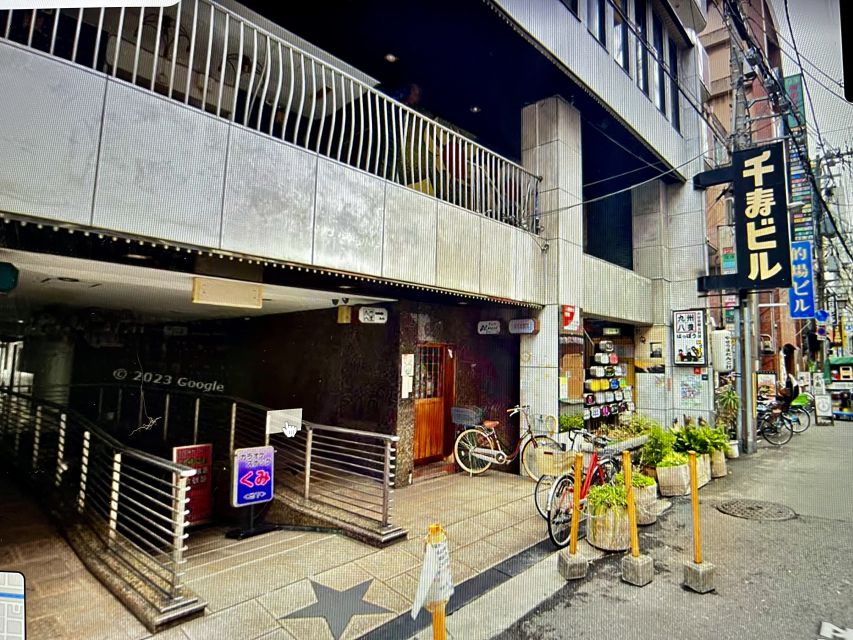
- Arriving at MOMO to SAKE Near Namba
- Cooking Takoyaki From Batter to Plate
- Learning Sake Without the Jargon
- Sampling Seasonal Sake From More Than 10 Choices
- A Friendly Session for Couples, Families, and Solo Visitors
- What the Two Hours Are Really Worth
- Practical Details to Know Before You Go
- The Main Drawbacks
- Who Should Book This Osaka Experience?
- Should You Book Osaka Sake Tasting with Takoyaki Cooking?
- FAQ
- Where does the sake and takoyaki experience meet?
- How long does the experience last?
- How much does it cost?
- How many people can join the group?
- What languages are available?
- How many types of sake can I taste?
- Can I cancel for a full refund?
Key Points Before You Book
- Make takoyaki yourself: You cook Osaka’s famous octopus balls with local instructions and a secret recipe, then eat the results while they are fresh.
- Learn from a former brewer: Momo is a sake sommelier who can explain production, styles, grading, flavor, and ordering tips in clear English.
- Taste a broad sake selection: More than 10 Japanese sakes are available, including seasonal choices selected by the sake expert.
- Try more than octopus: Additional fillings can include wagyu beef, cheese, kimchi, and corn, depending on the session.
- Enjoy a small group: Six people is the maximum, with some sessions becoming nearly private when bookings are light.
- Reach it from Namba: MOMO to SAKE is an easy choice if your Osaka plans center on Namba and the nearby food districts.
Why Takoyaki and Sake Belong Together
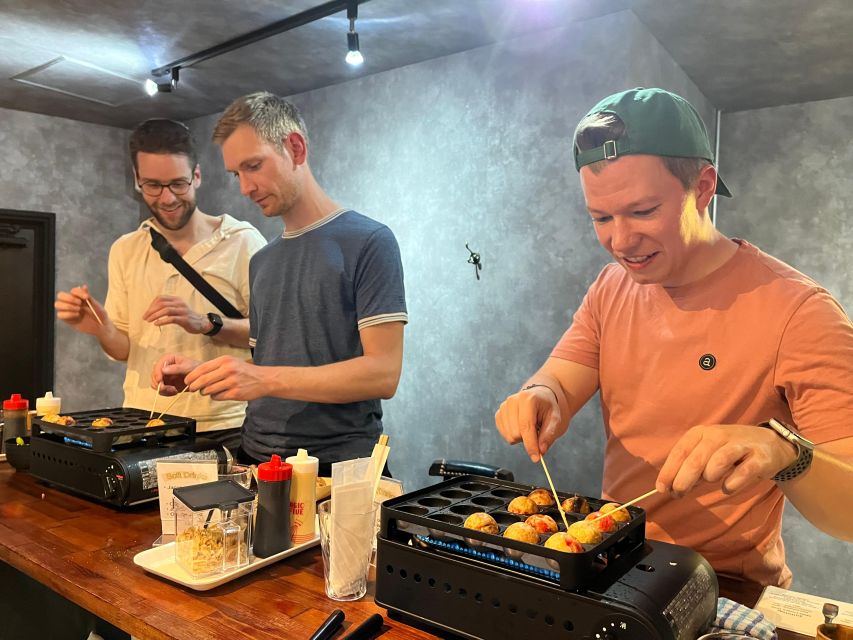
Osaka is often called Japan’s kitchen, and takoyaki is one of the city’s most recognizable foods. These small, round snacks are made from a pourable batter, traditionally with octopus inside, then cooked in a special molded pan. The outside browns while the center stays soft, so the trick is turning them at the right moment.
That turning is where the fun begins. You receive cooking instructions, but you still have to work the picks and shape the balls yourself. It is a simple task that quickly becomes a small performance. Some come out neat. Some look as if they have taken a wrong turn. They still taste good.
The cooking also gives you a better eye for takoyaki stands around Osaka. After this session, you will understand why the cook keeps rotating each piece and how the loose batter becomes a proper ball. It adds a little meaning to a street food you might otherwise eat in three quick bites.
Sake makes sense alongside takoyaki because the food is savory, warm, and filling, while the drink offers a wide range of textures and flavors. Momo’s approach is useful here. She does not treat sake as a mysterious subject reserved for specialists. Instead, she explains enough for you to notice what you like.
More Sake Tastings in Japan:
- 3-Hour Kyoto Insider Sake Brewery Tour with Tastings & Pairings
★ 5.0 · 917 reviews - Arashiyama Bamboo, Temple, Monkeys, or Secret Sake Brewery
★ 4.8 · 886 reviews - Kyoto: Insider Sake Brewery Tour with Sake and Food Pairing
★ 5.0 · 704 reviews
Arriving at MOMO to SAKE Near Namba
The meeting point is the store called MOMO to SAKE, located on the second floor of the building. The location near Osaka Namba matters because it fits neatly into a day spent around Namba, Dotonbori, Shinsaibashi, and the surrounding food streets.
You should allow time to find the building and go upstairs. The supplied meeting information does not give a full street address, so check the precise booking details before setting out. Once inside, the small-group format creates a more personal setting than a large food demonstration.
The maximum group size is six. That is a useful number for a cooking class. You have enough company for a social meal, but not so many people that every question has to wait. Several sessions described by participants became private or nearly private when only one couple or one person booked.
That flexibility is one of the experience’s strongest features. Momo can spend more time on your questions, your preferred sake styles, or the ingredients you want to use. If you are unsure about sake, that personal attention is especially helpful.
Cooking Takoyaki From Batter to Plate
The cooking portion comes first, so you can eat before the sake tasting begins. That is a sensible order. You are handling hot equipment and learning a new technique, and a proper meal gives you a better base for the drinks that follow.
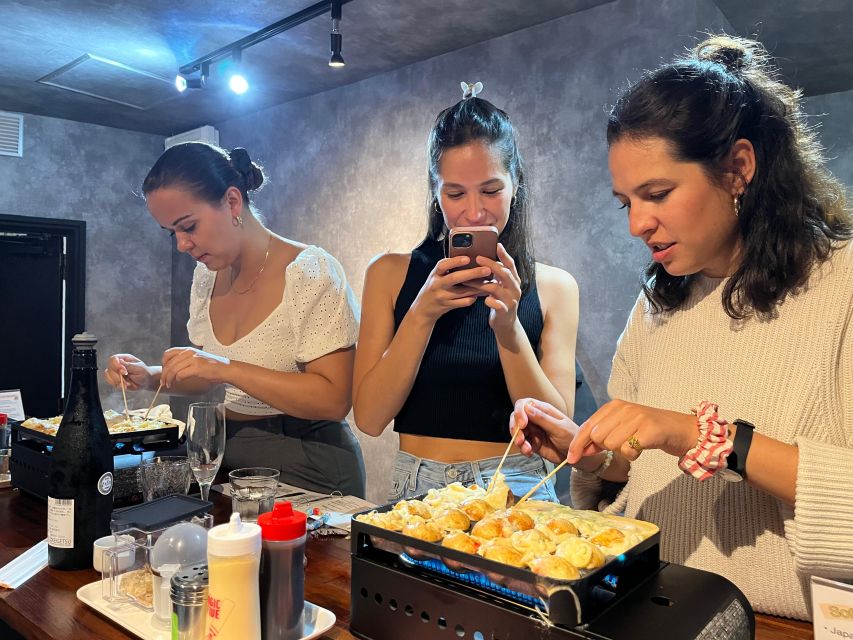
Momo guides you through the process step by step. The information provided describes a local recipe, cooking instruction, and all ingredients. The reviews also make clear that the task is genuinely hands-on. You are not simply adding toppings to pre-cooked takoyaki. You help cook and turn the pieces yourself.
You can expect a little chaos, especially during the first batch. The mixture may spread beyond the molds, and the first turning attempt may not be graceful. That is part of the charm. Momo’s role is to show you the method and help you improve without taking the whole job away from you.
The classic filling is octopus, but the extra choices make the class more useful for mixed groups. Ingredients mentioned include wagyu beef, cheese, kimchi, and corn. One participant did not eat octopus, and the available alternatives made the meal workable. If you have a dietary restriction, tell the provider in advance rather than assuming every ingredient can be changed on the spot.
Once cooked, the takoyaki becomes your meal. It is more satisfying than grabbing a quick snack from a street stall because you have shaped it yourself and can compare your cooking with everyone else’s. The food is also served before the sake, which means you can enjoy the tasting with something substantial rather than an empty stomach.
Learning Sake Without the Jargon
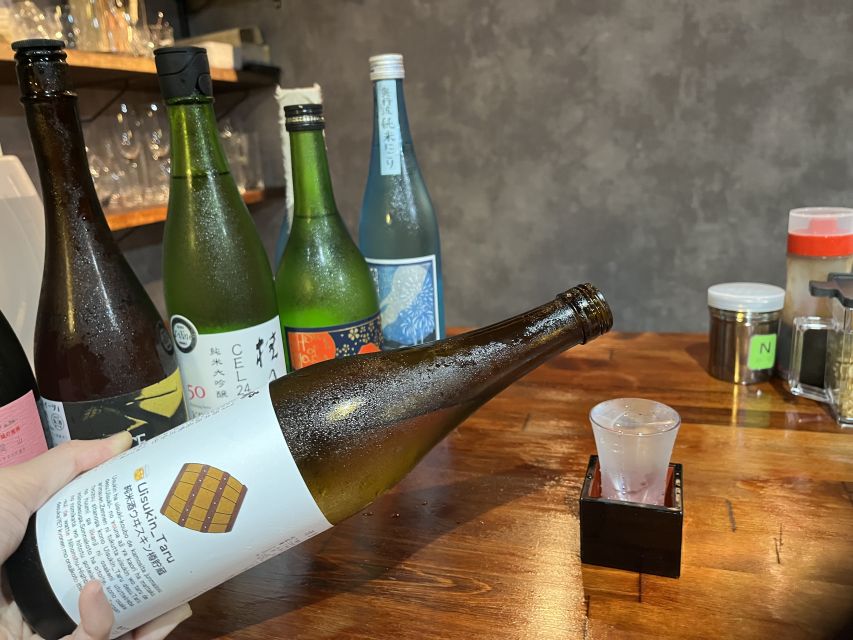
Momo’s background is central to the experience. She is a sake sommelier and former brewer, and the session covers the drink’s history, culture, and making process. You also learn about different kinds of sake, production differences, grading, and general flavor profiles.
The useful part is not memorizing technical terms. It is learning how to ask for what you want. You might prefer something dry, fruity, light, rich, smooth, or more pronounced. Once you can describe that preference, ordering in a sake bar becomes less of a guess.
The experience uses the more precise term nihonshu when discussing Japanese sake. That distinction can be useful, though you do not need to master Japanese vocabulary to enjoy the class. Momo’s explanations are in English and Japanese, and the English-language feedback consistently describes her communication as clear and engaging.
I like this practical angle. A tasting can be entertaining for two hours and then vanish from memory. Here, you gain a method you can use for the rest of your trip. You can apply the new vocabulary when choosing a bottle, visiting a bar, or asking for a recommendation at dinner.
The session also helps if you already enjoy wine or other drinks. You can compare aroma, texture, sweetness, acidity, and finish, but sake does not follow exactly the same pattern as wine. Momo’s guidance gives you a starting point without turning the evening into a formal examination.
A few more options to weigh up in Japan
- Universal Studios Japan Studio Pass
★ 4.8 · 89,883 reviews - Universal Studios Japan Express Pass
★ 4.7 · 53,138 reviews - Osaka Amazing Pass
★ 4.7 · 21,697 reviews - Osaka Aquarium Kaiyukan Ticket
★ 4.8 · 14,894 reviews
Sampling Seasonal Sake From More Than 10 Choices
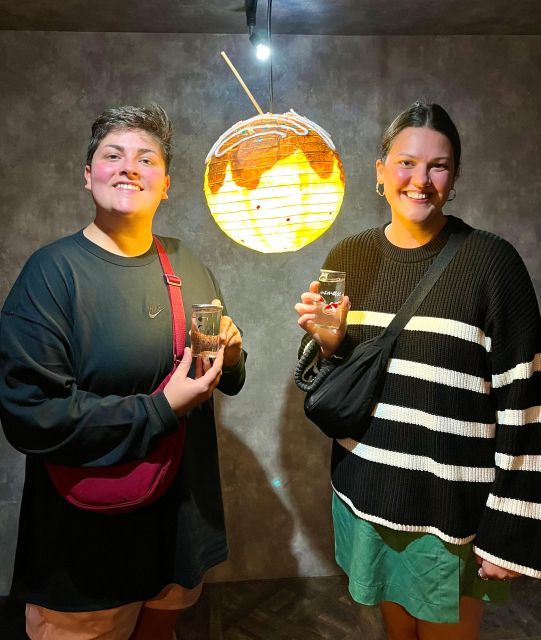
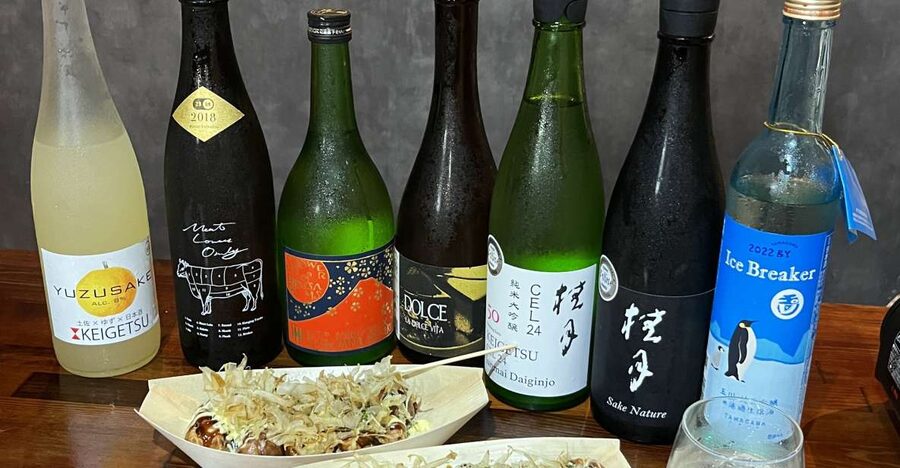
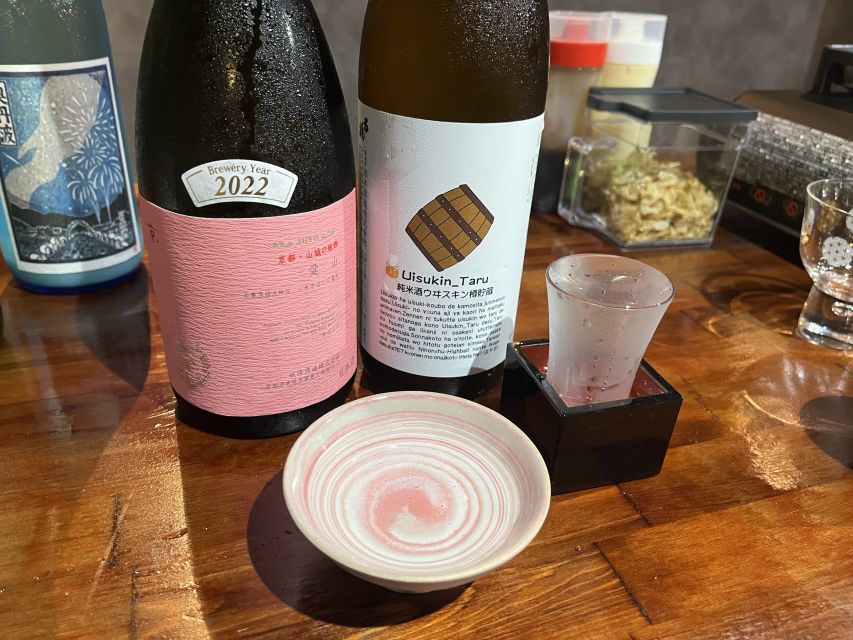
More than 10 types of Japanese sake are available, with a seasonal menu selected by the sake expert. That does not necessarily mean you will drink all 10 or more. The exact number poured depends on the session and your pace. Participants have described tasting around seven or eight varieties, often with generous pours.
That detail is important. This is a real tasting with enough volume to feel like a drinking session, not a token sample of three thimble-sized portions. You should plan accordingly, especially if you have more Osaka sightseeing afterward.
Momo helps you choose what to try and explains the character of each bottle. The aim is not to declare one sake the winner. It is to help you notice your own preferences. One person may enjoy a fragrant, fruity style, while another prefers something drier and more restrained.
Seasonal selection is another advantage. Sake menus change, so the experience can differ depending on when you visit. You are not simply working through a fixed list designed for every month of the year. The choices reflect what the sake expert wants to present at that time.
The best way to approach the tasting is with curiosity and a little restraint. Start with smaller pours if offered, take notes if you are serious about buying bottles later, and drink water along the way. Some sessions include soft drinks, which is useful for children, non-drinkers, and anyone who wants a break.
A Friendly Session for Couples, Families, and Solo Visitors
The group limit of six makes this a good fit for couples and small groups of friends. You get the social energy of a shared class without the distance of a large tour. Solo visitors can also benefit from the format, since a small group gives you an easy way to talk with others while Momo keeps the session moving.
Families can attend, but the sake portion is for adults. Soft drinks are available, and a family group has previously used them for children while the adults tasted sake. The cooking itself is the part everyone can share.
The mood is relaxed rather than formal. Momo is repeatedly praised for being warm, funny, patient, and enthusiastic. That matters because both takoyaki cooking and sake tasting can feel intimidating if the instructor is stiff or overly technical. Here, the social side appears to be as important as the lesson.
English is well supported, and Japanese is also offered. If you want detailed explanations about brewing, grading, or flavor, the English-language instruction makes the activity suitable for international visitors who do not speak Japanese.
What the Two Hours Are Really Worth
At $70 per person, the experience costs more than buying a plate of takoyaki and a drink near Namba. You are paying for much more than the ingredients. The fee includes all cooking supplies, instruction, soft drinks, more than 10 available sake choices, and access to an English-speaking sake expert with brewing experience.
The small group is the real value. A large class could teach the basic cooking method, but it would offer less time for individual questions and sake recommendations. With six people or fewer, you have a better chance of getting help with your takoyaki and selecting drinks suited to your taste.
The price also makes more sense if you use the lesson afterward. Knowing how to order sake can save you from buying a bottle you dislike or choosing at random from a long menu. Momo may help you identify the type of sake you enjoy, which gives you a useful reference for the rest of Japan.
Still, I would not recommend it to someone who wants only a quick food stop. Two hours is a meaningful block of your Osaka schedule, and much of it involves instruction and conversation. If you dislike alcohol, you will get less value unless the cooking and cultural discussion are your main reasons for going.
Practical Details to Know Before You Go
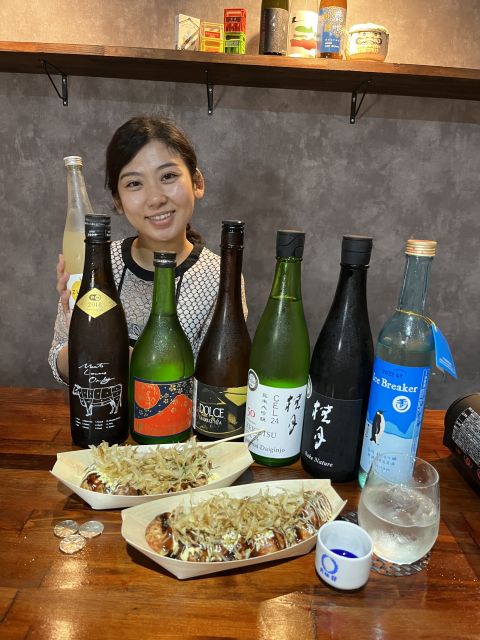
The activity lasts two hours, and starting times vary, so check availability when booking. An evening session works well as a relaxed beginning to a night around Namba, while an afternoon booking can give you sake knowledge to use later that day.
The stated cancellation policy allows a full refund when you cancel at least 24 hours in advance. You can also reserve now and pay later, which helps if your Osaka plans are still changing.
You should come hungry. The class finishes with your handmade takoyaki and sake, and the food is intended to be enjoyed together with the tasting. Because the pours can be generous, avoid scheduling a demanding activity immediately afterward.
Wear something comfortable for cooking. The provided information does not state a dress code or special equipment requirement, so you do not need to bring cooking tools. All ingredients and cooking instructions are included.
If you have allergies, avoid octopus, do not drink alcohol, or follow a strict diet, contact MOMO to SAKE before booking. A previous session accommodated a coeliac participant, and alternatives to octopus have included beef, cheese, kimchi, and corn, but advance notice is the sensible approach.
The Main Drawbacks
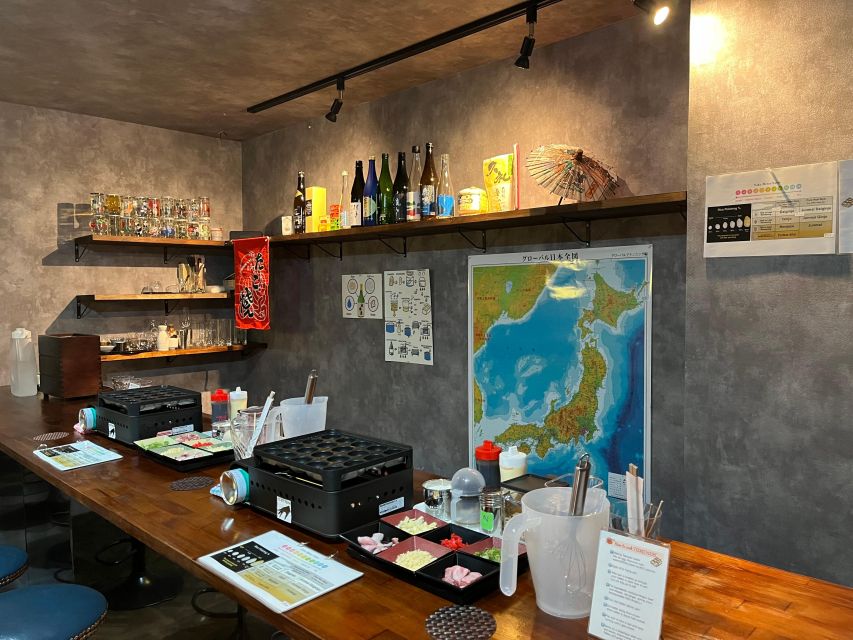
The biggest caution is the alcohol. Several tastings may be poured, and the portions can be more than a tiny sample. Food comes first, but you should still pace yourself and use the soft drinks and water available when needed.
The second consideration is that the activity may be too intimate for anyone who prefers to remain anonymous. Momo talks with the group, answers questions, and shapes the session around the people present. That is a strength for most visitors, but it may feel more social than a quiet bar tasting.
Finally, takoyaki cooking is not polished from the first attempt. You may produce uneven balls before you get the hang of turning them. If you expect a chef to do the work while you watch, choose a different food experience. If you enjoy learning by doing, the imperfect first batch is part of the reward.
Who Should Book This Osaka Experience?
I would choose this for someone visiting Osaka for the first time who wants more than a checklist of famous sights. It connects a local food with a drink that many visitors find difficult to understand on their own.
It is especially good for:
- Couples who want an intimate shared activity
- Solo visitors who enjoy conversation and practical instruction
- Small groups of friends
- Adults interested in Japanese drinks
- Families who want a cooking activity, with soft drinks for children
- Anyone planning to visit sake bars later in Japan
I would be more cautious if you do not drink alcohol, have very limited time in Osaka, or want a quiet meal without participation. The cooking is central, and the sake tasting is not an optional extra that can be ignored without changing the character of the experience.
Should You Book Osaka Sake Tasting with Takoyaki Cooking?
Yes, if you want a friendly, hands-on introduction to Osaka food and Japanese sake. The combination works because the takoyaki gives you something active and playful to do, while Momo’s sake instruction gives the session lasting value.
The best reason to book is Momo herself. Her role as a sake sommelier and former brewer brings substance, while her warm teaching style keeps the lesson easy to follow. At $70, it is a considered purchase, but the small group, food, multiple tastings, and practical advice make it a strong choice for a two-hour Osaka activity.
Book it early in your Osaka stay if you want to use the sake tips during the rest of your visit. Book it later if you prefer to finish your trip with a relaxed food memory. Either way, arrive hungry, take your time with the pours, and accept that your first takoyaki may look a little funny.
FAQ
Where does the sake and takoyaki experience meet?
The meeting point is MOMO to SAKE, located on the second floor of the building near Osaka Namba.
How long does the experience last?
The activity lasts two hours. Starting times vary, so check availability when booking.
How much does it cost?
The listed price is $70 per person.
How many people can join the group?
The experience is limited to six participants.
What languages are available?
Instruction is available in English and Japanese.
How many types of sake can I taste?
More than 10 types of Japanese sake are available, including seasonal selections. The exact number you taste depends on the session and your pace.
Can I cancel for a full refund?
Yes. You can cancel up to 24 hours in advance for a full refund. You can also reserve now and pay later.
Just added in Japan
- A One-of-a-Kind Sushi Experience in a Special Place of Japan★ 5.0 · 15 reviews
- Tokyo Cute Bento Cooking Class – Make a Kawaii Character Lunchbox★ 5.0 · 126 reviews
- Japanese Home Cooking Class & Walk in Todoroki Temple Tokyo★ 5.0 · 88 reviews
- Japan Tokyo Tower Observatory Deck E-Ticket★ 4.0 · 34 reviews
- Catch a Baseball Game in Tokyo with a Local – Tickets Included★ 5.0 · 24 reviews
- JDM Experience with Fast&Furious RX-7 (English speaking Driver)★ 5.0 · 57 reviews
- Tokyo Private Day Tour by Car with English speaking Driver Guide★ 4.0 · 29 reviews
- Japan Classic 10 Day – One Life Adventures★ 5.0 · 129 reviews
Sake Tastings, compared.
3-Hour Kyoto Insider Sake Brewery Tour with Tastings & Pairings
Read our review →
Arashiyama Bamboo, Temple, Monkeys, or Secret Sake Brewery
Read our review →
Insider Sake Brewery Tour with Sake and Food Pairing
Read our review →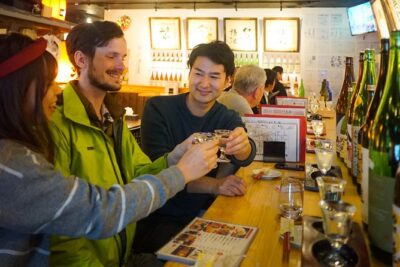
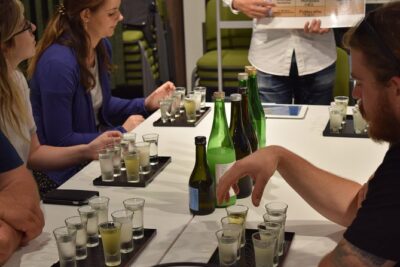
1.5-Hour Kyoto Insider Sake Experience with 7 Tastings & Pairings
Read our review →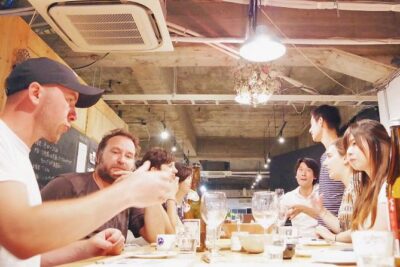
Sake Tasting Masterclass in Shinjuku (8+ Varieties with a Pro)
Read our review →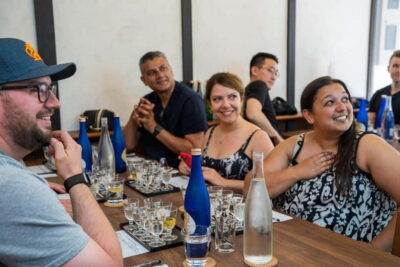
Insider Sake Experience with 7 Tastings and Snacks
Read our review →
Private Tea Ceremony and Sake Tasting in Kyoto Samurai House
Read our review →Browse the lists this tour appears in