
Reviewed · TEA CEREMONIES
Private Tea Ceremony and Sake Tasting in Kyoto Samurai House
Step inside Kyoto’s samurai past. This short private experience takes place in a 300-year-old family home, where you learn the customs of Japanese tea in a traditional room, then choose between making matcha, tasting sake, or sampling Japanese whisky. I especially like the private setting, which gives you room to ask questions, and the rare chance to take photos in a kimono or with a katana. The main drawback is the compact 50-minute schedule, particularly if you also want the extra kimono-wearing session.
This is not a large group performance in a hotel or tour hall. You and your party have the house to yourselves, with a tea master leading the ceremony and family members explaining the home and its connection to samurai heritage. The hosts are praised for warm, fluent English and an easy manner, which helps make the ritual feel welcoming rather than intimidating.
The location is unusually practical. Kyoto Samurai House is about an eight-minute walk from Kyoto Station, so you can fit it before sightseeing, after arriving by train, or between other plans near central Kyoto. At $99, the price is reasonable for a private cultural session, although alcohol, extra kimono time, and shopping choices may affect the final cost.
In This Review
- Key details before you book
- Entering a Samurai House Near Kyoto Station
- The Tea Room and the Way of Tea
- Making Your Own Matcha With a Bamboo Whisk
- Choosing Sake or Japanese Whisky
- Kimono, Samurai Clothing, and Katana Photos
- Why the Private Format Matters
- Is $99 a Fair Price?
- Who Will Enjoy This Most?
- Practical Advice for a Smooth Visit
- Should You Book the Kyoto Samurai House Experience?
- FAQ
- Where does the tea ceremony take place?
- How far is Kyoto Samurai House from Kyoto Station?
- How long does the experience last?
- Is this a private activity?
- How many people are required to book?
- What tasting options are available?
- Can people under 20 take part?
- Is the experience refundable or changeable?
Key details before you book
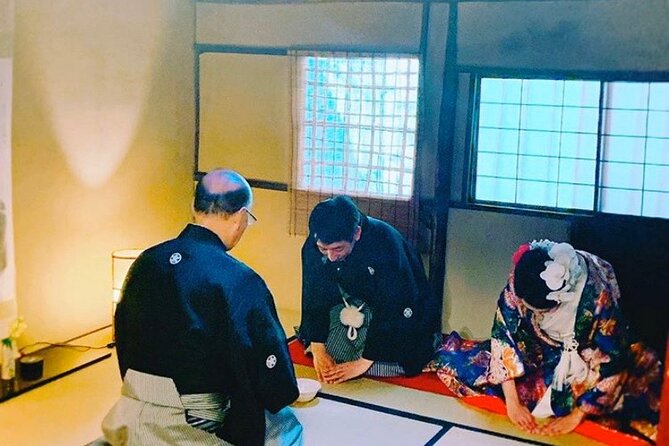
- A 300-year-old samurai family home: The setting is a real residence with an old tea room, not a modern recreation built for tour groups.
- Private use of the space: Only your party takes part, making it easier to ask questions and move at a relaxed pace.
- High-grade organic Uji matcha: The tea comes from Uji, the Kyoto-area town closely linked with fine matcha production.
- Three tasting choices: After the ceremony, choose your own matcha lesson, five sake samples, or two Japanese whisky samples. Alcohol is limited to people over 20.
- Photos with traditional clothing and weapons: Women may wear an authentic silk wedding kimono for photos, while visitors can pose with samurai robes and a katana.
- Easy station access, old-house facilities: The house is close to Kyoto Station, but it has only one old toilet, so use a restroom before arriving.
Entering a Samurai House Near Kyoto Station
The experience begins at Kyoto Samurai House, at 384 Mongakucho in Kyoto’s Shimogyo Ward. From Kyoto Station, the walk takes about eight minutes, a useful feature in a city where many cultural activities require a longer ride and a transfer.
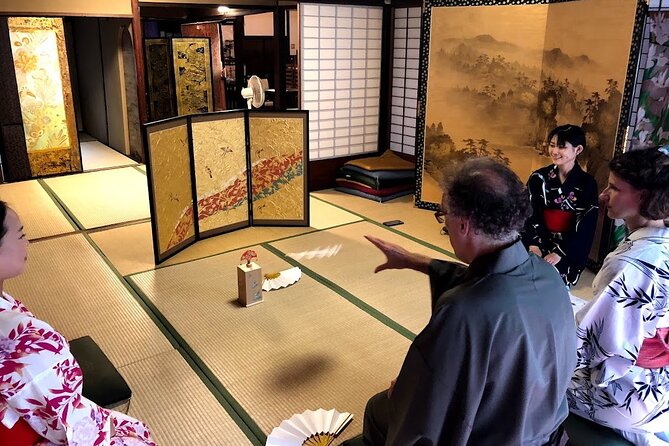
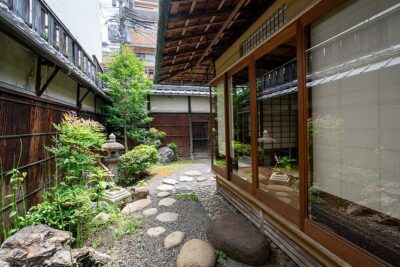
The house itself is a major part of the appeal. It has remained with the same family for roughly three centuries, and the family connection to samurai life gives the visit a personal quality. You are not simply looking at armor behind glass. You are entering an old home where the hosts explain the building, family background, and customs connected with the tea ceremony.
That difference matters. A tea ceremony can feel formal if you do not know what to do with your hands, when to bow, or how to receive the bowl. In a private home, you can ask without worrying about holding up a busload of people. The hosts also appear comfortable adapting their explanations for couples, families, and children.
The old-house setting does bring a few practical limits. There is only one old toilet, so I would use the facilities at Kyoto Station before walking over. The experience is also not recommended for anyone weighing 120 kilograms or more. That may relate to the historic house, clothing, or available seating, so check directly if this could affect you.
More Castles and Historic Sites in Kyoto
- Kyoto Samurai Experience
★ 5.0 · 1,294 reviews - Kyoto: Nijo-jo Castle and Ninomaru Palace Guided Tour
★ 4.7 · 1,020 reviews - Kyoto: Kendo and Samurai Experience with Uniform and Gear
★ 4.9 · 815 reviews
The Tea Room and the Way of Tea
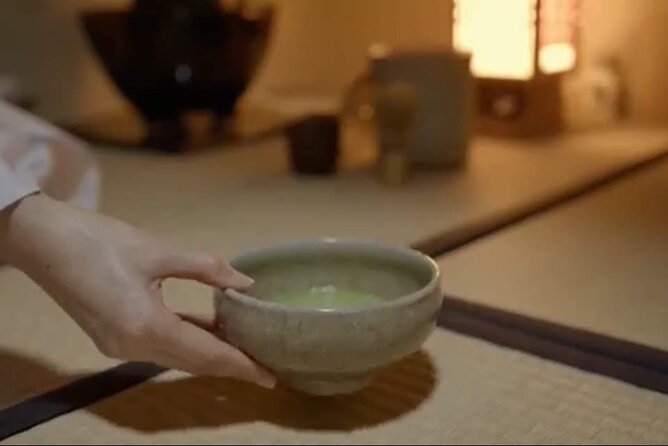
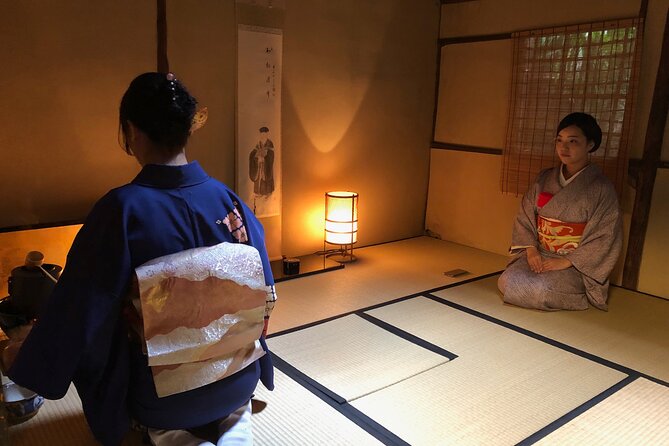
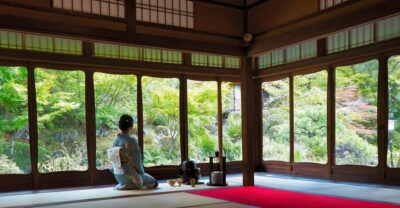
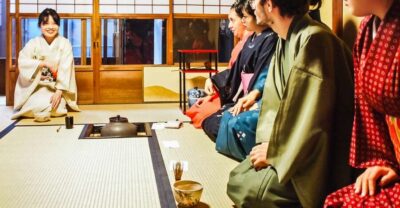
The central part of the experience takes place in a traditional tea room. A tea master demonstrates the formal preparation and serving of matcha, while explaining the ideas behind Cha-Do, the way of tea.
You will learn how powdered green tea is prepared and enjoyed in a ceremonial setting. This includes more than whisking a drink until it becomes foamy. The ritual gives attention to movement, respect, quiet, and the relationship between host and guest. Even a short ceremony can help you notice details that are easy to miss during a busy sightseeing day.
Several accounts describe the tea master as highly experienced, with references to many years of study and practice. The ceremony is presented as calm and deliberate, and that slower rhythm is one of the strongest reasons to book this experience. Kyoto’s temples and markets can be rewarding but crowded. Here, the room gives you a quiet pause.
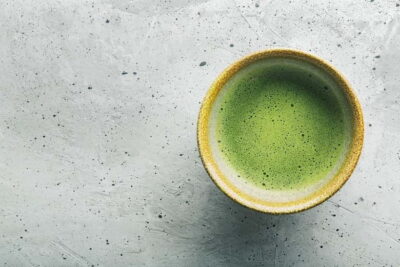
The matcha is high-grade organic tea sourced from Uji, near Kyoto. Uji has a long association with Japanese tea, so the location of the tea’s production adds meaning to the lesson. You are tasting a local product while learning the customs built around it.
The hosts explain the ceremony in English, and the experience is designed for people who may be new to tea etiquette. You do not need prior knowledge. You should expect instruction rather than a test. The tone is educational but friendly, and the private format means you can ask about the objects, gestures, and reasons behind each step.
Making Your Own Matcha With a Bamboo Whisk
After the formal ceremony, you may choose a hands-on matcha lesson. You will use a bamboo whisk, called a chasen, to prepare your own bowl.
This is a good choice if you want the tea portion to remain the main focus. The formal demonstration shows the polished version of the ritual, while whisking your own matcha lets you take part. It also gives children and first-time visitors something active to do after the quiet ceremony.
Do not expect your first bowl to look exactly like the tea master’s. That is part of the fun. The lesson helps you understand the work behind a smooth cup of matcha, and it gives you a practical memory of the visit rather than only a photograph.
The matcha option may suit you best if you do not drink alcohol, if you are traveling with children, or if you want a more traditional finish. People under 20 receive the matcha whisking lesson after the tea ceremony instead of sake or whisky.
Choosing Sake or Japanese Whisky
People over 20 can choose an alcohol tasting instead of the hands-on matcha lesson. The sake option includes five shots, with explanations of different types and flavors. The Japanese whisky option includes two shots.
The sake tasting adds a social finish to what begins as a quiet ritual. The host explains the drinks and helps you compare them, rather than simply setting glasses on a table. This can be useful if you have seen sake on restaurant menus but are unsure how styles differ.
The whisky choice is smaller in quantity, with two samples, but it may appeal to anyone interested in Japan’s growing reputation for whisky. Some accounts describe the host offering local whisky alongside the sake, so confirm the exact tasting selection when you book. The supplied details identify two Japanese whisky shots as the listed option.
The alcohol is not included for people under 20. If your party includes mixed ages, the younger members can take the matcha lesson while adults choose a tasting. Keep in mind that five sake shots in a short cultural activity can add up, especially before more sightseeing, so pace yourself.
More Sake Tastings in Kyoto
- 3-Hour Kyoto Insider Sake Brewery Tour with Tastings & Pairings
★ 5.0 · 917 reviews - Arashiyama Bamboo, Temple, Monkeys, or Secret Sake Brewery
★ 4.8 · 886 reviews - Kyoto: Insider Sake Brewery Tour with Sake and Food Pairing
★ 5.0 · 704 reviews - Kyoto Sake Brewery & Tasting Walking Tour
★ 5.0 · 623 reviews
Kimono, Samurai Clothing, and Katana Photos
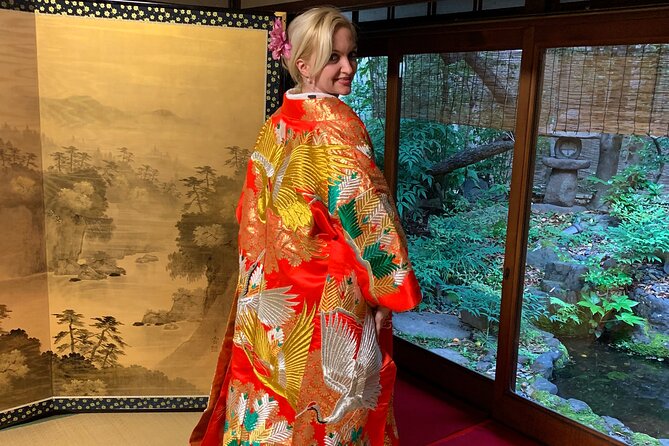
The photo session is one of the most popular extras. Women can pose in an authentic silk wedding kimono, while members of your party can wear samurai-style clothing or a haori and hold a katana for photographs.
This is not a full-day kimono rental around Kyoto. That is a benefit if you want the visual memory without spending hours walking in formal clothing. You can enjoy the ceremony and then take photographs in the house, where the setting matches the clothing.
The photos give couples and families something personal to bring home. Families with children can make the session playful, and couples may find it especially appealing for a honeymoon or wedding trip. One family even described the hosts giving children a sword-shaped umbrella, though you should not assume this is part of every booking.
There is an important timing and price point. Wearing a kimono during the tea ceremony requires an extra 30 minutes and an additional fee. It is limited to one group, and certain time slots are available only through the provider’s own website. The standard activity includes photo opportunities, but you should confirm exactly what clothing is included in your selected booking.
The wedding kimono is for women only according to the provided details. Men and other members of the party can still take part in samurai or haori-style photographs, depending on the arrangement.
Why the Private Format Matters
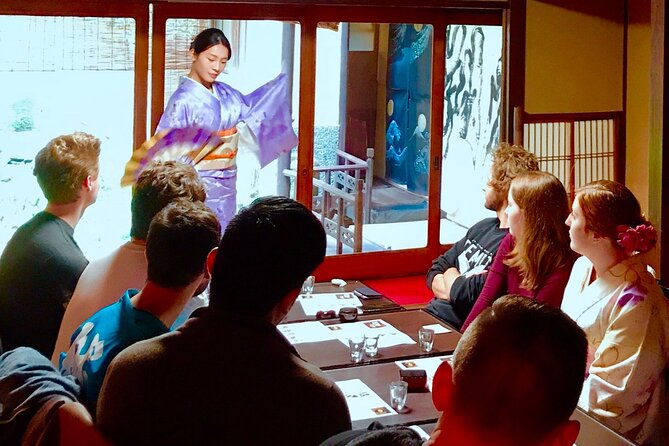
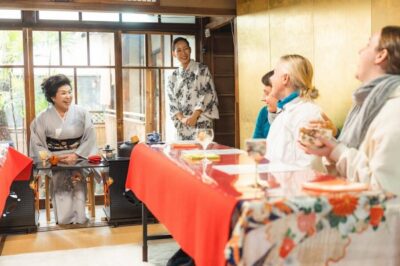
Private access changes the mood. In a crowded class, you may hesitate to ask why the bowl is turned or how to hold the whisk. Here, you can stop and ask questions without an audience.
The family hosts receive especially strong praise for being warm, welcoming, and easy to talk with. Their role also connects the ceremony to the house itself. You learn about tea from a tea master, then hear about the family home and samurai background from people connected with the property.
That personal contact is the main difference between this and a basic tea demonstration. The activity is not long, but it gives you several layers: architecture, family history, tea practice, clothing, and alcohol or matcha. The hosts have also been described as accommodating with children, which makes this a useful choice for families who want something more meaningful than a standard photo stop.
Still, private does not always mean completely quiet. The experience includes explanations, dressing, photographs, and tasting, so the 50-minute duration moves quickly. If you want extended conversation or a slow photo session, ask about adding time before you arrive.
Is $99 a Fair Price?
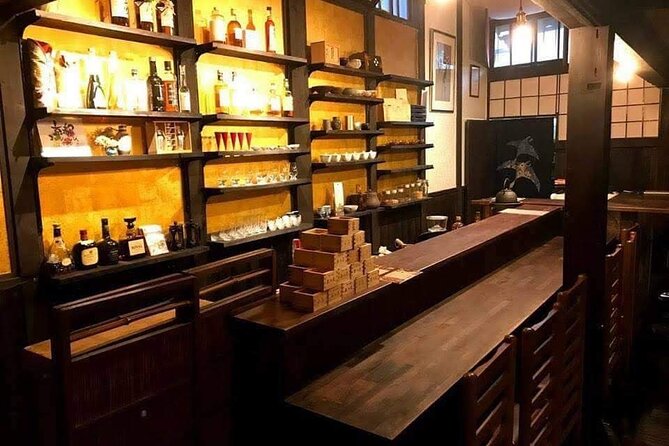
At $99, this experience costs more than a simple public tea ceremony, but the comparison is not quite fair. You are paying for private use of a historic house, instruction from an experienced tea master, high-grade Uji matcha, and the chance to add a tasting and photographs.
For a couple or small family, the value is strongest. You are not paying only for a bowl of tea. You are buying a compact cultural visit that can fill a memorable gap in a Kyoto schedule, with no long transfer from the station.
Group discounts may be available, which can improve the price for a larger party. The activity requires at least two people, so solo visitors cannot book it under the stated conditions.
The cost is less attractive if you want only a formal tea ceremony and have no interest in the tasting or photos. It is also important to account for the possible extra charge and 30-minute extension for wearing kimono during the ceremony. Read the selected option carefully before paying, since the standard price may not cover every add-on.
Who Will Enjoy This Most?
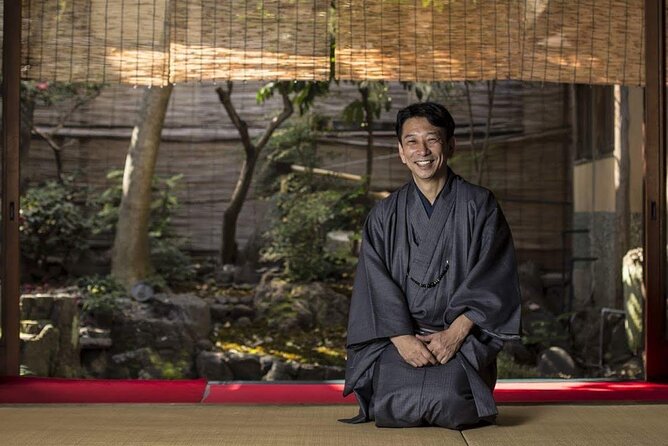
I would recommend this for couples, families, first-time Kyoto visitors, and anyone who wants cultural context without giving up half a day. The eight-minute walk from Kyoto Station makes it easy to fit around train travel and sightseeing.
It is also a good choice for people who prefer questions and conversation over a scripted group presentation. You can ask about matcha, samurai customs, clothing, sake, and the house as the visit unfolds.
Families should note the alcohol age rule, but children can take the matcha whisking lesson. The private format can be more comfortable for younger children than a large formal class, especially when the hosts can adjust their pace.
You may want to skip it if you dislike sitting in a traditional room, do not want photographs, or are looking for a long tea-school lesson. The activity is short and includes several elements, so it offers breadth rather than an advanced study of tea ceremony.
Practical Advice for a Smooth Visit
Book for at least two people, since that is the minimum. Confirmation is provided at booking, and the activity returns you to the same meeting point.
Arrive ready for a traditional house rather than a modern venue. Use a restroom beforehand, especially if you are coming directly from Kyoto Station, because the property has only one old toilet.
Decide in advance which finish appeals to you:
- Choose matcha whisking for a hands-on, alcohol-free activity.
- Choose sake tasting for five samples and an introduction to local flavors.
- Choose Japanese whisky for two samples and a shorter tasting.
- Ask about kimono timing and price if you want to wear it during the ceremony rather than only pose for photographs.
The activity is non-refundable and cannot be changed after booking. Make sure your date and party details are correct before you pay. If the provider cancels because the minimum number is not reached, you are offered another date or experience, or a full refund.
Should You Book the Kyoto Samurai House Experience?
Book it if you want a personal cultural meeting in a real old home, not just a quick demonstration. The strongest reasons are the private tea room, the Uji matcha, the friendly English-speaking hosts, and the choice between a matcha lesson and tasting.
I would place it high on a Kyoto list for couples and families, especially if you have limited time and want an activity close to Kyoto Station. The kimono and katana photographs add fun without requiring a full day of dressing up.
Skip it if you want a long, highly technical tea course, or if the extra clothing fee and short schedule do not suit your plans. For most people who value atmosphere, personal attention, and a small taste of Kyoto’s older traditions, $99 is a fair price for a memorable 50 minutes.
FAQ
Where does the tea ceremony take place?
It takes place at Kyoto Samurai House, located at 384 Mongakucho, Shimogyo Ward, Kyoto, 600-8222, Japan.
How far is Kyoto Samurai House from Kyoto Station?
The house is about an eight-minute walk from Kyoto Station.
How long does the experience last?
The main activity lasts approximately 50 minutes. Wearing a kimono during the tea ceremony adds 30 minutes and costs extra.
Is this a private activity?
Yes. Only your group participates in the activity.
How many people are required to book?
A minimum of two people is required for each reservation.
What tasting options are available?
People over 20 can choose five sake shots or two Japanese whisky shots. The third option is a matcha whisking lesson.
Can people under 20 take part?
Yes. People under 20 can take the matcha whisking lesson after the tea ceremony instead of tasting alcohol.
Is the experience refundable or changeable?
No. The experience is non-refundable and cannot be changed for any reason. If it is canceled because the minimum number of participants is not reached, you are offered another date or experience, or a full refund.
More Tea Ceremonies in Kyoto
- Kyoto: Tea Ceremony in a Traditional Tea House in Kiyomizu
★ 4.9 · 3,519 reviews - Kyoto: Tea Ceremony Ju-An at Jotokuji Temple
★ 4.9 · 3,207 reviews - Kyoto: 45-Minute Tea Ceremony Lesson Experience
★ 4.3 · 2,378 reviews - Kyoto: Table-Style Tea Ceremony at a Kyo-Machiya
★ 4.9 · 1,211 reviews
Just added in Kyoto
- The “Golden Route” and Ancient Japan by DIAMIR Erlebnisreisen – 14-Day Tour★ 2.0 · 2 reviews
- Japan: Castles & Cuisine by G Adventures – 6-Day Kyoto to Osaka Tour★ 4.5 · 4 reviews
- Cycle Japan by Explore! – 13-Day Kyoto to Tokyo Tour★ 4.7 · 12 reviews
- Cycle Japan by Intrepid Travel – 11-Day Kyoto to Tokyo Tour★ 4.8 · 2 reviews
- Classic Japan by Intrepid Travel – 11-Day Kyoto to Tokyo Tour★ 4.4 · 14 reviews
- Ancient & Modern Japan 14-Day Tour by Exodus Adventure Travels★ 4.4 · 40 reviews
- 5 Day Cultural Adventure of Kyoto, Nara & Osaka by Tourist Journey★ 2.5 · 2 reviews
- 12 Days Kinosaki Onsen Escape: A Journey Through Japan’s Timeless Towns by UME Travel★ 4.8 · 5 reviews
Tea Ceremonies, compared.
Tea Ceremony in a Traditional Tea House in Kiyomizu
Read our review →
World Heritage Kyoto & Nara Uji Authentic Matcha Experience
Read our review →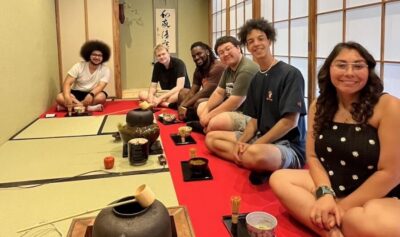
Browse the lists this tour appears in