
Reviewed · CASTLES AND HISTORIC SITES
Kyoto: Kendo and Samurai Experience with Uniform and Gear
Samurai training feels surprisingly personal here. This two-hour workshop takes you into a 120-year-old Kyoto machiya, where you put on traditional training clothes, learn basic sword movements, and practice kendo under an English-speaking instructor. I especially like the mix of hands-on training and cultural explanation, plus the photos and videos that give you something better than a quick souvenir snapshot.
I also like that this is held in an actual dojo rather than a staged photo studio. Taka, also called Takato by some participants, is praised for his patience, humor, and clear English. The main consideration is comfort: the dojo can feel cold in winter, the route is in a residential area, and one visitor found the room somewhat dusty and worn.
In This Review
- Key Points Before You Book
- Entering the Old Kyoto Machiya
- Changing Into Kendo Clothing and Gear
- Learning the Samurai Background
- Practicing the First Sword Movements
- The Foam Sword Battle and Practice Sparring
- Photos and Videos in Samurai Dress
- What the Two Hours Feel Like
- Is the $103 Price Fair?
- Who Will Enjoy This Most?
- Booking Advice for a Smoother Visit
- Should You Book the Kyoto Samurai Experience?
- FAQ
- How long does the Kyoto kendo and samurai experience last?
- How much does the experience cost?
- Is the experience taught in English?
- Is kendo or martial arts experience required?
- What is included in the price?
- Are replica swords included?
- Where does the activity meet?
- Can children participate?
- Can I cancel for a refund?
- Is the activity held indoors?
Key Points Before You Book
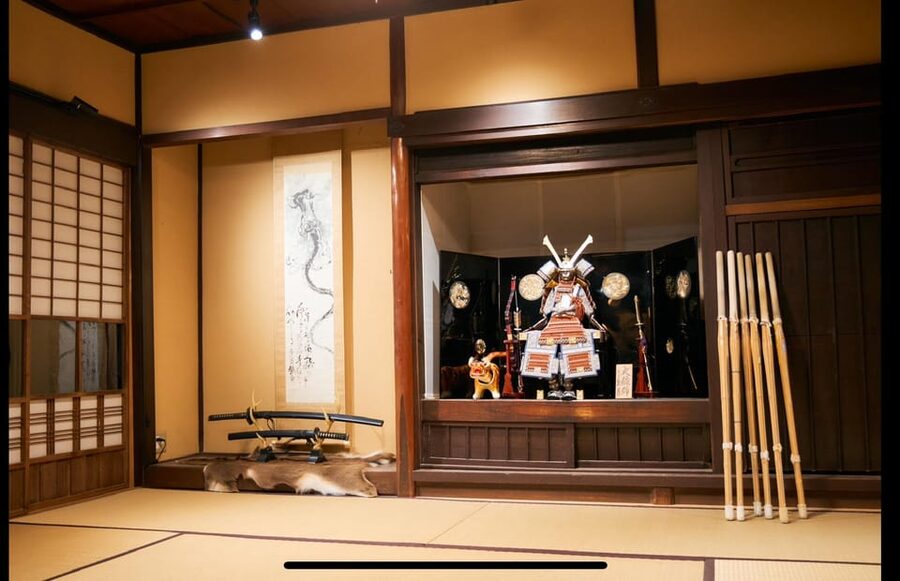
- Train inside an old Kyoto house: The setting is a traditional Japanese home over 100 years old, with a large gate and a genuine dojo atmosphere.
- Wear the full training outfit: Uniform, footwear, armor, and practice equipment are supplied, so you do not need to prepare anything.
- Learn more than sword poses: The lesson covers etiquette, sword handling, kendo basics, samurai culture, and Japanese history.
- Expect active practice: You may work with bamboo, foam, or replica training swords and take part in partner exercises or light sparring.
- Taka is a major part of the appeal: His friendly manner, strong English, patience, and humor help beginners feel at ease.
- Plan for a cool and slightly out-of-the-way venue: Warm socks and a base layer help in colder months, and a taxi from the station may save time.
Entering the Old Kyoto Machiya
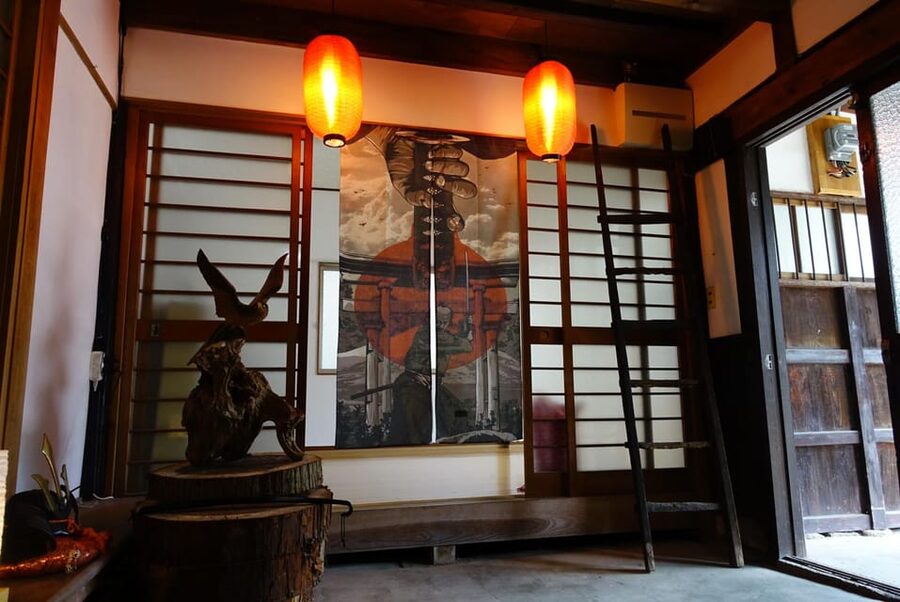
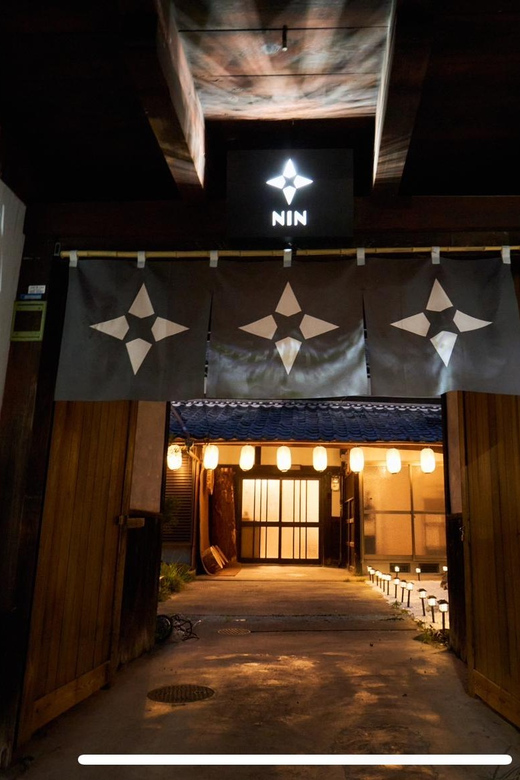
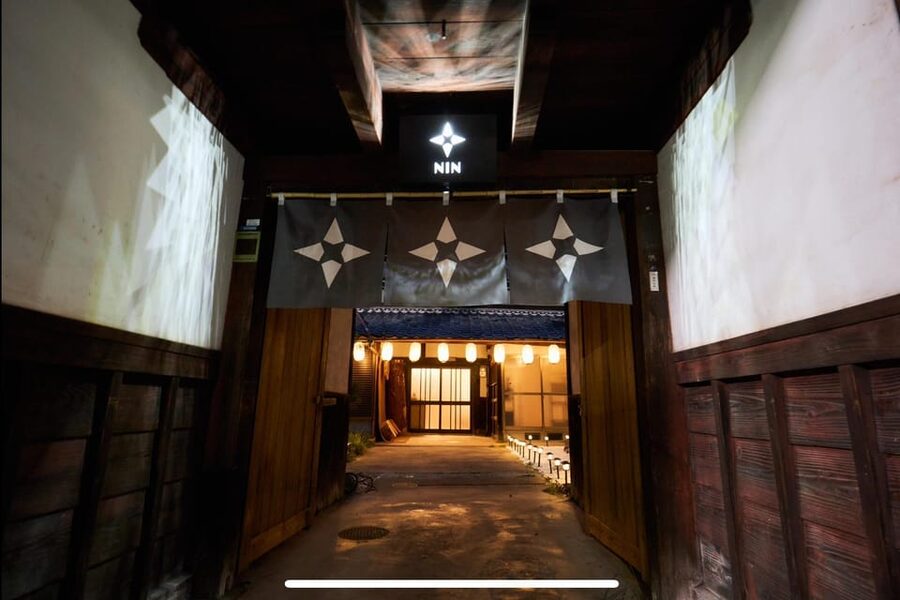
The meeting point is an old Japanese house marked by a large gate. This matters because the first few minutes already feel different from a standard costume activity. You are not simply handed a plastic sword and placed against a printed backdrop. You enter a traditional building, change clothes, and begin in a place connected to the visual world of old Kyoto.
The house is more than 100 years old, and the dojo setting gives the session a quiet sense of purpose. You might notice worn surfaces or a little dust, especially if you expect polished modern facilities. That is the tradeoff: the building feels genuinely old rather than newly designed to look old.
The location is in a residential area along a winding route. One useful tip is to allow extra time, since a late arrival can interrupt the lesson. If you are coming by train, taking a taxi from the station to the front gate may be easier than trying to find the house while watching the clock.
The exact station and travel time are not specified, so check the meeting instructions carefully before leaving your hotel. This is not the sort of appointment I would pair with a rushed temple visit on the other side of Kyoto.
More Castles and Historic Sites in Kyoto
- Kyoto Samurai Experience
★ 5.0 · 1,294 reviews - Kyoto: Nijo-jo Castle and Ninomaru Palace Guided Tour
★ 4.7 · 1,020 reviews - Kyoto: Nijo Castle, Kiyomizu & Fushimi Inari Guided Tour
★ 4.7 · 700 reviews
Changing Into Kendo Clothing and Gear
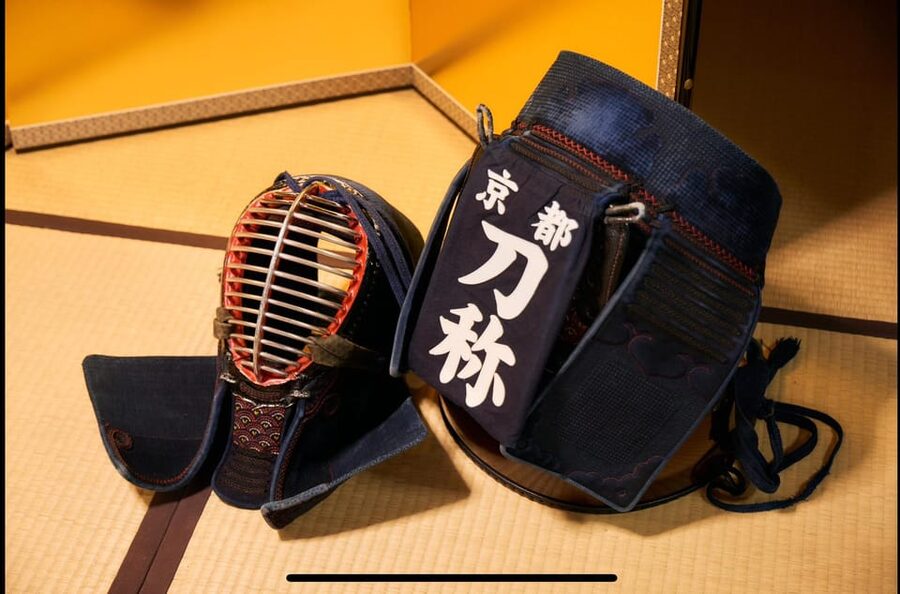
After arrival, you receive the clothing and equipment needed for the session. The package includes the uniform, shoes, gear, and instruction. You do not need to rent or bring your own practice kit.
Putting on the outfit is part of the lesson, not just a photo opportunity. The clothing changes how you stand and move, and it gives you a better sense of the care involved in traditional training. The instructor explains how the clothing, armor, and customs fit together.
Expect some help as you get dressed. The equipment can feel unfamiliar, especially if you have never worn kendo gear before. That is where Taka’s patient teaching style helps. He explains each step, checks that people are comfortable, and keeps the mood light without turning the activity into a comedy show.
The setting and clothing also make this a good choice for families and mixed-age groups, provided everyone is at least seven. One family found that the instructor gave extra assistance to a child who needed it, which suggests a considerate approach. Still, children under seven are not suitable for this activity.
Learning the Samurai Background
Before the practice becomes physical, the instructor gives you context about samurai culture, Japanese history, and the development of kendo. This section keeps the swords from becoming empty props. You learn that the activity is tied to etiquette, discipline, posture, and mindset, not only striking an opponent.
The explanations are delivered in English. Taka is repeatedly praised for speaking clearly and answering questions with warmth and patience. His background includes more than 50 years of kendo practice, and the owner of the studio is described as having a family line connected to samurai-era traditions.
You should treat those family and heritage details as part of the studio’s story rather than as a formal museum presentation. The session is practical and lively, not an academic lecture. That balance works well for a two-hour activity. You get enough background to understand what you are doing, then move on before the history lesson becomes heavy.
The best part is the connection between manners and movement. A bow, a correct grip, or a controlled step has more meaning once you understand the respect built into kendo. This is also why the workshop feels more substantial than simply dressing up as a samurai.
Practicing the First Sword Movements
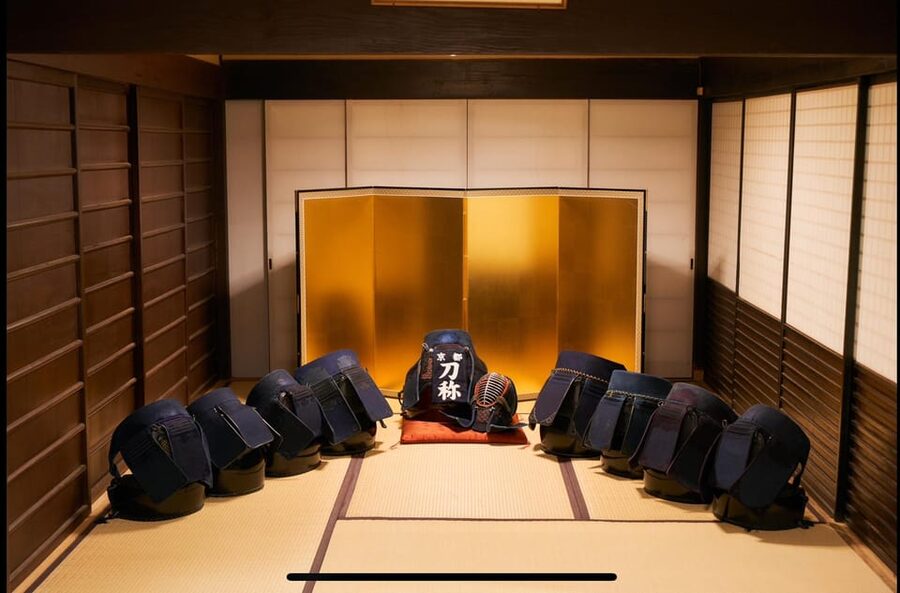
The training begins with basic handling. You learn how to hold the sword, stand correctly, position your body, and make controlled movements. Depending on the exercise, the equipment may include bamboo swords, foam swords, or refined replica blades.
Safety comes first. The instructor explains how to use the equipment and demonstrates each movement before you try it. No previous kendo experience is required, and the pace is designed for beginners.
Do not expect a full martial arts course in two hours. You are learning an introduction, not earning a rank or mastering a complete fighting system. The value lies in trying the movements under proper guidance and feeling how much attention even a simple strike requires.
The lesson may include strikes, blocks, footwork, and partner practice. Several participants particularly enjoyed the chance to practice with another person rather than only copying the instructor. That partner work gives the class energy and helps you remember the techniques.
You may also learn how a sword should be handled with care and respect. That point is important because the experience uses the image of the katana while keeping the activity suitable for visitors with no martial arts background.
A completely different kind of day out:
- PERFECT KYOTO 1-Day Bus Tour
★ 5.0 · 13,518 reviews - [Kyoto & Nara Day Tour] Sagano Scenic Railway & Nara Park & Fushimi Inari Taisha Thousand Torii Gates & Togetsukyo Bridge & Bamboo Grove & Kimono Forest (Departing from Osaka)
★ 4.9 · 10,942 reviews - Kyoto: Fushimi Inari, Kinkakuji, Bamboo Grove 1 Day Bus Tour
★ 4.8 · 4,316 reviews - Kyoto: Tea Ceremony in a Traditional Tea House in Kiyomizu
★ 4.9 · 3,519 reviews
The Foam Sword Battle and Practice Sparring
The most playful part often comes near the end, when the group uses foam swords for a light battle or competition. Some sessions also include partner sparring with kendo equipment. This is not a real combat lesson, but it gives you a chance to use the stance and movements you have just learned.
The activity is structured and supervised. The instructor demonstrates what to do, keeps an eye on the group, and makes sure people are included. That combination lets you enjoy the silly side of the experience without losing the sense of discipline.
If you are booking because you want to cut tatami mats with a sharp katana, adjust your expectations. Tatami cutting is no longer part of the activity because it is illegal. A few people wished they could slice something, but that is not what this workshop offers.
Instead, you get controlled practice, foam-sword sparring, and an introduction to kendo technique. I think that is a sensible choice for a short tourist activity. It reduces risk and keeps the focus on learning rather than spectacle.
The sparring also makes the session appealing for teenagers, couples, friends, and solo visitors. You do not need to arrive with a group. The instructor’s humor helps strangers relax and participate together.
Photos and Videos in Samurai Dress
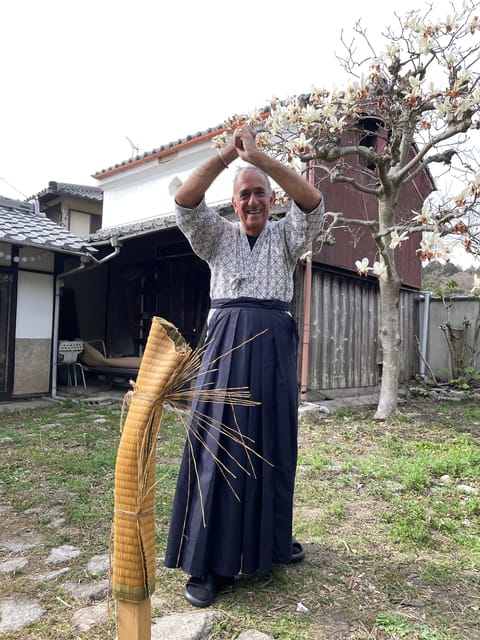
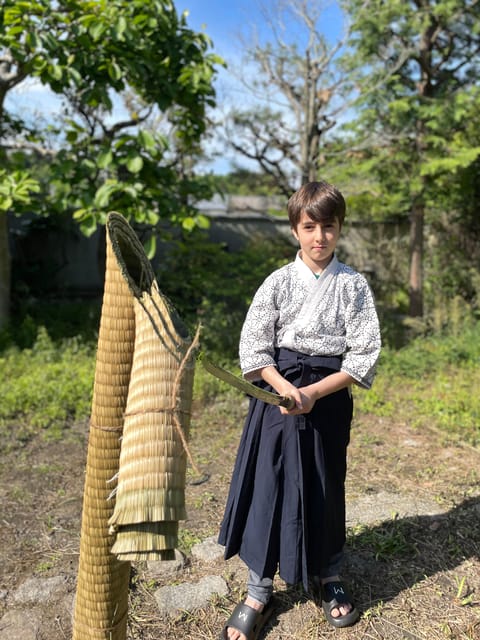
The photo and video portion gives you time to pose in the uniform and gear. The instructor helps record memories, including samurai-style images that can make a more distinctive addition to your Kyoto album.
This part is useful because you are already dressed and inside a rare setting. A photograph in a traditional dojo has more character than a quick costume picture in a modern room. In winter, snow in the courtyard has even created a dramatic backdrop for some sessions.
The photos are an extra memory rather than the main event. You should book this for the training and cultural content first, then see the images as a bonus. If you mainly want polished professional photography, the information does not promise a separate photographer or formal studio package.
What the Two Hours Feel Like

The activity is short enough to fit into a busy Kyoto schedule, but it is active enough that you should not treat it as a passive talk. A typical flow includes arrival and changing, a safety and etiquette briefing, historical background, sword-handling instruction, technique practice, partner work or sparring, and photos.
The pace appears to be one of its strengths. The instructor explains enough to make the movements meaningful, then gets you practicing. People who have never touched a kendo sword can take part, while those already interested in samurai culture have room to ask questions.
Because the venue is a real dojo, the room may not have the polished finish of a luxury attraction. It may also be chilly, particularly in colder months, and some practice takes place outside. Wear a warm base layer and good socks if you visit from late autumn through winter.
Comfortable clothing underneath the uniform is sensible, though the supplied gear covers the main needs. Alcohol and drugs are not allowed, and the activity is not suitable for children under seven.
Is the $103 Price Fair?
At $103 per person, this is not a bargain-bin Kyoto activity. The price makes more sense when you count what is included: English instruction, uniform rental, shoes, equipment, gear, cultural background, active practice, and photos or videos.
You are also paying for access to a historic house and dojo. A cheaper costume session might provide a quick change of clothes and a few poses, but it may not include structured kendo practice or extended instruction. Here, the lesson gives you something to do with the costume.
Value depends on your interests. If you want a low-cost way to see temples, spend the money elsewhere. If you want an interactive cultural activity and have a serious interest in samurai traditions, the two hours provide a fair amount of content.
Replica swords are not included as a purchase. They may be available separately, so ask the instructor if owning one matters to you. Do not assume that the included equipment is yours to take home.
The near-perfect 4.9 rating from 815 reviews supports the idea that the activity delivers what it promises. The praise focuses especially on the instructor, the chance to practice, the historic setting, and the balance of fun with education.
Who Will Enjoy This Most?
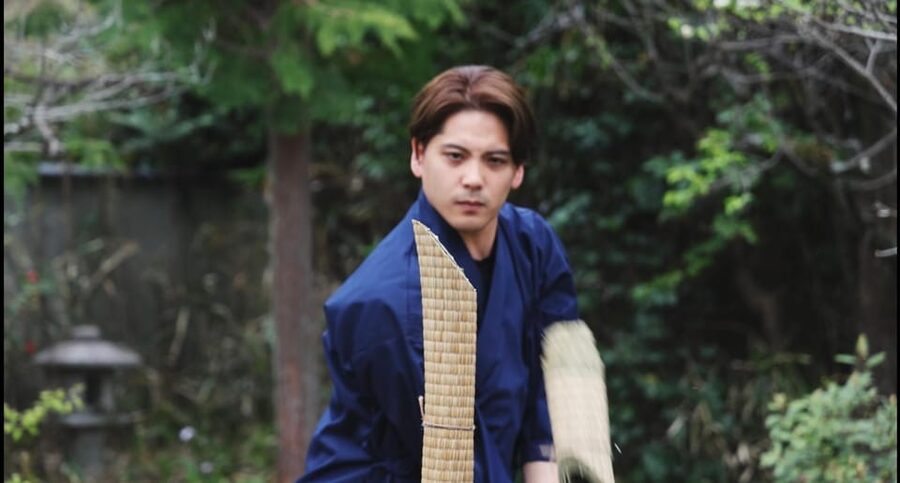
I would recommend this to adults, older children, couples, families, and solo visitors who want to do something active in Kyoto. It is also a strong choice for anyone who has already seen several temples and wants a cultural activity that involves the body as well as the mind.
You do not need martial arts experience. You do need to be willing to listen, wear unfamiliar equipment, follow safety instructions, and take part with other people.
It is particularly good for:
- First-time visitors curious about samurai culture
- Families with children aged seven and older
- Solo visitors who want a social activity
- Fans of Japanese history, kendo, or martial arts
- People who want photos with real cultural setting and context
- Anyone looking for a break from shrine and temple sightseeing
I would not choose it if your main aim is sharp-sword cutting, a formal martial arts qualification, or a luxury facility. The old dojo is atmospheric, but it may feel plain, cool, and slightly worn.
Booking Advice for a Smoother Visit
Allow plenty of time to reach the gate. The route can wind through a residential neighborhood, and arriving late may disrupt the class. A taxi from the station is a practical choice if you are unsure of the walking route.
Wear a warm layer and socks during colder months. Practice can take place outside, and the dojo may feel chilly. In warm weather, you will still be wearing training clothes and equipment, so expect a physical session rather than a quiet indoor demonstration.
The class is taught in English, which is a major advantage if you want historical explanations and safety instructions without relying on gestures. Taka’s clear communication and friendly manner are a big part of why beginners tend to feel comfortable.
You can cancel up to 24 hours in advance for a full refund, and the reserve-now, pay-later option lets you keep your plans flexible. Check available start times before booking, since the supplied information does not list a fixed daily schedule.
Should You Book the Kyoto Samurai Experience?
Book it if you want real participation instead of a staged show. You will wear the gear, learn basic kendo movements, hear about samurai customs, practice with safe swords, and take part in a supervised partner exercise or foam-sword battle.
The main drawbacks are the price, the out-of-the-way location, and the rustic condition of the old dojo. You will not cut tatami, and the activity is an introduction rather than advanced sword training.
For most visitors interested in Japanese culture, those limits are easy to accept. The combination of an old Kyoto building, thoughtful instruction, active practice, and memorable photos makes this one of the better choices for a hands-on afternoon.
FAQ
How long does the Kyoto kendo and samurai experience last?
The activity lasts two hours.
How much does the experience cost?
The listed price is $103 per person.
Is the experience taught in English?
Yes. The instructor language is English.
Is kendo or martial arts experience required?
No prior experience is required. The instructor teaches the basic sword-handling movements, posture, footwork, and safety procedures.
What is included in the price?
Instruction, uniform rental, equipment rental, shoe rental, and gear rental are included.
Are replica swords included?
Replica swords are not included. They may be available for purchase separately.
Where does the activity meet?
The meeting point is an old Japanese house with a large gate.
Can children participate?
Children under seven are not suitable for the activity. Children aged seven and older may participate, subject to the activity’s requirements.
Can I cancel for a refund?
Yes. You can cancel up to 24 hours in advance for a full refund.
Is the activity held indoors?
The experience takes place in a traditional dojo inside an old Japanese house, and some practice may take place outside. The dojo can be chilly in colder months.
Just added in Kyoto
- The “Golden Route” and Ancient Japan by DIAMIR Erlebnisreisen – 14-Day Tour★ 2.0 · 2 reviews
- Japan: Castles & Cuisine by G Adventures – 6-Day Kyoto to Osaka Tour★ 4.5 · 4 reviews
- Cycle Japan by Explore! – 13-Day Kyoto to Tokyo Tour★ 4.7 · 12 reviews
- Cycle Japan by Intrepid Travel – 11-Day Kyoto to Tokyo Tour★ 4.8 · 2 reviews
- Classic Japan by Intrepid Travel – 11-Day Kyoto to Tokyo Tour★ 4.4 · 14 reviews
- Ancient & Modern Japan 14-Day Tour by Exodus Adventure Travels★ 4.4 · 40 reviews
- 5 Day Cultural Adventure of Kyoto, Nara & Osaka by Tourist Journey★ 2.5 · 2 reviews
- 12 Days Kinosaki Onsen Escape: A Journey Through Japan’s Timeless Towns by UME Travel★ 4.8 · 5 reviews
Castles and Historic Sites, compared.

Imperial Palace and Shogun Historical Walking Tour
Read our review →
Tokyo Castle & Imperial PalaceーShogun Walking Tour
Read our review →
Nijo-jo Castle and Ninomaru Palace Guided Tour
Read our review →
Samurai Ninja Museum Guided tour and Experience
Read our review →Browse the lists this tour appears in