
Reviewed · CASTLES AND HISTORIC SITES
Tokyo: Samurai Restaurant Show Ticket with 2 Drinks
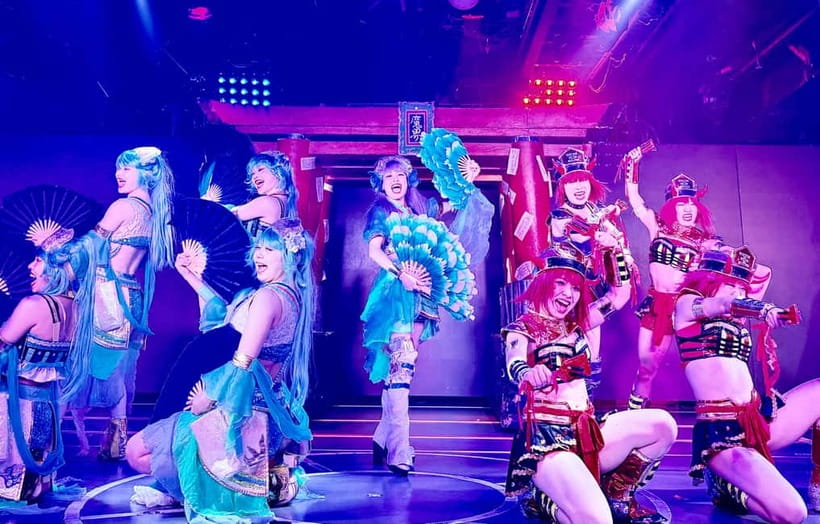
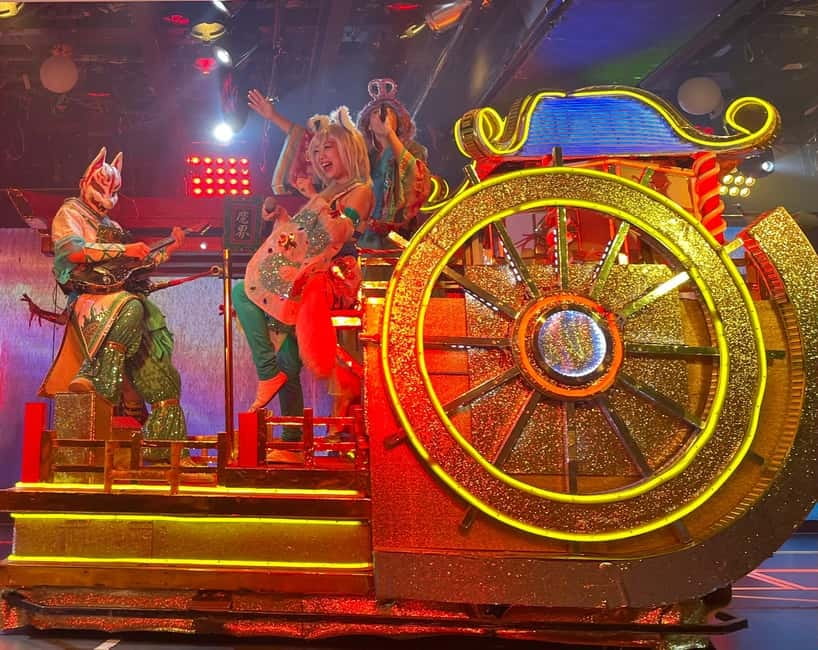
Tokyo does not do ordinary dinner theater. In Kabukicho, the Samurai Restaurant Show turns samurai, ninjas, dancers, costumes, music, and neon into one loud, colorful blast of entertainment. I like the elaborate interior and the sheer enthusiasm of the performers. I also like that the ticket includes two alcoholic or non-alcoholic drinks, which helps make the $55 price feel fair.
The main thing to consider is the volume. The stage is close, the music can be extremely loud, and the show leans toward sensory overload rather than a clear story. Short pauses between acts are part of the format, and the venue serves snack food rather than a full meal. Children under 18 cannot enter.
In This Review
- Key things to know before you book
- Kabukicho is part of the show
- Inside the restaurant: the first visual hit
- The performance: samurai, ninjas, and neon
- Why the two drinks matter to the price
- The rhythm of the evening
- The sound, lighting, and sensory overload
- Food, drinks, and planning your meal
- Who will enjoy this show most?
- Timing, late arrival, and practical rules
- Is $55 good value?
- Should you book the Samurai Restaurant Show?
- FAQ
- Where is the Samurai Restaurant Show located?
- How long does the experience last?
- What does the $55 ticket include?
- Is food included?
- Can children attend?
- What identification do I need?
- What happens if I arrive late?
- Can I bring a professional camera?
- Can I cancel the booking?
Key things to know before you book
- Kabukicho setting: The restaurant sits in Shinjuku’s famous entertainment district, a lively area that feels very different from Tokyo’s temples and quiet gardens.
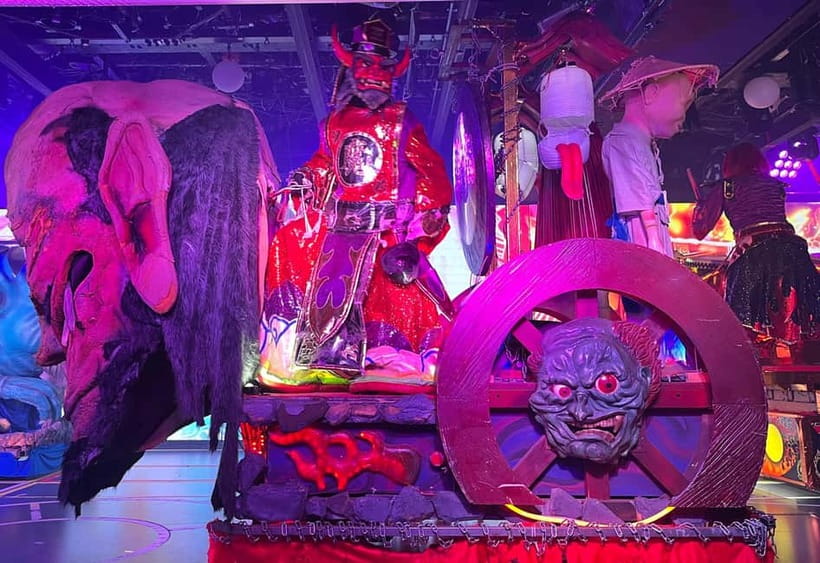
- Samurai and ninja spectacle: Expect dancers, performers, elaborate costumes, neon lighting, sound effects, and fast-paced stage scenes.
- Two included drinks: Choose two alcoholic or non-alcoholic drinks, with extra food and beverages available for purchase.
- Very loud production: The close stage and powerful music can be intense, so ask for earplugs if you need them.
- Adults only: You must be at least 18, and you need a passport or ID card. A copy is accepted.
- Flexible booking: Cancellation is free up to 24 hours before the show, and you can reserve now and pay later.
Kabukicho is part of the show
The Samurai Restaurant is in Kabukicho, at the heart of Shinjuku. That location matters. You are not arriving at a quiet cultural hall with polished wood and formal silence. You are entering one of Tokyo’s best-known nightlife districts, where bright signs, narrow streets, entertainment venues, and late-night energy set the mood before the performance even begins.
For some people, this is exactly the point. The show presents a modern, exaggerated version of Japan, and Kabukicho provides the right surroundings. You get historical samurai imagery filtered through neon lights, loud music, pop-stage choreography, and a theatrical sense of excess.
If you prefer traditional Japanese theater in a calm setting, this will not be that. If you want a playful night out that mixes old symbols with modern Tokyo style, the location fits perfectly.
The meeting point is simple: go to the reception inside the entrance of Samurai Restaurant. Hotel pickup and drop-off are not included, so you make your own way there and should allow enough time to find the entrance in the busy Shinjuku area.
More Castles and Historic Sites in Japan:
- Osaka Castle Ticket
★ 4.7 · 12,450 reviews - Osaka Castle: Museum and Tower Entry Ticket
★ 4.5 · 2,380 reviews - Tokyo: Imperial Palace and Shogun Historical Walking Tour
★ 5.0 · 2,251 reviews
Inside the restaurant: the first visual hit
Give yourself time to look around before the show begins. The interior is one of the main attractions, with elaborate decoration built at a reported cost of more than 10 billion yen. That figure tells you something about the tone: this is not a modest stage with a few props.
The room is designed to impress. Expect a setting full of theatrical detail, bold decoration, and the kind of visual excess that makes even waiting for the show feel like part of the event. The interior prepares you for what follows, where nearly every element is bigger, brighter, and louder than expected.
The space also helps explain the frequent pauses between scenes. The stage is relatively small and needs time for changes in decor and presentation. These breaks can interrupt the momentum, but they also give you time to enjoy your drinks, look at the room, and settle in.
You may find snacks such as popcorn and other light foods available for purchase. The food offering is not intended to replace dinner, so I would plan to eat before or after the performance. Some food has been praised as tasty, but the selection is limited compared with a full restaurant meal.
The performance: samurai, ninjas, and neon
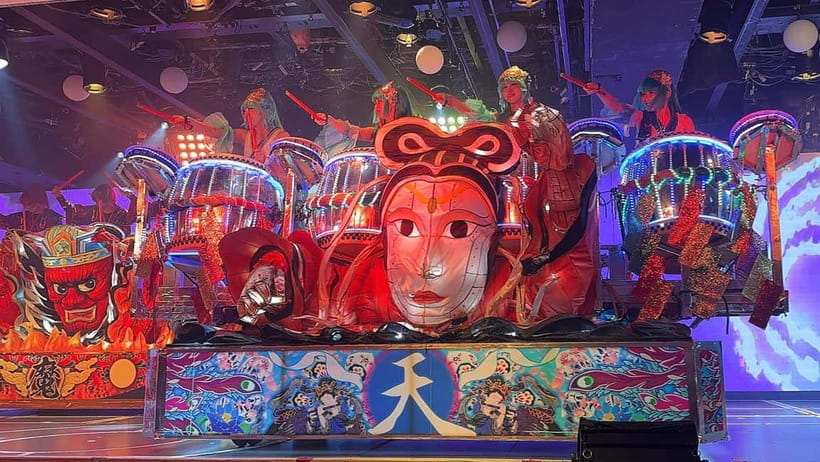
The central show brings together samurai, ninjas, dancers, music, lighting, and sound. The production is less about following a detailed plot and more about the total effect. You are there for the movement, costumes, rhythm, colors, and the constant push of energy from the stage.
The performers work close to the audience, which makes the action feel immediate. You can see the costumes and choreography clearly, but that proximity also makes the sound more intense. The music is a major part of the experience, and several scenes use a quick pace and strong volume.
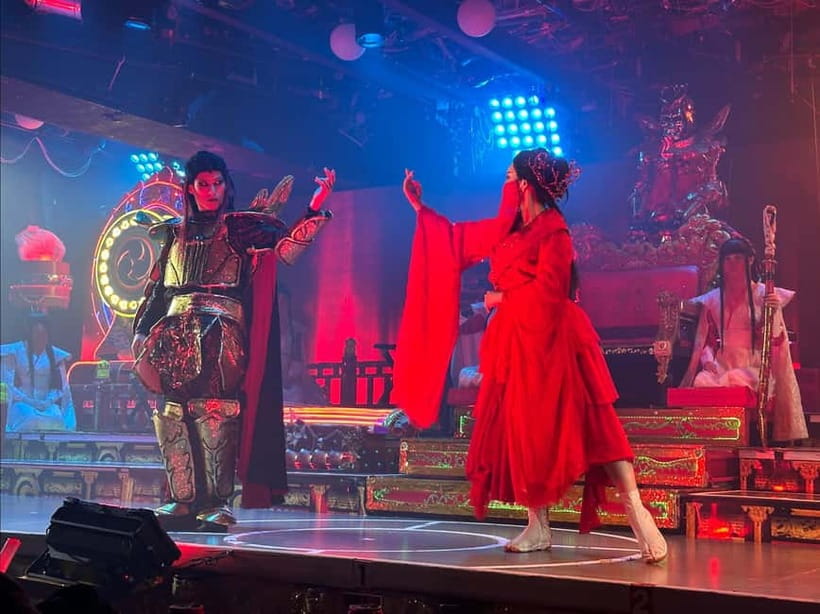
The acts can feel disconnected at times. You might not always know what the story is about, and some scenes may seem to exist mainly to create a striking visual moment. That is not necessarily a flaw. This show works best when you stop expecting a carefully explained historical drama and accept it as a theatrical collage.
The dancing and singing receive especially strong praise. The performers bring a great deal of energy and charisma, and the show keeps changing its visual style. One moment may focus on samurai action, while another shifts toward dance, music, or a colorful stage image.
The final Kabuki-style performance has been a highlight for some people, particularly after the earlier acts and pauses. It gives the production a clearer connection to traditional Japanese stage arts, though the overall presentation remains modern and highly stylized.
Why the two drinks matter to the price
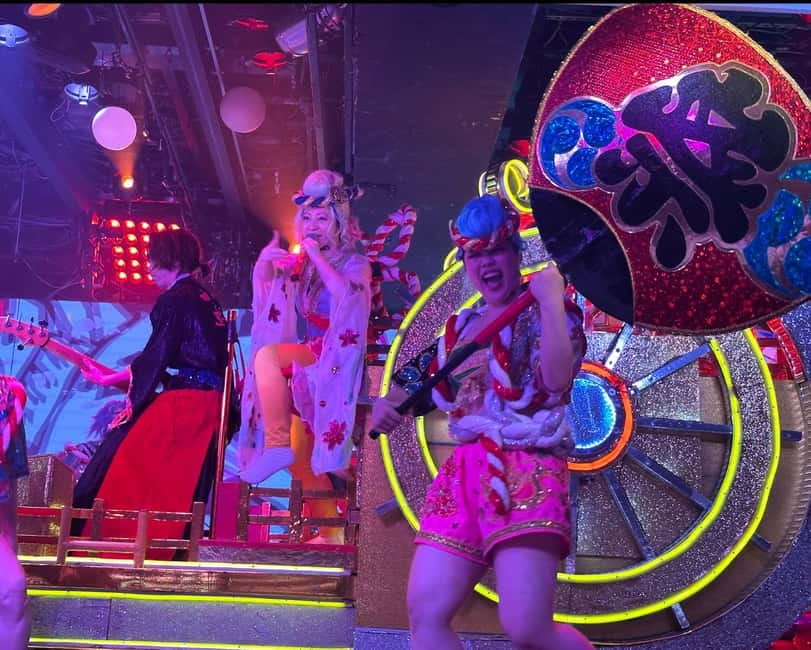
At $55 per person, this is not a cheap drop-in attraction. Still, the price includes the show and two alcoholic or non-alcoholic drinks, which makes the value better than the ticket price alone suggests.
You are paying for a full production, a decorated venue, live performers, and a 90-minute experience. The provided information also describes the ticket as a two-hour samurai show ticket, while the activity duration is listed as 90 minutes. Because those times do not match, check the selected start time and current booking details before you go.
The drinks are useful during the intermissions. They give the pauses a purpose and help the experience feel like an evening out rather than a simple stage performance. You can choose non-alcoholic drinks, so you do not need to drink alcohol to enjoy the format.
Extra food and drinks are not included. If you are hungry, buy a small snack inside or arrange a proper meal afterward. The included drinks improve the value, but they do not turn the ticket into a dinner package.
A few more options to weigh up in Japan
- Tokyo Bar Hopping Tour in Shinjuku (All-You-Can-Drink + Dinner)
★ 5.0 · 3,587 reviews - Tokyo: Sumo Show and Dining Experience
★ 4.8 · 2,742 reviews - Deep Backstreet Osaka Tours (Option to add Dinner)
★ 5.0 · 1,290 reviews - Osaka: Deep Backstreets Walking Tour with Dinner Option
★ 4.9 · 902 reviews
The rhythm of the evening
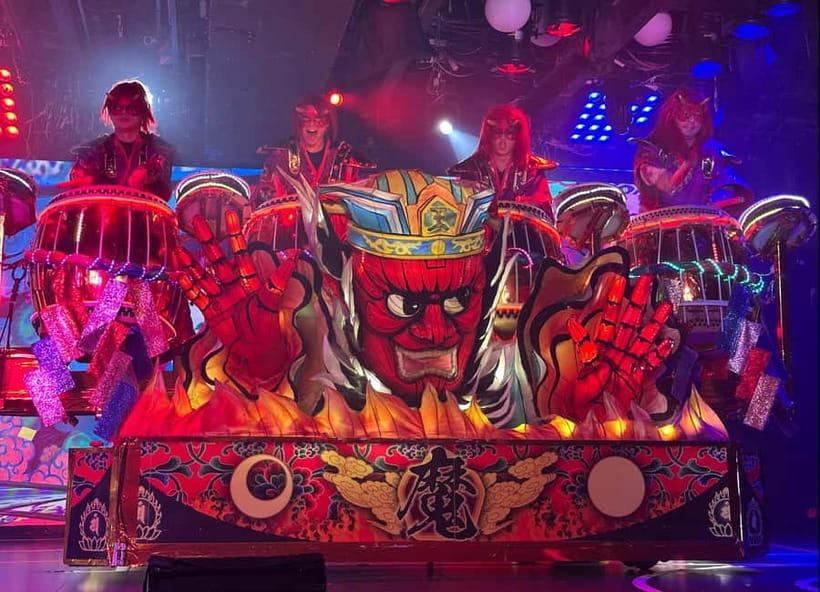
The show is made up of performance sections separated by short breaks. Those breaks allow the staff to change parts of the stage and give you time to drink or order snacks. They also reduce the pressure of sitting through nonstop loud music for the entire performance.
Some people enjoy this rhythm because it lets them reset between acts. Others may find the pauses longer than expected, especially if they want a continuous story. I would treat the intermissions as part of the design rather than a mistake, but you should know that the show is not one uninterrupted sequence.
Staff members play an active role in keeping the room engaged. English-speaking hosts and greeters help make the experience easy for international visitors, and staff have been praised for being friendly and helpful. One named staff member, Kushiro, was specifically appreciated for speaking excellent English and keeping the crowd involved during the intermission periods.
Another visitor praised a guide named Shahid, but that comment appears to describe a separate Mount Fuji experience rather than the Samurai Restaurant show. It should not be used as a promise about this performance. The relevant point here is that English support is provided at the restaurant, with an English-speaking host or greeter listed for the activity.
The sound, lighting, and sensory overload
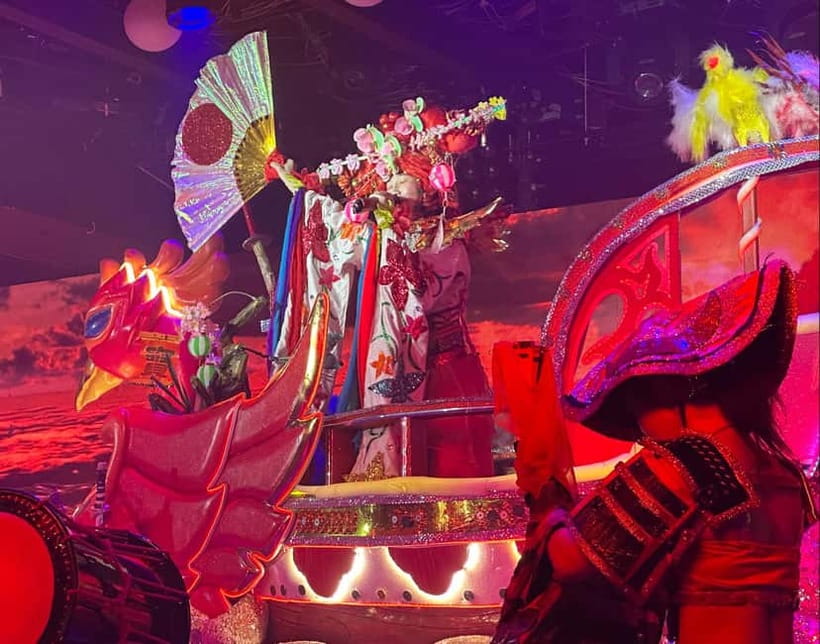
The show’s strongest feature can also be its biggest drawback. Lighting, music, costumes, movement, and stage effects arrive in quick succession. Many people love the result because it feels unlike a standard theater performance.
The volume deserves serious attention. The stage is close, and the music can be extremely loud. If you are sensitive to sound, bring earplugs or ask the staff whether they have some available. This is especially important because the performance is designed to make you feel surrounded by the action.
The lighting is also intense. One visitor described the production as psychedelic and warned that it may not suit people with epilepsy. The provided rules do not give a medical warning, so anyone with a light-sensitive condition should use personal judgment and contact the venue before booking if needed.
Sunglasses are not allowed, and professional cameras are prohibited. A phone may be useful for permitted snapshots, but do not assume you can film freely. The show is built for watching rather than photographing, and professional camera equipment is specifically not allowed.
Food, drinks, and planning your meal
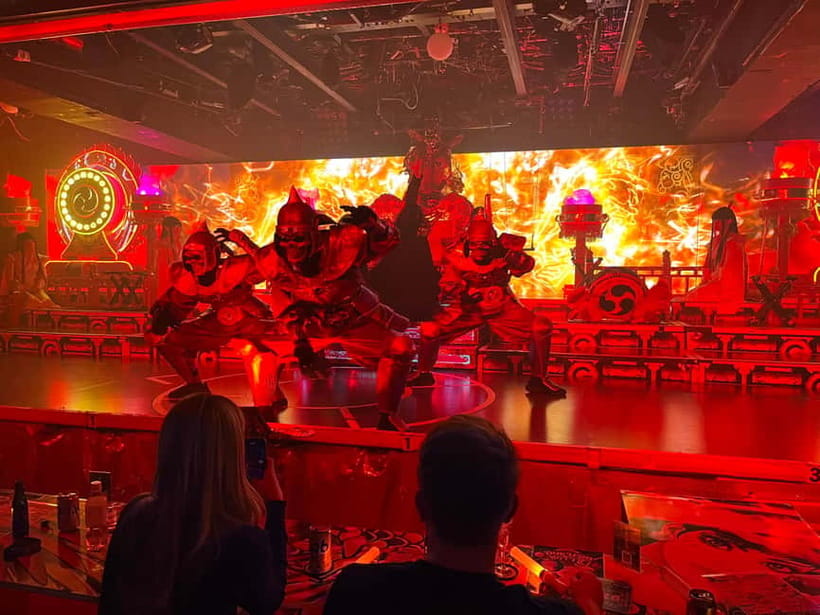
The ticket includes two drinks, but no meal. Snack choices may include popcorn and similar light items, and some visitors have enjoyed the food. Still, several comments point to the same practical conclusion: plan to eat afterward if you want a proper meal.
This is easy to do because Kabukicho and Shinjuku offer many places to continue your evening, though the experience data does not identify specific restaurants. The sensible plan is to arrive fed, enjoy the show with your drinks, then choose dinner after.
You are not allowed to bring outside food or drinks into the restaurant. Avoid arriving intoxicated. Drunk customers can be refused entry, and alcohol is not a reason to ignore the venue rules.
Who will enjoy this show most?
I would recommend it to adults who want a colorful, unusual night in Tokyo. It works especially well for groups, couples, and first-time visitors who want one memorable activity that feels very different from a temple visit, city viewpoint, or museum.
You should book it if you enjoy:
- Loud music and fast stage action
- Elaborate costumes and theatrical lighting
- Modern entertainment built around Japanese cultural imagery
- Short, high-energy performances rather than a long serious drama
- A social night out with drinks and snacks
- Unusual attractions that are hard to compare with anything at home
You may want to skip it if you dislike strong noise, flashing lights, theatrical excess, or unclear storylines. The show is not a quiet introduction to samurai history, and it does not aim for historical precision. It is entertainment first.
The adults-only rule also matters. Children under 18 cannot enter, even if they would otherwise enjoy the costumes and action. Everyone in your party should bring a passport or ID card, and a copy is accepted.
Timing, late arrival, and practical rules
The listed activity duration is 90 minutes, but the included ticket description says two hours. Check the current schedule carefully so you know how much time to allow. Starting times vary, and availability needs to be checked for your chosen date.
Arrive on time. If you miss the show time, you may have to wait until the intermission before staff can seat you. That can mean missing the opening act, so allow extra time to locate the entrance and complete reception procedures.
The main restrictions are straightforward:
- No sunglasses
- No outside food or drinks
- No intoxication
- No professional cameras
- No costumes or cosplay
- No entry for anyone under 18
The ban on costumes may surprise some visitors because the performance itself is costume-heavy. The rule applies to audience members, so attend in normal clothing rather than dressing as a samurai, ninja, or another character.
Is $55 good value?
The answer depends on what kind of night you want. For a quiet cultural performance, I would compare this price with more traditional theater options. For a high-energy Kabukicho attraction that includes two drinks and a carefully designed venue, $55 is reasonable.
The value comes from the combination of elements. You are not paying only for dancers. You get the setting, the lights, the costumes, the music, the performers, the English support, and the social atmosphere. The production’s scale helps justify the cost, even though the show has pauses and the food is limited.
A score of 4.5 out of 5 from 1,307 ratings suggests that the experience delivers what its audience expects. The repeated praise focuses on the performers’ energy, the colorful production, friendly staff, and the feeling of seeing something genuinely unusual in Tokyo.
I would not book it expecting a refined or historically exact account of the samurai. I would book it expecting a memorable burst of Tokyo theater with two drinks in hand.
Should you book the Samurai Restaurant Show?
Yes, if you want Tokyo at its most theatrical. The Samurai Restaurant Show is loud, colorful, playful, and intentionally excessive. Its best qualities are the energetic performers, close stage, wild costumes, neon production, and friendly service.
Book with realistic expectations. Eat before or after, bring ID, arrive early, and consider earplugs. If flashing lights or very loud music are a problem for you, choose a calmer activity instead.
For an adult group with one free evening in Shinjuku, this is a strong pick. It may not explain Japan’s samurai past, but it offers a memorable modern fantasy built from samurai and ninja imagery. That is exactly why many people leave smiling.
FAQ
Where is the Samurai Restaurant Show located?
It is located in Kabukicho, Shinjuku, in Tokyo on Honshu, Japan.
How long does the experience last?
The activity duration is listed as 90 minutes. The included ticket description refers to a two-hour samurai show ticket, so check the current booking details for the exact timing.
What does the $55 ticket include?
The ticket includes entry to the samurai show and two alcoholic or non-alcoholic drinks of your choice.
Is food included?
No. Additional food and drinks are not included, though snacks may be available for purchase inside.
Can children attend?
No. Children under 18 cannot enter the Samurai Restaurant.
What identification do I need?
Bring a passport or ID card. A copy of your passport or ID is accepted.
What happens if I arrive late?
If you arrive after the show begins, you may need to wait until the intermission before being seated.
Can I bring a professional camera?
No. Professional cameras are not allowed. Sunglasses, outside food and drinks, costumes, and cosplay are also prohibited.
Can I cancel the booking?
Yes. You can cancel up to 24 hours in advance for a full refund. Reserve-now, pay-later booking is also available.
More Show in Japan
- Mt Fuji & Hakone Cruise, Drum Show Bullet Train 1 Day from Tokyo
★ 4.0 · 7,413 reviews - Tokyo: Sumo Show Experience with Chicken Hot Pot and a Photo
★ 4.8 · 6,678 reviews - Tokyo: Sumo Live Show with Photo in Shinjuku
★ 5.0 · 3,438 reviews - the SUMO show
★ 5.0 · 1,960 reviews
Just added in Japan
- Japanese Home Cooking Class & Walk in Todoroki Temple Tokyo★ 5.0 · 88 reviews
- A One-of-a-Kind Sushi Experience in a Special Place of Japan★ 5.0 · 15 reviews
- Tokyo Cute Bento Cooking Class – Make a Kawaii Character Lunchbox★ 5.0 · 126 reviews
- Japan Tokyo Tower Observatory Deck E-Ticket★ 4.0 · 34 reviews
- Catch a Baseball Game in Tokyo with a Local – Tickets Included★ 5.0 · 24 reviews
- JDM Experience with Fast&Furious RX-7 (English speaking Driver)★ 5.0 · 57 reviews
- Tokyo Private Day Tour by Car with English speaking Driver Guide★ 4.0 · 29 reviews
- Japan Classic 10 Day – One Life Adventures★ 5.0 · 129 reviews
Castles and Historic Sites, compared.
Imperial Palace and Shogun Historical Walking Tour
Read our review →
Tokyo Castle & Imperial PalaceーShogun Walking Tour
Read our review →
Nijo-jo Castle and Ninomaru Palace Guided Tour
Read our review →
Samurai Ninja Museum Guided tour and Experience
Read our review →
Browse the lists this tour appears in