
Reviewed · CASTLES AND HISTORIC SITES
Tokyo: Imperial Palace Japanese History Walking Tour
History comes alive behind palace walls. This $32 walking tour makes the Imperial Palace grounds easier to understand by linking the old Edo Castle to the Japan of emperors, samurai, and modern Tokyo. I like the friendly, interactive guides, especially Natsumi, Mika, Laki, and Alexandre, who explain the past in clear English and welcome questions.
I also like the peaceful route through the Eastern Gardens, with castle ruins, bamboo, royal koi fish, and trees presented to the emperor from across Japan. The main caution is physical: this is an outdoor walking tour in all weather, and it is not suitable for people with mobility, back, heart, or recent surgery concerns. Summer heat can be hard, although guides try to use shade when possible.
In This Review
- Key things to know before you book
- Why the Imperial Palace makes a good first Tokyo history stop
- Meeting your guide near Tokyo Station
- Passing through Otemon Gate
- Seeing the old castle through a miniature model
- Exploring samurai remains and palace grounds
- How the guides shape the experience
- The two-hour pace and physical effort
- What the $32 price really buys
- What you will not see
- Who should book this walk
- Should you book the Imperial Palace history tour?
- FAQ
- Where does the Imperial Palace walking tour begin?
- How do I identify the guide?
- Where does the tour finish?
- How long does the tour take?
- Is the Inner Palace included?
- What parts of the palace grounds will I see?
- What languages are available?
- Does the tour operate in bad weather?
- Can I cancel for a refund?
Key things to know before you book
- The tour connects Edo Castle to modern Japan: You learn how the shogun’s castle became an imperial palace and how political power shifted from the shogunate to the emperor.
- The Eastern Gardens offer more than palace views: Expect old stonework, castle remains, a miniature model, bamboo, koi fish, and trees from around Japan.
- Guides make the history accessible: The strongest guides, including Natsumi, Mika, Laki, Lucky, and Alexandre, use stories, questions, humor, and practical examples.
- The Inner Palace is not included: You explore the public Eastern Gardens, not the private palace area.
- The meeting point is simple but exact: Meet near the Starbucks by the fountain in Wadakuramon Fountain Park, close to Tokyo or Otemachi Station.
- Plan for weather: Wear suitable clothing, bring water and sun protection, and expect the tour to operate in rain or shine.
Why the Imperial Palace makes a good first Tokyo history stop
Tokyo can feel like a city built in layers. Glass towers, railway stations, old shrines, neon streets, and quiet gardens all sit close together. The Imperial Palace is one of the best places to see those layers in one walk.
The grounds occupy the former site of Edo Castle, the seat of the Tokugawa shoguns for more than 250 years. The castle itself is gone, but its stone walls, gates, moats, foundations, and layout still explain the scale of the old power center. A guide helps you read what remains instead of seeing only a pleasant park.
That context matters. Without it, you might admire the gardens and move on. With it, the stones become evidence of how the shogun controlled Japan, how society was organized, and how the country changed during the shift to imperial rule.
I especially like this tour for a first or second day in Tokyo. It gives you a basic timeline and a useful set of names: farmer, samurai, daimyo, and shogun. You do not need prior knowledge of Japanese history. The explanations are designed to build the story as you walk.
More Castles and Historic Sites in Tokyo
- Tokyo: Imperial Palace and Shogun Historical Walking Tour
★ 5.0 · 2,251 reviews - Tokyo Castle & Imperial PalaceーShogun Walking Tour
★ 4.7 · 1,068 reviews - Tokyo: Samurai Ninja Museum Guided tour and Experience
★ 4.6 · 1,010 reviews
Meeting your guide near Tokyo Station
The tour begins at Wadakuramon Fountain Park, a five to ten minute walk from Tokyo Station or Otemachi Station. The guide waits near the fountain, close to the Starbucks, holding a Sunrise Adventure sign.
That detail is useful in a busy city. Tokyo Station has several exits and a large underground network, so allow extra time to find your way outside. Do not simply aim for the palace on a map. Go first to the fountain park and look for the sign.
This is also a practical place to meet because Tokyo Station and Otemachi are well connected. If you arrive early, you can get a drink and gather yourself before walking into the palace grounds. The activity ends back at the same meeting point, which makes planning lunch or an afternoon visit easier.
Guides have also helped with small comforts. Casey appreciated a guide who handed out useful items during hot weather, and Stephanie noted that Mika provided mosquito spray. Those touches are not guaranteed on every departure, but they show the kind of practical care that can make an outdoor tour more pleasant.
Passing through Otemon Gate
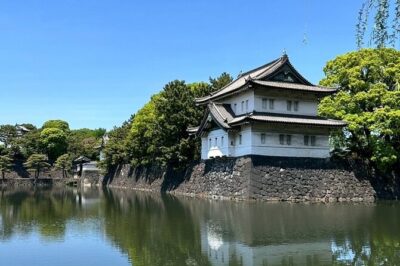
From the meeting point, the group walks toward Otemon Gate, one of the main entrances to the palace grounds. This is where the city gives way to a quieter setting of stone walls, trees, open paths, and old defensive structures.
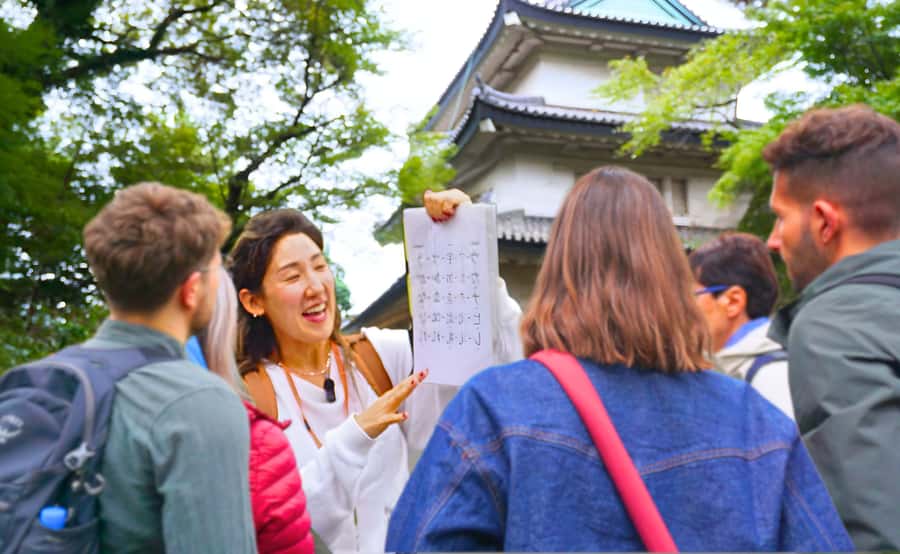
The gate is more than a photo stop. It begins the story of Edo Castle as a fortified seat of government. Your guide explains what the castle represented and why access, walls, gates, and controlled movement mattered in the shogun’s era.
I find guided interpretation most useful here because castle remains can be hard to read on your own. A wall may look like a wall, but its size, construction, and position tell you something about authority and defense. The guide gives those details a place in the larger story.
The tour also introduces the social order of the period. The old ranking system is explained through the roles of farmers, samurai, daimyo, and shogun. This makes the political structure easier to follow, especially if you have heard these words but never understood how they fit together.
Seeing the old castle through a miniature model
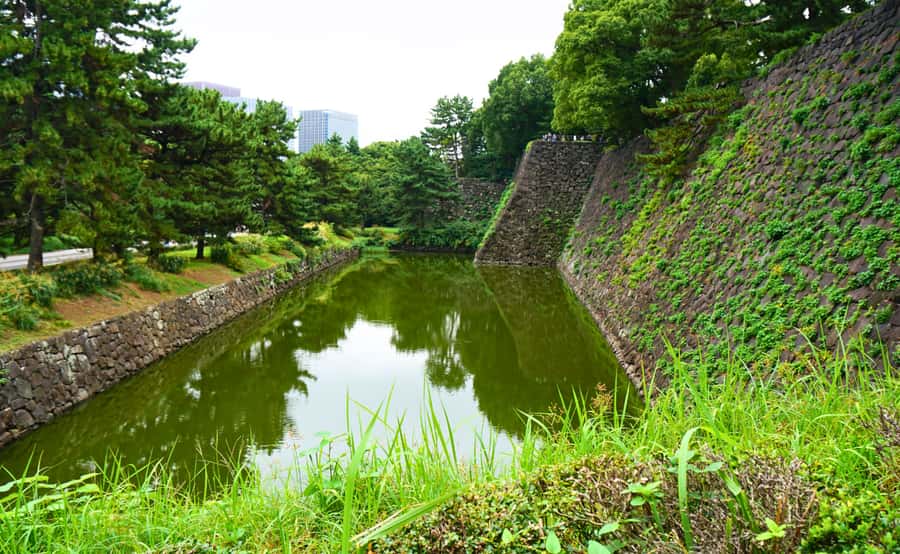
The original castle is no longer standing, but the tour does not pretend otherwise. Instead, you see a miniature model showing what Edo Castle looked like in the past.
This is one of the more useful stops because it fills in the missing picture. The remaining stones and foundations show fragments. The model lets you imagine the larger complex and understand that the present gardens occupy the site of a major castle city, not simply a royal residence.
Your guide then links that former castle to the Imperial Palace. The change from shogun’s stronghold to emperor’s palace is central to the tour. You get a clearer sense of the Edo to Meiji transition and how Japan’s political system changed.
Several guides have been praised for explaining this period in a lively way. Natsumi is particularly good at building a story around the Edo period, palace design, and the growth of Tokyo. Alexandre has also given longer historical introductions and answered detailed questions in both English and French settings.
The best part is that the information stays tied to places you can see. You are not sitting through a lecture in a room. You hear the explanation beside gates, ruins, gardens, and old defensive features.
More Walking Tours in Tokyo
- Tokyo Tsukiji Fish Market Food and Culture Walking Tour
★ 5.0 · 3,184 reviews - Tokyo: Shinjuku Local Bar and Izakaya Guided Walking Tour
★ 4.9 · 1,794 reviews - Tokyo: Tsukiji Fish Market Food and Walking tour
★ 5.0 · 1,724 reviews - Tokyo: Asakusa Walking Tour with Sensoji Temple Visit
★ 4.8 · 1,583 reviews
Exploring samurai remains and palace grounds
The walk includes an old samurai house and other reminders of the people who lived and worked around the castle. These stops help move the story beyond famous rulers.
A tour focused only on shoguns and emperors can make Japanese history seem like a procession of powerful men. The samurai house gives the period a more human scale. It helps you think about the officials, warriors, and households that supported the castle system.
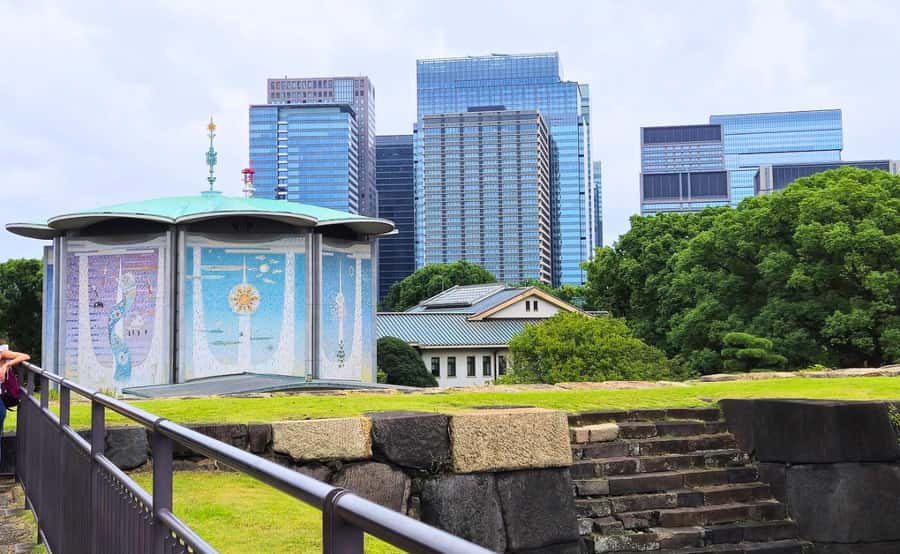
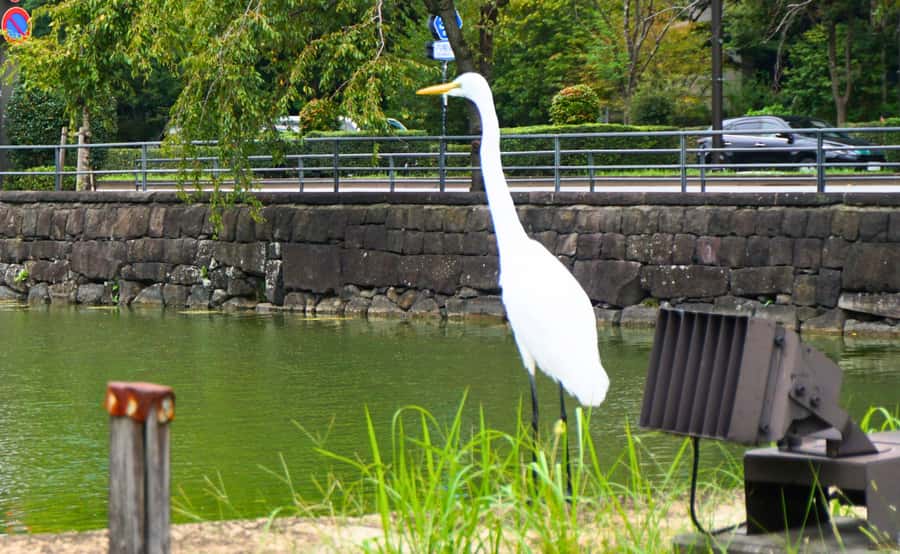
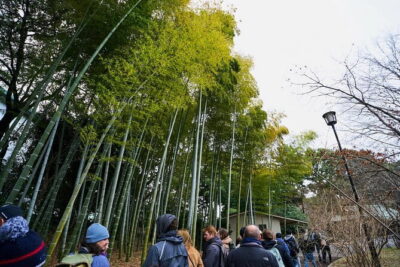
The gardens add a different mood. The grounds are calm, green, and spacious, with trees from different parts of Japan that were given to the emperor over the years. There is also a bamboo forest and a Japanese garden area with koi fish.
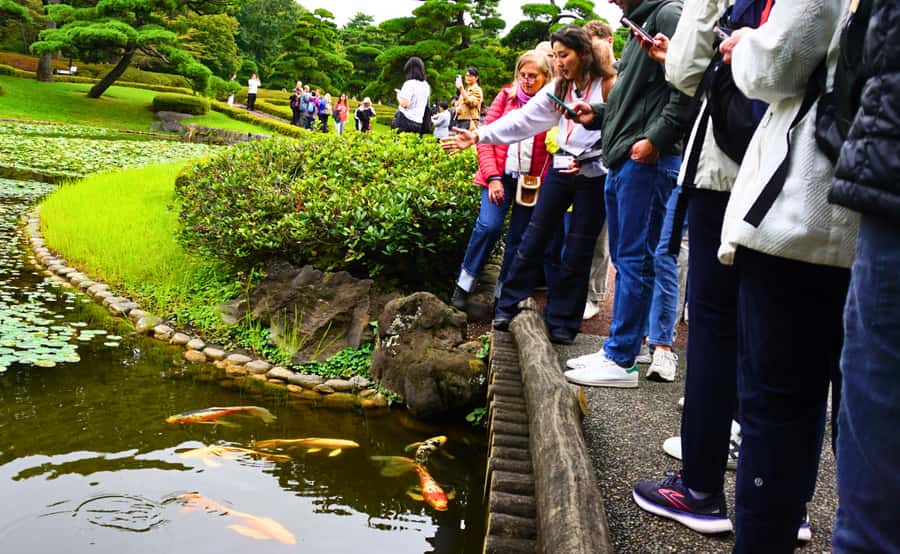
The koi are a favorite photo stop, but they are not just decoration. They help show how the palace grounds combine formal imperial space with carefully maintained nature. Bring a camera, but keep listening. The guide often adds small cultural details that make the setting more meaningful.
The route also offers good picture opportunities at the old walls, garden paths, bamboo, and water. Guides have helped with photographs, which is useful if you are traveling alone or want a group picture without handing your phone to a stranger.
How the guides shape the experience

The guide is the main reason this tour works. The site is attractive on its own, but the palace grounds are much easier to appreciate when someone explains the symbols, power structure, and changes over time.
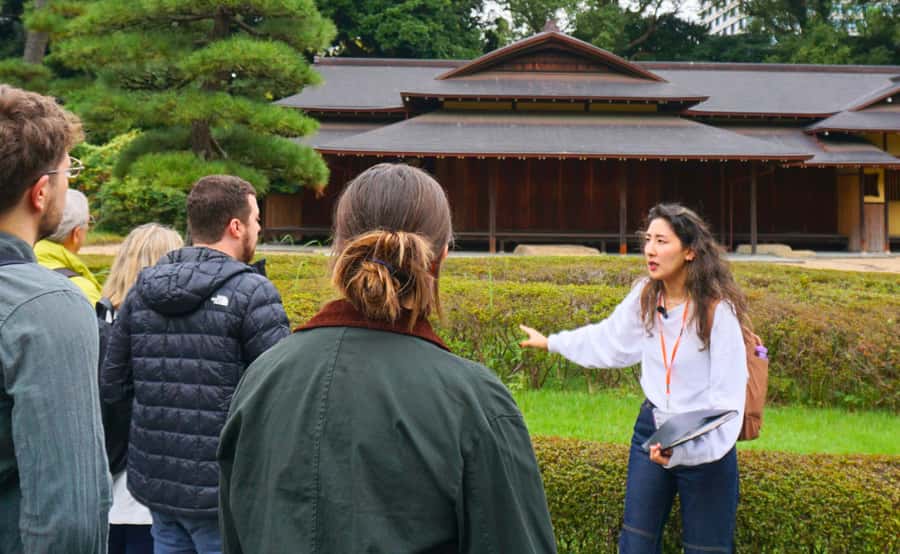
The strongest feedback centers on clear storytelling and personal attention. Natsumi is frequently praised for her explanations, friendly manner, restaurant advice, and ability to answer questions. Mika is described as warm, well prepared, attentive to group needs, and easy to understand. Laki and Lucky bring humor and energy, while Alexandre has led thoughtful tours in French and English.
The approach is interactive rather than purely scripted. One guide asks questions during the walk, and another made the tour engaging for children by discussing the Edo and Meiji periods, samurai duties, and the old social system.
That style suits families and curious adults. You can ask why the castle disappeared, how the emperor’s role changed, or what a particular feature meant. The guides also offer Tokyo suggestions after the walk, including restaurant and cultural recommendations.
Guide quality can vary from person to person, as it does on any shared tour. Still, the repeated praise for English ability, patience, humor, and clear explanations suggests that the company’s main strength is its guiding team.
French is also available, which makes the experience useful for French-speaking visitors who prefer a tour in their first language. Alexandre received especially warm praise for a French tour, including the extra time he gave to questions.
The two-hour pace and physical effort

The walk takes about two hours, based on the described experience, and the pace is generally comfortable. One visitor specifically appreciated that it was neither too fast nor too slow. That makes it a good length for fitting into a busy Tokyo day.
You will spend the time outside on foot. There are garden paths, open areas, stone surfaces, and stops where the guide explains the setting. The amount of walking is not presented as extreme, but the heat, rain, and uneven ground can affect how tiring it feels.
Tokyo summer is the main issue. One participant found the walk very hot, while also appreciating the shade beneath the large trees. Guides make an effort to pause in shaded places when possible, but you should still dress for the forecast, drink water, and consider a hat.
The tour operates rain or shine. A light rain may make the gardens atmospheric, but wet weather can make walking less comfortable. Wear shoes with a good grip and clothing that fits the weather.
This activity is not suitable for pregnant people, wheelchair users, people with mobility impairments, people with back or heart problems, people with recent surgeries, or people with a low level of fitness. That is an important limitation, not a minor footnote.
What the $32 price really buys
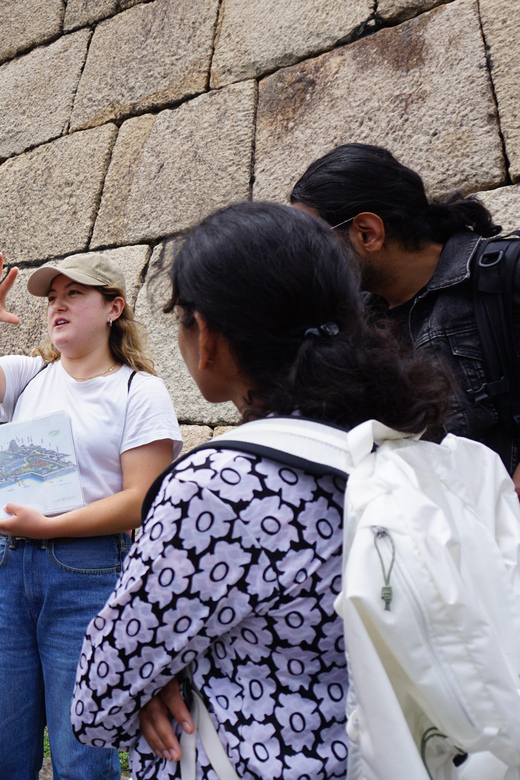
At $32 per person, this is a modestly priced guided experience in central Tokyo. You are paying for roughly two hours of live explanation, help interpreting a major historical site, photo assistance, and the chance to ask questions in real time.
The public gardens can be visited without this kind of guide, so the value depends on how much context you want. If you are happy to stroll, read signs, and look at walls and plants on your own, you may prefer a free visit. If you want to understand how Edo Castle became the Imperial Palace and how Japan moved from shogun rule toward imperial government, the fee is reasonable.
I think the price works especially well for first-time visitors. A good guide gives you a framework that helps with later visits to museums, temples, castles, and historic neighborhoods. You leave with more than photographs. You have a basic map of Japanese political history.
Private add-ons may be offered, including a tea ceremony, but that is not part of the stated $32 experience. Treat it as a possible separate option, not something included in the standard booking.
The booking terms are traveler-friendly. You can reserve and pay later, and cancellation is allowed up to 24 hours in advance for a full refund. The ordinary restrictions are straightforward: no weapons or sharp objects, smoking, drones, alcohol, drugs, skateboards, or fire.
What you will not see
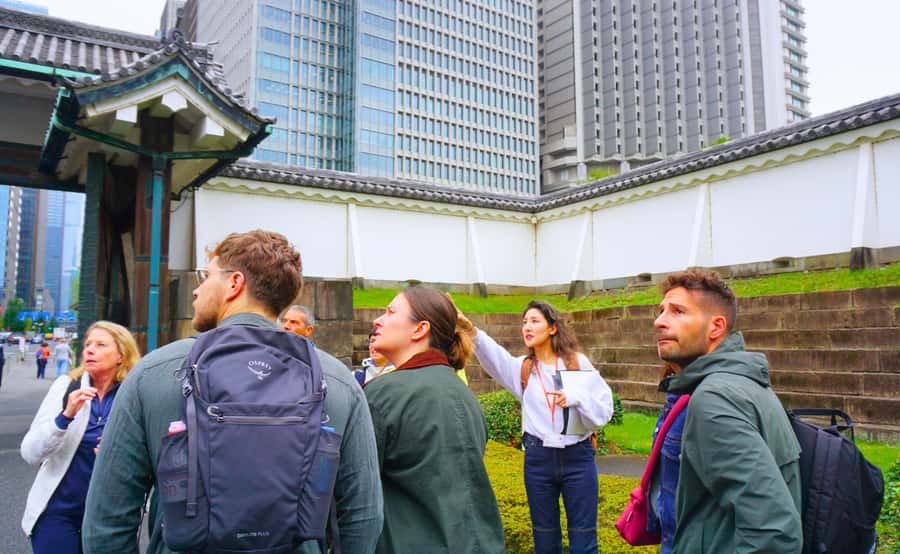
The Inner Palace is not open to the public and is not included. This tour explores the public Eastern Gardens and former Edo Castle grounds, not the private residential area of the imperial family.
That distinction matters because the name Imperial Palace can create the wrong expectation. You are not entering grand interior rooms or touring the emperor’s private quarters. The appeal is the outdoor site, the remains of Edo Castle, the gardens, and the historical explanation.
If you want lavish palace interiors, this will not provide them. If you want a readable introduction to the location and its past, the public grounds are enough to make the tour worthwhile.
Who should book this walk
I would recommend it to:
- First-time visitors who want a clear introduction to Tokyo and Japanese history
- Adults who enjoy history but do not want a long museum lecture
- Families with children who respond well to questions, stories, and visual stops
- Solo visitors who want help with photos and local suggestions
- Anyone curious about the Edo period, samurai, shoguns, and the Meiji transition
- French-speaking visitors who prefer a French guide when available
I would skip it if you dislike guided walks, want access to palace interiors, or find two hours outdoors physically difficult. The gardens are peaceful, but this is still a walking activity in Tokyo weather.
Should you book the Imperial Palace history tour?
Book this tour if you want the Imperial Palace to make sense, not simply look attractive. The combination of Otemon Gate, castle remains, the model, samurai connections, bamboo, royal koi, and thoughtful guiding gives you a useful introduction to Japan’s political past.
The best reason to book is the guide. Natsumi, Mika, Laki, Lucky, and Alexandre are praised for clear explanations, warmth, humor, patience, and practical Tokyo advice. Ask questions, bring water, and arrive early at the fountain.
Skip it if you need a wheelchair-accessible route, cannot manage outdoor walking, or expect to enter the Inner Palace. For most history-minded visitors in reasonable condition, $32 is a fair price for a well-paced walk that turns a quiet garden into a meaningful starting point for Tokyo.
FAQ
Where does the Imperial Palace walking tour begin?
It begins at Wadakuramon Fountain Park, near the Starbucks by the fountain. The meeting point is about a five to ten minute walk from Tokyo Station or Otemachi Station.
How do I identify the guide?
The guide waits near the fountain and holds a sign with the Sunrise Adventure logo.
Where does the tour finish?
The activity ends back at the original meeting point.
How long does the tour take?
The walking experience is about two hours.
Is the Inner Palace included?
No. The Inner Palace is not open to the public and is not included in this activity.
What parts of the palace grounds will I see?
You walk toward Otemon Gate and explore the Eastern Gardens, castle remains, an old samurai house, a miniature model of the former castle, bamboo, trees from around Japan, and an area with royal koi fish.
What languages are available?
The tour is available in English and French.
Does the tour operate in bad weather?
Yes. The tour takes place rain or shine, so you should wear clothing suited to the weather.
Can I cancel for a refund?
Yes. You can cancel up to 24 hours in advance for a full refund.
Just added in Tokyo
- MT. FUJI/ Private Tour delivered and guided by a top-tier driver★ 5.0 · 27 reviews
- Mt fuji & Hakone customizable day tour w/ English speaking driver★ 5.0 · 45 reviews
- Fuji Speedway Self Drive & Mt. Fuji Private Tour pickup & dropoff★ 5.0 · 14 reviews
- Mt.Fuji Trekking 1 Day Tour up to the summit★ 5.0 · 14 reviews
- Seasonal Mt. Fuji Scenic Views, Fruit Picking and Ropeway Ride!★ 4.5 · 35 reviews
- Customisable Mt.Fuji Private Day Trip, English Speaking Driver★ 5.0 · 22 reviews
- Private Mt Fuji Tour from Tokyo: Scenic BBQ and Hidden Gems★ 5.0 · 146 reviews
- Private Mount Fuji Tour in Luxury Vehicle with English Guide★ 4.5 · 39 reviews
Castles and Historic Sites, compared.

Imperial Palace and Shogun Historical Walking Tour
Read our review →
Tokyo Castle & Imperial PalaceーShogun Walking Tour
Read our review →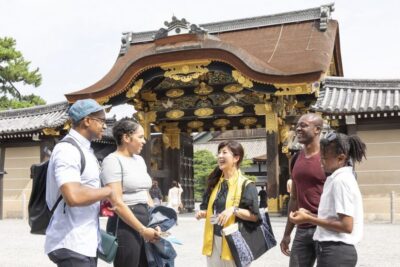
Nijo-jo Castle and Ninomaru Palace Guided Tour
Read our review →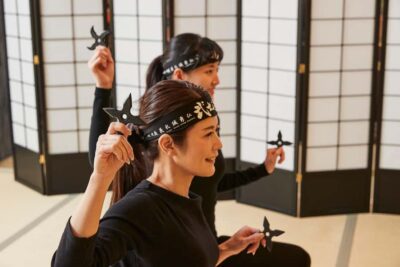
Samurai Ninja Museum Guided tour and Experience
Read our review →Browse the lists this tour appears in