
Reviewed · CASTLES AND HISTORIC SITES
Tokyo Castle & Imperial PalaceーShogun Walking Tour
History comes alive behind Tokyo’s stone walls. This two-hour walk connects Edo Castle, samurai power, and the Imperial Palace in a way that is easy to follow, even if Japanese history is new to you. I especially like the small group size, limited to 10 people, and the chance to see moats, gates, palace grounds, gardens, and castle remains in one compact outing. At $23 per person, it is also a fair price for an English-speaking guide. The main drawback is simple: much of the tour is outdoors, and the Imperial Palace area is extensive, so rain, heat, or tired feet can affect your enjoyment.
I also like that the tour does not treat the palace as just a photo stop. Guides such as Anju, Fuma, Yuuka, Tomo, Keiko, Koyo, and Kosei have been praised for clear explanations, friendly conversation, good pacing, and helpful answers. You will learn how Edo Castle was defended, how Tokyo grew around it, and how Japan’s imperial system continued from ancient tradition into the present day.
In This Review
- Key points to know before you book
- Meeting at Wadakura Fountain Park
- Why Edo Castle matters to Tokyo
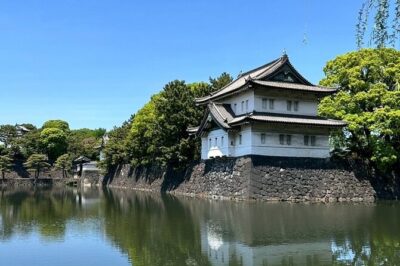
- Sakurada Tatsumi Yagura and the first castle clues
- Ote-Mon Gate and layered defenses
- The Imperial Palace grounds today
- Ninomaru Garden, koi, and the calmer side of Tokyo
- Edo Castle ruins and the former palace model
- Imperial Palace East Gardens and the final views
- The guides make or break the experience
- Is $23 a good value?
- Practical tips for a smoother walk
- Who should book this tour?
- Final verdict: book for the story, not just the scenery
- FAQ
- How long does the Tokyo Castle and Imperial Palace tour last?
- Where does the tour meet?
- Where does the tour finish?
- Is the tour offered in Japanese?
- How large is the tour group?
- What places are visited?
- Is there a security check?
- Can I cancel the booking?
Key points to know before you book
- Edo Castle was once Japan’s largest castle: The remaining gates, moats, stone walls, and ruins help you picture its former scale.
- A 10-person limit makes the walk personal: You can ask questions without shouting across a large crowd.
- The tour links samurai and imperial history: You move from the shogun’s world to the modern Imperial Palace.
- Ninomaru Garden adds a quiet change of pace: Trees from across Japan, seasonal planting, and special koi bring the story into the present.
- The entire tour is in English: Japanese language support is not available.
- The $23 price pays for interpretation: Entry to the grounds is part of the experience, but the guide’s explanations are the main value.
Meeting at Wadakura Fountain Park
Your starting point is in front of Starbucks Coffee Kōkyo Gaien Wadakura Fountain Park Store at 3-1 Kōkyo Gaien, Chiyoda City, Tokyo. Look for a guide holding a sign marked Local Guide Stars.
This is a sensible meeting place because the tour begins in the broad open area of the Imperial Palace Outer Garden. Still, do not rush the start. Tokyo’s central streets and station exits can be confusing, so give yourself enough time to find the correct Starbucks and the guide’s sign.
The walk returns to the same place after about two hours. That makes it easier to fit into a day of sightseeing near Tokyo Station, Marunouchi, Ginza, or other central districts. You do not need to arrange a separate pickup or figure out where the walk ends.
More Castles and Historic Sites in Tokyo
- Tokyo: Imperial Palace and Shogun Historical Walking Tour
★ 5.0 · 2,251 reviews - Tokyo: Samurai Ninja Museum Guided tour and Experience
★ 4.6 · 1,010 reviews - Tokyo: Imperial Palace Japanese History Walking Tour
★ 4.9 · 987 reviews
Why Edo Castle matters to Tokyo
The name Shogun Walking Tour points toward the Edo period, when military rulers governed Japan and Edo, now Tokyo, became the seat of political power. Edo Castle was not a small hilltop fortress. It was a vast fortified complex with layered defenses, broad moats, gates, walls, and controlled routes.
Much of the original castle disappeared, but the grounds still give you useful clues. A guide can point out where defensive structures once stood and explain why a gate or moat was placed where it is. Without that context, you might see an impressive stone wall and simply take a picture. With an explanation, the wall becomes part of a plan designed to protect the shogun and control access.
That is one of the strongest reasons to book a guided walk here. Edo Castle is spread across a huge area, and its surviving pieces do not always explain themselves. The tour turns scattered remains into a connected story about power, security, urban growth, and the long samurai era.
Sakurada Tatsumi Yagura and the first castle clues
The first major stop is Sakurada Tatsumi Yagura, a five-minute visit and photo stop. This corner tower, or yagura, is one of the easiest places to begin imagining Edo Castle as a working fortress rather than a modern park.
Your guide explains what the structure did and how it fitted into the castle’s defenses. The short stop is not meant to be a long interior visit. Its value comes from the view and the explanation, especially if you want to understand how the castle’s outer defenses were arranged.
Bring your camera here. Photography is encouraged throughout the tour, and the combination of stone, water, trees, and open sky gives you some of the clearest castle-related images of the walk.
Ote-Mon Gate and layered defenses
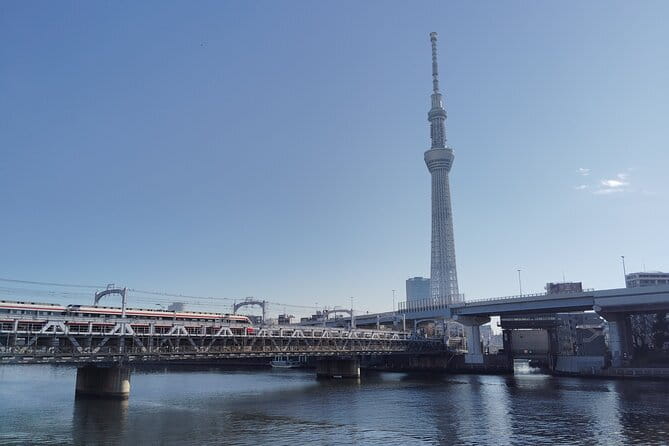
The tour spends about 15 minutes at Ote-Mon Gate. This is one of the most useful stops for understanding how visitors and officials once entered the castle complex.
The important idea is not only that the gate was large or attractive. It was part of a defensive sequence. The route into a major castle could be controlled through walls, turns, gates, moats, and carefully watched approaches. Guides explain these layers in practical terms, helping you see why Edo Castle was considered nearly impossible to attack successfully.
I would pay close attention here if you are interested in the shogun period or were inspired by television dramas about samurai Japan. The tour can separate historical fact from the simplified version often shown on screen. You are not just hearing names and dates. You are looking at the physical system that supported military rule for about 260 years.
More Walking Tours in Tokyo
- Tokyo Tsukiji Fish Market Food and Culture Walking Tour
★ 5.0 · 3,184 reviews - Tokyo: Shinjuku Local Bar and Izakaya Guided Walking Tour
★ 4.9 · 1,794 reviews - Tokyo: Tsukiji Fish Market Food and Walking tour
★ 5.0 · 1,724 reviews - Tokyo: Asakusa Walking Tour with Sensoji Temple Visit
★ 4.8 · 1,583 reviews
The Imperial Palace grounds today
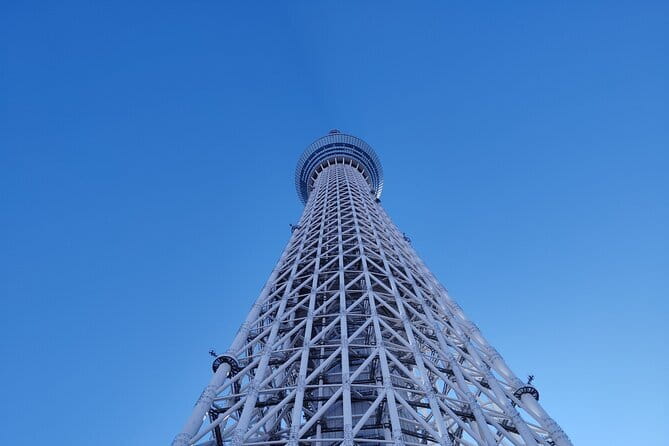
The walk then reaches the Tokyo Imperial Palace area for about 20 minutes of guided sightseeing. This is where the past and present meet most clearly.
Today, the grounds serve the emperor, but the site still carries the shape and memory of Edo Castle. The guide explains how the old castle site relates to the Imperial Palace and discusses Japan’s imperial tradition, described on the tour as a 2,600-year legacy.
The subject needs a careful approach. The imperial system has survived for a very long time, but its role has changed across different periods of Japanese history. A good guide helps you understand that continuity without pretending the institution has remained unchanged.
You will also have time for photographs. Expect broad views, old stonework, gates, trees, and palace-related scenery rather than a full visit inside the emperor’s private residence. This is an outdoor grounds tour, not an interior palace tour.
Ninomaru Garden, koi, and the calmer side of Tokyo
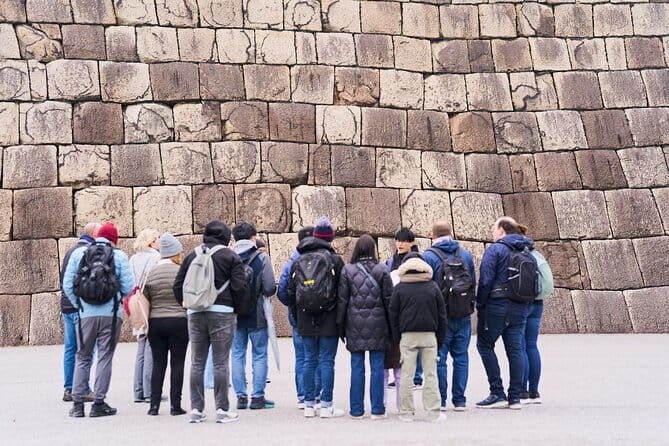
Ninomaru Garden receives about 15 minutes. After the hard military story of gates and walls, this section gives the walk a gentler rhythm.
The garden is carefully maintained and includes seasonal planting, trees from different parts of Japan, and special koi fish. These details matter because they show another side of the former castle site. The complex was not only a place of guards, strategy, and political control. It was also a place of formal beauty, daily life, and cultivated nature.
I would not skip this part if you are less interested in military history. The garden gives you time to slow down and take pictures, and several people have praised the calm pace of the walk. One particularly useful feature is the guide’s habit of pointing out small details that are easy to pass without explanation.
The garden is also a good setting for questions. Guides have used small quizzes, fun facts, and informal conversation to keep the walk engaging. That style may suit you if you prefer a friendly local guide to a formal lecture.
Edo Castle ruins and the former palace model
The Edo Castle ruins stop lasts about 10 minutes. Here, the guide helps you picture the castle buildings that no longer survive in their original form.
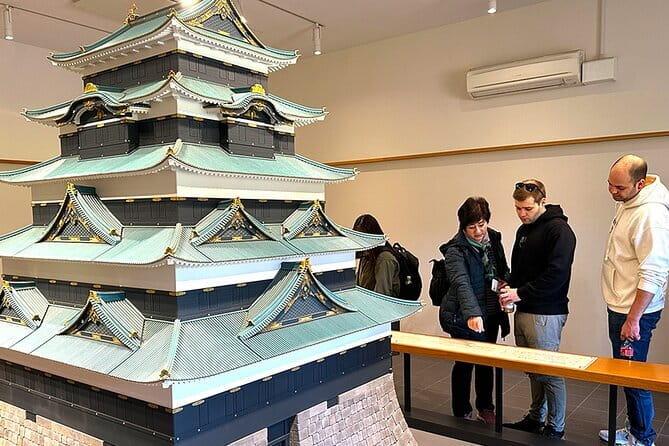
A miniature structure of the former palace is included in the experience. This is useful because a model can make the old complex easier to understand than ruins alone. You can compare the small representation with the remaining foundations, walls, and open spaces around you.
Do not expect a complete castle reconstruction. The appeal is in learning to read what remains. The tour asks you to use your imagination, but it gives you enough historical and architectural explanation to make that imagination productive.
This part is especially helpful if you want more than scenic palace photographs. You learn what the site used to look like, how the shogun and retainers used the complex, and why so little of the original palace survives in visible form.
Imperial Palace East Gardens and the final views

The East Gardens are the final major stop and receive about 20 minutes. This is one of the longest sections because it brings together several themes from the walk: castle remains, formal gardens, trees, water, and the continuing role of the palace grounds.
You can expect more scenic views and opportunities to photograph the gardens. The changing seasons affect how this section feels, so the experience will not look exactly the same throughout the year. The tour information does not promise a particular flower display, but it does highlight seasonal gardens and a wide range of trees.
The East Gardens also give you a chance to absorb the scale of the site. Tokyo can feel crowded and intensely modern, yet these grounds offer a quiet break in the middle of the capital. Several guides have been praised for keeping a relaxed pace, which matters here. A rushed walk through a large garden would miss much of its appeal.
After this stop, the group returns to the Starbucks meeting point. The route is active but not described as strenuous. Even so, wear comfortable shoes because the tour includes repeated walking, slopes, and outdoor paths.
The guides make or break the experience
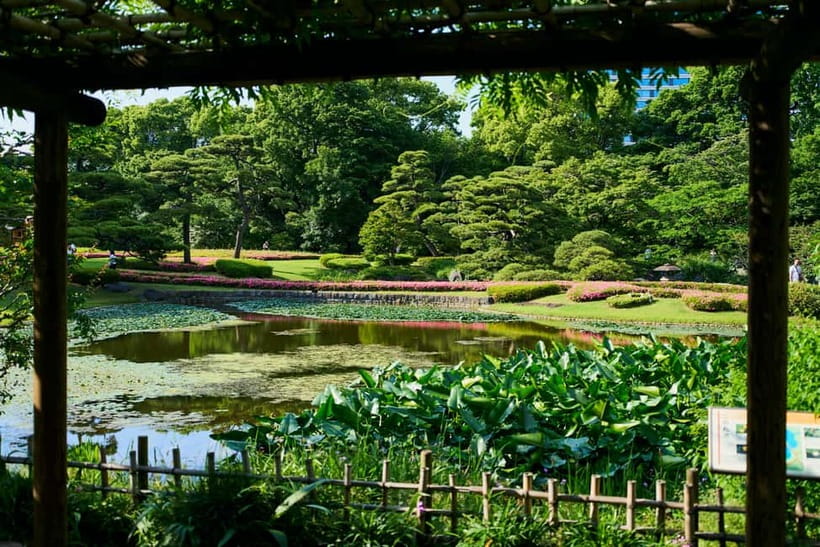
The strongest part of this tour is the human explanation. The walks are led by English-speaking guides, and the recorded experience with Anju, Fuma, Yuuka, Tomo, Keiko, Koyo, Kosei, Ai, Yuki, Mai, Nana, and others has been consistently praised for warmth, clarity, and enthusiasm.
That does not mean every guide will teach in exactly the same style. Some use anecdotes and fun facts. Others focus more on palace functions, military defenses, or cultural comparisons. Kosei, for example, was praised for connecting older Japanese customs with modern international life. Fuma was noted for answering questions and offering suggestions for the rest of a Tokyo visit.
The group size helps. With no more than 10 participants, you can usually hear the guide and ask about details that interest you. The small format also makes it easier to keep a comfortable pace and interact with people from different countries.
The tour is English only. If you need Japanese language support, this is not the right choice. If you are comfortable listening in English, the guide-led format adds much more than you would get from wandering through the grounds alone.
Is $23 a good value?
At $23 per person, I consider this a reasonable purchase for central Tokyo. The Imperial Palace East Gardens and palace grounds are the setting, but the primary product is interpretation. You are paying to understand what you are seeing.
One point is worth keeping in mind: a portion of the palace grounds may not require a large separate admission fee, so the price is not justified by entry alone. If you only want to stroll through gardens and take pictures, you may prefer exploring independently.
The value improves if you want historical context. In two hours, you receive an organized route, an English guide, explanations of samurai culture and the Edo period, information about the imperial family and palace, and help identifying structures that would otherwise look like attractive but unexplained ruins.
The free cancellation option allows you to cancel up to 24 hours ahead for a full refund. You can also reserve now and pay later, which helps if your Tokyo schedule is still shifting.
Practical tips for a smoother walk
Dress for the forecast. A large portion of the route is outside, and there is limited protection from uncomfortable weather. Comfortable walking shoes are more important than formal clothing.
Do not bring knives or alcohol because there is a security check when entering the Imperial Palace. Keep your belongings simple, and carry water when the weather is warm.
Photography is encouraged, so bring a camera or make sure your phone has space for pictures. The most useful images may not be grand palace shots. Look for moats, gate details, stone construction, garden features, koi, and views that show how the old castle and modern city share the same site.
Wheelchairs are available and can be used within the Imperial Palace grounds. Some slopes and sections still require walking or going down on foot, so check your specific mobility needs before booking.
Who should book this tour?
I would recommend it to first-time visitors who want a clear introduction to Tokyo’s political and imperial center. It also suits anyone curious about samurai culture, the Edo period, castle defenses, or the connection between old Edo and modern Tokyo.
Families can benefit from the short duration, small group, visual stops, and quiz-style explanations. It is also a good choice for solo visitors who want company without joining a huge tour.
You may want to skip it if you dislike outdoor walks, need extensive indoor sightseeing, or want access to the emperor’s private palace interiors. This is a grounds-and-history experience. The reward comes from understanding the site, not from entering every building.
Final verdict: book for the story, not just the scenery
I would book the Tokyo Castle and Imperial Palace Shogun Walking Tour if I wanted an affordable, well-organized introduction to one of Tokyo’s most important historic areas. The gardens are beautiful, but the real payoff is learning how moats, gates, ruins, and palace grounds fit together.
Choose a day with comfortable weather, arrive early at the Wadakura Fountain Park Starbucks, and expect an outdoor walk in English. If you want the site to make sense rather than simply look impressive, $23 is money well spent.
FAQ
How long does the Tokyo Castle and Imperial Palace tour last?
The tour lasts two hours, including the walk through the palace grounds, gardens, castle remains, and return to the meeting point.
Where does the tour meet?
Meet in front of Starbucks Coffee Kōkyo Gaien Wadakura Fountain Park Store at 3-1 Kōkyo Gaien, Chiyoda City, Tokyo. The guide holds a Local Guide Stars sign.
Where does the tour finish?
The tour returns to the Starbucks Coffee Kōkyo Gaien Wadakura Fountain Park Store, the same place where it begins.
Is the tour offered in Japanese?
No. The tour is conducted in English only, and Japanese language support is not available.
How large is the tour group?
The tour is limited to 10 participants, making it a small-group experience.
What places are visited?
The route includes Sakurada Tatsumi Yagura, Ote-Mon Gate, the Tokyo Imperial Palace grounds, Ninomaru Garden, Edo Castle ruins, and the Imperial Palace East Gardens.
Is there a security check?
Yes. There is a security check when entering the Imperial Palace. Knives and alcohol are not allowed.
Can I cancel the booking?
Yes. You can cancel up to 24 hours in advance for a full refund. You can also reserve now and pay later.
Just added in Tokyo
- MT. FUJI/ Private Tour delivered and guided by a top-tier driver★ 5.0 · 27 reviews
- Mt fuji & Hakone customizable day tour w/ English speaking driver★ 5.0 · 45 reviews
- Fuji Speedway Self Drive & Mt. Fuji Private Tour pickup & dropoff★ 5.0 · 14 reviews
- Mt.Fuji Trekking 1 Day Tour up to the summit★ 5.0 · 14 reviews
- Seasonal Mt. Fuji Scenic Views, Fruit Picking and Ropeway Ride!★ 4.5 · 35 reviews
- Customisable Mt.Fuji Private Day Trip, English Speaking Driver★ 5.0 · 22 reviews
- Private Mt Fuji Tour from Tokyo: Scenic BBQ and Hidden Gems★ 5.0 · 146 reviews
- Private Mount Fuji Tour in Luxury Vehicle with English Guide★ 4.5 · 39 reviews
Castles and Historic Sites, compared.

Imperial Palace and Shogun Historical Walking Tour
Read our review →
Nijo-jo Castle and Ninomaru Palace Guided Tour
Read our review →
Samurai Ninja Museum Guided tour and Experience
Read our review →
Browse the lists this tour appears in