
Reviewed · DINING EXPERIENCES
Osaka: Deep Backstreets Walking Tour with Dinner Option
Osaka has a side most visitors never see. This three-hour evening walk leaves the bright tourist routes behind for retro game parlors, old markets, narrow lanes, abandoned properties, and a remarkably preserved Taisho-Era red light district. I like the way the tour connects everyday entertainment with difficult social subjects, and I like that the guides explain sensitive issues with care rather than turning them into cheap spectacle. The main consideration is its adult subject matter: this is not a family outing or a gentle introduction to Japan.
The tour costs about $40 per person, with a dinner option available after the walk. That is fair value if you want context, storytelling, and access to places you would be unlikely to find alone. The optional meal adds a social finish, but drinks are not included, and the dinner price depends on the option you book.
You need to arrive on time. Once the group enters winding alleys, catching up is not realistic. Wear comfortable shoes, leave high heels at home, and expect a frank discussion of yakuza, sexism, war, illegal gambling, sex work, homelessness, welfare, pachinko, and other subjects often left out of polished city tours.
In This Review
- Key Points Before You Book
- Why This Is Not a Standard Osaka Walking Tour
- Retro Arcades, Markets, and Osaka After Dark
- Back Alleys and Two Local Side Dishes
- The Abandoned Buildings Area
- The Taisho-Era Red Light District
- The Conversations That Make the Walk Matter
- Optional Dinner at the End
- Price, Pace, and Practical Details
- Who Will Enjoy This Osaka Experience?
- Should You Book the Deep Backstreets Tour?
- FAQ
- How long does the Osaka Deep Backstreets Walking Tour last?
- What language is the tour conducted in?
- Does the tour include food?
- Are drinks included?
- Can I choose not to enter the red light district?
- Is the tour suitable for children?
- What should I wear?
- What happens if I arrive late?
Key Points Before You Book
- Retro Osaka first: Begin with old-fashioned markets, Japanese game arcades, unusual fishing restaurants, and a glimpse of local theater culture.
- Two street-food stops: The walking tour includes two side dishes from two different back-alley stalls.
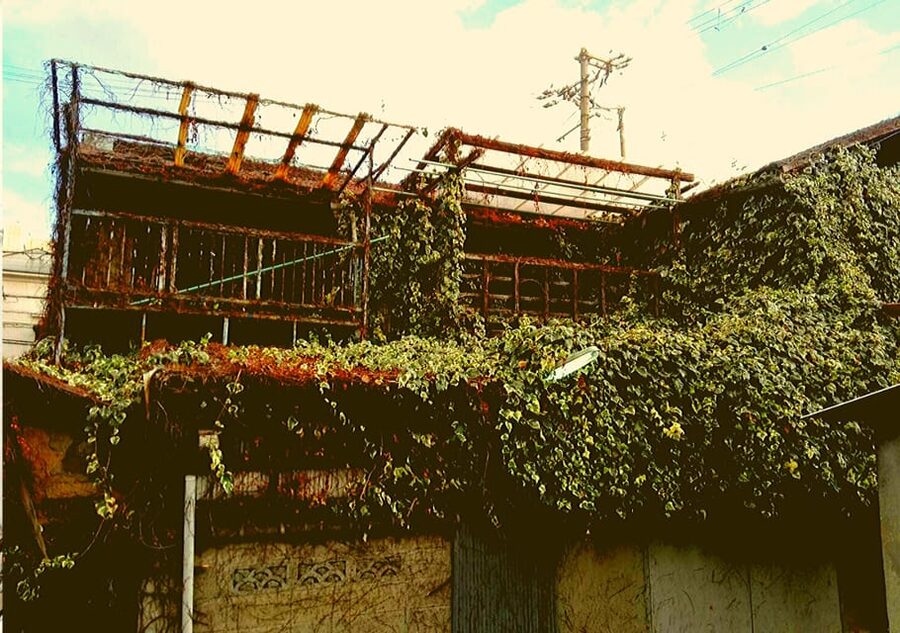
- Abandoned buildings in the city: See a surreal pocket of vacant and decaying properties close to modern Osaka.
- A preserved red light district: Walk through a Taisho-Era district with historically important buildings, or take an alternate route.
- A serious look at modern Japan: The guide discusses social problems and taboo subjects with humor, directness, and respect.
- Dinner is optional: Finish at a traditional restaurant with a full meal if you select that version of the tour.
Why This Is Not a Standard Osaka Walking Tour
Most first-time Osaka walks focus on neon signs, famous food streets, shopping arcades, and major landmarks. This experience takes a different route. Its subject is not one grand monument, but the parts of the city that reveal how people actually lived, worked, played, and coped outside the postcard version of Japan.
That makes the guide especially important. The route includes places that could easily be misunderstood without explanation. A vacant building can look merely ugly. A red light district can become a titillating photo stop. A pachinko parlor can seem like an odd local game. The guide gives these places social and historical context, helping you see how Osaka functions beneath its cheerful public face.
The tone appears to be conversational rather than formal. Guides such as Knox, Rudy, Maria, Taka, Brian, Bennett, Joseph, Tommy, Mari, and Rutti are praised for combining facts with humor and personal experience of living in Osaka. Guide quality can vary from person to person, of course, but the strongest pattern is clear: the guide is the heart of the experience.
You should also expect a few stories where fact, local legend, and a good yarn may mix. One guide was described as a gifted storyteller who admitted that some local tales might be real or invented. That is part of the fun, as long as you listen with a little judgment and do not treat every colorful anecdote as an official historical record.
More Walking Tours in Osaka
- Osaka: Hotspots & Hidden Gems Walking Tour Private or Group
★ 4.9 · 1,300 reviews - Osaka Local Foodie Walking Tour in Dotonbori and Shinsekai
★ 5.0 · 985 reviews - Osaka Bar Hopping Night Walking Tour in Namba (3 bars, 6 tastes)
★ 5.0 · 958 reviews
Retro Arcades, Markets, and Osaka After Dark
The opening section gives you a feel for an older Osaka. You may step into retro video game parlors, explore old-fashioned markets, and see how local entertainment works after dark.
The arcades are useful because they show a different kind of Japanese popular culture. You are not simply looking at a display of old machines. You are seeing places where people gather, compete, and pass time. The experience also touches on games that are particularly associated with Japan, including pachinko and other forms of gambling or prize-based entertainment.
The route may include a quirky fishing restaurant, where the act of catching dinner becomes part of the restaurant experience. You may also get a look at an Osakan theater. These stops help explain the city’s taste for playful, noisy, slightly eccentric entertainment.
Do not expect long visits at each place. The tour lasts 210 minutes, and the evening covers several neighborhoods and themes. The value is in the connections between stops, not in spending half an hour inside every arcade or market.
This opening also prepares you for the tour’s larger argument. Osaka is often presented as a food-loving, friendly, easygoing city. That is true, but it is only one layer. The city’s humor, nightlife, gambling culture, working-class neighborhoods, and informal businesses are also part of its identity.
Back Alleys and Two Local Side Dishes
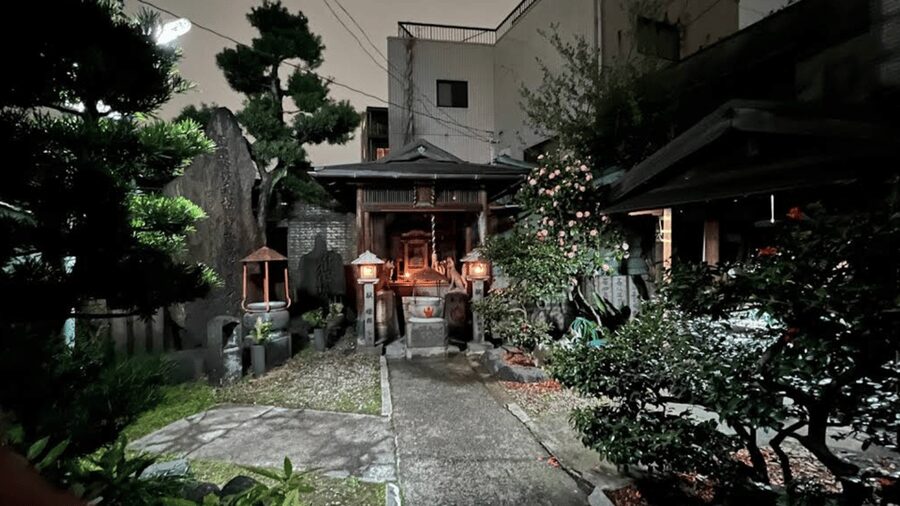
After the retro introduction, the group moves into narrow backstreets. This is where the tour begins to feel genuinely different from a normal city walk.
You will pass through lanes that are easy to miss and difficult to navigate alone. The route is not built around famous photo stops. Instead, the guide asks you to notice the buildings, signs, businesses, and atmosphere around you, then explains how the area developed and what kind of life has taken place there.
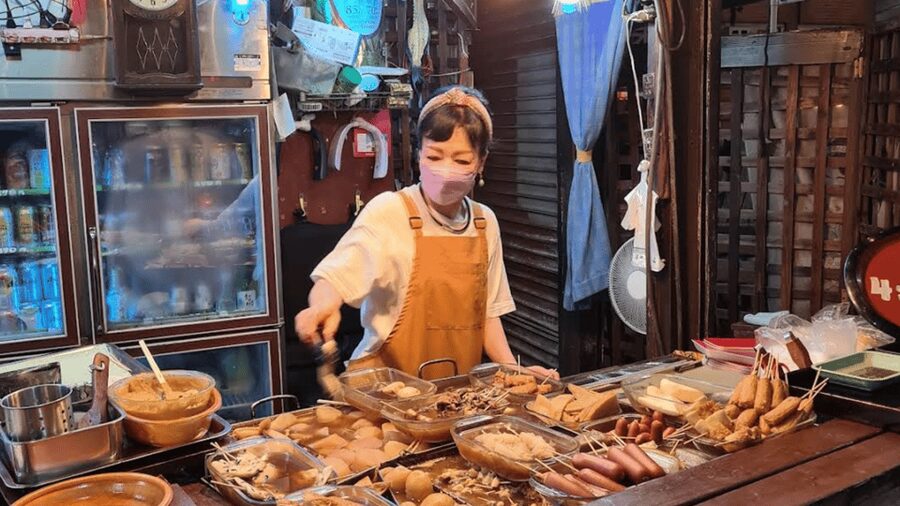
Two side dishes are included, served at two different stalls. The food is a small but valuable part of the experience. You are not just hearing about local life while walking past it. You get to pause, taste something, and watch how these modest food businesses fit into the neighborhood.
The supplied information does not specify the exact dishes, and the food may vary. That is worth keeping in mind if you have strict dietary needs. Drinks are not included, although one evening included a snack and drink as part of a quiz-like activity. Do not assume those extras are guaranteed.
I like the food arrangement because it keeps the evening moving. You get more than a standard food sample, but you are not committed to a long restaurant meal before the walking portion is finished. If you choose the dinner option, the side dishes become a preview rather than the main meal.
The Abandoned Buildings Area
One of the most unusual sections takes you near abandoned and untouched properties. The setting feels surreal because it appears within the city rather than far away in a rural ghost town.
This is not a polished ruin converted into a museum. The interest comes from seeing vacant structures in their real urban setting and learning about the area’s controversial past. The buildings provide a physical reminder that Japanese cities, despite their order and efficiency, also contain decline, neglect, poverty, and complicated land histories.
The guide’s explanation matters here. Without context, it would be easy to stare at empty houses as if they were scenery. A respectful guide instead connects them to the people and policies behind the area. Several guides are praised for discussing forgotten residents, minorities, poverty, and social welfare without mocking the people involved.
You should be comfortable with an honest rather than pretty version of Osaka. This section can feel sad. It may also challenge the idea that Japan is uniformly prosperous, tidy, and socially secure. That discomfort is part of the reason to come, but it is not suitable for someone seeking only light entertainment.
The tour does not go through the homeless district. The route may still pass near people who are homeless, and the guides are expected to behave respectfully. Photography and personal conduct should be considerate. The people connected to these neighborhoods are not props for your evening.
More Walking Tours in Japan:
- Kyoto Geisha Walking Tour: Gion District & Hidden Gems
★ 4.7 · 3,273 reviews - Tokyo Tsukiji Fish Market Food and Culture Walking Tour
★ 5.0 · 3,184 reviews - Kyoto: Gion Magical Night Walking Tour with Geisha Trivia
★ 4.9 · 2,393 reviews - Tokyo: Imperial Palace and Shogun Historical Walking Tour
★ 5.0 · 2,251 reviews
The Taisho-Era Red Light District
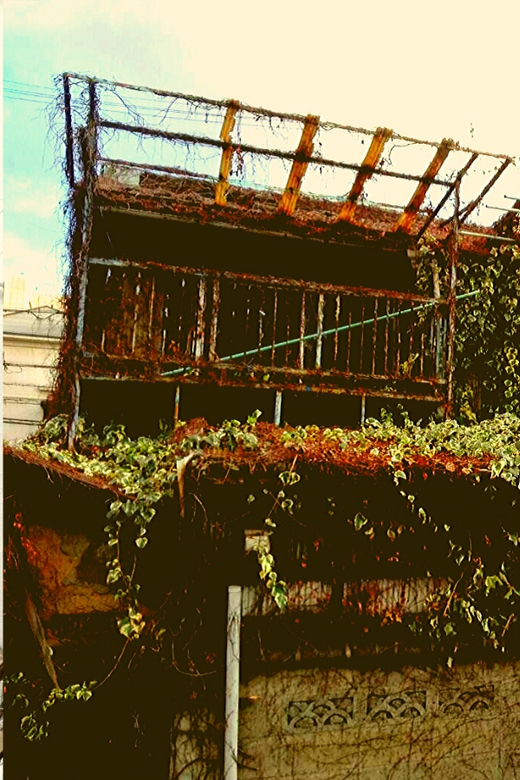
The red light district is the tour’s most sensitive stop. The area is described as remarkably preserved from the Taisho Era, with buildings considered important to Osaka culture and listed by UNESCO.
You can choose to walk through the district or take a separate route. This choice is useful. You may want to understand the area’s architecture and history but feel uncomfortable entering it. An alternate path lets you remain part of the group without forcing you into a subject that does not suit you.
The district is not presented simply as an adult attraction. The guide discusses how the area is organized, how sex work and related businesses operate, and how society treats the people connected with it. That makes the stop more educational than sensational, provided you approach it with maturity.
You should not expect a free pass to behave carelessly. Keep your voice down, avoid intrusive photography, and listen to the guide’s instructions. The point is to understand a difficult part of Osaka, not to turn local workers or residents into entertainment.
The district also helps explain why the tour has an age restriction. Children under 16 are not permitted, and the subject matter may be uncomfortable for some adults too. If you prefer tours that avoid sex work, organized crime, or discrimination, choose a different evening activity.
The Conversations That Make the Walk Matter
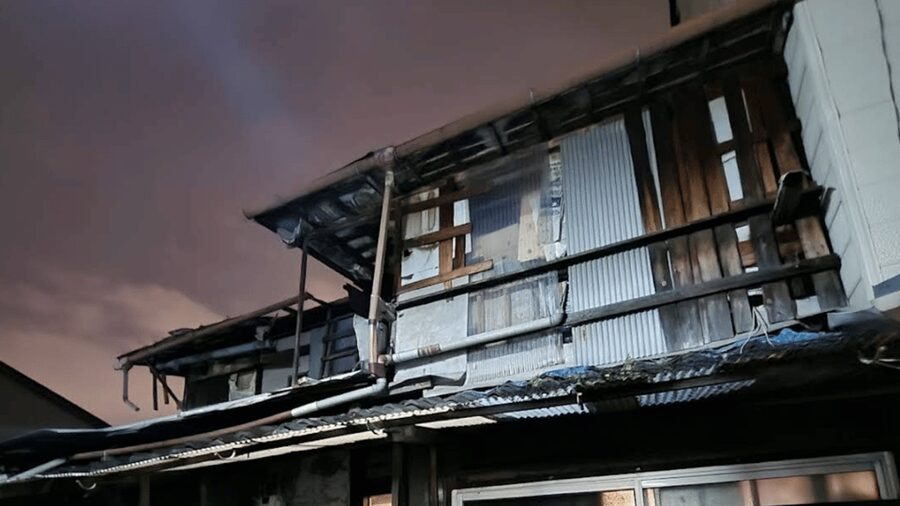
The tour’s subject list is unusually broad. You may discuss yakuza, sexism, wartime history, illegal gambling, pachinko, illicit businesses, sex work, homelessness, welfare, and minority communities.
That range can sound provocative, but it has a practical purpose. You cannot understand a city only through temples, food, and shopping. These issues influence neighborhoods, work, housing, nightlife, and public attitudes. The guide helps you connect Osaka’s visible streets with less visible systems.
Humor is part of the presentation. Several guides are described as funny, warm, and easy to talk with, while still knowing when to become serious. That balance matters. A lecture would feel heavy after three hours of walking, while jokes without care would feel offensive.
The best guide for you is one who can answer direct questions without pretending that Japan is simple or perfect. The strongest experiences described by participants came from guides who shared personal perspectives from living in Osaka and treated local people with respect.
You may hear opinions as well as established facts. Listen closely to the difference. The tour is most useful when it gives you questions to think about, not when it claims to explain every part of Japanese society in one evening.
Optional Dinner at the End
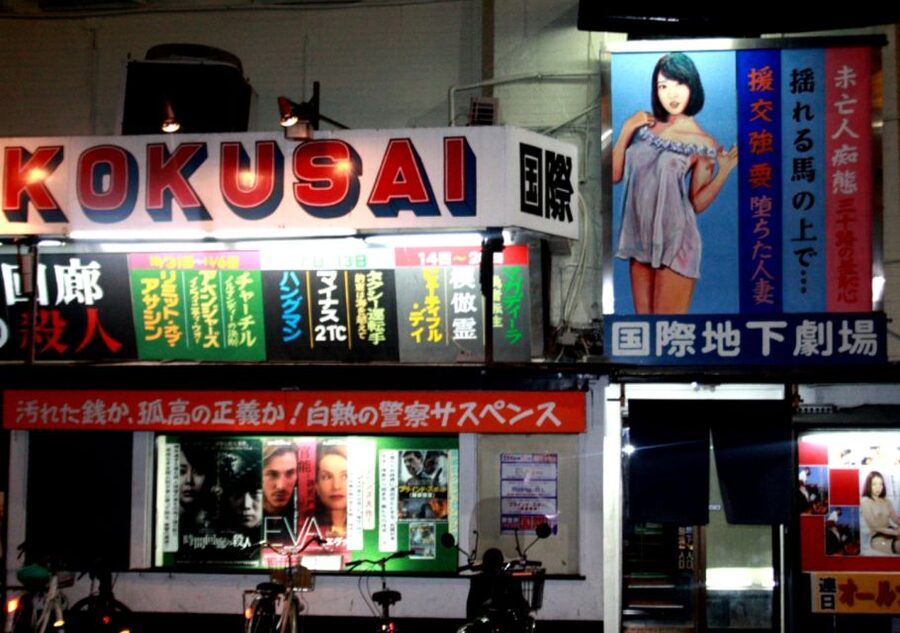
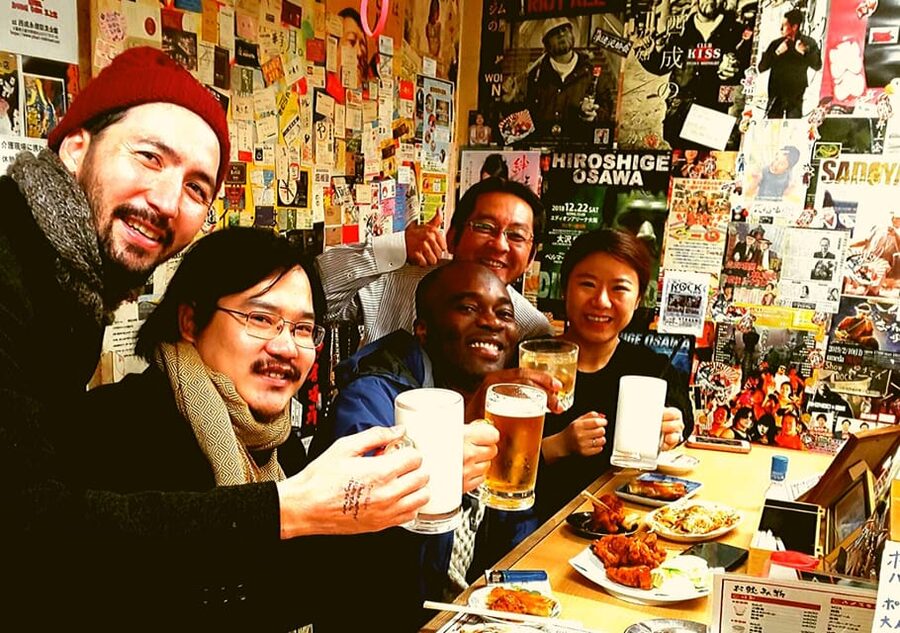
After the walking route, you can join the group for a full dinner at a traditional restaurant. This is more than a practical meal. It gives the group time to continue the conversation and compare impressions while the streets you have just seen are still fresh.
The meal has received strong praise for quality and variety. One dinner included pasta, fried chicken, beef soup, and dessert. Another was described as a selection of Japanese dishes. Exact offerings can change, so treat those examples as a guide rather than a promise.
Drinks cost extra. If you are watching your budget, the $40 tour price should be judged separately from the dinner and any beverages. If you enjoy meeting fellow participants, the meal is likely worth considering. It extends the evening in a relaxed setting and can be especially welcome for solo visitors.
If you are tired after a full day of sightseeing, you can skip the meal. The walking tour ends before dinner, so you are not locked into a long final sitting.
Price, Pace, and Practical Details
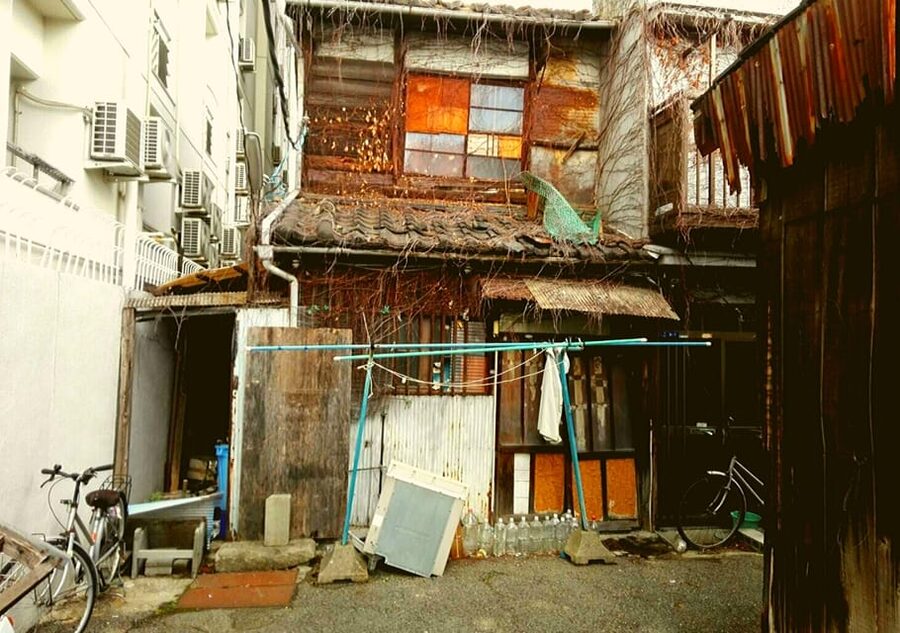
At around $40 per person, the basic experience offers three hours and thirty minutes of guiding, two side dishes, access to hard-to-find areas, and a subject range far beyond a typical sightseeing walk. I consider that good value if you care about interpretation rather than just covering landmarks.
The price is less attractive if you want a conventional food tour with many tastings. Only two side dishes are included, and drinks are extra. The main product here is the guide’s storytelling and the route through unusual neighborhoods.
The pace is generally easygoing. One participant found it manageable even after several full days of walking, while another said the group covered a lot of ground in three hours. You still need comfortable shoes because the tour is entirely on foot and includes winding alleys.
The meeting point can change depending on the booking option. Check the exact location and starting time before leaving your hotel. Being late is a serious problem because the group will enter narrow streets where you cannot easily find it again.
The activity is listed as wheelchair accessible, but it is also described as unsuitable for people with mobility impairments. Those statements do not sit comfortably together, so contact the provider before booking if you use a wheelchair, walker, or need a slower route. Pregnant people and children under 16 should not book.
Free cancellation is available up to 24 hours before the start time, and you can reserve now and pay later. The guide language is English.
Who Will Enjoy This Osaka Experience?
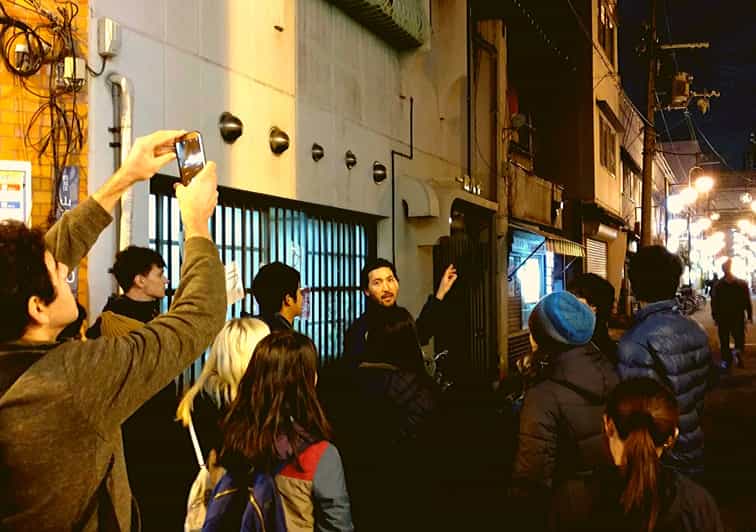
You are a good match if you have already seen Osaka’s main sights and want a harder-edged view of the city. Solo visitors may find the tour particularly useful because the guide provides access and confidence in places that can be difficult to locate alone.
It also suits couples and friends who enjoy adult humor, social history, and candid conversation. You should be willing to ask questions and hear answers that may be uncomfortable.
You may want to pass if you are traveling with young children, avoiding discussions of sex work or organized crime, or hoping for a polished food crawl. This is not a substitute for Osaka Castle, Dotonbori, or a traditional temple walk. It is a companion to those experiences, showing you what the usual sightseeing route leaves out.
Should You Book the Deep Backstreets Tour?
Book it if you want to see Osaka without rose-colored glasses. The tour offers a rare mix of retro entertainment, street food, vacant buildings, social history, and a preserved red light district, all tied together by a guide who can explain what you are seeing.
Choose the dinner option if you enjoy a shared meal and want more time with the group. Skip it if you prefer to eat independently or need to control extra costs.
My practical advice is simple: read the subject list before booking, wear sensible shoes, arrive early, and treat the neighborhoods and people you encounter with care. If that sounds appealing, this is one of the more revealing ways to spend an evening in Osaka.
FAQ
How long does the Osaka Deep Backstreets Walking Tour last?
The tour lasts 3 hours, or 210 minutes.
What language is the tour conducted in?
The live tour is conducted in English.
Does the tour include food?
Yes. The walking portion includes two side dishes from two different stalls. A full dinner is included only if you select the dinner option.
Are drinks included?
No. Drinks are not included in the standard inclusions or the dinner option.
Can I choose not to enter the red light district?
Yes. You can choose to walk through the Taisho-Era red light district or take a separate route.
Is the tour suitable for children?
No. Children under 16 are not permitted.
What should I wear?
Wear comfortable shoes. High-heeled shoes are not allowed.
What happens if I arrive late?
Being on time is essential. The group enters winding alleys, and there is no practical way to catch up once the tour has started.
More Dinner Experiences in Japan
- Sumida River: Japanese Traditional Yakatabune Dinner Cruise
★ 4.6 · 779 reviews - Kyoto Gion Cultural Walk & Geisha Show with Dining Options
★ 5.0 · 518 reviews - Kyoto Gion Cultural Walk & Geisha Show with Dining Options
★ 5.0 · 483 reviews - Tokyo Bay Yakatabune Dinner/Day Cruise with Japan Show and Drinks
★ 4.5 · 473 reviews
More Dining Experiences in Japan
- Tokyo Bar Hopping Tour in Shinjuku (All-You-Can-Drink + Dinner)
★ 5.0 · 3,587 reviews - Tokyo: Sumo Show and Dining Experience
★ 4.8 · 2,742 reviews - Tokyo: Samurai Restaurant Show Ticket with 2 Drinks
★ 4.5 · 1,307 reviews - Deep Backstreet Osaka Tours (Option to add Dinner)
★ 5.0 · 1,290 reviews
Just added in Japan
- A One-of-a-Kind Sushi Experience in a Special Place of Japan★ 5.0 · 15 reviews
- Tokyo Cute Bento Cooking Class – Make a Kawaii Character Lunchbox★ 5.0 · 126 reviews
- Japanese Home Cooking Class & Walk in Todoroki Temple Tokyo★ 5.0 · 88 reviews
- Japan Tokyo Tower Observatory Deck E-Ticket★ 4.0 · 34 reviews
- Catch a Baseball Game in Tokyo with a Local – Tickets Included★ 5.0 · 24 reviews
- JDM Experience with Fast&Furious RX-7 (English speaking Driver)★ 5.0 · 57 reviews
- Tokyo Private Day Tour by Car with English speaking Driver Guide★ 4.0 · 29 reviews
- Japan Classic 10 Day – One Life Adventures★ 5.0 · 129 reviews
Dining Experiences, compared.
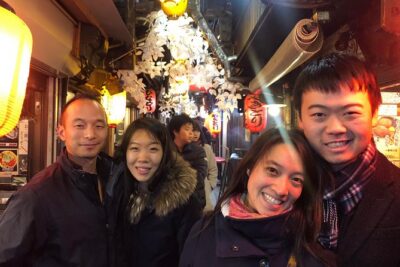
Tokyo Bar Hopping Tour in Shinjuku (All-You-Can-Drink + Dinner)
Read our review →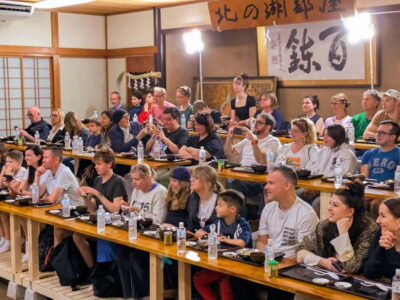
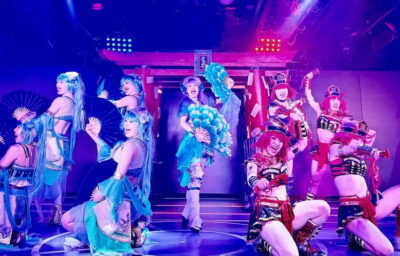
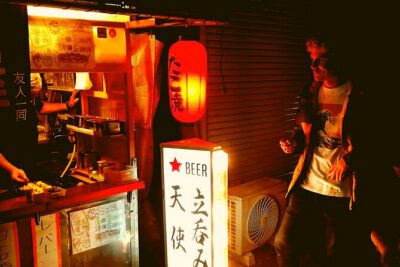
Deep Backstreet Osaka Tours (Option to add Dinner)
Read our review →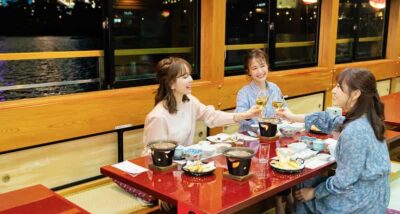
Sumida River: Japanese Traditional Yakatabune Dinner Cruise
Read our review →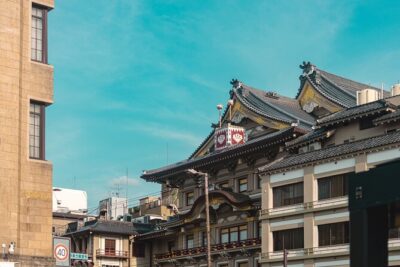
Kyoto Gion Cultural Walk & Geisha Show with Dining Options
Read our review →Kyoto Gion Cultural Walk & Geisha Show with Dining Options
Read our review →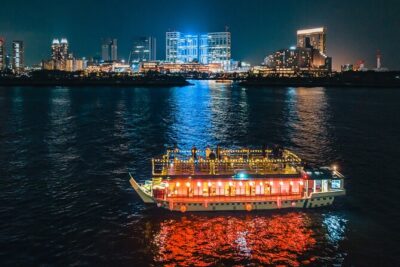
Tokyo Bay Yakatabune Dinner/Day Cruise with Japan Show and Drinks
Read our review →Browse the lists this tour appears in