
Reviewed · WALKING TOURS
Osaka: Hotspots & Hidden Gems Walking Tour Private or Group
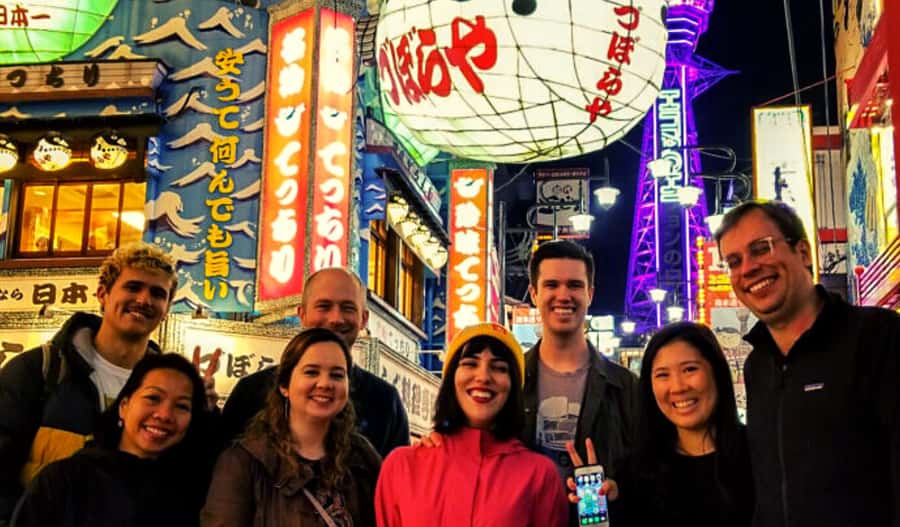
Osaka reveals itself one alley at a time. This walking tour links the city’s famous neon streets with seafood stalls, old neighborhoods, tiny bars, and places you could easily miss on your own. I especially like the mix of major sights and local corners, and I like that the guide shares practical advice about food, customs, shopping, and getting around. The main drawback is that the 3-hour group outing covers a lot of ground quickly, so you should not expect long visits at every stop.
The private option gives you more breathing room and a chance to shape the day around your interests. Guides such as Rahat, Stephanie, Josh, Taka, Harry, and Maryem have been praised for their energy, humor, stories, and flexibility. Still, bring good shoes: this is a real walking tour, not a sightseeing bus, and the included food is only a small takoyaki snack plus a canned drink.
In This Review
- Key points to know before booking
- Why this is a smart first look at Osaka
- Starting in Namba and finding the right meeting point
- Kuromon Ichiba Market: Osaka through food
- Back alleys, cobblestones, and Osaka after dark
- Takoyaki beside the Dotonbori River
- America-mura and Osaka’s playful pop culture
- A quiet temple after the market crowds
- Shinsekai and the older side of Osaka
- What changes on the 4, 5, and 7-hour private tours
- Group or private: which format gives better value?
- Daytime or nighttime?
- Who will get the most from this walk?
- Practical details that affect your day
- Should you book the Osaka hotspots and hidden corners walk?
- FAQ
- Where does the group tour meet?
- Is hotel pickup available?
- What food and drink are included?
- Does the 3-hour group tour visit Osaka Castle?
- Is transportation included?
- What should I bring?
Key points to know before booking
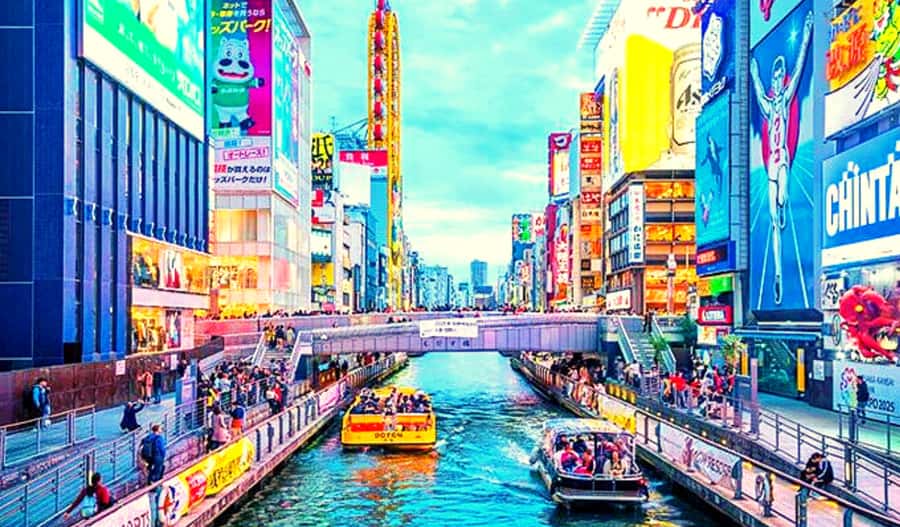
- The route moves from Kuromon Market to Dotonbori, America-mura, and Shinsekai, giving you a broad first look at Osaka’s food, nightlife, shopping, and older neighborhoods.
- The 3-hour group tour has a maximum of nine people, making it more personal than a large city tour while keeping the price low.
- Private tours last 4, 5, or 7 hours and can include Osaka Castle, Shitennoji, a knife demonstration, the Museum of Housing and Living, and extra food districts.
- Takoyaki and a canned drink are included, but this is a taste, not a meal. Budget separately for market snacks and dinner.
- Night tours make the most of Dotonbori’s lights, while daytime departures are better for markets, temple details, and seeing Osaka at a slower visual pace.
- Hotel pickup is available only for private tours in central Osaka, and transportation costs are not included.
Why this is a smart first look at Osaka
Osaka can feel confusing at first. Namba, Shinsaibashi, Dotonbori, Kuromon, and Shinsekai all sit close enough to connect on foot, yet each area has a different personality. A guide helps you understand the changes instead of simply marching from one photo stop to the next.
I like the way this outing treats Osaka as both a famous city and a lived-in place. You get the enormous signs and glowing riverfront that fill guidebooks, but you also pass narrow lanes, small eateries, old gaming parlors, and quiet religious sites. That contrast is the real point.
The guides are another major part of the experience. Rahat is repeatedly praised for his energy, jokes, and unusual facts. Stephanie is known for being attentive and flexible, including making time for a vintage shop in America-mura. Josh has lived in Osaka for more than 20 years and has been praised for his grasp of Japanese culture and history.
That does not mean every guide has the same background. One participant noted that a guide was an Australian who had lived in Osaka for seven months rather than someone born locally. That can be a useful distinction. The tour appears to rely on guides with strong Osaka experience, but you should not assume every guide is a native Osakan.
More Walking Tours in Osaka
- Osaka Local Foodie Walking Tour in Dotonbori and Shinsekai
★ 5.0 · 985 reviews - Osaka Bar Hopping Night Walking Tour in Namba (3 bars, 6 tastes)
★ 5.0 · 958 reviews - Osaka: Deep Backstreets Walking Tour with Dinner Option
★ 4.9 · 902 reviews
Starting in Namba and finding the right meeting point
The group tour begins at Exit 24 of Namba Metro Station, at the top of the stairs. Look for the Exit 24 sign and a bicycle stand about seven meters away. The guide will be waiting where you can see vehicles.
This detail matters because Namba is a busy transport area with several stations and many exits. Give yourself extra time to find the correct one. If you book a private tour, pickup may be possible at a centrally located hotel, but you must send the hotel details at least a day ahead.
The tour takes place rain or shine. Only very serious conditions such as a typhoon or earthquake are expected to cause cancellation. Comfortable shoes are essential, and large bags or luggage are not allowed. The experience is not suitable for people with mobility impairments or pregnant women, so consider the amount of walking before booking.
Kuromon Ichiba Market: Osaka through food
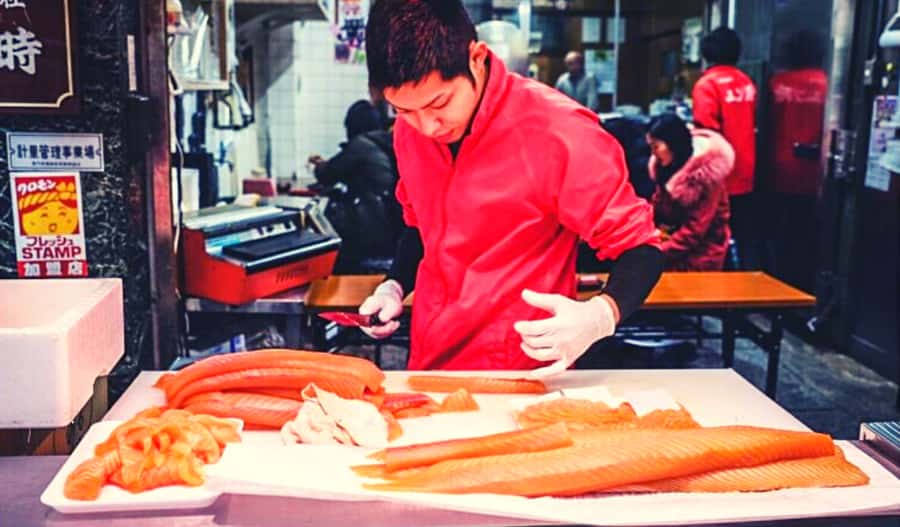
Kuromon Ichiba is one of the tour’s strongest stops. It is a long-standing food market where chefs shop for ingredients, and the guide explains what you are seeing instead of leaving you to guess at unfamiliar seafood and produce.
I find markets most useful when someone helps decode them. You might encounter unusual seafood, grilled items, sweet treats, and seasonal produce. The guide can explain what the food is, how it is commonly eaten, and which items are worth trying. One participant especially enjoyed tasting puffer fish and Kobe beef here.
The included tasting is modest, so keep your expectations sensible. The tour description refers to some taste testing, but the only clearly included snack is a small takoyaki serving and a canned drink. Market food beyond that is your own expense.
Kuromon can be crowded, and stalls may charge more for ready-to-eat items than a neighborhood shop. That is not a flaw in the tour, but it is useful to know. The value is in the explanation and orientation, not in receiving a full market meal for $33.
Back alleys, cobblestones, and Osaka after dark
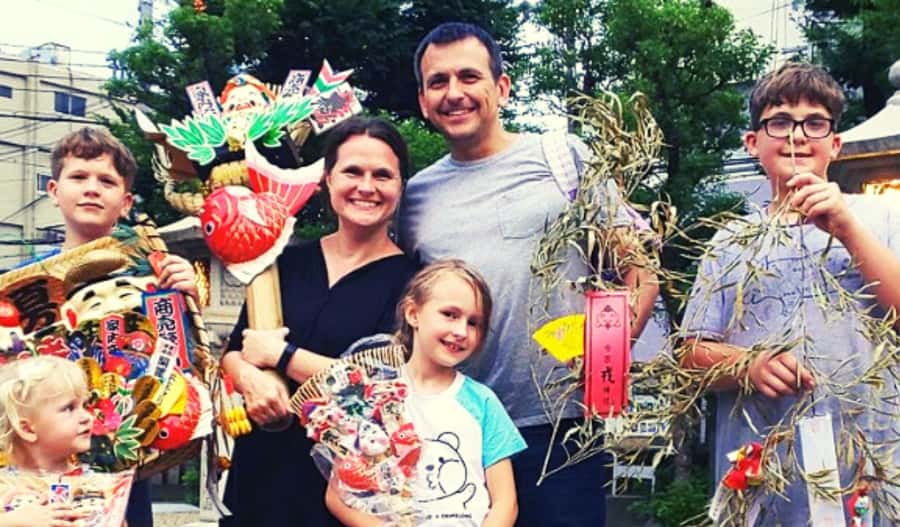
After the market, the guide leads you away from the main flow and into narrow alleys filled with bars and restaurants. These lanes are part of what makes the experience different from a standard Osaka highlights walk.
You may pass cobblestones, small storefronts, and places that are easy to overlook from a main road. The guide describes which areas are popular with residents and shares suggestions for later meals. This is where the tour becomes practical: you are not just seeing a street, you are learning where you might return that evening.
The evening departure has a clear advantage here. Osaka’s nightlife districts feel more atmospheric after sunset, and the signs, restaurant fronts, and passing crowds give the walk more drama. Several people have particularly liked seeing Dotonbori at night.
The tradeoff is pace. Narrow lanes can be crowded, and the group may need to stop often to stay together. If you prefer quiet streets and careful photography, a private daytime tour may suit you better.
More Walking Tours in Japan:
- Kyoto Geisha Walking Tour: Gion District & Hidden Gems
★ 4.7 · 3,273 reviews - Tokyo Tsukiji Fish Market Food and Culture Walking Tour
★ 5.0 · 3,184 reviews - Kyoto: Gion Magical Night Walking Tour with Geisha Trivia
★ 4.9 · 2,393 reviews - Tokyo: Imperial Palace and Shogun Historical Walking Tour
★ 5.0 · 2,251 reviews
Takoyaki beside the Dotonbori River
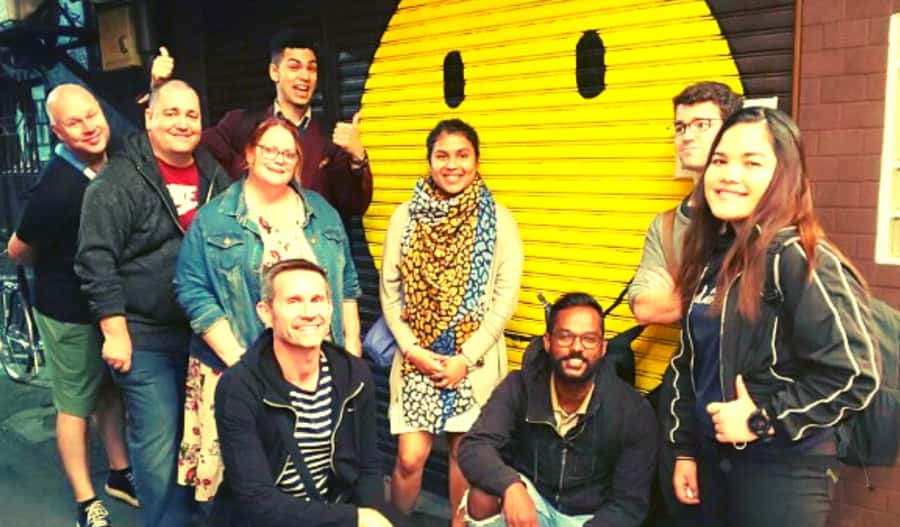
Dotonbori is Osaka’s great visual overload. Giant signs, elaborate restaurant displays, bright billboards, and the central river create the city image most people expect. Your guide explains the district’s background while leading you through the busiest sections.
The takoyaki stop fits the setting perfectly. These battered octopus balls are a classic Osaka snack, usually served hot and covered with savory toppings. Here, one small serving and a canned drink from a vending machine are included.
Do not treat this as lunch or dinner. It is a taste and a fun introduction to one of Osaka’s signature foods. You will probably want to buy more food later, especially if you are using the tour to plan your evening.
I also like that the guides use this area to offer food recommendations. Several participants appreciated getting suggestions for dinner and ideas about where to return during the rest of their stay. That sort of advice can save you from choosing a random restaurant in the most crowded part of Dotonbori.
America-mura and Osaka’s playful pop culture
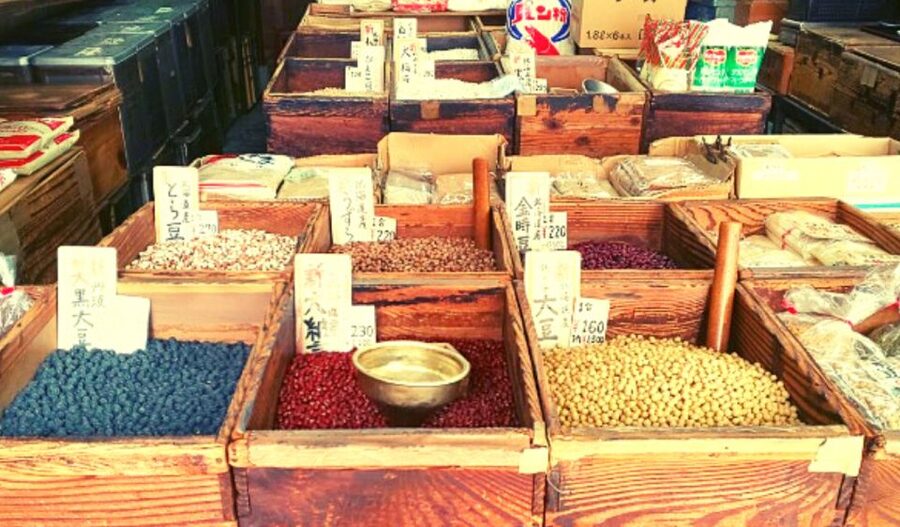
America-mura, or America Village, offers a different view of the city. Its name comes from the area’s connection to imported American goods and youth culture, but the Japanese interpretation is very much its own thing.
Expect unusual signs, fashion shops, pop culture references, and a playful take on America. It is less about seeing a single monument and more about noticing how Osaka adapts outside influences into something local.
The area is useful for shoppers and anyone interested in contemporary culture. Stephanie’s ability to make time for a vintage shop shows how the private format, and sometimes even a flexible group guide, can respond to personal interests.
Do not expect a museum-style explanation at every corner. America-mura works best as a neighborhood walk. Your guide provides context, but you are also there to watch the street life and notice the odd details.
A quiet temple after the market crowds
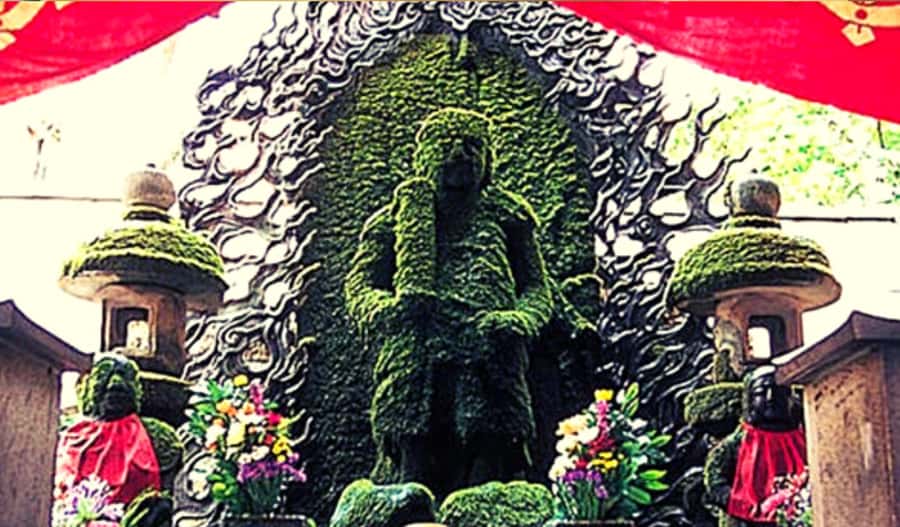
The route also includes a quieter temple and old streets away from the main commercial zones. This change of mood is important. Osaka is not only food signs and crowded sidewalks.
The temple stop gives the guide room to explain religious customs and local history, along with the way older places continue to exist beside restaurants and shops. The exact temple included can depend on the route and tour length, so ask your guide if there is a particular religious site you want to see.
On longer private tours, Shitennoji can be added. It is described as Japan’s oldest temple, and it offers a more serene contrast to Dotonbori. I would choose the longer option if temples and historical context matter more to you than nightlife.
Shinsekai and the older side of Osaka
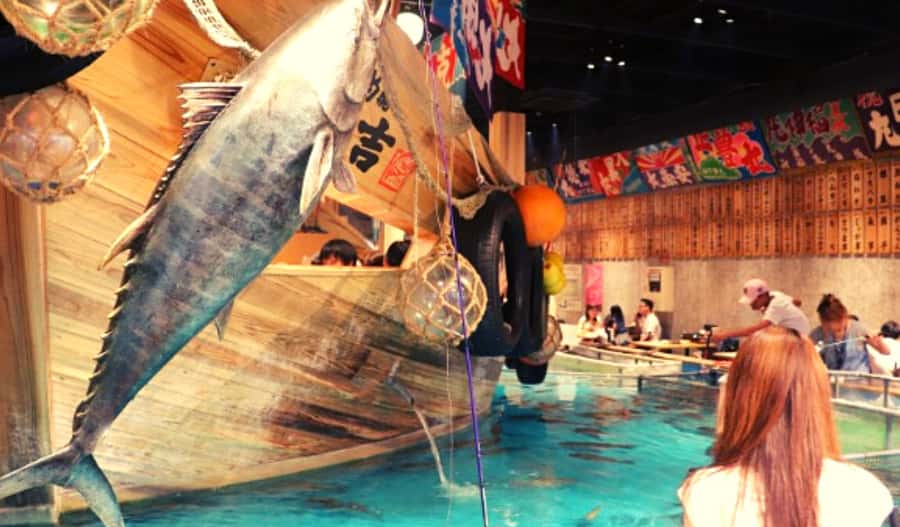
Shinsekai feels unlike Dotonbori. It is known for its retro atmosphere, unusual fishing restaurants, older buildings, and traditional gaming parlors. The district gives you a sense of another Osaka, one that is less polished and more eccentric.
The guide helps explain the mix rather than presenting Shinsekai as a simple photo backdrop. You may see restaurants built around fishing themes and gaming spaces that reflect older forms of entertainment. The area can look rougher and more worn than central shopping streets, which is part of its appeal.
This stop is especially useful if you want to understand Osaka’s reputation for directness, humor, and food-centered entertainment. It may not suit you if you want elegant architecture or a calm sightseeing route. For many people, though, the contrast is exactly what makes the tour worthwhile.
What changes on the 4, 5, and 7-hour private tours
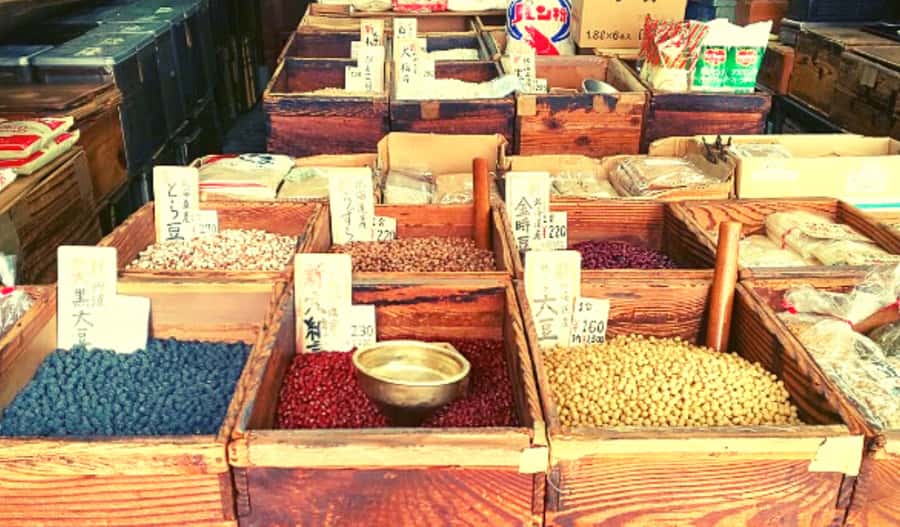
The private format is not simply a longer version of the group outing. It gives you more control over the route and pace. You can ask for more food alleys, the East Shinsaibashi dining area, Osaka Castle, Shitennoji, or other places listed for the longer options.
A private tour can also include a knife shop with a demonstration and lesson. Japanese knives are a major subject in Osaka, and this stop should appeal to cooks, serious food fans, and shoppers looking for a meaningful purchase. The details of the demonstration are not specified, so ask about the lesson when booking if this is a priority.
The Museum of Housing and Living is another possible addition. It shows how residents lived in earlier periods and how daily life changed over time. This is a good choice when you want social history rather than another shopping street.
Osaka Castle is available only on private tours lasting 4, 5, or 7 hours. The 3-hour group outing does not include it. Transportation is not included, so you may need to use local trains or pay your own fares. One participant used an IC card with a guide to reach the castle.
The 7-hour option can sound long, but the walking is broken up by different districts and stops. One person found that seven hours passed quickly because of the variety. I would choose it only if you enjoy a full day on foot and want Osaka Castle plus several neighborhoods. If you tire easily, five hours is likely the better compromise.
Group or private: which format gives better value?
At $33 per person, the 3-hour group option is strong value for a first visit. You get an English-speaking guide, a planned walking route, a takoyaki snack, a canned drink, and advice you can use for the rest of your stay.
The maximum group size is nine, which keeps the outing smaller than a typical city tour. Still, a group means you share the pace and cannot fully customize the route. You may also spend less time at a place that interests you and more time at one that does not.
Private tours cost more depending on the selected duration and group size, but they offer better value for families, couples, and small groups with specific goals. Hotel pickup in central Osaka, a slower pace, Osaka Castle, a knife lesson, or extra food areas can justify the added cost.
I would book the 3-hour group tour early in your Osaka stay. It gives you a useful map of Namba and nearby districts, then you can return to the restaurants or shops that caught your attention. If you already know the main areas, use the private tour to pursue a theme instead.
Daytime or nighttime?
Choose nighttime if Dotonbori’s lights, neon signs, and restaurant atmosphere are your main reason for booking. The central district looks more dramatic after dark, and the tour can help you decide where to eat afterward.
Choose daytime if Kuromon Market is your priority or if you want clearer views of temple details, shop fronts, and neighborhood streets. Daytime may also feel easier for photography and for anyone who prefers a less intense pace.
The tour is offered at different starting times, so check the available schedule. The important point is to match the time with your interests rather than assuming one departure is best for everyone.
Who will get the most from this walk?
I would recommend this experience for:
- First-time visitors who want quick orientation
- Food lovers curious about takoyaki, seafood, and market customs
- People who enjoy neighborhoods more than formal sightseeing
- Anyone who wants practical restaurant and shopping suggestions
- Couples or families who want a private route
- Visitors who like lively guides and plenty of conversation
It is less suitable for you if you dislike crowds, need frequent sitting breaks, or want a slow architectural tour. The route covers several areas, and the ground can be uneven in older lanes. Pregnant women and people with mobility impairments are specifically advised not to book.
The guide makes a large difference. Names praised for humor, warmth, and strong local explanations include Rahat, Stephanie, Josh, Taka, Harry, Maryem, Mary, and Tommy. The exact guide cannot be guaranteed, but the repeated pattern is clear: this is a personality-led experience, not an audio tour with legs.
Practical details that affect your day
Wear comfortable shoes and carry only what you need. Large bags and luggage are not allowed, and public transportation costs are separate from the tour price.
Food is partly included but not fully covered. You receive a small takoyaki snack and a canned vending-machine drink. Plan extra money for Kuromon Market, dinner, dessert, or anything you decide to buy in America-mura.
The activity has free cancellation up to 24 hours before departure, and you can reserve now and pay later. Those policies are useful if your Osaka schedule is still shifting, but they do not change the need to arrive at the correct Namba meeting point.
Should you book the Osaka hotspots and hidden corners walk?
Yes, if you want a lively introduction to Osaka that combines famous sights with smaller streets and local food culture. At $33, the 3-hour group tour is an easy value choice, especially on your first or second day.
Book the private 4-hour, 5-hour, or 7-hour version if you want Osaka Castle, Shitennoji, a knife demonstration, the Museum of Housing and Living, hotel pickup, or a route shaped around your interests. I would choose the nighttime group tour for neon and Dotonbori, and a private daytime tour for temples, markets, and a slower pace.
The most important expectation is simple: this is a walking introduction, not a full meal and not a detailed visit inside every attraction. If that suits you, the tour can give you something many Osaka itineraries lack: a feel for how the city changes from market to alley, from neon riverfront to old neighborhood, all in one energetic outing.
FAQ
Where does the group tour meet?
Meet at Exit 24 of Namba Metro Station, at the top of the stairs. Look for the Exit 24 sign and a bicycle stand about seven meters away. The guide will be standing there.
Is hotel pickup available?
Hotel pickup is available only for private tours at centrally located Osaka hotels. Send your hotel details at least one day before the tour if you want to request pickup.
What food and drink are included?
The tour includes a small takoyaki snack and a canned drink from a vending machine. Other food and drinks, including extra items from Kuromon Market, are not included.
Does the 3-hour group tour visit Osaka Castle?
No. Osaka Castle is available only on private tours lasting 4, 5, or 7 hours.
Is transportation included?
No. Transportation costs are not included. You may need to pay local train fares during longer private tours, including a possible trip to Osaka Castle.
What should I bring?
Bring comfortable shoes and avoid luggage or large bags. The tour runs in normal rain, but very serious conditions such as a typhoon or earthquake may lead to cancellation.
Just added in Japan
- A One-of-a-Kind Sushi Experience in a Special Place of Japan★ 5.0 · 15 reviews
- Tokyo Cute Bento Cooking Class – Make a Kawaii Character Lunchbox★ 5.0 · 126 reviews
- Japanese Home Cooking Class & Walk in Todoroki Temple Tokyo★ 5.0 · 88 reviews
- Japan Tokyo Tower Observatory Deck E-Ticket★ 4.0 · 34 reviews
- Catch a Baseball Game in Tokyo with a Local – Tickets Included★ 5.0 · 24 reviews
- JDM Experience with Fast&Furious RX-7 (English speaking Driver)★ 5.0 · 57 reviews
- Tokyo Private Day Tour by Car with English speaking Driver Guide★ 4.0 · 29 reviews
- Japan Classic 10 Day – One Life Adventures★ 5.0 · 129 reviews
Walking Tours, compared.
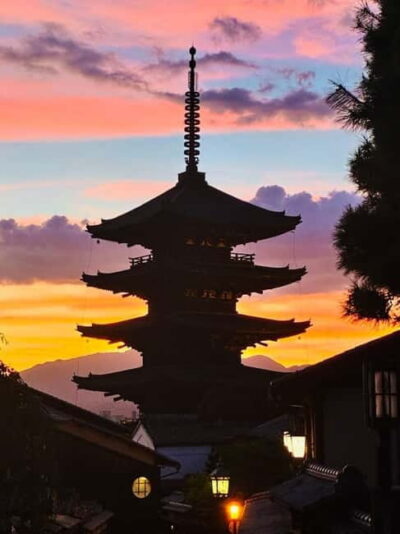
Kyoto Geisha Walking Tour: Gion District & Hidden Gems
Read our review →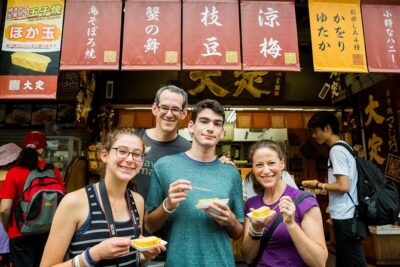
Tokyo Tsukiji Fish Market Food and Culture Walking Tour
Read our review →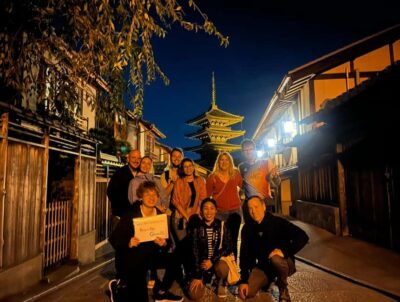
Gion Magical Night Walking Tour with Geisha Trivia
Read our review →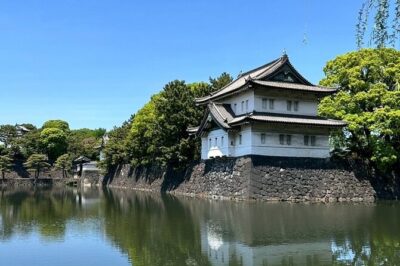
Imperial Palace and Shogun Historical Walking Tour
Read our review →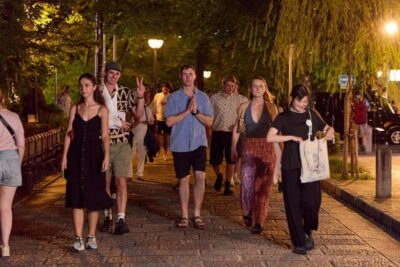
Gion Geisha District Walking Tour – Stories of Geisha
Read our review →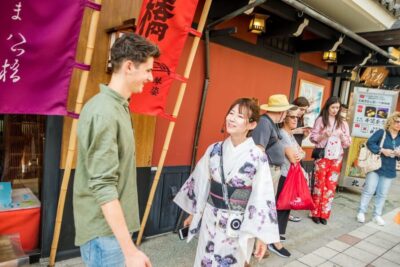
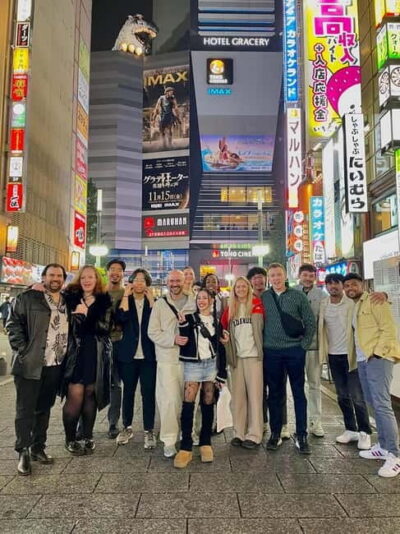
Shinjuku Local Bar and Izakaya Guided Walking Tour
Read our review →
Browse the lists this tour appears in