
Reviewed · WALKING TOURS
Kamakura: Private Guided Walking Tour with Local Guide
Kamakura makes a fine escape from Tokyo. This private walking tour gives you a personal way to sort through its temples, shrines, gardens, and seaside-town character, with a nationally licensed guide shaping the day around your interests. I like the flexible 4 or 6-hour format, and I like that you can either request specific places or let your guide plan the route.
The guides are the real strength. Guides such as Shinji, An, Yuki, Emiko, Tome, and Hirosan have helped visitors adjust plans, avoid crowds, find lunch, answer cultural questions, and even catch a rare view of Mount Fuji. The main consideration is cost: at $106 per person, you still pay separately for admissions, meals, and transport between sites, and the tour does not include a private vehicle.
In This Review
- Key points to know before you book
- Why Kamakura works so well as a Tokyo day trip
- Starting with the Great Buddha at Kotoku-in
- Hase-dera and the garden that changes with the season
- Zeniarai Benten and the money-washing tradition
- Hokoku-ji’s bamboo and a cup of matcha
- Choosing between a four-hour and six-hour tour
- Temples, shrines, lunch, and local advice
- The value of a nationally licensed guide
- Crowds, weather, and the walking effort
- Who will get the most from this Kamakura tour
- Should you book the Kamakura private walking tour?
- FAQ
- How long does the Kamakura private walking tour last?
- Is transportation included?
- Can I customize the itinerary?
- Are entrance fees, food, and drinks included?
- Which languages are available?
- What happens if it rains?
Key points to know before you book
- Enter the Great Buddha: You can see the inside of Kamakura’s famous bronze statue, not just photograph it from outside.
- Choose four or six hours: A shorter tour can focus on a few major sites, while six hours gives you more room for temples, shrines, lunch, and side trips.
- Let a licensed guide connect the pieces: Japan’s nationally licensed guides are trained in the country’s culture and history, so the day offers more than directions and photo stops.
- Build your own route: You can request shrines, temples, food, gardens, or shopping, or leave the planning to your guide.
- Plan for walking and local transport: Pickup is on foot when practical, but trains, buses, or taxis between sites cost extra.
- Hydrangea season is special: Around June, Hase-dera’s garden can show roughly 2,500 hydrangeas in about 40 varieties.
Why Kamakura works so well as a Tokyo day trip
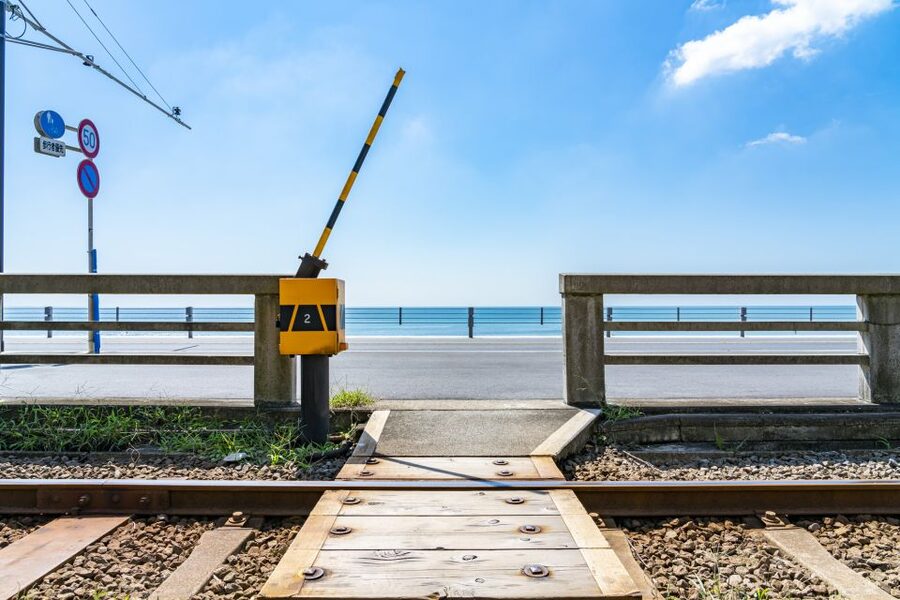
Kamakura is about an hour from Tokyo, yet the mood changes quickly. Instead of Tokyo’s broad streets and constant motion, you get temple approaches, wooded slopes, shrine gates, small shops, and a strong connection to Japan’s samurai past.
That mix is exactly why a guide helps. Kamakura has many important sites, and they are not all clustered around one easy square. A first-time visitor can spend too much time choosing between temples, or miss a place that fits their interests better than the most famous stop.
I like the private format because you can set the pace. If you want to move quickly, Yuki has shown that the schedule can keep up. If you prefer time for questions, photos, or a long lunch, your guide can adjust the day. You are not tied to a bus group waiting for a fixed departure.
The tour is also useful for travelers who want cultural context without signing up for a lecture. Guides can explain why a shrine differs from a temple, how religious customs work, and what makes Kamakura important. The exact depth depends on your guide, but the national license sets a useful professional standard.
More Walking Tours in Kamakura:
- Kamakura Historical Walking Tour with the Great Buddha
★ 5.0 · 129 reviews - Kamakura Walking Tour – The City of Shogun
★ 5.0 · 100 reviews - Buddha, Bamboo & Zen – Bespoke Kamakura Private Walking Tours
★ 5.0 · 25 reviews
Starting with the Great Buddha at Kotoku-in
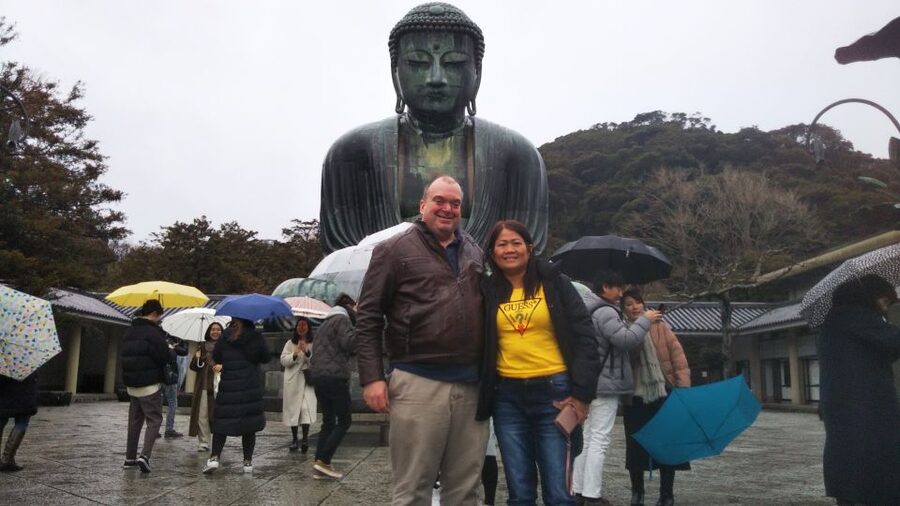
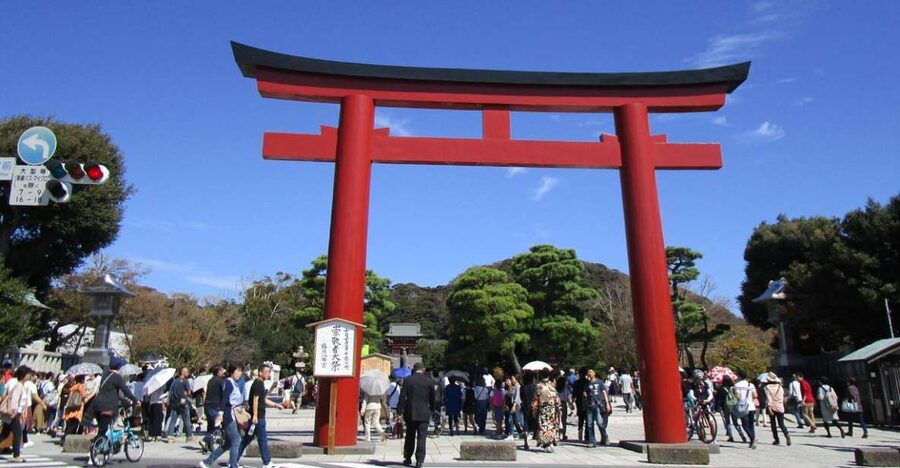
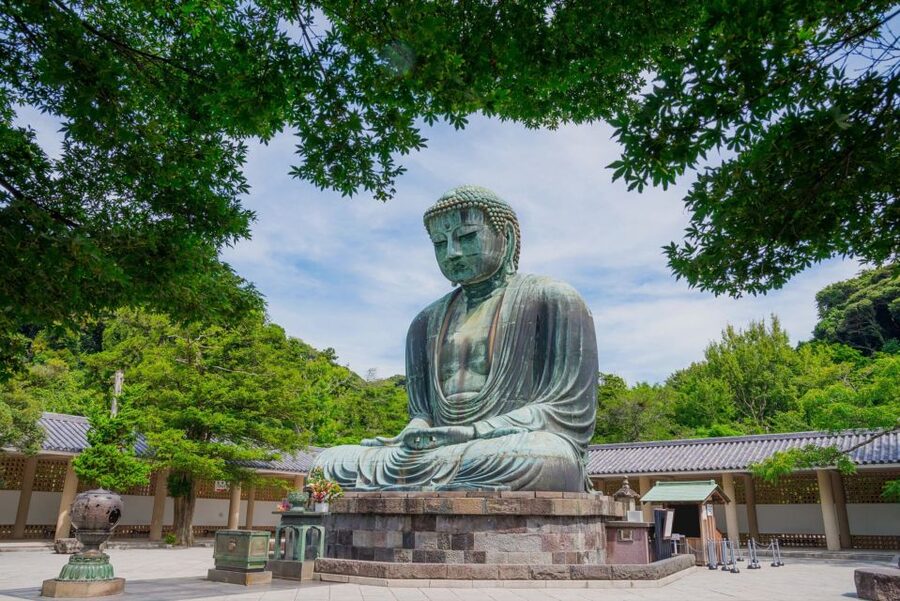
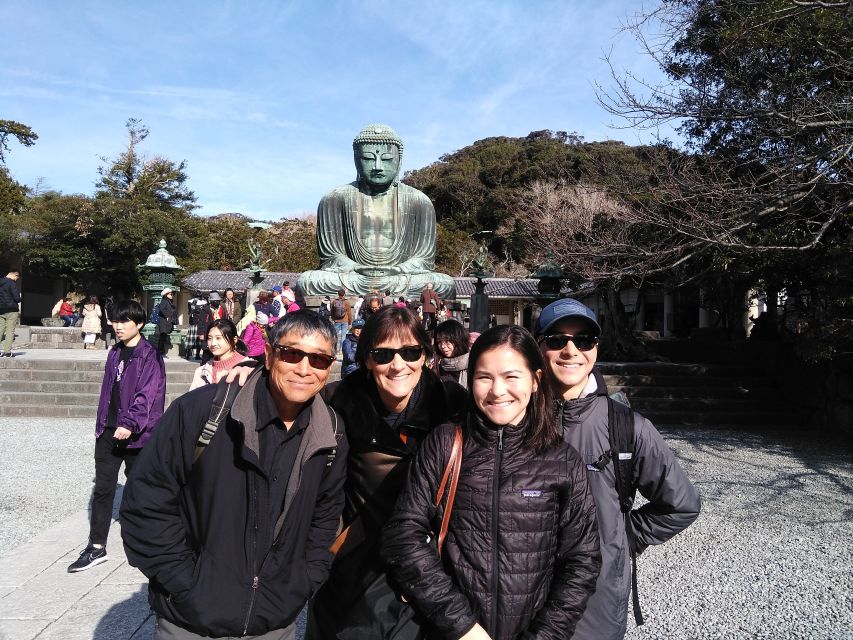
The Great Buddha is the natural anchor for a first visit. This huge bronze figure has become Kamakura’s best-known symbol, and the tour includes the chance to enter the statue’s interior.
That small detail matters. Many sightseeing stops give you one view from a courtyard and little else. Here, you can look at the statue from outside, then step inside and think about how such a large bronze figure was made and maintained. It gives the visit a physical quality that a photograph cannot provide.
Your guide can also place the statue within Kamakura’s religious story. Without explanation, you may simply see an enormous seated Buddha. With a guide, you get a clearer sense of why the image carries such weight in the city and in Japanese culture.
Allow time for photographs, but do not let the statue become a quick stop. The best part of a private tour is the chance to ask what you are looking at. If you have questions about Buddhist images, temple customs, or Japanese religious traditions, this is a good place to raise them.
Entrance fees are not included, so keep some Japanese yen ready. The same applies at other paid sites during the day.
Hase-dera and the garden that changes with the season
Hase-dera is one of the tour’s most rewarding stops because it combines religious buildings with carefully arranged gardens. The site is especially appealing if you enjoy plants, views, and quiet corners as much as architecture.
Around June, the temple’s hydrangeas provide a major seasonal reason to visit. About 2,500 flowers in 40 varieties can bloom at once, creating a colorful display. Rain is common in this season, but it is also part of the atmosphere. Bring suitable footwear and a light rain layer, since the tour operates in all weather.
Outside hydrangea season, the gardens still give the day a welcome change of pace. I would ask your guide how much time to spend here based on your interests. A garden fan may want a slower visit, while someone focused on major historical sites may prefer to keep moving.
This is also a useful place to ask your guide for photo advice. Victoria particularly valued having her guide point out strong photo opportunities, and several guides have taken pictures for visitors. Do not assume every guide will provide the same photography service, but it is reasonable to ask.
Zeniarai Benten and the money-washing tradition
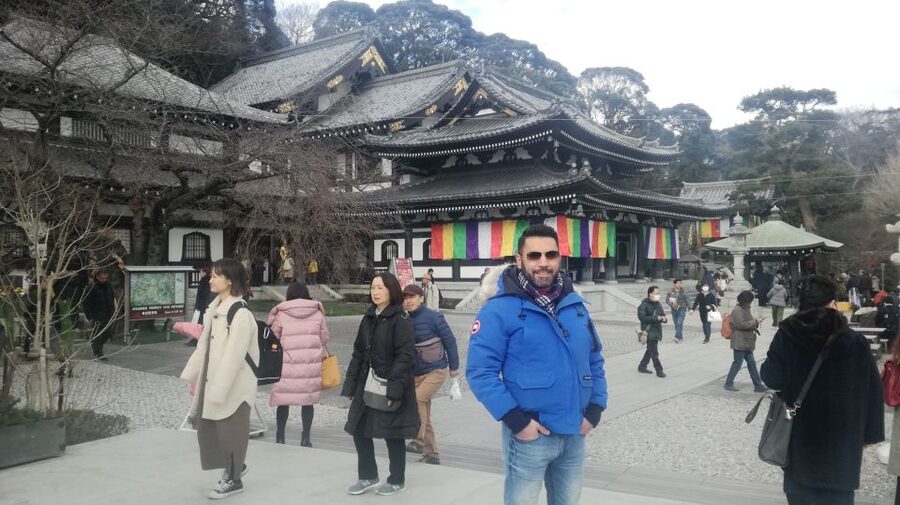
Zeniarai Benten Shrine adds a playful, local custom to the day. According to the shrine’s legend, washing money in its sacred spring can help you earn more.
You should not treat the ritual as a financial plan, of course. Its value is cultural and personal. It gives you a small action to perform rather than another place to simply view. A guide can explain how the custom fits into Japanese shrine practice and help you understand what to do respectfully.
This stop may appeal to you if you like traditions with a human, everyday quality. It is less about grand architecture and more about the way belief, luck, and ordinary hopes meet at a religious site.
Since your guide can personalize the route, tell them if you enjoy local customs, spiritual sites, or less obvious stops. If your priority is only the largest monuments, the guide may suggest a different use of your time.
A few more options to weigh up in Kamakura
- Tokyo: Kamakura & Enoshima Day Trip including Temple Tickets
★ 4.5 · 1,375 reviews - From Tokyo: Kamakura & Enoshima 1-Day Bus Tour
★ 4.5 · 189 reviews - Kamakura Private Tour: Temples, Nature, and the Great Buddha
★ 5.0 · 121 reviews - Kamakura 4hr Private Trip with Government-Licensed Guide
★ 5.0 · 58 reviews
Hokoku-ji’s bamboo and a cup of matcha
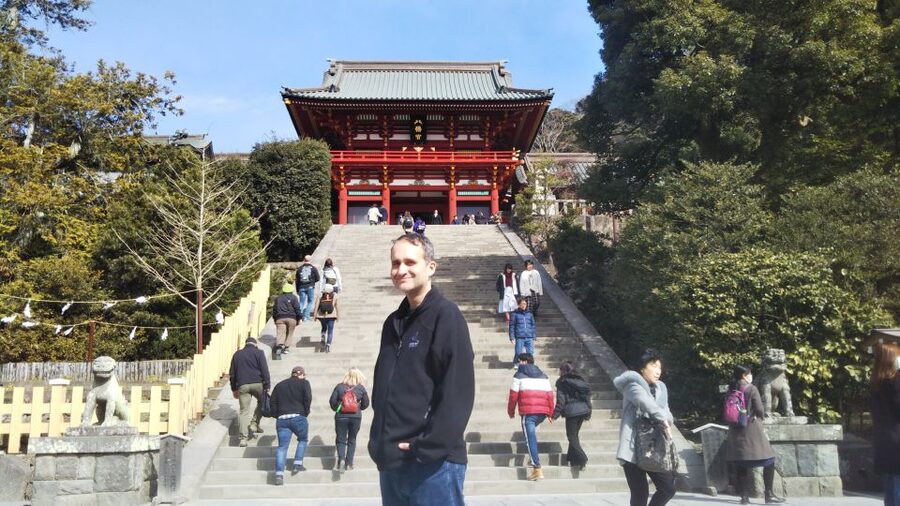
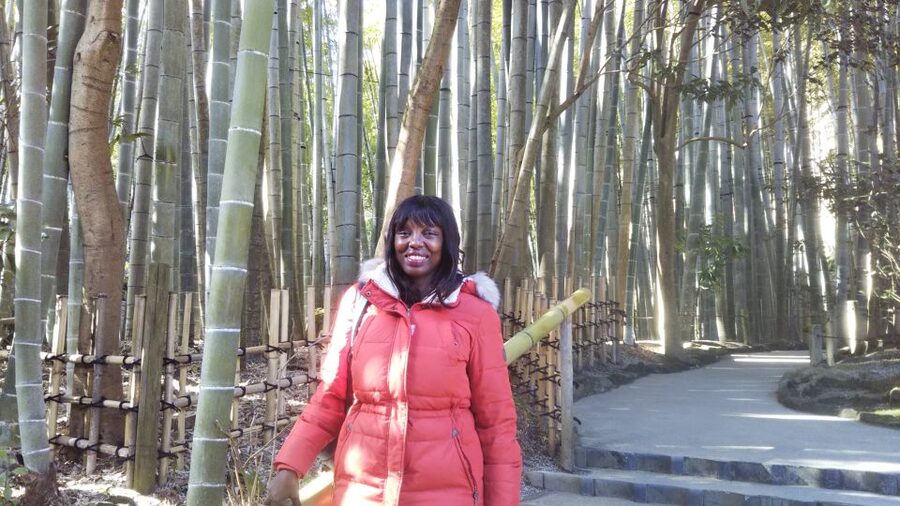
Hokoku-ji Temple is known for its bamboo garden, where tall green stalks create a cooler, calmer setting. The tour also includes the chance to sample matcha while looking into the bamboo forest.
This is one of the clearest examples of the tour’s value. You are not only checking off another temple. You are pairing a place with a simple Japanese food and tea tradition, then having your guide explain what you are seeing and drinking.
The matcha experience is included in the tour description, but food and drinks generally are not included in the price, so confirm the exact arrangement with your guide. Entrance fees are also extra.
Hokoku-ji can fit especially well into a six-hour route. On a four-hour tour, the guide may need to choose between this temple and other sites. Tell the guide in advance if the bamboo garden is a priority.
Choosing between a four-hour and six-hour tour
The four-hour option is best if you have limited time or a short list. You might focus on the Great Buddha, Hase-dera, and one or two additional sites, with enough time for explanations and photos.
A six-hour tour gives you a better chance to combine several parts of Kamakura. You might include the Great Buddha, Hase-dera, Zeniarai Benten, Hokoku-ji, and major shrines or temples such as Tsurugaoka Hachimangu, Kencho-ji, and Engaku-ji.
Do not read that as a guaranteed fixed itinerary. The route depends on your requests, site hours, walking speed, seasonal conditions, and time spent at lunch. Shinji once planned a route that included the Great Buddha, Hase-dera, Tsurugaoka Hachimangu, Kencho-ji, and Engaku-ji, followed by a Japanese lunch. Another guide worked around holiday closures to preserve the most meaningful parts of the day.
A six-hour booking costs more in time, but it can be better value if Kamakura is one of your main Japan sightseeing days. You pay for planning, local judgment, language help, and flexibility, not just for someone to walk beside you.
Temples, shrines, lunch, and local advice
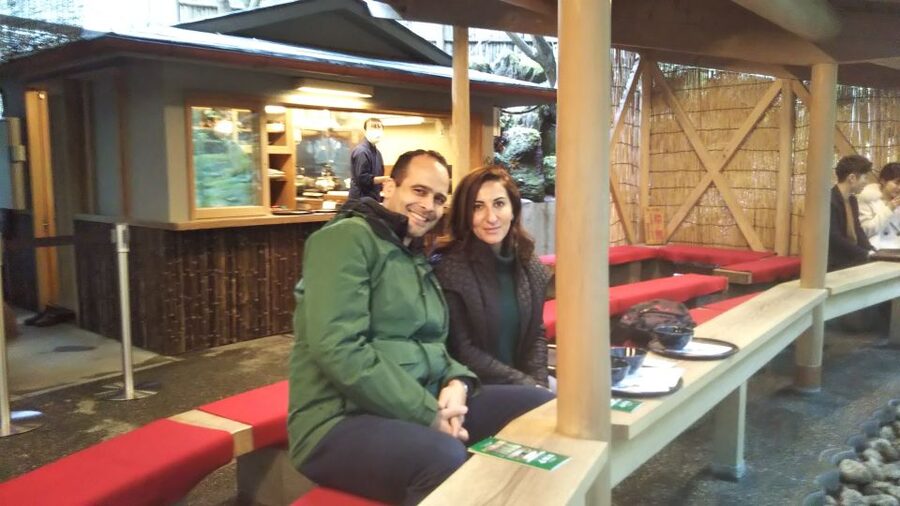
The experience is not limited to the four headline attractions. Your guide may recommend other temples and shrines based on what you want to see. Some visitors have used the tour to visit several shrines, while others have asked the guide to make the difficult choices for them.
That choice-making service is important. Kamakura offers more religious sites than most people can absorb in one day. If you arrive without a plan, you may spend valuable time comparing names on a map. If you tell your guide your priorities, the day can have a clear shape.
Food is another strong reason to book privately. Meals are not included, but guides have helped visitors find sushi, soba noodles, tempura, and Japanese restaurants suited to their preferences. If food matters to you, say so before the tour. The guide may be able to build lunch into the route instead of treating it as an afterthought.
You should budget separately for lunch, drinks, admission fees, and transportation. The walking tour does not include a private vehicle. Public transport or local taxis may be used to connect sites, and those costs can be discussed with your guide after the booking is finalized. Carry Japanese yen for these expenses.
If you want a private car, it must be arranged directly and booked at least five days ahead. The maximum group size is seven passengers, which keeps the private format manageable but is worth noting if you are traveling with a larger party.
The value of a nationally licensed guide
Each guide holds Japan’s Nationally Licensed Tour Guide-Interpreter certification. That matters most when you want more than basic facts.
A good guide can explain the difference between places, answer questions in English or Japanese, and connect what you see to Japanese culture. The strongest guide experiences described by visitors included clear planning, warm conversation, and answers to questions about Japan well beyond the individual monuments.
Guide personalities vary. An may suit you if you want a friendly, flexible companion who can avoid crowds and answer broad cultural questions. Shinji has shown a talent for building efficient itineraries. Yuki has handled a fast pace and found a lunch stop. Emiko has been praised for arranging details ahead of time and managing the schedule carefully.
You cannot select a specific guide with certainty from the information provided, so approach the names as examples of the range of service possible. The local team communicates before the tour to confirm arrangements, and most guides contact you within seven days. The booking is not final until a guide accepts it.
Crowds, weather, and the walking effort
Kamakura is a popular day trip, and famous sites can be busy. A private guide can help you choose a better order and, as An did for one six-hour visit, steer you toward less crowded moments and places. That does not guarantee empty paths, but it can make the day feel less rushed.
The experience runs rain or shine. This is worth taking seriously because Kamakura visits include outdoor approaches, temple grounds, and walking between transport points. Comfortable shoes and weather protection will make a difference.
The activity is listed as wheelchair accessible, but the exact route should be discussed with the local team before you go. A customized plan may be important if you need to limit stairs, slopes, or long walks.
The tour is private, but it is not a private car tour. You may walk, then use public transport or a taxi to reach the next area. That arrangement keeps the experience close to daily life in Kamakura, though it means you should allow time for transfers and carry cash.
Who will get the most from this Kamakura tour
I would recommend this tour if you want a first visit to Kamakura to feel organized but not rigid. It suits couples, families, solo visitors, and small groups who want to ask questions freely.
It is particularly useful for you if:
- You have only one day for Kamakura and want sensible site choices.
- You care about Japanese history, religion, gardens, or local customs.
- You want help finding lunch or shops.
- You prefer a fast or slow pace that a group tour cannot provide.
- You want to include a personal request, such as Mount Fuji viewing opportunities, when conditions allow.
- You need English or Japanese guiding support.
It may be less suitable if you want a low-cost self-guided day, dislike walking, or expect all admissions and transport to be covered. At $106 per person, the price makes the most sense for two or more people who will use the guide’s planning and cultural help fully.
Should you book the Kamakura private walking tour?
Book it if you want Kamakura’s major sights explained, a route shaped around your interests, and help making practical choices on the day. The strongest reasons are the private format, the licensed local guides, the flexible four or six-hour length, and the chance to combine major monuments with gardens, food, and local customs.
Choose the six-hour option if you want several temples, lunch, and a relaxed route. Choose four hours if you have a tight schedule and can name your top priorities.
Before booking, write down your must-see sites, walking pace, food preferences, and any mobility needs. Also budget for entrance fees and local transport. With those details clear, this tour offers a useful and personal way to make sense of Kamakura without trying to solve the city’s long list of temples on your own.
FAQ
How long does the Kamakura private walking tour last?
You can choose a tour lasting four or six hours. Starting times depend on availability.
Is transportation included?
No. This is a walking tour, and a private vehicle is not included. Public transportation or local taxis may be used between sites, with those costs paid separately.
Can I customize the itinerary?
Yes. You can request specific interests and sites, or allow your guide to plan the route. The local team communicates before the tour to confirm the details.
Are entrance fees, food, and drinks included?
No. Entrance fees, food, drinks, and transportation costs are not included in the tour price.
Which languages are available?
The tour is offered with live guides who speak English or Japanese.
What happens if it rains?
The tour operates rain or shine. You should prepare suitable clothing and footwear for outdoor walking.
Just added in Kamakura
- When Emperors Reigned and Shoguns Ruled★ 5.0 · 43 reviews
- First time in Kamakura? Enjoy a Tour of All Must-sees!★ 5.0 · 15 reviews
- Kamakura Walking Tour – The City of Shogun★ 5.0 · 100 reviews
- Kamakura 4hr Private Trip with Government-Licensed Guide★ 5.0 · 58 reviews
- Your Own HANKO Name Seal Activity in Kamakura.★ 5.0 · 24 reviews
- Kamakura Bamboo Forest and Great Buddha Private Tour★ 5.0 · 12 reviews
- Exciting Kamakura – One Day Tour from Tokyo★ 5.0 · 40 reviews
- Kamakura Tours Half Day or Full Day Tours with a local guide.★ 5.0 · 12 reviews
Walking Tours, compared.
Kyoto Geisha Walking Tour: Gion District & Hidden Gems
Read our review →
Tokyo Tsukiji Fish Market Food and Culture Walking Tour
Read our review →
Gion Magical Night Walking Tour with Geisha Trivia
Read our review →
Imperial Palace and Shogun Historical Walking Tour
Read our review →
Gion Geisha District Walking Tour – Stories of Geisha
Read our review →
Shinjuku Local Bar and Izakaya Guided Walking Tour
Read our review →
Browse the lists this tour appears in