
Reviewed · TEMPLES AND SHRINES
Tokyo: Kamakura & Enoshima Day Trip including Temple Tickets
Temples, seafood, and sea views await. This $58 day trip packs Kamakura’s grand shrine, lively Komachi Street, two important Buddhist sites, and Enoshima into nine hours. I like the way it combines history and local food with a coastal escape from Tokyo, and the English or Chinese guide adds useful context as you go.
I also like the practical value. The air-conditioned vehicle includes admission to Hasedera and Kōtoku-in, and guides such as Eric, Yuki, Mitsuko, Omar, and Koji have earned praise for keeping the day organized and explaining Japan’s culture clearly. The trade-off is time: Enoshima gets about two hours, and that island alone can easily fill half a day.
In This Review
- Key points at a glance
- Why this day trip works from Tokyo
- Tsurugaoka Hachimangu and the old samurai capital
- Komachi Street: your best chance to eat
- Hasedera: flowers, views, and the Eleven-Headed Kannon
- Kōtoku-in and Kamakura’s Great Buddha
- Enoshima: the day’s scenic finish
- Making two hours on Enoshima count
- The guide and the value of organized transport
- Who should book this experience?
- Should you book the Kamakura and Enoshima day trip?
- FAQ
- How long is the Kamakura and Enoshima tour?
- What is the tour price?
- What is included in the price?
- Which languages are available?
- Where does the tour depart?
- Where does the tour return?
- How much time do you get at Tsurugaoka Hachimangu?
- How much time do you get at Enoshima?
- Can you see Mount Fuji from Enoshima?
- Can you cancel for a full refund?
Key points at a glance
- Kamakura’s spiritual center: Visit Tsurugaoka Hachimangu, a shrine with more than 800 years of history and a strong connection to samurai society.
- A food stop with real choice: Komachi Street offers about 250 shops, from souvenir stores to snack counters serving dumplings, croquettes, and shirasu dishes.
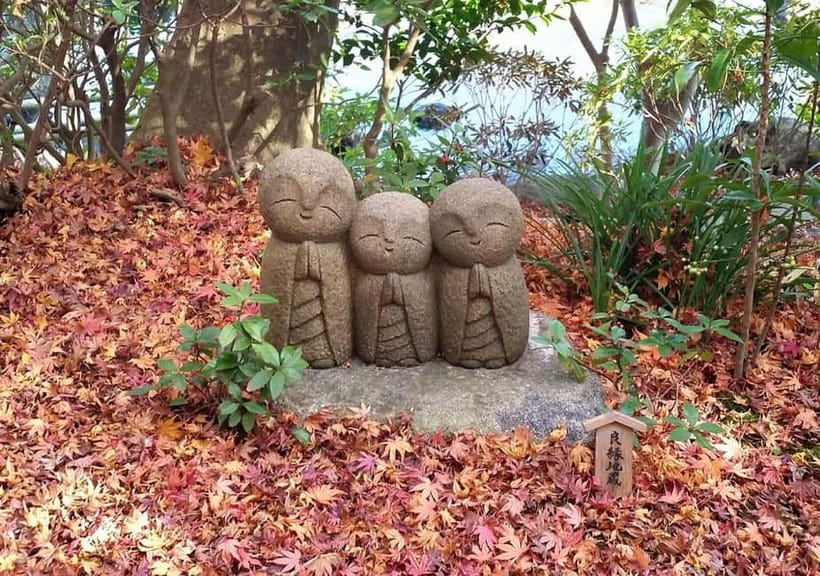
- Seasonal Hasedera: The temple is known for cherry blossoms, hydrangeas, peonies, autumn leaves, hillside views, and small Jizo statues.
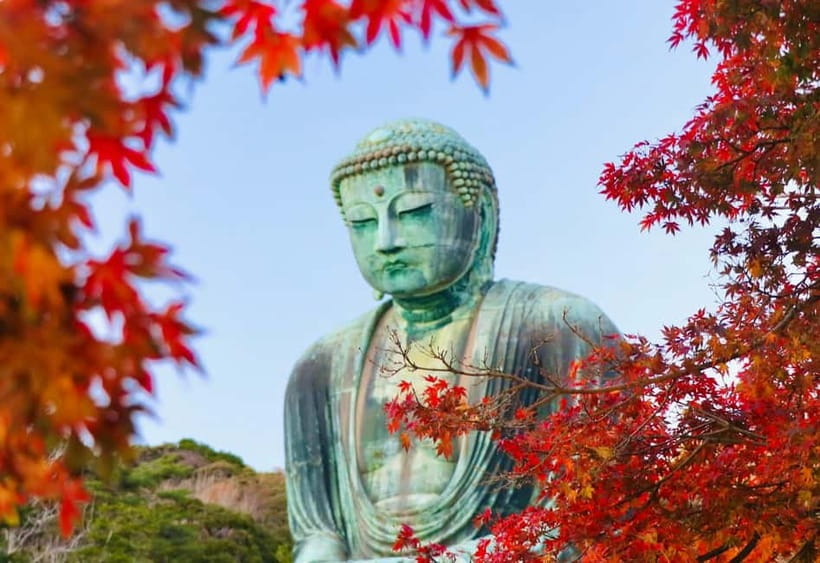
- The Great Buddha up close: Kōtoku-in houses the 13.3-meter bronze Amida Buddha, a National Treasure you can even enter.
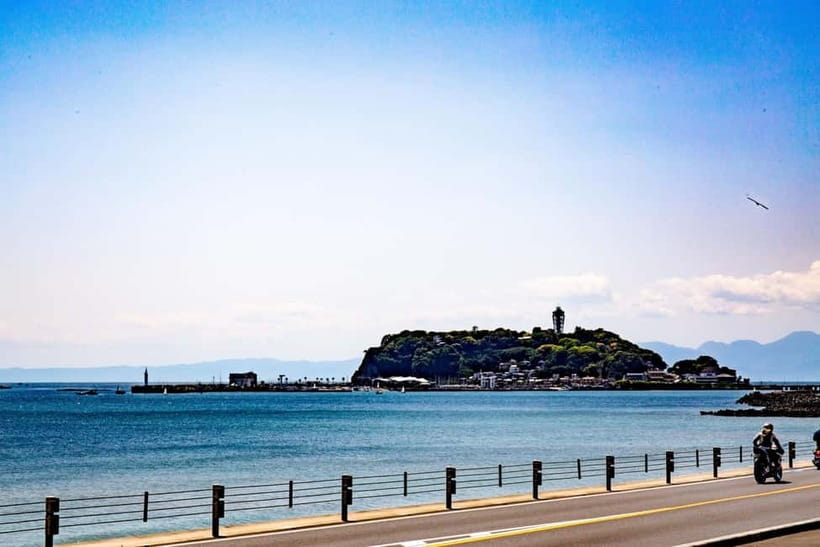
- Coastal Enoshima: Walk through shrine grounds, shopping lanes, gardens, and caves, with a chance to see Mount Fuji on a clear day.
- A fast but useful overview: This suits you if you want to see several major sights without arranging local transport yourself.
Why this day trip works from Tokyo
Kamakura is only a short distance from Tokyo, but it feels like a different chapter of Japan. It was the political and cultural center of the country during the Kamakura period, when samurai rule took shape. Enoshima adds a change of mood: instead of temple roofs and wooded hills, you get sea air, seafood, island paths, and open views.
That contrast gives this outing its appeal. In one day, you can move from a major Shinto shrine to Buddhist temples, then finish beside Sagami Bay. I find that mix more satisfying than a day spent visiting one temple after another.
The nine-hour schedule includes road time from Tokyo, so do not expect nine hours of sightseeing. The listed stops add up to roughly five hours and 20 minutes, with the remaining time used for transfers. Traffic can affect the balance, and stop times may be shortened if the bus runs late.
The vehicle is air-conditioned, and one booking notes assigned seats. That matters on a long day, especially in Japan’s hot summer months. One person found the bus too warm at the start, while several others praised the comfortable ride and professional drivers. The guides also work in English and Chinese, and language groups may sometimes share the same vehicle.
More Day Trips in Kamakura:
- From Tokyo: Kamakura Full Day Tour with a Local Expert Guide
★ 4.6 · 43 reviews - Exciting Kamakura – One Day Tour from Tokyo
★ 5.0 · 40 reviews - Kamakura Half Day Tour with a Local Expert Guide
★ 4.4 · 23 reviews
Tsurugaoka Hachimangu and the old samurai capital
Your first major stop is Tsurugaoka Hachimangu, Kamakura’s best-known shrine. It has served as a spiritual anchor for more than 800 years and remains tied to the city’s samurai past.
You have about one hour here for photographs, sightseeing, and free time. The shrine is a strong opening stop because it gives you the broad cultural setting for the rest of the day. Your guide may explain how Shinto worship, political authority, and warrior culture came together in Kamakura.
The shrine is also one of Japan’s most visited pilgrimage sites. Around 2.5 million people arrive for New Year’s hatsumode, the first shrine visit of the year. That figure helps explain its importance, but the visit itself is not just about statistics. The long approach, formal shrine buildings, and steady flow of worshippers make this a place where history still feels connected to daily life.
One hour is enough to see the main approach and take in the atmosphere. It is not enough for a slow examination of every corner, museum, or side path. If you already know you want a detailed study of Kamakura’s religious art, you will need a separate visit.
Komachi Street: your best chance to eat
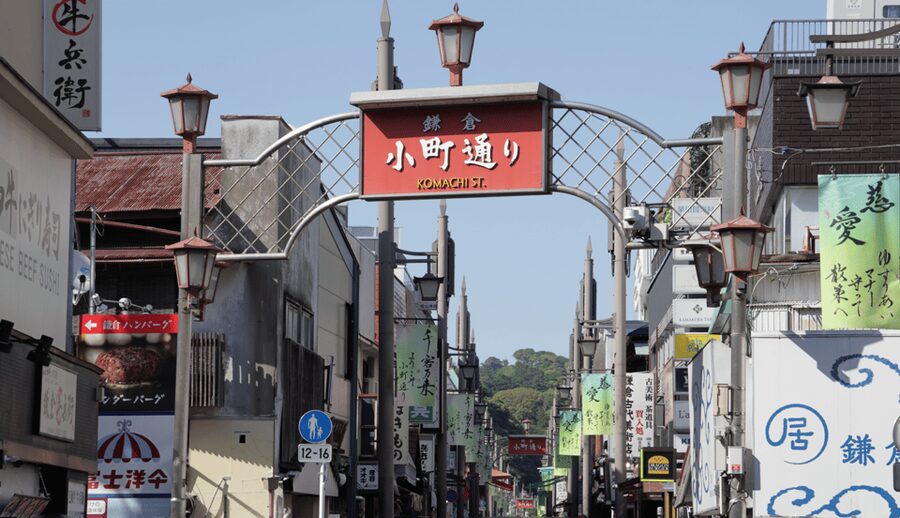
From the shrine, the day moves to Komachi Street, a shopping road stretching roughly 360 to 600 meters from Kamakura Station toward Tsurugaoka Hachimangu. Around 250 shops line the route, including restaurants, souvenir stores, fashion shops, and stalls selling local snacks.
This is where you should plan your lunch strategy. The street offers shirasu dishes, dumplings, croquettes, and other regional treats. Shirasu, tiny white fish commonly associated with the Shonan coast, is one of the more local choices. You can also use the stop for sweets and quick snacks rather than a full sit-down meal.
The tour gives you about an hour, including walking, shopping, photographs, and food. That is useful, but short if you want a proper restaurant meal and serious browsing. One smart tip from the day’s practical experience is to favor food you can eat quickly if you want more time at Enoshima’s caves later. Sitting down for a long meal can cost you part of that visit.
Komachi Street is not a quiet historic lane. It is busy, commercial, and aimed at both local shoppers and sightseers. That is part of its charm. You get a taste of modern Kamakura, where old religious sites sit close to playful snacks, souvenirs, and contemporary shops.
Hasedera: flowers, views, and the Eleven-Headed Kannon
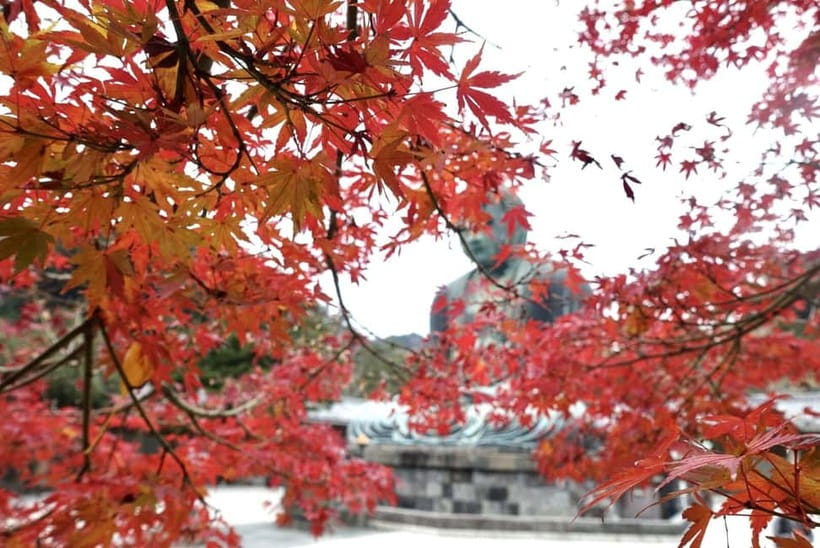
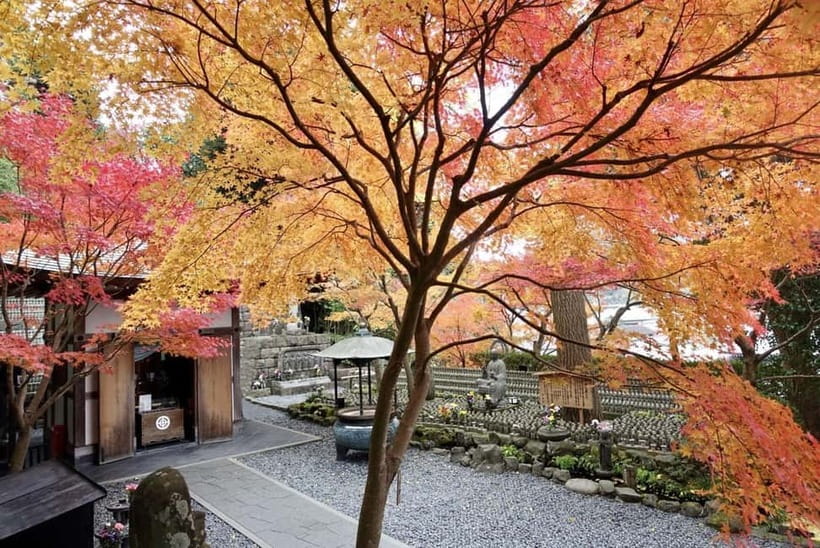
Hasedera is one of Kamakura’s oldest temples, founded in 736. The grounds are known for seasonal flowers, with cherry blossoms in spring, hydrangeas in early summer, peonies, and autumn leaves later in the year.
The stop lasts about 50 minutes and includes admission. That ticket is a useful part of the $58 price, since you do not need to arrange it separately. You can walk through the grounds, look for the small Jizo statues, and take in views over Kamakura and Sagami Bay.
The temple’s major religious object is a 9.18-meter Eleven-Headed Kannon statue. You may not have time for a slow, detailed visit to every building, but the guide can help you understand why the temple matters rather than treating it as just another photogenic stop.
Hasedera is also one of the more demanding stops physically because it includes walking through temple grounds and hillside areas. The supplied information does not specify accessibility conditions, so you should be prepared for uneven paths and some uphill movement. In hot weather, the short stop can feel more strenuous than the clock suggests.
The best season depends on your priorities. Spring brings cherry blossoms, the hydrangeas are a major draw, and autumn adds colored leaves. The tour runs year-round, so the flowers and foliage will vary with the date.
More Temples and Shrines in Kamakura:
- Kamakura Private Tour: Temples, Nature, and the Great Buddha
★ 5.0 · 121 reviews - Buddha, Bamboo & Zen – Bespoke Kamakura Private Walking Tours
★ 5.0 · 25 reviews - [Kyoto & Nara Day Tour] Sagano Scenic Railway & Nara Park & Fushimi Inari Taisha Thousand Torii Gates & Togetsukyo Bridge & Bamboo Grove & Kimono Forest (Departing from Osaka)
★ 4.9 · 10,942 reviews - Mount Fuji & Hakone – Lake Ashi Torii Gate, Hakone Shrine, Hakone Pirate Ship, Hakone Ropeway, Owakudani, Lake Yamanaka & Oshino Hakkai Day Trip: Sea, Land, and Air Panoramic Tour from Tokyo
★ 4.8 · 7,989 reviews
Kōtoku-in and Kamakura’s Great Buddha
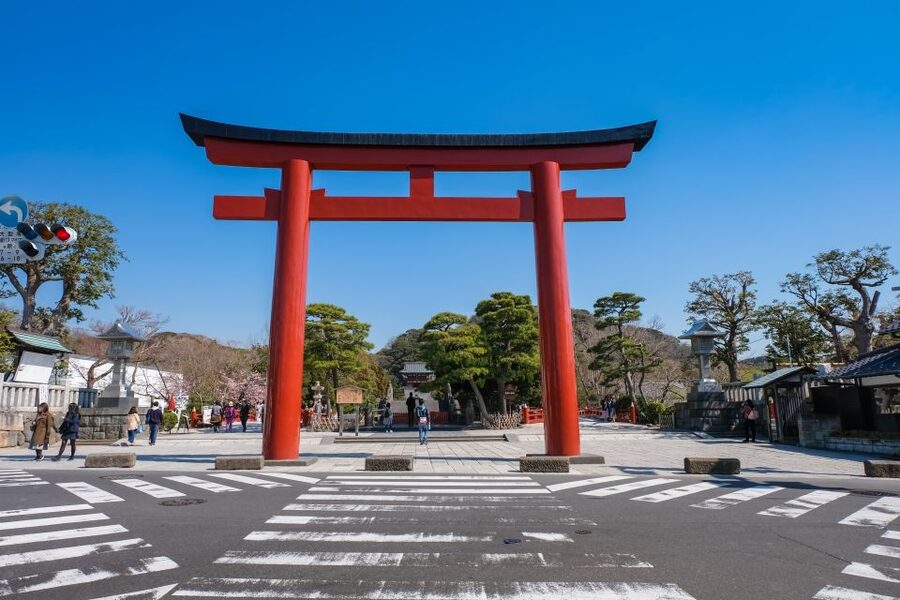
Kōtoku-in is the shortest formal stop, at about 30 minutes. That sounds brief because it is. The temple’s main attraction is the Great Buddha of Kamakura, a bronze Amida Buddha approximately 13.3 meters tall and weighing about 121 tons.
This is not a small statue tucked away in a hall. The Buddha sits outdoors, and you can walk close enough to appreciate the scale from different angles. The statue is a National Treasure and one of Japan’s most important Buddhist images.
Admission is included, and you can enter the Buddha to see its internal structure. That detail makes the visit more memorable than a simple photograph from the front. Still, 30 minutes goes quickly once you account for walking from the vehicle, viewing the statue, taking pictures, and finding the entrance.
I would make this stop a priority from the moment you arrive. See the Buddha first, then look at the smaller details and take your photographs. One person specifically wished for more time here, and I agree that this is the stop most likely to feel rushed.
Enoshima: the day’s scenic finish
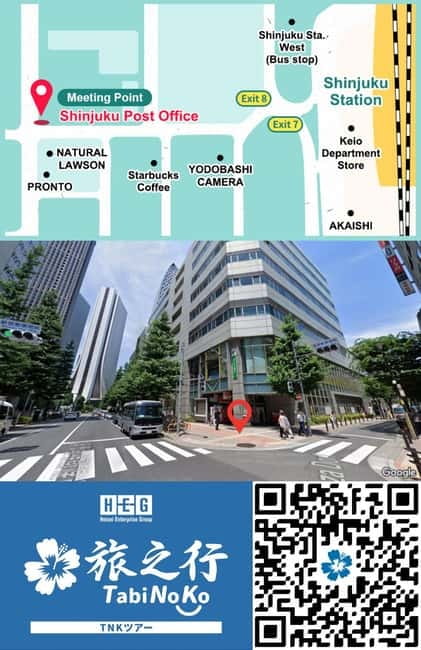
Enoshima receives about two hours, making it the largest single sightseeing block. This is the most varied stop, but also the one where you must choose what matters most.
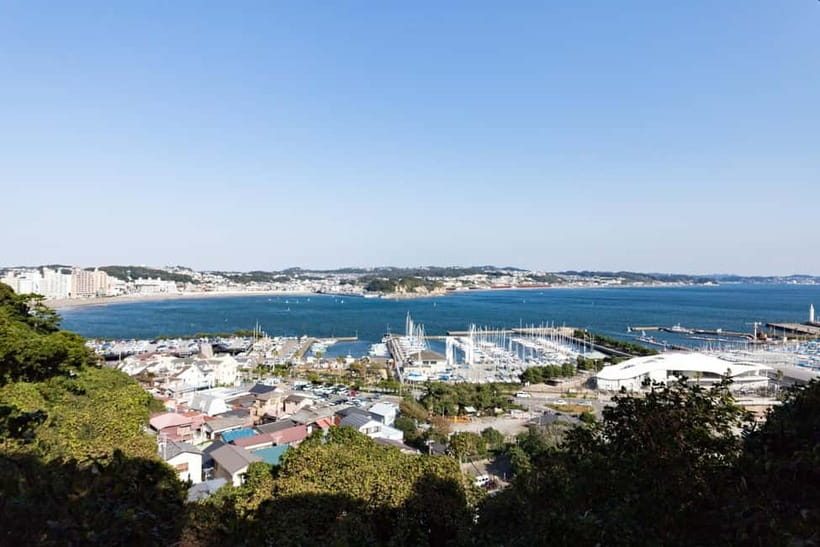
The island’s main sights include Enoshima Shrine, the Enoshima Sea Candle observation tower, Samuel Cocking Garden, and the Enoshima Iwaya Caves. You also get shopping lanes, cafés, restaurants, and seafood linked to the Shonan Coast.
Enoshima Shrine is more than 1,000 years old and spread across parts of the island. The walk through the shrine area gives you another look at Japanese religious culture, but the island also feels distinctly coastal and recreational. That shift makes it a good final stop after Kamakura’s more solemn temples.
The Sea Candle offers high views over the island and coast. On a clear day, Mount Fuji may appear in the distance. Several people considered the Fuji view a highlight, but it depends entirely on weather and visibility. Treat it as a bonus, not a promise.
Samuel Cocking Garden provides pleasant walking paths and a calmer break from the shopping streets. The Iwaya Caves add a more unusual element, with a walk through natural rock spaces connected to local religious tradition. You may not have time to explore every attraction fully, so ask the guide how to reach your preferred stop as soon as you leave the bus.
Making two hours on Enoshima count
I would not try to do everything. If the Sea Candle and Mount Fuji view matter most, head toward the upper part of the island first. If you prefer older religious sites, give priority to Enoshima Shrine and the caves.
Food requires a little planning. The island is known for fresh seafood and local specialties, and the Benzaiten Shopping Street gives you plenty of chances to sample snacks. But a sit-down meal can take a large share of your two hours.
A useful approach is to buy something from a vendor and keep moving, especially if you want to see the caves. You can then use the remaining time for a café or restaurant only if the schedule allows. This is not a leisurely island holiday. It is a carefully timed introduction.
You should also allow time for walking back to the meeting point. Enoshima’s attractions are spread out, and the route includes slopes and steps. Do not wait until the last few minutes to turn around.
The guide and the value of organized transport
The strongest part of this experience is the human organization. Guides named Eric, Yuki, Mitsuko, Omar, Koji, Yumi, Sumi, and others are praised for clear explanations, humor, patience, and keeping the group on schedule. Some guides offer tips on the best photo spots and restaurant choices, while others allow you to explore independently and simply return at the agreed time.
That balance suits many people. You can follow the guide for background, then split off for food or photographs. One family traveling with a baby found the group considerate, and another person appreciated being able to choose between following the guide and exploring alone.
The quality of explanations can vary by guide. One person wanted more information at the destinations, while another found one guide spoke a little too quickly. If historical detail is your main reason for visiting, stay close during the introductions and ask questions when there is a pause.
The air-conditioned vehicle is the main practical advantage. Kamakura’s streets can be narrow and difficult for a large vehicle, so having experienced drivers matters. You avoid planning several train and local transport connections, and the guide handles the broad structure of the day.
At $58 per person, the price is fair for a nine-hour outing that includes transport, an English or Chinese guide, Hasedera admission, and Kōtoku-in admission. The value is strongest if you want a preview of the region or have limited Tokyo time. It is less compelling if you prefer to linger, eat slowly, or explore one temple district in depth.
Who should book this experience?
I would choose this tour if you are staying in Tokyo and want a simple way to reach Kamakura and Enoshima in one day. It is especially useful for first-time visitors, families, and anyone who values a clear schedule over independent route planning.
It also works well as an introduction. One person described the day as a preview and planned to return to some places for longer. That is exactly the right expectation: you see the major names, learn how the area fits together, and discover where you might return.
I would hesitate if you dislike fixed departure times or large-group sightseeing. The bus leaves on time, and traffic can reduce time at a stop. You also cannot expect a full exploration of Enoshima, Kōtoku-in, or the temple grounds in such a packed schedule.
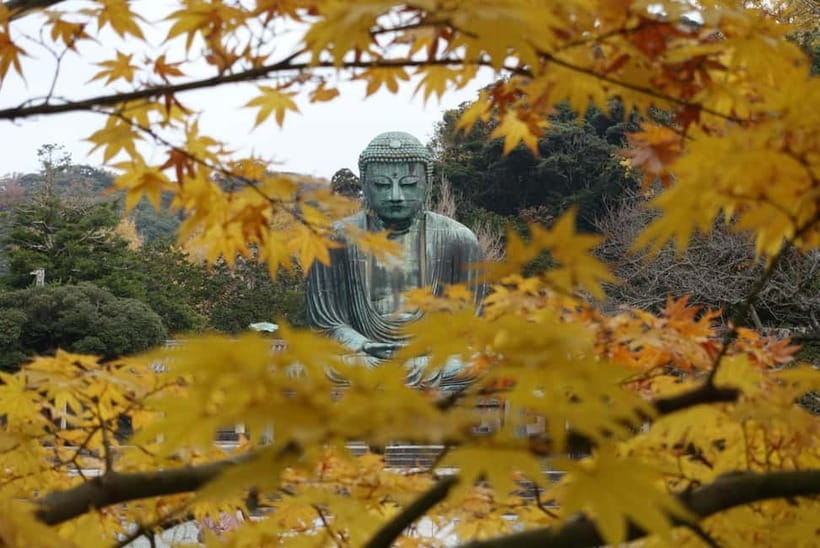
Arrive at the meeting point 10 minutes early. Starting points may be the Shinjuku Post Office or GLOBAL RING CAFÉ, depending on the option you book, and the only return area is Shinjuku. Check the correct meeting-point photo and QR code carefully before leaving.
Should you book the Kamakura and Enoshima day trip?
Book it if you want maximum variety with minimum planning. For $58, you get a coastal escape, major temples, shrine culture, local snacks, a possible Mount Fuji view, and transport between places that are awkward to combine on your own.
Skip it if your ideal day includes long temple visits, a slow seafood lunch, or a full exploration of Enoshima’s caves and gardens. The best reason to book is not that it lets you see everything. It gives you a well-run first look at two rewarding destinations, with enough guidance to help you decide where to return.
FAQ
How long is the Kamakura and Enoshima tour?
The tour lasts nine hours, or 570 minutes, including transportation between Tokyo, Kamakura, Enoshima, and the return to Shinjuku.
What is the tour price?
The listed price is $58 per person.
What is included in the price?
The price includes an air-conditioned vehicle, an English or Chinese-speaking guide, Hasedera admission, and Kōtoku-in Temple admission.
Which languages are available?
Live guiding is available in English and Chinese.
Where does the tour depart?
Depending on the option booked, the starting point may be the Shinjuku Post Office or GLOBAL RING CAFÉ. Check the specific meeting-point information for your booking.
Where does the tour return?
The only available drop-off area is Shinjuku, with the stated return location at the Shinjuku Post Office.
How much time do you get at Tsurugaoka Hachimangu?
The scheduled visit is about one hour, including sightseeing, photographs, and free time.
How much time do you get at Enoshima?
The Enoshima portion is scheduled for about two hours. This includes time for the Sea Candle, Enoshima Shrine, Iwaya Cave, shopping, food, and independent sightseeing.
Can you see Mount Fuji from Enoshima?
You can see Mount Fuji from high points on Enoshima on a clear day. Visibility depends on the weather.
Can you cancel for a full refund?
Yes. You can cancel up to 24 hours in advance for a full refund. The activity also offers reserve-now, pay-later booking.
Just added in Kamakura
- When Emperors Reigned and Shoguns Ruled★ 5.0 · 43 reviews
- First time in Kamakura? Enjoy a Tour of All Must-sees!★ 5.0 · 15 reviews
- Your Own HANKO Name Seal Activity in Kamakura.★ 5.0 · 24 reviews
- Kamakura Walking Tour – The City of Shogun★ 5.0 · 100 reviews
- Kamakura 4hr Private Trip with Government-Licensed Guide★ 5.0 · 58 reviews
- Kamakura Bamboo Forest and Great Buddha Private Tour★ 5.0 · 12 reviews
- Exciting Kamakura – One Day Tour from Tokyo★ 5.0 · 40 reviews
- Kamakura Tours Half Day or Full Day Tours with a local guide.★ 5.0 · 12 reviews
Temples and Shrines, compared.
![[Kyoto & Nara Day Tour] Sagano Scenic Railway & Nara Park & Fushimi Inari Taisha Thousand Torii Gates & Togetsukyo Bridge & Bamboo Grove & Kimono Forest (Departing from Osaka)](https://media.japanvisits.com/wp-content/uploads/kyoto-nara-day-tour-sagano-scenic-railway-nara-park-fushimi-inari-taisha-thousand-torii-gates-togetsukyo-bridge-bamboo-grove-kimono-forest-departing-from-osaka-k110001-400x257.jpg)
Kyushu One-Day Tour: Yufuin no Mori Train & Yufuin Town & Nyoirin-ji Temple & Dazaifu & Hell Hot Springs (Departing from Fukuoka)
Read our review →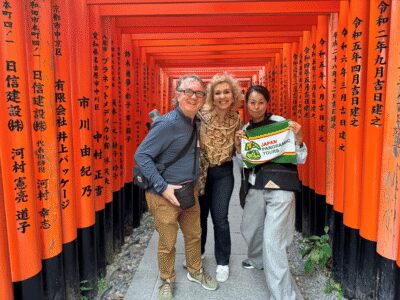
Fushimi Inari, Kinkakuji, Bamboo Grove 1 Day Bus Tour
Read our review →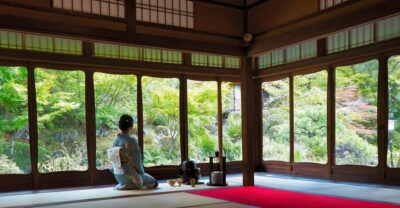
Tea Ceremony in a Traditional Tea House in Kiyomizu
Read our review →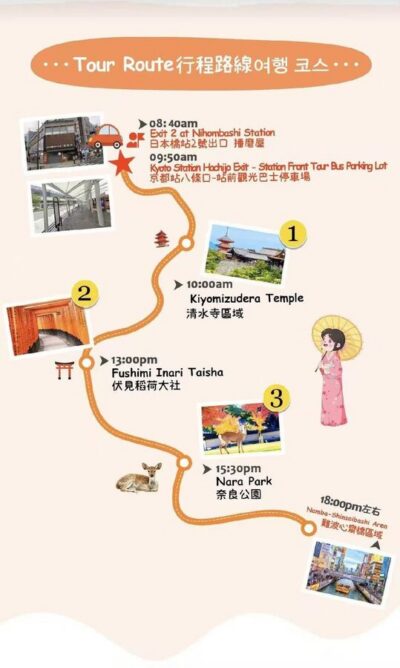
Kyoto Nara Day Trip │ Kiyomizu-dera Temple + Fushimi Inari-taisha Shrine + Nara Park (Departing from Osaka/Kyoto)
Read our review →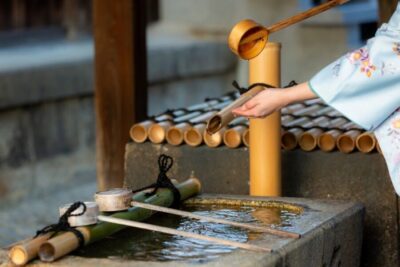
Browse the lists this tour appears in