
Reviewed · DAY TRIPS
Kamakura Half Day Tour with a Local Expert Guide
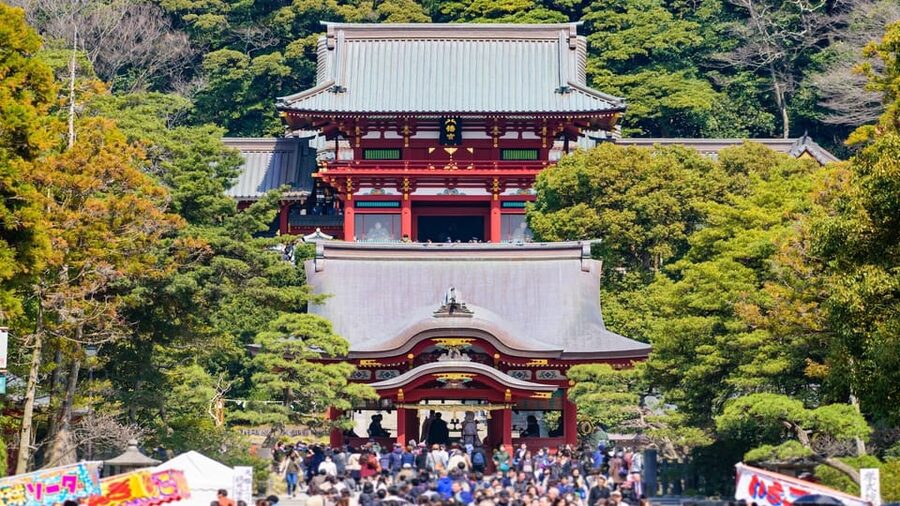
Kamakura rewards slow looking. This four-hour private walking tour gives you a personal way to see Tsurugaoka Hachimangu Shrine, Zen temples, gardens, and scenic streets while learning about Japan’s former political center. I like the flexible format and the chance to shape the outing around your interests. I also like that guides such as Rafael, Raphaël, and Flo have helped guests find smaller temple sites and local restaurants, not just the standard stops.
The main catch is what the $87 price does not cover. Your guide walks with you, but there is no private car, and transportation, meals, drinks, and admission fees are extra. One recent booking from Tokyo turned into a lesson in which trains to take rather than a chauffeured pickup, so you should understand the meeting plan before you book.
In This Review
- Key points at a glance
- Why Kamakura Works So Well in Four Hours
- Starting in Tokyo or Meeting in Kamakura
- Tsurugaoka Hachimangu, Kamakura’s Grand Opening Scene
- Zen Temples and Gardens Beyond the Main Route
- The Great Buddha and the Scenic Walk Between Stops
- What the Local Guide Adds
- The Real Cost of a $87 Private Walk
- Timing, Flexibility, and What to Clarify
- Who Will Get the Most From This Tour?
- Should You Book the Kamakura Half-Day Tour?
- FAQ
- Where does the tour start?
- Where does the tour finish?
- Is private car transportation included?
- Are train fares included?
- Are food and drinks included?
- Are temple and park admission fees included?
- How long does the tour last?
- Which languages are available?
- Can I cancel for a full refund?
Key points at a glance
- Private four-hour format: You get a guide for your group rather than joining a large scheduled party.
- Tokyo or Kamakura starting point: You can arrange pickup in either place, but a Tokyo meeting does not mean private road transport.
- Main Kamakura sights: Expect a route built around Tsurugaoka Hachimangu Shrine, Zen temples, gardens, scenic views, and the Great Buddha area.
- Flexible planning: Guides can adjust the pace and focus to suit your available time and interests.
- Extra costs matter: Train fares, food, drinks, and entry fees are not part of the $87 price.
- Language choice: Live guiding is offered in English, Japanese, or French.
Why Kamakura Works So Well in Four Hours
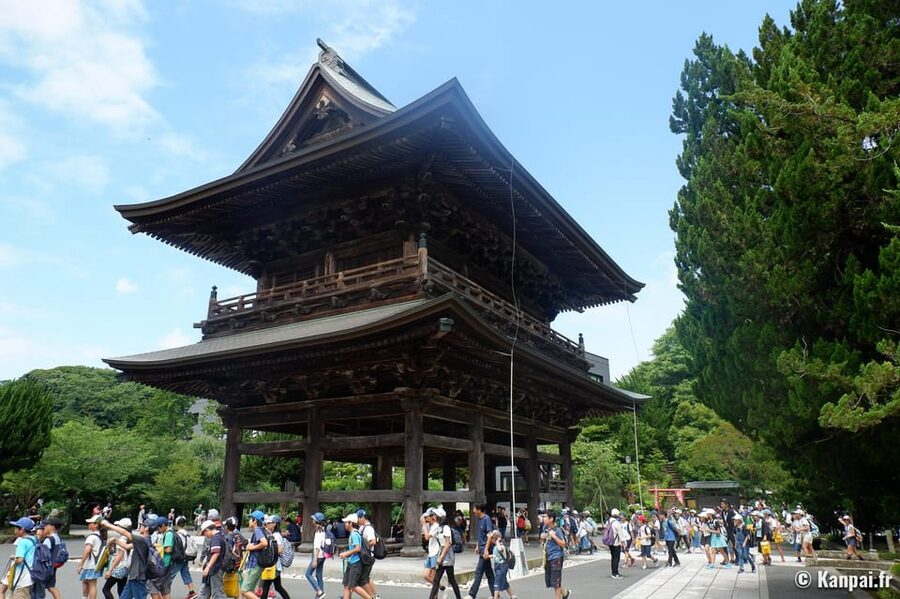
Kamakura is an easy place to connect Japan’s past with everyday town life. It was the seat of the shogunate from the late 12th century, and its shrines and temples still shape the town’s rhythm. At the same time, Kamakura is a coastal destination with wooded hills, gardens, walking lanes, and views that feel far removed from central Tokyo.
Four hours is enough for a useful introduction, but not enough to cover every major temple. That is not necessarily a problem. A private guide can help you choose between a broad overview and a narrower visit focused on shrine architecture, Zen practice, gardens, or Kamakura’s political story.
I would treat this as a guided orientation rather than a full survey. If you want to see many temples in one day, you will need extra time. If you want context, help with navigation, and an outing shaped around your interests, the short format makes sense.
The group is private, which is an important benefit. You can ask questions without holding up strangers, stop for photographs, and adjust the pace. The tour is also listed as wheelchair accessible, though the exact route should be discussed in advance because temple grounds and historic paths can vary.
More Day Trips in Kamakura:
- Tokyo: Kamakura & Enoshima Day Trip including Temple Tickets
★ 4.5 · 1,375 reviews - From Tokyo: Kamakura Full Day Tour with a Local Expert Guide
★ 4.6 · 43 reviews - Exciting Kamakura – One Day Tour from Tokyo
★ 5.0 · 40 reviews
Starting in Tokyo or Meeting in Kamakura
There are two pickup choices: Tokyo or Kamakura. The wording can be misleading if you expect a vehicle. This is a walking tour, and the provider does not offer private car service.
If you meet in Tokyo, your guide may help you work out the train journey to Kamakura and then accompany you from there. That support can be useful if you are unfamiliar with Japanese rail travel, but it is not the same as being driven to the destination. You should ask exactly where you will meet, who will buy the tickets, and how the four-hour clock is handled.
For the best value, I would consider staying in or reaching Kamakura on your own before the tour begins. That keeps your paid time focused on the town rather than on the journey from Tokyo. If train travel feels stressful, the guide’s help may still justify the added cost, but you should budget separately for fares.
At the end, the tour can finish in Kamakura or Tokyo. Again, transportation costs are extra. This flexibility works well if you plan to continue sightseeing in Kamakura, eat dinner there, or return to Tokyo after the walk.
Tsurugaoka Hachimangu, Kamakura’s Grand Opening Scene
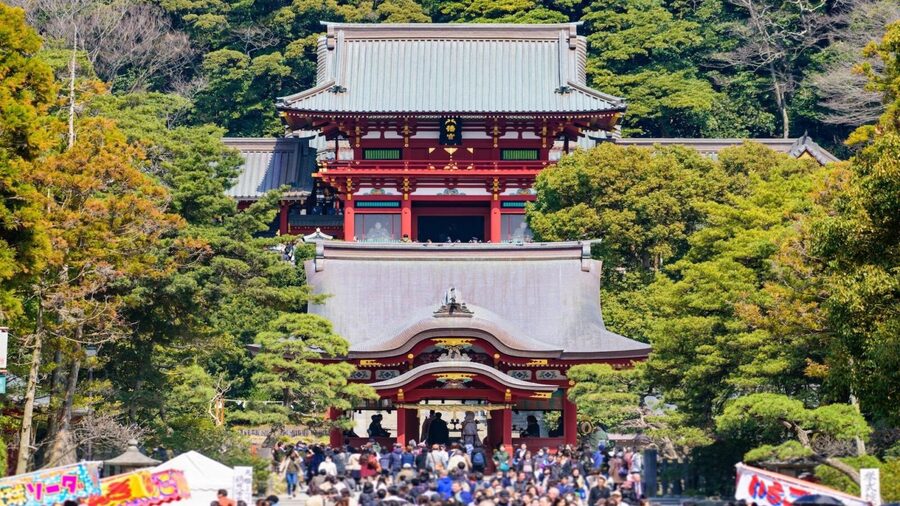
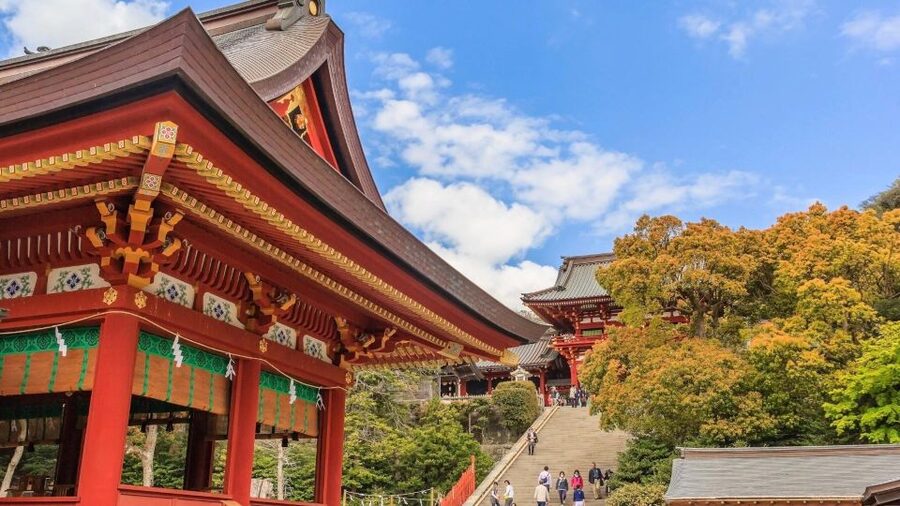
Tsurugaoka Hachimangu is the natural anchor for a first visit. It is Kamakura’s most important Shinto shrine and sits along a broad approach that leads through the town toward the hills.
A guide can explain how the shrine connects to the Minamoto family and the rise of the Kamakura shogunate. That background gives meaning to the gates, stairs, ritual spaces, and formal layout. Without context, you may see an attractive shrine complex. With context, you can understand why this site helped define Kamakura’s place in Japanese history.
The shrine also gives you a clear sense of contrast. Its large ceremonial spaces feel open and formal, while nearby temple grounds can be quieter and more enclosed. I like having a local guide at this point because the visual details are easy to notice but harder to interpret on your own.
Your time here will depend on the rest of the route. If history is your main interest, you may spend longer at the shrine. If gardens and Zen architecture matter more, your guide may keep this stop focused and use the remaining time elsewhere.
Zen Temples and Gardens Beyond the Main Route
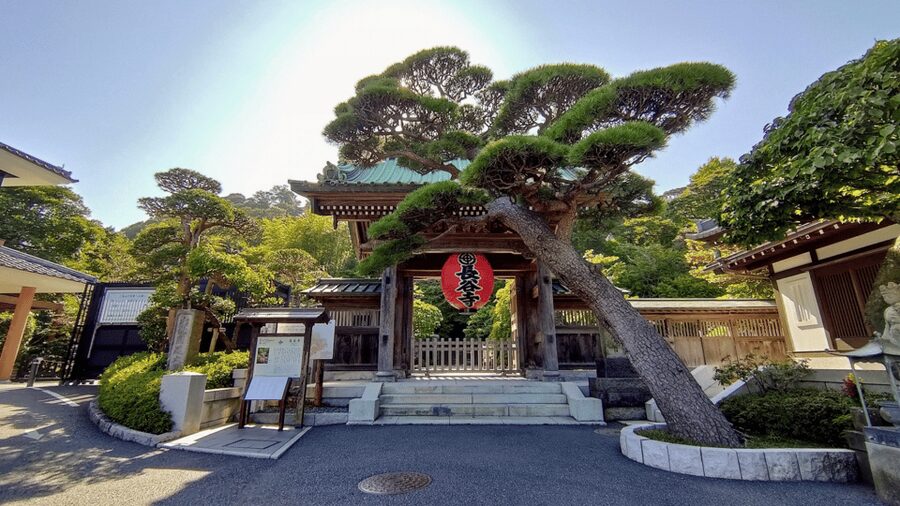
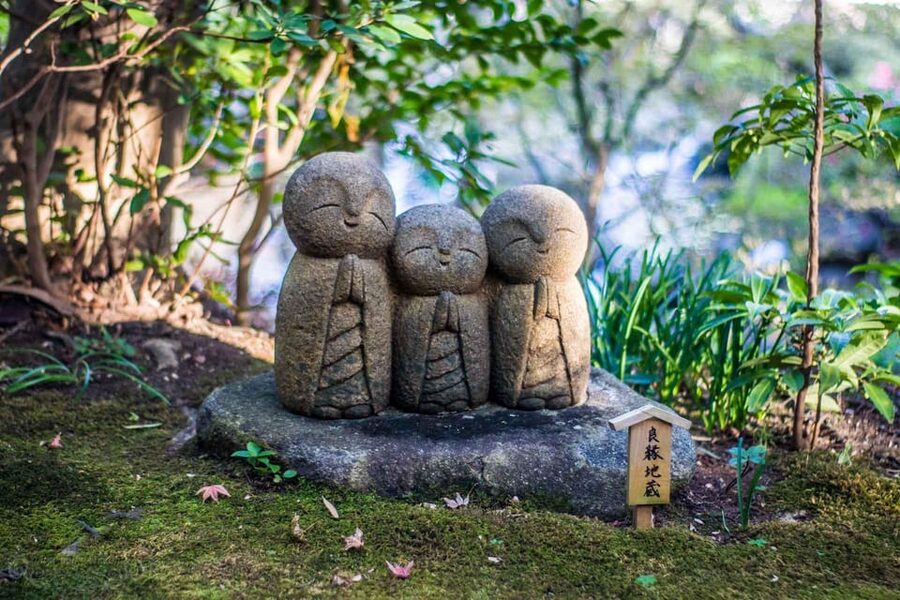
Kamakura is known for its Zen temples, and the garden settings are one of the strongest reasons to visit. Many temple grounds combine simple buildings, moss, stone, trees, and carefully framed views. The appeal is not only visual. These places offer a different mood from the broad, ceremonial spaces of Tsurugaoka Hachimangu.
The guide can help you compare Shinto and Buddhist traditions without turning the visit into a lecture. You can ask about worship, temple design, gardens, and the role of Zen in Japanese culture. Since the tour is private, the conversation can follow your interests.
One especially useful feature is the possibility of moving beyond the most familiar tourist stops. Rafael adapted one outing to the time available and introduced a small Zen temple instead of staying only with the standard route. That is the kind of adjustment that can make a private tour worthwhile.
Still, you should ask which temples are planned and which admission fees apply. Temple entry is not included, and four hours will not cover every site. Some travelers may prefer a famous landmark checklist, while others will appreciate giving up one headline attraction for a quieter temple.
A few more options to weigh up in Kamakura
- From Tokyo: Kamakura & Enoshima 1-Day Bus Tour
★ 4.5 · 189 reviews - Kamakura Historical Walking Tour with the Great Buddha
★ 5.0 · 129 reviews - Kamakura Private Tour: Temples, Nature, and the Great Buddha
★ 5.0 · 121 reviews - Kamakura Walking Tour – The City of Shogun
★ 5.0 · 100 reviews
The Great Buddha and the Scenic Walk Between Stops
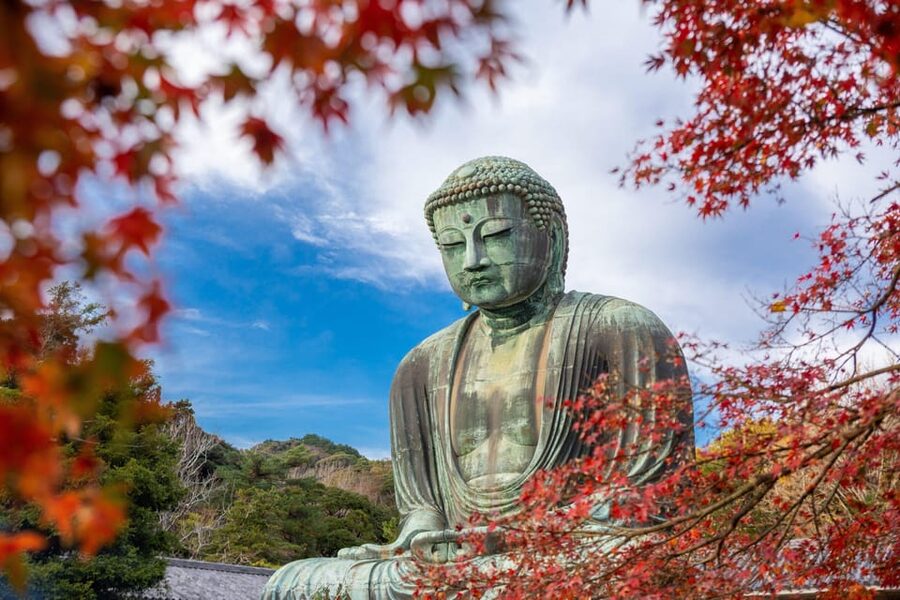
Kamakura’s Great Buddha is one of Japan’s most recognizable religious images. It is an outdoor bronze statue associated with Kotoku-in Temple and is often the sight people most want to see.
The supplied tour information names the Great Buddha in its description, while the route itself is presented flexibly. That means you should confirm before booking whether the statue is guaranteed or simply one possible stop. A private guide can usually organize the walk around your priorities, but the four-hour limit and temple hours may affect the final plan.
The walk between sights is part of the experience. You may pass through ordinary town streets, see changing views, and get a better sense of how Kamakura’s shrines and temples fit into the modern community. The tour is not built around sitting in a vehicle and watching the town pass by. You should be ready for a walking pace and comfortable shoes.
Scenic views are included as part of the route, but no exact lookout or coastal stop is promised. Ask your guide to include the views that matter most to you. If gardens are your priority, say so. If you want the Great Buddha and the main shrine above all else, make that clear at the start.
What the Local Guide Adds
The best reason to book this outing is the human element. A guide can help you read signs, explain customs, answer questions, and make small changes when the weather or your energy level calls for it.
Rafael and Raphaël are praised for adapting plans and offering practical suggestions. Raphaël, who speaks French, also helped with restaurant advice after the walk. Flo has been described as kind and helpful, though some visitors found that he was still learning details about certain locations.
That unevenness is worth noting. The provider offers English, Japanese, and French, but language ability and subject knowledge may differ by guide. One French-speaking guide may be ideal for a French-speaking couple, while another guide may be better suited to a guest who wants detailed answers about history or religious practice.
You should not assume that every guide can answer advanced questions about every temple. If you have a specialist interest, tell the provider before the tour. Basic orientation, local advice, and friendly company appear to be the strongest parts of the service.
One unusual drawback is navigation. A guide using Google Maps is not automatically a problem, especially in a town with many paths and temple entrances. But if you expect a guide with every route memorized, this may feel less polished.
The Real Cost of a $87 Private Walk
At $87 per person, the tour can be reasonable for a small private group, but the headline price is not the final cost. You must add transportation, food, drinks, and admission fees for yourself and, according to the conditions, for the guide as needed.
For a solo visitor, the cost is harder to justify because you are paying the full per-person price for one person. For a couple or family, the private format may feel more worthwhile, especially if you value flexibility and personal attention.
The value depends on what you want help with. You are paying for local company, planning, interpretation, and the ability to adjust the walk. You are not paying for a vehicle, included tickets, or a meal.
If you can navigate Kamakura comfortably, read basic signs, and choose temples on your own, you can visit the area for much less. One person found that the tour covered only a temple and the Great Buddha after the train journey, making the price feel high. That is a fair warning: confirm the route before you commit.
The tour makes better financial sense if you want a custom plan, have limited time, prefer a private guide, or want help in English, Japanese, or French. It makes less sense if you simply want transportation from Tokyo or a fixed sightseeing package with all costs included.
Timing, Flexibility, and What to Clarify
The activity lasts four hours, but the start time depends on availability. Since Kamakura has many possible combinations of temples and walking routes, timing matters.
Before booking, I would ask these questions:
- Will the guide meet you in Tokyo, or only help you board the train?
- Is the Great Buddha definitely included?
- Which temple admissions are likely?
- Does the four-hour period begin in Tokyo or in Kamakura?
- Can the route be adjusted for wheelchair access?
- How much walking is expected?
- What happens if you want a restaurant recommendation or extra scenic time?
The provider allows cancellation up to 24 hours before the start for a full refund, and you can reserve now and pay later. Those policies are helpful when your schedule is still moving, but they do not remove the need to plan train fares and entry fees.
The tour is not suitable for people over 95 according to the stated conditions. That restriction is unusual, so older visitors should confirm it directly before booking.
Who Will Get the Most From This Tour?
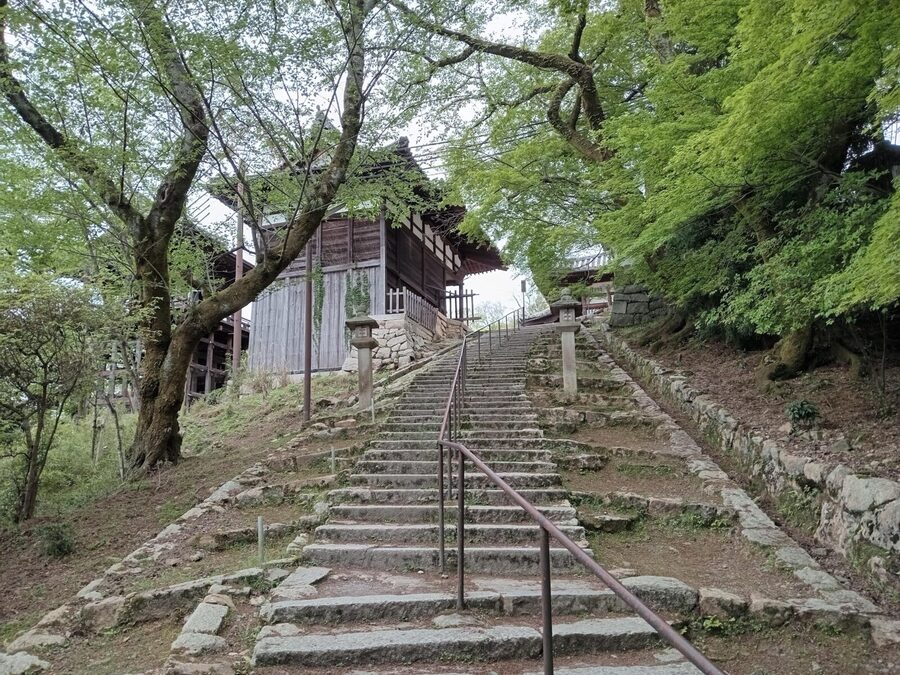
I would recommend this experience most strongly to:
- First-time visitors to Kamakura who want historical context
- Couples and families who prefer a private pace
- People who want to compare shrines, temples, and gardens
- French-speaking visitors who want the option of a French guide
- Visitors with limited time who need help choosing what to see
- Anyone who enjoys local advice as much as landmark sightseeing
I would be more cautious if you are a confident independent visitor. Kamakura can be explored without a guide, and the extra costs can quickly reduce the value. I would also be cautious if you expect a private vehicle, a fully scripted expert lecture, or admission tickets bundled into the price.
The strongest outings seem to come when you tell the guide exactly what you want. Ask for a small Zen temple if you prefer quiet places. Request shrine history if that is your interest. Ask for restaurant help if you plan to stay for dinner. The flexibility is useful only when you use it.
Should You Book the Kamakura Half-Day Tour?
Book it if you want a private, adjustable introduction to Kamakura and are happy to pay extra for transport and admissions. The 4.4 rating from 23 ratings suggests a generally positive experience, with guide friendliness and flexibility receiving the warmest praise.
Do not book it expecting a car transfer from Tokyo. Do not book it for a bargain sightseeing day. For the best chance of good value, meet in Kamakura, confirm the exact sights, and share your interests before the walk begins.
My verdict: this is a personable orientation to Kamakura, not an all-inclusive excursion. The right guide can turn a short visit into a thoughtful one. The wrong expectations can make $87 feel steep.
FAQ
Where does the tour start?
You can arrange a pickup in Tokyo or Kamakura at a chosen or agreed location.
Where does the tour finish?
The tour can finish in Kamakura or Tokyo.
Is private car transportation included?
No. This is a walking tour, and the provider does not offer private car service.
Are train fares included?
No. Transportation costs are not included in the tour price.
Are food and drinks included?
No. Food and drinks for you and the guide are not included.
Are temple and park admission fees included?
No. Admission to parks and temples is extra.
How long does the tour last?
The tour lasts four hours.
Which languages are available?
Live guiding is available in English, Japanese, and French.
Can I cancel for a full refund?
Yes. You can cancel up to 24 hours before the tour for a full refund.
Just added in Kamakura
- When Emperors Reigned and Shoguns Ruled★ 5.0 · 43 reviews
- First time in Kamakura? Enjoy a Tour of All Must-sees!★ 5.0 · 15 reviews
- Kamakura Walking Tour – The City of Shogun★ 5.0 · 100 reviews
- Kamakura 4hr Private Trip with Government-Licensed Guide★ 5.0 · 58 reviews
- Your Own HANKO Name Seal Activity in Kamakura.★ 5.0 · 24 reviews
- Kamakura Bamboo Forest and Great Buddha Private Tour★ 5.0 · 12 reviews
- Exciting Kamakura – One Day Tour from Tokyo★ 5.0 · 40 reviews
- Kamakura Tours Half Day or Full Day Tours with a local guide.★ 5.0 · 12 reviews
Day Trips, compared.
![[Kyoto & Nara Day Tour] Sagano Scenic Railway & Nara Park & Fushimi Inari Taisha Thousand Torii Gates & Togetsukyo Bridge & Bamboo Grove & Kimono Forest (Departing from Osaka)](https://media.japanvisits.com/wp-content/uploads/kyoto-nara-day-tour-sagano-scenic-railway-nara-park-fushimi-inari-taisha-thousand-torii-gates-togetsukyo-bridge-bamboo-grove-kimono-forest-departing-from-osaka-k110001-400x257.jpg)
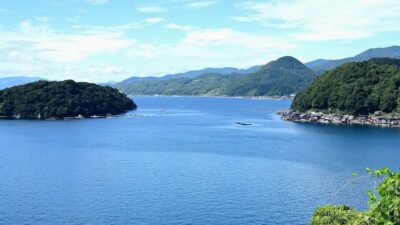
Kyoto Amanohashidate & Ine Funaya & Ine Bay Scenic Day Trip (Departing from Osaka or Kyoto)
Read our review →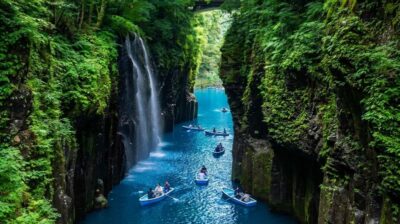
Kyushu: Mount Aso, Kusasenri & Takachiho Gorge Day Tour (Optional Takachiho Boat Ride Experience)
Read our review →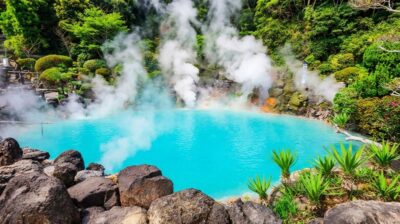
Kyushu One-Day Tour: Yufuin no Mori Train & Yufuin Town & Nyoirin-ji Temple & Dazaifu & Hell Hot Springs (Departing from Fukuoka)
Read our review →
Browse the lists this tour appears in