
Reviewed · WALKING TOURS
Kamakura Historical Walking Tour with the Great Buddha
Ancient temples meet the sea here. This five-hour Kamakura walk combines street-food samples on Komachi Street with major sights such as Tsurugaoka Hachimangu, Hasedera, and the Great Buddha. I like that entrance fees, a vegetarian temple lunch, snacks, and photos are included. I also like the small group, capped at seven people, which gives your guide room to answer questions.
The main caution is the walking. You cover about 5 kilometers, including a roughly 2.5-kilometer trail that can be slippery and steep in places. Add summer heat or winter cold, and this is not a gentle sightseeing stroll. Bring water, a towel, and proper walking shoes.
In This Review
- Key points to know before booking
- Why this Kamakura walk works well for a first visit
- Komachi Street: snacks before the temples
- Tsurugaoka Hachimangu: Kamakura’s ceremonial center
- The forest trail to Hasedera: the active part of the day
- Hasedera Temple: gardens, coastline, and a small cave
- The Great Buddha at Kotoku-in
- Yuigahama Beach and the seaside finish
- Food, transport, and what the price really covers
- Who should book this Kamakura experience
- Should you book it?
- FAQ
- How long does the Kamakura walking tour last?
- Where does the tour start and finish?
- Is the Great Buddha entrance fee included?
- Is lunch included?
- How much walking is involved?
- What happens if it rains?
- Is transportation included in the price?
Key points to know before booking
- The Great Buddha is only part of the day: You also visit Kamakura’s main shrine, one of its oldest temples, a shopping street, and the coast.
- Food is built into the experience: Komachi Street samples and a vegetarian temple lunch are included, with vegan choices available.
- The group stays small: A maximum of seven people makes it easier to hear your guide and ask about customs.
- The trail adds real exercise: The route includes a forested hiking section with views toward Yuigahama Beach.
- The weather plan can change: If rain makes the trail unsafe, the group uses a train to reach the Great Buddha.
- Transport costs extra: Allow 440 yen for transportation during the day, in addition to the tour price.
Why this Kamakura walk works well for a first visit
Kamakura can look simple on a map. The main sights seem close together, yet the town’s temples, shrine grounds, shopping lanes, beach, and wooded paths do not form one obvious route. This tour solves that problem by linking them into one full morning and afternoon.
At $98.44 per person, the price is not the cheapest way to see Kamakura. You are paying for a certified MagicalTrip guide, a small group, the two main admission tickets, food samples, lunch, and a planned route. The value improves if you want cultural explanation rather than a quick photo stop at the Great Buddha.
I especially like the mix of places. You do not spend five hours looking at temple gates. You begin with local snacks, walk through a major Shinto shrine, visit Hasedera’s gardens and cave, see the Daibutsu, and finish near the sea. That range gives you a better sense of Kamakura as a living town, not just a collection of historic sites.
The tour starts at 10:00 a.m. beside the clock tower plaza outside the west exit of JR Kamakura Station. Pay close attention to that meeting point. One person missed the experience after waiting at the wrong place, and the tour provider tried to make contact by phone and message. Arriving early is the sensible move, especially because the group leaves on time.
More Walking Tours in Kamakura:
- Kamakura Walking Tour – The City of Shogun
★ 5.0 · 100 reviews - Buddha, Bamboo & Zen – Bespoke Kamakura Private Walking Tours
★ 5.0 · 25 reviews - Kyoto Geisha Walking Tour: Gion District & Hidden Gems
★ 4.7 · 3,273 reviews
Komachi Street: snacks before the temples
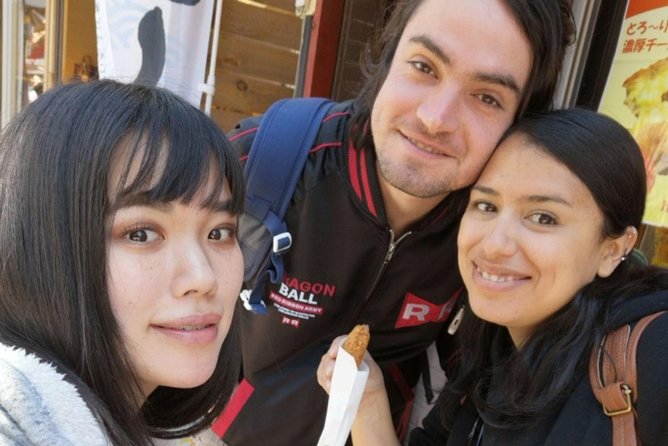
The first stop is Komachi Street, running from the east side of JR Kamakura Station toward Tsurugaoka Hachimangu. It is a useful opening because you get your bearings while sampling Japanese snacks and street food.
The food samples are included, but this is not a full meal. You can buy additional food if something catches your eye. Your guide can help explain what you are eating and how the shopping street fits into the town’s daily life.
This short stop also sets the pace for the day. You are walking from the beginning, and the snacks give you a little fuel before the shrine and trail sections. Do not treat the 20 minutes as enough time for serious shopping. If you want souvenirs or more food, you will need to return another time or make your own visit before or after the tour.
Tsurugaoka Hachimangu: Kamakura’s ceremonial center
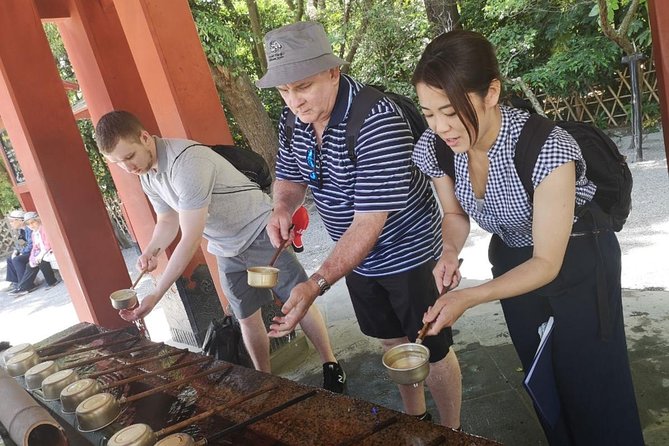
From Komachi Street, the route continues to Tsurugaoka Hachimangu, Kamakura’s major Shinto shrine. The planned visit lasts about 30 minutes, enough to learn about Japanese customs, shrine etiquette, and the role of the site in Kamakura’s past.
This is one of the places where a guide adds real value. A shrine can appear to be a series of gates, steps, buildings, and offering areas if you do not know what to look for. A good explanation helps you understand how to behave, what the rituals mean, and why this shrine matters to the city.
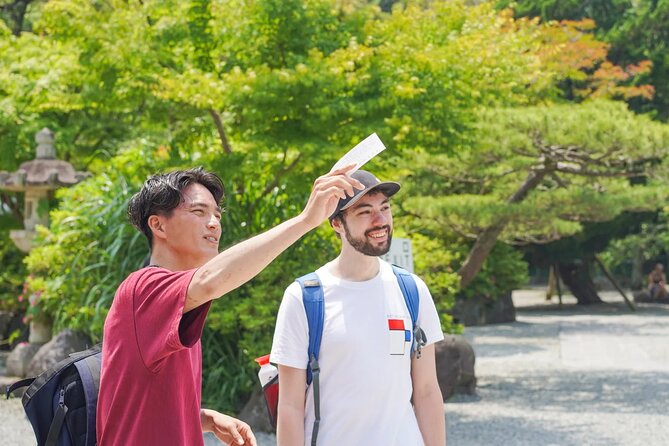
Ken has been praised for being attentive and patient, while Isao, also called Isaac, has been appreciated for explaining the town’s shrines and temples. Guides vary, but the strongest part of this experience appears to be the human connection. You can ask about Japanese culture and etiquette instead of simply following a flag through the grounds.
The 30-minute visit is also a tradeoff. It gives you a clear introduction, but it is not enough for a slow, independent exploration of every corner. If Tsurugaoka Hachimangu is your main reason for coming to Kamakura, plan a separate return visit.
The forest trail to Hasedera: the active part of the day
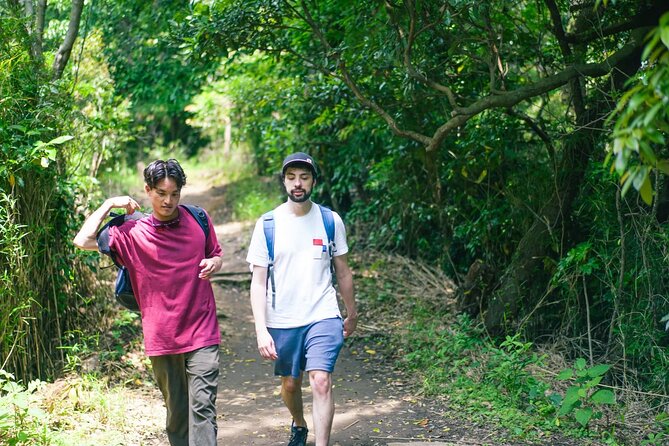
The route between the central sights includes a hiking section of about 2.5 kilometers. This is where the tour changes from urban walking to a more physical outing through a wooded area.
You may get fine views toward Yuigahama Beach, and the trail gives the day a welcome change of pace. One guide, Fujii, was especially praised for making the walk feel like an outing with friends while explaining the sites along the way. That relaxed mood can make the uphill and uneven sections easier to manage.
Still, do not underestimate the trail. Some parts can be steep, and the surface becomes slippery in poor weather. Suitable hiking clothes and shoes are not optional advice here. Sandals, smooth-soled shoes, or heavy luggage will make the walk less comfortable.
The route may change if weather makes the trail unusable. In rainy conditions, the group uses a train to reach the Great Buddha instead of taking the hiking path. That keeps the main sight available, but it means you may lose part of the wooded walk and views.
A few more options to weigh up in Kamakura
- Tokyo: Kamakura & Enoshima Day Trip including Temple Tickets
★ 4.5 · 1,375 reviews - From Tokyo: Kamakura & Enoshima 1-Day Bus Tour
★ 4.5 · 189 reviews - Kamakura Private Tour: Temples, Nature, and the Great Buddha
★ 5.0 · 121 reviews - Kamakura 4hr Private Trip with Government-Licensed Guide
★ 5.0 · 58 reviews
Hasedera Temple: gardens, coastline, and a small cave
Hasedera receives about 50 minutes, making it the longest temple visit on the route. The temple is associated with the Nara period and is described as one of Kamakura’s oldest temples. Its appeal is not limited to its religious buildings.
You can expect carefully maintained gardens, views toward the coast, and a small cave tucked into the temple grounds. The combination makes Hasedera feel more varied than a quick shrine visit. There is room to pause, take photos, and listen to the guide’s explanation of the site.
Lunch is served in a temple setting, and it is included in the tour price. A Japanese-style vegetarian meal is available, with vegan choices offered. That is a meaningful benefit if you want to try temple food without having to search for a suitable restaurant during a busy day.
Dietary planning needs care. Vegetarian options are available but limited, and the operator cannot guarantee an allergy-free meal because the food is prepared in kitchens it does not control. Substitutions may not be possible at every stop, though the guide will try to make up for restrictions at other food stops. If you have a serious allergy or strict dietary requirement, contact the operator before paying and carry any food you need.
The Great Buddha at Kotoku-in
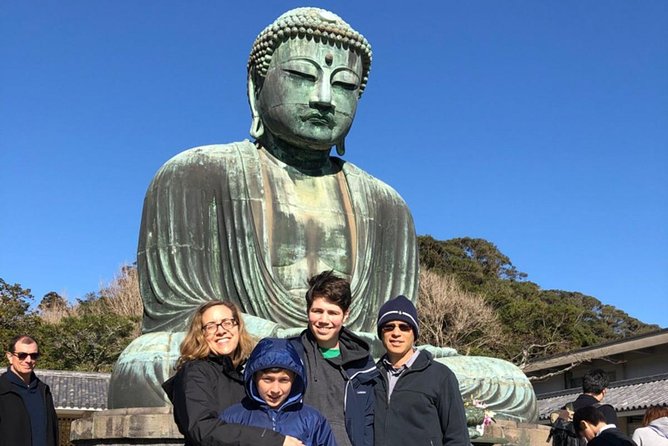
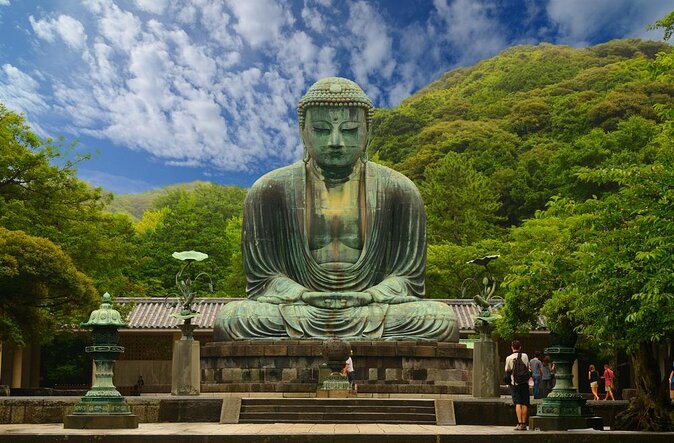
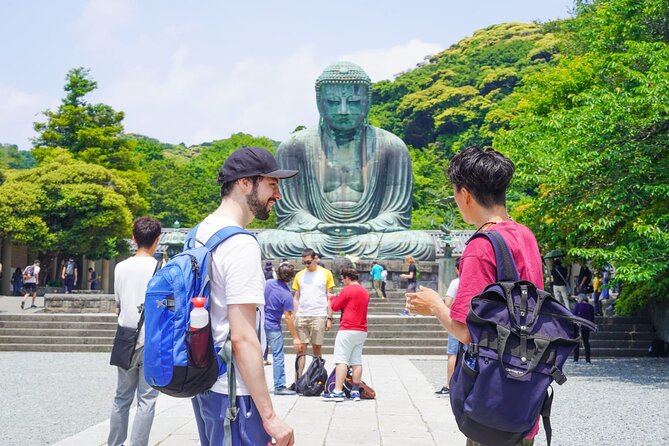
The Great Buddha of Kamakura is the obvious headline sight, and the tour gives you about 40 minutes at Kotoku-in Temple. The bronze Daibutsu has been displayed at the temple grounds for more than 750 years, making it one of Kamakura’s essential stops.
The visit works best after the smaller details of the day. You have already seen shrine customs, temple grounds, and local food. By the time you reach the Buddha, you can place this enormous image within the wider religious and cultural setting of Kamakura.
Forty minutes should allow time for the main view, photos, and the guide’s explanation. It is not an open-ended temple visit. If you want to linger or inspect every detail at your own pace, the schedule may feel brisk.
The admission fee is included, which helps the price feel more reasonable. So is the entrance to Hasedera. Those two tickets remove the small but annoying need to manage separate payments during a day with several stops.
Yuigahama Beach and the seaside finish

After the temples and Buddha, the route moves toward Yuigahama Beach and Kamakura Seaside Park’s Yuigahama area. Each stop receives about 20 minutes.
The beach gives you a different view of Kamakura. Instead of tiled roofs and shrine courtyards, you get sand, shallow water, sailboats, and open sea. The route is also designed for photos, with views toward Mt. Fuji across the water when conditions allow.
I like this ending because it keeps the day from becoming a temple checklist. You finish with fresh air and a sense of the town’s coastal setting. The two beach stops may feel repetitive if you are not interested in photography, though. They are short pauses rather than a beach outing, and swimming is not part of the experience.
Enoshima Island is passed on the way. It is not a formal stop, so do not book this tour expecting time to explore Enoshima. If that island is high on your list, save it for another half-day.
Food, transport, and what the price really covers
The included food is one of the better reasons to choose this tour. You receive samples on Komachi Street and a temple lunch, rather than paying admission for a walking route that offers no practical support. Photos are also included, which can be useful if you want a few pictures of the day without constantly stopping to manage your phone.
Transportation is not included. The stated cost is 440 yen, and the route may use a local train, especially when rain prevents the hiking section. Carry cash or a payment method suitable for local transport, and keep this small extra outside the headline tour price.
At $98.44, I would call the tour good value for a first visit, not a bargain for an independent explorer. If you already know Kamakura, speak Japanese comfortably, and enjoy planning your own route, you can likely spend less by visiting the same sights yourself. If you are coming from Tokyo or Yokohama for one day and want someone else to handle the sequence, explanations, tickets, and food stops, the cost is easier to justify.
The tour carries a 4.9 rating from 129 submitted ratings, with 98 percent recommending it. The most consistent praise centers on the guides, the shrine and temple explanations, the hike, and the temple lunch. That pattern matters more than a single highlight because the experience depends heavily on the guide’s pace and communication.
Who should book this Kamakura experience
I would choose this tour if you are visiting Japan for the first time, staying in the greater Tokyo area, and want a structured introduction to Kamakura. It suits you especially well if you like walking, want cultural context, and prefer a small group over a large coach.
It also fits people who enjoy a little exercise. The trail is not described as extreme, but steep and slippery sections require basic hiking ability. Comfortable shoes, water, and a towel will make a noticeable difference.
Families and older adults should judge the walking honestly. Most people can participate, but the route is not ideal for anyone who struggles with uneven surfaces, heat, or several hours on foot. The operator lists substantial summer and winter temperature swings, so dress for the actual forecast rather than the season on the calendar.
I would be cautious if you have strict dietary needs, dislike fixed schedules, or want long stretches of independent time. The group must start promptly, meal substitutions are limited, and the beach and temple visits follow a set timetable.
Free cancellation is available up to 24 hours before the 10:00 a.m. start. Changes or cancellations inside that window are not refunded, while a weather cancellation offers another date or a full refund.
Should you book it?
Book this Kamakura walk if you want the town’s major sights tied together with food, local transport, and clear cultural explanations. The best features are the small group, the capable guides such as Ken, Isao, Fujii, and Yoko, the temple lunch, and the mix of city, forest, temple, Buddha, and beach.
Skip it if you want to move slowly, avoid hiking, or build your own day around one site. For everyone else, especially a first-time visitor with only one Kamakura day, this is a well-shaped and practical introduction. Just arrive at the west-exit clock tower meeting point early, wear real walking shoes, and bring water.
FAQ
How long does the Kamakura walking tour last?
The experience lasts approximately five hours, beginning at 10:00 a.m. and ending back at the meeting point.
Where does the tour start and finish?
It starts at the clock tower plaza outside the west exit of JR Kamakura Station, at 12-3 Onarimachi, Kamakura. It finishes back at the same meeting point.
Is the Great Buddha entrance fee included?
Yes. Admission to the Great Buddha at Kotoku-in Temple and Hasedera Temple is included.
Is lunch included?
Yes. A temple lunch is included. Vegetarian and vegan choices are available, but vegetarian selections are limited and allergy-free meals cannot be guaranteed.
How much walking is involved?
The tour covers about 5 kilometers of walking and hiking. The hiking trail is about 2.5 kilometers, and some sections may be steep or slippery.
What happens if it rains?
If rain makes the hiking trail unusable, the group takes a train to see the Great Buddha instead of using the trail. Routes can change because of weather.
Is transportation included in the price?
No. Transportation costs 440 yen and are paid separately.
Just added in Kamakura
- When Emperors Reigned and Shoguns Ruled★ 5.0 · 43 reviews
- First time in Kamakura? Enjoy a Tour of All Must-sees!★ 5.0 · 15 reviews
- Kamakura Walking Tour – The City of Shogun★ 5.0 · 100 reviews
- Kamakura 4hr Private Trip with Government-Licensed Guide★ 5.0 · 58 reviews
- Your Own HANKO Name Seal Activity in Kamakura.★ 5.0 · 24 reviews
- Kamakura Bamboo Forest and Great Buddha Private Tour★ 5.0 · 12 reviews
- Exciting Kamakura – One Day Tour from Tokyo★ 5.0 · 40 reviews
- Kamakura Tours Half Day or Full Day Tours with a local guide.★ 5.0 · 12 reviews
Walking Tours, compared.
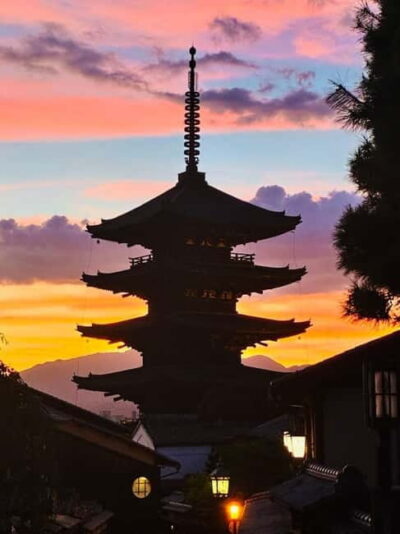
Kyoto Geisha Walking Tour: Gion District & Hidden Gems
Read our review →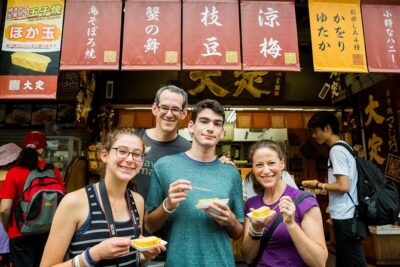
Tokyo Tsukiji Fish Market Food and Culture Walking Tour
Read our review →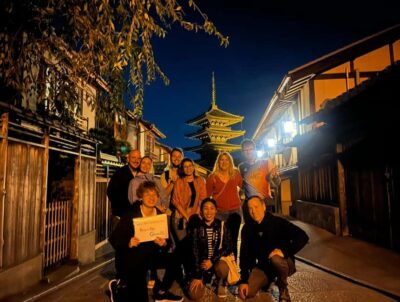
Gion Magical Night Walking Tour with Geisha Trivia
Read our review →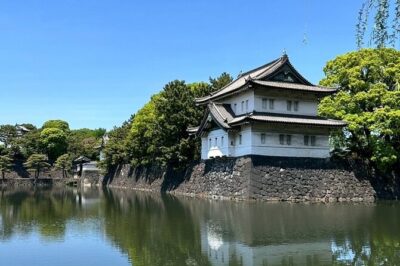
Imperial Palace and Shogun Historical Walking Tour
Read our review →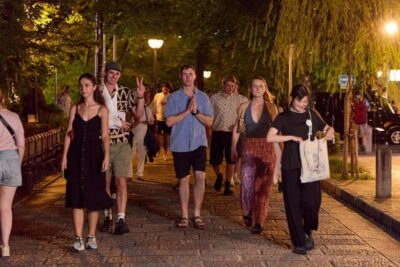
Gion Geisha District Walking Tour – Stories of Geisha
Read our review →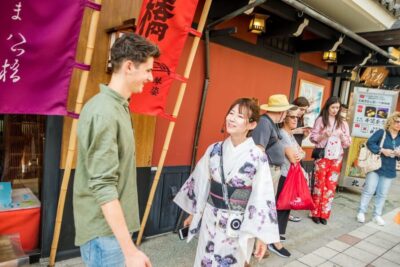

Shinjuku Local Bar and Izakaya Guided Walking Tour
Read our review →
Browse the lists this tour appears in