
Reviewed · TEMPLES AND SHRINES
Buddha, Bamboo & Zen – Bespoke Kamakura Private Walking Tours
Kamakura rewards a slower day. Buddha, Bamboo & Zen gives your private group a flexible six-hour walk through temples, shrines, shopping streets, and old samurai sites, with an Australian guide named Brad shaping the day around your interests. I like the relaxed pace and the freedom to stop when you have had enough of temples. I also like the mix of famous sights and quieter details, including Buddhist caves called yagura. The main drawback is that admission fees, food, and public transportation are extra, and the day involves a fair amount of walking.
You meet at Kamakura Station’s East Exit and finish back there. The tour costs $355.80 per group of up to six, so the value improves sharply with a family or small friend group. For two people, it is a larger spend, but you are paying for a private guide and a day built around your pace rather than a fixed group schedule.
In This Review
- Key points to know before booking
- Why a private Kamakura day can work so well
- Meeting Brad at Kamakura Station
- Kotoku-in and the Great Buddha of Kamakura
- Hasedera’s Kannon statue and flower gardens
- Hokoku-ji, the Bamboo Temple
- Komachi Street for food and local browsing
- Tsurugaoka Hachimangu and the samurai past
- Yagura caves, Zen, and the quieter side of Kamakura
- What the $355.80 price really buys
- Pace, fitness, weather, and scheduling
- Who should book Buddha, Bamboo & Zen
- Should you book this Kamakura walking tour?
- FAQ
- How long does Buddha, Bamboo & Zen last?
- How many people can join the private tour?
- Where does the tour begin and end?
- Are temple admission fees included?
- Is lunch included?
- How much cash should I bring?
- What happens if the weather is poor?
Key points to know before booking
- Private touring for up to six people: Your group does not share the guide with strangers, and the route can be adjusted to your interests.
- Three major temple and shrine stops: You visit the Great Buddha, Hasedera, Hokoku-ji’s bamboo grove, and Tsurugaoka Hachimangu Shrine.
- Brad is the named guide: He is an Australian native English speaker who can help with practical matters such as Suica cards and finding extra cash.
- About two hours are set aside for movement and breaks: You may walk, take a train, use a bus, stop for food, and rest between sights.
- Bring cash: Temple admissions total about ¥1,300 per person, while suggested cash for admissions and transport is ¥2,000, before lunch and drinks.
- A good escape from Tokyo: Kamakura offers coastal-town calm, Zen temples, Shinto traditions, and samurai history without the scale of the capital.
Why a private Kamakura day can work so well
Kamakura is easy to visit from Tokyo, but its attractions are spread across different parts of town. A self-guided day can become a puzzle of train routes, buses, admission lines, and decisions about which temple deserves your time. This tour removes much of that friction.
The guide can hand you a ready-made route, or you can share your own priorities before the day begins. That matters if one person in your group wants gardens, another wants military history, and someone else mainly wants bamboo, tea, and time to browse.
The private format also helps with energy levels. Brad is conscious that several temples in one day can become too much of a good thing. You can stop early once you feel satisfied, or spend longer at a place that catches your attention. That is more useful than it sounds, especially for families and groups with mixed interests.
The published duration is about six hours, though the guide has allowed roughly two hours for moving between attractions, transport, food, drinks, and rest. In practice, this is not six straight hours of standing in temple courtyards. Still, you should expect a full day on your feet.
More Walking Tours in Kamakura:
- Kamakura Historical Walking Tour with the Great Buddha
★ 5.0 · 129 reviews - Kamakura Walking Tour – The City of Shogun
★ 5.0 · 100 reviews - Kyoto Geisha Walking Tour: Gion District & Hidden Gems
★ 4.7 · 3,273 reviews
Meeting Brad at Kamakura Station
The tour begins at Kamakura Eki, East Exit, at 1 Chome-1 Komachi. This is a practical starting point because the station sits beside Komachi Street and provides a clear place to gather before moving to the first sights.
Brad’s help can begin before the tour itself. He has assisted visitors with Suica cards and locating additional cash, which is useful because several costs are paid locally. That practical support can save time and reduce the small stresses that often come with a first day outside Tokyo.
The walking route is not entirely on foot. The day may include public transportation, with an estimated cost of ¥840 per person. Take that into account when comparing the tour price with a private car or a standard group excursion.
Kotoku-in and the Great Buddha of Kamakura
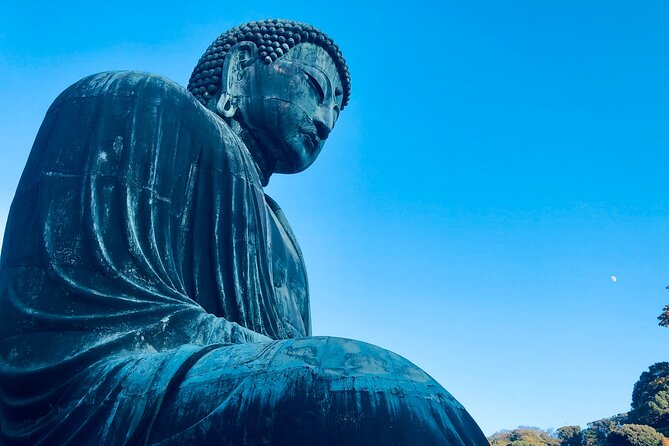
The first major stop is Kotoku-in, home of Kamakura’s famous bronze Great Buddha. The statue is 13.35 metres tall and was first made in wood before being cast in bronze. You have about an hour here, enough time to see the statue properly rather than treat it as a quick photo stop.
The scale is the point. After Tokyo’s crowds and tall buildings, the seated Buddha offers a very different kind of visual focus. The temple grounds are not enormous, so the guide’s explanation is especially useful. You can learn how the statue fits into Kamakura’s Buddhist tradition instead of simply walking up, taking a picture, and leaving.
Admission is not included. Kotoku-in costs ¥300 per person. That is modest, but you need cash for this and the other temples.
One consideration: the Great Buddha is one of Kamakura’s best-known sights, so it can be busy. A private guide cannot control the crowd, but Brad can help you make better use of your time and place the statue within the wider story of the town.
Hasedera’s Kannon statue and flower gardens
Next comes Hasedera, planned for about 45 minutes. Its central religious work is the 9.18-metre Eleven-headed Kannon, a wooden statue said to have been carved in 721 AD. The temple also has gardens with flowers blooming at different times of year.
This stop adds variety after the large, open presence of the Great Buddha. At Hasedera, you shift toward sculpture, garden design, and devotional practice. The flowers may change with the season, so the garden experience is not identical from one visit to the next.
Forty-five minutes is a sensible minimum, though it may feel short if you want to linger over every garden path. If flowers are a major reason for your visit, tell Brad early. The private setup gives him a chance to adjust the pace, though the day still has several major stops to cover.
Admission is ¥400 per person. Like the other temple fees, it is separate from the tour price.
More Private Tours in Kamakura:
- Kamakura Private Tour: Temples, Nature, and the Great Buddha
★ 5.0 · 121 reviews - Kamakura 4hr Private Trip with Government-Licensed Guide
★ 5.0 · 58 reviews - Kamakura Bamboo Forest and Great Buddha Private Tour
★ 5.0 · 12 reviews - Tokyo 6hr Private Tour with Government-Licensed Guide
★ 5.0 · 3,902 reviews
Hokoku-ji, the Bamboo Temple
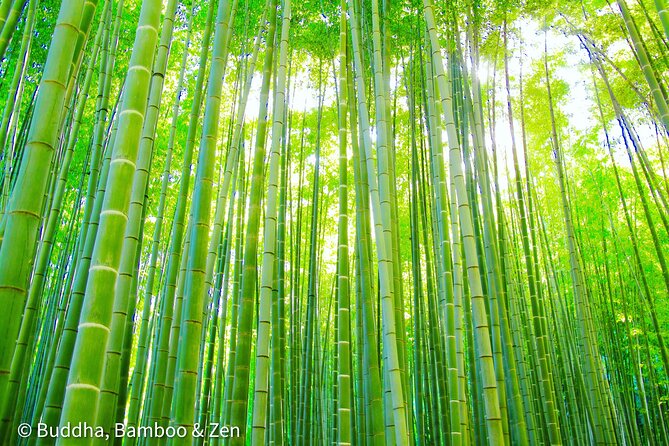
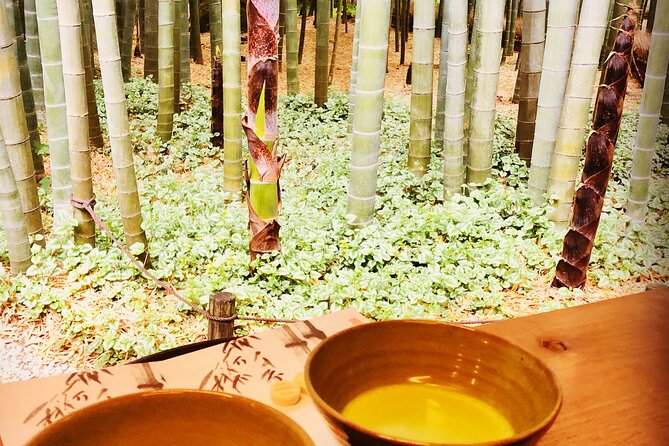
Hokoku-ji is the tour’s most atmospheric stop. This Rinzai Zen temple, founded in 1334, is known as the Bamboo Temple because around 2,000 moso bamboo plants fill its grove.
The bamboo creates a sharp change of mood. The tall green stems close in around the path, muting the visual clutter of ordinary town streets. A small fee of ¥600 includes access to the grove, and you can enjoy green tea while you are there. Matcha is not included in the tour price, so budget separately for drinks.
This is also where the tour’s Zen theme feels most direct. You are not merely looking at a famous garden. You are seeing how restraint, quiet, and careful use of space shape a religious setting. The grove is compact, which makes the one-hour stop feel generous without becoming repetitive.
If you have limited patience for temple interiors, Hokoku-ji may be the easiest place to appreciate. The bamboo offers an immediate sensory experience, and the tea provides a natural pause. On the other hand, the grove’s fame means it may not feel solitary, particularly at busy times.
Komachi Street for food and local browsing
Komachi is Kamakura’s main pedestrian shopping street, running through the heart of town. The tour allows about an hour here, and admission is free.
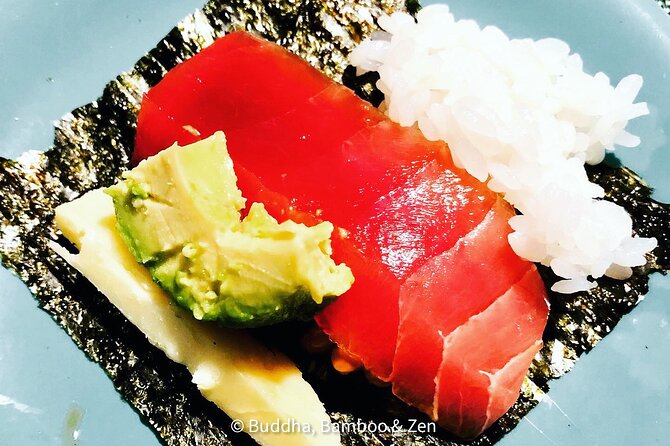
This is the least formal stop, which is exactly why it matters. After statues, shrines, and temple gardens, you get time to browse shops, look into side streets, and choose lunch. Food and drinks are not included, so this is the natural point to pay for your own meal.
The flexible format helps here. You can treat Komachi as a quick walk-through, or use it for a proper break. If your group has different tastes, the range of dining options gives you more choice than a preselected restaurant.
Do not expect the same quiet mood as Hokoku-ji. Komachi is a central shopping street, and its appeal is activity, choice, and access to food. Brad’s local guidance can help you use the hour well rather than wander without a plan.
Tsurugaoka Hachimangu and the samurai past
Tsurugaoka Hachimangu is Kamakura’s most important Shinto shrine. It was established in 1063 and is dedicated to Hachiman, the deity associated with warriors. The tour gives you about an hour to approach the shrine, see its grounds, and understand its place in Kamakura’s samurai story.
This stop is important because it keeps the day from becoming a purely Buddhist temple circuit. Shinto and Zen Buddhism appear side by side in Kamakura, but they offer different visual details and customs. A guide can explain how the shrine’s warrior connections fit into the town’s political and religious past.
The approach itself is part of the experience. Rather than arriving at an isolated building, you move toward a major sacred center through the town. The free admission makes this one of the day’s easier stops financially.
Tsurugaoka Hachimangu can also be busy and ceremonially active. The private format lets you ask questions as you go, but it does not turn a major shrine into a quiet back road. Keep your expectations realistic and allow space for other people’s worship.
Yagura caves, Zen, and the quieter side of Kamakura
The listed highlights are not the whole point of the day. Brad can also show you man-made caves called yagura and guide you through historic passes or less obvious corners when time and conditions allow. This is where the bespoke design earns its keep.
Kamakura’s appeal is not limited to its headline monuments. Its Spartan charm comes through in rustic temples, understated gardens, old routes, and places where the past feels close without being dressed up for display. You may prefer these smaller details to the famous statue, and the tour gives you room to say so.
The historical focus also reaches beyond dates. You can learn about samurai life, Zen practice, and the way religious sites shaped Kamakura. Brad’s strength, based on the feedback attached to the experience, is his friendly delivery and ability to tailor the day without overloading you with facts.
Several people specifically praised the balance of history, temples, a short hike, lunch, shopping, and rest breaks. That combination is a good guide to what this tour does best. It is not a race through every major sight. It is a day with enough structure to feel productive and enough freedom to feel personal.
What the $355.80 price really buys
At $355.80 for up to six people, the tour is not the cheapest way to see Kamakura. Yet the group price can be reasonable if you fill most of the places. Six people would pay about $59.30 each before local costs, while two people would pay about $177.90 each.
The fee covers guiding services only. Plan for:
- ¥300 per person at Kotoku-in
- ¥400 per person at Hasedera
- ¥600 per person at Hokoku-ji
- About ¥840 per person for public transportation
- Lunch, snacks, matcha, and other drinks
The three temple admissions total approximately ¥1,300 per person. Bringing ¥2,000 per person for admissions and transport is sensible, with extra money for food and drinks.
The value is strongest for families, friends, and first-time visitors who want personal attention. It is weaker for solo visitors or couples who already feel comfortable planning Kamakura’s trains, buses, and temple visits on their own.
Pace, fitness, weather, and scheduling
You need to be comfortable walking for much of the day, with some time on public transportation and possible short hikes. The guide has built in rest and food breaks, which helps, but this is not a seated sightseeing tour.
The experience requires good weather. If poor weather forces cancellation, you can receive a full refund or choose a different date. Free cancellation is available up to 24 hours before the start time, while changes or cancellations inside that window are not accepted.
The stated operating information lists Wednesday from 8:00 AM to 5:00 PM for the period from February 1, 2024 through December 9, 2026. Confirm the available date and start time when booking, especially if your Japan itinerary depends on a particular weekday.
Mobile ticketing is provided, and the activity is private. Service animals are allowed, the meeting point is near public transportation, and most people can participate. Specific mobility needs are not described, so ask before booking if your group requires a fully step-free route.
Who should book Buddha, Bamboo & Zen
I would choose this tour if you want Kamakura to feel like a day in a real town, not just a checklist of famous sights. It suits families, small groups, and anyone who prefers a guide who can adjust the plan when energy, weather, or interest changes.
It is also a strong choice if you want help with local transport and context. Brad’s friendly, practical style has been praised repeatedly, including his help before the tour with Suica cards and cash. That kind of support can be worth more than another monument on your schedule.
I would think twice if you want a low-cost, independent visit or a tightly timed photography tour. Extra expenses add up, and the day’s flexible structure means you are paying for judgment and company rather than a fixed list of inclusions.
Should you book this Kamakura walking tour?
Book it if you want the Great Buddha, bamboo, gardens, Shinto tradition, and samurai history tied together by one flexible route. The private group format, Brad’s personal approach, and built-in breaks make it especially appealing for a family or group of friends.
Skip it if you are happy to manage trains, buses, temple fees, lunch, and route planning yourself. For everyone else, the price buys a calmer and more human way to experience Kamakura, with permission to stop before your temple tolerance runs out.
FAQ
How long does Buddha, Bamboo & Zen last?
The experience lasts approximately six hours. About two hours are allocated for walking, trains, buses, rest, and food or drink breaks between attractions.
How many people can join the private tour?
The price covers one private group of up to six people. Only your group participates in the activity.
Where does the tour begin and end?
You meet at Kamakura Eki East Exit, at 1 Chome-1 Komachi, Kamakura. The tour ends back at the same meeting point.
Are temple admission fees included?
No. Temple admissions are paid separately by each person. The listed fees are ¥300 for Kotoku-in, ¥400 for Hasedera, and ¥600 for Hokoku-ji.
Is lunch included?
No. Lunch, snacks, matcha green tea, and other drinks are separate expenses.
How much cash should I bring?
The tour recommends bringing ¥2,000 per person for temple admissions and transportation. You should bring additional cash for food and drinks.
What happens if the weather is poor?
The experience requires good weather. If it is canceled because of poor weather, you can choose another date or receive a full refund. Free cancellation for other reasons is available until 24 hours before the start time.
More Temples and Shrines in Kamakura
- Tokyo: Kamakura & Enoshima Day Trip including Temple Tickets
★ 4.5 · 1,375 reviews - [Kyoto & Nara Day Tour] Sagano Scenic Railway & Nara Park & Fushimi Inari Taisha Thousand Torii Gates & Togetsukyo Bridge & Bamboo Grove & Kimono Forest (Departing from Osaka)
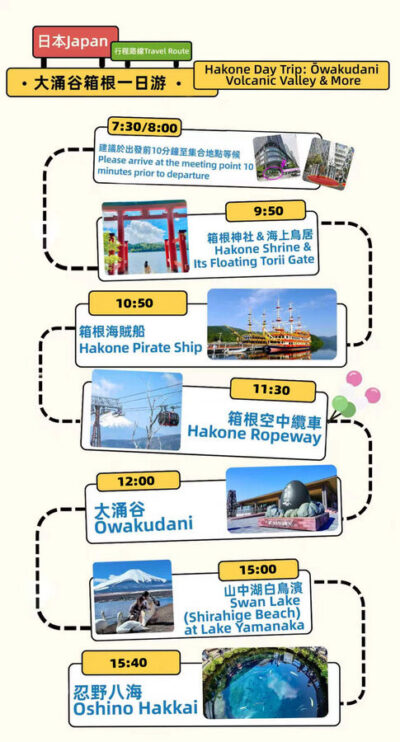
★ 4.9 · 10,942 reviews - Mount Fuji & Hakone – Lake Ashi Torii Gate, Hakone Shrine, Hakone Pirate Ship, Hakone Ropeway, Owakudani, Lake Yamanaka & Oshino Hakkai Day Trip: Sea, Land, and Air Panoramic Tour from Tokyo
★ 4.8 · 7,989 reviews - Kyushu One-Day Tour: Yufuin no Mori Train & Yufuin Town & Nyoirin-ji Temple & Dazaifu & Hell Hot Springs (Departing from Fukuoka)
★ 4.9 · 4,474 reviews
Just added in Kamakura
- When Emperors Reigned and Shoguns Ruled★ 5.0 · 43 reviews
- First time in Kamakura? Enjoy a Tour of All Must-sees!★ 5.0 · 15 reviews
- Kamakura Walking Tour – The City of Shogun★ 5.0 · 100 reviews
- Kamakura 4hr Private Trip with Government-Licensed Guide★ 5.0 · 58 reviews
- Your Own HANKO Name Seal Activity in Kamakura.★ 5.0 · 24 reviews
- Exciting Kamakura – One Day Tour from Tokyo★ 5.0 · 40 reviews
- Kamakura Bamboo Forest and Great Buddha Private Tour★ 5.0 · 12 reviews
- Kamakura Tours Half Day or Full Day Tours with a local guide.★ 5.0 · 12 reviews
Temples and Shrines, compared.
![[Kyoto & Nara Day Tour] Sagano Scenic Railway & Nara Park & Fushimi Inari Taisha Thousand Torii Gates & Togetsukyo Bridge & Bamboo Grove & Kimono Forest (Departing from Osaka)](https://media.japanvisits.com/wp-content/uploads/kyoto-nara-day-tour-sagano-scenic-railway-nara-park-fushimi-inari-taisha-thousand-torii-gates-togetsukyo-bridge-bamboo-grove-kimono-forest-departing-from-osaka-k110001-400x257.jpg)
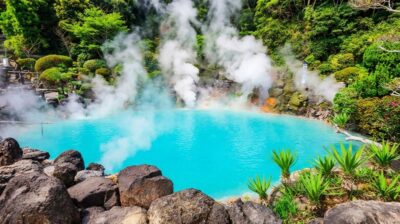
Kyushu One-Day Tour: Yufuin no Mori Train & Yufuin Town & Nyoirin-ji Temple & Dazaifu & Hell Hot Springs (Departing from Fukuoka)
Read our review →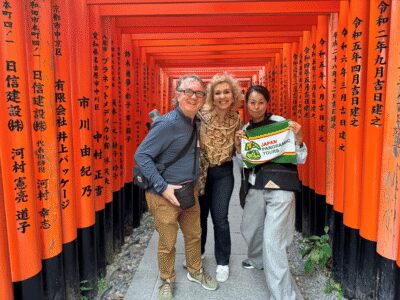
Fushimi Inari, Kinkakuji, Bamboo Grove 1 Day Bus Tour
Read our review →
Tea Ceremony in a Traditional Tea House in Kiyomizu
Read our review →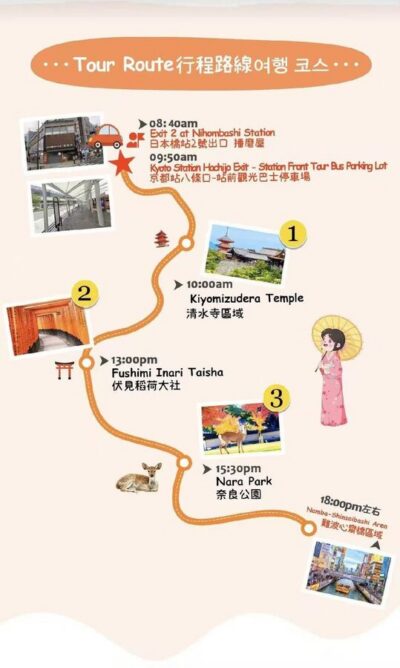
Kyoto Nara Day Trip │ Kiyomizu-dera Temple + Fushimi Inari-taisha Shrine + Nara Park (Departing from Osaka/Kyoto)
Read our review →
Browse the lists this tour appears in