
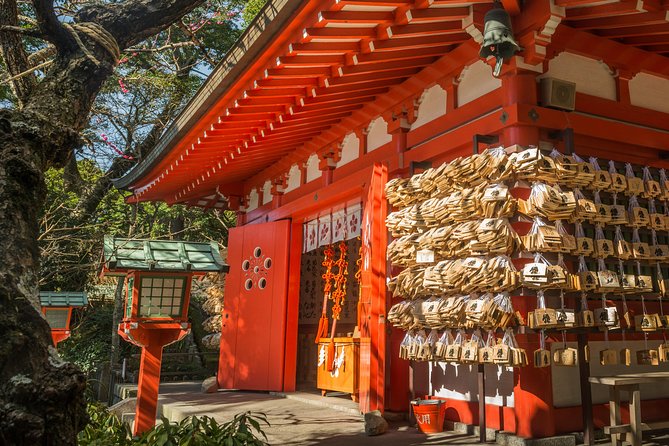
Reviewed · KAMAKURA TOURS
When Emperors Reigned and Shoguns Ruled
Kamakura packs a thousand years into one walk. This private four-hour outing links the town’s major sights with the story of the shogunate, samurai culture, Shinto, and Zen Buddhism. I especially like the private format, which lets you set the pace and ask questions, and the useful photographer-guide service, since Virgil can take photos while you enjoy the sites. The main catch is cost: at $108.99 per person, admission fees, food, and transportation are extra.
You begin at Kamakura Station and finish near Hase Station, a practical route that avoids sending you back the way you came. The walk includes busy shopping streets, sacred grounds, a giant bronze Buddha, and a hillside temple. Expect a lot of walking, some crowds, and a tour that works best when you want context rather than a quick checklist of sights.
In This Review
- Key points at a glance
- Why Kamakura works so well for a half-day
- Starting on Wakamiya Main Street
- Tsurugaoka Hachimangu and the first shogun
- Komachidori: snacks, shopping, and present-day Kamakura
- Kotoku-in and the Great Buddha
- Hasedera Temple and the longest visit
- What makes Virgil a valuable guide
- Price, timing, and what you still pay for
- Who should book this Kamakura experience?
- Should you book When Emperors Reigned and Shoguns Ruled?
- FAQ
- Where does the tour begin?
- Where does the tour end?
- How long does the experience last?
- What sites are included in the route?
- Are entrance fees included?
- Is this a private tour?
- What is included in the price?
Key points at a glance
- Virgil’s personal guiding style: He is praised for clear English, warm conversation, historical stories, patience, and flexibility.
- A private group of up to eight: You can move at your own speed and adjust the day around your interests.
- Five major Kamakura stops: The route covers Wakamiya Main Street, Tsurugaoka Hachimangu, Komachidori, Kotoku-in, and Hasedera.
- A strong history focus: The tour explains the Kamakura Period from 1185 to 1333, including the first shogunate, samurai power, and Zen Buddhism.
- Photos without asking strangers: Your guide can take pictures of you throughout the afternoon.
- A one-way finish near Hase Station: The ending point works well if you plan to continue exploring the Hase area afterward.
Why Kamakura works so well for a half-day
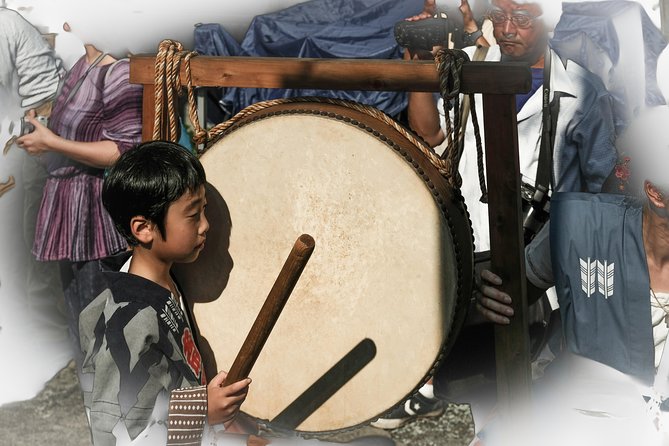
Kamakura gives you a sharp change of pace from Tokyo. It is a historic coastal town where major religious sites sit beside ordinary shops, train tracks, snack stalls, and local streets. That mix is important. You are not looking at history behind glass. You are walking through a place where old shrines and temples remain part of daily life.
The tour focuses on the Kamakura Period, which lasted from 1185 to 1333. This was the era when political power shifted away from the imperial court in Kyoto and toward military leaders in Kamakura. Minamoto Yoritomo established the first shogunate, and the samurai class gained lasting influence over Japan’s government.
That political change is easier to understand when you see the sites in sequence. Tsurugaoka Hachimangu connects directly with Minamoto Yoritomo. The Great Buddha shows the strength of Buddhist devotion during the period. Hasedera adds another layer, with its worship of Kannon and its mix of gardens, caves, and hillside views.
I like this approach because the tour does not treat each stop as an isolated photo opportunity. You get a thread connecting the shrines, streets, statues, and temples. If Japanese history feels like a blur of emperors, monks, warriors, and court traditions, a good guide can make the period much easier to follow.
A few more options to weigh up in Kamakura
- Tokyo: Kamakura & Enoshima Day Trip including Temple Tickets
★ 4.5 · 1,375 reviews - From Tokyo: Kamakura & Enoshima 1-Day Bus Tour
★ 4.5 · 189 reviews - Kamakura Historical Walking Tour with the Great Buddha
★ 5.0 · 129 reviews
Starting on Wakamiya Main Street
The tour begins at Kamakura Station, at 1-chōme-1-15 Onarimachi. From there, you walk along Wakamiya Main Street toward the principal shrine. This opening section takes about 20 minutes and costs nothing to enter.
Wakamiya Main Street is useful as an introduction because it gives you time to settle into Kamakura. The route leads toward Tsurugaoka Hachimangu, and the walk helps you see how the town’s central avenue connects modern commerce with the religious heart of the city.
Your guide can explain what you are seeing along the way, rather than waiting until you reach the shrine gates. This is also a good time to ask for help with the day’s rhythm. If you walk slowly, want extra photographs, or have a particular interest in samurai history, the private format makes those requests easier.
Do not expect an empty ceremonial approach. Kamakura’s main area can be crowded, especially on Sundays and during long weekends. Virgil has been praised for guiding groups through busy periods while keeping the experience calm and organized. That matters here, since the route includes popular sites rather than quiet out-of-the-way corners.
Tsurugaoka Hachimangu and the first shogun
Tsurugaoka Hachimangu receives about 50 minutes. Admission is free, and the shrine is one of Japan’s three most important Shinto shrines.
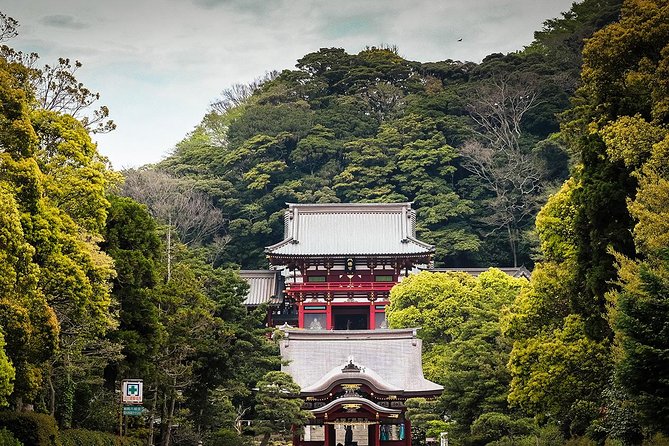
Its central place in the tour comes from its link to Minamoto Yoritomo, the first shogun. The shrine was built in the 12th century, when Kamakura became the seat of military government. This is the point where the tour’s title becomes real: you are standing in a place tied to the rise of shogun rule.
A guide adds value here by explaining the relationship between Shinto practice and political authority. The shrine was not only a place for private prayer. It was also connected to the identity and power of the ruling military class. Those links can be easy to miss when you visit alone and focus only on the architecture.
You will have time to look around, listen, and take photographs. Virgil is repeatedly praised for taking pictures, which is handy for solo participants and couples who want more than hurried phone selfies. Families also appear to fit this stop well, especially if children are willing to ask questions and walk between sites.
The 50-minute visit is enough for an informed look, but it is not an exhaustive study of every feature. That is a fair trade for a four-hour tour. If you want long periods of quiet reflection or detailed photography, you may prefer to return on your own.
Komachidori: snacks, shopping, and present-day Kamakura
Komachidori takes about 50 minutes. This famous shopping street runs with shops and stalls selling sweets, snacks, and souvenirs.
This stop keeps the tour from becoming a parade of monuments. You see contemporary Japanese culture in action, with people shopping, eating, and moving through a street that serves both residents and day visitors. It is also the natural place to pause for a snack, though food and drinks are not included in the tour price.
Matcha ice cream has been part of the experience for at least some groups, and soba has also featured during a day in Kamakura with Virgil. These are not promised inclusions, so plan to pay separately. Still, the private arrangement gives you a better chance to say you want a short food stop instead of marching past every stall.
Komachidori can be crowded. The street is narrow in places, and browsing takes time. I would not treat this as a serious shopping expedition unless you are willing to shorten another stop. Its real value is the contrast: after learning about warriors and shrine ritual, you get a look at the town as it functions now.
Virgil’s flexibility is useful here. Several groups appreciated his ability to adjust the order or timing around their walking speed and interests. That is especially helpful if you are traveling with teenagers, children, or anyone who needs a slower pace.
A completely different kind of day out:
- Kamakura Private Tour: Temples, Nature, and the Great Buddha
★ 5.0 · 121 reviews - Kamakura Walking Tour – The City of Shogun
★ 5.0 · 100 reviews - Kamakura 4hr Private Trip with Government-Licensed Guide
★ 5.0 · 58 reviews - From Tokyo: Kamakura Full Day Tour with a Local Expert Guide
★ 4.6 · 43 reviews
Kotoku-in and the Great Buddha
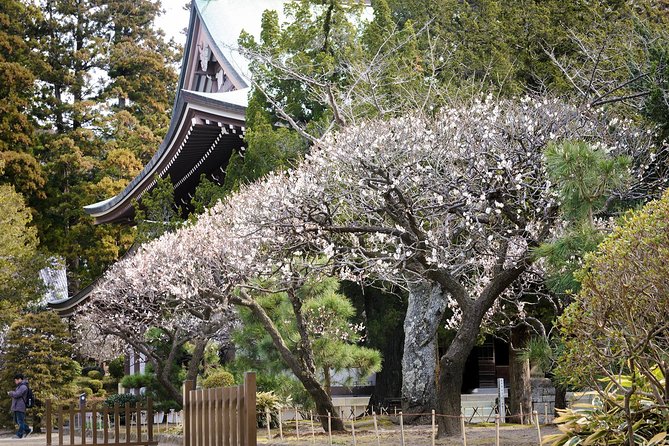
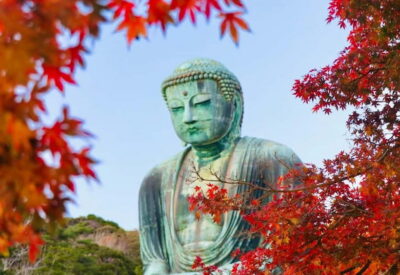
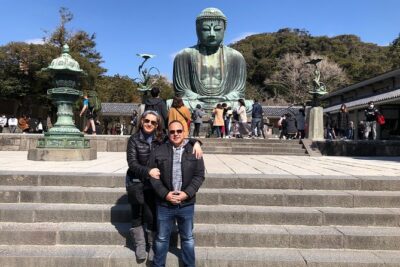
The next major stop is Kotoku-in, home to the Great Buddha of Kamakura. You receive about 40 minutes here, but admission is not included.
The bronze Amida Buddha dates to the 13th century and is one of Kamakura’s defining sights. Its scale gives you an immediate sense of the religious importance of the period. After the political background at Tsurugaoka Hachimangu, this statue shifts the focus toward Buddhism and devotional practice.
A guide can help explain why the Buddha matters beyond its size. Without that background, it is easy to take a few photos, admire the craftsmanship, and leave without understanding its place in Kamakura’s religious story. The tour connects the statue with the wider growth of Buddhism and the religious currents that shaped the town.
Forty minutes should give you time to see the statue, hear the explanation, and take photos without turning the stop into a long temple visit. Admission is an extra cost, so remember that the advertised tour price does not cover every entrance along the route.
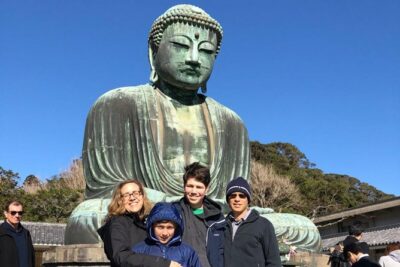
The site is also a good point for families. A giant bronze statue is visually immediate, and younger visitors do not need to absorb a long lecture before appreciating it. One parent described the tour as a strong history experience for a 10-year-old interested in Japanese culture, anime, manga, and food. That suggests the guide can adjust his explanations for younger listeners.
Hasedera Temple and the longest visit
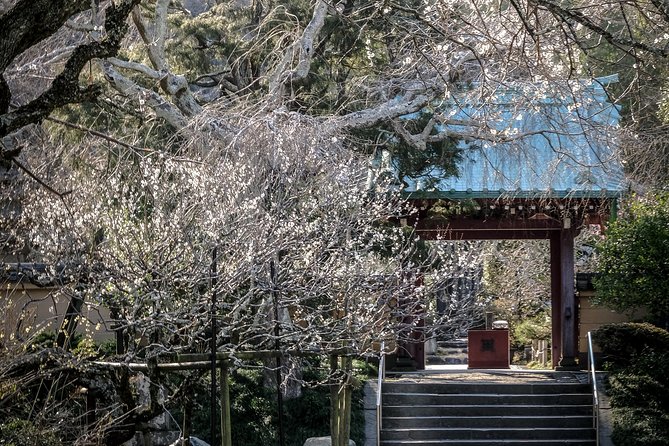
Hasedera receives the most time, about 1 hour and 20 minutes. Admission is not included.
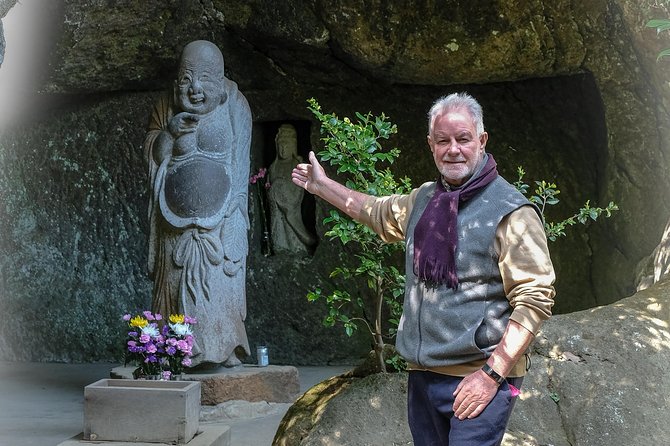
This Buddhist temple spreads across multiple levels and includes gardens, ponds, caves, and an ancient 11-headed statue of Kannon, the Goddess of Mercy. It is the most varied stop on the route. Instead of one main monument, you encounter several different spaces and forms of worship.
The extra time makes sense. Hasedera needs room for the temple grounds, the gardens, the caves, and the Kannon tradition. It is also the final major stop, so the tour can finish at a more relaxed pace rather than rushing through another short visit.
The temple is on multiple levels, so this part may feel more physically demanding than the main-street walks. The tour data says most people can participate, but it does not promise a flat route or special accessibility arrangements. If stairs or hills are a concern, ask about the pace when you meet your guide.
Hasedera also gives the tour a quieter emotional finish. You have moved from the formal avenue to a major shrine, then through food stalls and shopping, and finally into Buddhist grounds filled with gardens and religious imagery. The sequence gives you both Kamakura’s public face and its spiritual side.
What makes Virgil a valuable guide
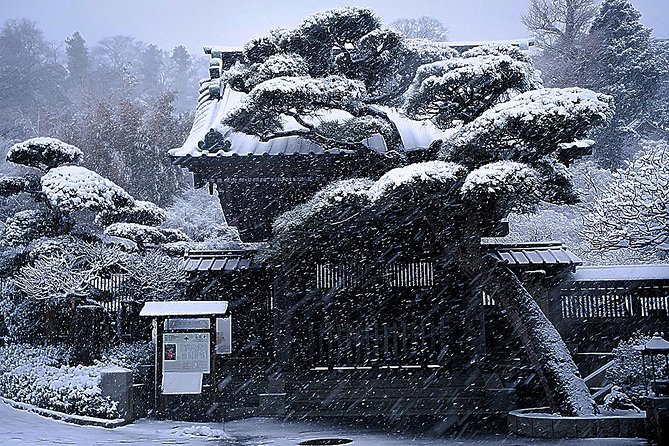
The strongest theme in the feedback is Virgil himself. He is praised for his historical explanations, clear English, kindness, patience, and ability to tell entertaining anecdotes. Spanish is also spoken, according to one experience, which may help some groups.
The praise is not limited to academic detail. Virgil has helped people who got lost, adjusted the route for slower walkers, navigated crowded days, arranged public transportation between sights, and taken photos throughout the outing. Those practical touches can matter as much as dates and names.
He also appears comfortable with different group types. Solo participants, couples, families with teenagers, and a parent with a 10-year-old all fit the private format. One group appreciated being able to explore at a natural pace, while another valued his patience with many questions.
That personal approach is the main reason to choose this tour instead of simply visiting Kamakura independently. You are paying for interpretation, navigation, photos, and flexibility. If you already know the period well and prefer wandering alone, the price may be harder to justify. If you want the sites to make sense, the guide can add real value.
Price, timing, and what you still pay for
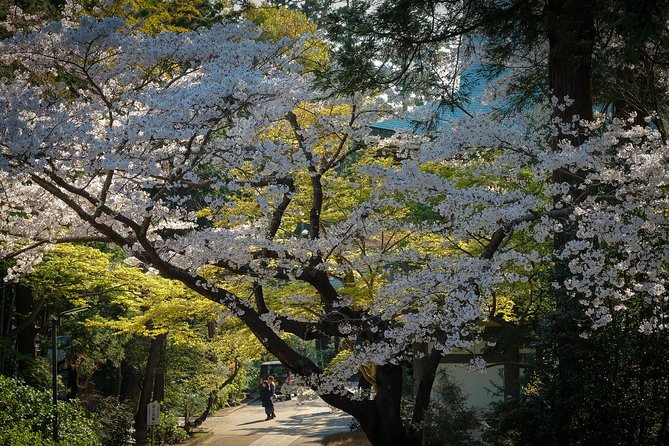
The price is $108.99 per person. Group discounts are available, and the private group can include up to eight people. For one person or a small group, that is a meaningful expense. For eight people sharing a private guide, the cost becomes easier to assess, especially if everyone wants the same pace and language support.
The tour lasts about four hours. The listed visits total roughly 3 hours and 40 minutes, leaving a little room for moving between stops, short pauses, and photographs. Several start times are available, so you can fit it around a Tokyo or Kamakura day plan.
The price includes a local guide, a professional photographer guide, and a tour host. It does not include food, lunch, admission to Kotoku-in or Hasedera, transportation to and from attractions, or hotel pickup and drop-off.
You meet at Kamakura Station and finish at Hase Station on the Enoden Line. That one-way design is useful. You can continue from Hase Station after the tour instead of retracing the entire route to the starting point.
The experience is recommended by 98 percent of the 43 ratings and carries a 4.9 score. Those figures suggest a strong record, but you should still understand the format: this is an active walking tour, not a seated lecture or a private vehicle excursion.
Cancellation is free up to 24 hours before the start time. Canceling or changing the booking less than 24 hours ahead does not qualify for a refund.
Who should book this Kamakura experience?
I would choose this tour if you want a clear introduction to Kamakura’s political and religious past without spending a full day planning the route yourself. It is especially suitable for:
- Solo visitors who want help with photos and navigation
- Couples who prefer a private pace
- Families with children or teenagers who ask lots of questions
- Small groups of up to eight people
- Anyone interested in samurai government, Shinto, Buddhism, or Japanese culture
- People who want to finish near Hase Station
You may want to skip it if you prefer complete independence, dislike structured walking, or want to spend long stretches shopping and eating. You also need to budget for entrance fees, food, and local transportation.
Should you book When Emperors Reigned and Shoguns Ruled?
Book it if history will make your Kamakura visit more meaningful. The route covers the essential sights, but the real benefit is the connection between them: Yoritomo and the shogunate at Tsurugaoka Hachimangu, Buddhist devotion at the Great Buddha, and Kannon worship at Hasedera.
The best reason to book is Virgil’s personal service. His flexibility, photographs, clear explanations, and patient manner suit families, solo visitors, and small groups. The main reason to hesitate is the price, especially once you add admissions, food, and transportation.
For a first visit to Kamakura, I find the private format compelling. You get the town’s major landmarks, a practical one-way route, and enough historical background to see more than pretty buildings. Just arrive ready to walk, allow extra money for the costs not included, and save room for a matcha treat on Komachidori.
FAQ
Where does the tour begin?
The tour begins at Kamakura Station, located at 1-chōme-1-15 Onarimachi, Kamakura, Kanagawa 248-0012, Japan.
Where does the tour end?
The tour ends at Hase Station, 2 Chome-14 Hase, Kamakura, Kanagawa 248-0016, Japan. It is the Hase Station of the Enoden Line.
How long does the experience last?
The tour lasts approximately four hours.
What sites are included in the route?
The route includes Wakamiya Main Street, Tsurugaoka Hachimangu Shrine, Kamakura Komachidori, Kotoku-in and the Great Buddha of Kamakura, and Hasedera Temple.
Are entrance fees included?
Admission is free at Wakamiya Main Street and Tsurugaoka Hachimangu Shrine. Admission to Kotoku-in and Hasedera Temple is not included.
Is this a private tour?
Yes. Only your group participates, and the tour is suitable for a single person or groups of up to eight people.
What is included in the price?
The price includes a local guide, a professional photographer guide, and a tour escort or host. Food, drinks, lunch, transportation to and from attractions, and hotel pickup and drop-off are not included.
Just added in Kamakura
- First time in Kamakura? Enjoy a Tour of All Must-sees!★ 5.0 · 15 reviews
- Kamakura Walking Tour – The City of Shogun★ 5.0 · 100 reviews
- Kamakura 4hr Private Trip with Government-Licensed Guide★ 5.0 · 58 reviews
- Your Own HANKO Name Seal Activity in Kamakura.★ 5.0 · 24 reviews
- Kamakura Bamboo Forest and Great Buddha Private Tour★ 5.0 · 12 reviews
- Exciting Kamakura – One Day Tour from Tokyo★ 5.0 · 40 reviews
- Kamakura Tours Half Day or Full Day Tours with a local guide.★ 5.0 · 12 reviews
- Buddha, Bamboo & Zen – Bespoke Kamakura Private Walking Tours★ 5.0 · 25 reviews
Kamakura Tours, compared.
Kamakura & Enoshima Day Trip including Temple Tickets
Read our review →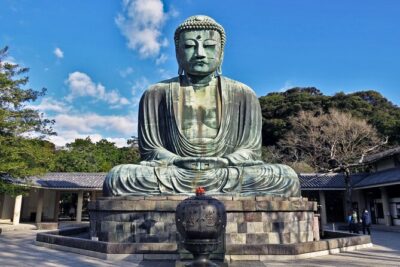
Kamakura Historical Walking Tour with the Great Buddha
Read our review →
Kamakura Private Tour: Temples, Nature, and the Great Buddha
Read our review →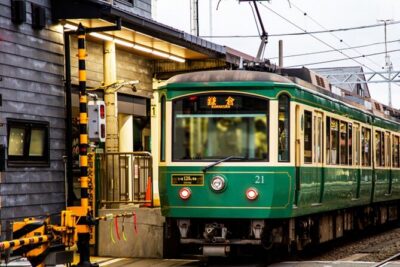
Kamakura 4hr Private Trip with Government-Licensed Guide
Read our review →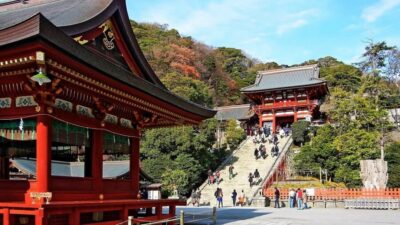
Kamakura Full Day Tour with a Local Expert Guide
Read our review →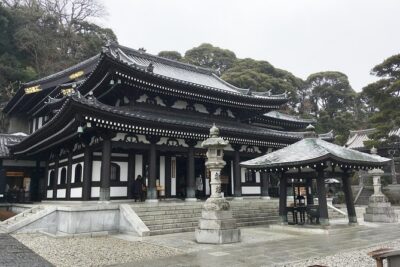
Browse the lists this tour appears in