
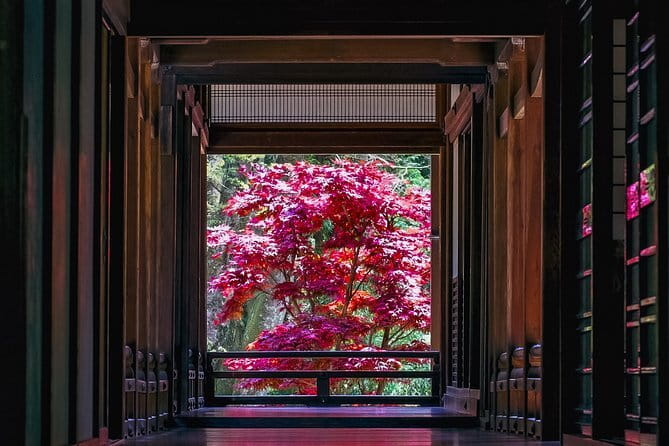
Reviewed · KAMAKURA TOURS
First time in Kamakura? Enjoy a Tour of All Must-sees!
Kamakura packs a lot into one day. This private tour links seven major sights, from bamboo gardens and old shrines to the Great Buddha, while a guide handles the route and explains what you are seeing. I like the personal format and the chance to ask about local food on Komachi Street. I also like that guides such as Yoshi, Rumi, and Akira have helped visitors adjust the day to their needs. The main drawback is simple: this is a long walking day, and the number of temples can feel tiring.
The tour begins at 9:00 a.m. outside Kamakura Station and lasts about seven and a half hours. You pay $143.71 per person, then cover transport, admissions, food, and optional costs separately. That makes this a good choice if you want a structured first visit, but less appealing if you prefer to wander slowly or keep spending tightly controlled.
In This Review
- Five things to know before booking
- Why this private Kamakura day works for first-time visitors
- Jomyo-ji and Hokoku-ji: matcha beside bamboo
- Komachi Street: the best break for local food
- Tsurugaoka Hachimangu: Kamakura’s central shrine
- Meigetsu-in: the round window and seasonal flowers
- The Great Buddha at Kotoku-in
- Hasedera: flowers, views, and a final climb
- What the $143.71 price really includes
- Walking, weather, and the pace of the day
- The guide can make or break the experience
- Who should book this Kamakura tour?
- Should you book it?
- FAQ
- Where does the tour start?
- What time does the tour begin?
- Where does the tour end?
- How long does the tour last?
- Is this a private tour?
- Are admission fees included?
- Are transportation and meals included?
- Can I cancel for a full refund?
Five things to know before booking
- Seven important Kamakura sights in one day: Visit Jomyo-ji, Hokoku-ji, Komachi Street, Tsurugaoka Hachimangu, Meigetsu-in, the Great Buddha, and Hasedera.
- Private guiding makes a difference: Your group has the guide’s full attention, with room for questions and changes to the plan.
- Komachi Street adds food and shopping: The hour here is a useful break from temples, with local snacks, restaurants, and souvenirs.
- The tour includes a lot of walking: Wear comfortable clothes and shoes, and expect stairs and movement between districts.
- Bring Japanese yen: Some places on the route do not accept credit cards, and admission fees are not included.
Why this private Kamakura day works for first-time visitors
Kamakura is easy to reach from Tokyo, but its sights are spread across several areas. A first visit can turn into a puzzle of local trains, temple opening hours, walking routes, and deciding which shrine to drop when time runs short.
This tour gives you a ready-made day. You meet your guide at Kamakura Station at 9:00 a.m., visit a string of major sights, and return to the same meeting point at the end. The private setup is the key feature. Instead of following a fixed group, you can ask for more explanation, request a slower pace, or discuss a small change when practical.
The guides named in the feedback received especially warm praise. Yoshi arrived with a printed plan, explained the day clearly, and was patient when a train delay affected the meeting time. Rumi helped explain the temples and shrines, while Akira handled detailed questions and made adjustments for a particular travel situation.
That personal attention may be worth more than a few dollars saved on a larger group tour. Still, the value depends on how much structure you want. The price does not cover the main costs of the day, so you need to add transport, entrance fees, meals, and an optional experience before judging the final total.
A few more options to weigh up in Kamakura
- Tokyo: Kamakura & Enoshima Day Trip including Temple Tickets
★ 4.5 · 1,375 reviews - From Tokyo: Kamakura & Enoshima 1-Day Bus Tour
★ 4.5 · 189 reviews - Kamakura Historical Walking Tour with the Great Buddha
★ 5.0 · 129 reviews
Jomyo-ji and Hokoku-ji: matcha beside bamboo
The first stop is Jomyo-ji Temple, where you have about 40 minutes. The main appeal is the Japanese garden and the chance to enjoy matcha while looking out over it. This is a gentle start, with a quiet cultural activity rather than a quick photo stop.
Admission is not included. Matcha and any related food costs also fall outside the tour price, so keep some cash ready. The setting gives your guide a natural chance to explain temple customs and the role of gardens in Japanese culture, but the visit may feel short if you want a long, unhurried tea experience.
Hokoku-ji Temple follows, with about 20 minutes on site. Its bamboo grove contains roughly 2,000 bamboo stalks and is one of Kamakura’s most photographed settings. The tall green stems create a cool, calm passage that feels very different from the open shopping street later in the day.
Twenty minutes is enough for a look through the grove, but not much more. Admission is extra, and you may want to ask your guide about the best place for photographs before moving on. This is one of the tour’s clearest examples of the tradeoff: you see many key places, but each stop receives a set amount of time.
Komachi Street: the best break for local food
Komachi Street runs from Kamakura Station toward Tsurugaoka Hachimangu Shrine. You have about an hour here, which makes it one of the most useful parts of the day for anyone interested in food, snacks, and souvenirs.
The street has restaurants and small shops, with local foods that may be difficult to find elsewhere. Your guide can point out places to eat and help you decide how to use the hour. That advice matters because a busy shopping street can offer too many choices and too little time.
Meal costs are estimated at 1,000 yen per person, but your actual spending depends on what you choose. Food and drinks are not included. I would treat this as a chance to sample one or two local items rather than plan a full sit-down meal, since the rest of the schedule still includes several temples.
Komachi Street also gives your feet a break. After the early temple visits, a snack and a little browsing can reset the pace before the larger shrine and temple grounds. If shopping is important to you, though, one hour may pass quickly.
Tsurugaoka Hachimangu: Kamakura’s central shrine
Tsurugaoka Hachimangu receives about 45 minutes. With more than 1,000 years of religious history, this is one of Kamakura’s essential stops, not just another shrine added to fill a schedule.
The shrine was worshiped by the Genji clan, which ruled Japan during the Kamakura period. Your guide can help connect the buildings and grounds to the city’s role in medieval Japan, giving more meaning to what might otherwise look like a series of gates, steps, and halls.
Admission is free, but the grounds can require steady walking. The tour’s description calls the shrine a power spot, a term often used in Japan for places believed to carry spiritual energy. You can enjoy that idea as part of local custom without needing to treat it as a promise.
The 45-minute visit should cover the main areas, though it will not allow time for every corner. The fixed timing keeps the day moving toward the western temple district.
A completely different kind of day out:
- Kamakura Private Tour: Temples, Nature, and the Great Buddha
★ 5.0 · 121 reviews - Kamakura Walking Tour – The City of Shogun
★ 5.0 · 100 reviews - Kamakura 4hr Private Trip with Government-Licensed Guide
★ 5.0 · 58 reviews - When Emperors Reigned and Shoguns Ruled
★ 5.0 · 43 reviews
Meigetsu-in: the round window and seasonal flowers

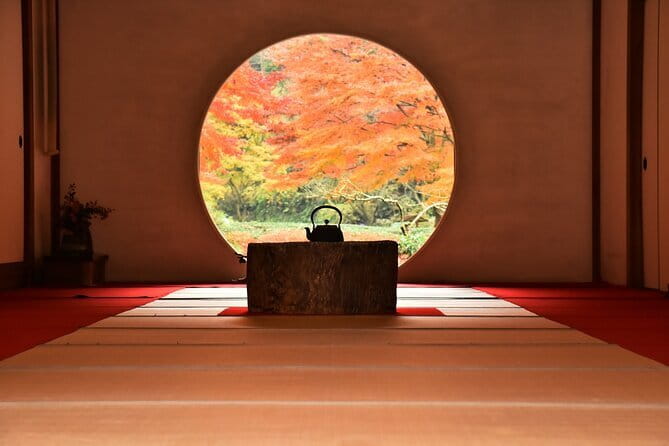
Meigetsu-in, also called the Hydrangea Temple, is scheduled for about 30 minutes. Its most famous feature is a large round window that frames the garden beyond it. The view brings together architecture, plants, and silence in one carefully composed scene.
The temple is also famous for hydrangeas. The best visual effect depends on the season, so your experience may vary. Even without peak blooms, the round window gives this stop a clear identity and a quieter mood than the larger shrine.
Admission is not included. Thirty minutes is enough to see the main feature and walk through part of the grounds, but you will not have unlimited time for photography or lingering. This is another stop where a guide can add value by explaining what to look for rather than simply moving you from gate to gate.
One piece of feedback singled out Meigetsu-in as a favorite, alongside the Great Buddha. That pairing makes sense: the temple offers a restrained, contemplative view, while the next major sight is a bold and monumental statue.
The Great Buddha at Kotoku-in
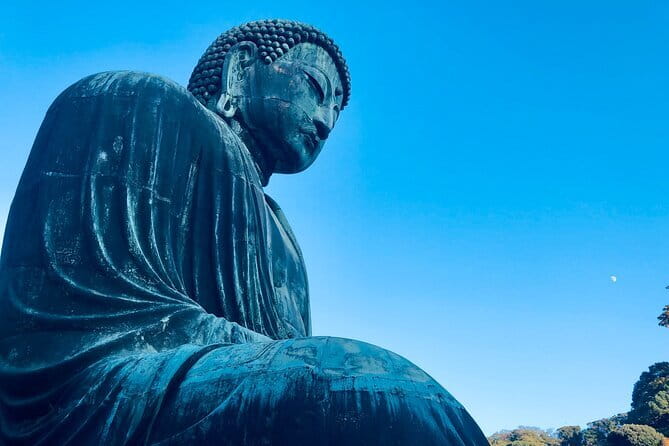
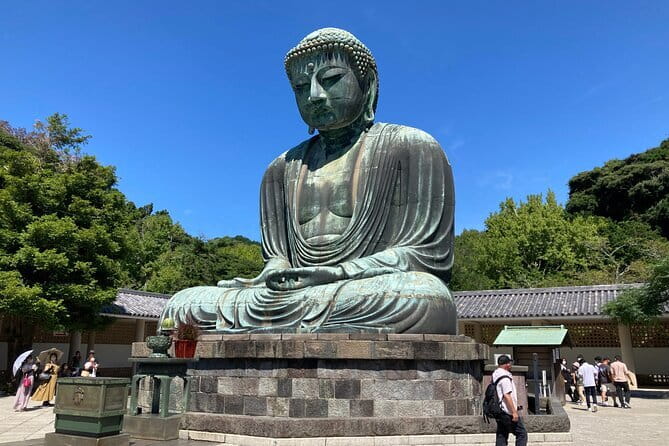
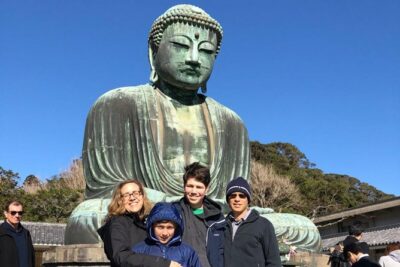
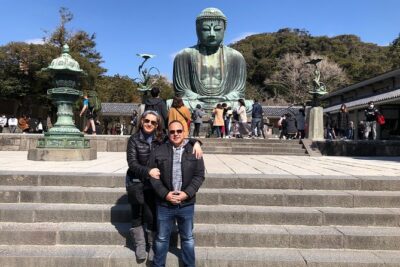
Kotoku-in Temple holds Kamakura’s famous Great Buddha, or Kamakura Daibutsu. The statue is more than 11 meters tall, making it the day’s most instantly recognizable sight.
You have about 35 minutes here. The statue is impressive from the outside, but you can also enter it, creating a more unusual visit than a standard photo stop. Admission is extra, as it is at several temples on this route.
The Great Buddha is one of the tour’s strongest choices for first-time visitors because it gives you an image closely tied to Kamakura. You do not need a long explanation to understand its scale, yet the guide can add context about the statue and the temple grounds.
Time may feel tight if there is a line to enter the statue or if you want a careful look around the grounds. Ask your guide early about the order of activities. The point of the private tour is that you can communicate your priorities instead of silently accepting a rushed visit.
Hasedera: flowers, views, and a final climb
Hasedera Temple, also known as the Flower Temple, receives about 45 minutes. Its grounds include plants from all four seasons and several areas to explore as you climb through the site.
The temple is larger and more varied than the short stop suggests. You may move uphill, so this is where the walking requirement becomes most noticeable. The combination of stairs, temple grounds, and a full day on foot can be tiring, especially for anyone who has already spent the morning sightseeing in Tokyo.
Hasedera works well as the final major temple because it offers more than one object to see. You get gardens, religious buildings, seasonal plants, and a walk through changing levels. The tour does not promise a long rest period here, so pace yourself from the start rather than saving all your energy for the end.
The tour finishes back at Kamakura Station. Since there is no hotel pickup or drop-off, you need to arrange your own way to the meeting point and arrive before 9:00 a.m.
What the $143.71 price really includes

The listed price is $143.71 per person. It covers a private guide and the guide’s necessary tour expenses, but not the main costs you incur during the day.
An estimated additional cost is 5,300 yen per person:
- 900 yen for transportation
- 2,650 yen for entrance fees
- 1,000 yen for meals
There is also an optional experience cost of 660 yen per person. A private van is not included, and neither is pickup or drop-off service.
The price makes the most sense for couples, families, or small groups that value a dedicated guide. Group discounts are available, which may improve the per-person value for a larger private party. If you are traveling alone, the total is harder to justify unless personal guidance and an efficient route are high priorities.
The extra costs are not a flaw, but they must be part of your budget. Bring cash because some locations do not accept credit cards. The 5,300-yen estimate is only a guide, not a guaranteed total, since your food and optional spending can change.
Walking, weather, and the pace of the day
The seven scheduled stops total about four hours and 35 minutes of sightseeing time. The remaining hours cover transport, moving between sites, meals, and the small delays that come with a full day out.
You should wear comfortable clothing and shoes. The route includes temple grounds, long walks, and climbing at Hasedera. One person enjoyed the tour but found the walking tiring and visited four of the five temple and shrine stops they had intended to see, which is a useful warning about the pace.
The route can change if a site closes temporarily. Bad weather may also lead to changes in transport, destinations, or routes. That flexibility protects the day from becoming impossible, but it means you should not treat every stop as absolutely guaranteed.
Most people can take part, and the meeting point is near public transportation. Still, late arrival can reduce the experience because the route depends on public transport and a fixed start time. Allow plenty of time to reach Kamakura Station.
The guide can make or break the experience
The strongest part of this tour is the guide relationship. Yoshi was praised for bringing a printed itinerary, explaining the plan, waiting patiently after a delayed train, and anticipating needs. Rumi was appreciated for explaining the temples and shrines, while Akira handled questions and special arrangements with care.
That said, guiding styles can differ. One account found the sights worthwhile but felt the guide was quiet and mostly answered questions rather than offering a steady flow of explanation. If you want detailed commentary, say so at the beginning. A private tour gives you a good chance to set that expectation early.
The overall rating is 4.8 from 15 ratings, with 100 percent recommending the experience. That is a strong result, though the sample is small. The repeated praise centers on patience, flexibility, personal care, and knowledge of Kamakura’s sights.
Who should book this Kamakura tour?
I would choose this tour for a first visit when you want to see the city’s main sights without building your own route. It suits families, couples, and small groups who prefer one guide rather than a large shared party.
It is also a good fit if you want help with food choices on Komachi Street or need flexibility around questions and timing. The private format is particularly useful when your group has different interests, since you can explain what matters most.
I would hesitate if you dislike fixed schedules, want long temple visits, or have difficulty with extended walking. The tour is designed to cover a lot, not to linger at one or two favorite places. It also costs more than simply taking local transport and visiting a smaller number of sites independently.
Should you book it?
Book this tour if you want an efficient introduction to Kamakura, personal guidance, and the reassurance of seeing the Great Buddha, Tsurugaoka Hachimangu, Komachi Street, and several temples in one day.
Skip it if you prefer a slow pace or already know which temples you want to visit. Before booking, budget the extra 5,300 yen estimate, carry cash, arrive early at Kamakura Station, and tell your guide whether food, photography, temple gardens, or historical explanation matters most. With those expectations clear, this is a strong first-day overview of Kamakura.
FAQ
Where does the tour start?
It starts at Kamakura Station, at 1-chōme-1-15 Onarimachi, Kamakura, Kanagawa 248-0012, Japan.
What time does the tour begin?
The tour starts at 9:00 a.m.
Where does the tour end?
The activity ends back at the meeting point near Kamakura Station.
How long does the tour last?
The tour lasts approximately seven hours and 30 minutes.
Is this a private tour?
Yes. Only your group participates, and the guide is dedicated to your party.
Are admission fees included?
No. Entrance fees are paid separately. The estimated admission cost is 2,650 yen per person.
Are transportation and meals included?
No. Transportation, food, and drinks are paid separately. The estimated additional cost is 5,300 yen per person, including transport, admissions, and a meal estimate.
Can I cancel for a full refund?
Yes, if you cancel at least 24 hours before the local start time. Cancellations or changes made less than 24 hours before the start time are not refunded or accepted.
Just added in Kamakura
- When Emperors Reigned and Shoguns Ruled★ 5.0 · 43 reviews
- Kamakura 4hr Private Trip with Government-Licensed Guide★ 5.0 · 58 reviews
- Your Own HANKO Name Seal Activity in Kamakura.★ 5.0 · 24 reviews
- Kamakura Walking Tour – The City of Shogun★ 5.0 · 100 reviews
- Kamakura Bamboo Forest and Great Buddha Private Tour★ 5.0 · 12 reviews
- Exciting Kamakura – One Day Tour from Tokyo★ 5.0 · 40 reviews
- Kamakura Tours Half Day or Full Day Tours with a local guide.★ 5.0 · 12 reviews
- Buddha, Bamboo & Zen – Bespoke Kamakura Private Walking Tours★ 5.0 · 25 reviews
Kamakura Tours, compared.
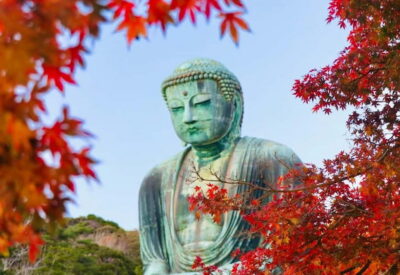
Kamakura & Enoshima Day Trip including Temple Tickets
Read our review →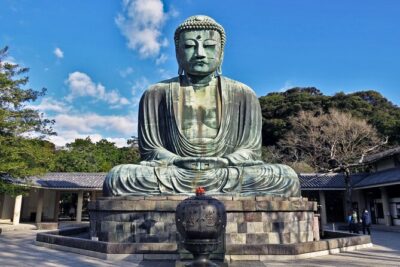
Kamakura Historical Walking Tour with the Great Buddha
Read our review →
Kamakura Private Tour: Temples, Nature, and the Great Buddha
Read our review →
Kamakura 4hr Private Trip with Government-Licensed Guide
Read our review →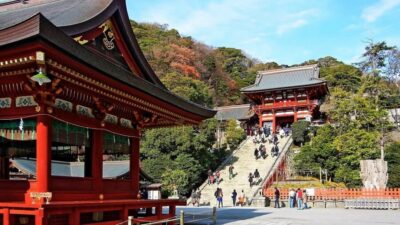
Kamakura Full Day Tour with a Local Expert Guide
Read our review →
Browse the lists this tour appears in