
Reviewed · TEMPLES AND SHRINES
From Tokyo Kamakura, Hachimangu Shrine and Enoshima Full Day Tour
Ancient shrines meet the sea here. This 10-hour outing gives you an efficient way to reach Kamakura and Enoshima from Tokyo without working out several train connections. I especially like the included Enoden railway ticket and the chance to see the Great Buddha, Hachimangu Shrine, and Enoshima in one day. The trade-off is a packed schedule, heavy walking, and possible late returns when weekend traffic clogs the roads.
I also like the range of pickup points and the air-conditioned vehicle, a welcome break during Japan’s hot months. Guides such as Alex, Allan Tan, Peter, Leonard, and Jack have earned praise for clear explanations, practical help, restaurant tips, and keeping the group moving. Still, this is a shared tour of up to 40 people, so check-in and group timing may feel less personal than on a private outing.
In This Review
- What makes this day trip worth considering
- A full day away from Tokyo’s concrete
- Meeting the group and getting underway
- The Great Buddha at Kotoku-in
- Riding the Enoden from Hase Station
- Enoshima, shrines, bridges, and sea views
- Tsurugaoka Hachimangu and Kamakura’s samurai setting
- Komachi Street for food and browsing
- Guides can make or break the pace
- The real cost, time, and comfort
- Who should book this experience
- Should you book the Kamakura and Enoshima tour?
- FAQ
- How long is the tour?
- Where does the tour depart from?
- How early should I arrive?
- Is transportation included?
- Is lunch included?
- Are attraction admission fees included?
- What languages are available?
- How large can the group be?
- Can the tour return after 8 p.m.?
What makes this day trip worth considering
- The Great Buddha comes first, giving you an impressive Kamakura landmark before the day gets busier.
- The Enoden train is included, adding a short, scenic local ride instead of making the entire day a highway trip.
- Enoshima combines shrines, sea views, food, and walking, with nearly two hours to explore.
- Tsurugaoka Hachimangu connects directly to Kamakura’s samurai past, while nearby Komachi Street brings snacks and shopping.
- Pickup and drop-off are arranged, saving you from planning a long round trip from Tokyo.
- The price is low for a full day of transport and guiding, though some admissions, lunch, and cash expenses come separately.
A full day away from Tokyo’s concrete
Kamakura sits south of Tokyo and feels markedly slower than the capital. The day moves between Buddhist and Shinto sites, old shopping lanes, a small coastal railway, and the island of Enoshima.
At $60.62 per person, the value is mainly in transportation and time saved. You are not paying for lunch, and several attraction fees are separate, but arranging a similar route yourself means researching connections, buying tickets, and managing the timing between Kamakura and Enoshima.
This is best viewed as an introduction rather than a slow, scholarly visit. You get a useful sweep of the area, but each stop has a fixed window. If you want long temple visits, quiet photography, or several sit-down meals, you may find the pace too brisk.
More Day Trips in Tokyo
- Mt Fuji Top 5 Spots Day Tour: Arakurayama Park,Oshino Hakkai
★ 4.7 · 2,066 reviews - Tokyo: Mt. Fuji, Kamakura, Big Buddha, & Lake Ashi Day Trip
★ 4.5 · 867 reviews - Mt. Fuji & Hakone Private Day Tour with English-Speaking Driver
★ 4.5 · 824 reviews
Meeting the group and getting underway
Pickup is available from designated points in Tokyo and Shinjuku. You need to arrive 15 minutes early and look for a guide holding a yellow flag with the Gogoday logo. The guide checks your booking name before you join the group.
The operator sends guide, driver, and vehicle license-plate information by email around 9 p.m. the night before departure. Because the booking platform does not share your email address with the operator, you need to provide it after booking. This is an easy detail to miss, so handle it promptly.
The vehicle has air-conditioning, which matters in summer and gives your feet a rest between walking sections. The group can reach 40 people, and the tour may include English, Mandarin, and Japanese explanations. Several guides have been praised for switching between English and Mandarin clearly, but one poor experience described disorganized check-in, an older vehicle, and too much commentary in Chinese. That appears to be an occasional risk, so confirm the language arrangements if English guidance is especially important to you.
The Great Buddha at Kotoku-in
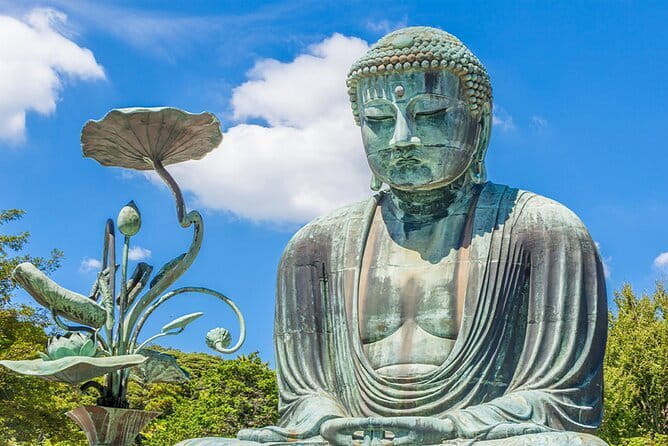
The first major stop is Kotoku-in, home of Kamakura’s 13.35-meter bronze Great Buddha. You have about 30 minutes here, and the admission fee is not included.
The statue is the day’s clearest single photo opportunity. Its scale is impressive, but the short visit means you should stay focused. You will have time to see the Buddha and take photographs, yet not much room for a leisurely visit around the temple grounds.
I like this opening stop because it gives the tour a strong sense of place right away. Kamakura is not simply a coastal escape from Tokyo. Its Buddhist monuments are central to the town’s identity, and the Great Buddha makes that clear without requiring a long lecture or a full morning.
Bring cash for admissions and purchases. One participant advised carrying at least 3,000 yen for site fees and food, although your exact spending will depend on what you eat and which optional attractions you enter. An ATM may not be close when you need it.
Riding the Enoden from Hase Station
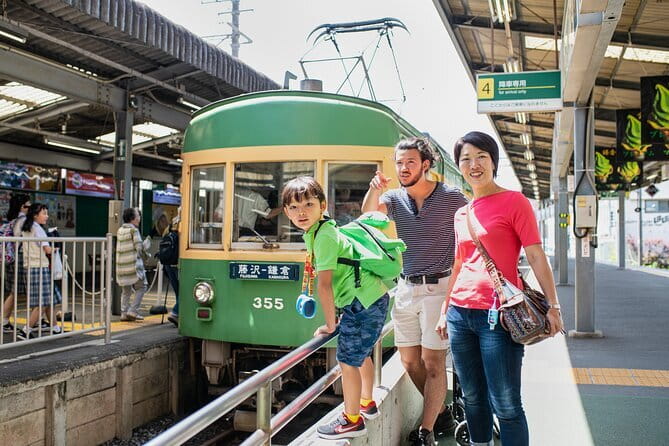
From the Great Buddha area, the group reaches Hase Station and boards the Enoshima Electric Railway, usually called Enoden. The ticket is included, and the ride lasts roughly 40 minutes within the schedule.
This is one of the most appealing parts of the day. The little train has operated for more than a century and passes through Kamakura neighborhoods toward the Shonan coast. It gives you a quick look at local streets and seaside scenery that you would miss from a coach.
The ride is not a private sightseeing train. It is public transportation, and it can be crowded. One account specifically described the train as very full, particularly on a hot day. Keep your belongings close and expect to stand or share a tight carriage.
The train also gives the day some variety. Ten hours in a tour vehicle can feel repetitive, while the short rail journey breaks up the driving and puts you briefly into the same transport system used by local residents.
More Temples and Shrines in Tokyo
- Tokyo: Meiji Shrine, Asakusa, Skytree Bus Tour and Cruise
★ 4.7 · 1,986 reviews - Tokyo: Asakusa Walking Tour with Sensoji Temple Visit
★ 4.8 · 1,583 reviews - Nikko: Kegon Falls, Lake Chuzenji & Toshogu Temple
★ 4.6 · 1,577 reviews - Tokyo: Nikko Toshogu Shrine and Kegon Waterfall Tour
★ 4.5 · 1,266 reviews
Enoshima, shrines, bridges, and sea views
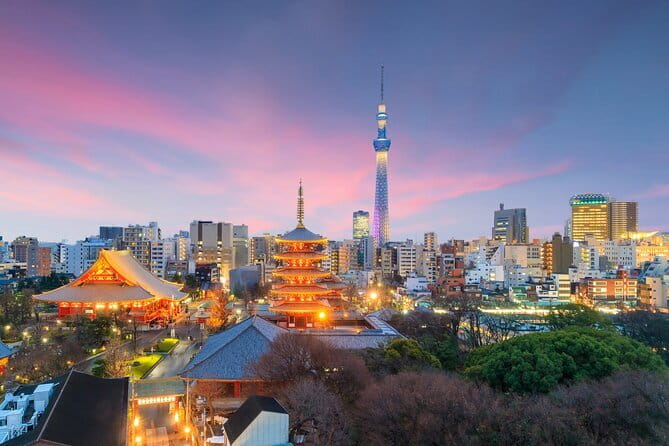
Enoshima receives about one hour and 50 minutes, making it the longest sightseeing stop. You reach the island by crossing the bridge, then follow paths through the Enoshima Shrine complex and its surrounding streets.
The shrine dates to 552, and its grounds include several religious features. The tour description highlights a colorful eight-armed seated Benzaiten statue, a Hizen country figure, and the Happo tortoise. Your guide can add context about the symbols and customs, which helps turn a quick visit into more than a series of photographs.
Enoshima is also where you get the strongest open views of the day. One account described the views from the top as breathtaking, while another recalled seeing Mount Fuji in the distance. Fuji is not guaranteed, but clear weather can add a memorable finish to the island visit.
You should expect stairs and uphill walking. The island’s appeal comes partly from its layered paths, shrines, viewpoints, and sea-facing corners, but that same layout can be tiring. There is not much shade in some areas, a real issue on hot days.
Use your time wisely. You can look around the shrine grounds, pause for food, and take photographs, but you probably cannot investigate every side street or optional sight. Food is not included, so this is the natural place to buy lunch or a snack if the group schedule allows. Ask the guide for recommendations. Peter and Armand were specifically praised for useful restaurant advice.
Tsurugaoka Hachimangu and Kamakura’s samurai setting
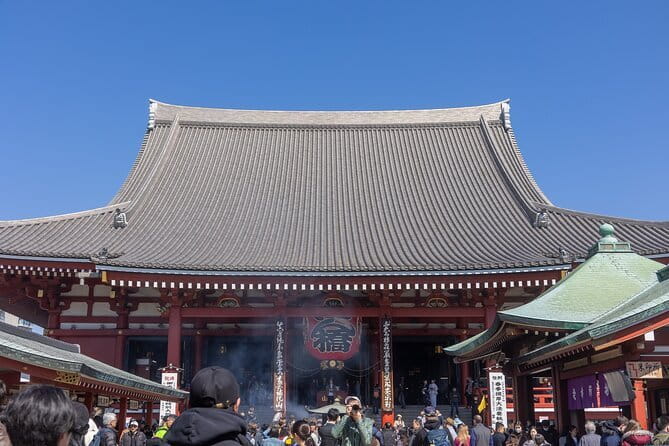
After Enoshima, the group returns to Kamakura for Tsurugaoka Hachimangu. You have about 40 minutes, and admission is included.
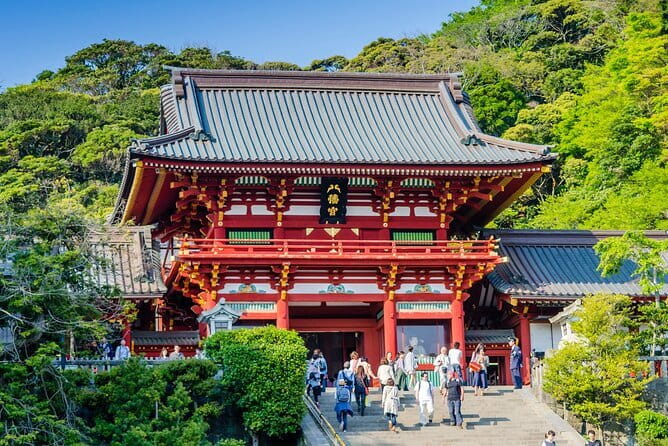
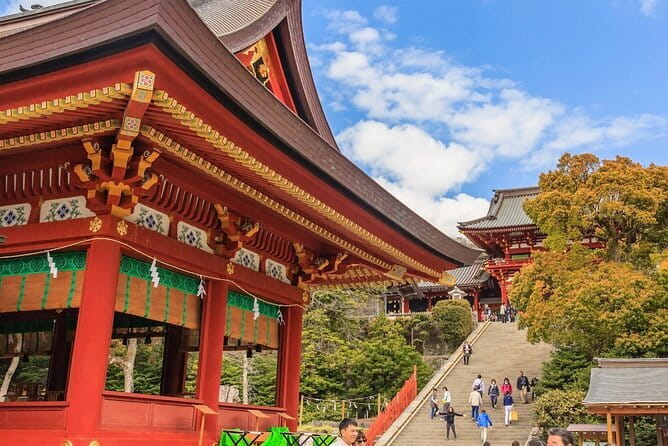
This is Kamakura’s major Shinto shrine and one of the most meaningful stops for understanding the town’s political and religious role. Its large torii gates, open approach, gardens, and ceremonial spaces create a very different mood from the bronze Buddha.
The shrine is linked with samurai heritage and prosperity, making it a valuable counterpoint to the Buddhist focus at Kotoku-in. I like the contrast. In a single day, you see how Buddhist and Shinto traditions occupy different but connected parts of Japanese culture.
Forty minutes is enough to walk through the principal areas and hear an explanation, but it is not enough for a slow exploration. If you want to linger at every gate, read every sign, or spend time taking careful photographs, you will need a separate visit.
Komachi Street for food and browsing
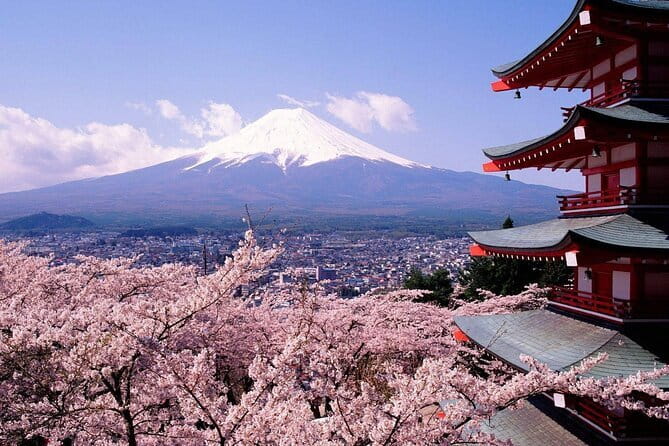
The final stop is Komachi Street, a lively shopping lane running between Tsurugaoka Hachimangu and Kamakura Station. You get around 30 minutes to walk, browse, and sample local food.
This is a useful ending because it loosens the structure after several formal sites. The street brings you back to everyday Kamakura, with modern shops and food stalls set along a traditional route.
Thirty minutes passes quickly. You may need to choose between eating, shopping, and simply strolling. If you see something you want, do not assume you can return later. The group must meet on time for the return journey.
Komachi Street is also a good place to spend remaining cash. Japan is increasingly easy for card payments, but the tour information warns that some restaurants and attractions accept cash only. Carry yen from the start rather than relying on a convenient ATM.
Guides can make or break the pace
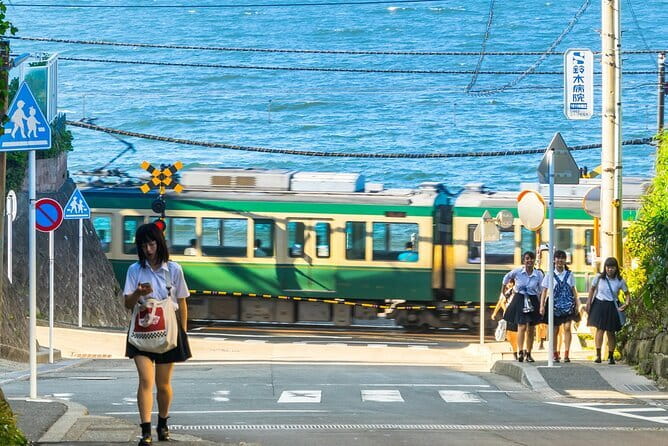
The strongest part of this experience is often the guide. Alex received repeated praise for historical explanations and for keeping the day on schedule. Allan Tan was described as energetic, funny, helpful, and able to move between English and Mandarin. Peter was praised for his friendly manner, restaurant recommendations, and care with solo participants.
Leonard was noted for fluent English and attention to individual needs. Jack received praise for clear instructions and an organized route, while Chow was appreciated for detailed explanations at Enoshima. These comments point to the importance of the person leading the group, especially when the day includes several transfers and strict meeting times.
Guide assignments can change, so you cannot book a particular personality with certainty. The best guides add stories and explain religious customs rather than simply pointing out buildings. They also make the practical side easier by giving clear meeting instructions and helping with photographs.
The tour is multilingual. That makes it accessible to a wider mix of people, but explanations may take longer when repeated in several languages. If the group is full, you should expect some waiting while people regroup.
The real cost, time, and comfort
The $60.62 price is fair if you value convenience. It includes the air-conditioned vehicle, driver, guide, designated pickup and drop-off, and Enoden ticket. For a visitor with limited time in Tokyo, that combination removes a lot of planning.
You still pay for lunch and the Great Buddha admission. Other optional sites or purchases may also require extra money. The advice to carry around 3,000 yen is sensible, especially if you plan to eat, buy snacks, or enter additional attractions.
The biggest cost is time. Ten hours is a long day, and weekend or holiday traffic can delay your return beyond 8 p.m. The operator warns that stops may be shortened, changed, or canceled if traffic causes serious delays. Do not schedule a flight, train, dinner reservation, or evening attraction immediately after the tour.
You also need good walking shoes. The day includes shrine grounds, station transfers, the Enoshima bridge, island paths, shopping streets, and time on your feet at each stop. A hat, water, and sun protection are sensible in hot weather because some areas have limited shade.
Who should book this experience
I would choose this trip if you have one free day in Tokyo and want to see the main Kamakura and Enoshima sights without building the route yourself. It suits solo visitors, first-time Japan visitors, and anyone who prefers having transport and historical explanation arranged.
It also works well for people who want a broad first look. You see a major Buddhist statue, a major Shinto shrine, a historic local train, a coastal island, food streets, and possible Mount Fuji views.
I would hesitate if you dislike fixed schedules or large groups. The tour may feel rushed, especially at Kotoku-in, Hachimangu, and Komachi Street. It is also not the best choice if you need guaranteed English-only commentary, a quiet vehicle, or a private guide.
The tour has free cancellation up to 24 hours before the start time. Cancellations or changes inside that window are not refunded, and late arrivals or no-shows do not receive refunds. Plan to be early, keep your phone available for the night-before message, and leave your evening open.
Should you book the Kamakura and Enoshima tour?
Book it if you want maximum coverage for a modest price and accept a full, active day. The Great Buddha, Enoden ride, Enoshima shrines, Hachimangu, and Komachi Street make a satisfying introduction to this corner of Kanagawa.
Skip it if you would rather spend half a day at one temple, eat slowly, or set your own pace. For most first-time visitors with limited time, though, the included rail ticket, air-conditioned transport, and strong guide reports make this a practical escape from Tokyo. Just carry cash, wear comfortable shoes, and keep your evening free in case the return trip runs late.
FAQ
How long is the tour?
The tour lasts approximately 10 hours.
Where does the tour depart from?
Pickup is available from designated points in Tokyo and Shinjuku. The exact meeting point and vehicle details are sent by email around 9 p.m. the night before departure.
How early should I arrive?
You should arrive 15 minutes before departure. The guide will hold a yellow flag with the Gogoday logo and confirm your booking name.
Is transportation included?
Yes. The tour includes an air-conditioned vehicle, designated pickup and drop-off, and an Enoshima Electric Railway ticket.
Is lunch included?
No. Lunch is not included in the tour price.
Are attraction admission fees included?
The Enoden ticket and Tsurugaoka Hachimangu admission are included. Admission to Kotoku-in and the Great Buddha is not included.
What languages are available?
The guide service is offered in English, Mandarin, and Japanese. Explanations may be provided in multiple languages during the shared tour.
How large can the group be?
The maximum group size is 40 people.
Can the tour return after 8 p.m.?
Yes. Weekend and holiday traffic may delay the return to Tokyo beyond 8 p.m. Stops may also be shortened, adjusted, or canceled because of traffic delays.
Just added in Tokyo
- Mount Fuji Full Day Sightseeing Tour from Tokyo★ 4.5 · 101 reviews
- Tokyo: Harajuku Meiji Shrine to Shibuya Crossing Guided Tour★ 5.0 · 27 reviews
- Mt Fuji Customizable Private Tour English Speaking Driver Pick-up★ 5.0 · 69 reviews
- Discover the Art of Ikebana in Tokyo’s Historic Yanaka District★ 5.0 · 60 reviews
- Shinjuku Food and Drink Walking Tour★ 5.0 · 13 reviews
- Freely set up plans Guided Private Tours in Tokyo★ 4.5 · 130 reviews
- Flavors of Japan Food Tour in Tokyo★ 5.0 · 39 reviews
- Ebisu Local Food Tour: Shibuya’s Most Popular Neighborhood★ 5.0 · 20 reviews
Temples and Shrines, compared.
![[Kyoto & Nara Day Tour] Sagano Scenic Railway & Nara Park & Fushimi Inari Taisha Thousand Torii Gates & Togetsukyo Bridge & Bamboo Grove & Kimono Forest (Departing from Osaka)](https://media.japanvisits.com/wp-content/uploads/kyoto-nara-day-tour-sagano-scenic-railway-nara-park-fushimi-inari-taisha-thousand-torii-gates-togetsukyo-bridge-bamboo-grove-kimono-forest-departing-from-osaka-k110001-400x257.jpg)
Kyushu One-Day Tour: Yufuin no Mori Train & Yufuin Town & Nyoirin-ji Temple & Dazaifu & Hell Hot Springs (Departing from Fukuoka)
Read our review →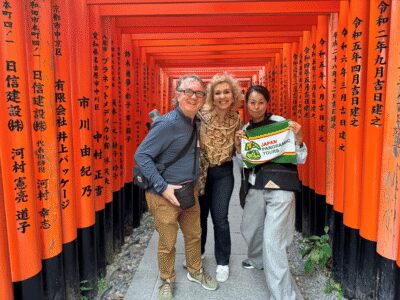
Fushimi Inari, Kinkakuji, Bamboo Grove 1 Day Bus Tour
Read our review →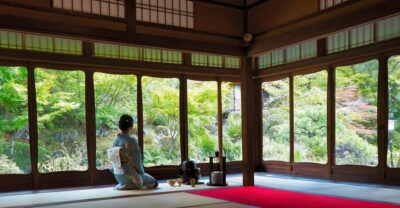
Tea Ceremony in a Traditional Tea House in Kiyomizu
Read our review →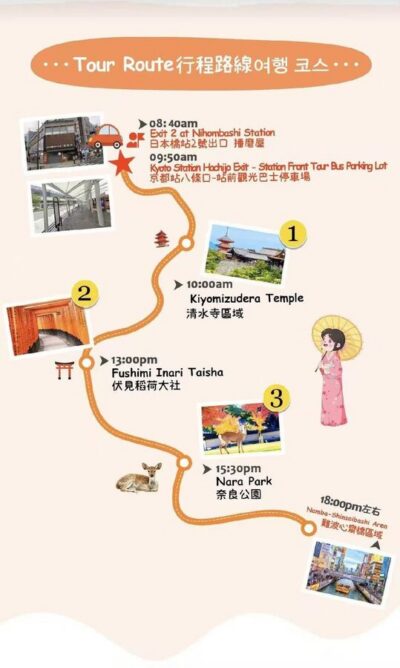
Kyoto Nara Day Trip │ Kiyomizu-dera Temple + Fushimi Inari-taisha Shrine + Nara Park (Departing from Osaka/Kyoto)
Read our review →
Browse the lists this tour appears in