
Reviewed · CASTLES AND HISTORIC SITES
Kyoto: Nijo Castle, Kiyomizu & Fushimi Inari Guided Tour
Kyoto rewards a well-planned day. This 11-hour bus tour links Arashiyama, Kinkaku-ji, Nijo Castle, Kiyomizu-dera, and Fushimi Inari, giving you a practical introduction to the city’s major sights without wrestling with several train lines. I especially like the early stop at the Bamboo Grove and the generous free time built into most visits. The main drawback is the pace: five famous places in one day means plenty of walking, crowds, and a long ride.
I also like the bilingual English and Spanish guiding, which has earned repeated praise from visitors who found guides such as Cesar, Angeles, Paula, and Alex clear, patient, and well organized. The $54 starting price can be good value for transportation and guided sightseeing, but check your booking option carefully because admission to Kinkaku-ji, Nijo Castle, and Kiyomizu-dera is included only with the ticket option.
In This Review
- Key points at a glance
- Why this Kyoto day tour makes sense
- Arashiyama Bamboo Grove before the crowds
- Kinkaku-ji and the Golden Pavilion
- Nijo Castle and the shogun’s world
- Kiyomizu-dera, lunch, and Kyoto’s old streets
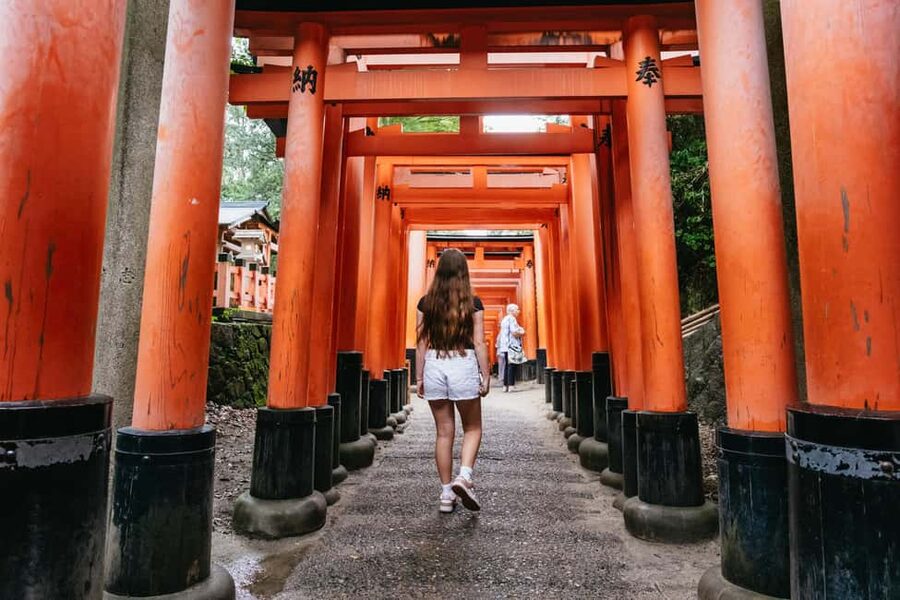
- Fushimi Inari and the red torii gates
- Guides, languages, and how the day is managed
- The $54 price and what you actually receive
- Who should book, and who should think twice
- Should you book this Kyoto bus tour?
- FAQ
- Where does the tour start?
- How long does the tour last?
- Which languages are available?
- Are admissions included in the $54 price?
- Is lunch included?
- What happens if Nijo Castle cannot be visited?
- Is the tour suitable for wheelchair users?
Key points at a glance
- Early Arashiyama visit: Spend 70 minutes among the bamboo before the day is at its busiest.
- Five headline sights: Cover Kyoto’s best-known temples, shrine, castle, and garden in one carefully arranged day.
- Free time, not a forced march: The schedule allows 45 minutes at Kinkaku-ji, 90 minutes at Nijo Castle, 2.5 hours around Kiyomizu-dera, and 90 minutes at Fushimi Inari.
- Strong guide support: Guides switch between English and Spanish, explain Japanese culture, and keep meeting points clear.
- Comfort between stops: The coach gives you a chance to sit down between visits, a welcome feature on a day with substantial walking.
- Important ticket choice: The advertised price does not automatically mean every site admission is covered.
Why this Kyoto day tour makes sense

Kyoto is compact on a map but spread out in practice. Arashiyama sits on the western edge of the city, Fushimi Inari lies in the southeast, and the central temples and castle are reached by roads that can slow considerably in busy periods. A private vehicle or coach removes much of the route planning.
You meet outside Hotel Keihan Kyoto Grande, near Kyoto Station, and should arrive at least 10 minutes before departure. The day lasts about 11 hours, with the published schedule running from the morning meeting to drop-off at Fushimi Inari Taisha or Kyoto Station.
I see this as a first-day orientation to Kyoto, not a slow temple tour. You get a helpful overview of the city’s major sights, then can return later to the places that deserve more time. It is particularly useful if you have only one full day in Kyoto or feel unsure about arranging several distant visits on your own.
The coach also gives your feet a break. Several people praised the clean, comfortable bus, smooth driving, and cool air conditioning during hot weather. Still, this is not a sightseeing day from a window. You will get on and off repeatedly, walk through temple grounds, manage stairs or uneven paths, and spend much of the day outdoors.
More Castles and Historic Sites in Kyoto
- Kyoto Samurai Experience
★ 5.0 · 1,294 reviews - Kyoto: Nijo-jo Castle and Ninomaru Palace Guided Tour
★ 4.7 · 1,020 reviews - Kyoto: Kendo and Samurai Experience with Uniform and Gear
★ 4.9 · 815 reviews
Arashiyama Bamboo Grove before the crowds
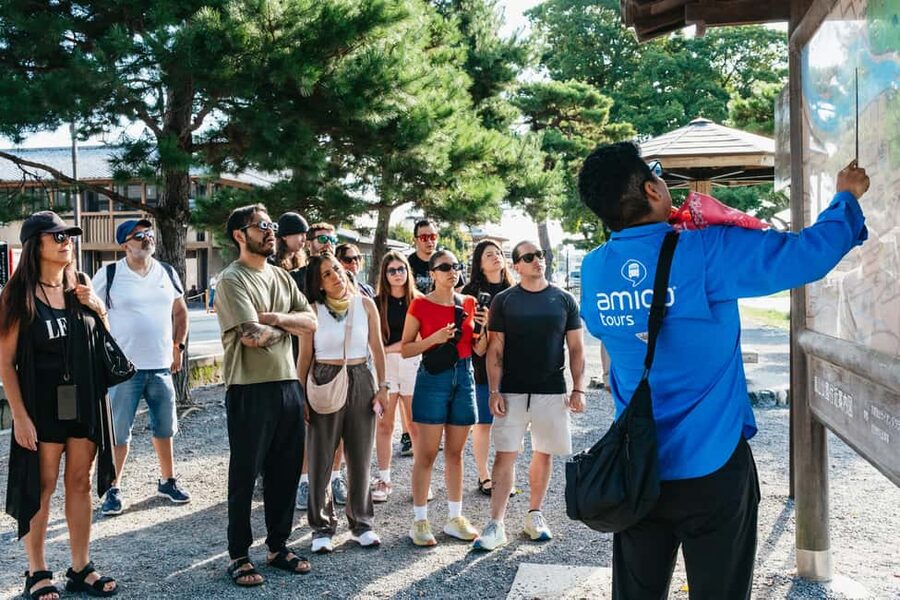
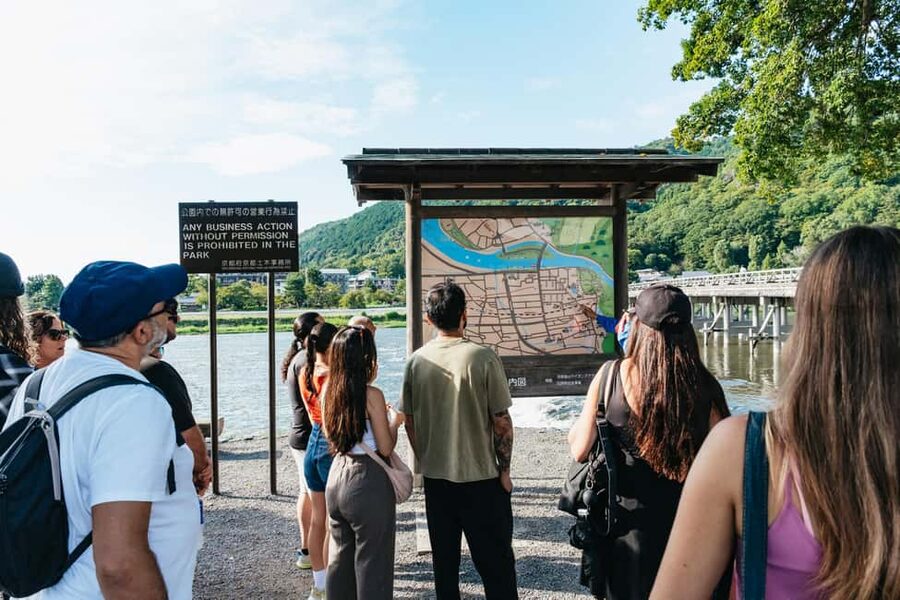
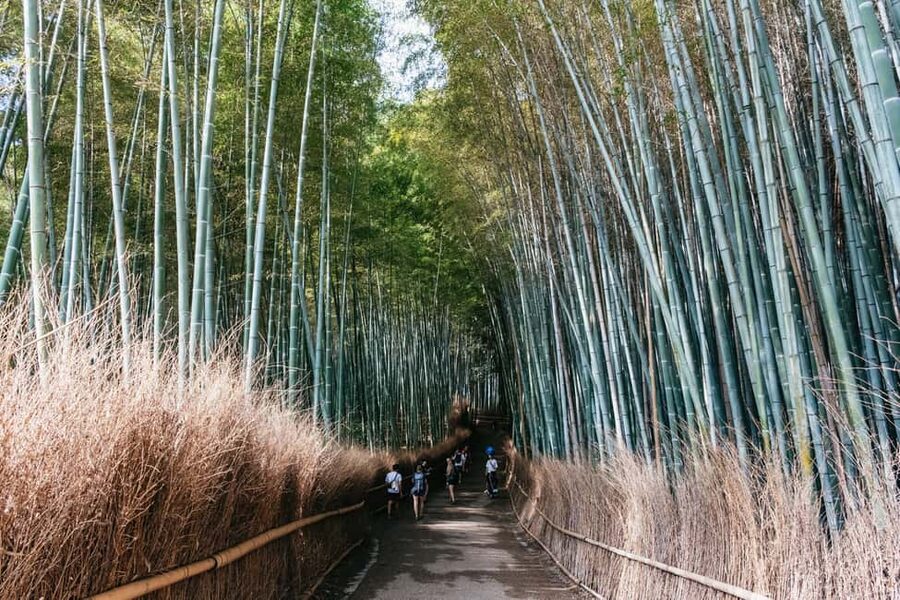
The first major stop is Arashiyama, reached after about 40 minutes on the bus. You have 70 minutes of free time, which is a useful amount for the Bamboo Grove and nearby paths, though not enough for every attraction in the district.
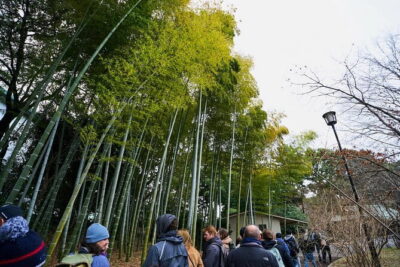
The bamboo stalks create the scene Kyoto postcards love: tall green poles, narrow paths, and the soft movement of leaves overhead. The early timing is one of the tour’s smartest decisions. Arashiyama is famous for heavy foot traffic, so arriving near the start of the day gives you a better chance at quieter photographs and a calmer walk.
Do not expect complete solitude. The grove is a major stop on nearly every Kyoto itinerary, and conditions can change with the season, weather, and day of the week. The advantage here is not a private visit. It is getting there before the crowds build.
Use the 70 minutes with a plan. Walk steadily through the grove, take your photographs, and return to the agreed meeting point with time to spare. A hat, sunscreen, and water are sensible, especially in summer. Comfortable shoes matter from the beginning, since the day only becomes more active.
Kinkaku-ji and the Golden Pavilion
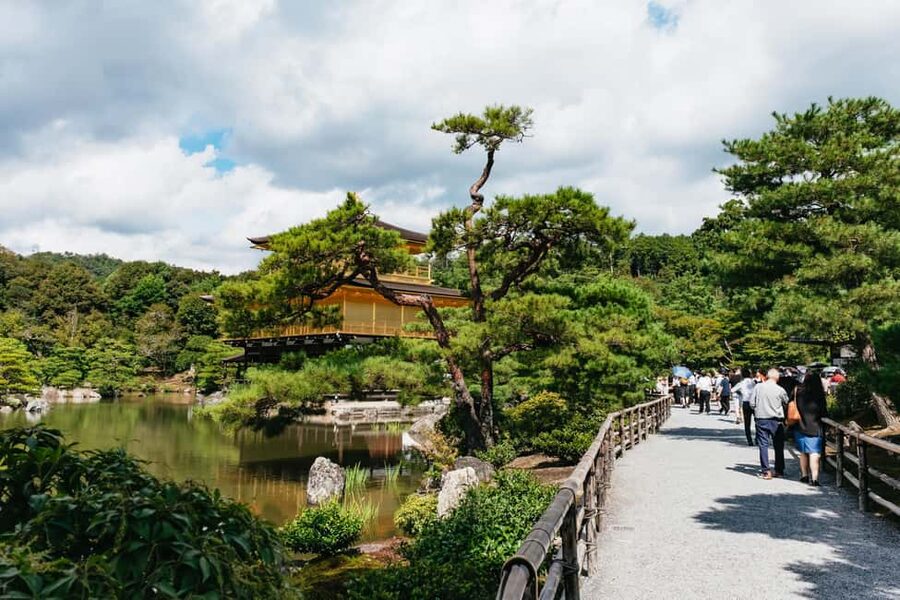
The coach ride to Kinkaku-ji takes about 30 minutes. You then have 45 minutes of free time to see the Golden Pavilion, a gold-leaf-covered temple reflected in a pond and framed by carefully arranged gardens.
Kinkaku-ji is a short, focused visit rather than a place where you linger for hours. The pavilion itself is the star, and the pond provides the classic view. The surrounding garden gives you a little more context, but the route is designed to keep the group moving toward the next stop.
There is one important booking detail. Access to Kinkaku-ji is included only if you choose the option with tickets in advance. The tour description presents the pavilion as part of the route, but the admission wording makes the ticket selection important. Check exactly what your chosen price covers before paying.
Forty-five minutes should be enough for the main view and a walk through the permitted garden areas. It may feel brief if you want a quiet, reflective visit or time to browse every corner. On the other hand, the short stop helps the full-day schedule work.
Nijo Castle and the shogun’s world
After another 30-minute ride, the group reaches Nijo Castle for a 90-minute visit. This is one of the day’s most rewarding stops for anyone interested in political history, architecture, and everyday details from Japan’s shogun era.
The castle grounds are spacious, and the traditional tatami rooms offer a look at how authority and ceremony were expressed through space. The famous nightingale floors are a practical highlight. Their boards squeak underfoot, creating a warning sound that helped protect the castle’s residents from unwanted visitors.
Ninety minutes gives you enough time to appreciate the main buildings and gardens without making the stop feel hurried. I would pay close attention to the guide here, since the rooms and security features become more interesting when you understand their purpose.
Admission to Nijo Castle is included only with the appropriate ticket option. The operator also warns that the castle may sometimes be inaccessible because of circumstances beyond its control. If that happens, the replacement visit is Sanjūsangen-dō Temple. That change could disappoint someone choosing the tour mainly for the castle, but it is a clear alternative rather than a simple cancellation of the stop.
More Temples and Shrines in Kyoto
- [Kyoto & Nara Day Tour] Sagano Scenic Railway & Nara Park & Fushimi Inari Taisha Thousand Torii Gates & Togetsukyo Bridge & Bamboo Grove & Kimono Forest (Departing from Osaka)
★ 4.9 · 10,942 reviews - Kyoto: Fushimi Inari, Kinkakuji, Bamboo Grove 1 Day Bus Tour
★ 4.8 · 4,316 reviews - Kyoto: Tea Ceremony in a Traditional Tea House in Kiyomizu
★ 4.9 · 3,519 reviews - Kyoto Nara Day Trip │ Kiyomizu-dera Temple + Fushimi Inari-taisha Shrine + Nara Park (Departing from Osaka/Kyoto)
★ 4.7 · 3,408 reviews
Kiyomizu-dera, lunch, and Kyoto’s old streets
The next 30-minute bus ride leads to Kiyomizu-dera, followed by 2.5 hours for the temple, lunch, and free time. This is the longest stop and gives the schedule room to breathe.
Kiyomizu-dera is known for its large wooden stage projecting over the hillside. From here, you get broad views across Kyoto, while the streets around the temple offer traditional sweets, craft shops, and places to find a meal. The combination works well: you see one of Kyoto’s major religious sites, then have time to explore at your own speed.
Admission is included only when you purchase the option with tickets. Food and drinks are not included, so set aside money for lunch and bring water. The long stop gives you flexibility, but it also means you need to manage your own time carefully. Listen closely when the guide explains where and when to meet again.
This is likely to be one of the busiest sections of the day. Kiyomizu-dera is a major Kyoto attraction, and the surrounding shopping streets can feel crowded. The guide can explain the site and help keep the group together, but no tour operator can remove the crowds from one of Kyoto’s most popular viewpoints.
The 2.5-hour block is also useful for families and independent-minded visitors. You can spend more time at the temple, stop for matcha, look at local crafts, or eat without being hurried through a short 30-minute lunch break. Several people appreciated having enough time at each stop, and this is where that extra time matters most.
Fushimi Inari and the red torii gates
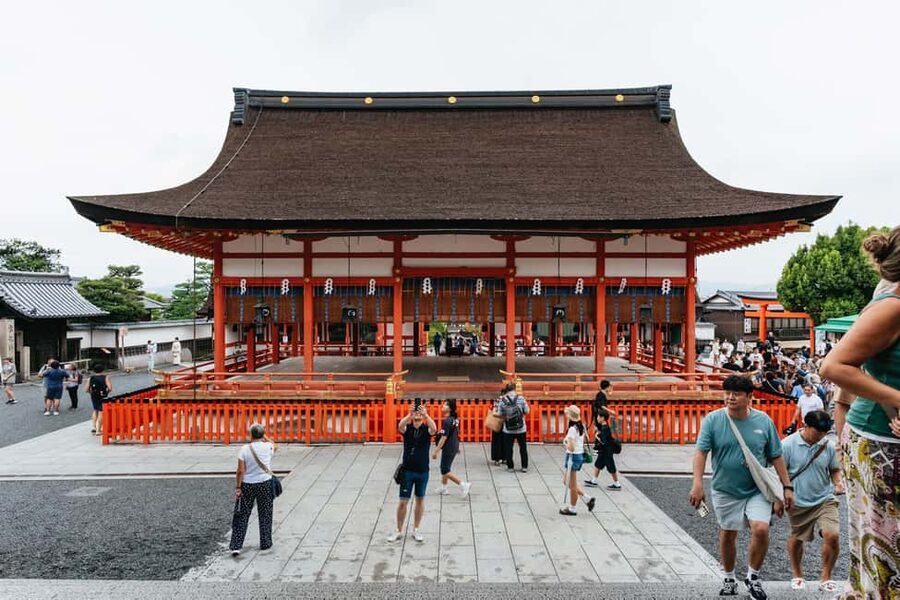
The final sightseeing stop comes after another 30-minute ride. Fushimi Inari Taisha receives 90 minutes, with free time to explore the shrine and its famous trails.
Thousands of bright red torii gates climb the wooded mountainside, forming one of Kyoto’s most recognizable walks. Each gate marks a connection to the shrine and its spiritual world, while the route gradually shifts from a busy photo stop toward a quieter walk among trees.
Ninety minutes is enough to experience the lower shrine area and walk partway beneath the gates. It is not enough to complete every mountain trail at a relaxed pace. Keep an eye on the clock, especially if you go uphill. The meeting point and departure time matter more here than at a compact viewing platform.
The timing at Fushimi Inari may also affect what you see. The tour schedule gives this stop 1.5 hours, and some visits may continue toward evening. One person found the final stop shorter in feel because darkness arrived, although the fading light can also give the shrine a different mood.
You can finish at Fushimi Inari Taisha or return to Kyoto Station, depending on the stated drop-off arrangement. If you have evening plans, allow some flexibility rather than booking an immediately timed train or dinner reservation.
Guides, languages, and how the day is managed
The guide is a major part of the experience. The tour is offered in English and Spanish, sometimes with guides switching between the two languages for a bilingual group. Several guides received especially warm praise, including Cesar, Angeles, Paula, Alex, Andrea, and Heli.
The strongest pattern is not simply historical information. It is organization. Guides were praised for explaining meeting points clearly, answering questions, checking that everyone returned on time, helping with photographs, and making sure both language groups received the same information.
Cesar was singled out for switching between English, Spanish, and Japanese with ease. Angeles was praised for keeping a first-time visitor comfortable and making the day feel light and organized. Paula was noted for her friendly explanations and clear communication. Guide assignments can change, so you should not book expecting a specific person, but the repeated praise suggests that guide quality is one of the tour’s real strengths.
Large or crowded sites can make spoken explanations hard to hear. One useful improvement would be audio headsets, especially when the guide is speaking outdoors near busy paths. Stay close during introductions, and ask questions during quieter moments.
The driver matters, too. Drivers named Ken, Hamada, Kobashi, Yamaguchi, Ikeda, and others were praised for smooth, safe driving and keeping the bus comfortable. Kyoto traffic can be slow, so having an experienced driver is a practical advantage, not just a pleasant extra.
The $54 price and what you actually receive
At $54 per person, the tour can offer strong value if you want transportation, a full-day structure, and a guide who supplies context at each site. Recreating the same route independently would require several train or bus connections, careful timing, and separate admission purchases.
The price needs a close look because the ticket options are not identical. Admission to Kinkaku-ji, Nijo Castle, and Kiyomizu-dera is included only if you select the option with tickets. Food and drinks are never included.
That makes the tour best for someone who values convenience over complete independence. You pay for a managed route through Kyoto’s far-flung sights, not for a private vehicle or a slow personal itinerary. The value is strongest when you have just one day and want to see the famous places efficiently.
One price-related caution comes from the feedback: a visitor paid about $40 more per person than others in the same group. Prices can vary by booking option or timing, so compare the exact inclusions before completing your purchase. The cheapest headline figure may not include the admissions you want.
Who should book, and who should think twice
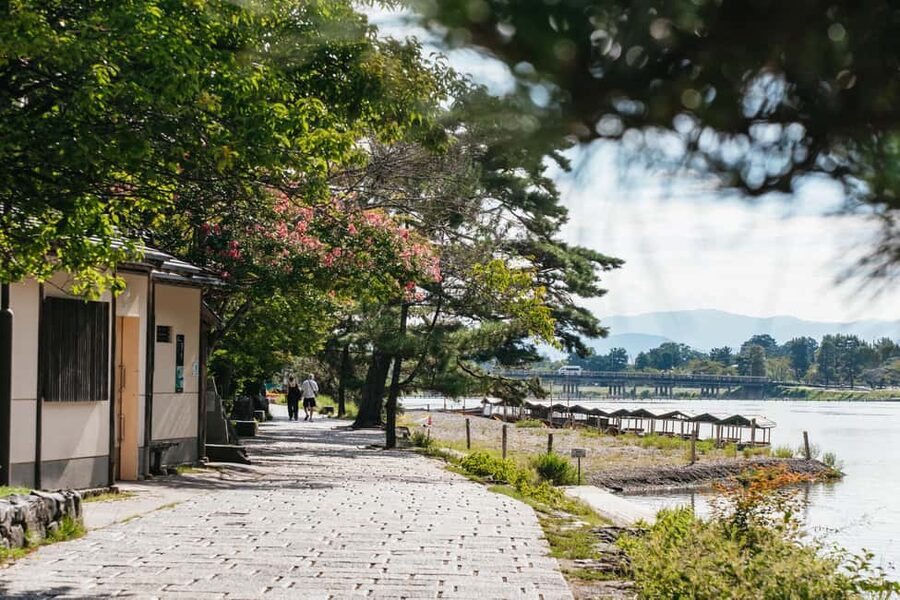
I would recommend this tour for first-time Kyoto visitors, short-stay visitors, families who want a clear plan, and solo visitors who prefer not to manage a complicated day alone. It also suits English and Spanish speakers who want cultural explanations rather than simply a bus transfer.
You should be in reasonably good shape. The tour is not suitable for wheelchair users or people with mobility impairments, and the operator specifically warns about this. Even for fit visitors, expect temple paths, standing, walking between bus stops and entrances, and time outdoors.
This is not the best choice if you want deep time at one or two temples, enjoy setting your own pace, or dislike popular attractions. The group schedule cannot wait for an extended lunch, a long shopping stop, or a slow photographic session.
Weather matters. Summer can be very hot, while rain can affect comfort and the order of visits. Wear comfortable shoes, bring water, sunscreen, a hat, and a camera. The operator may alter the route because of weather, traffic, road closures, or circumstances on the day.
You can cancel up to 24 hours in advance for a full refund, and the reserve-now, pay-later option helps if your plans are still changing. Those policies add useful flexibility, but they do not change the basic nature of the day: long, active, and tightly organized.
Should you book this Kyoto bus tour?
Book it if your Kyoto time is short and your priority is seeing the city’s headline sights in one day. The early Bamboo Grove visit, long Kiyomizu-dera stop, useful Fushimi Inari free time, and consistently praised guides make the route more than a simple transport service.
Skip it if you want solitude, flexible meal times, or a detailed visit to each temple. Also check the ticket option carefully, especially if Kinkaku-ji, Nijo Castle, and Kiyomizu-dera admissions are important to you.
For the right person, $54 is a sensible starting value for a very full day. Wear good shoes, keep water in your bag, listen carefully for meeting instructions, and accept that Kyoto’s most famous places come with crowds. With those expectations, this tour gives you a strong first look at Japan’s former imperial city.
FAQ
Where does the tour start?
The meeting point is outside Hotel Keihan Kyoto Grande. You should arrive at least 10 minutes before departure for check-in.
How long does the tour last?
The tour lasts about 11 hours. Starting times vary, so you need to check availability for the date you want.
Which languages are available?
Live guiding is available in English and Spanish. The tour is bilingual, and guides may switch between both languages during the day.
Are admissions included in the $54 price?
Admission to Kinkaku-ji, Nijo Castle, and Kiyomizu-dera is included only if you select the option with tickets in advance. Check the exact option before booking.
Is lunch included?
No. Food and drinks are not included, although the schedule gives you 2.5 hours at Kiyomizu-dera for the temple, lunch, and free time.
What happens if Nijo Castle cannot be visited?
If Nijo Castle is inaccessible because of circumstances beyond the operator’s control, the tour may visit Sanjūsangen-dō Temple instead.
Is the tour suitable for wheelchair users?
No. The activity is not suitable for wheelchair users or people with mobility impairments. Comfortable shoes are recommended because the day includes substantial walking.
Just added in Kyoto
- The “Golden Route” and Ancient Japan by DIAMIR Erlebnisreisen – 14-Day Tour★ 2.0 · 2 reviews
- Japan: Castles & Cuisine by G Adventures – 6-Day Kyoto to Osaka Tour★ 4.5 · 4 reviews
- Cycle Japan by Explore! – 13-Day Kyoto to Tokyo Tour★ 4.7 · 12 reviews
- Cycle Japan by Intrepid Travel – 11-Day Kyoto to Tokyo Tour★ 4.8 · 2 reviews
- Classic Japan by Intrepid Travel – 11-Day Kyoto to Tokyo Tour★ 4.4 · 14 reviews
- Ancient & Modern Japan 14-Day Tour by Exodus Adventure Travels★ 4.4 · 40 reviews
- 5 Day Cultural Adventure of Kyoto, Nara & Osaka by Tourist Journey★ 2.5 · 2 reviews
- 12 Days Kinosaki Onsen Escape: A Journey Through Japan’s Timeless Towns by UME Travel★ 4.8 · 5 reviews
Castles and Historic Sites, compared.

Imperial Palace and Shogun Historical Walking Tour
Read our review →
Tokyo Castle & Imperial PalaceーShogun Walking Tour
Read our review →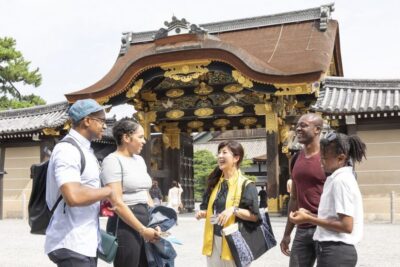
Nijo-jo Castle and Ninomaru Palace Guided Tour
Read our review →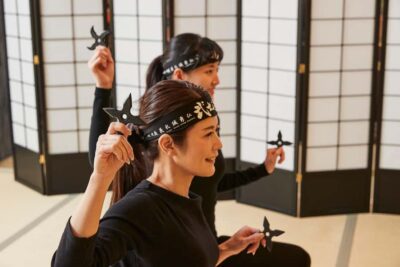
Samurai Ninja Museum Guided tour and Experience
Read our review →Browse the lists this tour appears in